
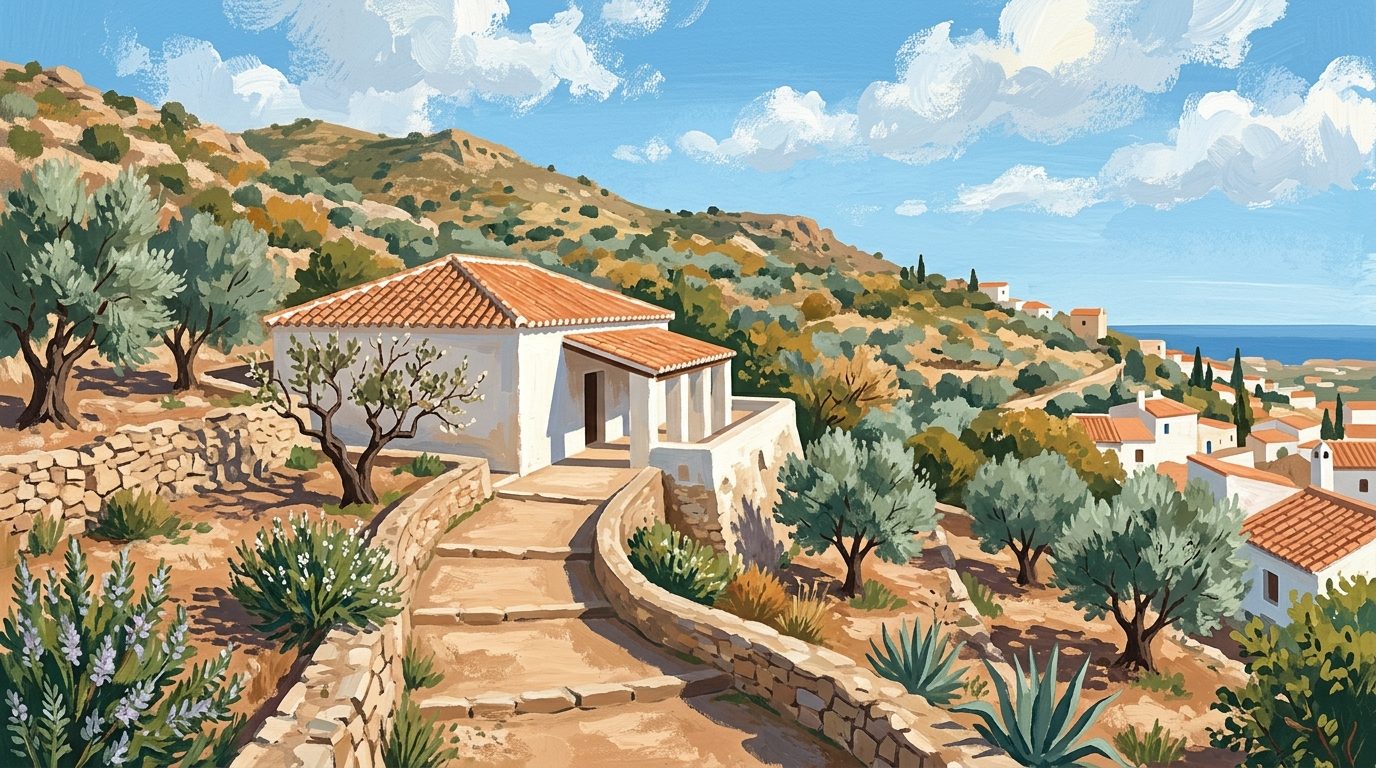
attraction · Almería
Refugios de la Guerra Civil Española de Almería
Andalucía 365 · Updated 18 July 2026
Our Verdict
“The Refugios de la Guerra Civil offer a stark, sobering descent into Almería’s wartime history. This immaculately preserved subterranean labyrinth of brick and concrete showcases incredible architectural ingenuity under extreme duress. It is an emotionally heavy, essential experience that provides a profound counterpoint to the city's sunlit coastal attractions.”
Last verified: July 2026
Descending nine metres beneath the sunlit pavements of Almería reveals a sobering testament to 20th-century survival. The Refugios de la Guerra Civil Española, an extensive subterranean network of vaulted brick and concrete, plunges visitors into the chilling reality of aerial bombardment. Designed by municipal architect Guillermo Langle Rubio, alongside engineers Carlos Fernández Celaya and José Fornieles, and constructed between 1936 and 1938, this labyrinth originally spanned four and a half kilometres. It remains one of the most significant pieces of civil and military engineering in Spain, offering a profound connection to a dark chapter of modern history.
The Architecture of Survival
Although Almería remained in the rearguard during the Spanish Civil War, its strategic coastal position made it a frequent target. The city suffered heavily from the air and sea, enduring 52 bombardments that dropped over 700 bombs. The most devastating attack occurred on 31 May 1937, when a German naval squadron bombarded the city, destroying hundreds of buildings. The desperate response to this relentless threat was a monumental shelter system built to protect up to 40,000 citizens.
Walking through the restored one-kilometre section beneath the Paseo de Almería provides an immediate sense of the scale behind the project. Funding the construction required a special local tax, and the excavation relied heavily on voluntary labour working alongside professional miners. Visitors navigate reinforced brick corridors engineered to withstand heavy explosives and distribute the immense weight of the city above. Originally, 67 strategically placed entrances ensured that no citizen was ever more than a few minutes from safety. Following the war, Langle cleverly disguised several original entry points as concrete kiosks, embedding the survival network into the everyday streetscape.
The Subterranean Operating Theatre
One of the most evocative spaces within the recovered tunnels is the subterranean hospital station. This fully equipped operating room allowed medical staff to perform emergency surgeries while explosives detonated overhead. To ensure surgeries could continue uninterrupted, the space was designed to maintain its own electrical supply even if the city's main grid was destroyed. The operating theatre remains chillingly clinical, reflecting the resilience of the local population under extreme duress.
Elsewhere in the network, visitors pass through former storage rooms, a deep communal pantry originally connected to the central market, and small alcoves where families waited out the raids. Strict rules governed life in the tunnels: smoking was prohibited to preserve breathable air, children could not be left unattended, and political discussions were banned to maintain order. The walls bear witness to the fear and boredom of life underground. They are scarred with original charcoal sketches and graffiti etched by those seeking shelter, offering a moving glimpse into the psychological toll of the conflict.
Modern Upgrades and Conservation
In recent years, the municipality has heavily invested in modernising the visitor experience while carefully preserving the deteriorating historic fabric. Because sections of the tunnels sit close to sea level, they are prone to dampness and salt filtration. Delicate consolidation treatments and extensive microbiological studies are employed to protect the fragile wall surfaces and preserve the original graffiti from severe moisture decay.
To enhance the historical narrative, the site incorporates cutting-edge museography. This includes virtual reality devices and augmented reality sequences providing an immersive understanding of the bombardments. These digital recreations allow visitors to virtually experience the sounding of the air raid alert, the frantic descent into the shelters, and the defensive measures taken by the city. This technology bridges the gap between bare brick walls and the human terror of the 1930s.
A Candid Assessment
The Refugios offer an essential, sobering counterpoint to the typical coastal tourism of the region. This is a stark, emotionally heavy encounter with modern warfare and architectural ingenuity. It suits history enthusiasts, students of civil engineering, and anyone looking for a profound connection to the city's modern heritage.
While the main restored gallery is illuminated and structurally secure, it remains a narrow, subterranean bunker. Visitors who suffer from severe claustrophobia should carefully consider their comfort levels before committing to the descent. For everyone else, it is a vital, unforgettable experience that anchors the broader narrative of Almería City: Sunlight, Sea Fortresses and the Hollywood of Europe.
Practicalities and Accessibility
Access to the tunnels requires descending flights of stairs, and while recent municipal projects have added double handrails and improved evacuation routes, the site’s historic nature presents inherent mobility challenges. The floors can occasionally be slightly damp or uneven, making sensible, flat walking shoes absolutely essential. The shelters maintain a constant, cool subterranean temperature year-round. Bringing a light layer is advisable even at the height of an Andalusian summer, as the deep underground chill is surprisingly potent.
Because the tunnels frequently undergo conservation work and rely on specific municipal schedules, visitors must confirm live operating details, current procedures and booking availability directly through the official Almería Tourism website. Advance preparation is strongly recommended, as access is strictly controlled to preserve the delicate environment.
Nearby Pairings
After emerging from the sombre depths of the shelters into the bright Andalusian daylight at Plaza Manuel Pérez García, a change of atmosphere is usually welcome. It is a very short walk to explore the unique fortress-like architecture detailed in A Guide to Almería Cathedral and the Historic City Centre. Alternatively, visitors can look upwards to the city’s Moorish past by reading A Guide to the Alcazaba de Almería: Spain’s Coastal Citadel, which dominates the skyline just a few streets away.
Nearby worth your time
A few well-placed stops for extending the day without turning it into a checklist.
Continue through Almería City
Step back into the wider landscape with local guides, nearby places and the province overview.
Place guide · 8 min
A Local Guide to Playa de Mojácar: Sands, Spirits and Almerían Soul
Experience the diverse 17-kilometre coastline of Mojácar Playa, where volcanic sands meet clear waters and lively chiringuitos offer the perfect Almerían escape.
Place guide · 7 min
Playa de los Genoveses: A Guide to the Wild Heart of Cabo de Gata
Experience the untouched beauty of Playa de los Genoveses, a vast volcanic bay in Almería where golden sands meet shallow turquoise waters in a protected natural park.
Itinerary · 13 min
5 Days in Almería: City, Desert and Cabo de Gata
A realistic five-day driving itinerary through Almería province, balancing the historic capital, the cinematic Tabernas badlands, and the protected volcanic shores of Cabo de Gata.