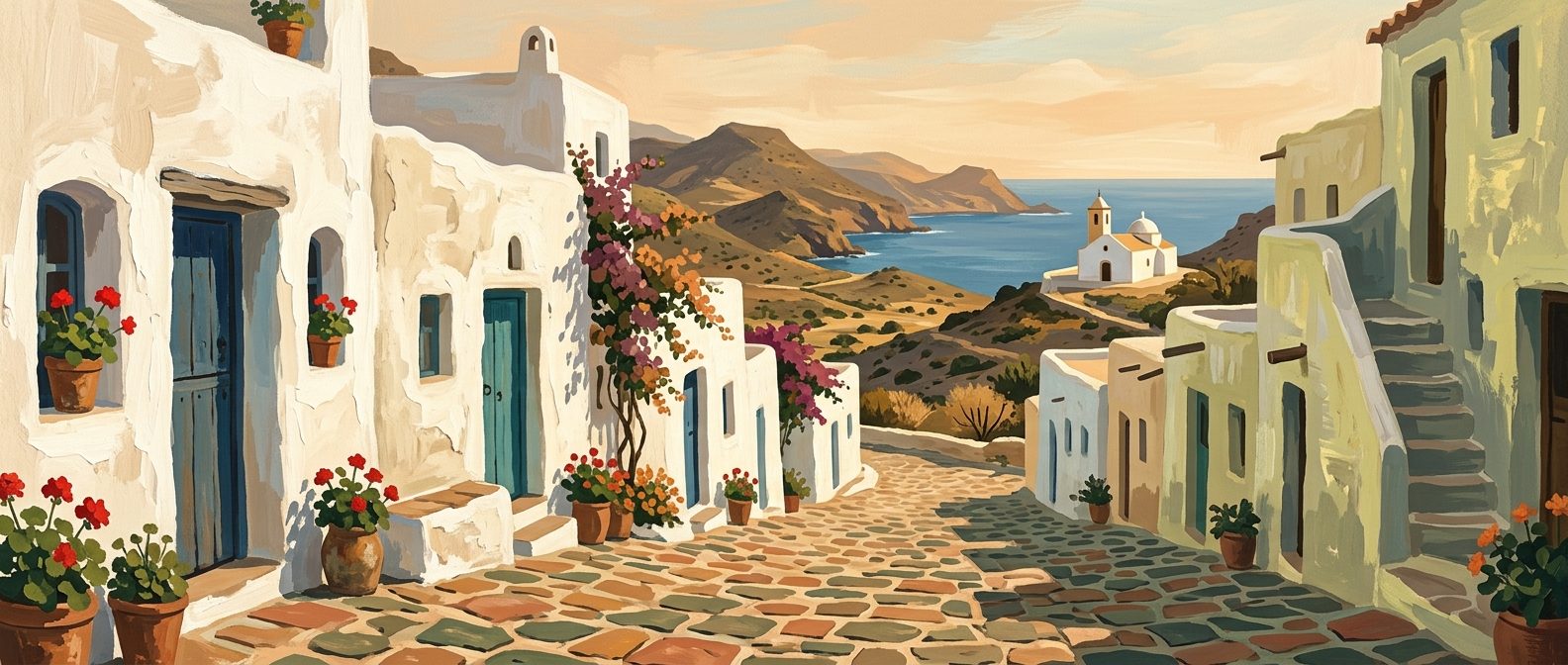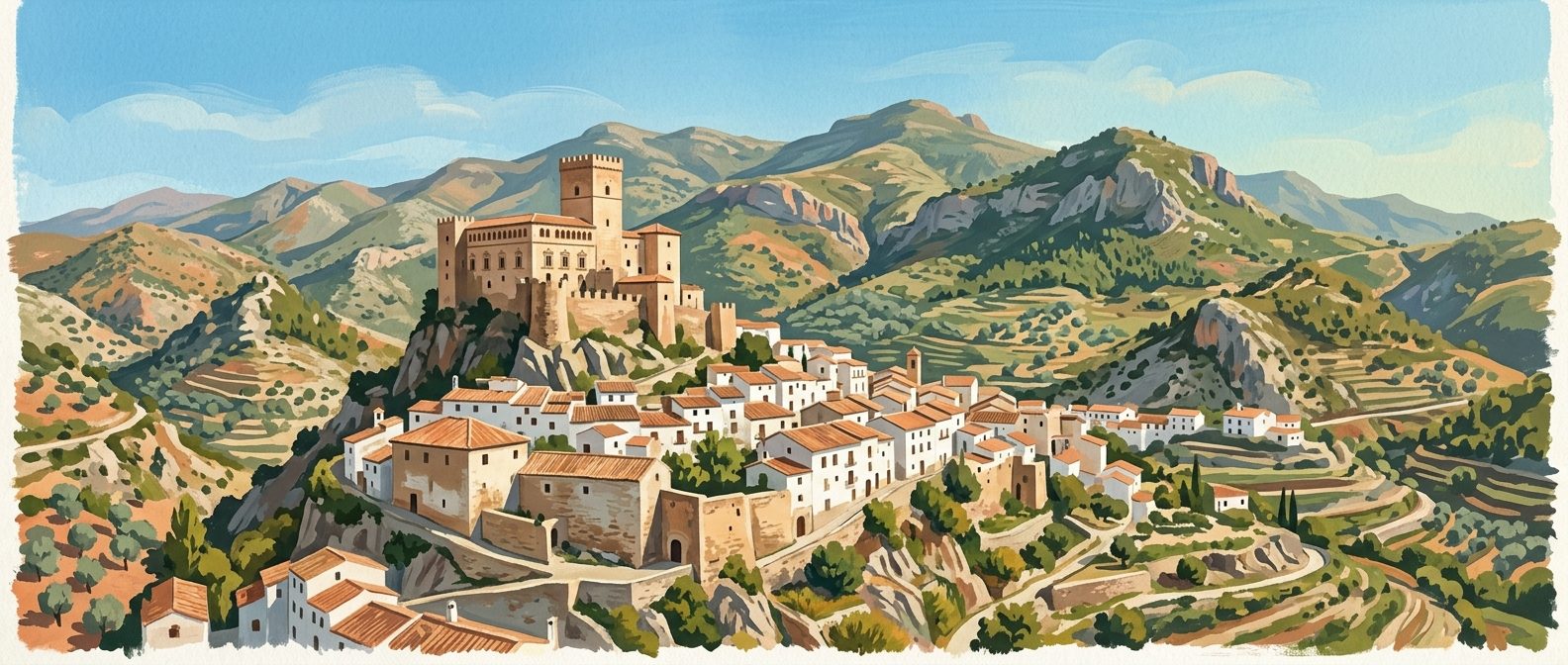
High above the arid plains of the Tabernas desert, Los Vélez offers a landscape of limestone peaks and pine forests that feels closer to the Pre-Pyrenees than the Mediterranean coast. It is a region defined by Renaissance grandeur and prehistoric secrets, where the air is sharp and the pace of life follows the seasonal harvest of almonds and olives.
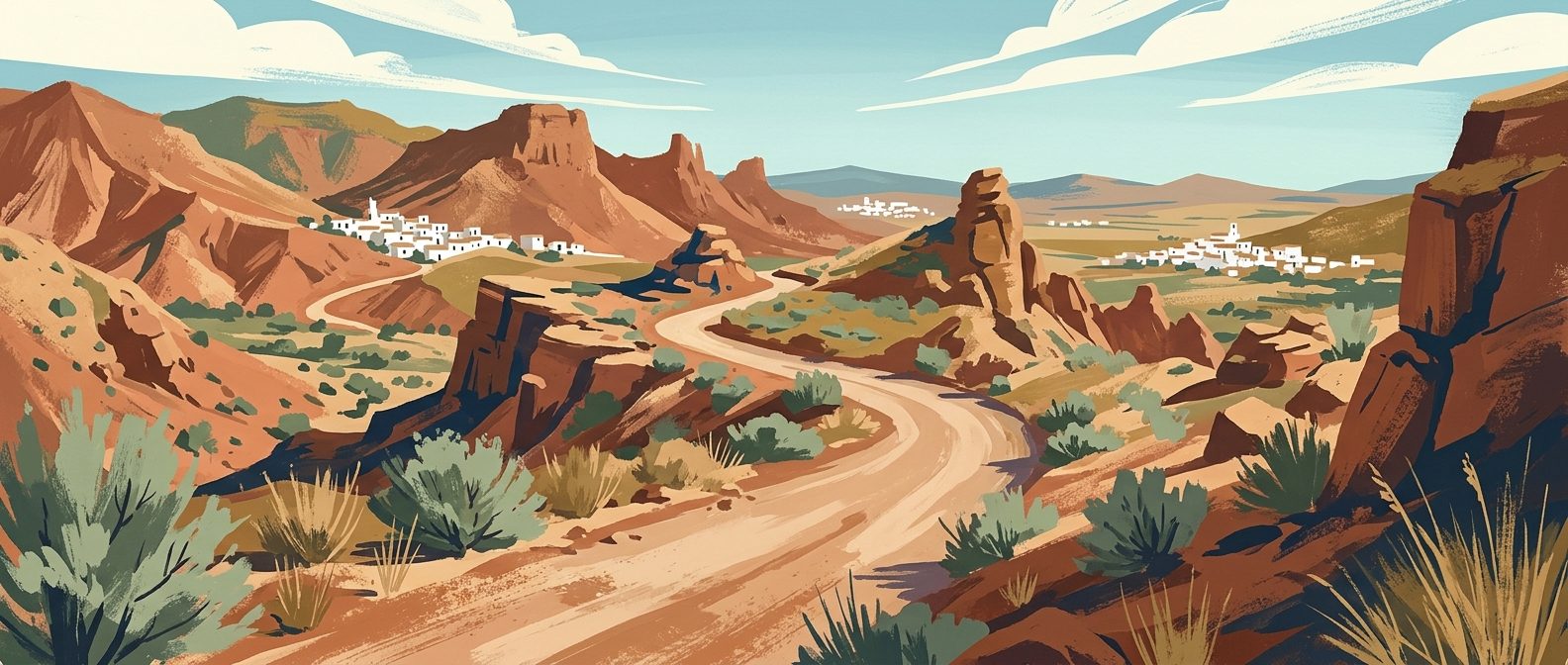
To cross the border from the province of Granada or Murcia into Los Vélez is to enter a version of Almería that defies every stereotype of the region. Gone are the plastic-covered greenhouses and the dusty film-set landscapes. In their place stands the Sierra de María-Los Vélez Natural Park, a rugged massif where golden eagles circle above grey rock faces and ancient holm oaks. This comarca (administrative region) serves as the northern gateway to Almería, a high altiplano where the winters are bone-chilling and the summers provide a cool sanctuary for those fleeing the coastal heat.
The history here is not merely a background narrative; it is etched into the very limestone of the mountains and the intricate stonework of the towns. From the Neolithic painters who left the Indalo symbol in local caves to the Marquis of Los Vélez who built one of Spain’s most significant Renaissance fortresses, the area feels like a curated gallery of human ambition. Despite its architectural wealth, Los Vélez remains largely bypassed by the mass tourism of the Almerían coast, preserving a character that is stoic, welcoming, and deeply rooted in its mountain traditions.
Places to Explore
Vélez-Blanco
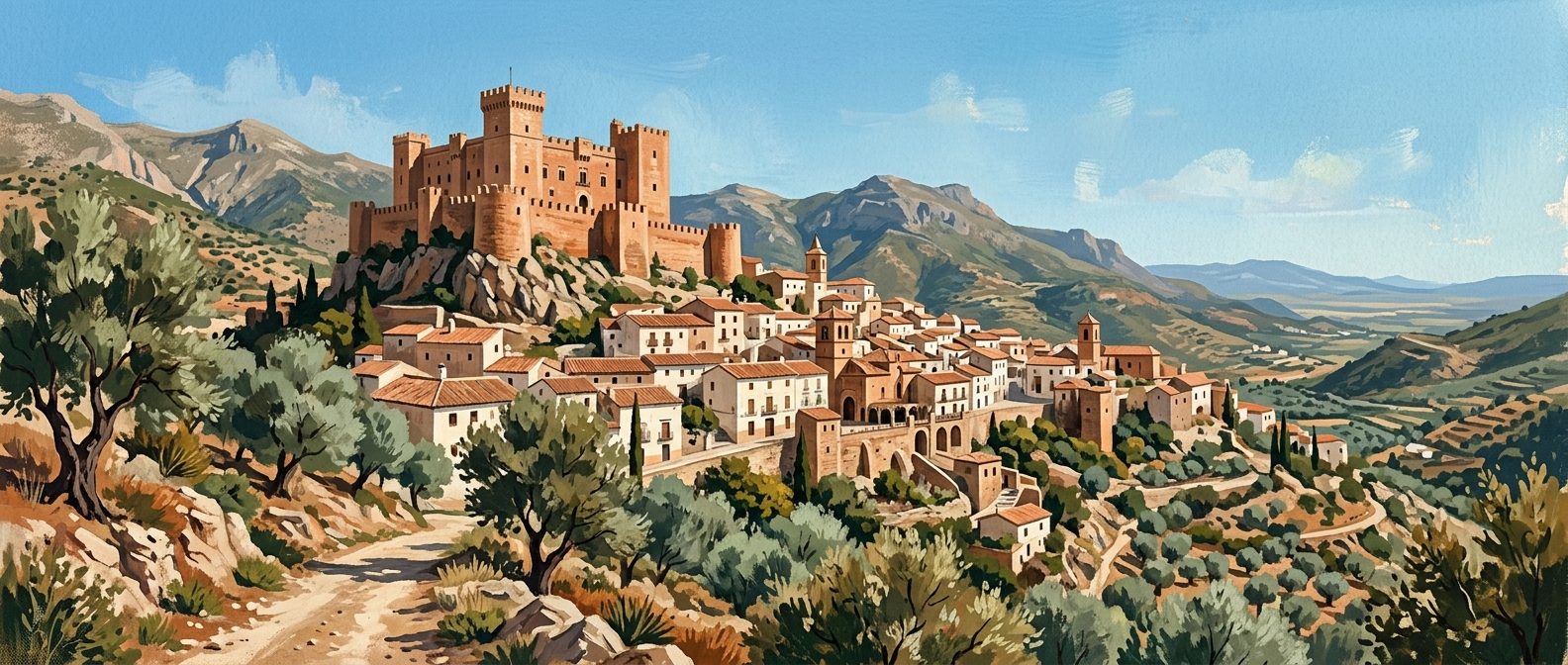
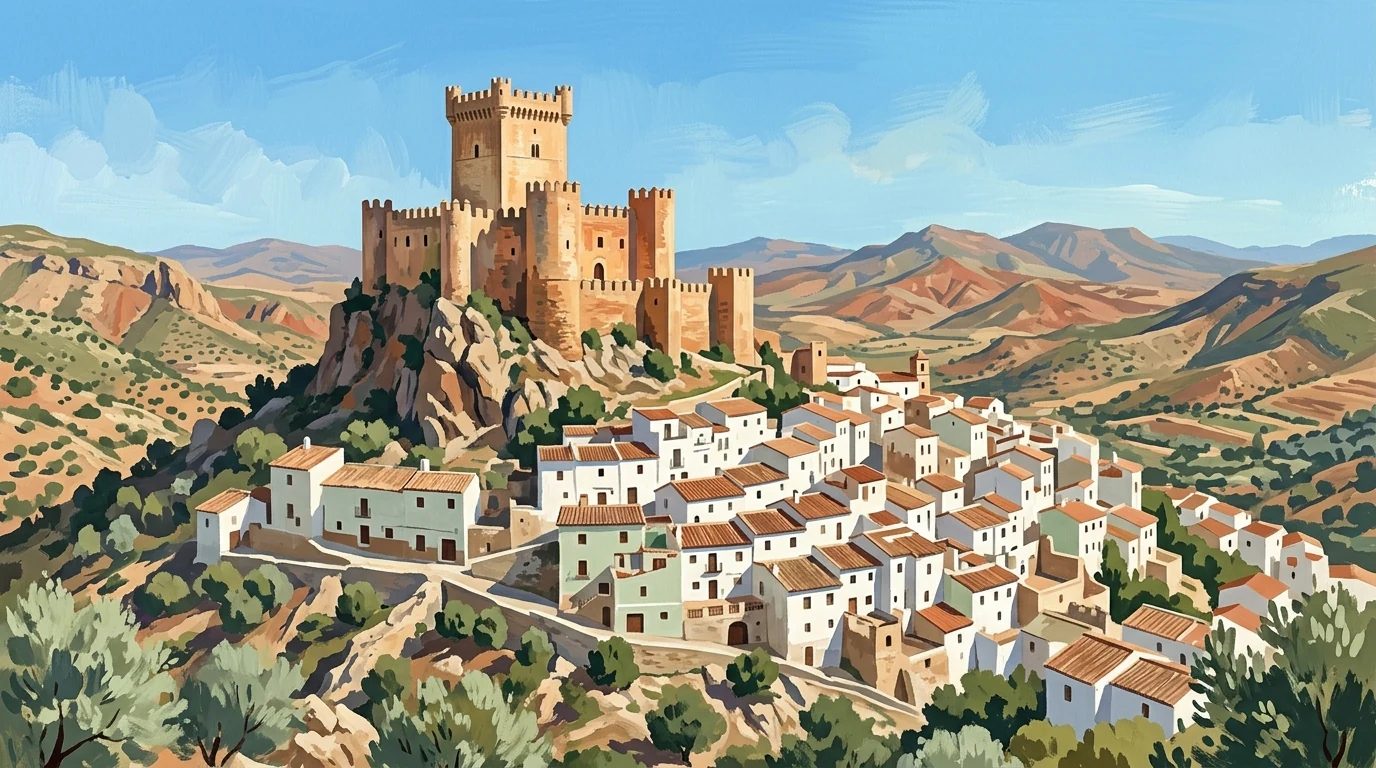
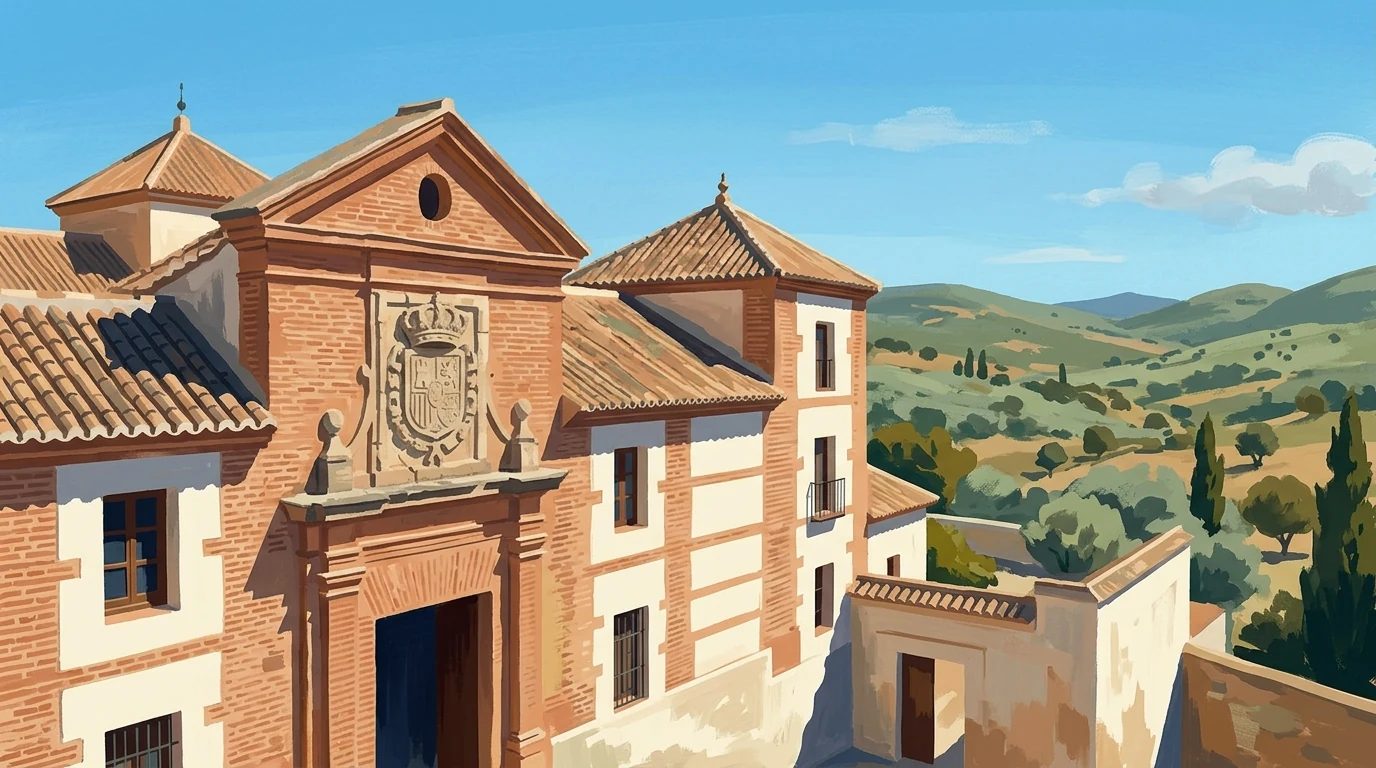
Approaching Vélez-Blanco from the south, the first thing you notice is the 16th-century Castillo de los Fajardo. It sits on a rocky promontory, a white stone sentinel overlooking a cascade of white-washed houses. While the exterior remains a formidable example of military architecture, the interior tells a more bittersweet story. In 1904, the cash-strapped owners sold the magnificent Renaissance patio to an American art dealer; it now resides permanently in the Metropolitan Museum of Art in New York. However, even without its marble heart, the castle is essential for the panoramic views from the battlements, which stretch across the valley to the peak of La Muela.
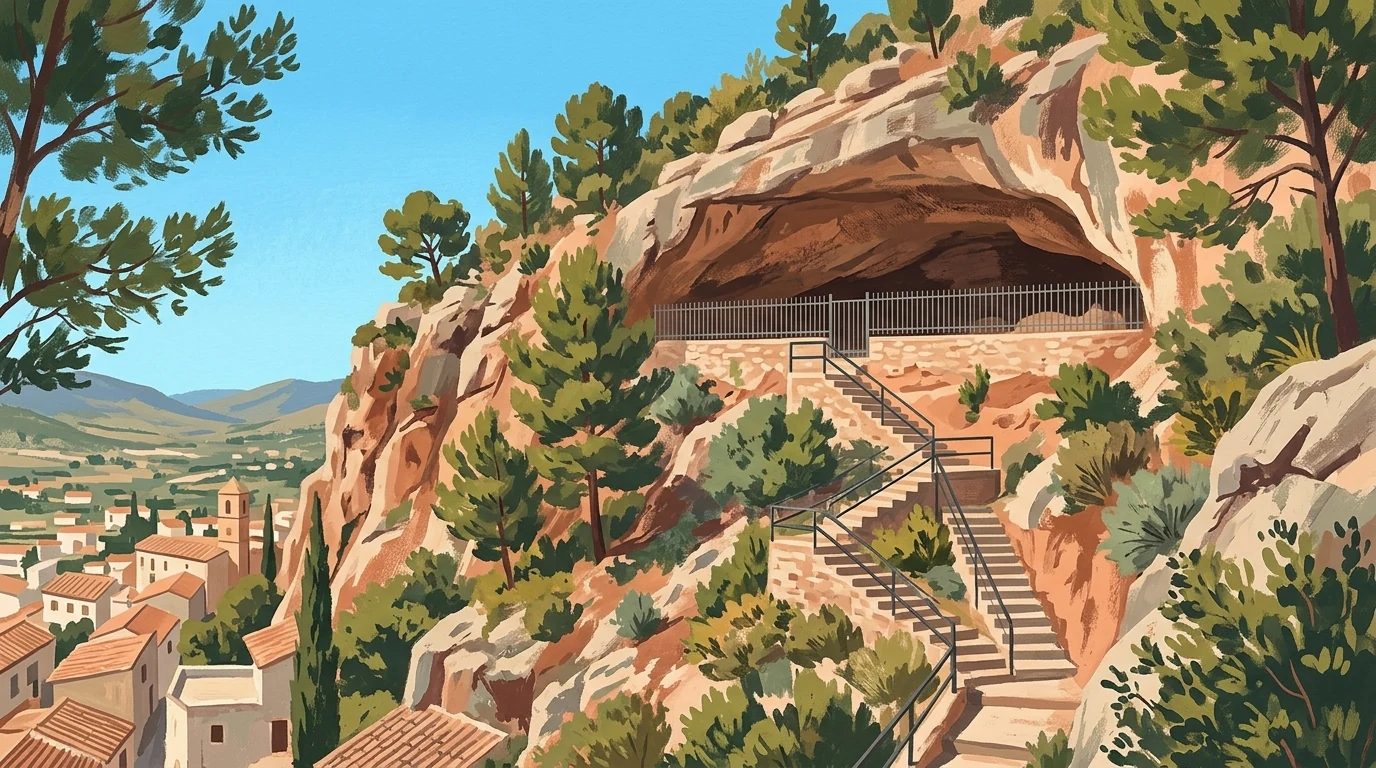
Beyond the castle, the town itself is a labyrinth of steep, narrow streets that follow the contours of the hill. The Barrio de la Morería (Moorish quarter) is the oldest part of the village, where the sound of running water is constant. The town is famous for its caños (natural springs), particularly the Caño de la Novia and the Caño de la Plaza, where cold mountain water flows year-round. A short drive or a steady hike from the town centre leads to the Cueva de los Letreros (Cave of the Signs). This UNESCO World Heritage site contains prehistoric rock art, including the original Indalo figure, a man holding a rainbow or a bow, which has since become the universal symbol of Almería. To visit, you must arrange a guided tour through the Vélez-Blanco tourist office (located at Calle Palacio, 04830; check their website or call ahead before travelling), as the site is protected by metal grilles.
Read the full Vélez-Blanco guide →
Vélez-Rubio
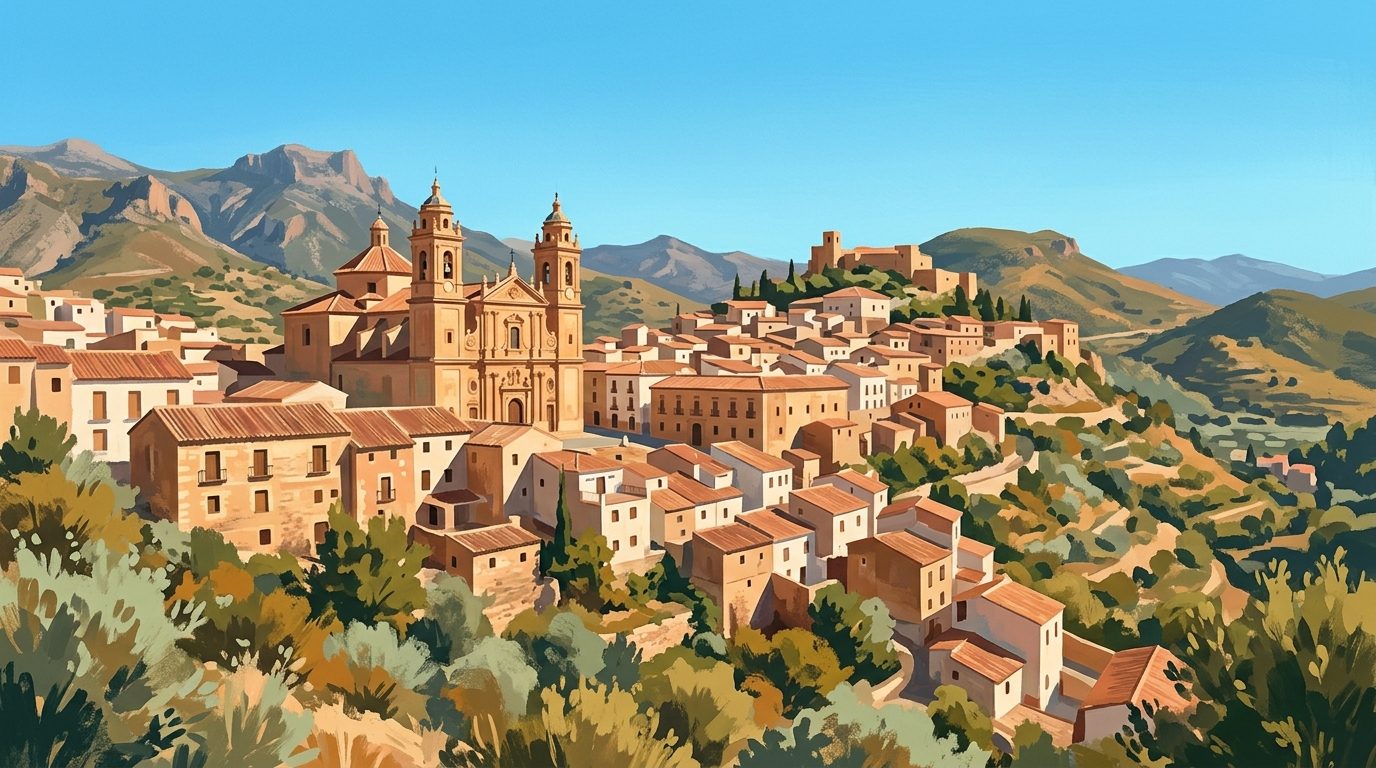
While its neighbour Blanco is vertical and defensive, Vélez-Rubio is expansive and grand. It sits lower in the valley and served as the commercial and administrative heart of the region. The town’s skyline is dominated by the twin towers of the Iglesia de la Encarnación, arguably the finest example of Baroque architecture in the province. Its facade, carved from local reddish-brown stone, is incredibly detailed, featuring the coats of arms of the House of Los Vélez. Inside, the sheer scale of the nave and the height of the dome reflect the wealth that flowed through this trading post in the 18th century.
The town’s intellectual heart is found in the Museo Comarcal Miguel Guirao, housed in an 18th-century hospital (check their official website for current opening hours and contact details before travelling). The museum provides an excellent overview of the region’s archaeology, from Palaeolithic remains to the Roman period. For a more contemporary taste of local life, visit on a Saturday morning when the weekly market takes over the streets around the church. This is the best time to see the town at its most social, as farmers from the surrounding cortijos (farmhouses) come into town to trade. Walk down the Carrera del Carmen to see the 19th-century bourgeois mansions with their ornate iron balconies, a reminder of the town's former prominence on the road between Granada and Murcia.
Read the full Vélez-Rubio guide →
Eating & Drinking in Los Vélez
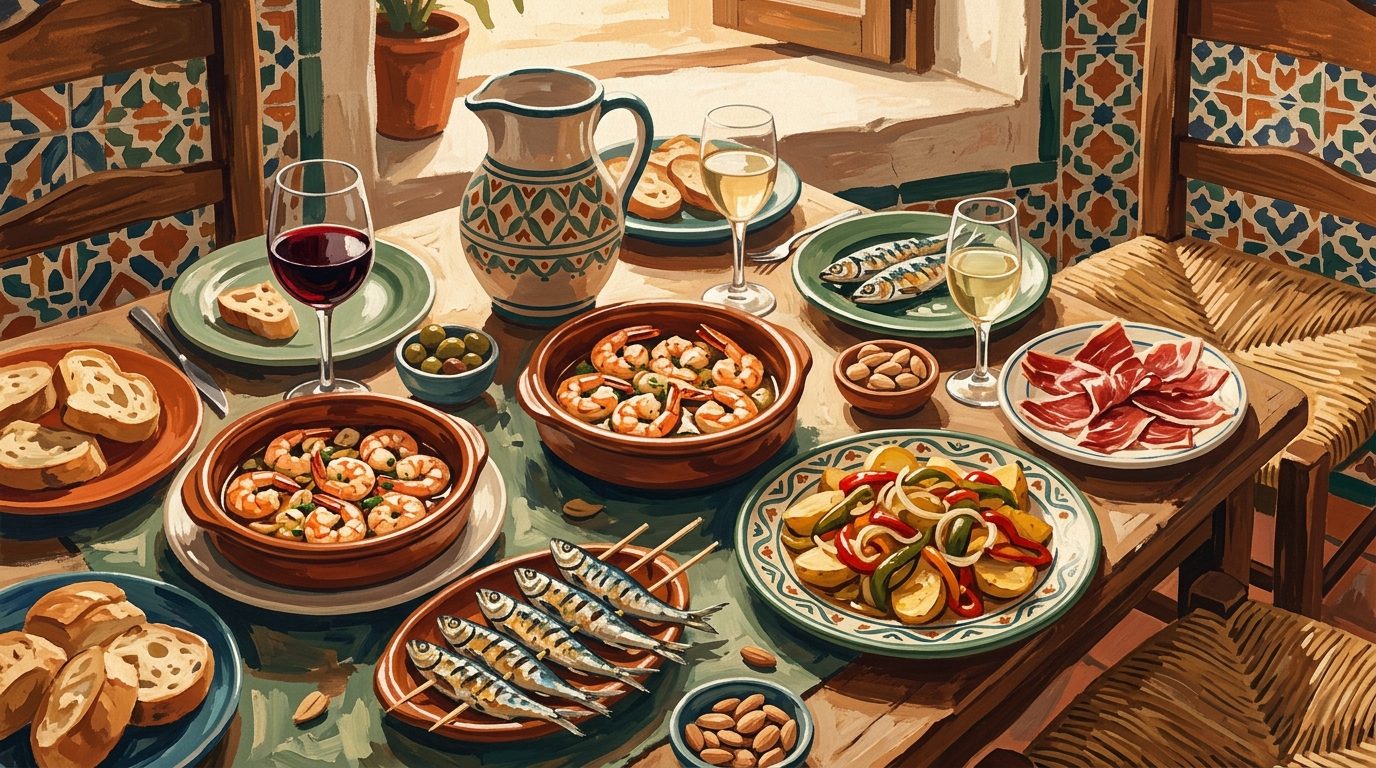
The gastronomy of Los Vélez is designed for a mountain climate: hearty, warming, and reliant on local produce. The star of the show is Cordero Segureño (Segureño lamb), a breed native to these high plains, prized for its tender meat. At Restaurante El Mirador in Vélez-Blanco, they roast it traditionally, allowing the quality of the meat to speak for itself. Another local staple is choto (kid goat), often prepared al ajillo (with garlic and white wine).
During the colder months, look for migas, flour-based crumbs served with fried peppers, sardines, and longaniza (spiced sausage). Unlike the bread-based versions found elsewhere in Andalucía, the Almerían version uses semolina, giving it a distinct texture. For something unique to this corner of the province, try gurullos con conejo. Gurullos is a hand-shaped pasta, similar to grains of rice, cooked into a rich stew with rabbit and snails. In Vélez-Rubio, Bar Miami on the main thoroughfare is a local institution for tapas, where you can sample magra con tomate (pork in tomato sauce) or remojón (an orange and cod salad) alongside the locals. For those with a sweet tooth, the tortas de manteca (lard cakes) and almond-based pastries from Panadería El Gachas are essential purchases, reflecting the region's vast almond groves.
Where to Stay
For those who want to be in the heart of the historic action, Hotel Velad Al-Abyadh (check the operator's website before travelling for bookings) in Vélez-Blanco is the premier choice. It is a modern building that respects local aesthetics, situated just below the castle with views that overlook the valley. The rooms are comfortable, and the terrace is the best spot in town for a sunset drink.
However, Los Vélez is best experienced through its rural tourism. Cortijo El Esparragal (check the operator's website for availability), located between the two towns, offers a more rustic and authentic mountain stay. It is an old farmhouse converted into guest apartments, surrounded by almond trees and silence. If you prefer the convenience of Vélez-Rubio, Hotel Los Girasoles (check their official website for bookings) provides a clean, functional base right on the edge of the town, making it easy to walk to the central bars and the Saturday market. For hikers, look for the albergue (hostel) in María, just a ten-minute drive away, which offers direct access to the trails of the natural park.
Getting There & Around
Los Vélez is exceptionally well-connected by road, despite its remote feel. The A-92N motorway, which links Granada and Murcia, passes directly by Vélez-Rubio. From Almería city, the drive takes roughly 90 minutes via the A-7 and then the A-91/A-92N. If you are coming from Murcia, it is a straightforward 50-minute journey.
A car is non-negotiable for exploring this area. While there are bus services connecting Vélez-Rubio to Almería and Murcia via the ALSA network, they are infrequent (check the ALSA website for current schedules on the day of travel). To reach the trailheads in the Sierra de María or the Cueva de los Letreros, you will need your own transport. Parking is generally easy in Vélez-Rubio, though the narrow streets of Vélez-Blanco can be challenging; it is best to park at the entrance of the village and walk up.
Best Time to Visit
The ideal time to visit Los Vélez depends on your tolerance for temperature. Late February and early March are spectacular, as the thousands of almond trees in the valley burst into white and pink blossom, though the air remains crisp. Autumn (October and November) is perfect for hiking, with the deciduous trees in the natural park changing colour and the harvest season in full swing. Winters are genuine; snow is common, and while it makes the landscape beautiful, some mountain roads can become treacherous. Avoid July and August if you dislike crowds, though even then, the night-time temperatures are far more comfortable than on the coast.