
Practical guide
Emergency Numbers and Procedures in Andalucía
A practical emergency guide for Andalucía, with 112 first advice, police and medical numbers, passport theft steps, AlertCops and official consular sources.
By Dan · Updated 18 July 2026 · 8 min read
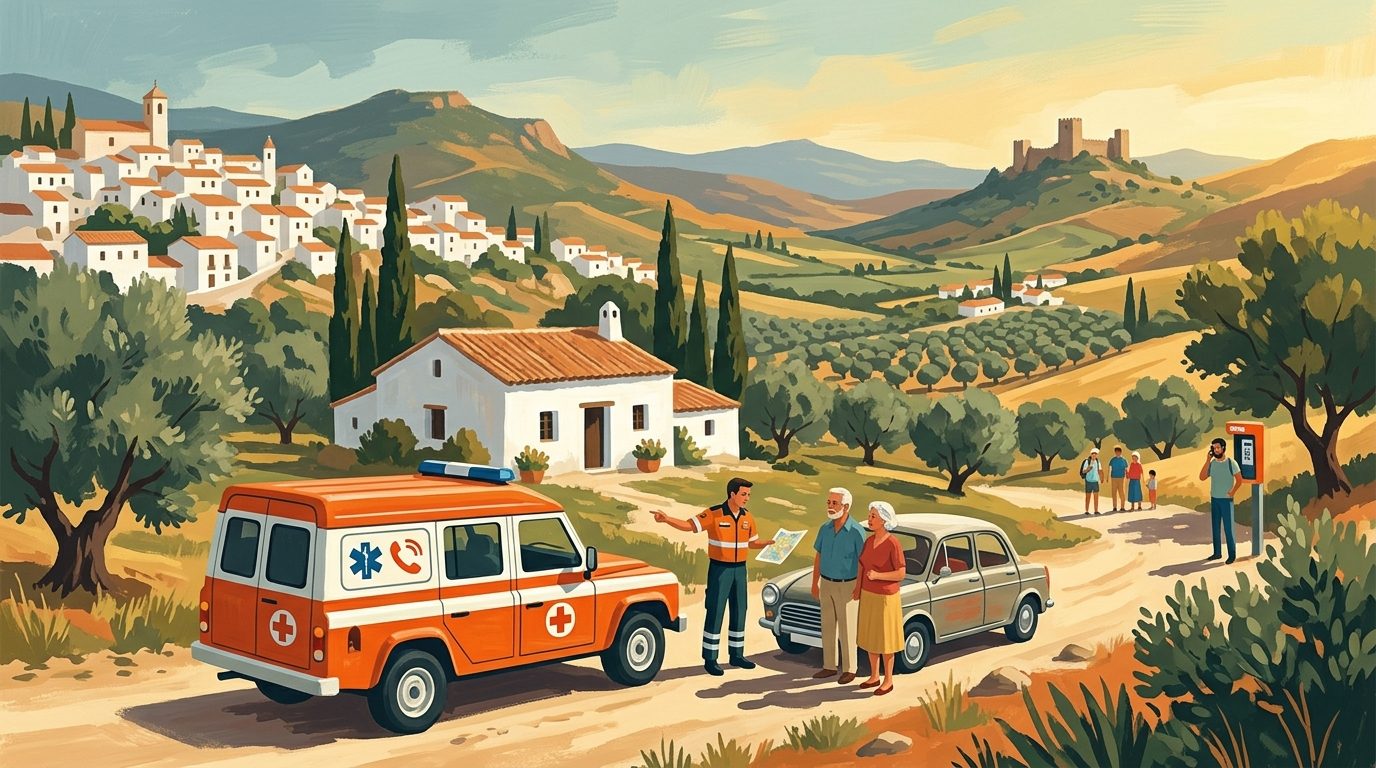
In any immediate life-threatening situation in Andalucía, dial 112. This single number connects you to the police, fire brigade, and ambulance services with English-speaking operators available 24/7.
When facing an emergency in Andalucía, knowing which number to call and what information to provide is vital. While 112 is the universal emergency number, there are specific codes for different services, such as the police and medical teams, which can sometimes provide a faster direct response. This guide outlines the contact details for emergency services, consular support, and the steps to take if you lose your passport or suffer a crime.
What to do first
- Call 112 if anyone is in danger: injury, fire, violence, drowning risk, mountain rescue, road danger or a medical emergency.
- Say your location slowly: town, street, beach name, motorway number, kilometre marker, hotel name or GPS pin.
- Ask for English if needed: say "English, please" and keep answers short.
- Do not move injured people unless there is immediate danger: follow the operator's instructions.
- For theft or insurance claims: get a police report, but deal with immediate safety first.
Quick Answer: The Most Important Numbers
For any immediate emergency involving health, safety, or fire, dial 112. This is a free call from any mobile or landline and works even if your phone is locked or has no credit. Operators can communicate in Spanish, English, French, German, and Arabic. For non-life-threatening police matters, call 091 (National Police), 092 (Local Police) or 062 (Guardia Civil). For medical emergencies specifically, 061 connects you directly to the health dispatch centre. For gender violence support and legal or psychosocial advice, call 016, use WhatsApp 600 000 016 or email 016-online@igualdad.gob.es. If anyone is in immediate danger, call 112.
1. The Universal Emergency Number: 112
The 112 service is the primary point of contact for all emergencies in Andalucía. It acts as a central switchboard that coordinates the necessary response units.
- Cost: Free from all phones.
- Availability: 24 hours a day, 365 days a year.
- Languages: Spanish is the default, but operators can also assist in English, French, German, and Arabic. If you need English, say "English, please" clearly and be ready to repeat the location.
- Coverage: Works across the entire European Union and all eight provinces of Andalucía.
When you call 112, you must provide:
- The exact location of the emergency (street name, town, or motorway kilometre marker).
- The nature of the emergency (accident, fire, robbery, or medical issue).
- The number of people involved or injured.
- Your phone number, in case the connection is lost.
2. Police Services in Andalucía
Spain has several police forces with different jurisdictions. Knowing which one to call depends on your location and the situation.
Cuerpo Nacional de Policía (National Police): 091
The National Police handle serious crimes, domestic violence, and urban security in cities and large towns. Call 091 to report a robbery, assault, or any criminal activity in progress within an urban area.
Guardia Civil: 062
The Guardia Civil is a military-status force responsible for rural areas, small villages, and traffic safety on motorways. They also handle mountain rescues (GREIM) and maritime incidents. If you have an accident on the A-92 or A-7 motorways, or an issue in a remote white village (Pueblo Blanco), call 062.
Policía Local (Local Police): 092
Managed by individual town halls (Ayuntamientos), the Local Police handle traffic control within towns, noise complaints, minor disputes, and local ordinance enforcement. In many coastal resorts, they are the first responders you will see on the streets.
SATE (Foreign Tourist Assistance Service)
Some major tourist cities operate SATE or tourist-police support for foreign visitors reporting theft or lost documents. Availability, addresses and opening hours change, so check with the National Police, your hotel or the local tourist office rather than relying on a saved address.
3. Medical Emergencies and Health Services
For urgent medical assistance, there are two main routes. If you are in a remote area or the situation is life-threatening (heart attack, major trauma), use 112 or 061.
061 Health Response (Urgencias Sanitarias)
The 061 number is specifically for medical emergencies. This service dispatches ambulances and provides medical advice over the phone. In Andalucía, this service is managed by the Centro de Emergencias Sanitarias 061 (part of the Servicio Andaluz de Salud).
Public Hospitals and 'Urgencias'
If the situation is not life-threatening but requires immediate attention, you should head to the nearest Urgencias (Emergency Room) at a public hospital or a Centro de Salud (Health Centre) with an emergency department.
Required Documentation:
- EU Citizens: Bring your European Health Insurance Card (EHIC), the UK Global Health Insurance Card (GHIC) or a valid UK EHIC, along with your passport.
- Non-EU Citizens: You must present your passport and proof of private travel insurance.
Emergency care is prioritised by medical need. Bring EHIC/GHIC, passport, private insurance details or residency documents if you have them, but do not delay calling 112 or going to Urgencias in a genuine emergency.
4. Consulates and Lost Passports
Consulates cannot investigate crimes or pay your medical bills, but they can issue emergency travel documents if your passport is lost or stolen.
British, Irish and US consular contacts
Consulate phone numbers, opening hours and emergency document procedures change. Use the official pages for the British Consulate in Málaga, the Embassy of Ireland in Spain, and the US Consular Agency in Fuengirola. Consulates can usually advise on emergency travel documents and serious welfare cases, but they do not replace local police, hospitals or insurers.
5. What to do if your passport is stolen
If your passport is stolen, follow these exact steps to ensure you can return home:
- Report the theft immediately: You must file a denuncia (police report). You can report the crime in person at the nearest police station (Comisaría) or pre-report it online via the National Police virtual office. In major cities, visit a SATE (Foreign Tourist Assistance Service) office where translators are available.
- Obtain the 'Denuncia': You must have a physical copy of this report for insurance claims and to apply for an emergency passport.
- Contact your Consulate: Apply for an Emergency Travel Document (ETD). For UK citizens and most other travellers, emergency travel documents require an official application and fee; check your consulate's processing times before making onward travel plans.
- Photos: You will likely need two passport-sized photos that meet official specifications.
What Actually Happens When You Call 112
Calling 112 puts you through to an emergency coordination centre, not directly to a police car or ambulance. The operator's job is to identify the place, the risk, and which service should respond. Stay on the line unless they tell you to hang up.
- Start with location: Give the town, street, building number, beach name, hotel, motorway code or kilometre marker. If you only have a phone map, read the pin slowly.
- Use plain English: Say "English, please" if needed, then short words: fire, crash, chest pain, robbery, missing child, drowning, violence.
- Expect questions: They may ask age, breathing, consciousness, weapons, smoke, number of vehicles or whether anyone is trapped.
- Follow instructions: For medical calls, they may talk you through safe positioning, CPR basics or what not to move before help arrives.
Reporting a Crime as a Visitor
For theft, lost documents, card fraud or insurance claims, you usually need a denuncia (police report). This is not the same as calling 112, and it is not a guarantee that stolen items will be recovered. It creates the official record needed by insurers, consulates and sometimes airlines.
- Bring evidence: Passport or ID, hotel address, phone number, serial numbers, bank-card details, photos and any tracking information help the police record the facts.
- Use the right office: In larger cities, the National Police handle most tourist theft reports. In smaller places or rural areas, the Guardia Civil may be the correct force.
- Pre-reporting: Spain has phone and online pre-reporting options for some offences, but you may still need to sign the report in person within the stated period.
Non-Emergency Medical Ladder
Not every health problem needs 112. If nobody is in immediate danger, use the least urgent service that fits the situation. Residents should keep their health-card details with their Andalucía living documents; visitors should keep travel-insurance and EHIC or GHIC details accessible.
- Pharmacy first: For minor stomach upsets, bites, sunburn, cold symptoms or basic advice, a pharmacist can often help and direct you to a duty pharmacy after hours.
- Health centre: For non-life-threatening illness that needs a clinician, use a centro de salud (public health centre) or your private insurer's approved clinic.
- Urgencias: Go to hospital emergency care for serious pain, suspected fractures, breathing problems, head injuries or symptoms that cannot wait for a normal appointment.
Frequently Asked Questions
Can I call 112 from a UK or US mobile phone?
Yes. 112 is a standard international emergency number. It will connect to the nearest Spanish emergency centre regardless of where your phone or SIM card is from. It is also free to call from international mobiles while roaming in Spain.
What is a 'Farmacia de Guardia'?
If you need urgent medication outside of standard business hours, you must find a Farmacia de Guardia (Duty Pharmacy). Every pharmacy will have a list of the nearest open duty pharmacies posted on their front door or window. You can also find them online via the local provincial Colegio de Farmacéuticos website.
How do I report a car accident?
If there are injuries, call 112 immediately. If it is a minor collision with no injuries, you should complete a Parte Amistoso (Amicable Accident Report) provided by your car rental company or insurance provider. Do not sign it unless you fully understand the Spanish text; if there is a dispute, call the Local Police (092) or Guardia Civil (062) to attend the scene.
Is there an app for emergencies in Andalucía?
Yes, the AlertCops app is the official Spanish police app. It allows you to send an alert with your GPS location directly to the police or Guardia Civil. It includes a chat feature that supports multiple languages, including English.
Summary of Emergency Contacts
- 112: All emergencies (Multilingual).
- 091 / 092 / 062: National Police, Local Police and Guardia Civil for reporting crime or police matters.
- 061: Direct medical emergency dispatch.
- 016: Free, confidential gender violence support. It can also refer emergencies to 112.
- Police Report (Denuncia): Essential for insurance and emergency passports.
Official checks to save before travel
Bookmark Emergencias 112 Andalucía, the Junta's health emergencies page, official National Police virtual reporting office (Oficina Virtual de Denuncias), AlertCops, the official 016 gender violence support service, and your consulate's official emergency contact page. If numbers or addresses conflict, trust the official source over saved travel notes.
Last reviewed: 18 July 2026 · Editorial policy
Related guides

Pharmacies and Medicine in Andalucía: A Practical Guide
How to use pharmacies in Andalucía safely, including duty chemists, prescriptions, medicine names, Nolotil/metamizole warnings, and official AEMPS/SAS checks.
7 min read

Where to Live in Andalucía: A Practical Guide for Expats
A deep, practical guide to choosing where to live in Andalucía. Compare the coasts, inland cities, and rural villages while navigating the realities of climate, healthcare access, housing legality, and local administration.
7 min read

Moving to Andalucía: A Practical Relocation Guide
A practical roadmap for moving to Andalucía, covering visas, the padrón, the cita previa system, digital certificates, and the exact order to tackle your post-arrival paperwork.
7 min read

Non-Lucrative Visa Guide: Moving to Andalucía Without a Work Permit
A complete non-lucrative visa guide for expats moving to Andalucía. Covers IPREM financial requirements, health insurance rules, tax cautions, and step-by-step TIE card instructions.
8 min read

Choosing Your Base: A Comparison of Major Andalucían Cities
A practical comparison of Málaga, Sevilla, Granada and Cádiz for residents. Discover the realities of climate, housing markets, bureaucracy, and transport before you choose where to relocate in Andalucía.
8 min read

A Practical Guide to SAS Healthcare Registration in Andalucía
A comprehensive guide to registering for SAS public healthcare in Andalucía. We explain the exact sequence of INSS paperwork, the documents required for your local health centre, and how to avoid the most common bureaucratic traps.
7 min read
More guides
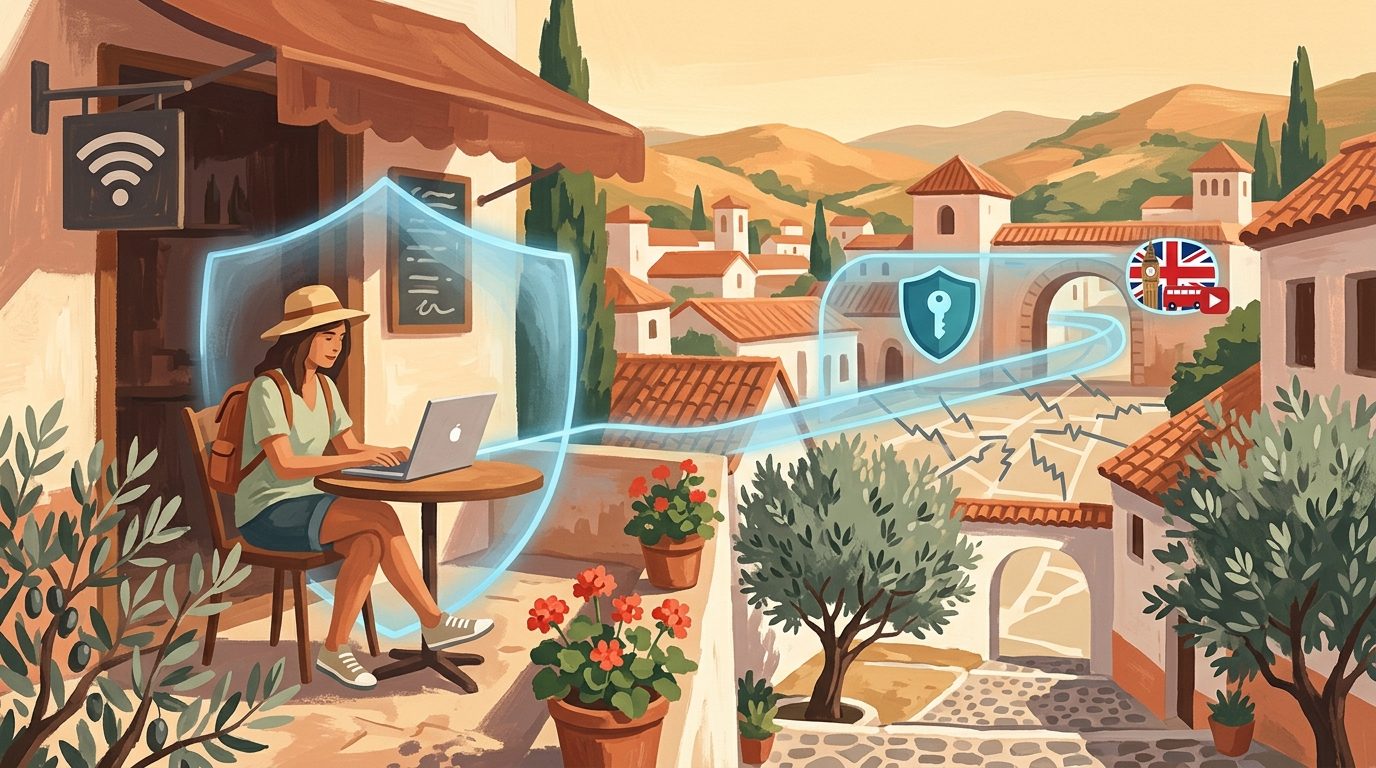
Using a VPN in Andalucía: A Practical Guide for Travellers and Residents
A comprehensive guide to using a VPN in Andalucía for security, accessing UK streaming services, and maintaining privacy on public Wi-Fi.
6 min read

Sevilla Airport (SVQ) Guide: Transport, Facilities and Tips
A practical guide to Sevilla Airport (SVQ) covering the EA bus, taxi flat rates, terminal facilities, car hire, and connecting to wider Andalucía.
9 min read
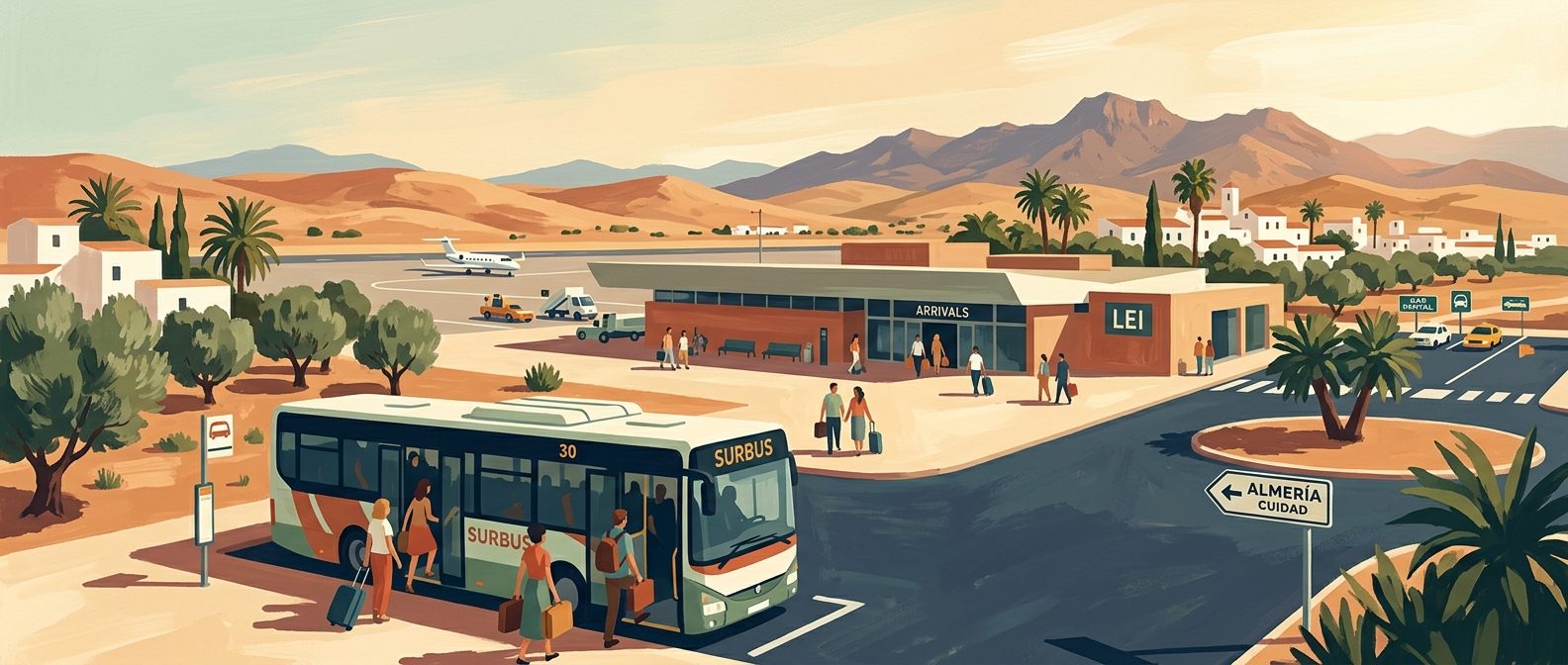
Practical Guide to Almería Airport (LEI)
A practical logistics guide to arriving at Almería Airport (LEI). Discover how to navigate terminal facilities, use the Surbus Line 30, connect to intercity buses, and avoid common transport mistakes.
7 min read
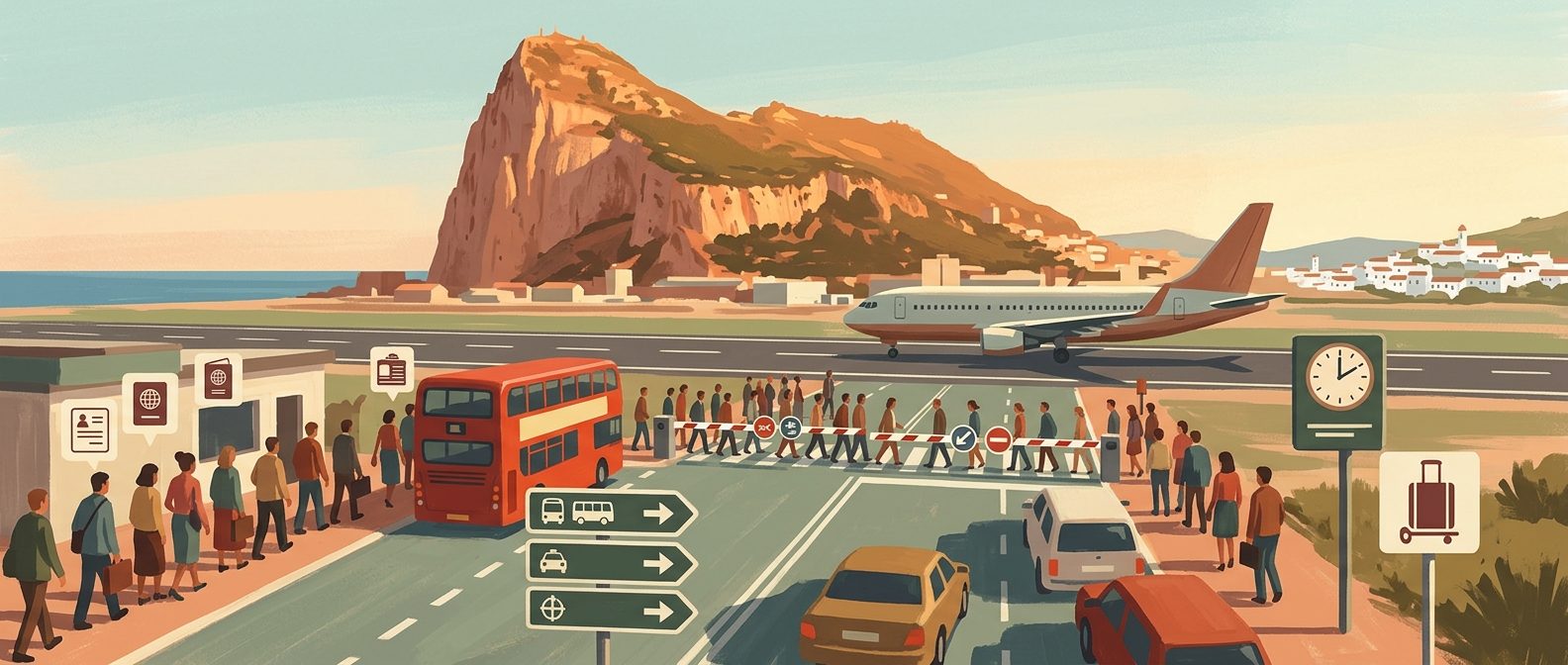
Practical Guide to Gibraltar International Airport (GIB)
A practical guide to using Gibraltar Airport (GIB) for trips into Andalucía, covering border logistics, avoiding vehicle queues, Spanish transport options, and how to handle wind diversions.
8 min read
Málaga-Costa del Sol Airport (AGP) Travel Guide
A deep practical guide to navigating Málaga-Costa del Sol Airport (AGP). Learn the realities of arrivals, transport connections, parking rules, and common mistakes.
8 min read
Federico García Lorca Granada-Jaén Airport Guide: Transport, Costs and Tips
A complete practical guide to Granada-Jaén Airport (GRX), covering airport buses, taxi fares, car hire friction, terminal facilities, and the step-by-step reality of arriving and departing.
7 min read

Jerez Airport (XRY): The Complete Guide to the Gateway of Cádiz
A deep-dive practical guide to using Jerez Airport (XRY). Learn the realities of onward transport to Cádiz province, car hire friction, train timetables, and how to avoid the most common arrival mistakes.
8 min read

Understanding Spanish Festival Culture in Andalucía
A deep dive into Andalucían festival culture for residents and visitors. Understand Semana Santa, ferias, local holidays, etiquette, administrative friction and how to survive the local party season.
9 min read
Driving in Andalucía: Rules, Tolls, and Parking Guide
A practical guide to driving in Andalucía, covering road rules, ZBE checks, AP-7 toll choices, parking, roundabouts, breakdown equipment and official sources.
9 min read
Newsletter
More stories from Andalucía
Weekly notes, seasonal picks, and the next guides worth bookmarking.