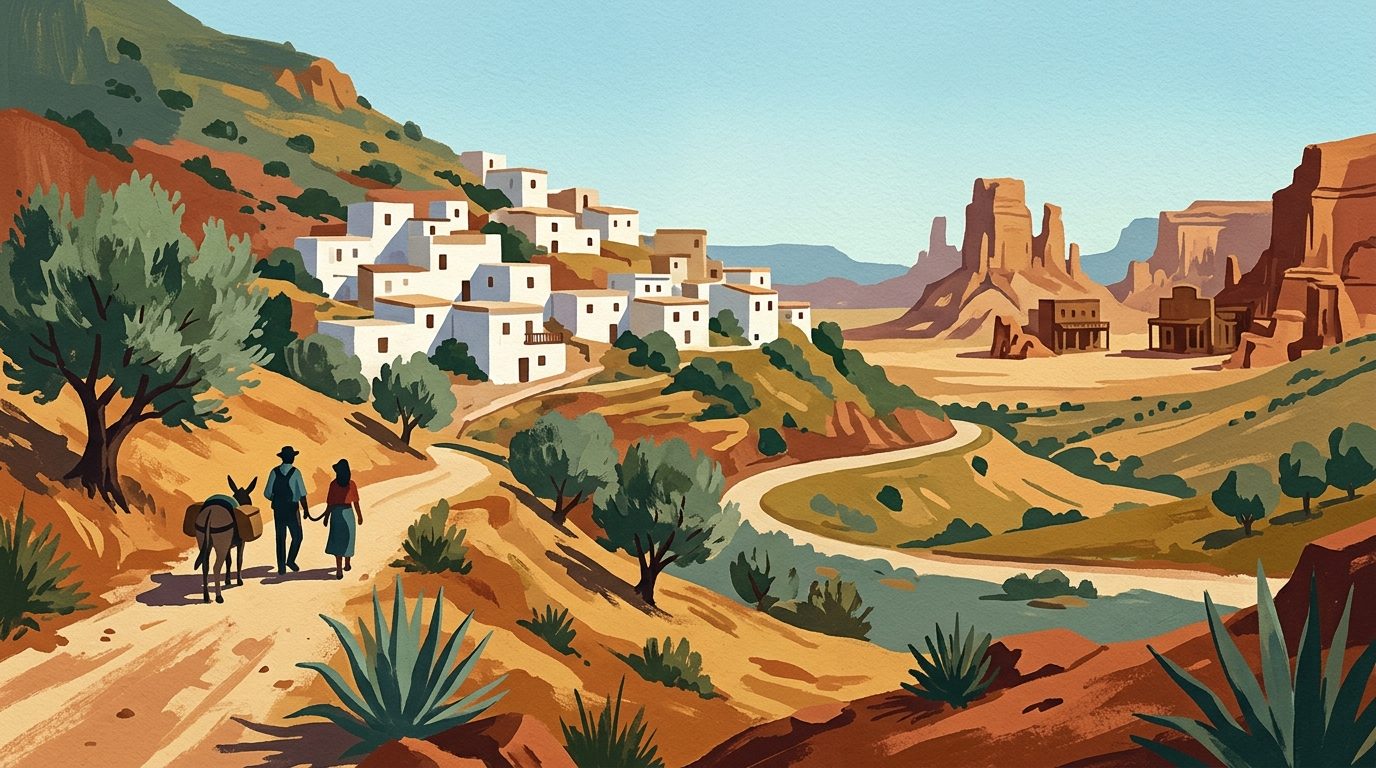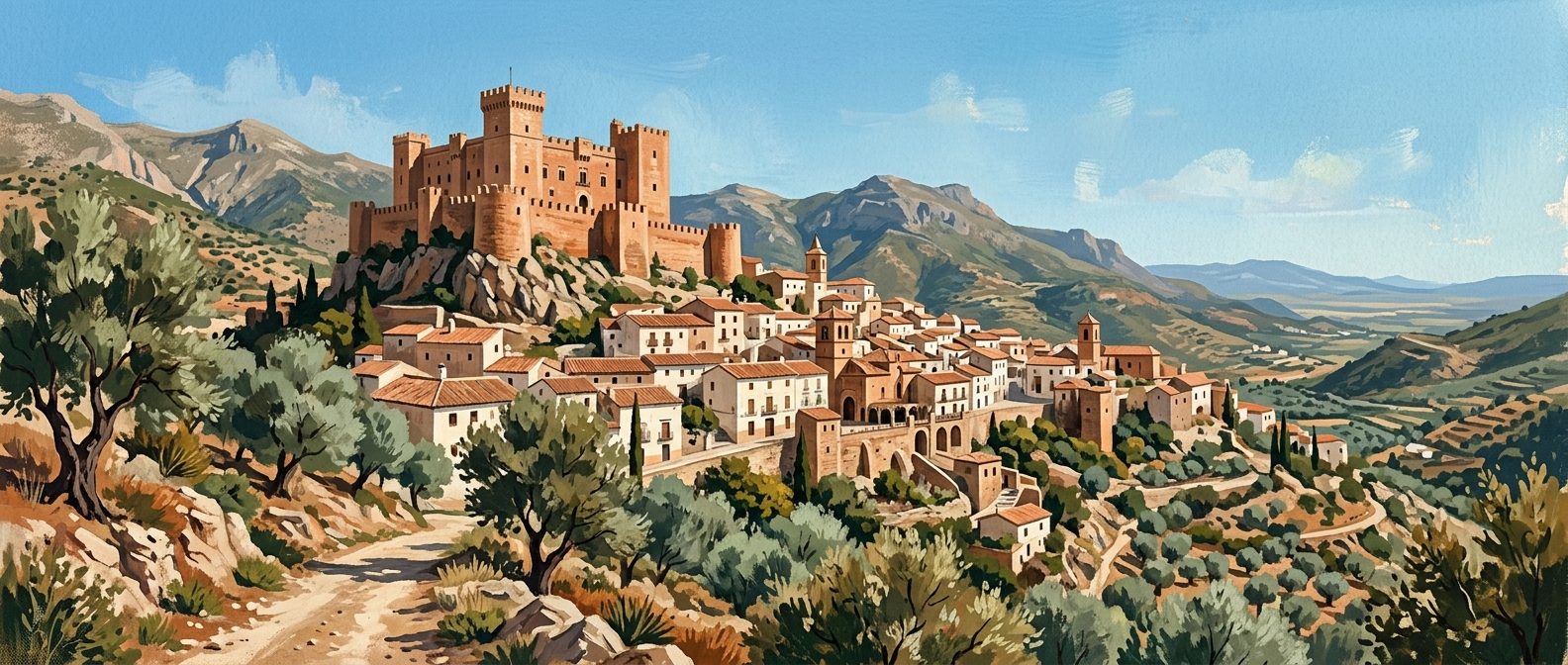
Perched on a limestone crag overlooking the high plains of northern Almería, Vélez-Blanco is defined by its massive Renaissance castle and whitewashed labyrinth of streets. This mountain village preserves a remarkable narrative of Spanish heritage, including a world-famous castle courtyard that now resides on a different continent.
Standing at an altitude of over 1,100 metres, Vélez-Blanco is a striking departure from the arid coastal landscapes usually associated with Almería. It serves as the gateway to the Sierra de María-Los Vélez Natural Park, where the air is noticeably cooler and the landscape is dominated by dense pine forests and limestone peaks. The village is part of the Los Vélez district, a region that historically served as a strategic frontier between the Kingdom of Granada and the Crown of Castile. Its significance grew immensely in the 16th century when it became the seat of the powerful Fajardo family.
Today, the village is a quiet, atmospheric place where the sound of running water from ancient fountains follows visitors through steep, narrow lanes. The contrast between its medieval Moorish origins and the grand Renaissance ambitions of its former lords makes it one of the most architecturally significant locations in the province. Interest in prehistoric art or the complexities of Spanish noble history can both lead you to this high-altitude settlement, far from the standard tourist trails of the Mediterranean coast.
What to See & Do
The Castillo de los Fajardo
The skyline of Vélez-Blanco is dominated by the Castillo de los Fajardo, built between 1506 and 1515. Constructed on the foundations of an earlier Moorish alcazaba, it represents a pivotal moment in Spanish architecture: the transition from the defensive, fortress-like structures of the Middle Ages to the refined, palatial residences of the Renaissance. From the outside, the castle retains its military character with imposing towers and thick battlements, but the interior was designed to be a showcase of Italian-inspired luxury.
However, visitors entering the castle today will find it strangely hollow. In 1904, the cash-strapped Duke of Medina Sidonia sold the castle's most magnificent feature, the Patio de Honor, to a French art dealer. This exquisite courtyard, crafted from white Macael marble with intricate carvings of mythological figures and flora, was eventually purchased by George Blumenthal. In 1964, it was reassembled piece by piece in the Metropolitan Museum of Art in New York, where it remains today as a centrepiece of the museum. While the physical heart of the castle is across the Atlantic, the remaining structure is still well worth exploring for its Gothic and Renaissance details, and the views from its towers across the valley towards Vélez-Rubio are exceptional.
Cueva de los Letreros
A few kilometres from the village lies one of the most important archaeological sites in the Iberian Peninsula. The Cueva de los Letreros is a UNESCO World Heritage site containing Neolithic and Copper Age cave paintings. It is most famous for being the original site of the Indalo, a schematic figure of a man holding a rainbow or a bow over his head. While the Indalo has since become the universal symbol of Almería, seeing the 6,000-year-old original in its natural setting is a unique experience.
The site also features the "Brujo" (The Sorcerer), a horned figure that hints at the spiritual lives of the early inhabitants of these mountains. The paintings are located in a shallow rock shelter rather than a deep cave, but the steep climb up the hillside is rewarded with a direct connection to prehistoric Europe. Access is strictly controlled through guided tours to ensure the preservation of the delicate pigments.
The Historic Village Centre
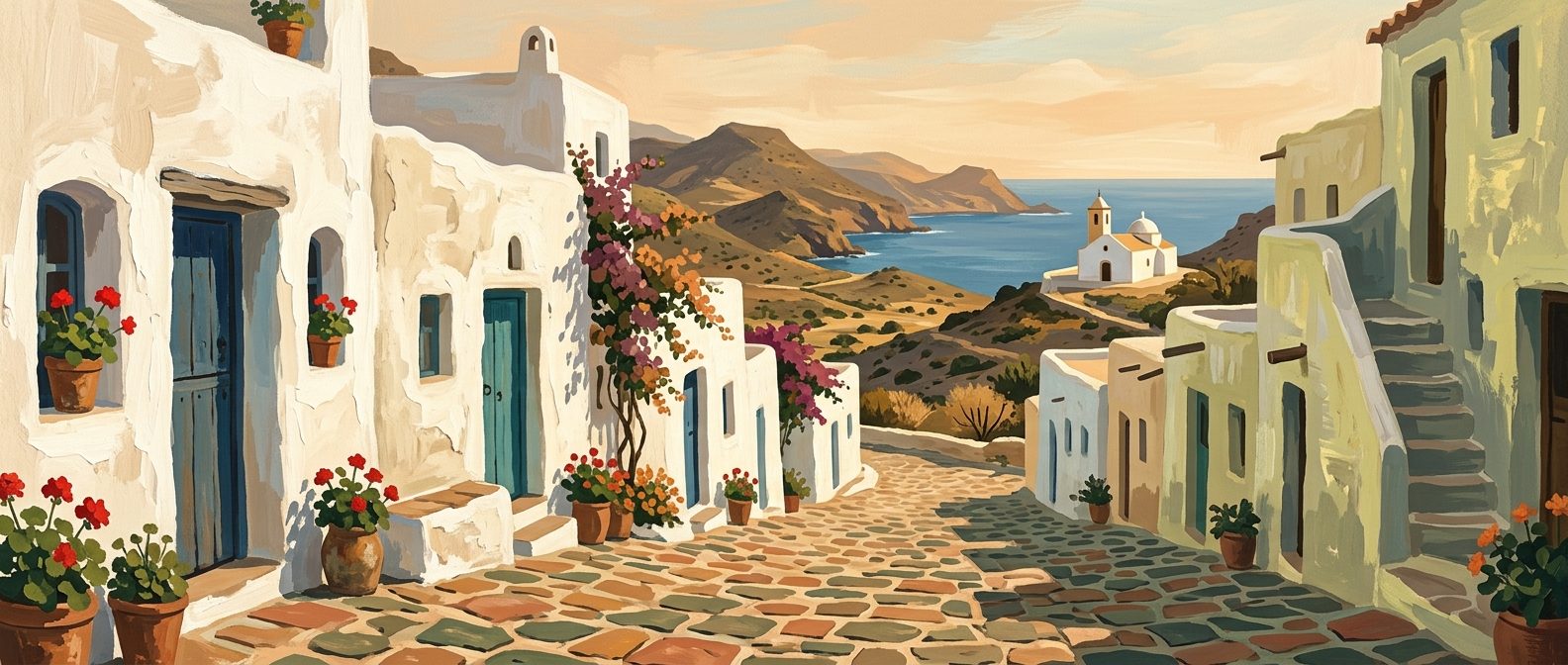
Walking through the village reveals layers of history. The Barrio de la Morería (the Moorish quarter) is the oldest part of the town, characterised by its winding, steep alleyways that follow the natural contours of the rock. As you descend towards the lower part of the village, the streets widen, reflecting the expansion of the town during the 16th and 17th centuries.
The village is also famous for its fountains, or caños. The Caños de Caravaca and the Caños de la Novia are essential stops; these fountains have provided the community with mountain spring water for centuries and are often decorated with historic coats of arms. The Iglesia de Santiago, with its unfinished Renaissance facade, stands as a reminder of the village's former wealth and the grand ambitions of the Marquis of Los Vélez.
Sierra de María-Los Vélez Natural Park
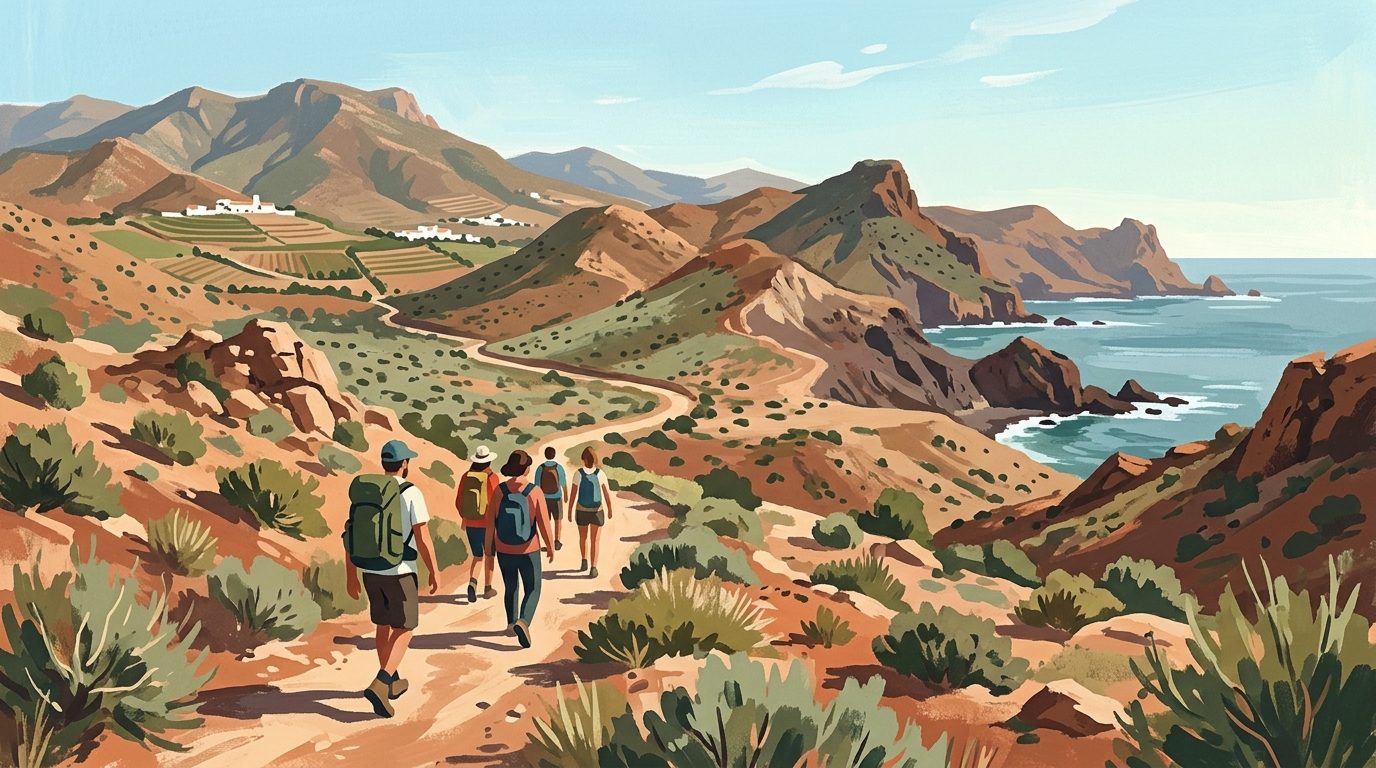
For those who enjoy the outdoors, the surrounding natural park offers numerous hiking trails. The landscape here is a mix of rugged limestone crags and thick forests of Aleppo pine and holm oak. The Pico de la Maimón provides a challenging hike with panoramic views of the entire Los Vélez region. The park is also a sanctuary for birds of prey, including golden eagles and peregrine falcons, making it a popular spot for birdwatching and nature photography.
Practical Information
The Castillo de los Fajardo is typically open from Wednesday to Sunday. Winter hours (typically October to May) are usually 10:00 to 14:00 and 16:00 to 18:00, while summer hours (June to September) extend the afternoon session from 17:00 to 20:00 or 21:00. Entry is currently free of charge, though it is advisable to check the official Almería tourism website for any recent changes. Access involves a steep walk from the village centre, so comfortable shoes are recommended.
To visit the Cueva de los Letreros, you must book a guided tour. Tours generally depart from the Almacén de Trigo visitor centre in the village. During the winter and spring months (typically October to May), tours take place on Wednesdays, Saturdays, and Sundays at 16:30. In the summer (June to September), these move to 19:00 to avoid the heat. Tickets cost approximately €5 per adult. You will need your own vehicle to follow the guide from the visitor centre to the start of the trailhead, which is about 3 kilometres away.
Vélez-Blanco is located roughly 160 kilometres from Almería city and 140 kilometres from Murcia. The most direct route is via the A-92N motorway, taking the exit for Vélez-Rubio and then following the A-317 for about 6 kilometres. Parking is available at the entrance of the village or near the visitor centre, but the narrow streets of the old quarter are best explored on foot.
Where to Eat Nearby
Local cuisine in this region is hearty and designed for high-altitude winters. Restaurante El Molino is a popular choice, located in an old converted mill. They specialise in traditional dishes such as migas (fried breadcrumbs with meat and peppers) and cordero segureño, a high-quality local lamb. Another excellent option is El Palacil, which provides a comfortable setting and a menu focused on regional specialities, including gurullos (a local pasta-like grain served with rabbit or partridge) and homemade desserts. For a more casual experience, the bars around the Plaza de la Constitución serve excellent tapas, often featuring local cured meats and cheeses.
Where to Stay
Accommodation in Vélez-Blanco often reflects the historic character of the village. Hotel Velad Al-Abyadh is centrally located and offers rooms with impressive views of the castle and the surrounding mountains. For a more intimate stay, Hotel Casa de los Arcos is a beautifully restored 18th-century townhouse that retains many original architectural features. There are also several rural houses (casas rurales) available for rent in the surrounding countryside, perfect for those planning an extended stay to explore the natural park.