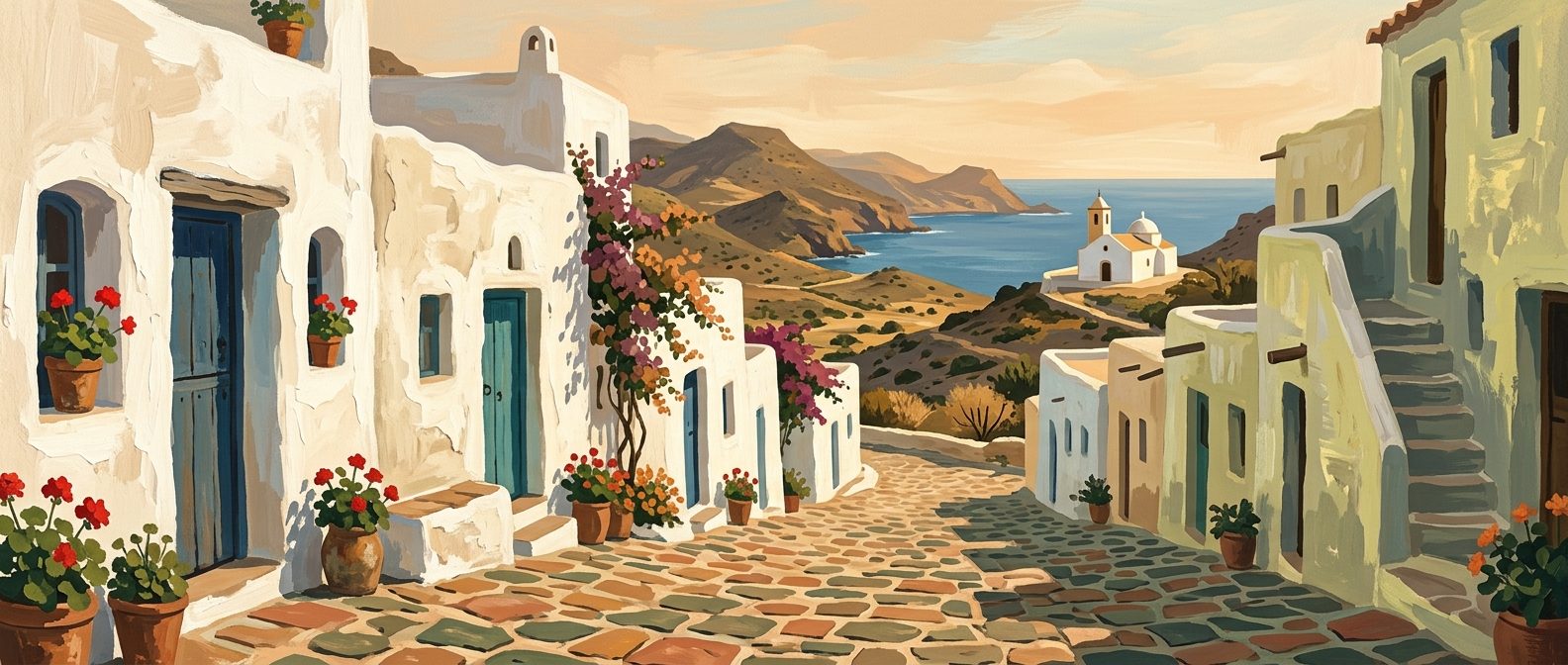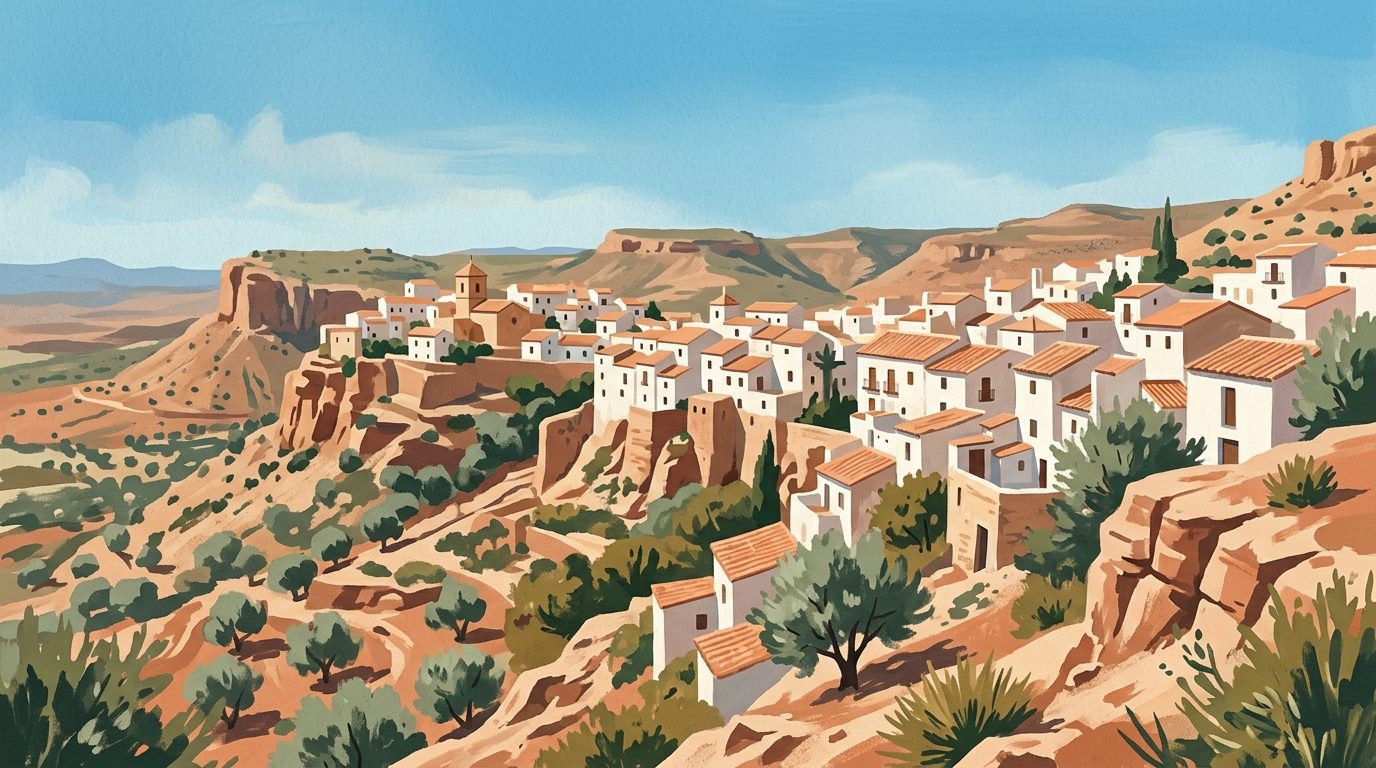
Perched on a limestone cliff above the Río Aguas, Sorbas serves as the gateway to Europe’s most significant gypsum karst landscape. This Almerian town is defined by its hanging houses and a labyrinth of crystal-filled caves carved over millennia.
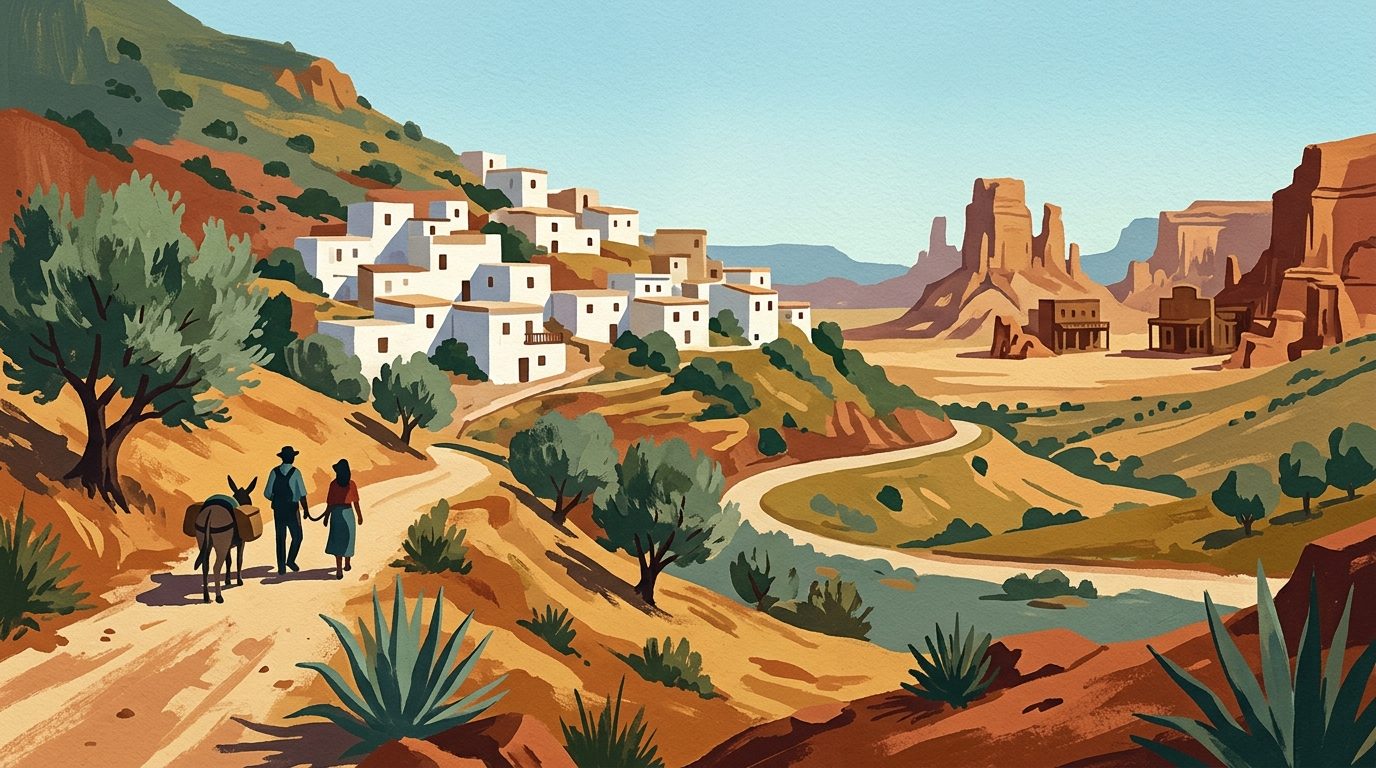
Sorbas is one of Almería’s most architecturally and geologically distinct towns. While many travellers head straight for the cinematic dunes of the Tabernas Desert or the beaches of Cabo de Gata, those who stop here find a town literally clinging to the edge of a precipice. Known locally as 'Cuenca la Chica' because of its hanging houses, Sorbas sits atop a plateau of gypsum rock, overlooking the deep gorge of the Río Aguas. The white-washed buildings appear to sprout directly from the cliff face, creating a silhouette that is as precarious as it is beautiful.
Beyond the cliffside views, Sorbas is internationally renowned among geologists. It sits within the Paraje Natural Karst en Yesos de Sorbas, a protected area containing over a thousand caves formed in gypsum rather than the usual limestone. This unique environment has created a landscape of badlands (stark, eroded gullies and sinkholes) that feels entirely removed from the lush irrigation of the nearby Almanzora Valley. For the visitor, Sorbas offers a rare combination of traditional Almerian pottery, challenging subterranean adventure, and a glimpse into how geology dictates human settlement.
What to See & Do
The Gypsum Caves (Paraje Natural Karst en Yesos de Sorbas)
The primary draw for many is the network of caves that riddle the ground beneath the town. Unlike limestone caves, which take millions of years to form, gypsum is highly soluble, meaning these caverns evolved relatively quickly in geological terms. The result is a subterranean world where the walls glitter with selenite crystals. These transparent, glass-like formations reflect torchlight in a way that feels otherworldly.
Guided tours are mandatory to enter the caves, and they vary significantly in difficulty. The 'Basic Route' is suitable for families and requires no special equipment other than a helmet and lamp (provided). For those seeking more adrenaline, 'Technical Routes' involve abseiling and crawling through narrow fissures. Inside, you will see stalactites and stalagmites, but the real highlight is the 'mirror' effect of the gypsum crystals that line the ceilings of chambers like the Cueva del Agua.
The Hanging Houses and the Afueras District
The most iconic view of Sorbas is found at the southern edge of the town. The 'Casas Colgantes' (hanging houses) are built directly into the cliff of the Afueras district. To get the best perspective, walk across the bridge on the N-340a road that spans the canyon. From here, you can see how the rear balconies of the houses hover hundreds of feet above the riverbed. During the winter and spring, when the Río Aguas carries more water, the contrast between the white houses and the greenery of the canyon floor is particularly striking.
Traditional Alfarería (Pottery)
Sorbas has maintained a pottery tradition that dates back to the Moorish era. The town once had dozens of active kilns, and while the number has dwindled, the Barrio de las Alfarerías (Pottery Quarter) still echoes with the sound of the wheel. The pottery here is distinct for its use of local clay and its functional, earthy designs. Visiting a workshop like Alfarería Juan Simón (Calle de las Alfarerías) allows you to see the traditional Arabian-style kilns, which are built into the ground to retain heat. Unlike mass-produced souvenirs, the jugs (cántaros) and plates found here are authentic pieces of Almerian heritage, often finished with a simple, transparent glaze.
Mirador del Castillo
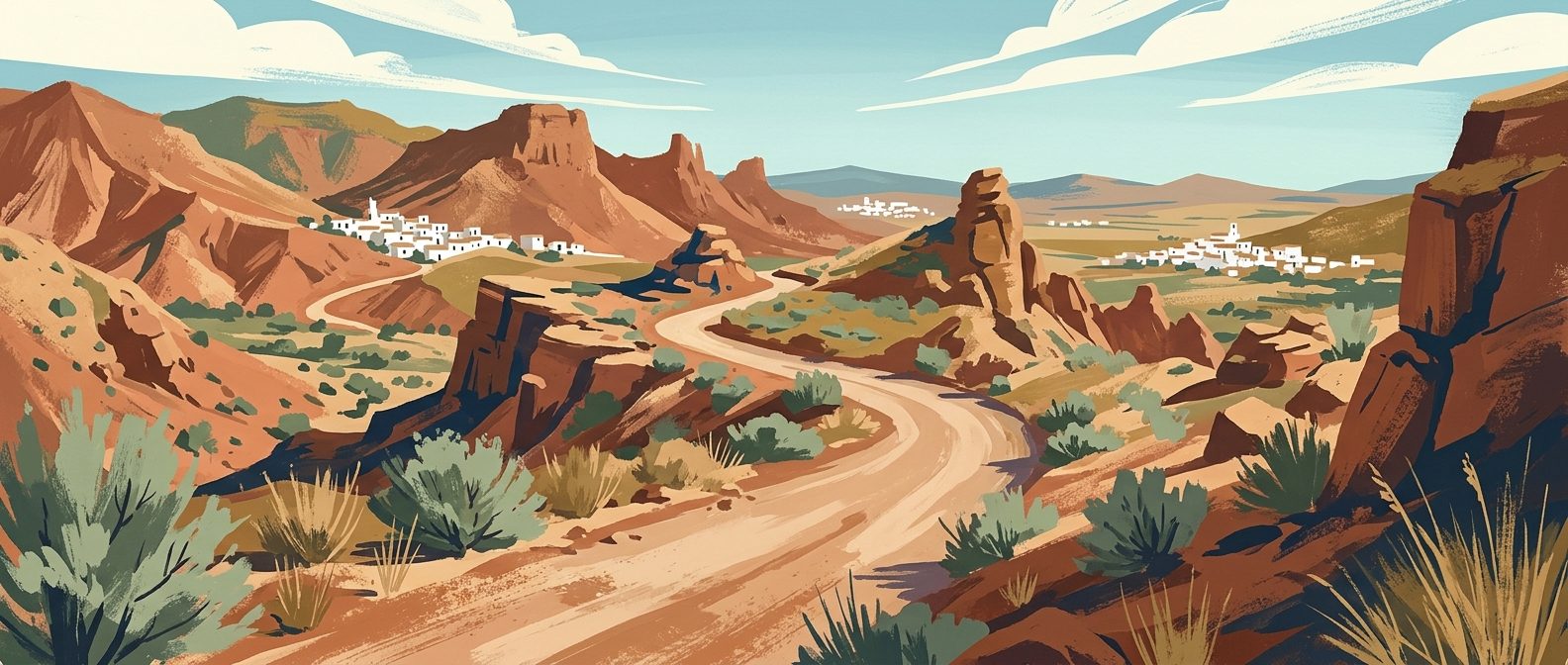
While the castle that once stood here is largely gone, the Mirador del Castillo remains the town's highest point. From this vantage point, you can look out across the 'badlands' of the Tabernas Desert and the Sierra de los Filabres. It provides an excellent overview of the town’s layout, showing how the medieval streets follow the contours of the rock. It is a quiet spot, perfect for understanding the defensive logic of building a town on such a sheer plateau.
Río Aguas Canyon Walk
For those who prefer to stay above ground, a walk along the base of the canyon offers a different perspective. A trail leads down from the town toward the riverbed. Here, the microclimate is surprisingly humid compared to the surrounding desert. You can spot terrapins in the permanent pools of water and observe the geological 'karst' formations from below: huge blocks of gypsum that have tumbled from the cliffs over centuries. The flora includes oleanders and reeds, providing a cool sanctuary during the warmer months.
Practical Information
Opening Times & Cave Tours: The Cuevas de Sorbas visitor centre is generally open from 10:00 to 14:00 and 16:00 to 19:00, though these hours vary seasonally. Tours must be booked in advance via the official Cuevas de Sorbas website, especially during the summer and Easter periods. The 'Basic Route' takes approximately 2 hours, while more advanced routes can last up to 4 hours.
Prices: A basic cave tour typically costs around €15 for adults and €10 for children. More technical caving experiences range from €25 to €50 depending on the duration and equipment required. Access to the town's viewpoints and pottery district is free. (Check on the operator's website before travelling to confirm up-to-date times and prices.)
How to Get There: Sorbas is located approximately 45 minutes from Almería city. Take the A-7 motorway towards Murcia, then exit onto the N-340a. The road is well-signposted. If you are coming from the Tabernas Desert, the A-348 takes you directly into the town through a scenic route of olive groves and arid hills.
Parking: Parking inside the old town is extremely difficult due to the narrow, steep streets. It is best to park in the large designated area near the Plaza de la Constitución at the entrance of the town or near the Cuevas de Sorbas visitor centre located just outside the main village on the N-340a.
Where to Eat Nearby
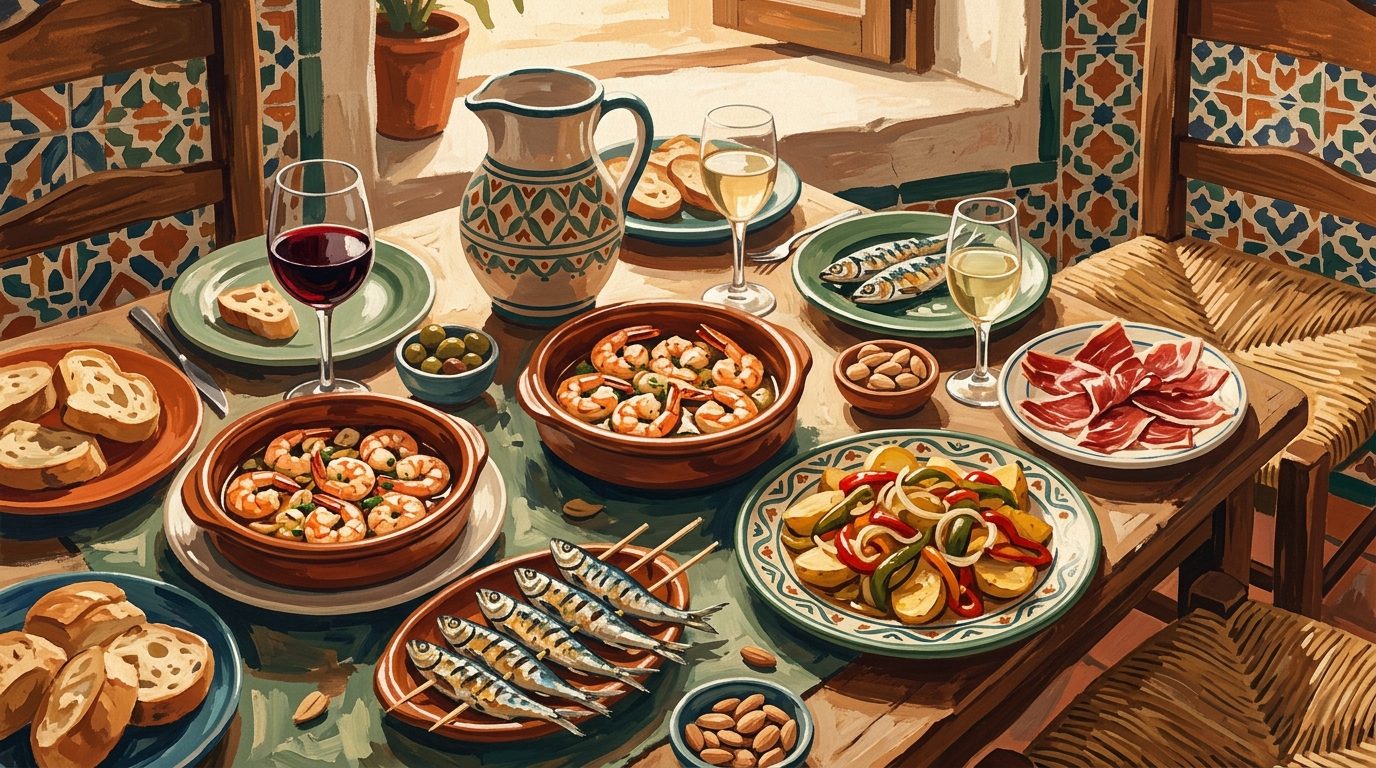
For a meal with a view, Restaurante El Cuevón is located right by the cave visitor centre. It specialises in traditional Almerian mountain cuisine; try the 'Pelotas de Sorbas', a hearty stew with cornmeal dumplings. In the centre of the town, Mesón del Duque offers a more rustic experience with excellent grilled meats and local sausages. If you are looking for a quick bite, the small bars around Plaza de la Constitución serve classic tapas, including 'migas' (fried breadcrumbs with peppers and sardines), which is a local staple on rainy days.
Where to Stay
Accommodation within the town itself is limited to a few traditional guesthouses like Hostal Sorbas, which offers simple, clean rooms in the heart of the village. For a more immersive experience in the desert landscape, Cortijo Urrá is located a short drive away, offering rural accommodation with views over the karst landscape. Alternatively, many visitors choose to stay in the nearby town of Tabernas or the coastal area of Mojácar, which is only a 35-minute drive away.