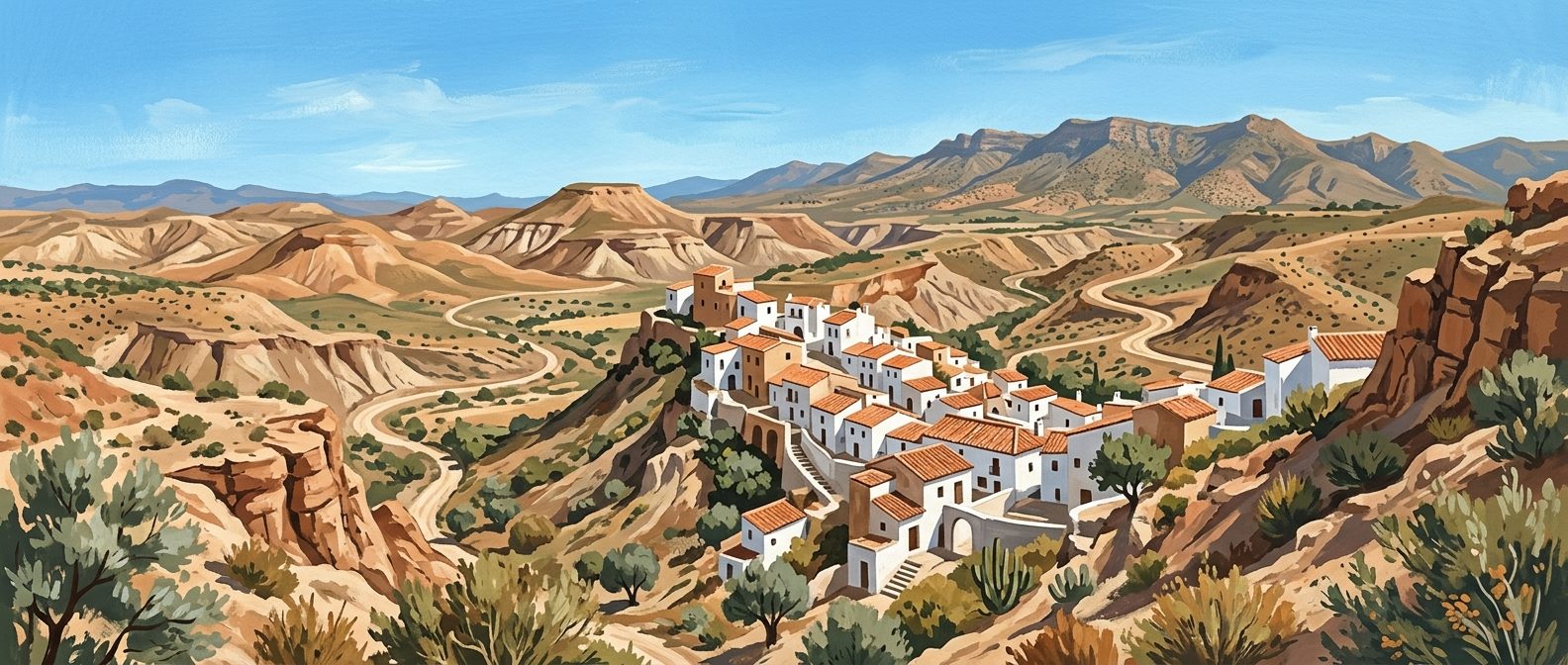
Venture beyond the coastal resorts of Almería to discover a landscape of parched ravines and sun-baked badlands that look more like Arizona than Andalucía. This is the Tabernas Desert, a geological marvel where film history and raw nature collide under a relentless sun.
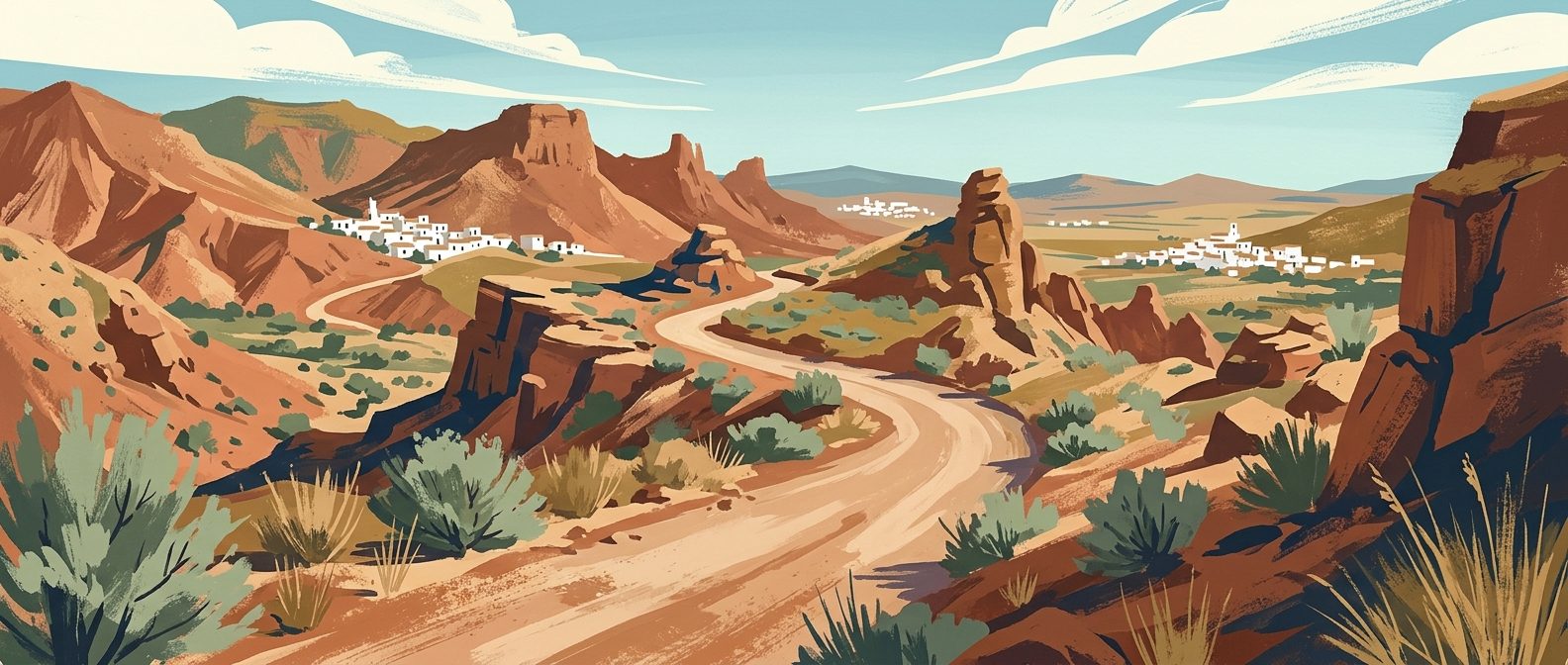
Driving north from Almería city, the Mediterranean greenery of the coast abruptly gives way to something far more skeletal. This is the Tabernas Desert, a 280-square-kilometre expanse of protected Paraje Natural (Natural Area) that holds the title of Europe's only true desert. Sheltered from the humid Atlantic air by the Sierra de los Filabres and the Sierra Alhamilla, this rain-shadowed basin receives fewer than 250mm of rainfall per year. What remains is a stark, monochromatic beauty defined by cárcavas (badlands): deeply eroded gullies and ridges that shift in colour from ochre to slate as the sun moves across the sky.
For many, the first encounter with Tabernas is through the lens of a camera. This landscape served as the definitive backdrop for the Spaghetti Westerns of the 1960s and 70s, doubling for the American West in films like The Good, the Bad and the Ugly and A Fistful of Dollars. More recently, it has portrayed the alien terrains of Game of Thrones and The Mandalorian. However, to treat Tabernas solely as a film set is to miss its genuine ecological and geological significance. The area is a labyrinth of ramblas (dry riverbeds) that serve as highways for local wildlife and hardy hikers, offering a silence so profound it feels physical.
Places to Explore in the Tabernas Desert
Tabernas Town and the Surrounding Badlands
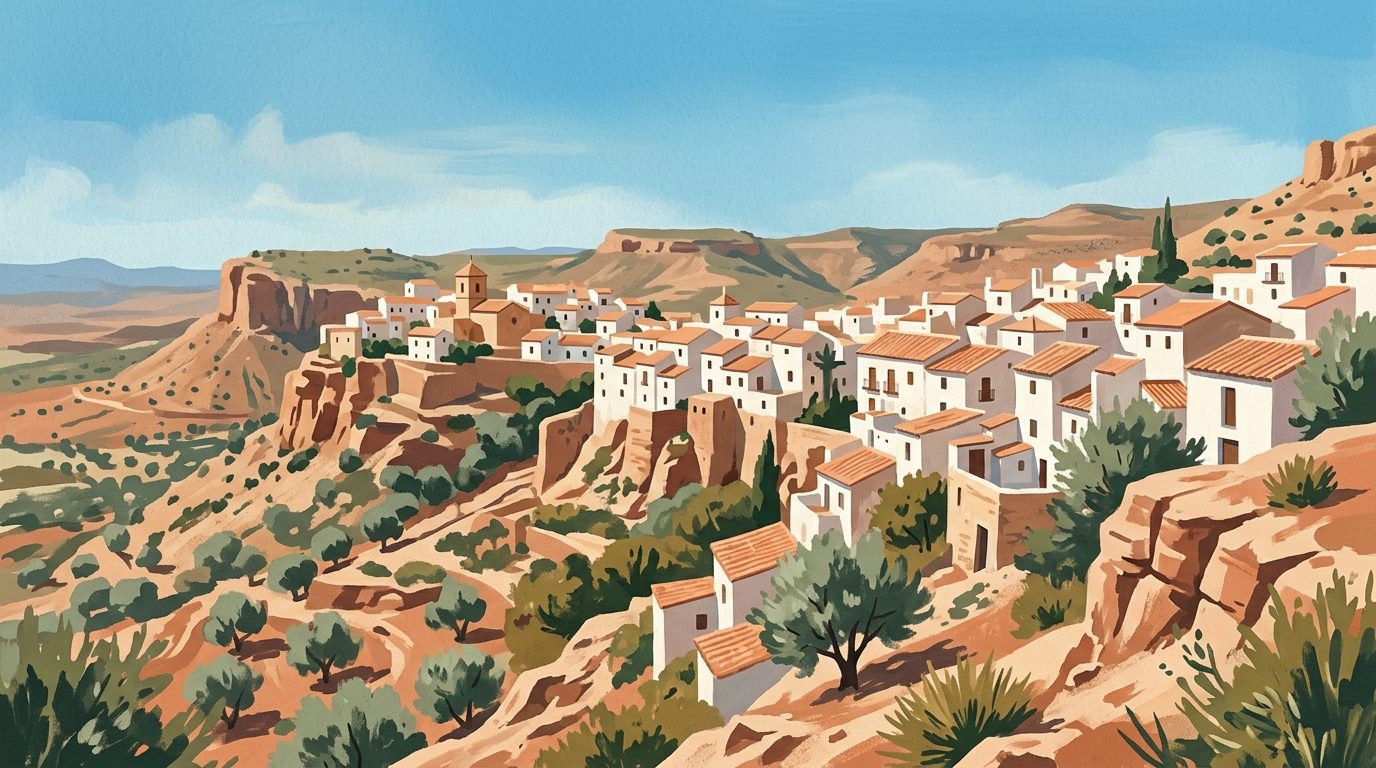
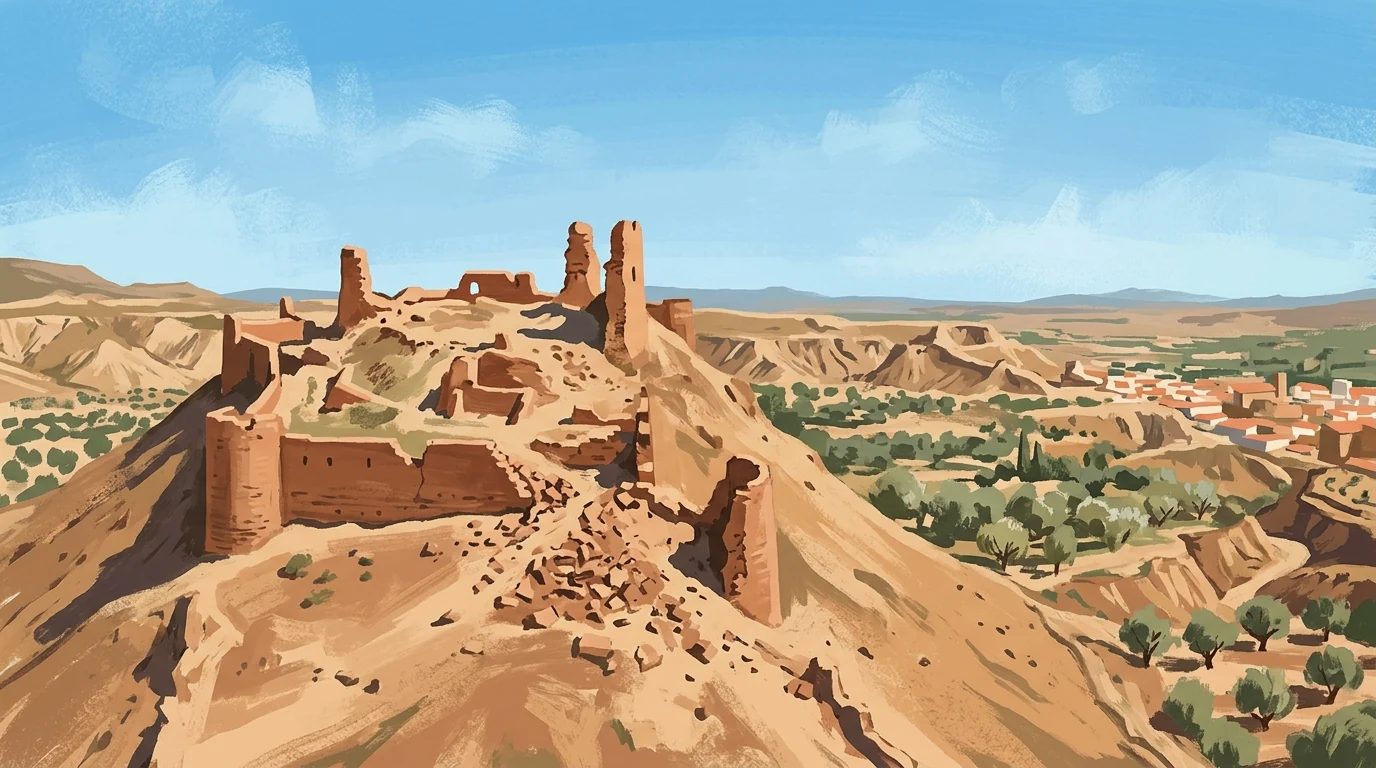
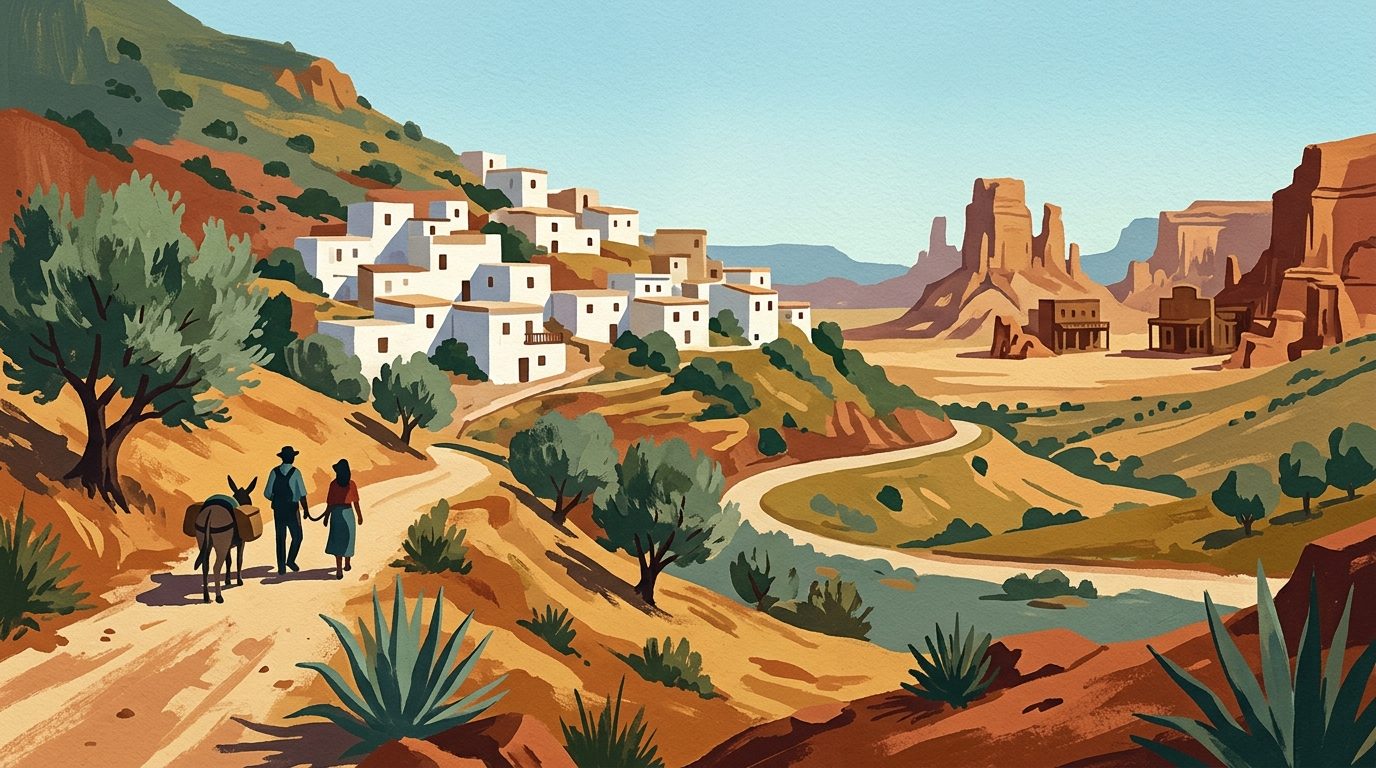
The town of Tabernas itself sits on the edge of the desert, serving as both a functional hub and a historical gateway. It isn't a manicured white village in the style of the Alpujarras; it is a working Almerían town with a rugged character that matches its surroundings. Dominating the skyline are the ruins of the 11th-century Castillo de Tabernas. This Nasrid fortress, though heavily damaged during the Reconquista and later by earthquakes, remains the best vantage point in the region. Standing amongst the crumbling walls, you can see the sheer scale of the badlands stretching towards the horizon, a view that clarifies why this was such a strategic defensive position for the Moors.
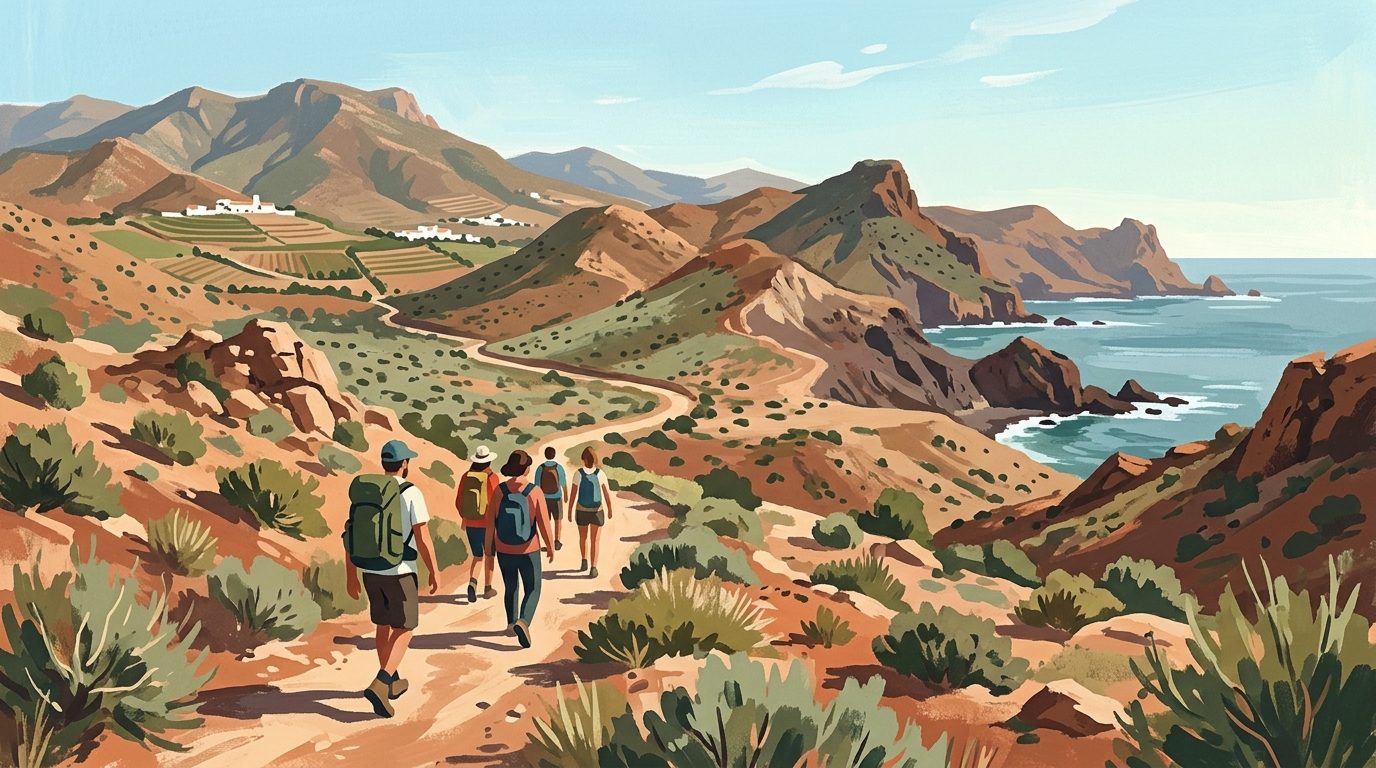
Below the castle, the town’s narrow streets lead to the 16th-century Iglesia de Nuestra Señora de la Encarnación, built over a former mosque. However, the real draw lies just outside the urban perimeter. To truly experience the desert, you must enter the ramblas. The Sendero del Desierto (PR-A 269) is a circular hiking route that begins near the local football pitch. This 14-kilometre trail takes you through the heart of the erosion-carved landscape. You will walk through the Rambla de Tabernas and the Rambla del Grana, passing through natural amphitheatres where the walls are striped with layers of gypsum and marl. Keep an eye out for the trompetero (Trumpeter Finch) or the occasional ladder snake basking on the sun-warmed rocks. The scale of the erosion here is immense, with sand dunes that have hardened into stone over millennia, creating a landscape that feels ancient and indifferent to human presence.
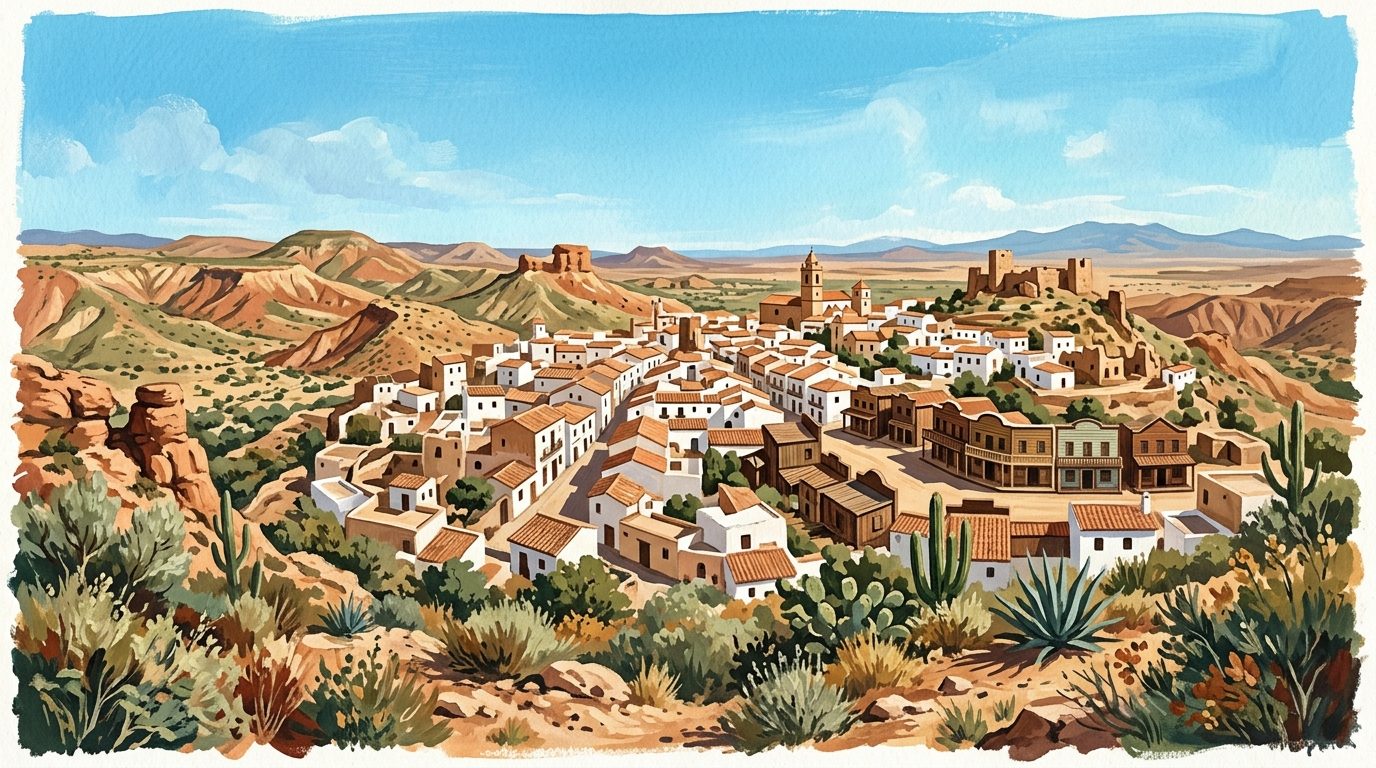
For those interested in the cinematic legacy, the desert is home to several poblados del oeste (western towns). Fort Bravo/Texas Hollywood is perhaps the most authentic, still used frequently for modern productions. It feels less like a theme park and more like a working set, with its dusty saloon and weathered wooden gallows. Oasys Mini Hollywood, originally built for For a Few Dollars More, offers a more polished experience with live shows and a zoo, which may appeal more to families. Whichever you choose, standing in the middle of a desert plaza while the wind whistles through the wooden boardwalks provides an uncanny sense of being inside a celluloid dream. If you prefer your history without the greasepaint, visit the Plataforma Solar de Almería (pre-booked guided tours only), one of the world's largest concentrated solar power research centres, located just outside the town. It is a striking sight: hundreds of mirrors gleaming in the desert sun like something out of a science fiction novel.
Read the full Tabernas guide →
Eating & Drinking in Tabernas Desert
The cuisine in this part of Almería reflects survival and ingenuity, focusing on hearty dishes that sustained shepherds and miners in a harsh climate. One of the most traditional offerings is migas (flour-based crumbs), which in Almería are uniquely made with semolina rather than bread. They are typically served with fried peppers, morcilla (blood sausage), and occasionally fresh grapes or pieces of dried cod to balance the saltiness. Another local staple is ajo colorao, a thick mash of potatoes, dried peppers, and crushed garlic, often served with a wedge of lemon and crusty bread.
For an authentic sit-down meal, head to Restaurante El Parque on the Avenida de Ricardo Fabregas. It is a local favourite for its menú del día (fixed-price lunch menu) which often features cocido de trigo (a thick wheat and chickpea stew). If you are looking for something slightly more elevated, Las Eras, located in the town of Tabernas, offers a sophisticated take on Almerían ingredients, with a focus on local meats and seasonal vegetables. No visit to Tabernas is complete without sampling the local olive oil. The Oro del Desierto almazara (olive oil mill) produces some of the world's most awarded organic extra virgin olive oils. Their restaurant and shop allow you to taste the liquid gold produced from olives grown in this high-stress environment, which gives the oil a remarkably intense flavour profile.
Where to Stay
Accommodation in the Tabernas Desert ranges from the rustic to the unexpectedly luxurious. For those who want to fully immerse themselves in the landscape, Cortijo Oro del Desierto is an exceptional choice. This converted 19th-century oil mill offers stylish, eco-friendly rooms powered by solar energy, surrounded by olive groves that thrive in the desert soil. It is a peaceful retreat that feels worlds away from the coast. For a more adventurous stay, Camping Fort Bravo allows you to sleep in wooden bungalows right next to the film sets, giving you the chance to see the desert as the sun sets and the crowds depart. If you prefer to stay in the town itself, Hostal Avenida is a clean, reliable option that places you within walking distance of the local bars and the climb to the castle. For those with a campervan, the desert offers several designated areas where you can wake up to the sight of the first light hitting the cárcavas.
Getting There & Around
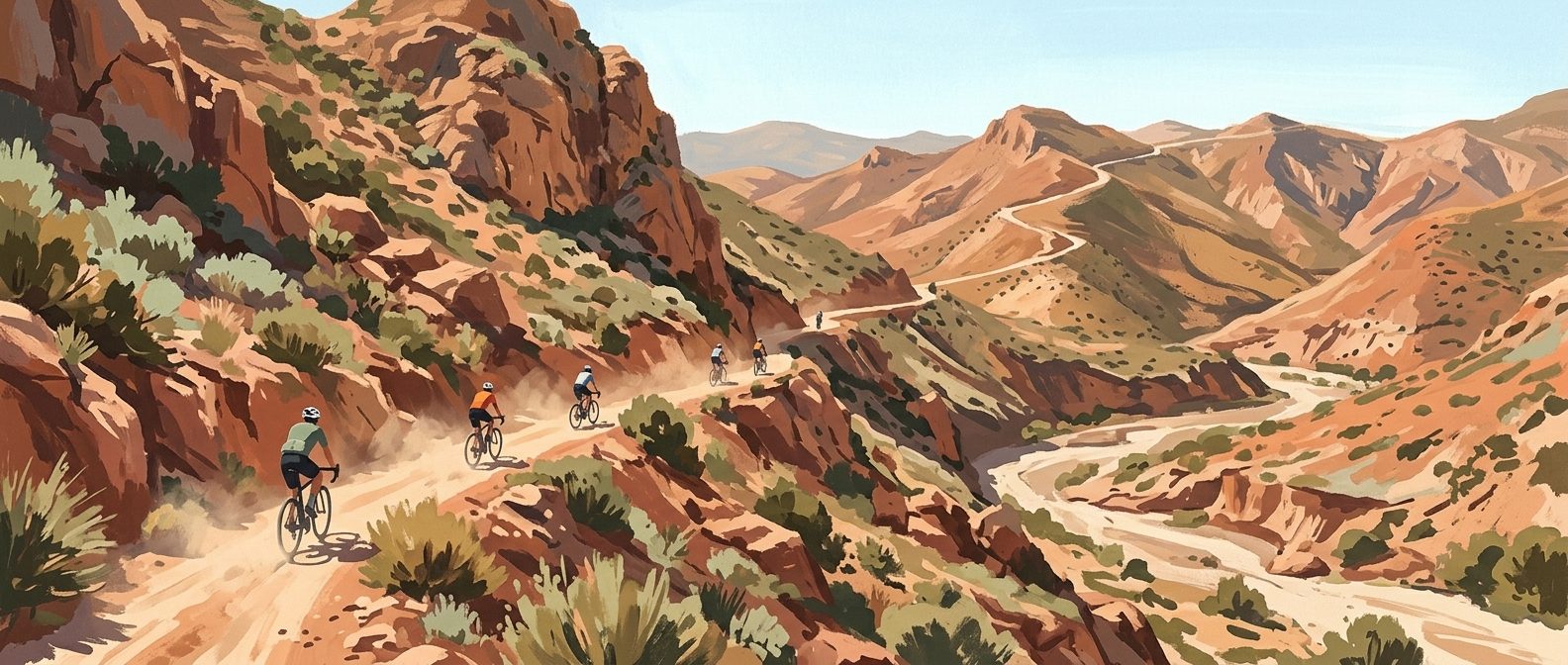
Tabernas is located approximately 30 kilometres north of Almería city. The easiest way to reach it is by car via the A-92 motorway, a journey that takes around 30 minutes. While there are regular bus services from the Almería Intermodal station operated by ALSA, having your own vehicle is essential if you want to explore the deeper reaches of the ramblas or visit the various film sets. Within the town, everything is walkable, but the desert itself requires a sturdy pair of boots or a mountain bike. Several local companies offer 4x4 tours, which are an excellent way to access the more remote geological formations and film locations without risking a standard rental car on the sandy rambla beds.
Best Time to Visit
Timing is everything in the Tabernas Desert. During July and August, temperatures frequently soar above 40°C, making hiking dangerous and even short walks uncomfortable. The best time to visit is from October to May. Late winter is particularly beautiful, as the almond trees in the surrounding foothills begin to blossom in February, providing a soft pink contrast to the harsh grey ridges. Spring brings a brief, intense flush of green to the ramblas and perfectly manageable temperatures for long-distance hiking. Autumn is also ideal, offering clear skies and the golden light that photographers and filmmakers have spent decades chasing.