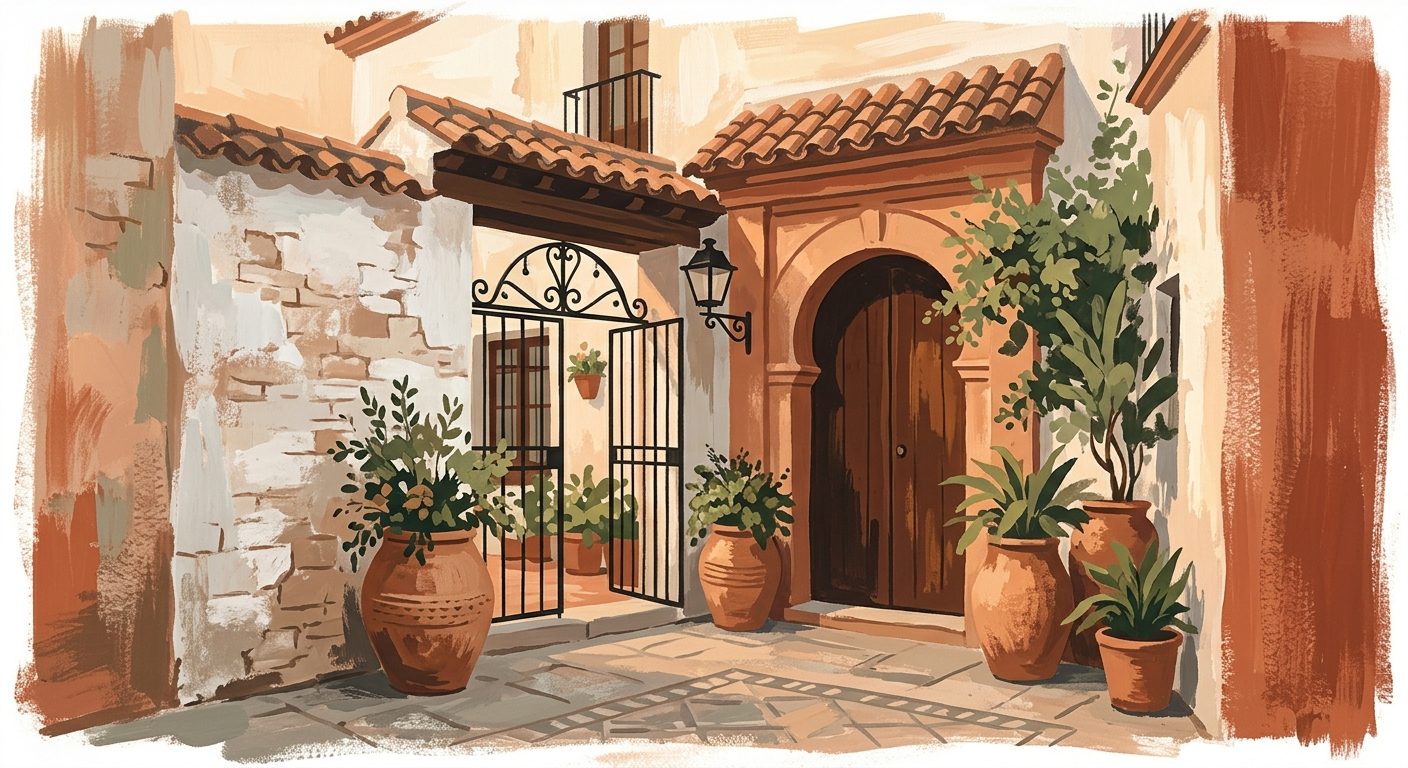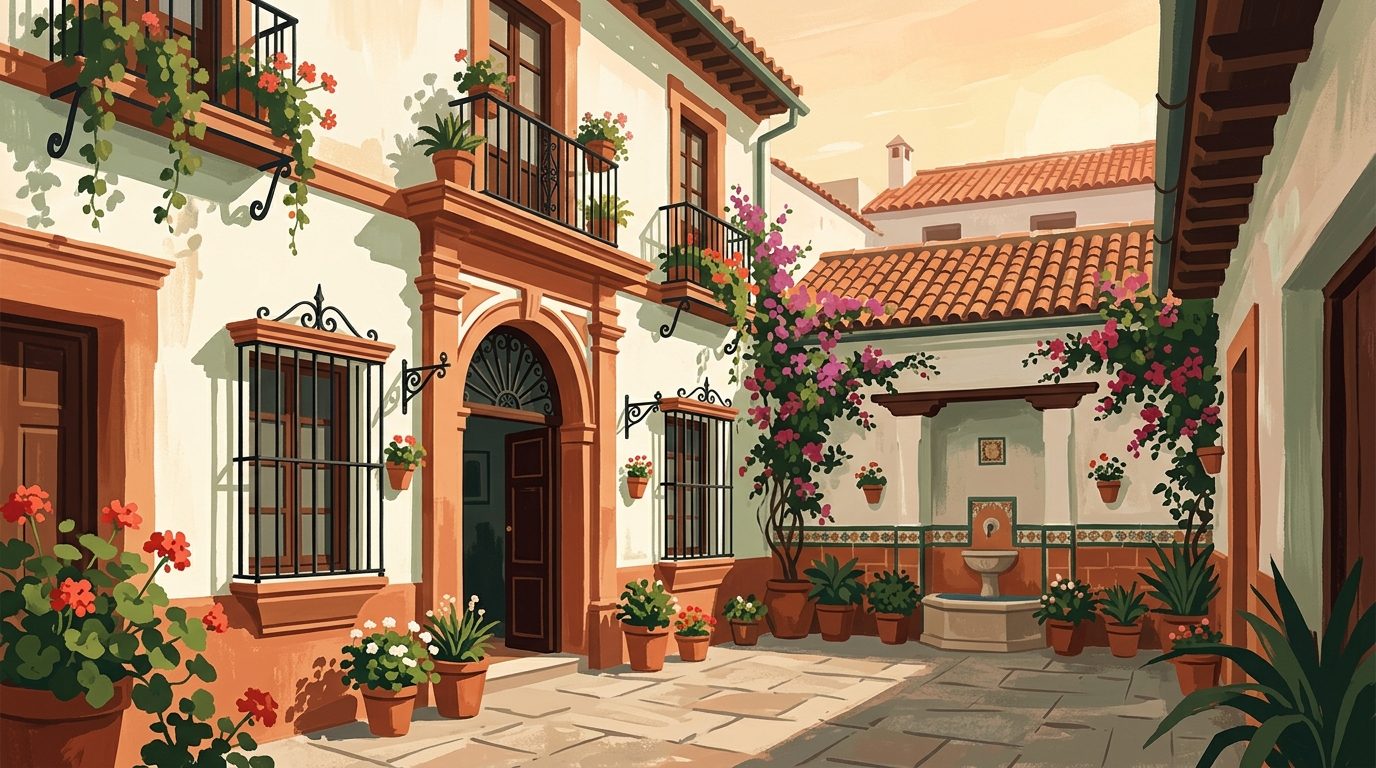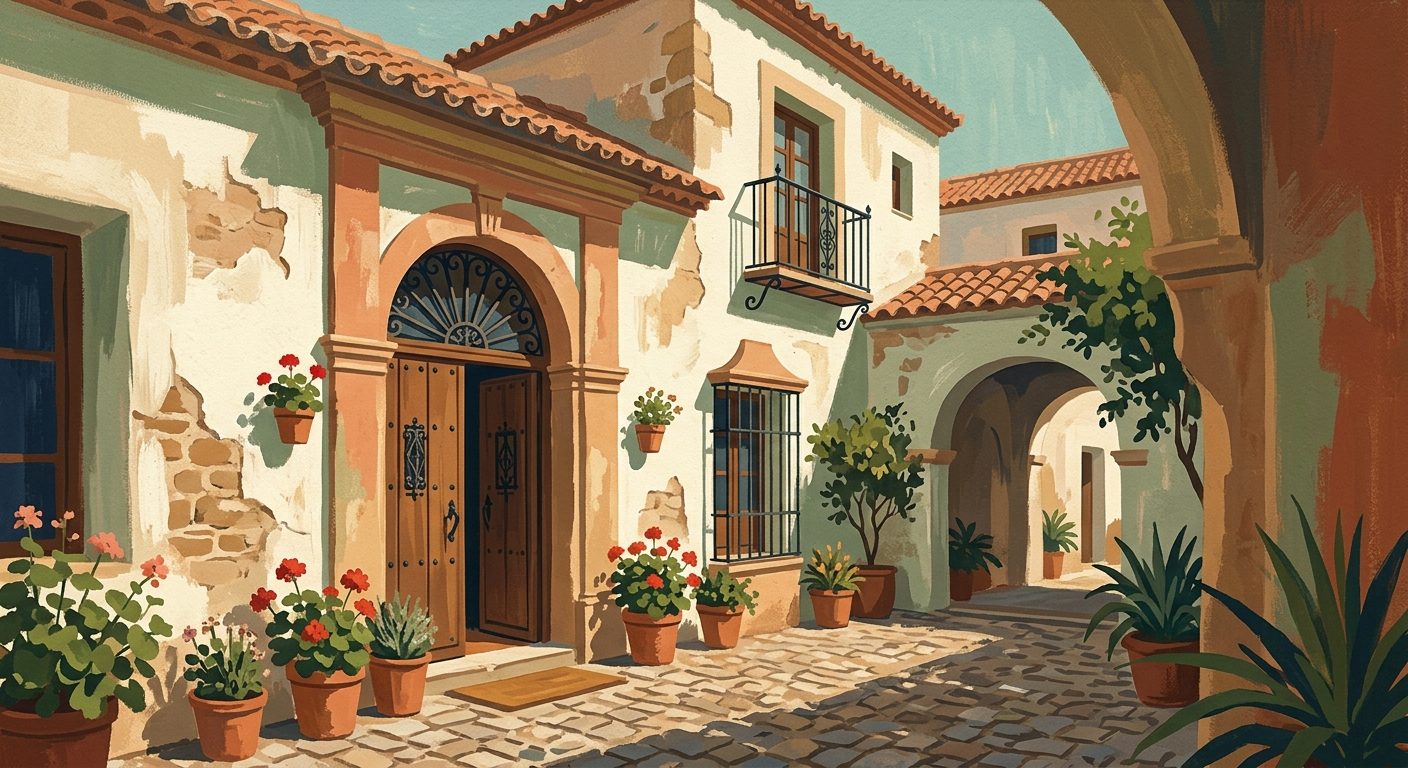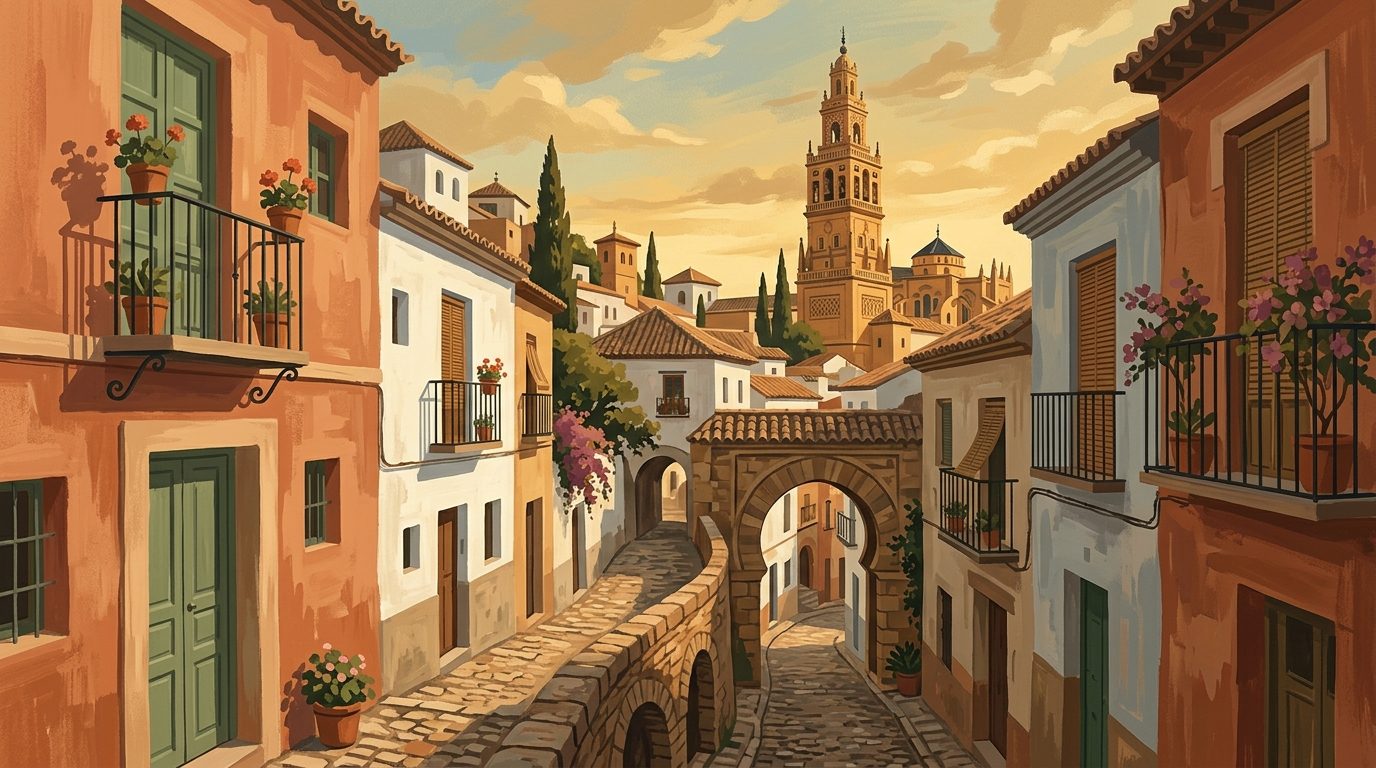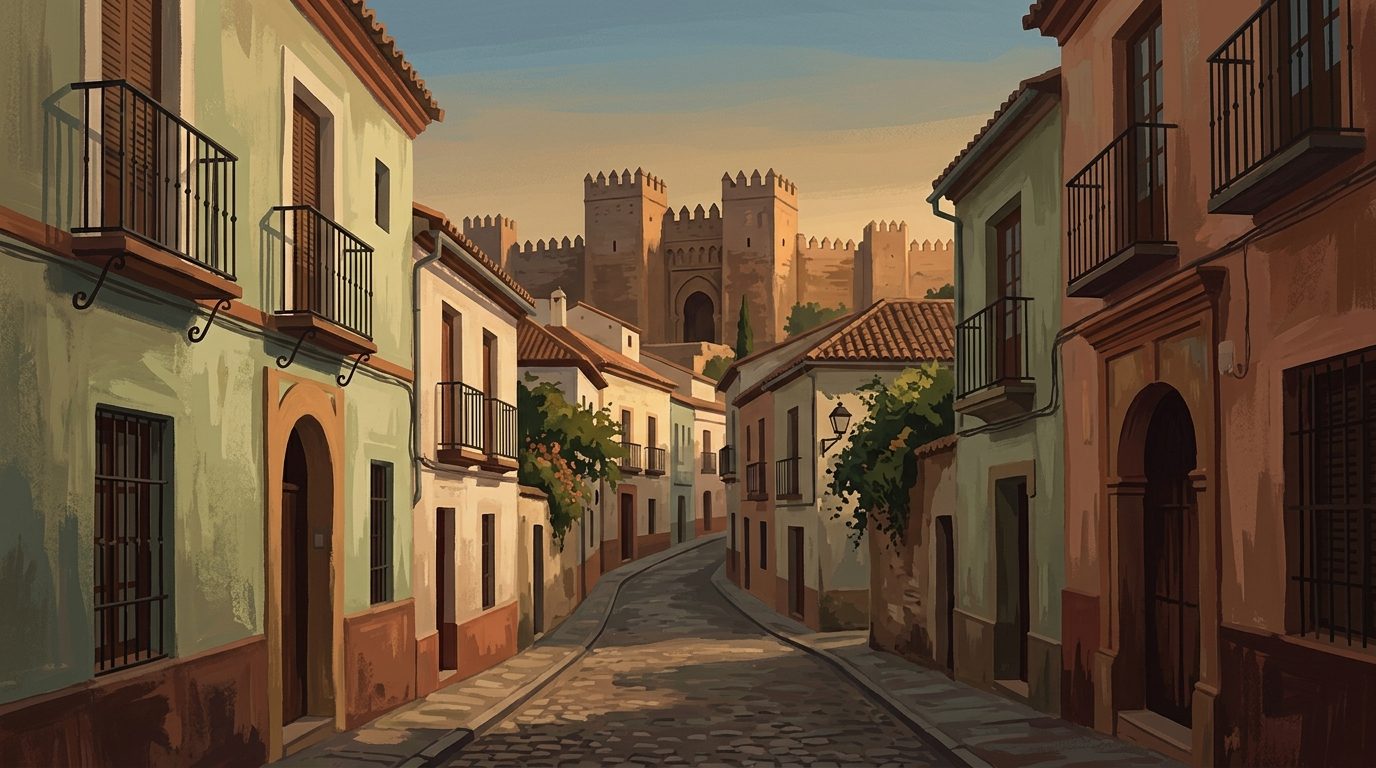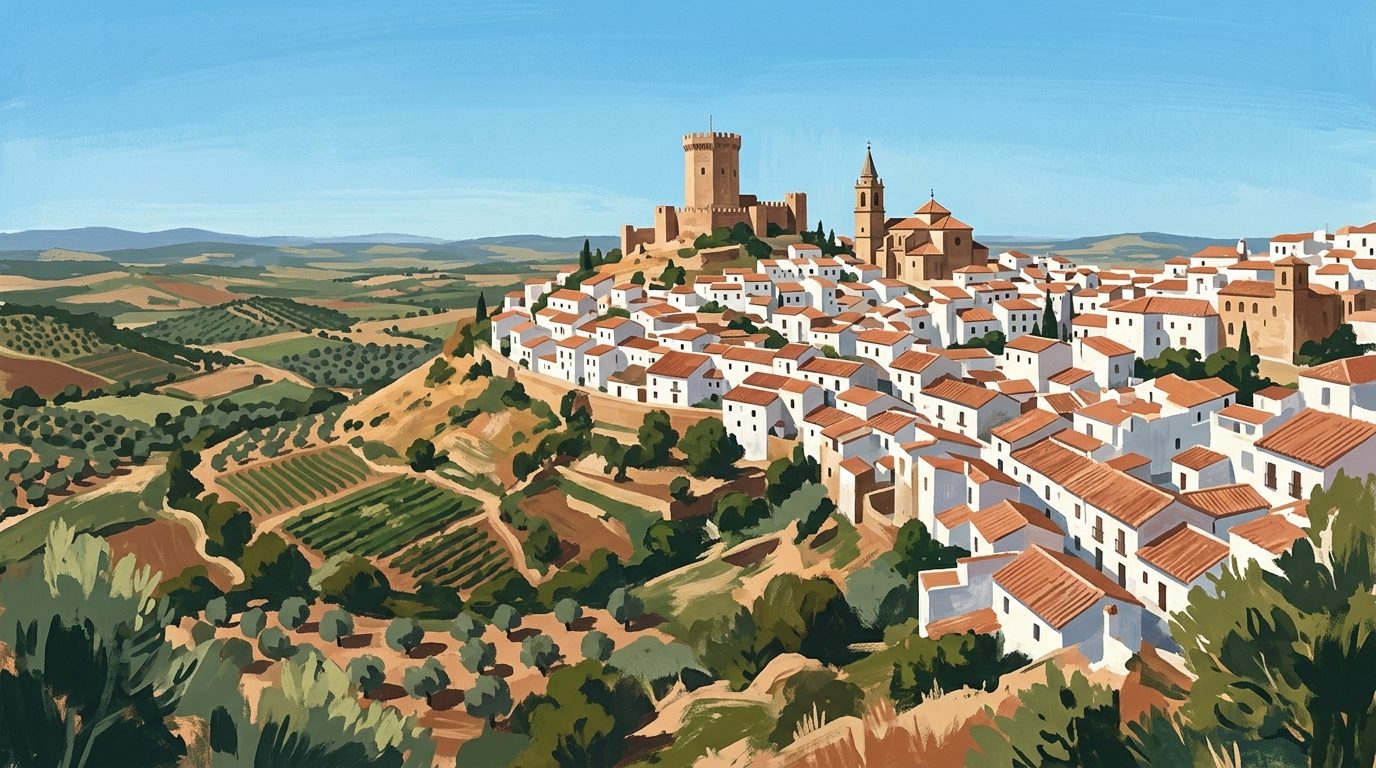
Perched on a limestone hill within the heart of the Campiña Sur, Aguilar de la Frontera is a white-washed town defined by its unusual architecture and deep-rooted viticulture. Its skyline is dominated by the remains of a once-mighty fortress and the distinctive towers of its baroque churches.
Rising above the undulating plains of the Campiña Cordobesa, Aguilar de la Frontera serves as a sentinel over a landscape of silver-green olive groves and meticulously aligned vineyards. This town of approximately 13,000 residents is a significant hub within the Montilla-Moriles wine region, yet it often remains overlooked by those rushing between the larger cities of Córdoba and Málaga. Its name, which translates to "Eagle of the Frontier," refers to its historical position on the shifting border between the Christian kingdoms and the Nasrid Emirate of Granada. Today, that military tension has been replaced by a slow-paced, agricultural lifestyle where the cycles of the harvest dictate the rhythm of the year.
The town is a collection of steep, narrow streets that eventually converge on one of the most remarkable urban spaces in Andalucía. It is a place where the scent of fermenting grapes hangs in the air during September and where the local architecture reflects a transition from the defensive needs of the Middle Ages to the flamboyant civic pride of the 18th and 19th centuries. For those interested in authentic Andalucían culture, away from the heavy footfall of the coast, Aguilar offers an insightful look at the traditions of the interior.
What to See & Do
The Plaza de San José
The primary architectural draw of Aguilar de la Frontera is the Plaza de San José. Completed in 1806, this neoclassical square is celebrated for its rare octagonal shape. It was designed by the architect Juan Vicente Gutiérrez de Salamanca, who aimed to create a structured, harmonious civic centre that stood in stark contrast to the chaotic medieval layout of the surrounding streets. The plaza is enclosed by three-storey houses with uniform white facades and green shutters, all following the geometric precision of the eight-sided plan.
Four arched entry points allow access to the interior of the square, which remains pedestrianised and serves as the town's open-air living room. Historically, the plaza was used for public spectacles, including bullfights, which were viewed from the balconies of the surrounding residences. Today, it is the best place to sit with a glass of local Fino and observe the daily life of the town. The Town Hall (Ayuntamiento) is located here, blending seamlessly into the octagonal geometry.
Castillo de Poley and the Interpretation Centre
At the highest point of the town lie the ruins of the Castillo de Poley. This site has been inhabited since the Bronze Age, though the visible fortifications are largely of Arab and later Christian origin. During the 9th century, this was a stronghold for the rebel Omar ibn Hafsun during his uprising against the Umayyad Caliphate of Córdoba. After the Christian reconquest, the castle became the seat of the Lordship of Aguilar.
While much of the stone was repurposed in later centuries for civil buildings, the site has undergone extensive excavation and restoration. Visitors can explore the foundations of the towers and the residential quarters. The adjacent Interpretation Centre, housed in a former water reservoir (El depósito), provides a detailed chronological history of the site through archaeological finds and digital reconstructions. The panoramic views from the castle walls over the Genil valley and the Sierra de Montilla are arguably the best in the province.
The Wine Heritage: Bodegas Toro Albalá
Aguilar de la Frontera is synonymous with the production of Pedro Ximénez (PX), the naturally sweet dessert wine made from sun-dried grapes. The most prominent producer in town is Bodegas Toro Albalá. Founded in 1922 in a former power station, this winery is world-renowned for its vintage PX wines, including the 1946 Don PX Convento Selección which received a 100-point score from Robert Parker's Wine Advocate.
A visit to the bodega is not just about tasting; it is a museum experience. The owner, Antonio Sánchez, has curated an extraordinary collection of artifacts ranging from ancient Roman pottery to Napoleonic memorabilia and historic wine-making tools. Walking through the dark, cool cellars (sacristías) where casks have sat undisturbed for decades provides an education in the *solera* system of ageing. The air here is thick with the aroma of dried figs, chocolate, and molasses: the hallmark scents of aged Pedro Ximénez.
Religious Architecture and Mudejar Influence
The town's religious buildings reflect its evolution from a frontier outpost to a wealthy agricultural centre. The Parroquia de Santa María del Soterraño is the oldest church, built upon a cave where an image of the Virgin Mary was reportedly found. Its interior is a fascinating hybrid of Mudejar and Gothic styles, featuring intricate wooden ceilings and a high altar that is a masterpiece of Cordoban Baroque.
Other notable sites include the Torre del Reloj (Clock Tower), a 17th-century brick structure that stands independently in the street, and the Convent of San José and San Roque. The latter is famous for its ornate church and the traditional sweets sold by the cloistered nuns, including *pestiños* and *magdalenas*.
Practical Information
Opening Times: Most monuments in Aguilar de la Frontera, including the Castle Interpretation Centre, operate on split shifts. Confirm current seasonal hours with the Aguilar Tourist Office (Oficina de Turismo), as castle access is often restricted to weekends or guided tours during the low season. Bodegas usually require advance booking for tours, which typically take place at 11:00 or 12:00.
Ticket Prices: Entry to the Castillo de Poley and Interpretation Centre costs approximately €3.00. Tours at Bodegas Toro Albalá range from €15.00 to €40.00 depending on the depth of the tasting session. Many of the churches are free to enter during mass times, though a small donation is encouraged for those visiting purely for the architecture.
How to Get There: Aguilar is located approximately 50 kilometres south of Córdoba. By car, follow the A-45 motorway (Autovía de Málaga) and take exit 40 or 44. The drive takes around 40 minutes. There are also regular bus services operated by Carrera, connecting Aguilar with Córdoba and neighbouring Montilla. The bus station is located on the edge of the town centre, about a 10-minute walk from the Plaza de San José.
Parking: Navigating the narrow, steep streets of the upper town can be difficult. It is advisable to park in the lower part of town, near the Avenida de Miguel Cosano, and walk up to the historic centre.
Where to Eat Nearby
For a traditional lunch, Bodegón de Aguilar near the town centre is a local favourite. They specialise in regional classics such as *flamenquín* (breaded pork rolls stuffed with ham and cheese) and *rabo de toro* (oxtail stew), usually accompanied by a glass of local Fino. The setting is rustic, with barrels used as tables and walls adorned with local memorabilia.
If you are looking for something slightly more modern, Restaurante Guillermo offers a refined take on Cordoban cuisine. Their menu often features seasonal produce from the Campiña, such as artichokes or broad beans with ham, and their wine list highlights the best small producers in the Montilla-Moriles region. It is an excellent spot for trying *salmorejo*, the thick, cold tomato soup that is a staple of the province.
Where to Stay
Accommodation within Aguilar itself is primarily focused on independent guesthouses and rural tourism apartments. Casa Rural La Escalerilla provides a comfortable, traditional base with views over the surrounding countryside. For a more conventional hotel experience, many visitors choose to stay in nearby Montilla (10 minutes away) or Córdoba city. However, staying in the town allows you to experience the evening atmosphere of the octagonal plaza when the lights illuminate the neoclassical arches.