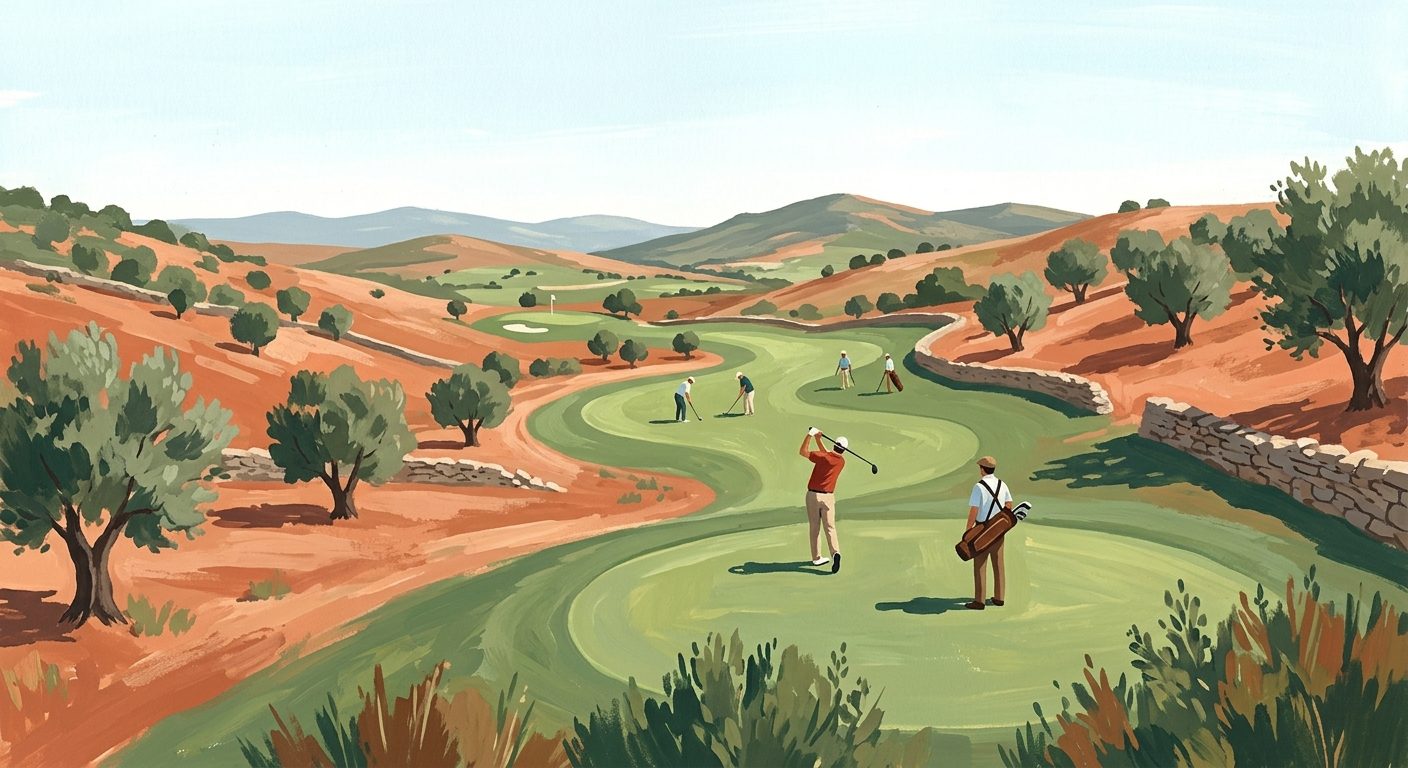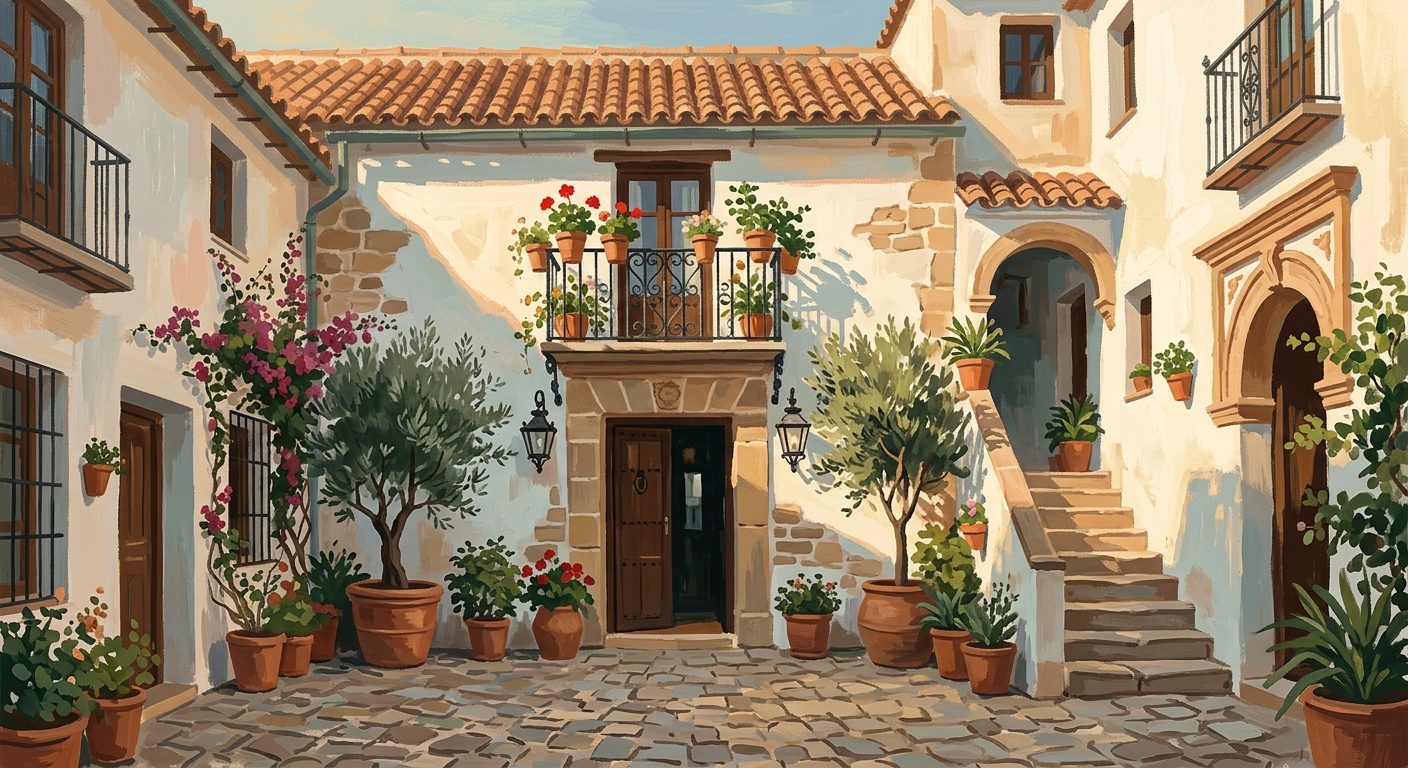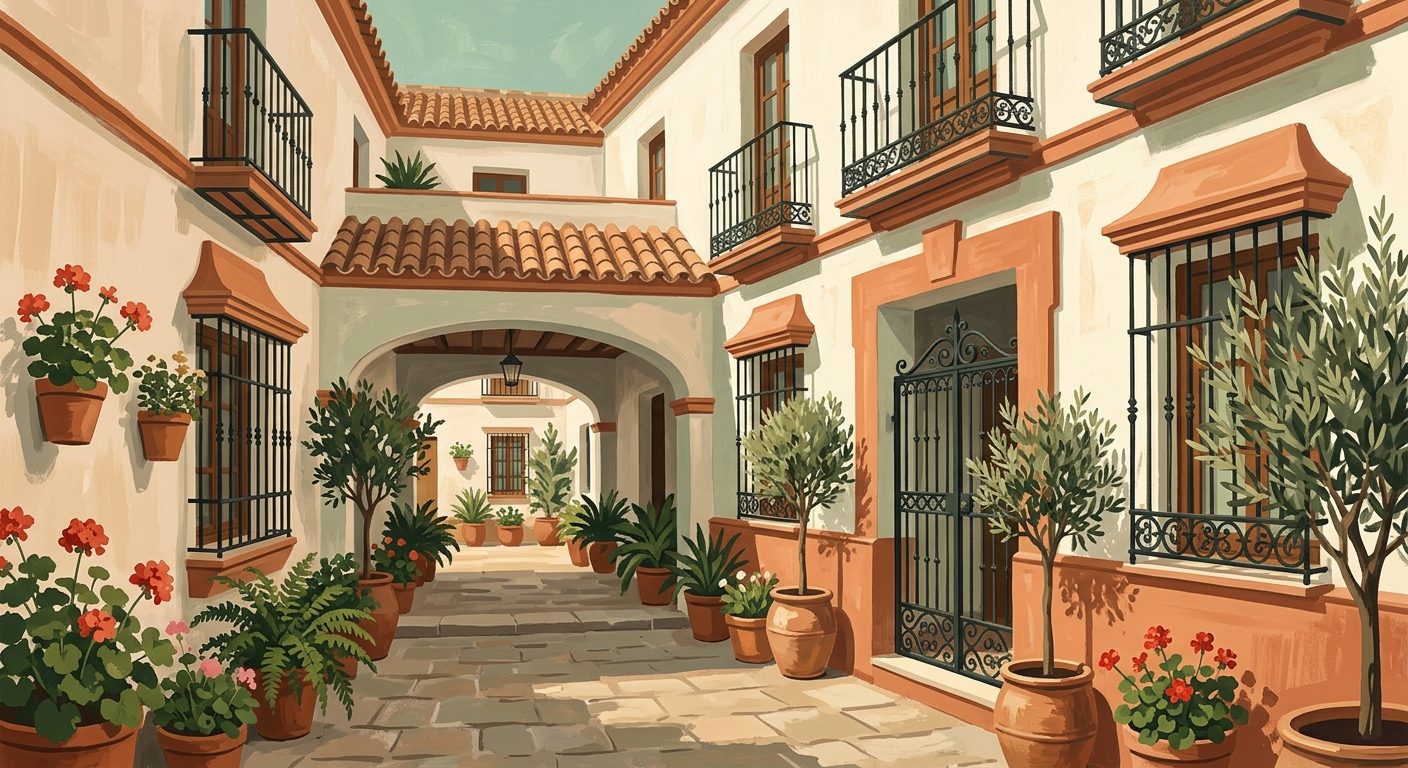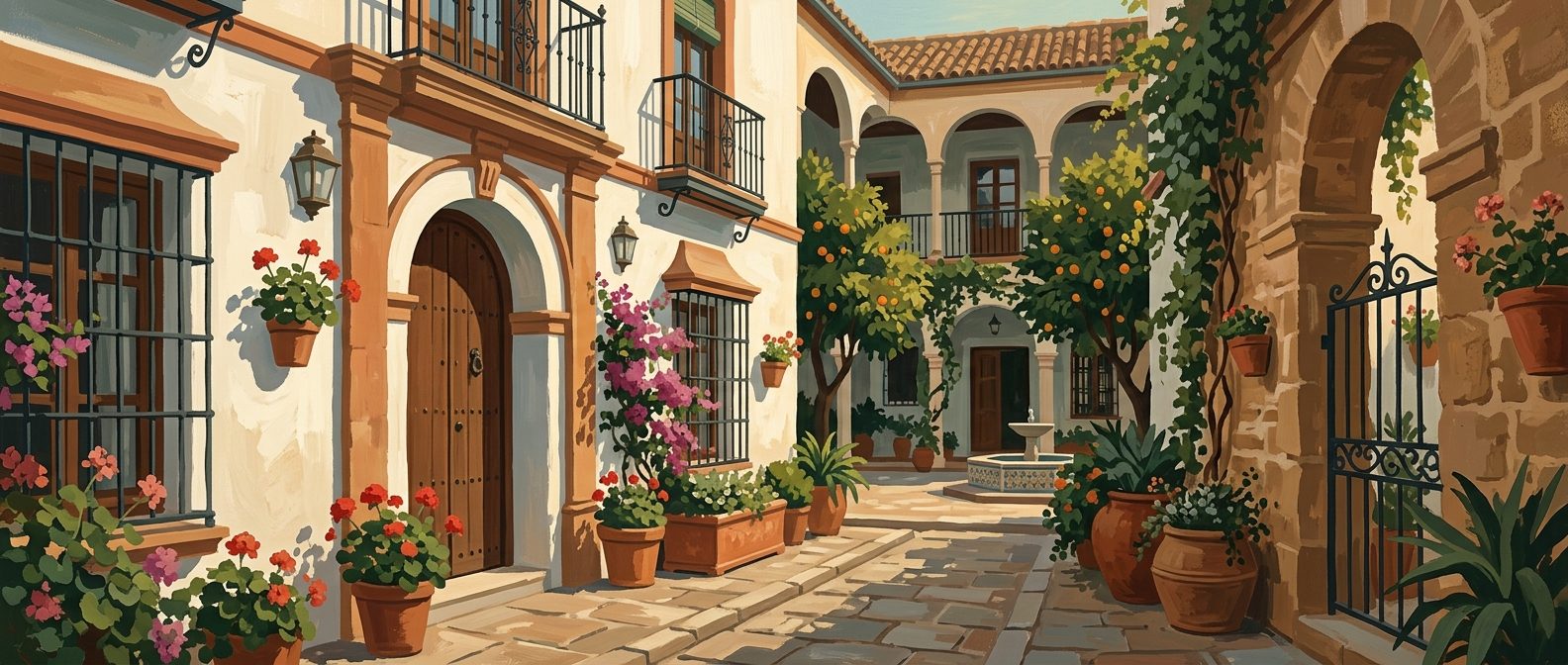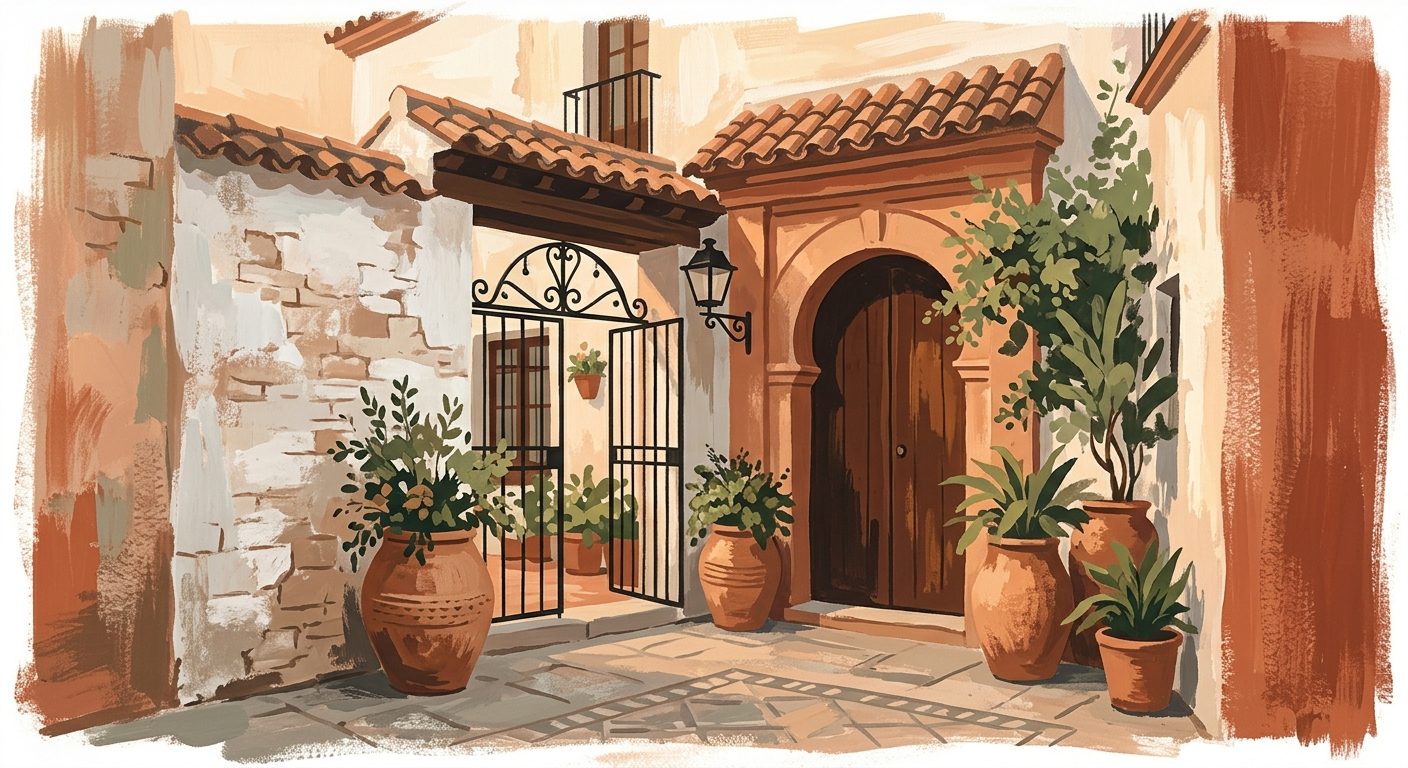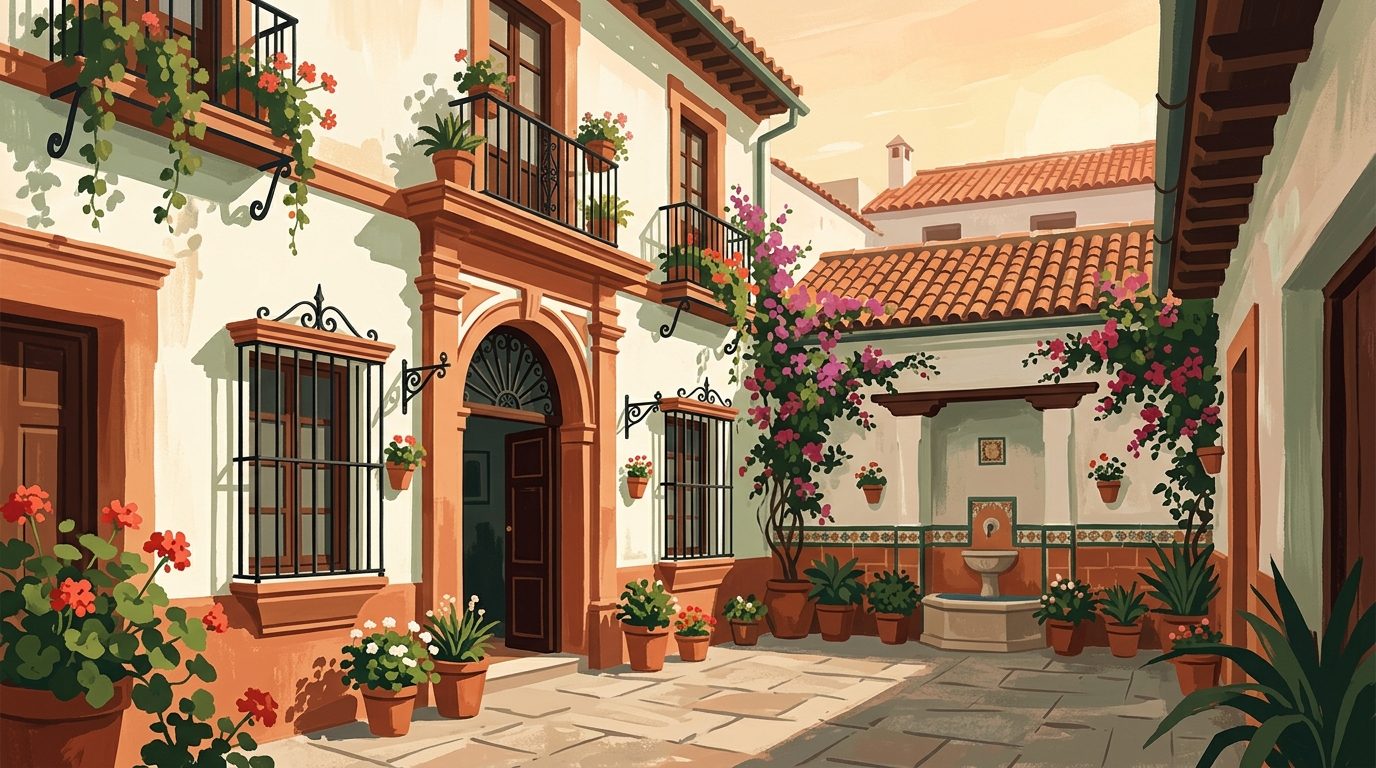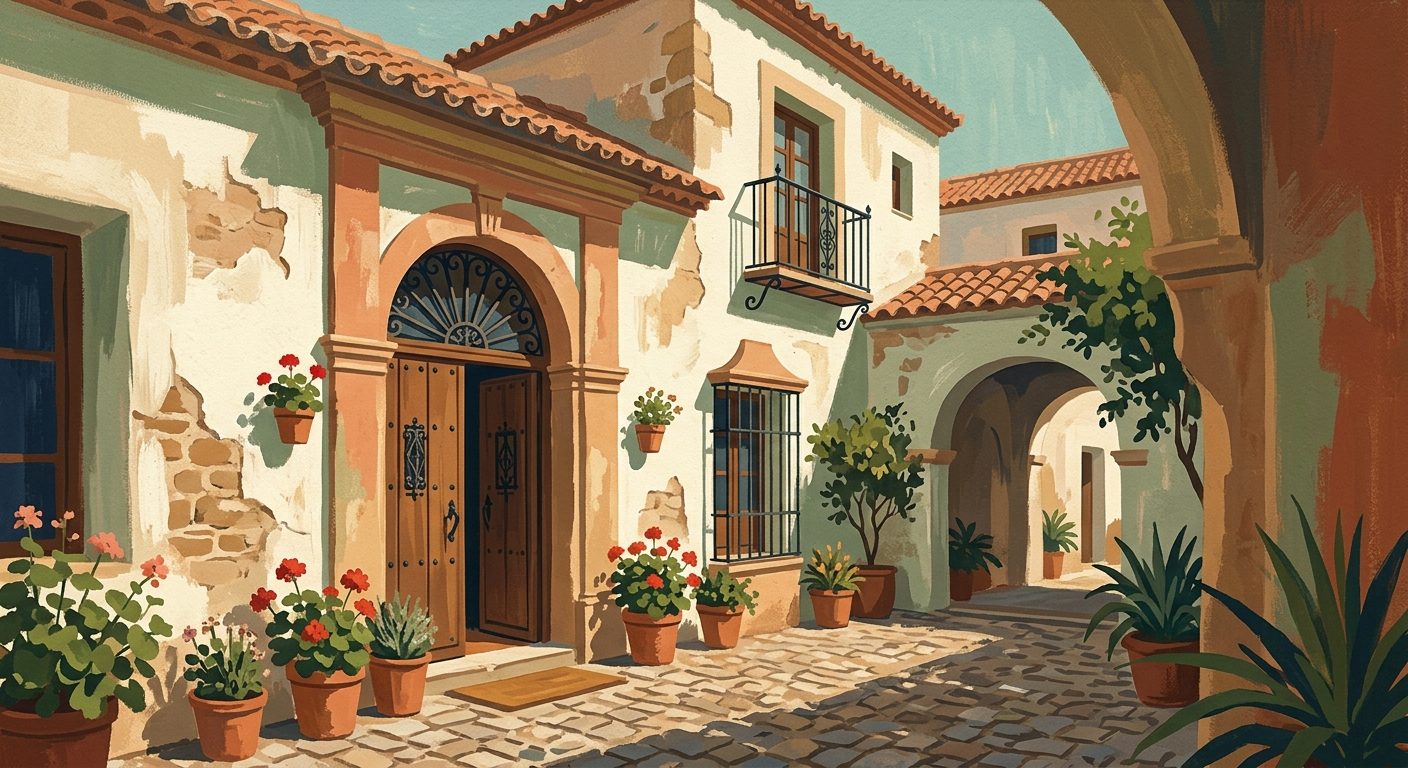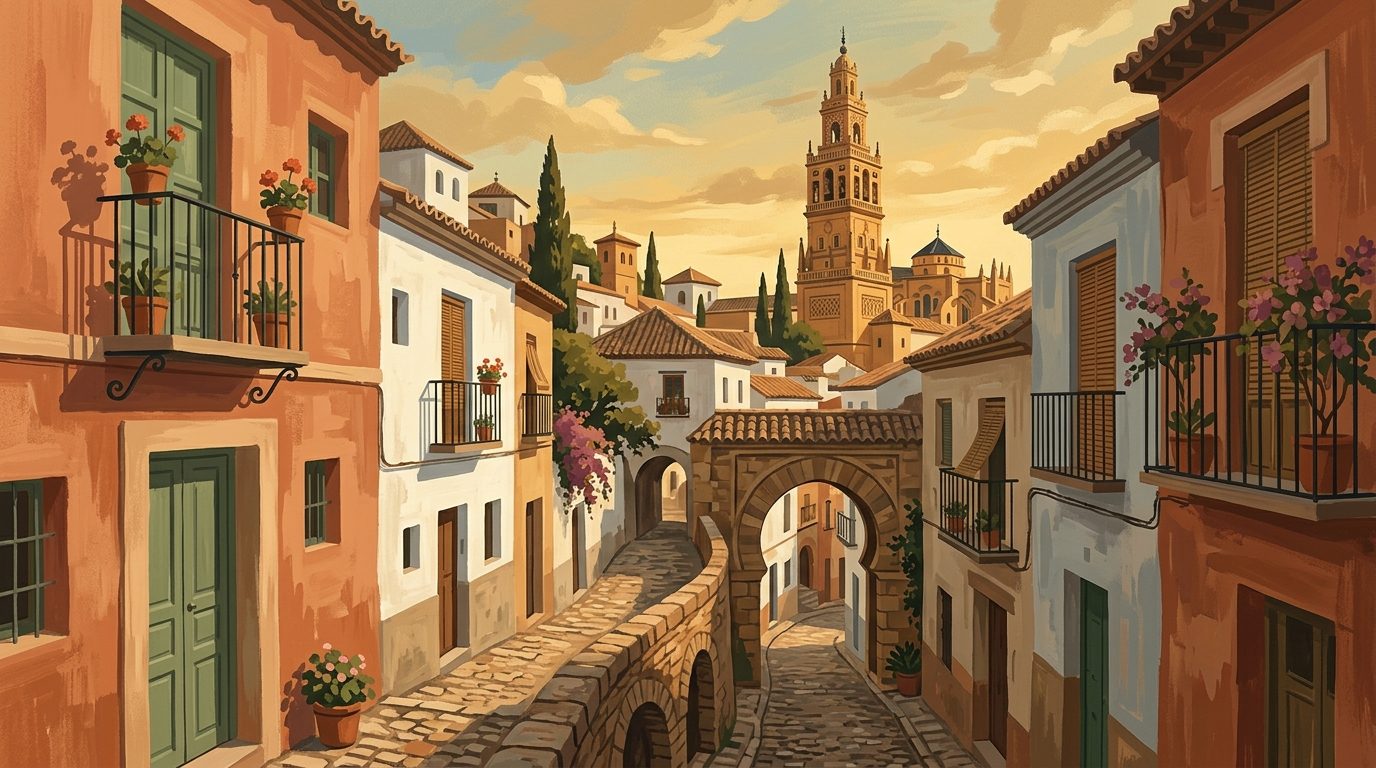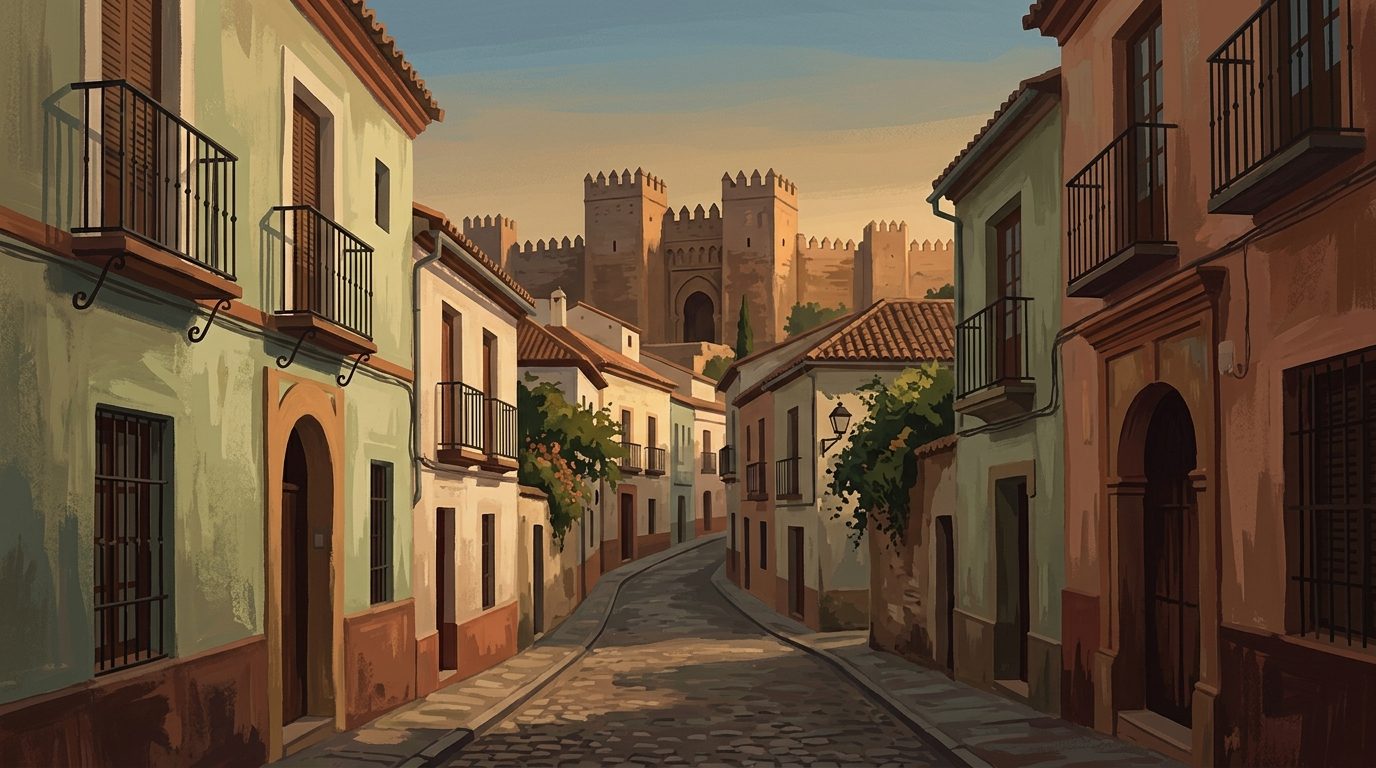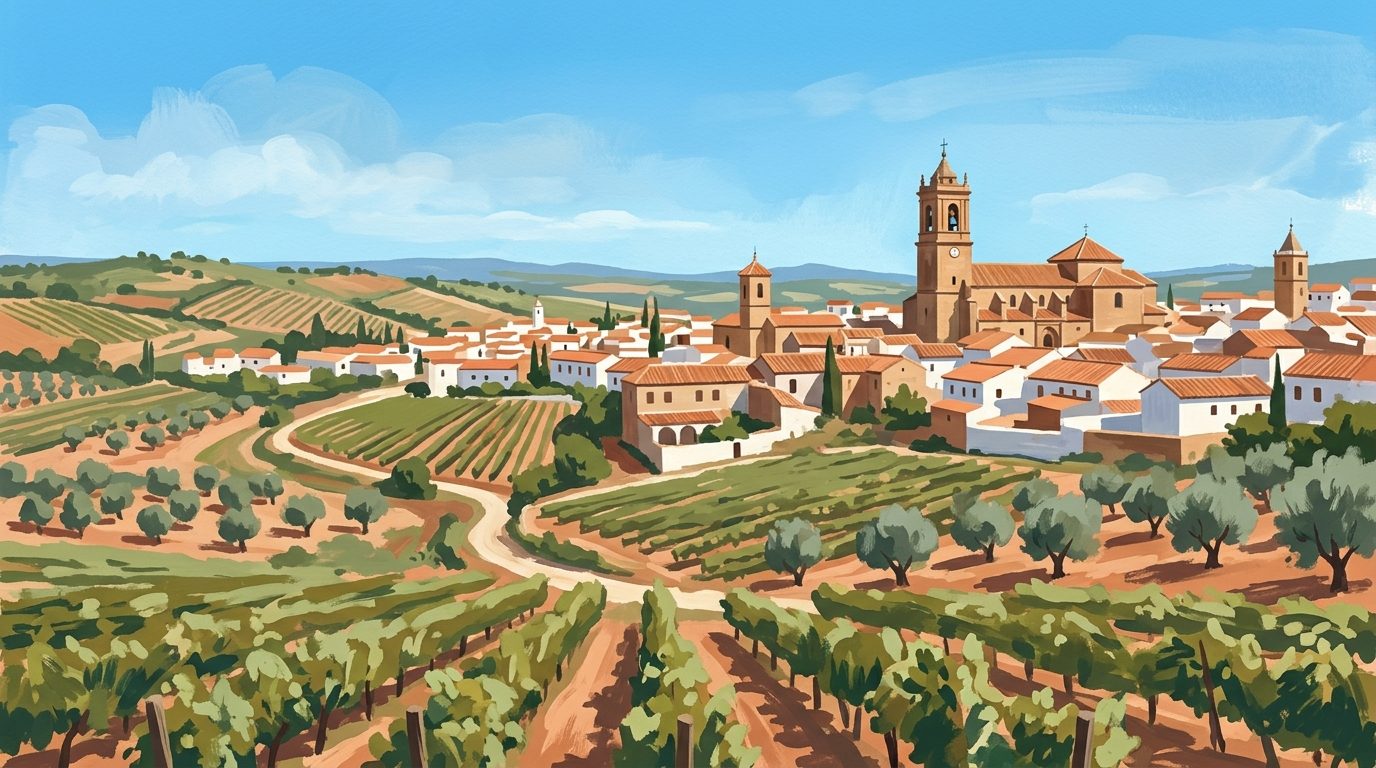
In the rolling hills of the Campiña Cordobesa, the air often carries the faint, sweet scent of fermenting grapes and old oak barrels. This is Montilla, a town where the rhythm of life is dictated by the vineyard and the cellar.
While many visitors to Andalucía head straight for the sherry triangle of Jerez, those in the know travel south from Córdoba to the white-washed town of Montilla. This is the spiritual home of the Pedro Ximénez grape and a region that produces some of the most complex, unfortified wines in the world. Unlike its cousins in Cádiz, the intense summer heat of the Cordoban countryside allows grapes to reach such high sugar levels that the resulting wines achieve their alcohol content naturally, without the need for added spirits.
Montilla is a place of deep traditions, where the heritage of the Great Captain (Gonzalo Fernández de Córdoba) and the literary legacy of the Inca Garcilaso de la Vega still loom large. It is a town designed for slow exploration, moving from cool, high-ceilinged bodegas to quiet squares where the only sound is the trickle of a fountain and the clink of a glass of Fino.
What to See & Do in Montilla
The Historic Bodegas
The primary reason to visit Montilla is to go underground, or at least into the cathedral-like ageing halls of its famous wineries. Bodegas Alvear is the oldest in Andalucía, founded in 1729. A tour here takes you through rows of black American oak casks where the wine ages under a veil of yeast known as 'flor'. You can see the different stages of the solera system, where younger wines are blended with older ones to ensure consistency across the centuries. A standard tour with a tasting of five wines typically costs around €20 (check current prices and book via Alvear.es) and lasts approximately 90 minutes.
For a different perspective, Bodegas Pérez Barquero is equally essential. This winery has achieved international acclaim, with some of its older Amontillados receiving the coveted 100-point score from Robert Parker’s Wine Advocate. Their tours focus on the 'terroir' of the albariza soil, the chalky white earth that reflects sunlight back onto the vines, and the meticulous process of natural fermentation. Prices for visits are similar, usually starting at €15 (verify current details on PerezBarquero.com before travelling), and advance booking is essential.
Casa del Inca Garcilaso de la Vega
Situated on Calle Capitán Alonso de Vargas, this 16th-century manor house was the residence of Gómez Suárez de Figueroa, better known as the Inca Garcilaso de la Vega. As the son of a Spanish conquistador and an Inca princess, he was one of the first truly great mestizo writers, and it was in this house that he wrote many of his chronicles of the New World. The building remains beautifully preserved, featuring a traditional courtyard and a small bodega. It now serves as the local tourism office (additional information is available via the official Montilla Turismo website) and a museum dedicated to his life and work.
Parish of Santiago and the Great Captain
The 16th-century Church of Santiago is the architectural centrepiece of the town. It houses several important artworks, but its history is tied to the House of Aguilar and the legendary military leader Gonzalo Fernández de Córdoba. The interior features a striking Mudéjar ceiling and a collection of fine silverwork. Nearby, you can find the remains of the old castle, where the Great Captain was born, though much of it was destroyed on the orders of King Ferdinand the Catholic to curb the power of the local nobility.
Envidarte: The Wine Culture Centre
For a modern take on the region’s heritage, head to Envidarte. This contemporary space functions as a museum of the vine and wine, using interactive displays to explain the complex biology of the Pedro Ximénez grape. It often hosts the 'Cata del Vino' and other gastronomic events (dates for the Cata del Vino typically fall in late April or early May, so check the official Montilla Turismo website for exact dates before travelling). It is a useful first stop to understand the difference between a Fino, an Amontillado, and a sweet PX before you start your bodega visits.
Practical Information
Opening Times & Tickets
Most bodegas operate on a strictly appointment-only basis. General opening times for tours are Monday to Friday between 10:00 and 14:00 (check with operators directly before travelling, as hours often expand during the harvest season or vary on public holidays). Weekend visits are possible but must be booked well in advance. The Casa del Inca Garcilaso is generally open Monday to Friday from 10:00 to 14:00 and 16:30 to 18:30, with shorter hours (10:00 to 13:00) on weekends.
Getting There
By Bus: ALSA and Autocares Carrera operate frequent services from Córdoba’s main bus station. The journey takes roughly 45 to 55 minutes and tickets cost between €3 and €8 one way.
By Car: Montilla is easily reached via the A-45 motorway connecting Córdoba and Málaga. It is approximately a 35-minute drive from Córdoba city centre.
Parking: Parking in the narrow streets of the old town is difficult. It is best to use the large public car park near the bus station or the designated parking areas near the Envidarte centre and walk into the historic core.
Where to Eat Nearby
For a traditional experience, Restaurante Las Camachas is an institution. Named after a legendary local sorceress mentioned by Cervantes, it serves classic Cordoban cuisine. The dish to order is alcachofas a la montillana (artichokes braised in local Fino wine) or the pez espada al Pedro Ximénez (swordfish in a sweet wine reduction). Expect to pay €25 to €35 per person.
If you prefer something slightly more modern but still rooted in local flavours, Restaurante Los Arcos offers excellent grilled meats and local specialities in a refined setting. Their selection of Montilla-Moriles wines by the glass is one of the best in town.
Where to Stay
Most visitors see Montilla as a day trip from Córdoba, but staying overnight allows for a more relaxed experience. Hotel Don Gonzalo is a classic choice, located just on the edge of town with a swimming pool and a well-regarded restaurant. For a more central, characterful stay, look for local guesthouses near the Plaza de la Rosa, which put you within walking distance of the main bodegas and historical sites.