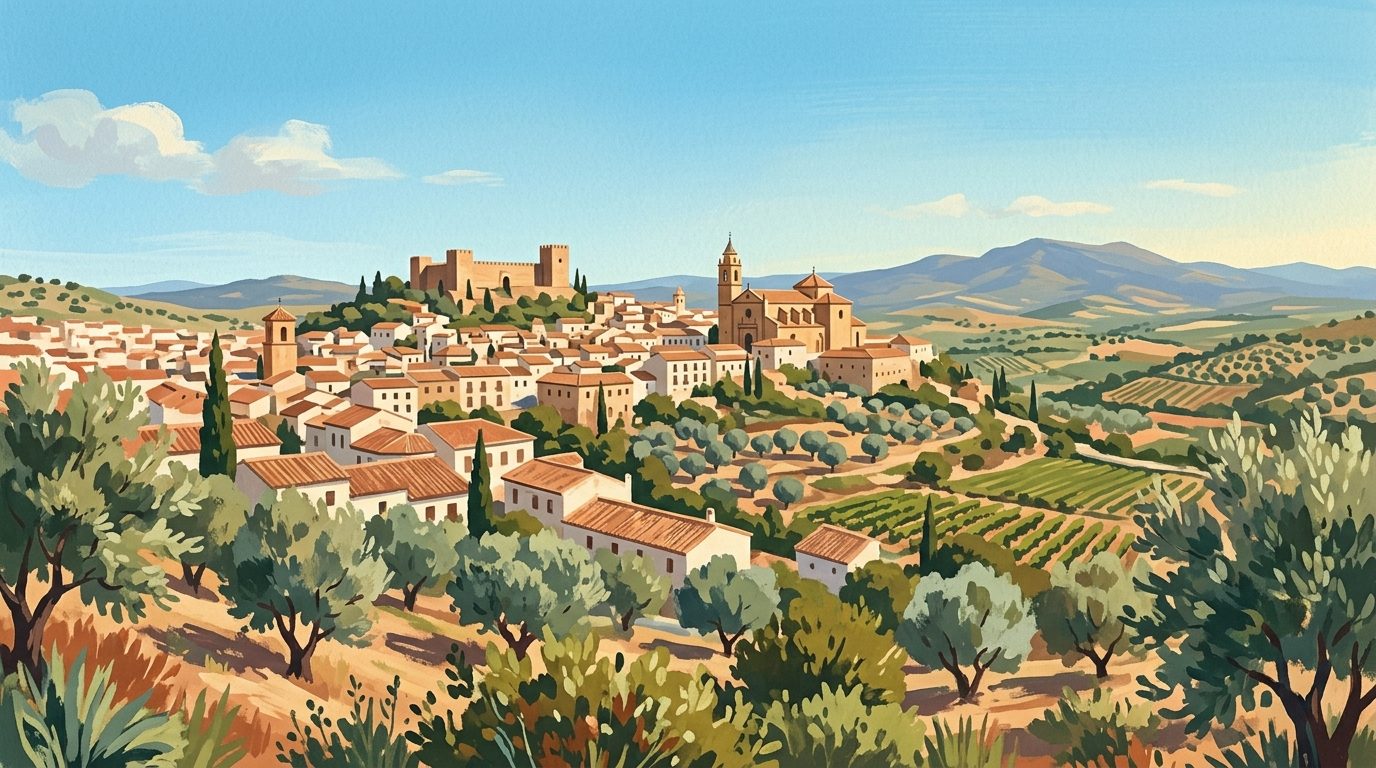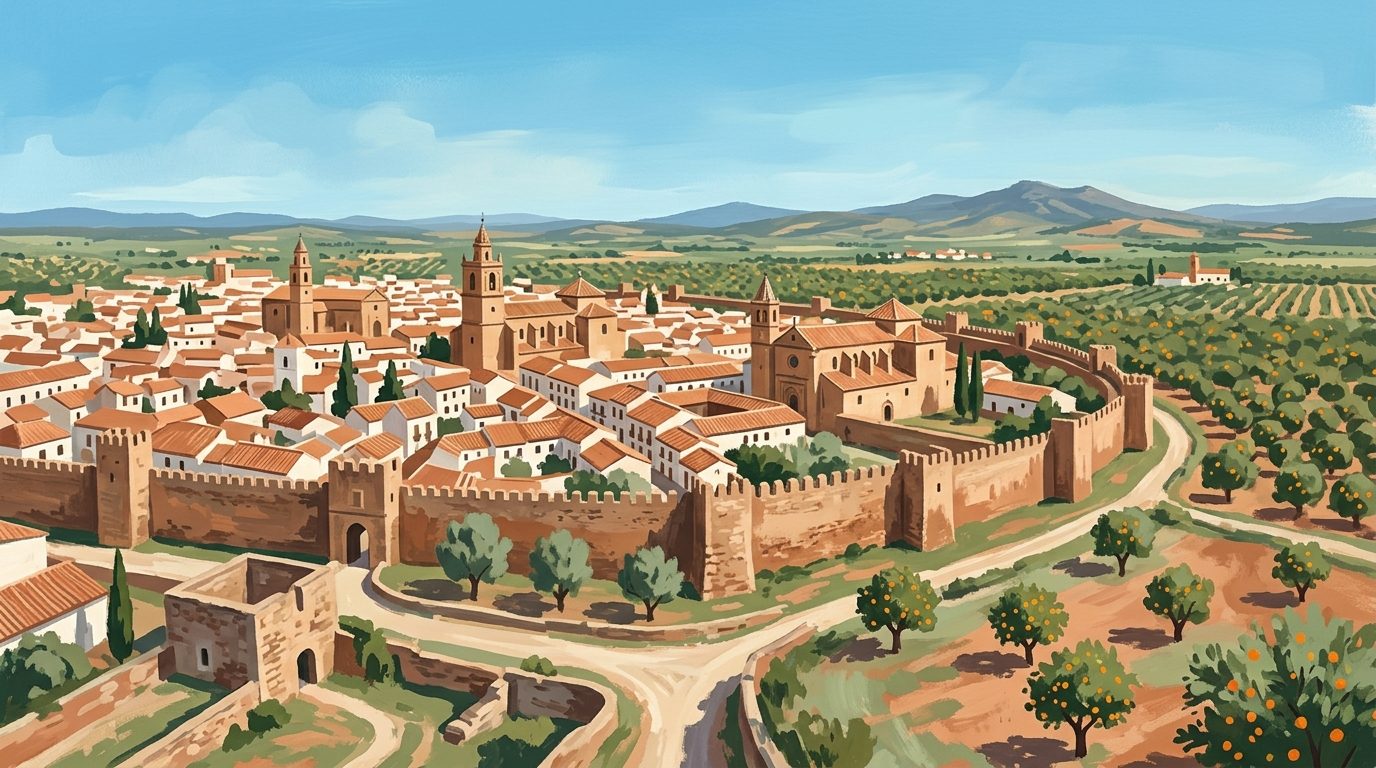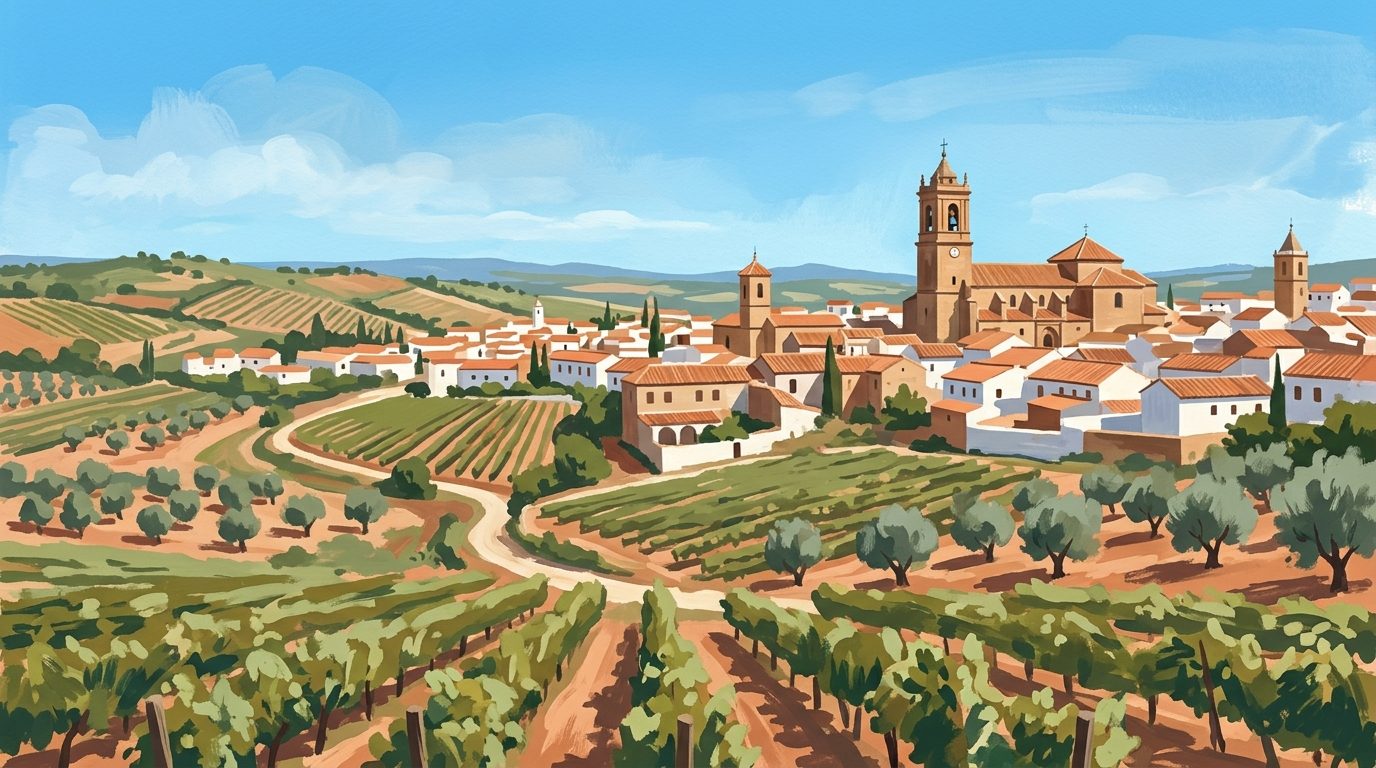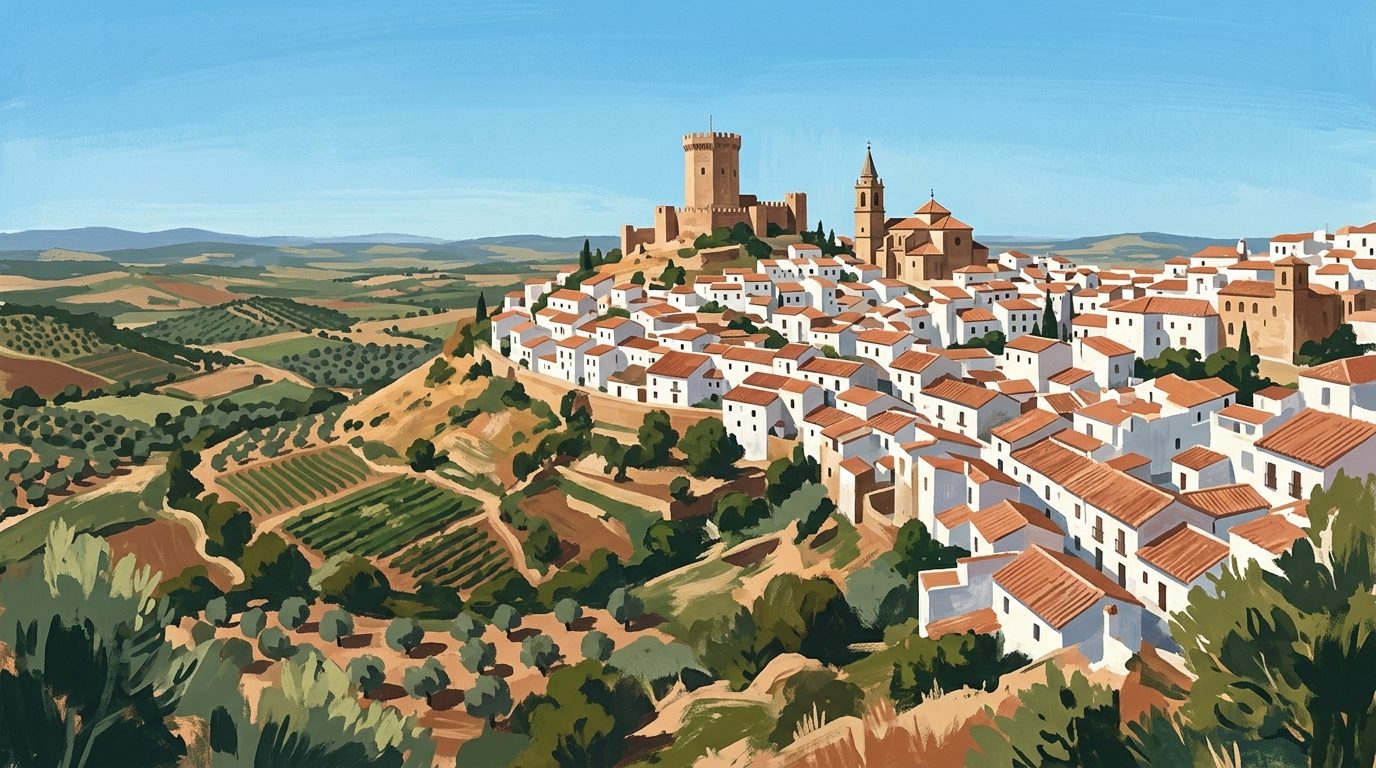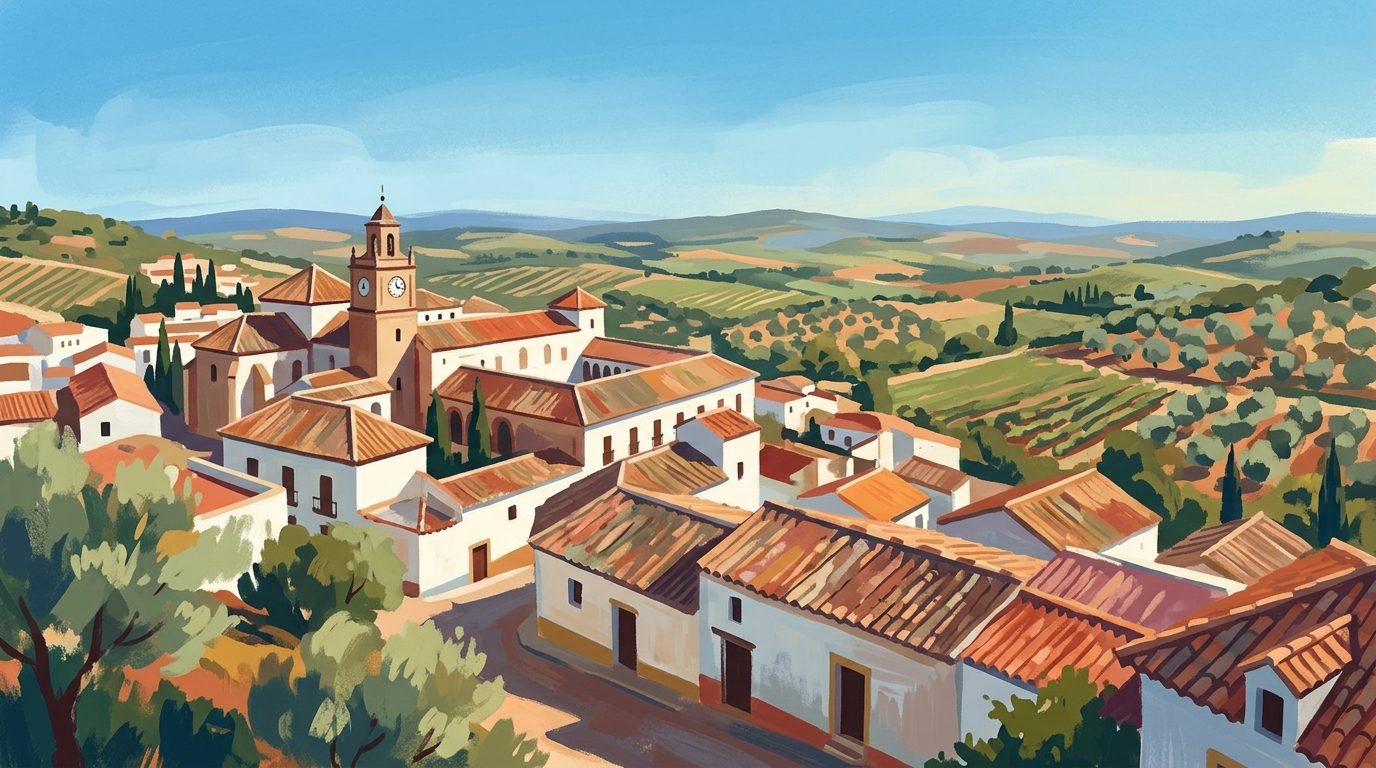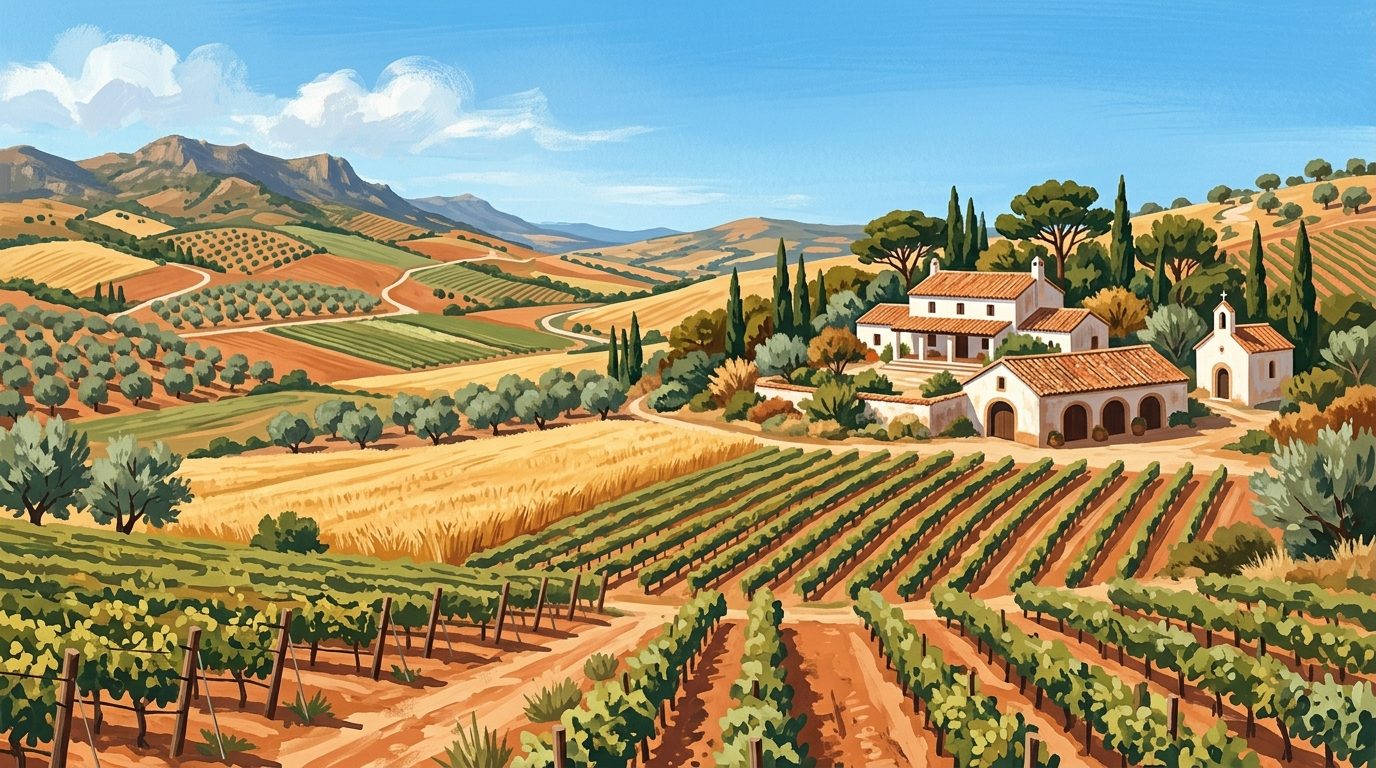
The Campiña Cordobesa is a landscape defined by the pale brilliance of albariza (chalky white soil) and the orderly rows of Pedro Ximénez vines. It is a region where the rhythm of life remains tethered to the harvest, far removed from the tourist-heavy trails of the regional capital.
Driving south from Córdoba city, the horizon softens into the rolling waves of the Campiña (agricultural plains). This is the heart of the Montilla-Moriles Denominación de Origen (Designation of Origin), a wine-growing territory that produces some of Spain’s most sophisticated, yet criminally overlooked, fortified wines. Unlike its more famous cousin, Jerez, the wines here reach their naturally high alcohol content without the need for fortification, thanks to the intense heat that concentrates sugars in the grapes. This heat defines the character of the land: a place of searing summers, ancient olive groves, and towns that retain a stubborn, unpretentious authenticity.
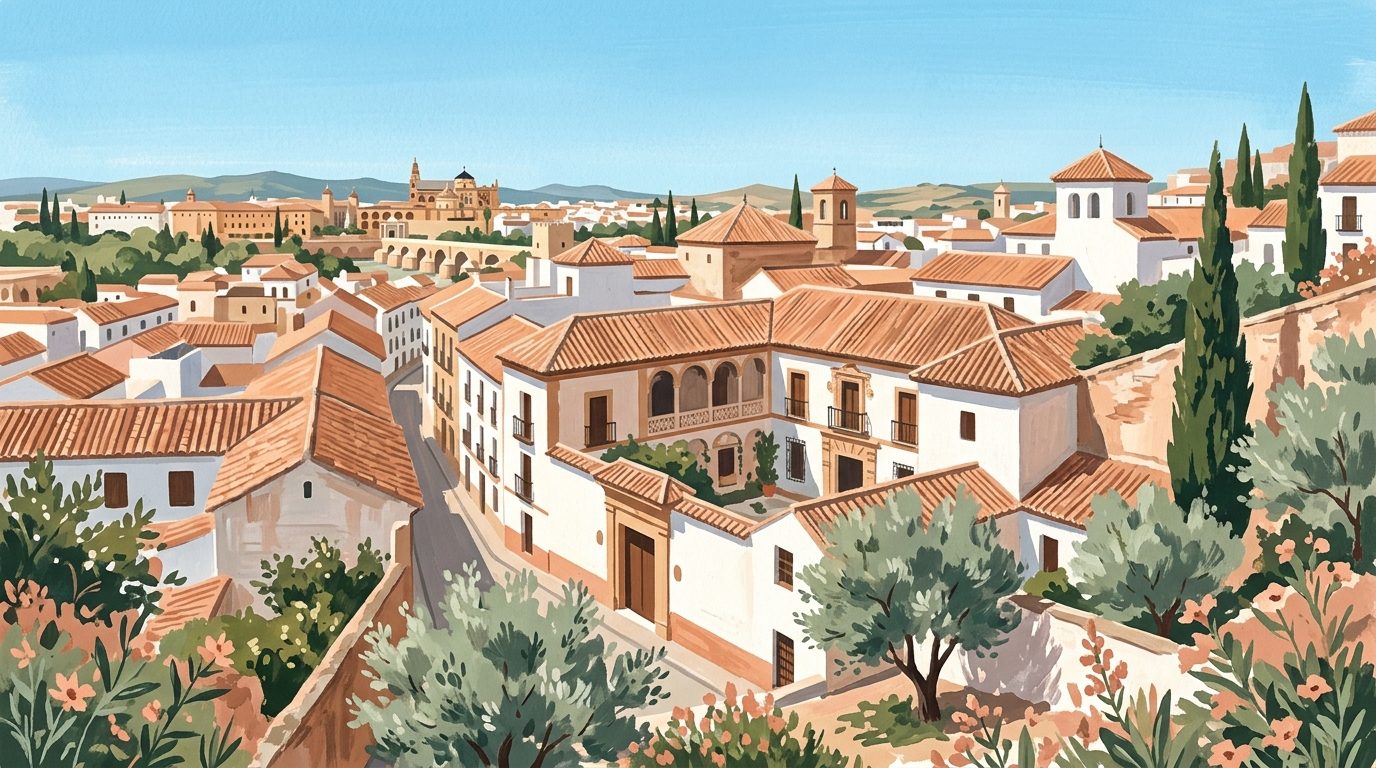
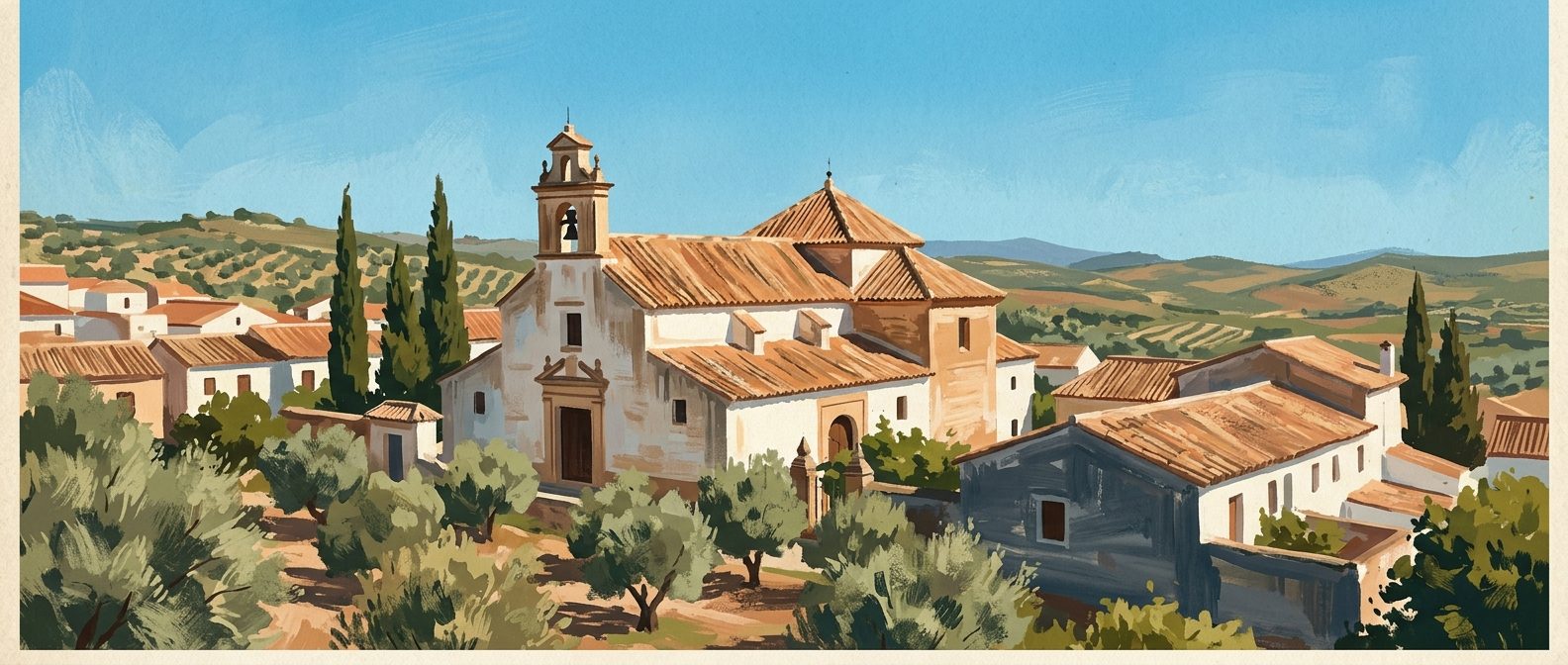
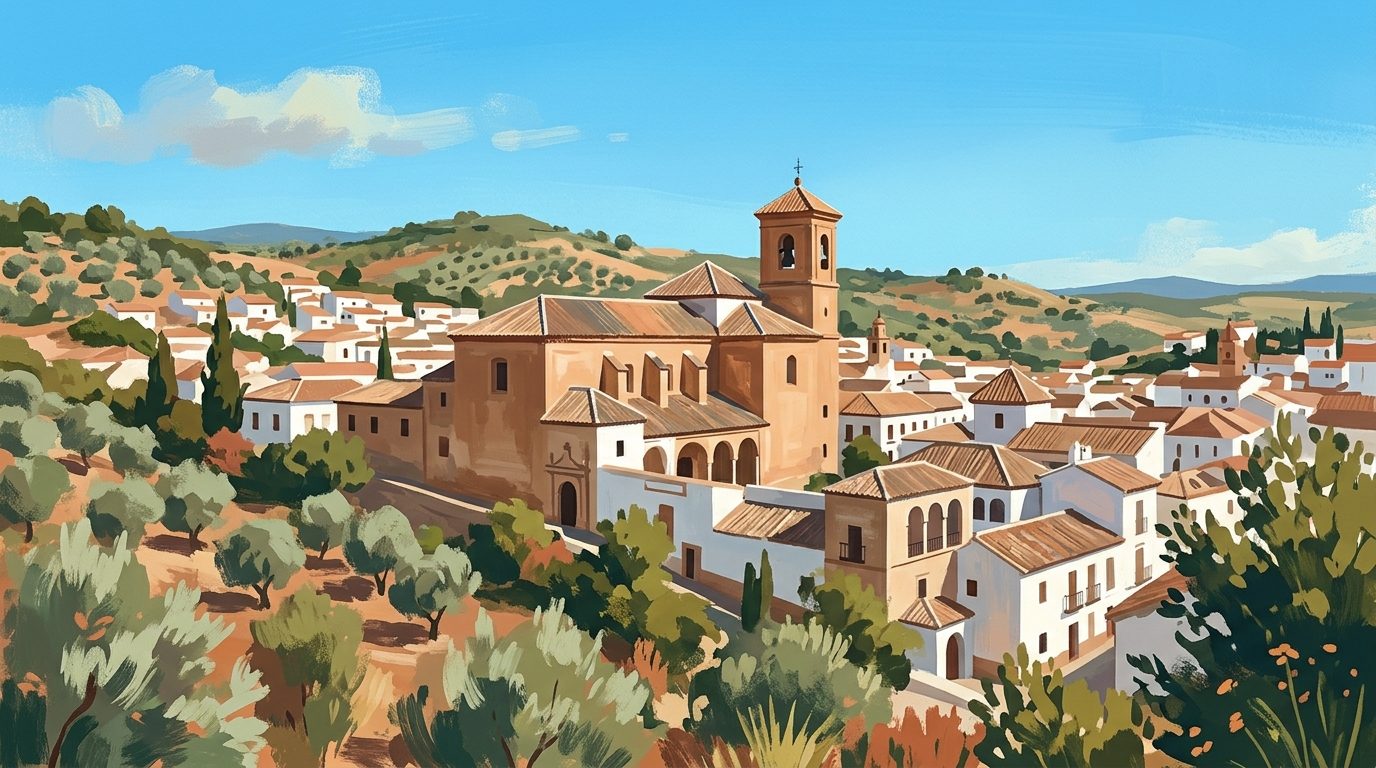
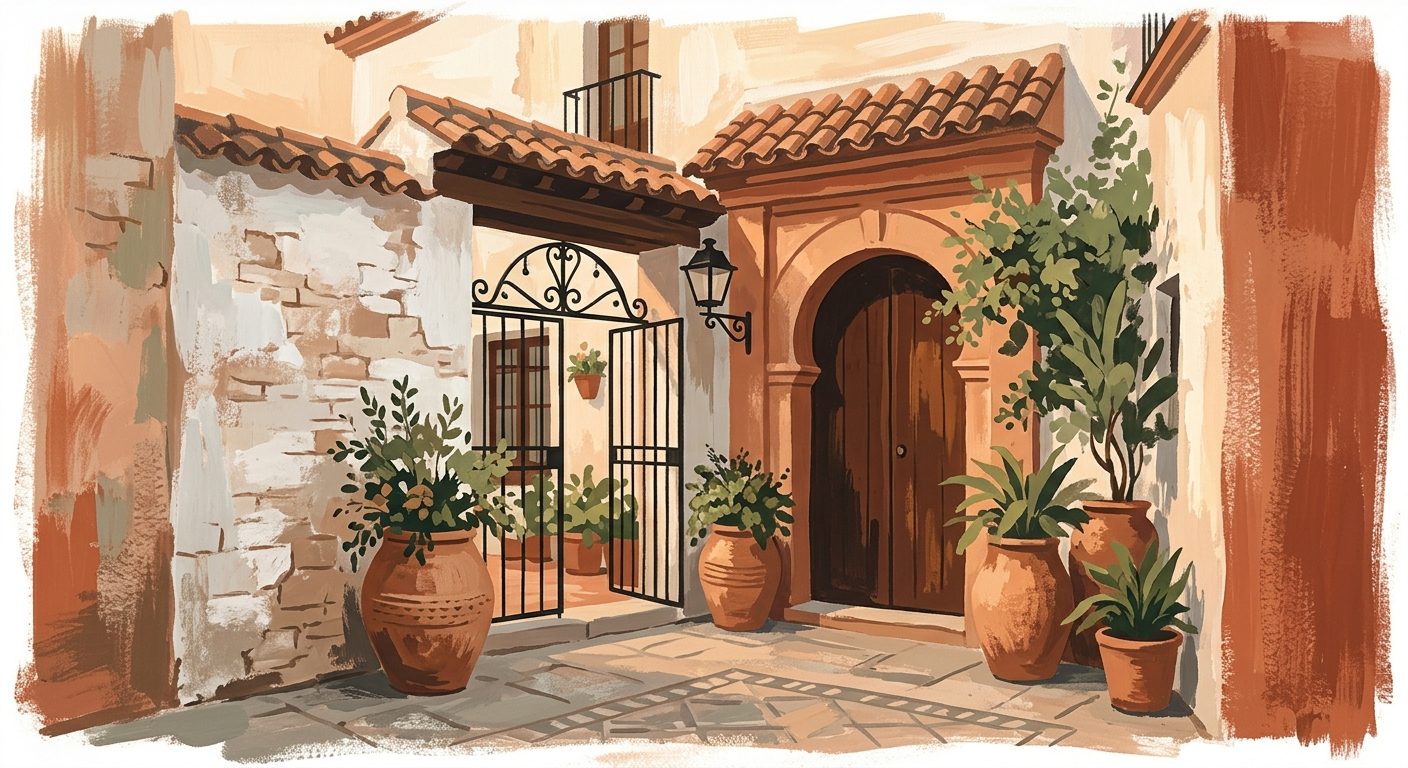
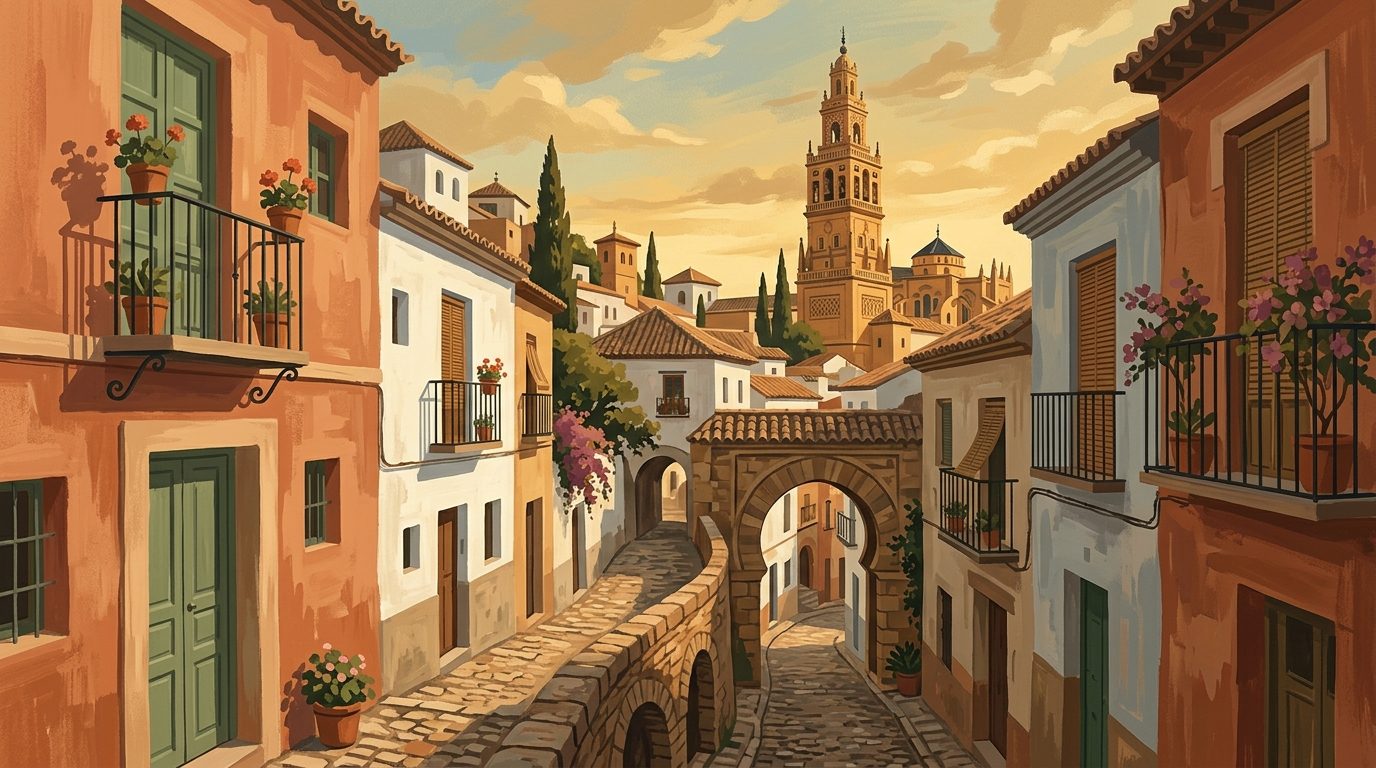
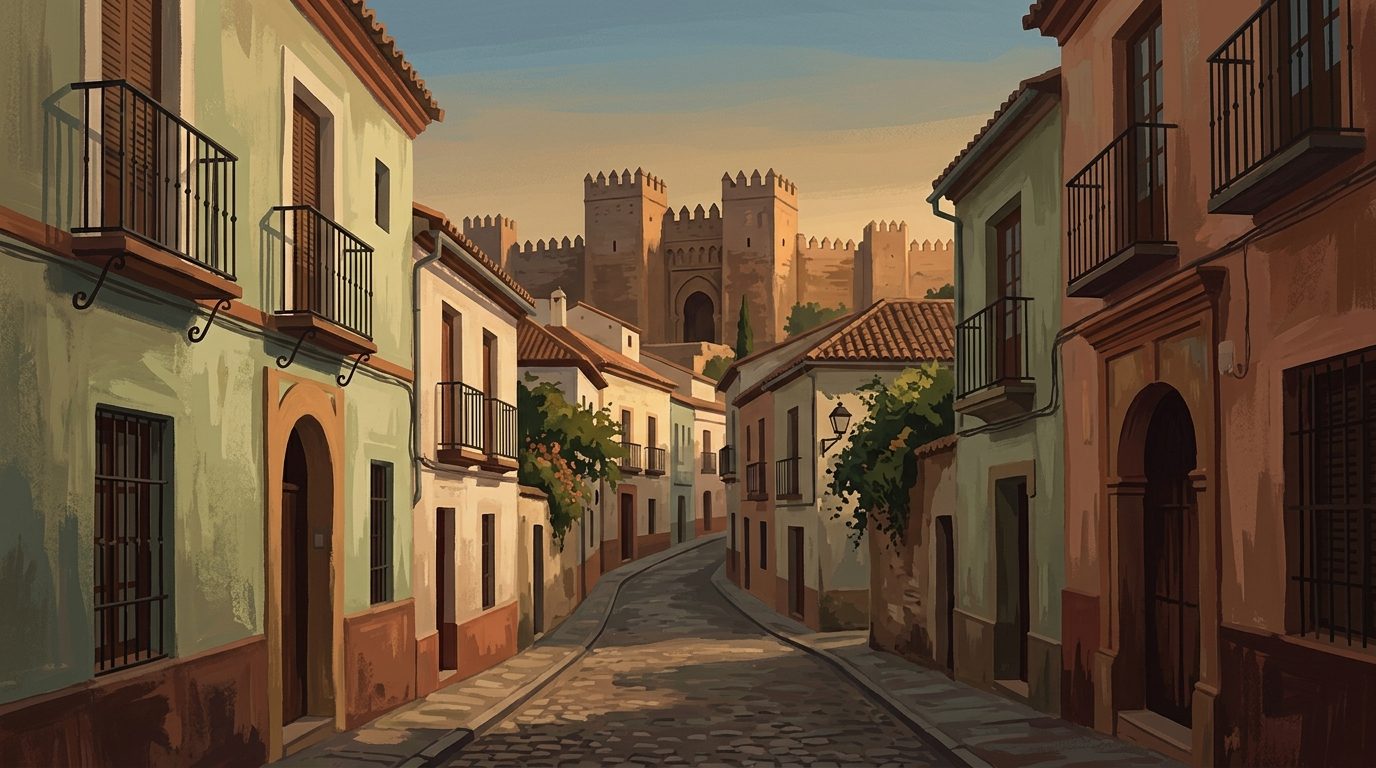
While many travellers merely glimpse these hills from the A-45 motorway on their way to the coast, those who turn off find a world of cool, high-ceilinged bodegas (wineries) and archaeological sites that stretch back to Roman times. The architecture here tells a story of landed gentry and ecclesiastical power, with grand manor houses and baroque churches punctuating the skylines of white-washed towns. It is a region meant for slow exploration, moving between the tinajas (enormous clay fermentation jars) of the wineries and the quiet shaded squares where the local Amontillado is served alongside a plate of almonds and olives.
Places to Explore
Montilla
Montilla is the undisputed capital of this wine-growing district, a town that feels entirely dedicated to the grape. To understand the area, one must start at Bodegas Alvear. Founded in 1729, it is the oldest winery in Andalucía and remains in the hands of the same family. A tour here isn't just about tasting; it’s an immersion into the solera system, where barrels are stacked in tiers and younger wines are blended with older ones to maintain consistency over decades. The smell inside the cellar (cool, damp earth mixed with the sharp, nutty tang of ageing wine) is memorable. Ask specifically to see the 'Pascual Veiga' barrels, which have been signed by visiting dignitaries for generations.
Beyond the bodegas, Montilla offers deep cultural layers. The Casa del Inca Garcilaso de la Vega is a 16th-century house where the famous chronicler of the Conquest of Peru lived and wrote for thirty years. It is a quiet, evocative space that highlights the town’s historical connection to the Americas. For a panoramic perspective, walk up to the remains of the Ducal Palace and the nearby church of Santiago, which features a stunning Mudéjar ceiling. If you are interested in modern viticulture, Bodegas Robles is a leader in organic production; their vineyard tours explain how they use native vegetation to manage the soil without chemicals. Before leaving, find a local shop to buy a box of alfajores (almond and spice biscuits) or pasteles de hojaldre (puff pastry cakes), which are local specialities often made by convent nuns.
Read the full Montilla guide →
Aguilar de la Frontera
Just a ten-minute drive south of Montilla lies Aguilar de la Frontera, a town that makes an immediate impression with its striking hilltop position. The focal point here is the Plaza de San José, an architectural rarity built in 1806. Unlike the rectangular squares common across Spain, this plaza is perfectly octagonal. Its symmetrical, neo-classical facades create a sense of enclosed elegance, making it one of the most beautiful public spaces in the province. Local life revolves around the cafes set into its arches; it is the ideal spot to sit with a copita (small glass) of Fino and watch the world go by.
For those willing to climb, the ruins of the Castillo de Poley offer the best views of the surrounding countryside. From the remaining towers, you can see the Laguna de Zóñar, a protected wetland that serves as a vital stopover for migratory birds, including the rare white-headed duck. The town is also famous for its clock tower, the Torre del Reloj, a baroque masterpiece decorated with lively tiles that stands as a landmark for miles around. Aguilar feels more intimate than Montilla, with narrow streets that reveal hidden courtyards and small, family-run tabernas. If you visit during the Feria Real in August, be prepared for a celebration that takes over the entire town centre with flamenco and local horses. For a quieter experience, seek out the Church of Santa María del Sotomayor, which houses impressive religious art in a serene, gothic-renaissance setting.
Read the full Aguilar de la Frontera guide →
Eating & Drinking in Campiña Cordobesa & Wine Region
Dining in the Campiña is an exercise in regional pride. The local cuisine is designed to complement the potent wines. You cannot visit without trying Alcachofas a la Montillana, artichokes braised in a sauce made with local Fino wine, garlic, and saffron. It is a dish that captures the essence of the harvest in a single bowl. Another staple is the flamenquín, a roll of pork loin and jamón, breaded and fried; while found across Córdoba, the versions in Montilla are often exceptionally large and served with a thick, homemade allioli.
For a formal meal, Restaurante Las Camachas in Montilla is a local institution. It has the feel of a classic roadside inn but serves refined versions of traditional dishes. Try the rabo de toro (oxtail stew), which is exceptionally rich and tender. For something more casual, Taberna Bolero offers a modern take on tapas with a wine list that highlights smaller, boutique producers from the surrounding hills. In Aguilar, look for Casa Juanito, where the focus is on seasonal produce and grilled meats. Always finish your meal with a glass of Pedro Ximénez (PX). This dark, mahogany-coloured sweet wine is made from sun-dried grapes and tastes of raisins, figs, and liquorice: it is effectively dessert in a glass.
Where to Stay
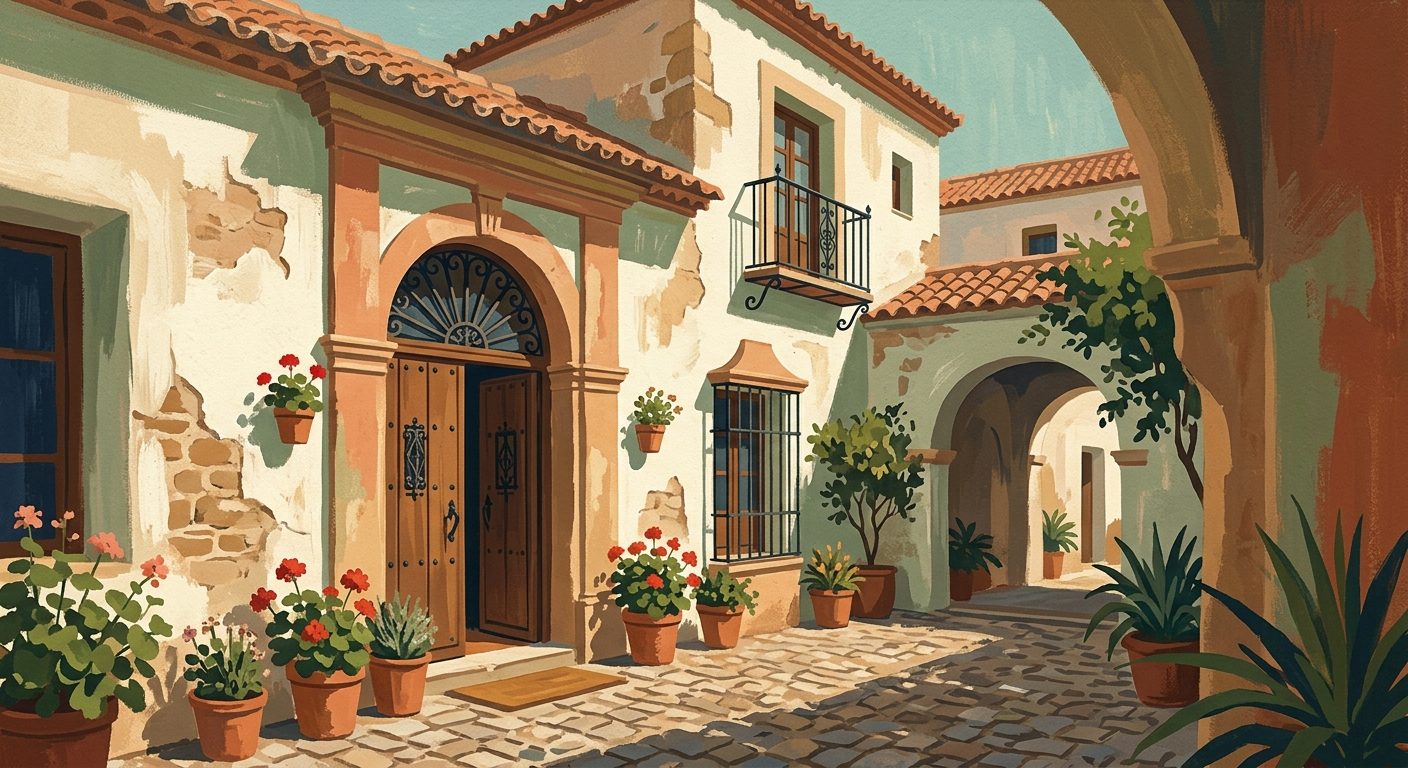
For a traditional experience, Hotel Don Gonzalo on the outskirts of Montilla is a reliable choice. It is a large, classic Spanish hotel with a shaded garden and a swimming pool that becomes essential during the summer months. The decor is somewhat old-fashioned, but the service is impeccable and the restaurant is excellent. For those seeking something more immersive, several lagares (wine estates) in the Sierra de Montilla offer rural accommodation. These allow you to sleep amongst the vineyards, often in converted farmhouses that maintain original features like heavy wooden beams and stone floors.
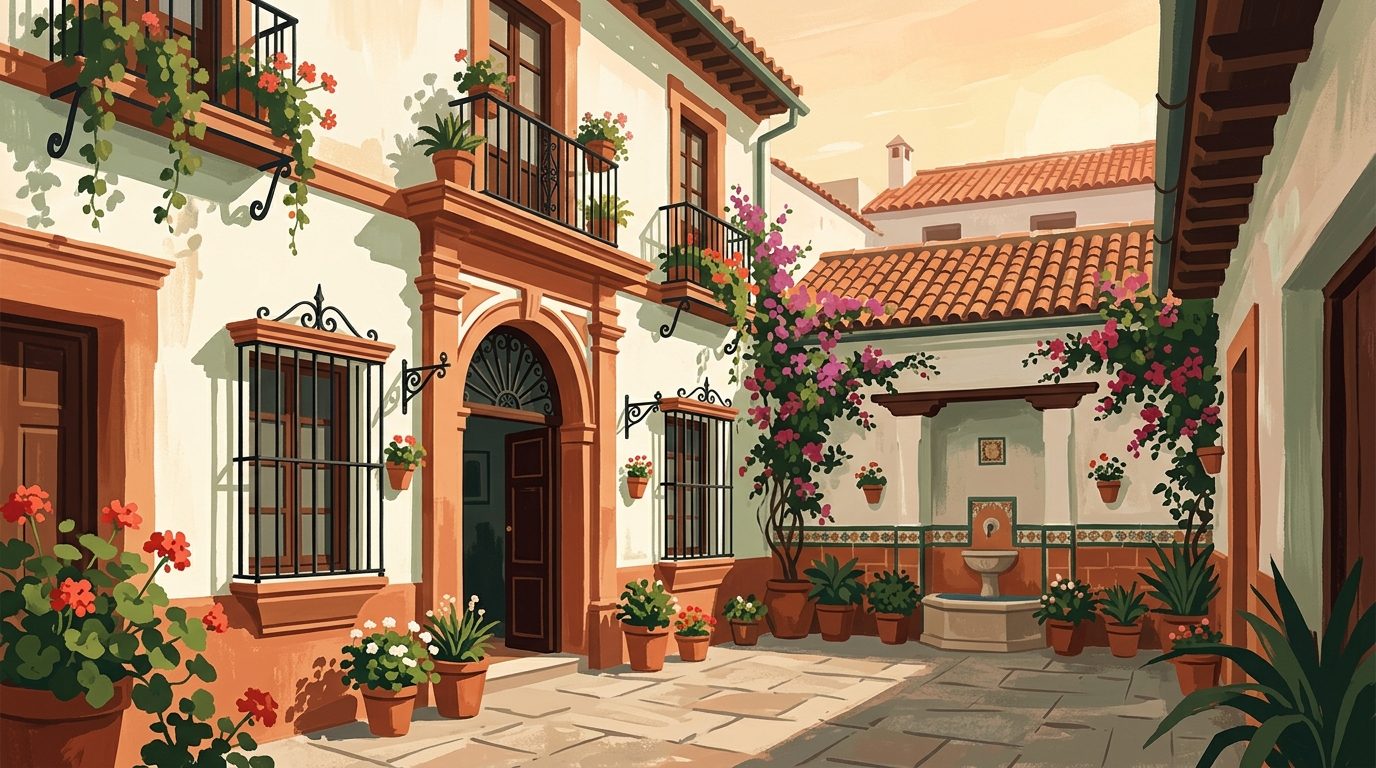
If you prefer to stay in the heart of a town, look for small boutique guesthouses in the centre of Aguilar de la Frontera, which provide easier access to the evening atmosphere of the octagonal square. Staying within the town allows you to experience the evening paseo (ritual walk) when the locals emerge from their homes as the temperature drops. Rural houses (casas rurales) are also plentiful in the area, providing a good base for families or larger groups who want to use the Campiña as a springboard for exploring both Córdoba and the Sierras Subbéticas further south.
Getting There & Around
The A-45 motorway (the Autovía de Málaga) connects the region directly to Córdoba (30 minutes) and Málaga (just over an hour). While there are bus services operated by companies like Autocares Carrera (check on the operator's website before travelling), they can be infrequent and are designed for local commuters rather than tourists. To truly explore the wine region, a car is essential. The most scenic drives are the backroads between Montilla and Moriles (the A-307), which wind through the heart of the vineyards. Parking is generally straightforward in the outskirts of the towns, though the narrow historic centres are best explored on foot. If you plan on doing multiple wine tastings, consider hiring a local driver-guide from Córdoba to avoid any issues with the strict Spanish drink-driving laws.
Best Time to Visit
The ideal window for visiting the Campiña is during the Vendimia (harvest), which typically takes place in late August and early September. This is the earliest harvest in Europe due to the heat, and the region comes alive with the smell of fermenting grapes and the sight of tractors laden with fruit. However, be aware that temperatures can easily exceed 40°C during the day. For more comfortable walking weather, late spring (April and May) is spectacular, as the landscape is still green and the wildflowers are in bloom. Autumn, particularly October, offers mild days and clear skies, perfect for exploring the castles and archaeological sites without the summer crowds.