
Food & drink · Cádiz
A Local’s Guide to Eating and Drinking in Jerez de la Frontera
Discover the authentic taste of Jerez de la Frontera, from the traditional tabancos serving sherry from the cask to the rich, slow-cooked stews of the Santiago quarter.
By Dan · Updated 16 July 2026 · 7 min read
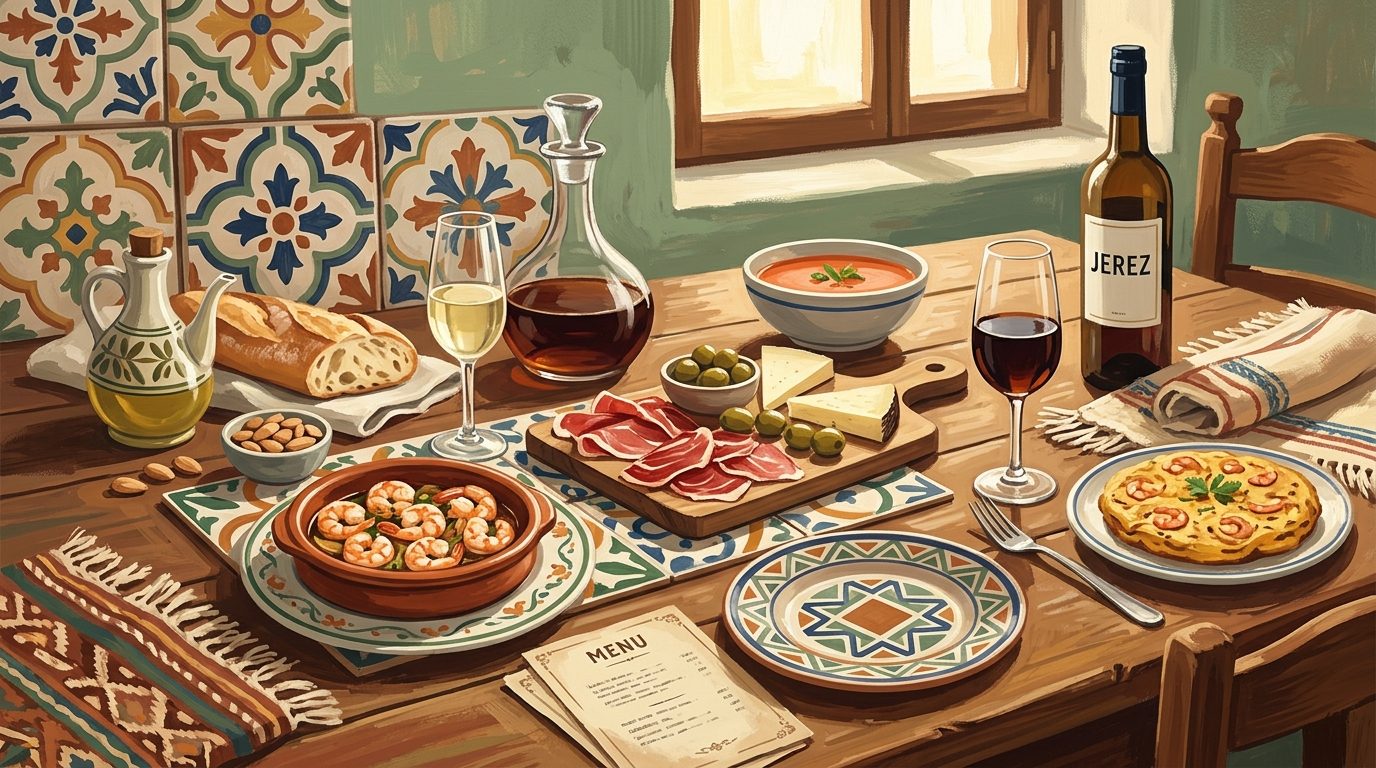
Forget the coastal crowds; Jerez de la Frontera is where the real spirit of the province is found, served in a glass of Fino and a bowl of slow-cooked Berza. This is a city where the menu is dictated by the seasons and the specific humidity of the sherry cellars.
To understand the food of Jerez de la Frontera, you must first understand the floor of a sherry cellar. The velo de flor, a natural layer of yeast that protects the wine from oxidation, does not just define what is in your glass; it dictates the entire culinary rhythm of this city. Jerez is a place that remains stubbornly authentic, where the scent of fermenting grapes and fried fish hangs heavy in the narrow streets of the old quarters, Santiago and San Miguel. Unlike the polished tourist circuits of Sevilla, Jerez offers a gritty, honest gastronomic experience that revolves around the Marco de Jerez (the Sherry Triangle).
Eating here is a social contract. You do not simply consume; you participate in a ritual that begins at the central market and ends in a tabanco (a traditional sherry bar). The local palate is tuned to the sharp acidity of a Fino, the nutty complexity of an Amontillado, and the heavy, meat-friendly weight of an Oloroso. For anyone standing at a grease-stained counter or sitting in a white-tablecloth establishment, the focus remains on the product: Atlantic seafood, Retinto beef, and the humble legume (though in the summer heat, this shifts rapidly to refreshing cold soups). This guide navigates the city’s best tables, from the rowdy market stalls to the refined heights of Michelin-starred innovation.
The Tabanco Trail: Sherry in its Purest Form
The tabanco is a uniquely Jerezano institution. Historically, these were shops where locals bought wine in bulk from the barrel to take home, but they evolved into social hubs where you could grab a quick copita (small glass) and a tapa. Today, they are the heartbeat of the city's food scene.
Tabanco El Pasaje (€) is perhaps the most famous, and for good reason. Located on Calle Santa María, it features live flamenco performances most afternoons (schedules vary significantly during the summer months, so check their social media or daily board for exact timings). Order a glass of their house Fino, poured straight from the butt (barrel), and pair it with a papelón (paper cone) of chicharrones de Cádiz, slow-roasted pork belly seasoned with salt and oregano. The atmosphere is frantic, loud, and entirely genuine.
For a more sombre, local experience, find Tabanco San Pablo (€). Established in 1934, it remains a temple to the tradition of the tertulia (social gathering). Their tortilla de patatas is legendary: thick, slightly gooey in the centre, and perfect with a glass of Amontillado. If you prefer something sharper, Tabanco Plateros (€) offers an exceptional selection of local cheeses, including the famous Payoyo made from the milk of goats in the nearby Sierra de Grazalema.
The Market Ritual: Mercado de Abastos
The Mercado de Abastos, located in a grand 19th-century neoclassical building on Calle Doña Blanca, is where the city’s chefs start their day. The seafood section is a spectacle of Atlantic biodiversity. You will see langostinos de Sanlúcar (king prawns), acedías (small soles), and the prized atún de almadraba (wild bluefin tuna) from the coast of Barbate.
Just outside the market entrance, you will find several kiosks selling calentitos (the local name for churros). These are served in brown paper cones and are best enjoyed while watching the market activity. Inside, look for Mantequería El Espartero. While not a restaurant, this stall is essential for sourcing high-quality jamón ibérico de bellota and local lards. For a mid-morning snack, many locals head to the small bars surrounding the market to eat montaditos (small sandwiches) filled with pringá, a rich mash of slow-cooked pork, chorizo, and black pudding.
The Soul of the Kitchen: Berza and Slow Cooking
If Jerez has a signature dish, it is the Berza Jerezana. This is not a light meal; it is a farmhouse stew designed to sustain labourers in the vineyards. It consists of chickpeas, white beans, and tagarninas (wild golden thistles), simmered with a variety of pork products known as the avío. The result is a thick, earthy stew that perfectly complements the oxidised notes of an Oloroso sherry in the cooler winter months. During the sweltering heat of summer, however, the focus naturally shifts to refreshing cold dishes like gazpacho and salmorejo.
Bar Juanito (€€) is an institution when it comes to traditional vegetable dishes. While their alcauciles con chícharos (artichokes with peas and broad beans) are world-renowned, their version of Berza is a masterclass in balance for those visiting outside of peak summer. Another exceptional spot for traditional cooking is La Carboná (€€€). Located in a refurbished sherry bodega with soaring ceilings and wooden beams, chef Javier Muñoz, known as the 'Chef del Sherry', uses wine as an ingredient rather than just a pairing. His rabo de toro (oxtail) braised in Oloroso is a definitive Jerezano plate.
Elevated Jerez: Modern Gastronomy
In recent years, Jerez has emerged as a serious destination for fine dining, with chefs reinterpreting the city’s flavours through a contemporary lens. Mantúa (€€€) (Note: Their website is currently experiencing issues; check their official social media for the most reliable booking details), led by Israel Ramos, holds a Michelin star and offers a highly technical exploration of Andalucían ingredients. Expect dishes like sea anemone fritters or sourdough bread served with manteca colorá (spiced lard) transformed into a delicate mousse.
Equally impressive is LÚ Cocina y Alma (€€€), where Juanlu Fernández blends his Sherry Triangle roots with French classical techniques. The result is 'Avant-Garde French-Andalucían' cuisine. The dining room is theatrical, and the wine list is a deep dive into rare, old sherries that you won't find anywhere else. For something slightly more accessible but still modern, Albalá (€€) offers creative tapas and small plates near the Royal Andalucían School of Equestrian Art.
Flamenco and Food: Eating in the Peñas
To experience the intersection of Jerez’s two greatest passions, flamenco and food, you must visit a peña flamenca. These are private clubs dedicated to the art of flamenco, but many have small kitchens open to the public. Peña Flamenca La Bulería in the San Miguel district is a prime example. The food is simple: menudo (tripe stew with chickpeas), carne con tomate (pork in tomato sauce), and plenty of Fino. There is no stage; the performers sit among the diners, and the energy is raw. It is an unvarnished look at the culture that defines this city.
Ordering Like a Local
When you sit down in Jerez, there are a few unspoken rules to follow. Firstly, always check the fuera de carta (off-menu specials), as these usually feature the freshest arrivals from the market. When ordering sherry, specify the style: ask for a copita de Fino if you want something dry and cold, or a Palo Cortado if you want something rare and aromatic.
Portion sizes are usually divided into tapas, medias raciones (half portions), and raciones (full plates). A common mistake is ordering too many raciones at once; it is better to order two or three tapas and see how you feel. Finally, do not ignore the bread. You will be served picos or regañás (hard, crunchy breadsticks or crackers). These are essential for cleansing the palate between different styles of sherry and different intensities of flavour.
Where to Find the Best
San Miguel & The Centre
- La Albarizuela (€€): A fantastic spot for pescaíto frito (fried fish) and creative salads using local produce.
- Las Banderillas (€€): Known for its traditional decor and excellent rabo de toro. It is often packed with locals standing at the bar.
- Venta de Cartuja (€€): Located near the Cartuja monastery (a short taxi ride from the centre), this is the place to go for an authentic Berza on a Sunday afternoon, though in the height of summer, check for lighter seasonal alternatives.
Santiago Quarter
- Bar Maypa (€€): A legendary neighbourhood bar where the papas aliñás (marinated potatoes) and fried liver are must-try dishes.
- La Guarida del Ángel (€€): A multi-purpose space that hosts incredible flamenco and serves honest, home-cooked Andalucían fare.
Modern & Creative Spots
- La Esquina de Geru (€€): A tiny bar with a massive reputation for creative toasts and high-quality canned preserves (latas), which are a delicacy in Spain.
- Bina Bar (€€): A newer addition offering a fresh take on the traditional tavern, with an excellent selection of wines by the glass and modernised tapas.
Last reviewed: 14 July 2026 · Editorial policy
Related guides
A Guide to Eating and Drinking in Córdoba
Discover the culinary heart of Córdoba, from the creamy depths of salmorejo cordobés to the historic wine taverns serving Montilla-Moriles.
7 min read
Where to Eat in Cádiz: From Atlantic Seafood to Market Tapas
Discover the salt-tangled flavours of Europe’s oldest city, where bluefin tuna, paper cones of fried fish, and crispy shrimp fritters define the culinary landscape.
6 min read
Master the Art of the Andalucían Kitchen: The Best Cooking Classes in Southern Spain (2026 Guide)
Discover the secrets of the Andalucían kitchen, from masterclasses in the markets of Sevilla to sherry-infused cooking in the hills of Cádiz.
7 min read
Where to Eat in Málaga: From Beachfront Espetos to Soho Small Plates
Forget its reputation as a mere transit point; Málaga has transformed into one of Spain’s most compelling food cities, balancing salt-crusted beach traditions with a sharp, modern dining scene.
7 min read
The Art of the Tapeo: A Local Guide to Tapas Culture in Andalucía
Discover the unwritten rules of the Andalucían tapeo, from the legendary free tapas of Granada to the historic tabernas of Sevilla.
6 min read
A Serious Eater's Guide to Granada: From Free Tapas to Fine Dining
Beyond the Alhambra lies a city where the drink-to-food ratio remains the best in Spain, anchored by a free tapas culture that rewards the adventurous diner.
7 min read
Newsletter
More stories from Andalucía
Weekly notes, seasonal picks, and the next guides worth bookmarking.