
Food & drink
A Guide to Markets and Food Shopping in Andalucía
To understand the rhythm of life in Andalucía, you must follow the morning queue at the local food market. The mercado de abastos remains the undisputed heart of every town, where seasonal quality dictates the daily menu.
By Dan · Updated 16 July 2026 · 6 min read
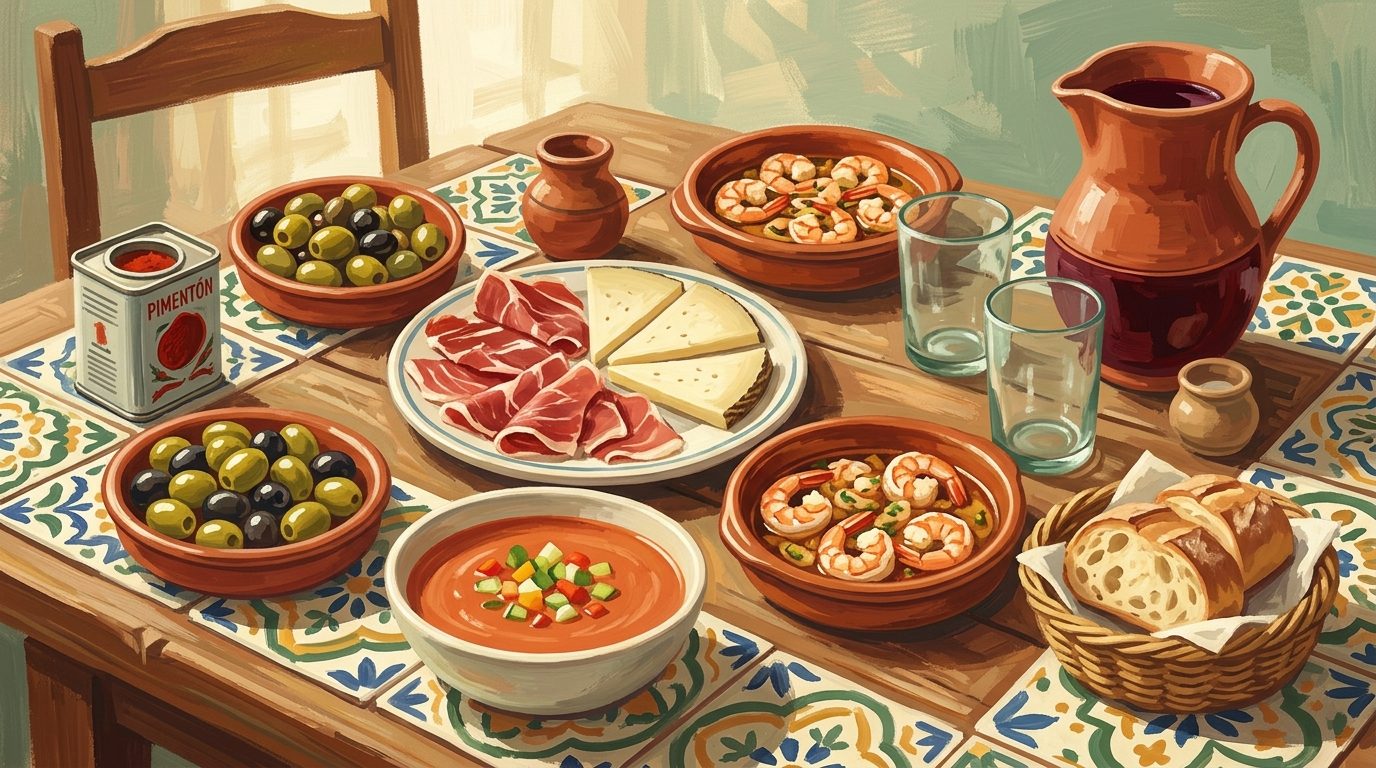
To understand the rhythm of life in Andalucía, you must follow the morning queue at the local food market. The mercado de abastos remains the undisputed heart of every town, where seasonal quality dictates the daily menu.
In Andalucía, the act of food shopping is rarely a chore; it is a social ritual. While large supermarket chains like Mercadona or Carrefour have their place for household essentials, the soul of the region’s gastronomy resides in the mercado de abastos (municipal food market). These structures, often housed in magnificent 19th-century wrought-iron buildings or modernist halls, are where locals congregate to debate the firmness of a tomato or the freshness of a dorada (sea bream).
Shopping here requires a shift in mindset. You won't find uniform, plastic-wrapped produce. Instead, you encounter the seasons in their rawest form: muddied stalks of ajetes (young garlic) in the spring, mountains of salt-cured mojama (tuna loin) from the coast of Cádiz, and the intense aroma of sun-ripened brevas (early figs) in June. To shop in an Andalucían market is to participate in a culture that values provenance and personal relationships with the tendero (shopkeeper) above all else. The market is your primary resource for authentic flavours.
The Seasonal Calendar: What to Look For
Understanding the agricultural calendar is essential for any food-focused traveller in Southern Spain. Buying strawberries in December is a fruitless exercise; instead, wait for February when the fields of Huelva produce the first fresones (large strawberries) of the year. By March and April, the stalls are filled with habas tiernas (tender broad beans), often sold in their pods and typically sautéed with bits of cured ham. This is also the time for alcachofas (artichokes), which are smaller and more tender than the varieties found in British supermarkets.
As the heat intensifies in July and August, the focus shifts to Almería’s greenhouses and the orchards of the Guadalquivir valley. Look for tomates de la huerta, heirloom varieties that may look scarred or misshapen but possess an intensity of flavour that requires nothing more than a drizzle of extra virgin olive oil and a pinch of sea salt. This is also peak season for sandía (watermelon) and melón, essential for staying hydrated in the Andalucían sun.
Autumn brings the harvest of the Axarquía region east of Málaga. Here, you will find chirimoyas (custard apples), a green, scaled fruit with a creamy, white interior that tastes of pineapple and banana. Late October also signals the arrival of castañas (chestnuts) from the Sierra de Aracena, roasted over charcoal on street corners throughout the region. In winter, the citrus harvest takes over, with the air in Sevilla and Córdoba scented by the bitter orange blossom, though the sweet oranges for eating come primarily from the groves of Palma del Río.
The Puestos: Navigating the Stalls
The market is usually organised by product type. The pescadería (fishmonger) section is often the busiest and most impressive, particularly in coastal cities like Málaga and Cádiz. Here, you will see boquerones (anchovies), calamares del campo (squid), and the prized atún de almadraba (wild bluefin tuna caught using traditional Phoenician netting methods). If you buy fish, the pescadero will ask if you want it limpio (cleaned); they will expertly scale, gut, and fillet your purchase at no extra cost.
The carnicería (butcher) is where you find the various cuts of the pig, particularly the cerdo ibérico. Look for secreto or presa, highly marbled cuts that are best grilled quickly. For cured meats, seek out the charcutería. This is where you buy queso Payoyo, an award-winning cheese made from the milk of goats and sheep in the Sierra de Grazalema, and caña de lomo (cured pork loin).
Finally, the frutería handles vegetables and fruit, while the ultramarinos stalls sell dry goods, local honeys, and legumbres (pulses) stored in large sacks. Price guidance for most market produce is very reasonable, typically falling in the € to €€ range, depending on whether you’re buying staple potatoes or premium gambas blancas from Huelva, though prices for seafood and premium cured meats are subject to market volatility.
The Weekly Mercadillo
In addition to the daily permanent markets, almost every village and city district hosts a weekly mercadillo (itinerant street market). While these markets often focus on inexpensive clothing and household goods, they are excellent places to buy nuts, dried fruits, and olives. Large plastic vats are filled with aceitunas aliñadas (seasoned olives); try the Aloreña from Málaga, which is the only olive in Spain with a protected designation of origin. These markets usually run from 09:00 to 14:00. Arriving early is recommended to avoid the midday heat and the largest crowds.
Ordering Like a Local
The most important rule of the Andalucían market is the turno (the turn). There are rarely physical ticketing machines. Instead, when you approach a busy stall, you must ask: “¿Quién es el último?” (Who is the last one?). The person who identifies themselves is your marker; you follow them. It is a self-regulating system that locals take very seriously.
When ordering, quantities are usually requested in kilos or fractions thereof. A medio kilo (half kilo) or a cuarto (quarter kilo) are the standard units. For smaller items like garlic or lemons, you can simply ask for un par (a pair) or una cabeza (a head). Don't be afraid to ask for a prueba (a taste) at the cheese or olive stall; most vendors are proud of their produce and happy to let you sample before you commit to a purchase. It is also common practice to bring your own reusable bags, as the puestos often rely on thin plastic ones that struggle with the weight of a heavy watermelon.
Where to Find the Best
Málaga
Mercado Central de Atarazanas: This is arguably the most beautiful market in the region, featuring a 14th-century Nasrid gate and stunning stained-glass windows. The fish section is peerless, featuring fresh catches from the Alboran Sea. There are several small bars inside where you can eat fritura malagueña (mixed fried fish) made with the very produce sold a few feet away. Price range: €€.
Mercado de Salamanca: Located in the El Molinillo district, this neo-Arab style market is less touristy than Atarazanas. It is the place to find local Axarquía produce and excellent local butchers. Price range: €.
Sevilla
Mercado de la Feria: The oldest market in Sevilla, located next to the church of San Juan de la Palma. It has a bohemian atmosphere and is famous for its small stalls serving everything from fresh oysters to traditional garbanzos con espinacas (chickpeas with spinach). Price range: €€.
Mercado de Triana: Built atop the ruins of the Castillo de San Jorge (the seat of the Inquisition), this market is the heart of the Triana neighbourhood. It is particularly good for spices, Sevilla oranges (in season), and local ceramics alongside the food stalls. Price range: €€.
Cádiz
Mercado Central de Abastos: An architectural marvel of the neoclassical period, this is perhaps the best place in Spain to view the diversity of Atlantic seafood. Look for the erizos de mar (sea urchins) during the winter months. The Rincón Gastronómico within the market offers international and local tapas, making it a perfect spot for a midday meal. Price range: €€.
Granada
Mercado de San Agustín: Located just behind the Cathedral, this market has been modernised to include many gourmet stalls. It is an excellent spot to purchase Jamón de Trevélez (air-cured ham from the high Alpujarras) and local dried fruits. Price range: €€.
Mercado de Motril: If you find yourself on the coast of Granada, this market is essential for buying the famous quisquillas de Motril (shrimp) and tropical fruits grown on the nearby hillsides. Price range: €€.
Know Before You Go
Most municipal markets are closed on Sundays and public holidays, typically trading from 08:00 until 14:30. Specific opening hours vary slightly by city (check on the official local tourism website before travelling).
Last reviewed: 21 June 2026 · Editorial policy
Related guides
Master the Art of the Andalucían Kitchen: The Best Cooking Classes in Southern Spain (2026 Guide)
Discover the secrets of the Andalucían kitchen, from masterclasses in the markets of Sevilla to sherry-infused cooking in the hills of Cádiz.
7 min read
Beyond the Tapas Bar: A Guide to Andalucían Street Food
Discover the authentic taste of the south, from the salt-crusted sardine skewers of Málaga to the morning ritual of churros in Sevilla. This guide avoids the tourist traps to highlight where locals truly eat on the move.
6 min read
A Guide to Seasonal Eating in Andalucía
Discover the culinary calendar of Andalucía, from the sun-drenched tropical fruits of Granada to the smoky chestnut festivals of the Sierra mountains.
6 min read
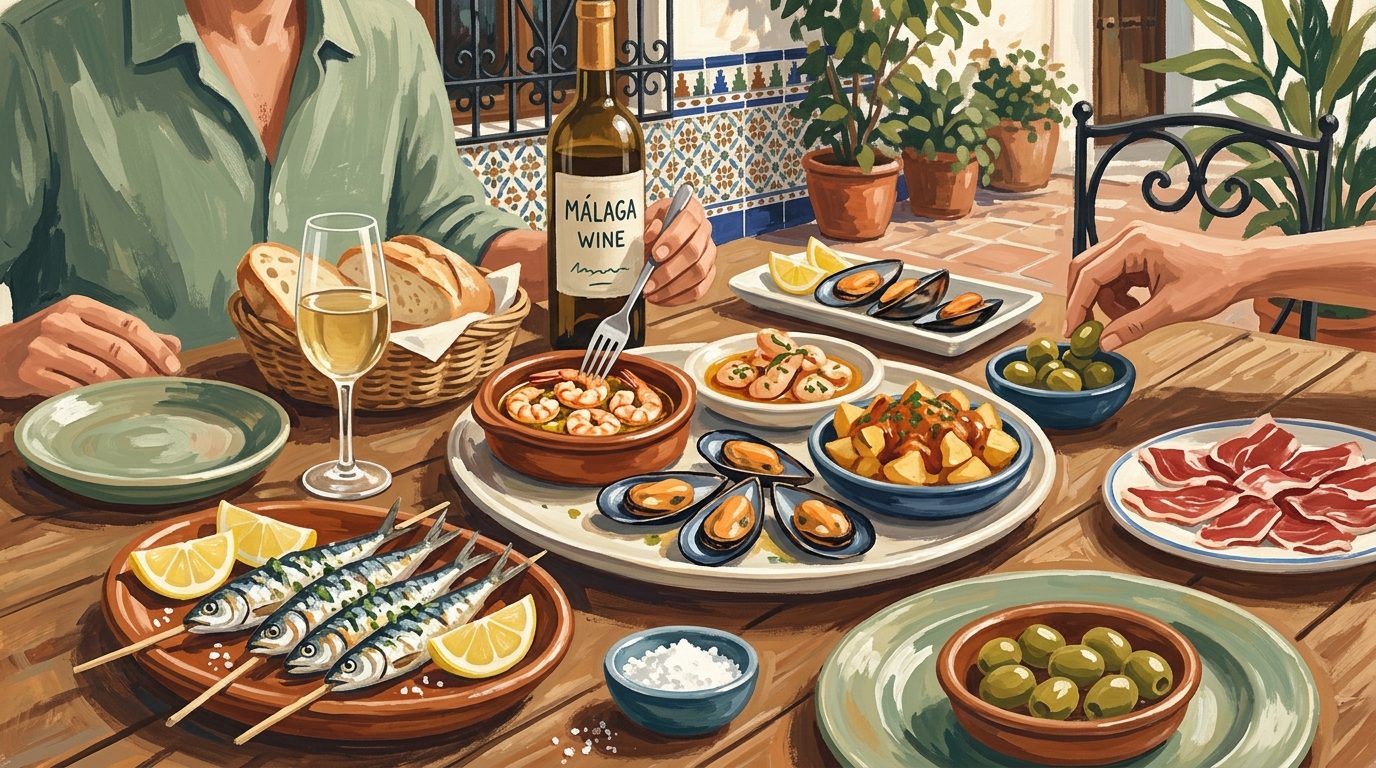
Where to Eat in Málaga: From Beachfront Espetos to Soho Small Plates
Forget its reputation as a mere transit point; Málaga has transformed into one of Spain’s most compelling food cities, balancing salt-crusted beach traditions with a sharp, modern dining scene.
7 min read
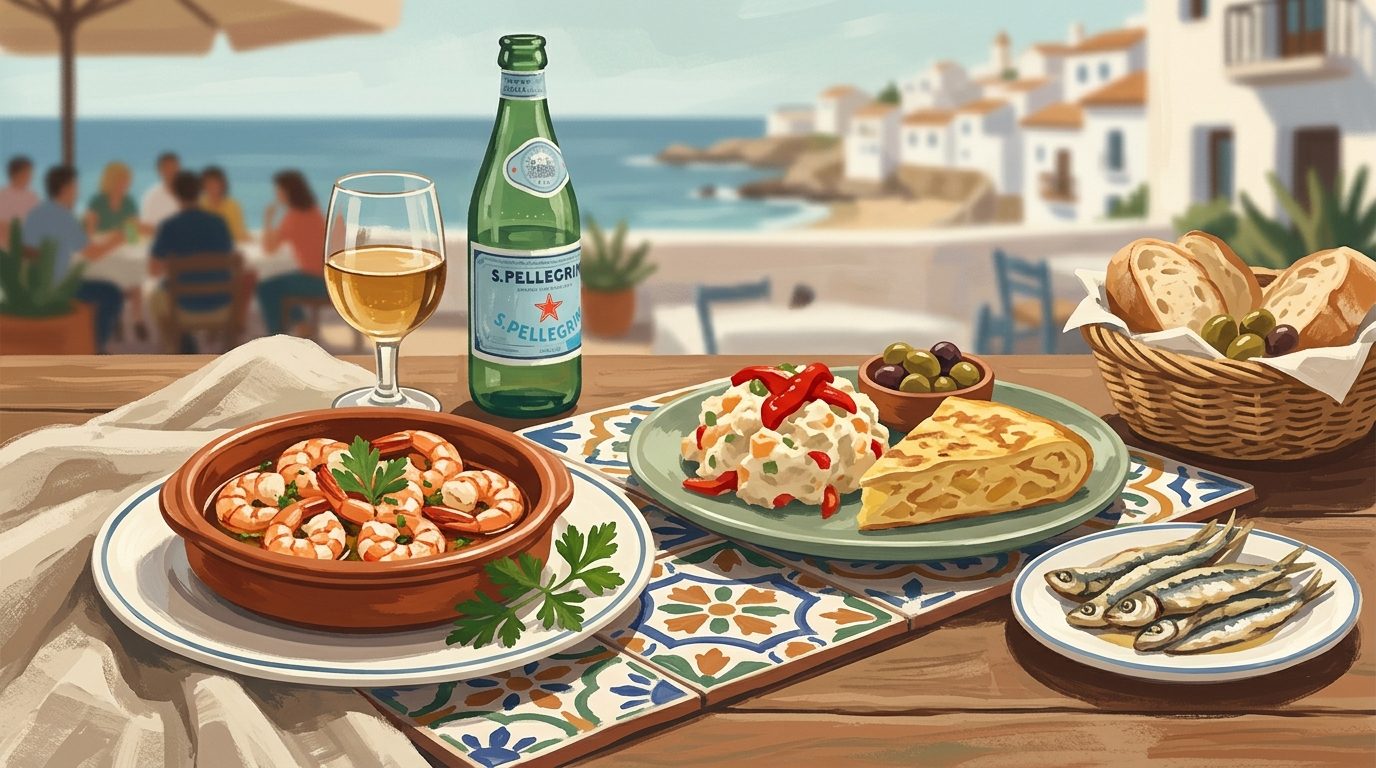
Where to Eat in Cádiz: From Atlantic Seafood to Market Tapas
Discover the salt-tangled flavours of Europe’s oldest city, where bluefin tuna, paper cones of fried fish, and crispy shrimp fritters define the culinary landscape.
6 min read
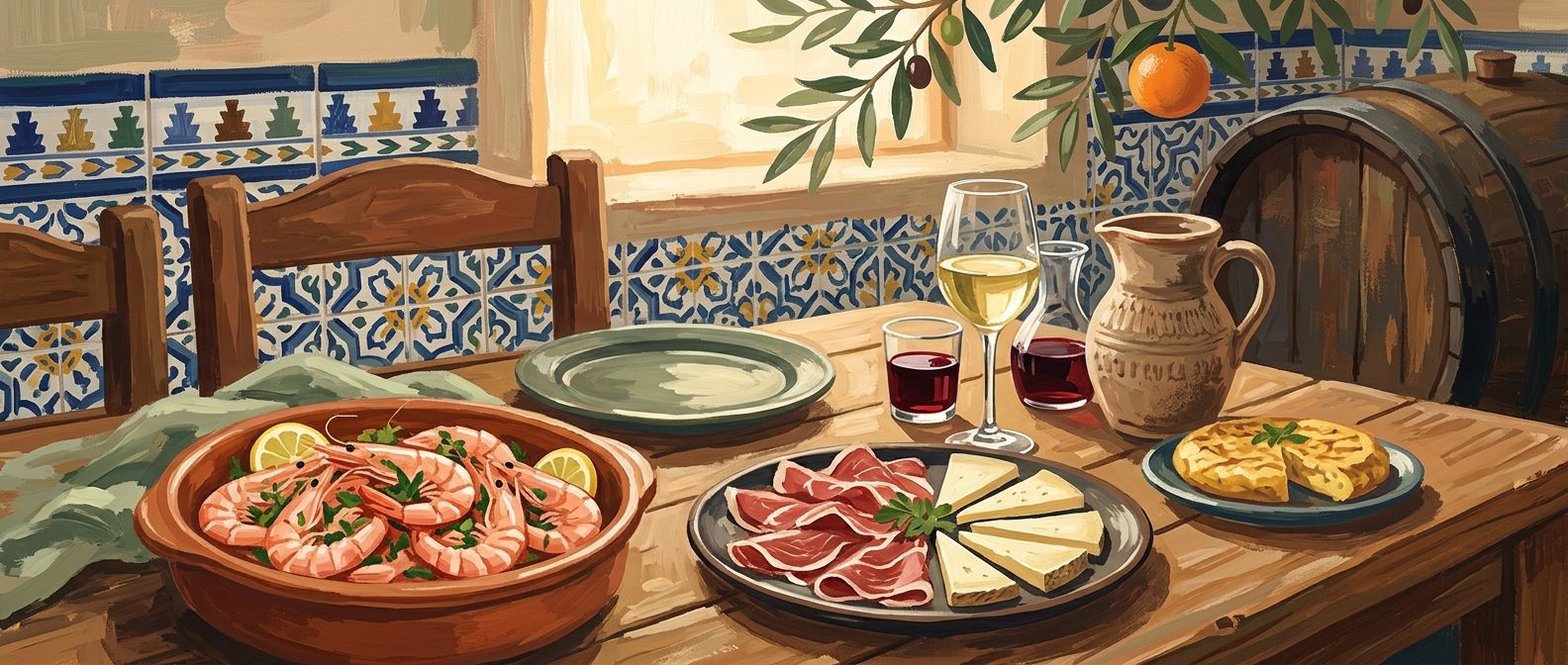
Where to Eat in Huelva: From Atlantic Prawns to the Heights of Jabugo
Discover the culinary secrets of Spain's southwestern corner, where the Atlantic's finest white prawns meet the world's best acorn-fed ham.
6 min read
More guides
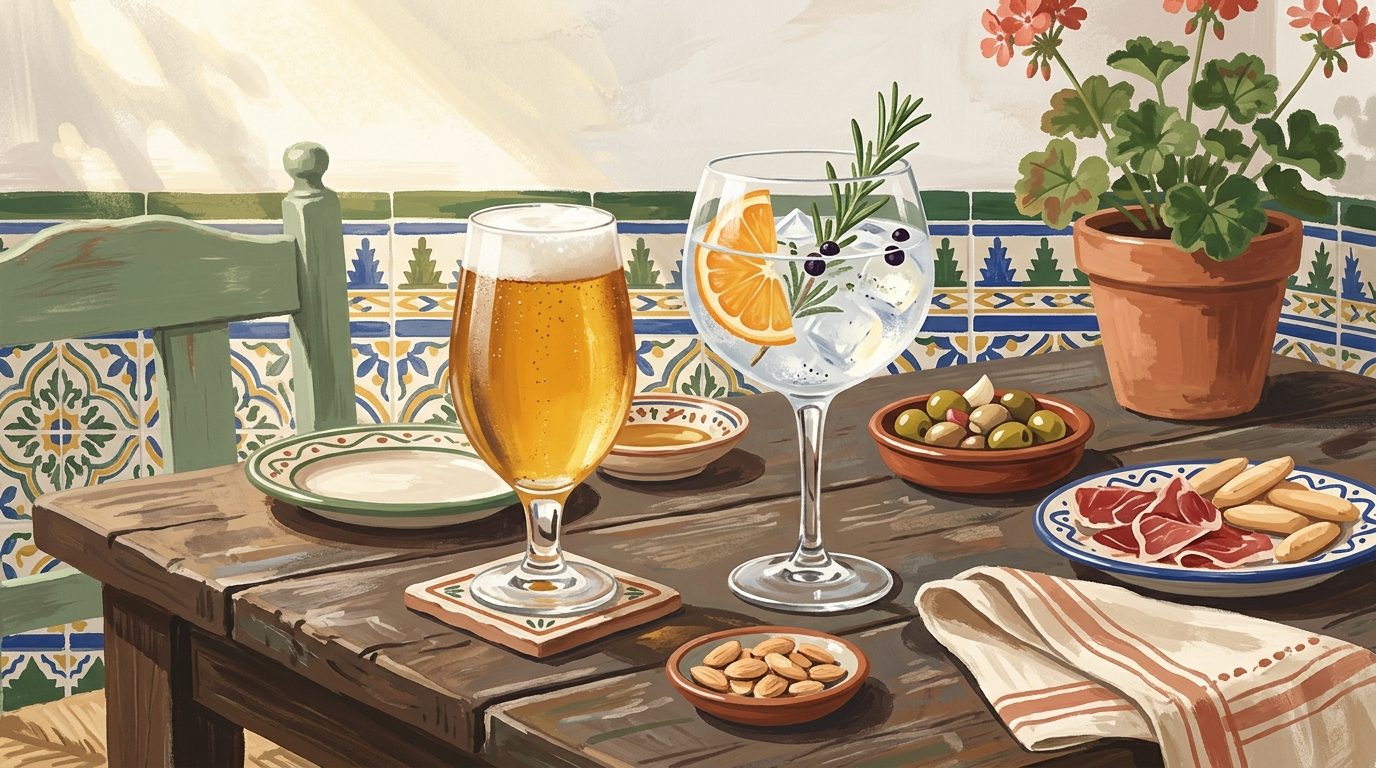
Beyond the Caña: The Rise of Craft Beer and Botanical Gin in Andalucía
Discover the artisanal side of Southern Spain, from the microbreweries of Málaga's Soho district to the sophisticated gin-tonic culture of Sevilla and Granada.
6 min read
Where to Eat in Nerja: A Food Lover’s Guide to the Axarquía Coast
From wood-fired paella on the sands of Burriana to the crowded tapas bars of the old quarter, Nerja offers an authentic taste of the Málaga coastline.
6 min read
The Art of the Andalucían Breakfast and Merienda
To understand the soul of Andalucía, one must sit at a crowded bar at 10:00 am and wait for the scent of toasted bread and olive oil. It is a daily ritual that prioritises the simple pleasure of a slow morning over the rush of the working day.
6 min read
The Best Places to Eat in Jaén: A Guide to the World Capital of Olive Oil
Jaén remains one of the few places in Spain where the tradition of the free tapa is still treated with reverence. It is a city defined by its golden olive oil and a stubborn commitment to honest, seasonal cooking.
6 min read
Jamón Ibérico: The Ultimate Guide to Andalucía’s Cured Gold
Discover the art of Jamón Ibérico, from the acorn-fed pastures of Jabugo to the high-altitude curing rooms of Trevélez. Learn how to decode the colour-coded labels and where to find the finest hand-carved plates in Andalucía.
6 min read
A Guide to Eating in Almería: Tapas, Seafood, and Desert Traditions
Discover the unique food culture of Almería, from the tradition of free-choice tapas to the legendary 'cherigan' toast and the freshest red prawns in the Mediterranean.
7 min read
A Calendar of Flavour: The Best Food Festivals in Andalucía
From the smoky beach fires of Málaga to the prestigious ham auctions in Huelva, Andalucía’s food festivals offer a seat at the table of the region’s most authentic traditions.
7 min read
The Liquid Gold of Andalucía: A Deep Dive into the World’s Best Olive Oil
Discover the secrets of Andalucía's liquid gold, from the vast groves of Jaén to the art of the perfect breakfast tostada. This guide covers varieties, harvest secrets, and the best mills to visit.
6 min read
A Guide to Eating and Drinking in Ronda
Ronda’s culinary identity is built on rugged mountain ingredients, world-class red wines and the slow-braised richness of rabo de toro. From refined cliffside terraces to sawdust-floored tapas bars, here is where to find the town’s authentic flavours.
7 min read
Newsletter
More stories from Andalucía
Weekly notes, seasonal picks, and the next guides worth bookmarking.