
Food & drink · Sevilla
Coffee Culture in Andalucía: From Málaga's Nubes to Sevilla's Speciality Roasts
A deep dive into the unique rituals, specific terminology, and the best third-wave roasters across the eight provinces of Southern Spain.
By Dan · Updated 16 July 2026 · 7 min read
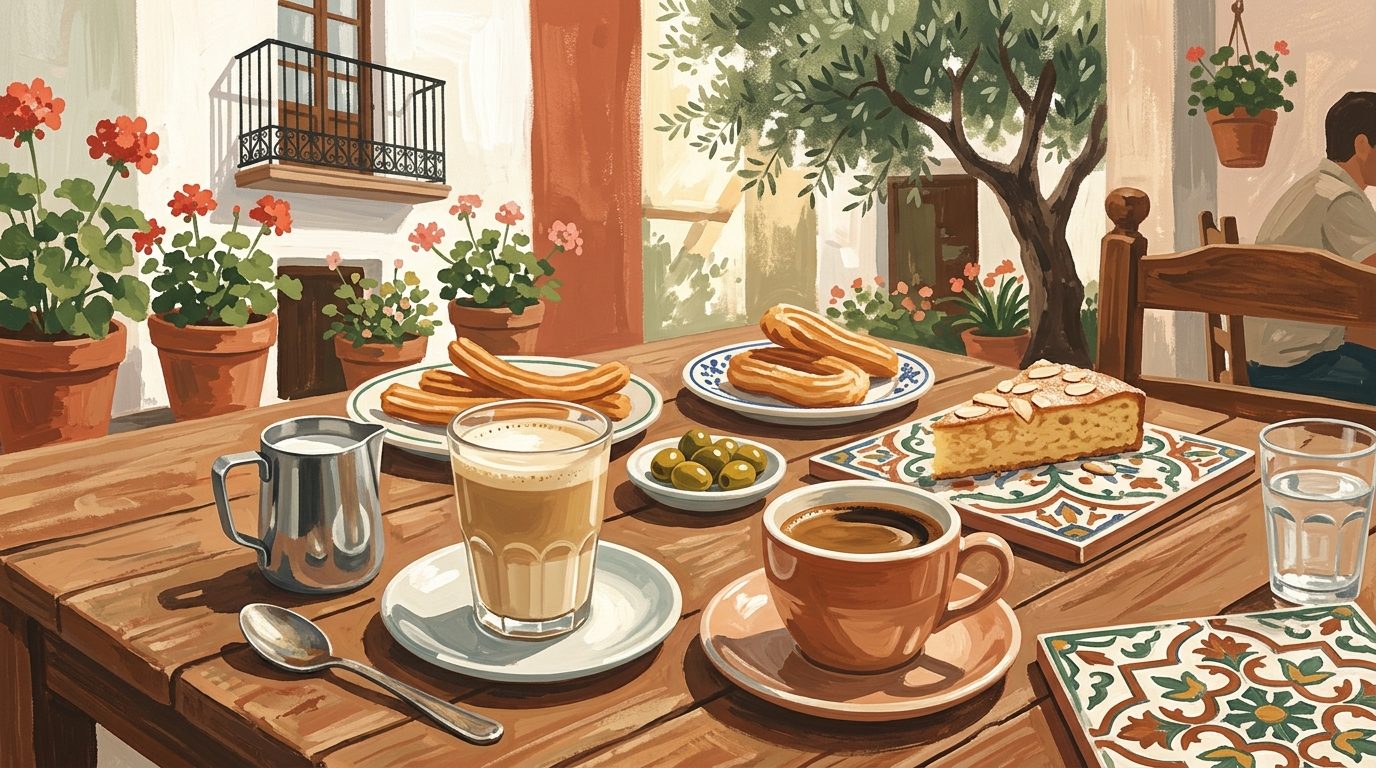
In Andalucía, coffee is rarely a drink consumed in isolation; it is the rhythmic metronome of daily life, punctuating the morning rush and the late-afternoon lull. To understand the local café culture is to understand the social fabric of the south.
For the uninitiated, walking into a traditional Andalucían bar during the morning breakfast rush can be an intimidating experience. The air is thick with the scent of toasted bread and the hiss of the steam wand, while waiters in crisp white shirts shout orders over a cacophony of clattering porcelain. Coffee here is not merely a caffeine delivery system; it is a ritualised social event. Whether it is a quick solo (espresso) standing at a stainless steel bar or a leisurely merienda (afternoon snack) on a sun-drenched terrace, the way coffee is ordered and consumed says everything about the region's approach to hospitality.
While Spain as a whole has a long-standing tradition of coffee drinking, Andalucía maintains its own distinct quirks. Historically, the quality was often marred by torrefacto, a process where sugar is added to the beans during roasting to preserve them, resulting in a bitter, burnt flavour. However, the last decade has seen a dramatic shift. While the old-school bars remain the heart of the community, a new wave of speciality roasters and craft cafés has emerged in cities like Sevilla, Málaga, and Granada. These establishments are bridging the gap between traditional Spanish habits and the global third-wave movement, focusing on bean provenance, roast profiles, and precise extraction.
The Essential Coffee Lexicon
To navigate an Andalucían menu, you need to look beyond the standard latte or cappuccino. The most common order is the café con leche, a simple half-coffee, half-steamed milk preparation. If you prefer something stronger, a cortado is an espresso 'cut' with a small amount of warm milk, usually served in a small glass. For those who want black coffee but find an espresso too intense, a café largo provides a longer pour with more water.
Then there is the manchado. Translated as 'stained', this is essentially a glass of hot milk with a tiny splash of coffee, perfect for those who want the flavour without the kick. If you are feeling adventurous or in need of a digestive after a heavy lunch, ask for a carajillo. This is an espresso fortified with brandy, rum, or whisky. In many traditional establishments, the spirits are heated with a few coffee beans and a piece of lemon peel before the coffee is added.
The Málaga Code: Nine Ways to Order
Nowhere in Andalucía is coffee ordering more specific than in Málaga. In the 1950s, José Prado Crespo, the owner of the now-closed but legendary Café Central, devised a system to prevent waste and cater to the exact milk-to-coffee ratios his customers demanded. While the physical café permanently closed its doors in early 2022, this system is still used across the province today, and locals are fiercely proud of it. If you order a café con leche in Málaga, you might be met with a confused stare; instead, you must choose your level.
A nube (cloud) is mostly milk with just a drop of coffee. A sombra (shadow) has slightly more, roughly one-quarter coffee. A mitad (half) is the standard 50/50 split. As you move up the scale, you find the corto (short), the semilargo, and the solo. Even the glasses are specific, usually tapered to show the distinct colour of the brew. Mastering these terms is the quickest way to earn the respect of a Malagueño barman.
The Rise of Speciality Coffee
While the traditional bars serve the masses, a new generation of tostadores (roasters) is redefining the landscape. In Sevilla, the arrival of speciality coffee was spearheaded by small, independent outfits that shunned torrefacto in favour of 100% Arabica beans sourced from single estates in Ethiopia, Colombia, and Brazil. These cafés usually offer alternative brewing methods like V60 or Chemex alongside high-end espresso machines.
The aesthetic in these spots is different too: minimalist decor, communal tables, and a focus on the 'slow coffee' movement. You will find baristas who can talk at length about acidity, fermentation processes, and altitude. For the coffee enthusiast, these spots are essential for experiencing the evolving palate of Southern Spain. They often pair their brews with sourdough toasts and locally sourced avocados, offering a modern twist on the classic breakfast.
The Ritual of the Tostada
You cannot talk about coffee in Andalucía without mentioning the tostada (toast). Coffee is rarely drunk alone in the morning. The standard breakfast involves a pitufo (a small bread roll in Málaga) or a mollete (a soft, round bun from Antequera). The topping of choice is almost always aceite y tomate, extra virgin olive oil and grated fresh tomato, often topped with a sprinkle of salt.
In more traditional inland areas, you might find manteca colorá (orange-hued lard flavoured with pimentón and bits of pork) or zurrapa de lomo. The combination of a bitter coffee and a savoury, oily tostada is the quintessential Andalucían start to the day. If you see a bottle of olive oil on the bar, help yourself; it is expected that you drench your bread to your own liking.
Ordering Like a Local
In Andalucía, the 'to-go' culture is almost non-existent outside of major tourist hubs. Coffee is meant to be enjoyed sitting down or standing at the bar. When you enter, a simple "¡Buenas!" to the staff is standard. You don't usually wait to be seated in a casual bar; find a spot and catch the waiter's eye. If you want your milk at a specific temperature, you can specify leche fría (cold milk), leche del tiempo (room temperature), or muy caliente (very hot).
Paying is also a relaxed affair. Often, you will drink your coffee and eat your toast before even thinking about the bill. When you are ready, simply say "La cuenta, por favor." In many old-school places, the waiter might even scribble your bill in chalk directly on the wooden bar in front of you. Tipping is not mandatory, but leaving a few small coins (10 to 20 cents) is a common gesture of appreciation for good service.
Where to Find the Best
Sevilla
Torch Coffee Roasters: Situated near the river, this spacious café roasts its own beans and offers one of the best selections of single-origin coffees in the city. Their baristas are exceptionally knowledgeable, and the light, airy space is perfect for a mid-morning break.
Virgen Coffee: A tiny, hole-in-the-wall roastery located at Calle Virgen de los Buenos Libros, a few minutes' walk north of the Metropol Parasol (the 'Mushrooms'). There is no seating, but the coffee is arguably the best in Sevilla. Grab a flat white and enjoy it while walking through the winding streets of the old quarter.
El Comercio: For a traditional experience, this 19th-century institution is famous for its chocolate con churros, but their coffee is equally reliable. It is the place to see the Sevilian social whirl in full swing.
Málaga
Santa Canela: With two locations in the city, including one in the Soho district, this café is a favourite for those seeking speciality beans and a relaxed atmosphere. Their café con leche is served with more care than your average bar, and their crêpes are a local highlight.
Casa Aranda: This is the cathedral of coffee and churros in Málaga. Tucked away in a narrow alleyway near the central market, it has been serving locals since 1932. Order a mitad and watch the world go by.
Next Level Speciality Coffee: A modern addition to the city centre focusing on precision. The decor is industrial-chic, and the espresso is consistently excellent, making it a hub for the city's younger, international crowd.
Granada
La Finca: Located right next to the Cathedral, this roastery is a pioneer of the speciality scene in Granada. They source their beans ethically and roast them on-site. It is a fantastic place to escape the tourist crowds and enjoy a properly crafted V60.
Noat Coffee: A minimalist space that wouldn't look out of place in Copenhagen or East London. Noat focuses on the purity of the coffee, offering a rotating selection of beans and expert advice on flavour profiles.
Cádiz
La Clandestina: Part bookshop, part café, this charming spot in the old town is perfect for a slow afternoon. The atmosphere is quiet and contemplative, and the coffee is served with genuine care.
Café de Levante: A classic Gaditano establishment where intellectuals and locals gather to discuss the news over a cortado. The tiled walls and wooden counters offer a glimpse into the Cádiz of yesteryear.
Last reviewed: 16 July 2026 · Editorial policy
Related guides
Feria de Abril Complete Guide: Surviving and Thriving in Sevilla's Greatest Week
Sevilla’s Feria de Abril is notoriously impenetrable for outsiders, a closed-doors celebration of Andalucían high society and endless rebujito. These insights strip away the confusion, detailing exactly how to navigate the public casetas, master the unforgiving dress code, and survive a week on the sand of Los Remedios.
10 min read
Semana Santa in Sevilla: A First-Timer's Guide
Semana Santa in Sevilla is an intense expression of faith, art and civic identity. Unlike other cities, the spectacular wooden floats are carried from below by hidden costaleros, moving to the slow beat of mourning marches or absolute silence.
8 min read
The Art of the Tapeo: A Local Guide to Tapas Culture in Andalucía
Discover the unwritten rules of the Andalucían tapeo, from the legendary free tapas of Granada to the historic tabernas of Sevilla.
6 min read
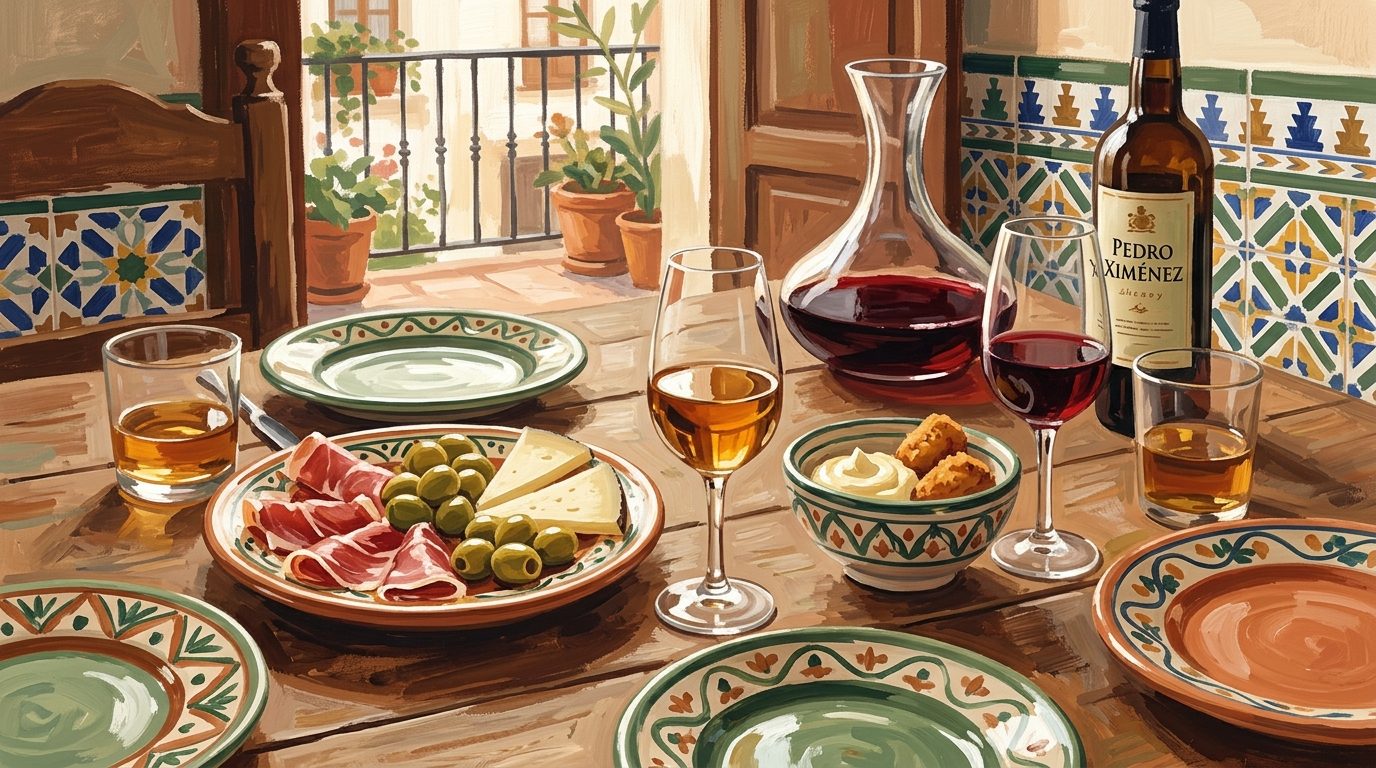
A Guide to the Wines and Sherries of Andalucía
Discover the bone-dry finos of Jerez and the bold high-altitude reds of Ronda in our comprehensive guide to Andalucían wine culture.
6 min read
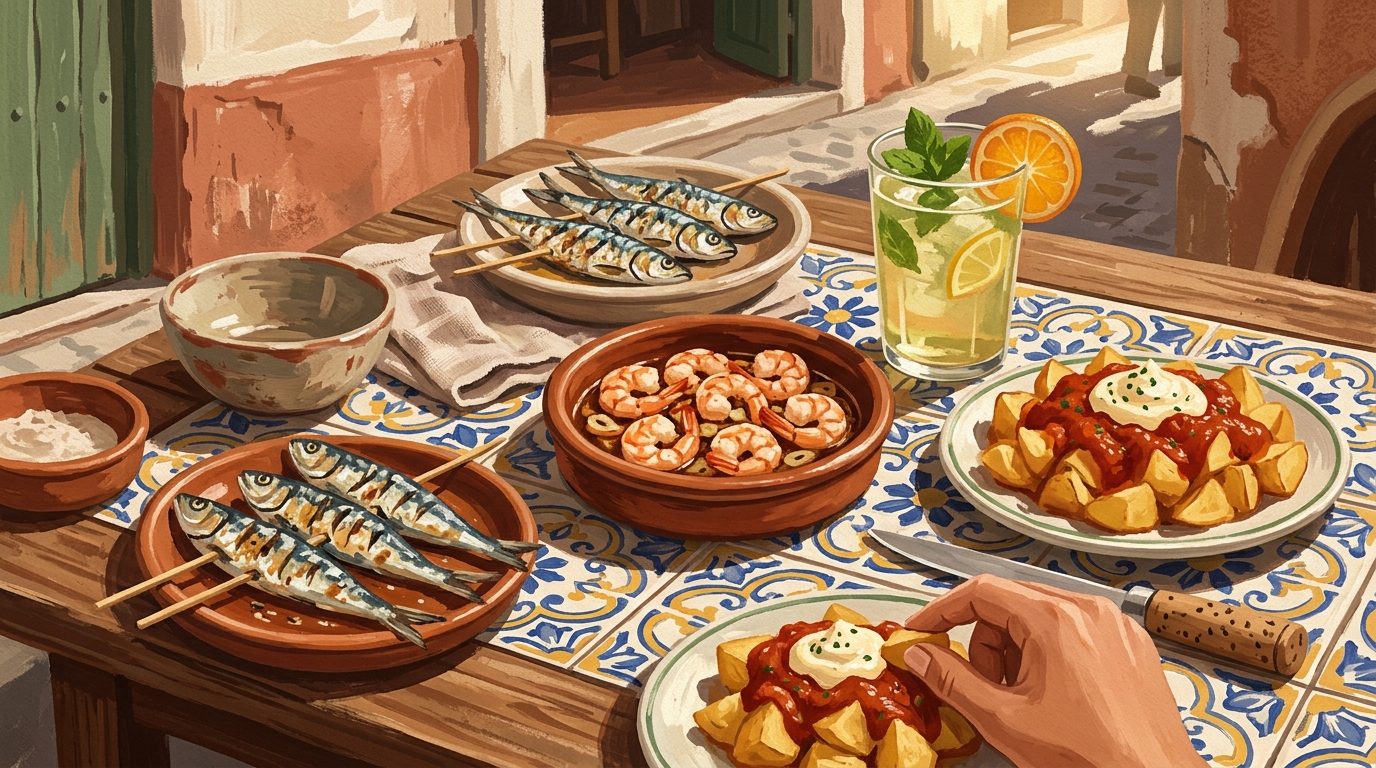
Beyond the Tapas Bar: A Guide to Andalucían Street Food
Discover the authentic taste of the south, from the salt-crusted sardine skewers of Málaga to the morning ritual of churros in Sevilla. This guide avoids the tourist traps to highlight where locals truly eat on the move.
6 min read
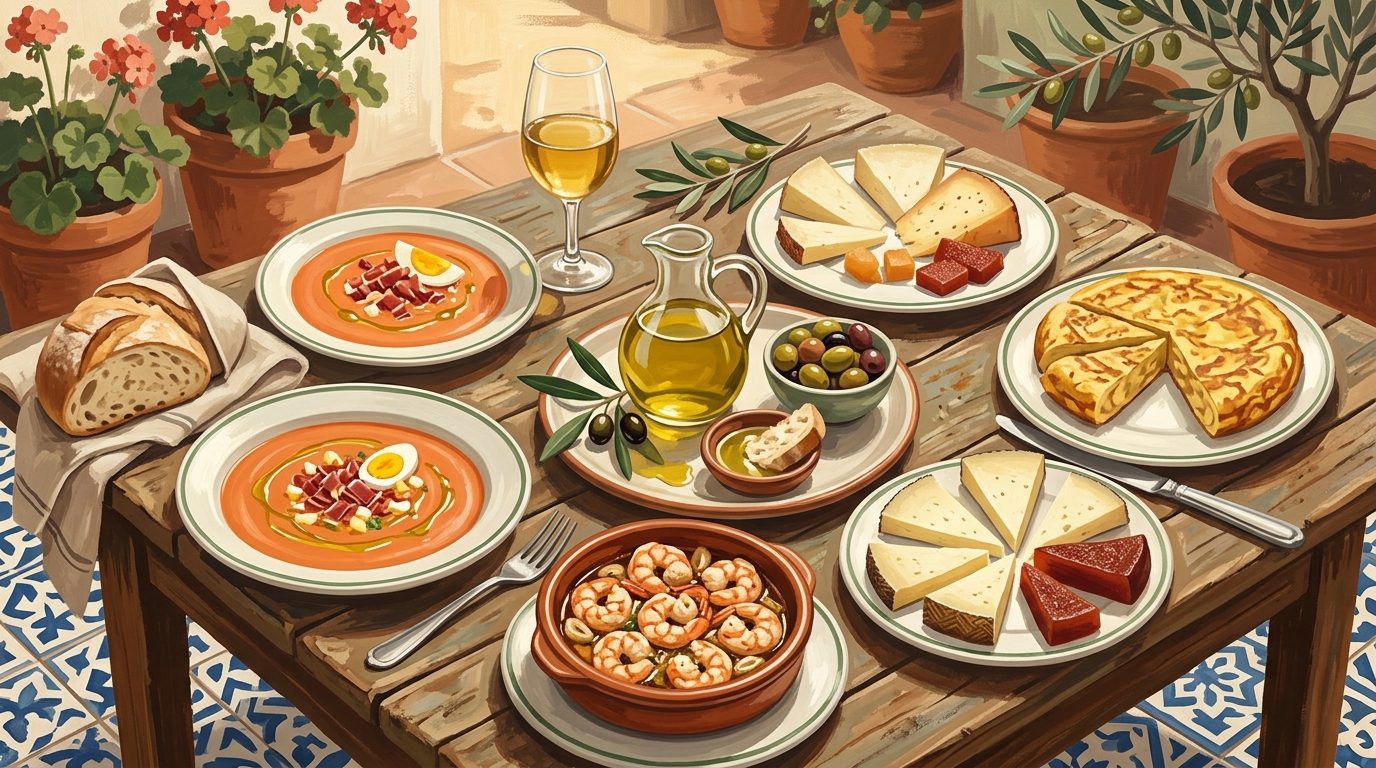
The Liquid Gold of Andalucía: A Deep Dive into the World’s Best Olive Oil
Discover the secrets of Andalucía's liquid gold, from the vast groves of Jaén to the art of the perfect breakfast tostada. This guide covers varieties, harvest secrets, and the best mills to visit.
6 min read
More from Sevilla
Newsletter
More stories from Andalucía
Weekly notes, seasonal picks, and the next guides worth bookmarking.