food drink
Beyond the Tourist Menus: An Insider's Guide to Eating in Seville
14 April 2026 · 7 min read · 1,382 words
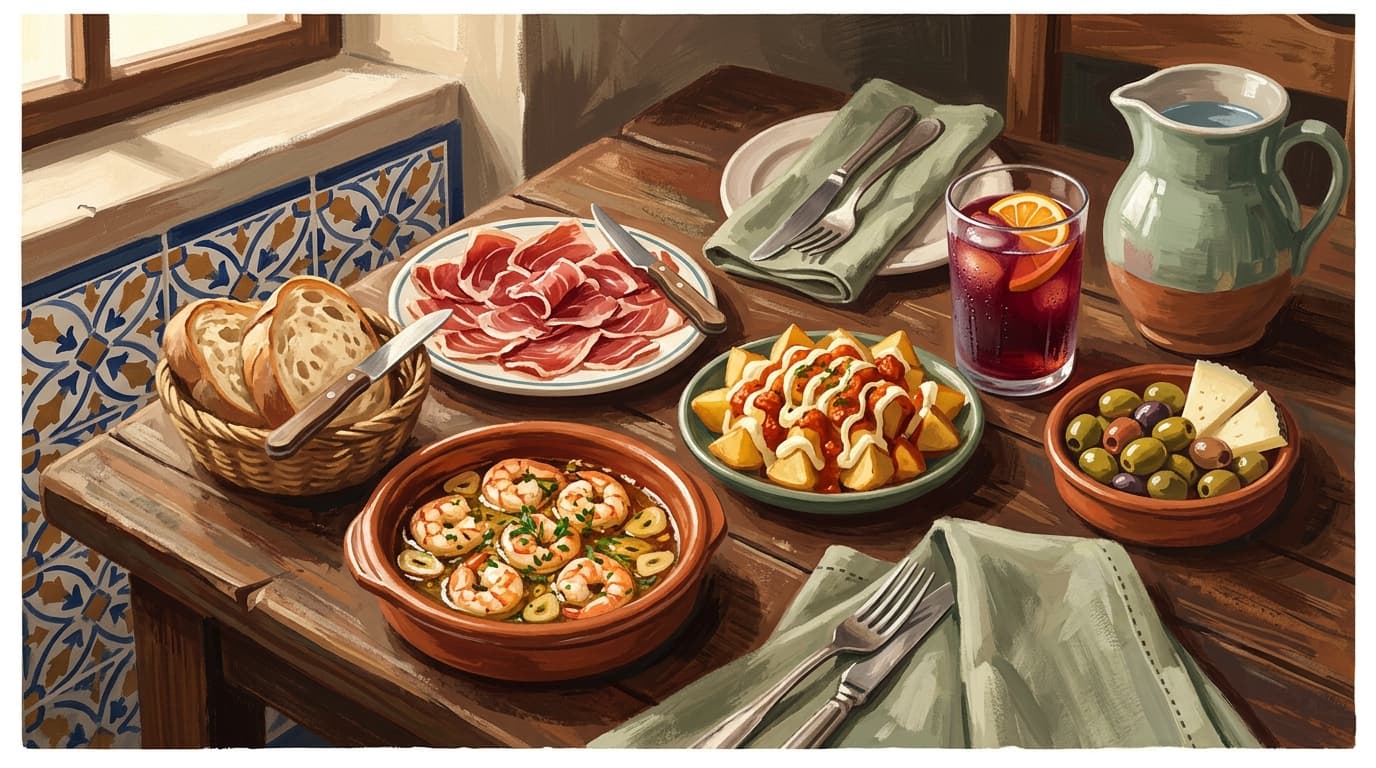
Discover the true taste of Seville, from the historic sherry bars of Santa Cruz to the authentic fried fish stalls of Triana market.
Navigating the labyrinthine streets of Seville to find a decent meal requires looking past the menus with photos and the waiters beckoning you from the pavement. True Sevillano dining is found in standing at zinc bars, ordering small plates of espinacas con garbanzos, and letting the hum of the city dictate your pace.
Beyond the Tourist Menus: An Insider's Guide to Eating in Seville
Seville is a city that eats on its feet. While the white-tablecloth restaurants of Madrid and Barcelona have their place, the soul of Andalucían capital's food culture resides in the tapeo—the act of drifting from one bar to another, glass of Manzanilla in hand, sampling the specific house speciality at each stop. It is a social ritual that defies the standard breakfast-lunch-dinner timeline. In Seville, lunch begins at 2:00 pm and can stretch into the early evening, while dinner rarely starts before 9:30 pm, peaking when the heat of the day finally breaks.
To eat well here, you must be comfortable with the barra (the bar counter). This is where the action happens, where the service is fastest, and where you get a front-row seat to the theatre of Spanish hospitality. The city’s culinary landscape is currently split between the traditional abacerías—old-fashioned grocery stores that serve tinned preserves and cured meats—and a new wave of gastro-bars that are reimagining classic ingredients with modern techniques. Whether you are in the shadow of the Giralda or the ceramic-tiled alleys of Triana, the focus remains the same: exceptional local produce sourced from the surrounding provinces of Cádiz and Huelva.
Triana: Across the River for Authentic Flavours
Crossing the Puente de Isabel II takes you into Triana, a neighbourhood that fiercely maintains its own identity separate from the rest of the city. Historically the home of sailors, potters, and flamenco artists, Triana offers a grittier, more local dining experience. Avoid the riverside terraces of Calle Betis, which often prioritise the view over the food, and instead head deep into the backstreets like Calle Alfarería and Calle Rocío.
In Triana, you should look for adobo—pieces of dogfish marinated in vinegar, oregano, and cumin, then deep-fried until crisp. It is the definitive taste of the neighbourhood. Another local favourite is puntas de solomillo (sirloin tips), often served with a robust garlic sauce. The bars here are smaller and more crowded, but the reward is a sense of community you won't find near the Cathedral. [AFFILIATE: restaurant booking in Seville]
Santa Cruz and Arenal: Navigating the Old City
The Santa Cruz district is a maze where it is easy to end up in a tourist trap. However, if you know where to turn, it holds some of the city's most historic kitchens. Look for tabernas that have stood the test of time, where the walls are lined with dusty bottles of Sherry and the jamón hangs from the rafters, dripping fat into little plastic umbrellas called chorreones.
The Arenal area, located between the Cathedral and the river, is home to Seville’s bullring and some of its most prestigious traditional bars. This is the place to try cola de toro (oxtail stew), slow-cooked until the meat falls away from the bone in a rich, dark sauce. It is also the heartland of the montadito, a small toasted sandwich. The most famous is the Piripi, a layered delight of bacon, cheese, tomato, and a secret mayonnaise-based sauce. [AFFILIATE: restaurant booking in Seville]
Feria and Alameda: The Creative Kitchen
The northern part of the city, centred around the Calle Feria and the Alameda de Hércules, is where Seville’s bohemian side comes to the fore. The food here is often more experimental, drawing on global influences while staying rooted in Andalucían ingredients. The Mercado de la Feria is one of the oldest markets in the city and serves as a social hub. Here, you can buy a cone of fried fish or a plate of fresh oysters and eat them at the communal tables outside.
This area is also the best place to sample the craft beer movement that is slowly gaining ground against the ubiquitous Cruzcampo. Look for cervecerías serving local brews from producers like Rio Azul or Guadalupe. The vibe is relaxed, the prices are fair, and the crowd is a mix of students, artists, and families.
Market Dining: From Stalls to Plates
Seville’s markets, or Plazas de Abastos, are the lungs of the city. The Mercado de Triana, built over the remains of the Castillo de San Jorge, is a fantastic place to start the day. Beyond the stalls selling fruta y verdura (fruit and veg), there are small kiosks serving everything from handmade sushi to traditional tortas de aceite (sweet, flaky olive oil biscuits).
The Mercado de la Encarnación, situated beneath the giant wooden mushrooms of the Metropol Parasol, is another essential stop. It is impeccably clean and houses some of the best seafood vendors in the city. Look for mojama (salt-cured tuna) from Isla Cristina—it is often described as the 'Ibérico of the sea' and should be eaten in thin slices with a drizzle of extra virgin olive oil and a few toasted almonds.
Local Specialities You Need to Try
You cannot claim to have eaten in Seville without trying espinacas con garbanzos. This Moorish-influenced dish of spinach and chickpeas, heavily seasoned with cumin and fried bread, is a staple of every traditional menu. It sounds simple, but the balance of spices is a point of great pride for local chefs.
Another essential is the Serranito. Far more than just a sandwich, it is a Seville institution consisting of a long crusty roll filled with pork loin (lomo), a slice of jamón serrano, a fried green pepper, and occasionally a slice of tomato. It is usually served with a mountain of hand-cut chips. For something lighter, try salmorejo, a thicker, creamier cousin of gazpacho made with tomatoes, bread, garlic, and oil, topped with hard-boiled egg and jamón shavings.
If you visit during the spring, look for caracoles (snails). From May onwards, signs appear in bar windows announcing their arrival. They are served in a glass of savoury broth, seasoned with a complex blend of herbs including mint, coriander, and cloves. It is a seasonal obsession that brings the city to a standstill.
Ordering Like a Local
Understanding the sizes is crucial. A tapa is a small individual portion. A media ración is a half-platter, usually enough for two people to share. A ración is a full plate. The best strategy is to order a few tapas to start; you can always order more, but once a ración arrives, you are committed to that one dish.
When it comes to the bill, don't be surprised if the waiter scribbles your order in chalk directly onto the wooden bar in front of you. This is an old-school method of keeping track of your spend. When you are ready to leave, simply ask, "¿La cuenta, por favor?" and they will tally up the chalk marks with a quick swipe of a cloth.
Where to Find the Best
Triana
Las Golondrinas: Located on Calle Antillano Campos, this multi-level bar is famous for its punta de solomillo and champiñones (mushrooms with garlic sauce). It is small, loud, and entirely authentic. (€€)
Casa Cuesta: A more formal option on the corner of Calle Castilla, perfect for trying traditional stews and fried fish in a room filled with vintage Sherry posters. (€€)
Santa Cruz
Casa Morales: Technically just outside Santa Cruz in Arenal, this is the second oldest bar in Seville. Stand in the back room amongst the giant clay tinajas (wine vats) and order the montadito de pringá—a slow-cooked mash of pork, chorizo, and morcilla. (€)
Las Teresas: An atmospheric spot where the ceilings are completely covered in hanging hams. It is the best place in the city to sample high-quality Jamón Ibérico de Bellota. (€€€)
Feria & Macarena
El Rinconcillo: Established in 1670, this is the oldest bar in the city. The service is brisk and professional. Try the pavías de bacalao (battered cod strips) standing at the bar. (€€)
Casa Vizcaíno: A legendary spot on Calle Feria for a pre-lunch drink. There is no kitchen here; they serve only cold tapas like olives, lupin beans, and salt-cod, but the atmosphere and the perfectly poured beer are unbeatable. (€)
More guides
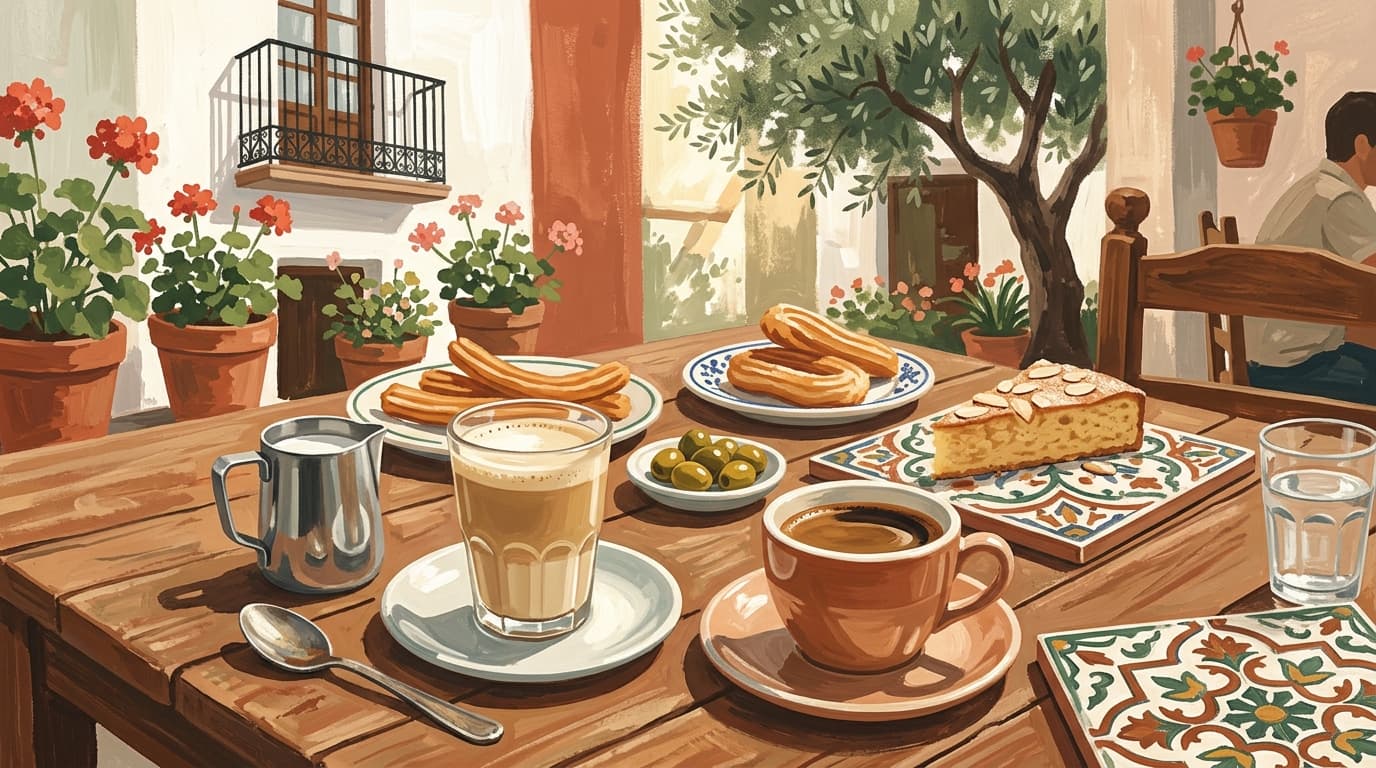
Coffee Culture in Andalucía: From Málaga's Nubes to Seville's Speciality Roasts
A deep dive into the unique rituals, specific terminology, and the best third-wave roasters across the eight provinces of Southern Spain.
7 min read
Read guide →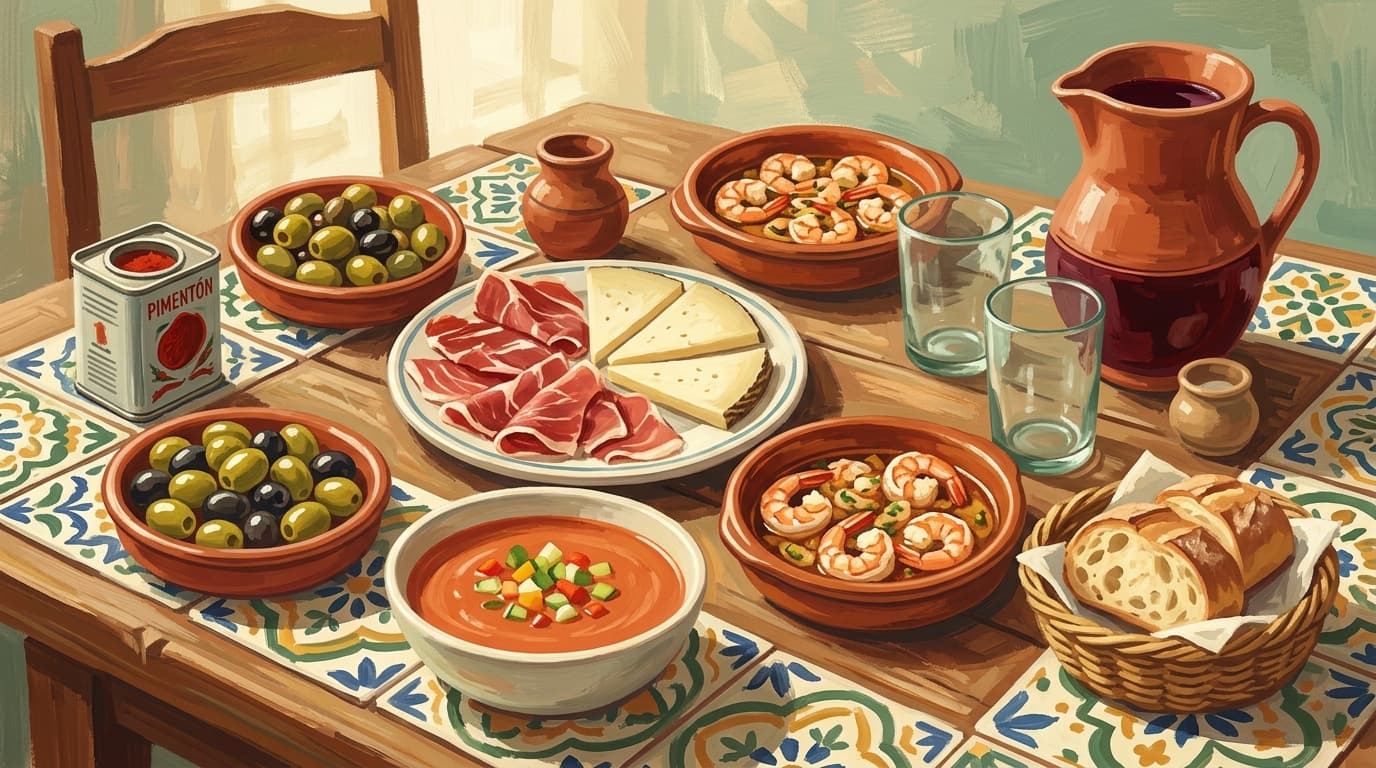
A Guide to Markets and Food Shopping in Andalucía
To understand the rhythm of life in Andalucía, you must follow the morning queue at the local food market. The mercado de abastos remains the undisputed heart of every town, where seasonal quality dictates the daily menu.
6 min read
Read guide →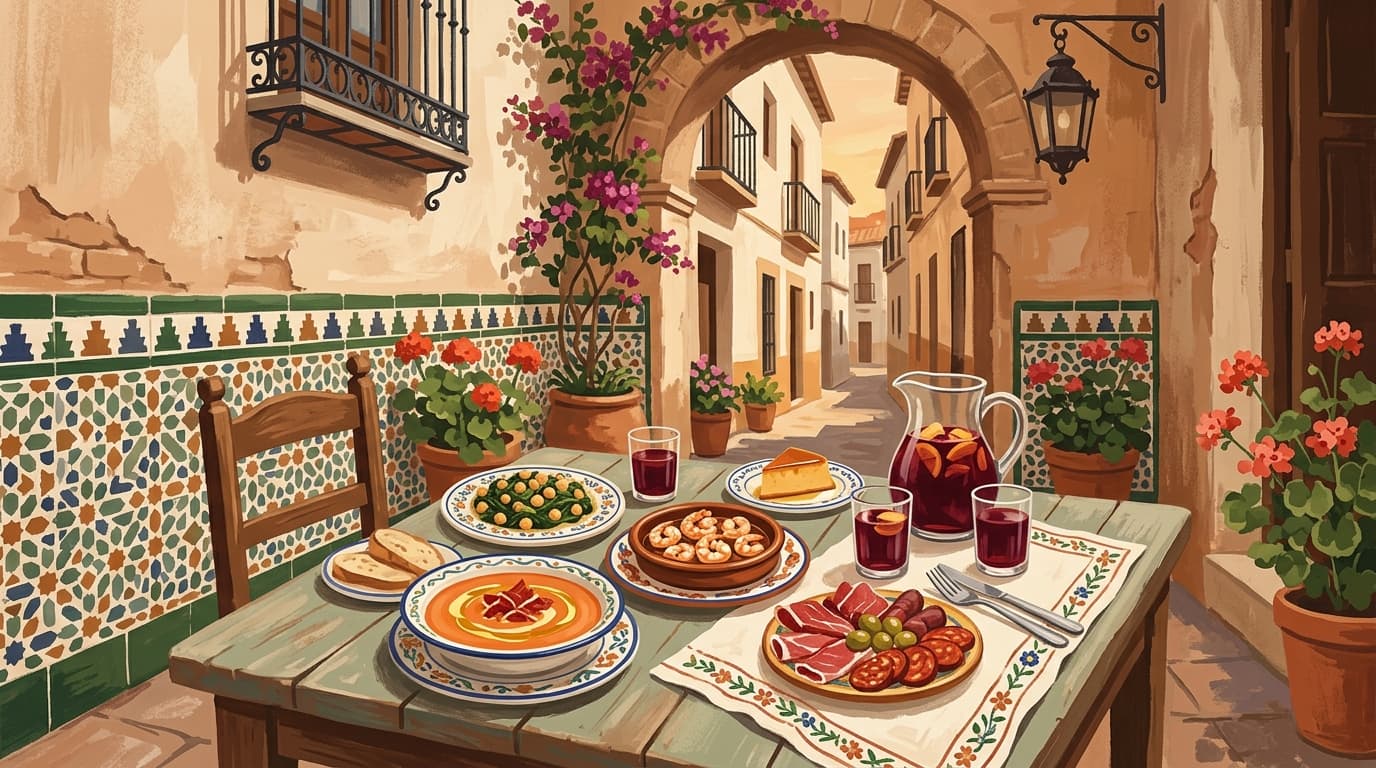
A Local’s Guide to Dining Across Andalucía’s Cities
From the salty sea-breeze chiringuitos of the Costa del Sol to the atmospheric sherry tabancos of Jerez, our guide navigates the distinct dining landscapes of Andalucía’s great cities.
6 min read
Read guide →Newsletter
More stories from Andalucía
Weekly notes, seasonal picks, and the next guides worth bookmarking.