
Food & drink
Eating Plant-Based in the South: A Guide to Vegetarian and Gluten-Free Andalucía
Navigating Andalucía as a vegetarian or coeliac is a journey through the region's rich 'cocina de la huerta'. From traditional spinach and chickpea tapas to modern vegan bistros, the south offers an abundance of plant-based delights.
By Dan · Updated 16 July 2026 · 6 min read
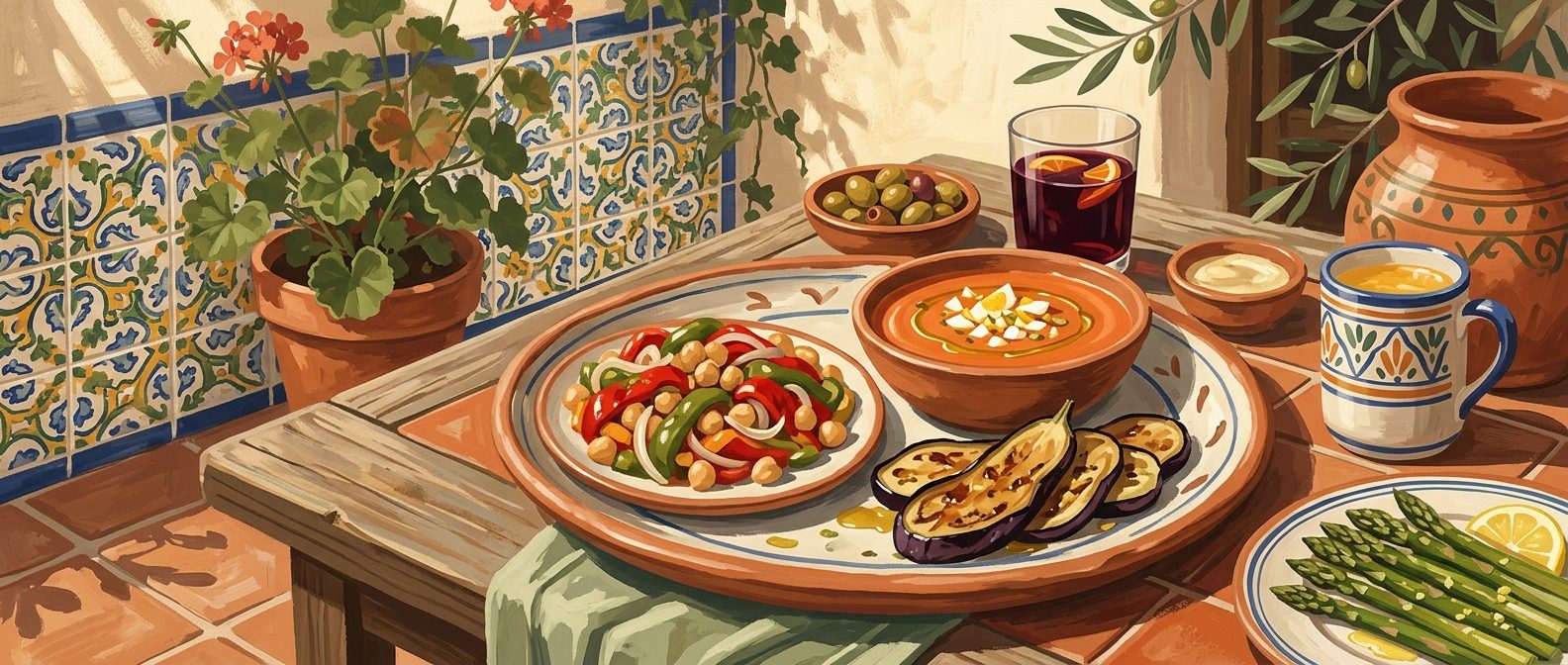
Andalucía may be famous for its dry-cured ham and slow-cooked meats, but the region’s agricultural heart provides a wealth of plant-based dishes. From chilled tomato soups to honey-drizzled aubergines, navigating the menu as a vegetarian or coeliac is easier than you might expect if you know where to look.
For decades, the standard response to a traveller asking for a vegetarian meal in a rural Andalucían venta (roadside inn) was a sympathetic look followed by a plate of tuna salad or an omelette filled with ham. The region is, after all, the world capital of Jamón Ibérico. However, the narrative that Andalucía is a difficult place for those with dietary requirements is outdated. While the meat culture is undeniable, it exists alongside a deep-rooted tradition of cocina de la huerta (garden cooking).
The provinces of Almería and Granada are often referred to as the garden of Europe, supplying the continent with an abundance of tomatoes, peppers, courgettes, and cucumbers. In the white villages of the Alpujarra or the rolling hills of Jaén, pulses and seasonal vegetables have always been the backbone of the local diet, primarily because meat was historically a luxury. Today, this heritage is being rediscovered by a new generation of chefs, while the major cities have embraced the global shift towards veganism and gluten-free dining with impressive speed. If you want a traditional taberna or a contemporary plant-based bistro, eating well in the south is no longer a challenge: it is a joy.
Accidentally Vegetarian: The Traditional Classics
Many of the most iconic Andalucían dishes are vegetarian by default, though it is always wise to double-check the garnish. The most famous is Gazpacho, a liquid salad of tomatoes, peppers, cucumbers, and garlic, emulsified with extra virgin olive oil. In Córdoba, you will find its thicker, creamier cousin, Salmorejo. This bread-based tomato purée is traditionally topped with hard-boiled egg and jamón; ask for it sin guarnición (without garnish) or sin huevo ni jamón to ensure it remains plant-based (€).
One of the finest tapas for those avoiding meat is Espinacas con Garbanzos (spinach with chickpeas). This Moorish-influenced dish is heavily spiced with cumin and pimentón (smoked paprika) and often served with a picatoste (fried bread crouton). It is a staple in Sevilla and remains one of the most satisfying, naturally vegan options in any traditional bar. Another standout is Berenjenas con Miel de Caña, thin slices or sticks of aubergine, lightly floured and fried until crisp, then drizzled with a dark, bittersweet cane molasses from Frigiliana. While the word miel means honey, miel de caña is entirely plant-based (€).
For those who eat eggs and dairy, the Tortilla de Patatas is the ultimate reliable lunch. A good tortilla should be slightly runny in the middle, made only with potatoes, eggs, salt, and occasionally onions. Avoid the pre-packaged versions in supermarkets; look for bars where the tortilla is made fresh daily and sits proudly on the counter under a glass cloche.
The Vegan Revolution in the Cities
In the regional capitals, the dining scene has transformed. Sevilla, Málaga, and Granada now host dedicated vegan restaurants that compete with the best in Europe. These establishments are moving beyond simple salads, focusing instead on creative uses of local produce. You will find Heura (a high-quality Spanish plant-based chicken alternative) appearing on menus, alongside inventive takes on local flavours, such as vegan croquetas made with mushrooms or leeks instead of the traditional ham.
In Málaga, the SoHo district and the area around Plaza de la Merced have become hubs for health-conscious dining. Here, you can find organic sourdough bakeries and cafes serving speciality coffee with oat milk, once a rarity, now common. Many of these modern spots offer menús del día (fixed-price lunch menus) which include a starter, main, and dessert for a very reasonable price, often between €12 and €15. These menus are an excellent way to sample contemporary Spanish vegan cooking without breaking the bank (€€).
Navigating the Menu: Gluten-Free Dining
Spain is remarkably well-advanced when it comes to Celiaquía (coeliac disease). Awareness is high, and the law requires restaurants to list allergens on their menus. Look for the 'sin gluten' symbol or a crossed-out grain of wheat. Even in traditional fry-ups, there is good news: in Western Andalucía (Cádiz), pescaíto frito (fried fish) is traditionally coated in harina de garbanzos (chickpea flour), though many places in Málaga still use wheat flour or harina de fuerza. Always ask specifically for gluten-free options and confirm the risk of cross-contamination in the deep fryer.
For a gluten-free snack, Patatas Bravas are usually safe, provided the spicy tomato sauce isn't thickened with flour. Queso Payoyo, a delicious award-winning goat and sheep milk cheese from the Sierra de Grazalema, is a must-try gluten-free tapa. Pair it with a glass of dry Fino or Manzanilla sherry, both of which are naturally gluten-free and vegan-friendly.
Ordering Like a Local
When dining in Andalucía, being specific is more effective than using broad labels. While the word 'vegano' is now widely understood, 'vegetariano' can sometimes be misinterpreted to include tuna or chicken. To ensure your meal meets your requirements, use these specific phrases:
- Soy vegetariano/a: I am a vegetarian.
- No como carne, ni pollo, ni pescado: I don't eat meat, chicken, or fish.
- ¿Lleva huevo o leche?: Does it contain egg or milk?
- Soy celíaco/a: I am a coeliac.
- ¿Tienen pan sin gluten?: Do you have gluten-free bread?
- Sin jamón, por favor: Without ham, please.
Be particularly wary of the Ensaladilla Rusa (Russian salad). It is a beloved staple made of potatoes and mayonnaise, but it almost always contains tuna and boiled egg. Similarly, vegetable soups in traditional restaurants may sometimes be made with a ham-based stock (caldo de jamón), so it is always worth asking: "¿El caldo es de carne o de verduras?" (Is the broth meat or vegetable-based?)
Where to Find the Best
Sevilla
For a traditional experience, head to El Rinconcillo, the oldest bar in the city. While it is famous for ham, their espinacas con garbanzos is legendary and perfectly safe for vegetarians (€€). For a modern, 100% vegan experience, Veganitessen located within the Mercado del Arenal is exceptional (verify current stall opening hours via their official social media before visiting). They offer a creative range of tapas, including vegan versions of Spanish classics and incredible plant-based cakes. El Enano Verde is another local favourite in the Macarena district, offering a small, frequently changing menu of fresh, seasonal vegetable dishes in an intimate setting (€€).
Málaga
Cañadú in Plaza de la Merced is a pioneer of vegetarian dining in Málaga. They specialise in organic produce and offer a fantastic ajoblanco (a chilled almond and garlic soup) that is a local summer essential (€€). For something more relaxed, Recyclo Bike Café (check their official website before travelling) in the city centre has an extensive menu with plenty of clearly marked vegan and gluten-free options, including hearty burgers and salads (€). If you are looking for high-end plant-forward dining, La Libélula in nearby Fuengirola is worth the short train ride for its inventive and colourful presentation.
Granada
Granada’s tapas culture is famous for being free, but it can be meat-heavy. Hicuri Art Vegan (check their official website before travelling) is a reliable sanctuary, decorated with striking murals and offering large portions of vegan lasagne and seitan dishes (€€). For a more upscale evening, Wild Food (check their official website before travelling) offers a beautiful setting and a menu that focuses on "superfoods" with plenty of raw and gluten-free options (€€€).
Cádiz
In the city of Cádiz, Las Niñas de los Cupones in the central market is well-known for its gluten-free fried fish, reportedly using separate fryers to avoid cross-contamination (confirm their current practices with staff before travelling), a rare and welcome find for coeliac travellers (€). For a sit-down vegetarian meal, La Veganesa, situated near the colourful flower market, serves imaginative tapas like seaweed croquettes and veganised versions of Cadiz’s famous tortillitas de camarones (shrimp fritters), using clever plant-based substitutes to mimic the salty crunch of the sea (€€).
Last reviewed: 14 July 2026 · Editorial policy
Related guides
Master the Art of the Andalucían Kitchen: The Best Cooking Classes in Southern Spain (2026 Guide)
Discover the secrets of the Andalucían kitchen, from masterclasses in the markets of Sevilla to sherry-infused cooking in the hills of Cádiz.
7 min read
Beyond the Tapas Bar: A Journey Through the Flavours of Andalucía
Discover the essential dishes of Southern Spain, from the chilled salmorejo of Córdoba to the smoky espetos of the Málaga coast.
7 min read
The Art of the Tapeo: A Local Guide to Tapas Culture in Andalucía
Discover the unwritten rules of the Andalucían tapeo, from the legendary free tapas of Granada to the historic tabernas of Sevilla.
6 min read
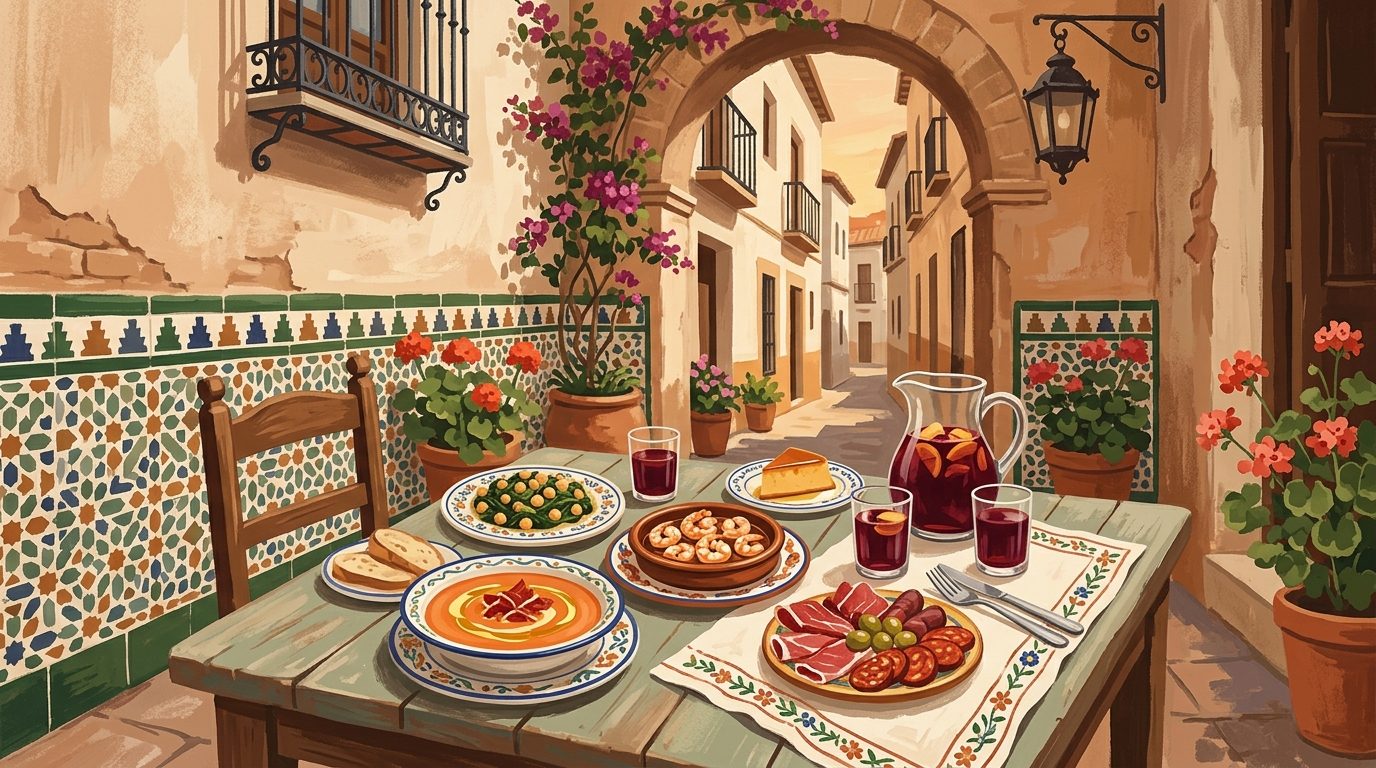
A Local’s Guide to Dining Across Andalucía’s Cities
From the salty sea-breeze chiringuitos of the Costa del Sol to the atmospheric sherry tabancos of Jerez, our guide navigates the distinct dining landscapes of Andalucía’s great cities.
6 min read
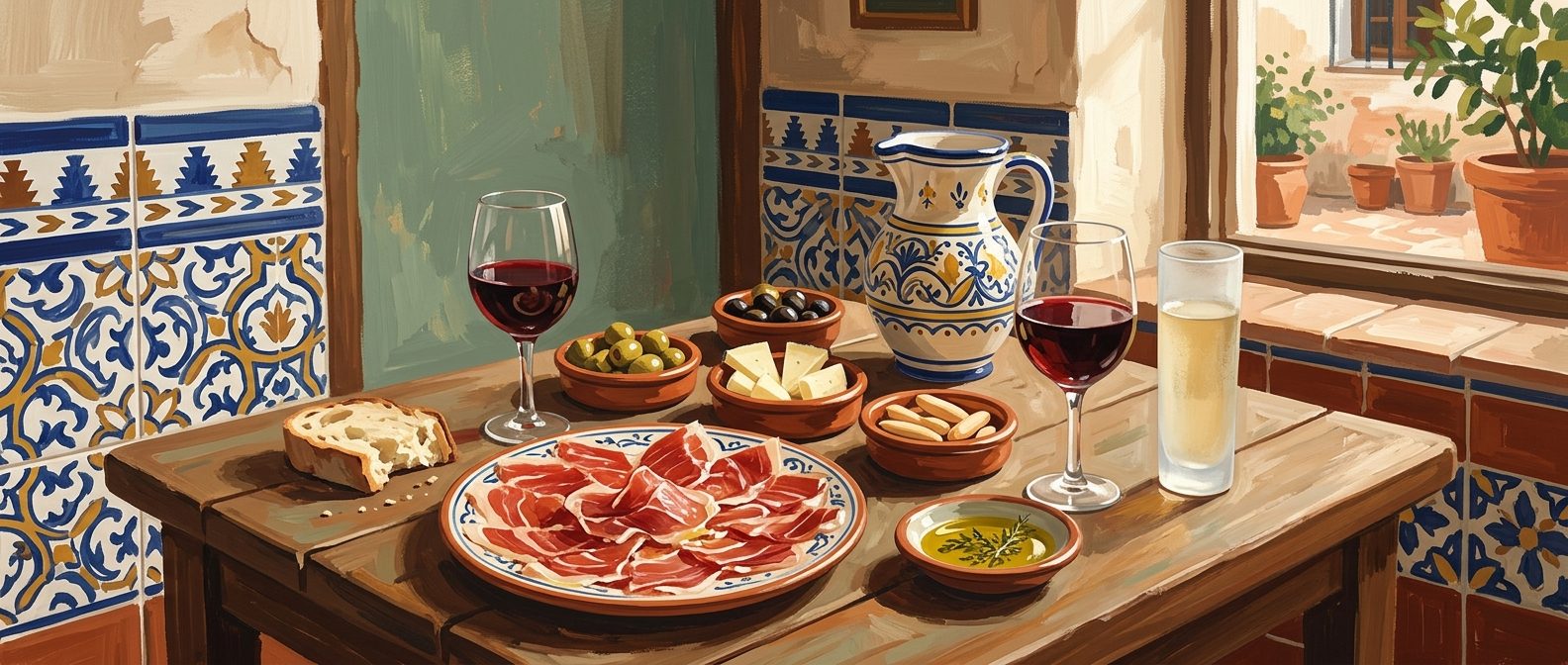
Jamón Ibérico: The Ultimate Guide to Andalucía’s Cured Gold
Discover the art of Jamón Ibérico, from the acorn-fed pastures of Jabugo to the high-altitude curing rooms of Trevélez. Learn how to decode the colour-coded labels and where to find the finest hand-carved plates in Andalucía.
6 min read

Language Guide for Andalucía: Communication Tips for Visitors and Expats
Mastering communication in Andalucía means understanding the local Andaluz dialect and knowing how to navigate Spanish bureaucracy. Discover essential phrases, regional quirks, and practical tips for daily life.
7 min read
More guides
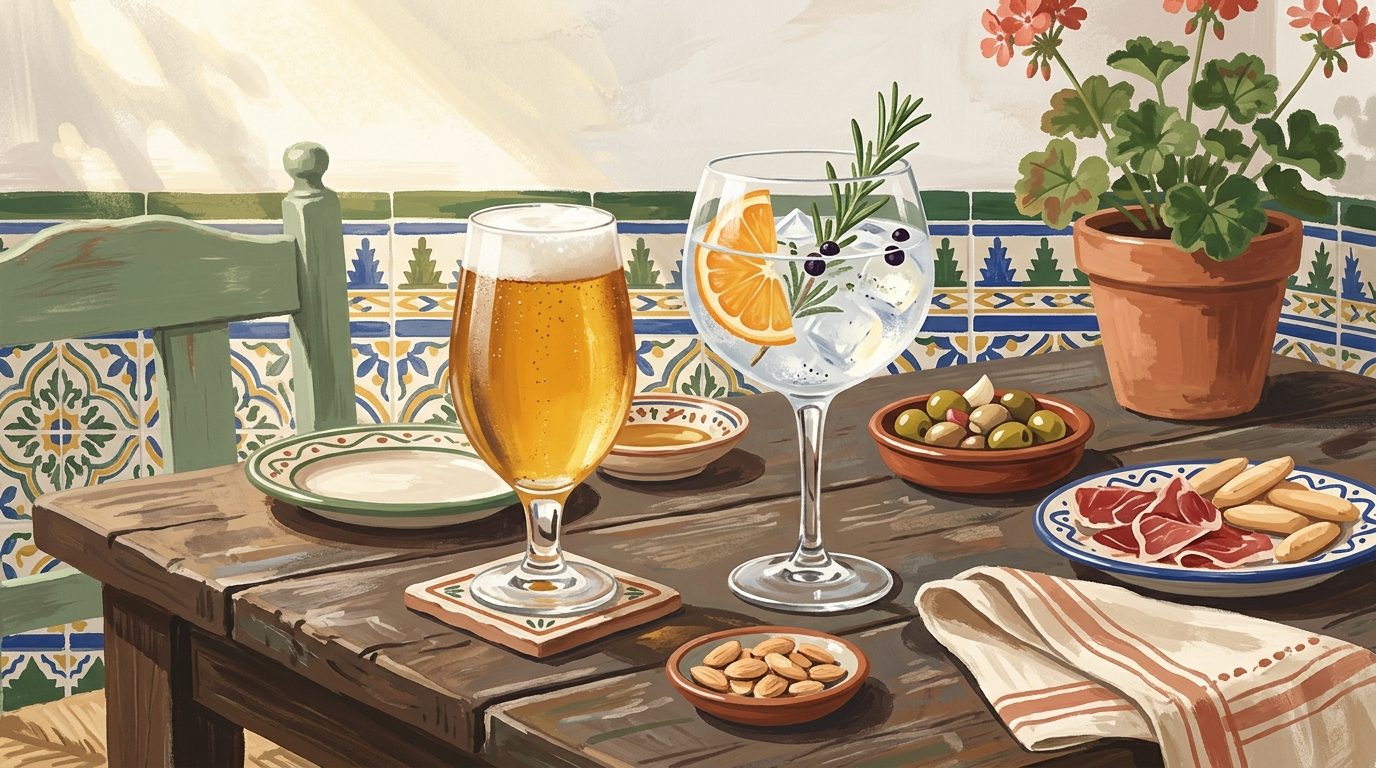
Beyond the Caña: The Rise of Craft Beer and Botanical Gin in Andalucía
Discover the artisanal side of Southern Spain, from the microbreweries of Málaga's Soho district to the sophisticated gin-tonic culture of Sevilla and Granada.
6 min read
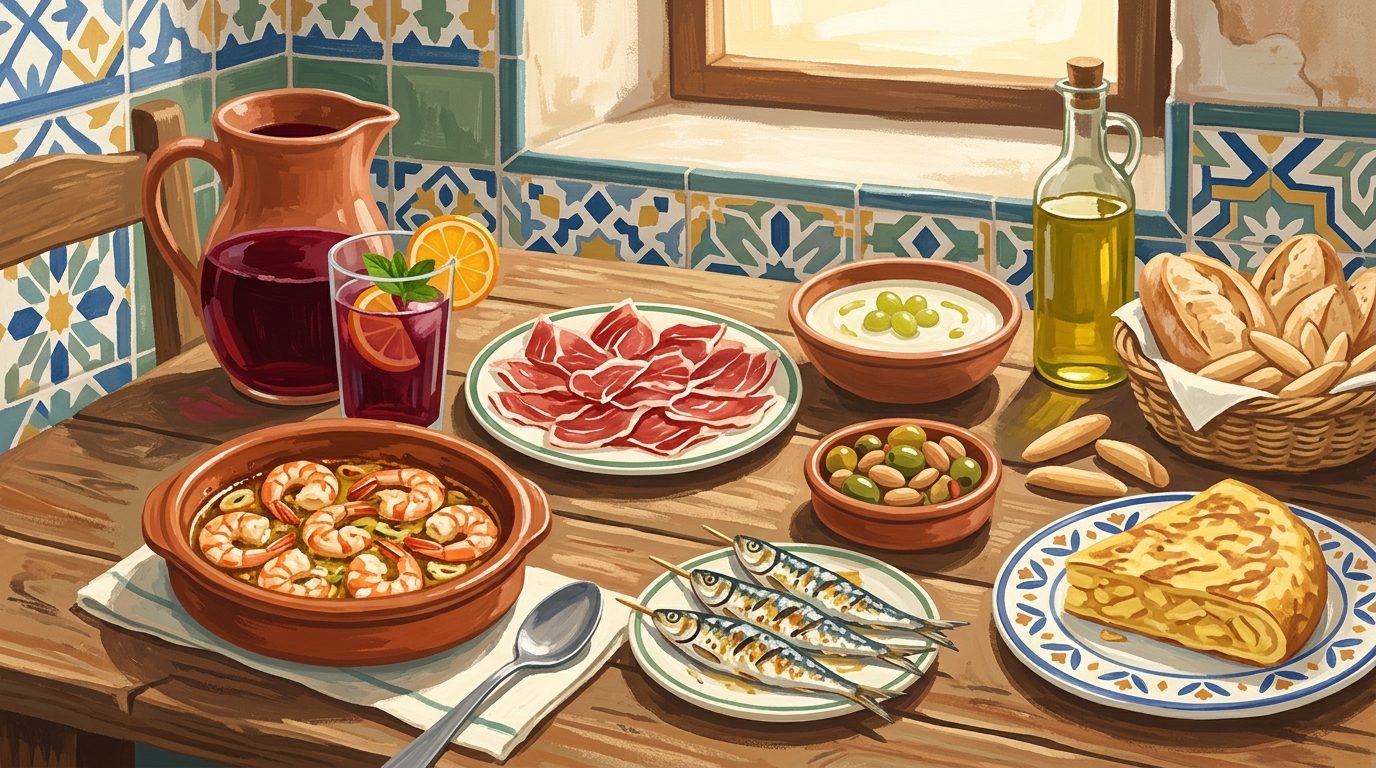
Where to Eat in Nerja: A Food Lover’s Guide to the Axarquía Coast
From wood-fired paella on the sands of Burriana to the crowded tapas bars of the old quarter, Nerja offers an authentic taste of the Málaga coastline.
6 min read
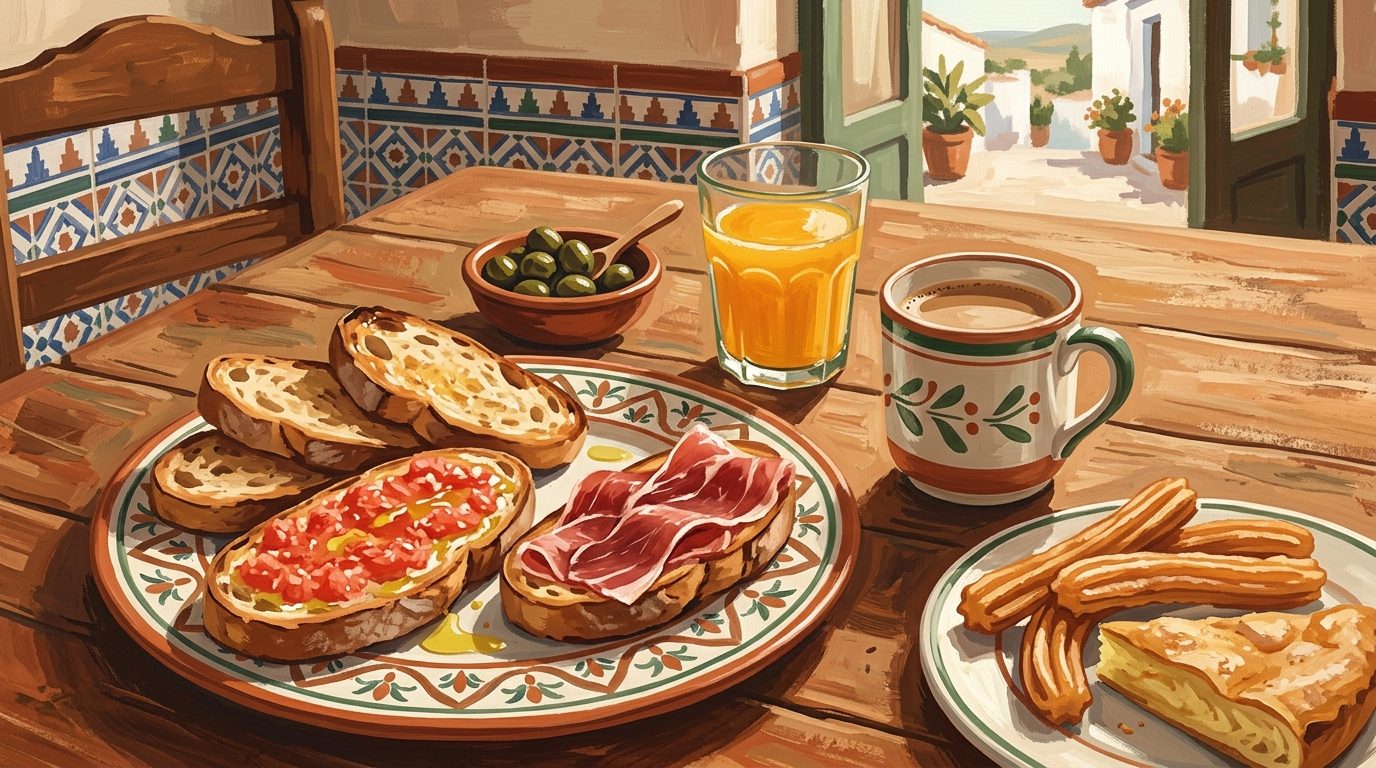
The Art of the Andalucían Breakfast and Merienda
To understand the soul of Andalucía, one must sit at a crowded bar at 10:00 am and wait for the scent of toasted bread and olive oil. It is a daily ritual that prioritises the simple pleasure of a slow morning over the rush of the working day.
6 min read
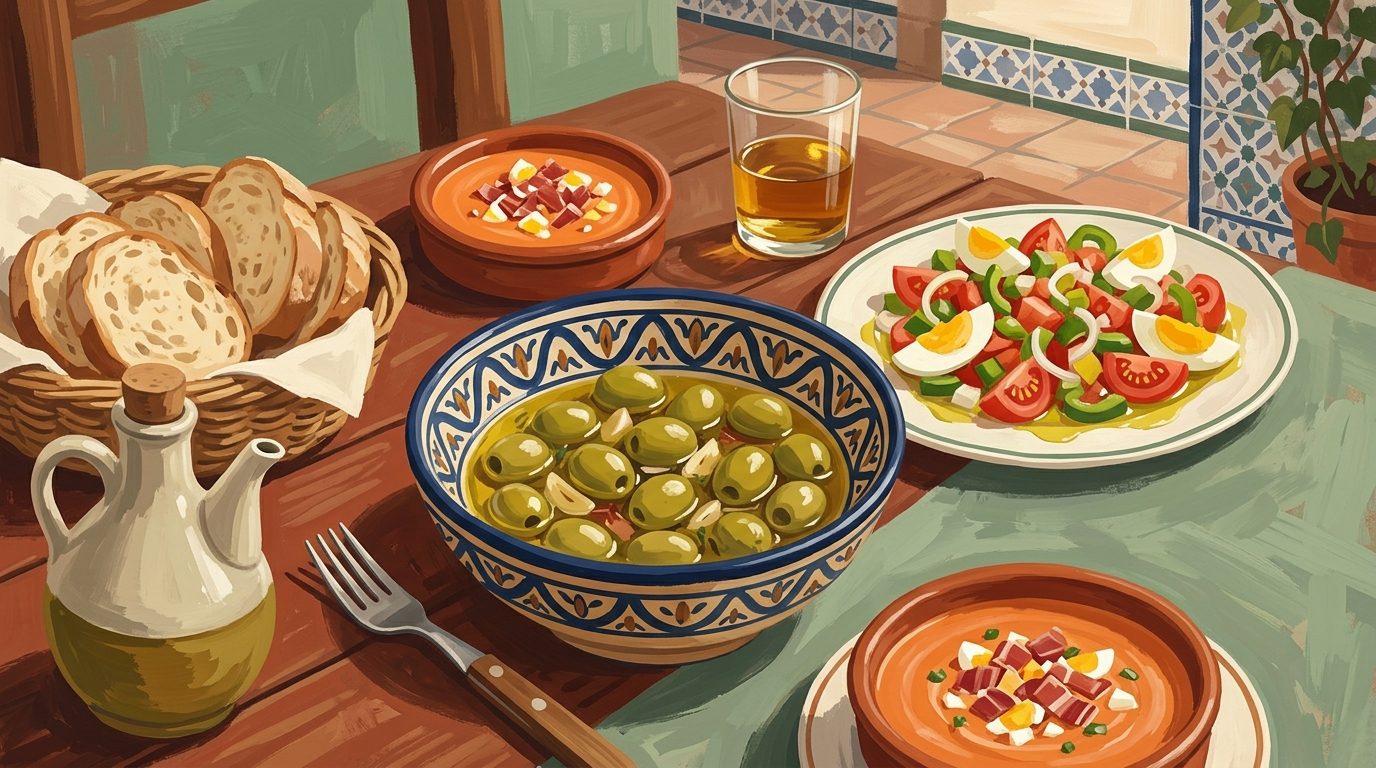
The Best Places to Eat in Jaén: A Guide to the World Capital of Olive Oil
Jaén remains one of the few places in Spain where the tradition of the free tapa is still treated with reverence. It is a city defined by its golden olive oil and a stubborn commitment to honest, seasonal cooking.
6 min read
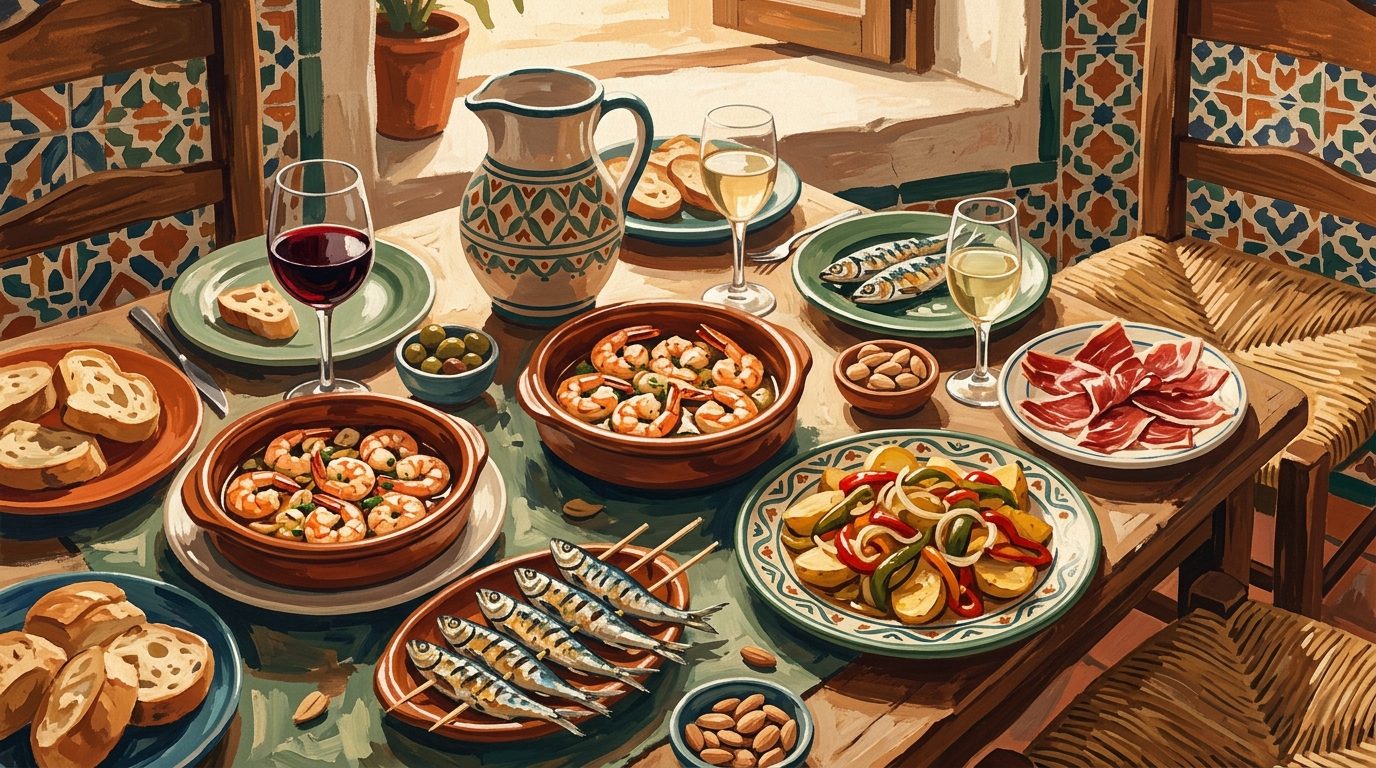
A Guide to Eating in Almería: Tapas, Seafood, and Desert Traditions
Discover the unique food culture of Almería, from the tradition of free-choice tapas to the legendary 'cherigan' toast and the freshest red prawns in the Mediterranean.
7 min read
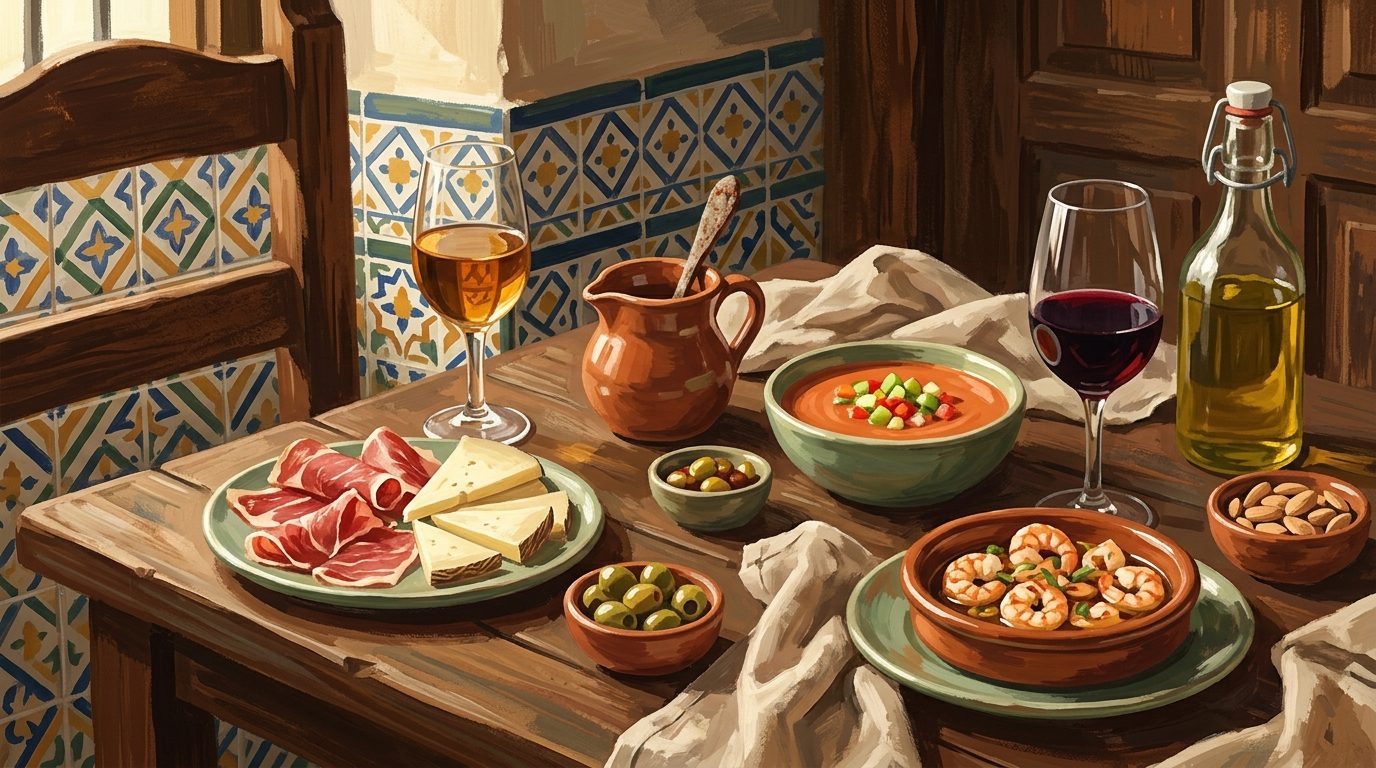
A Calendar of Flavour: The Best Food Festivals in Andalucía
From the smoky beach fires of Málaga to the prestigious ham auctions in Huelva, Andalucía’s food festivals offer a seat at the table of the region’s most authentic traditions.
7 min read
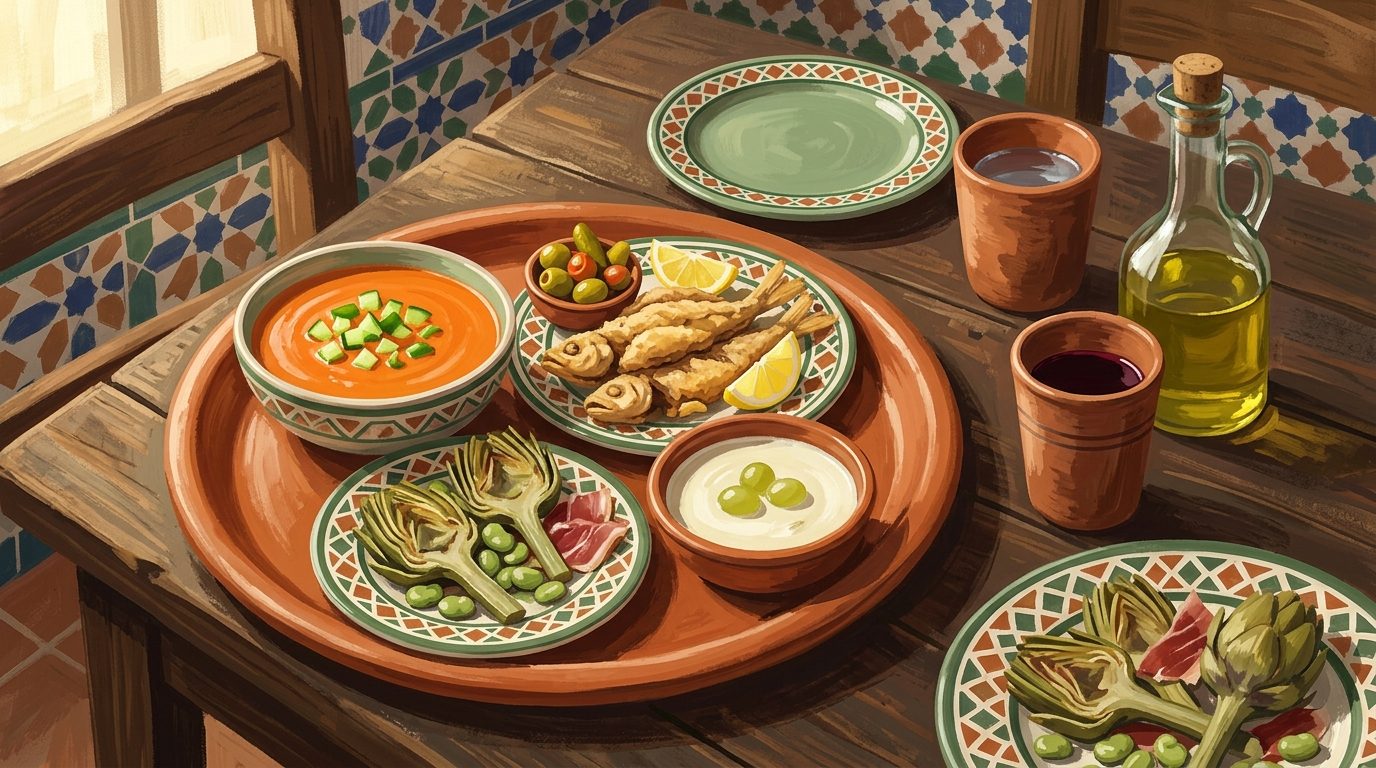
A Guide to Seasonal Eating in Andalucía
Discover the culinary calendar of Andalucía, from the sun-drenched tropical fruits of Granada to the smoky chestnut festivals of the Sierra mountains.
6 min read
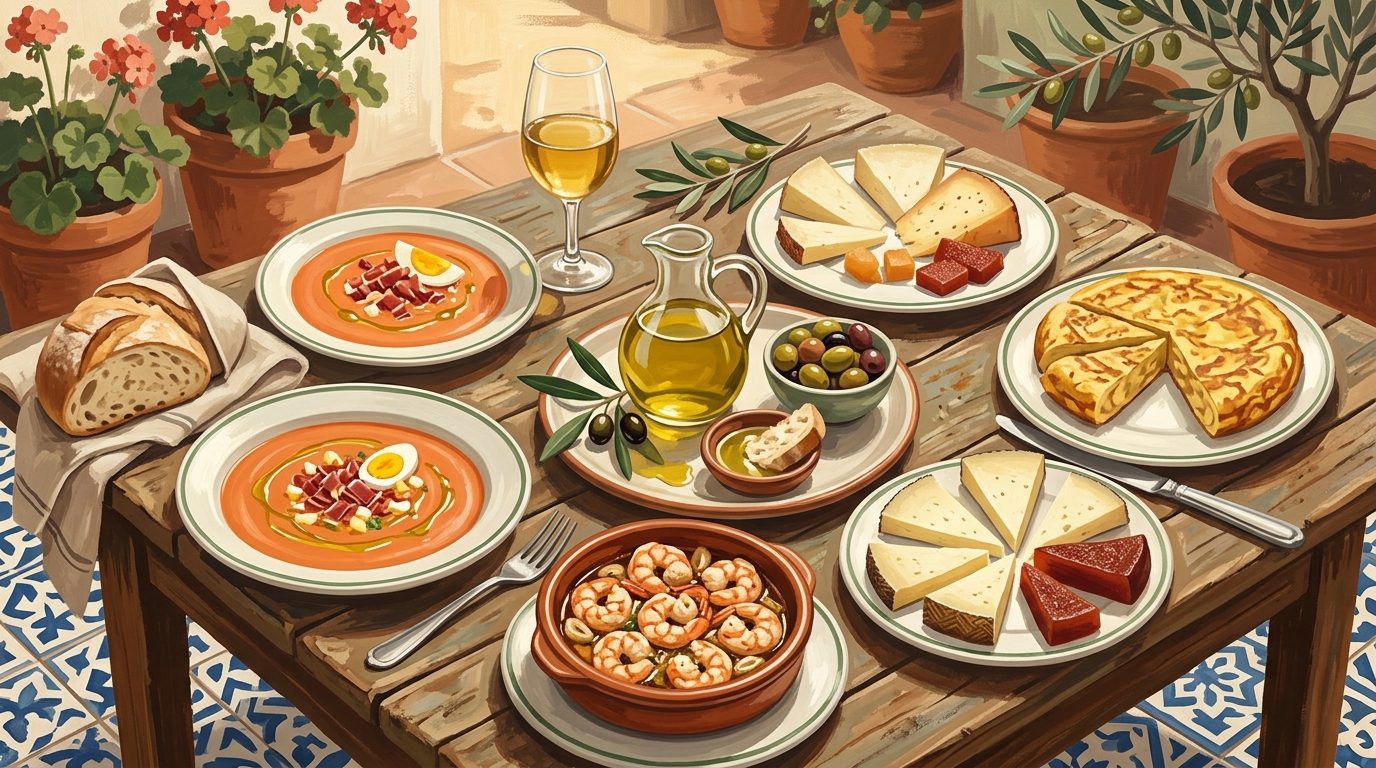
The Liquid Gold of Andalucía: A Deep Dive into the World’s Best Olive Oil
Discover the secrets of Andalucía's liquid gold, from the vast groves of Jaén to the art of the perfect breakfast tostada. This guide covers varieties, harvest secrets, and the best mills to visit.
6 min read
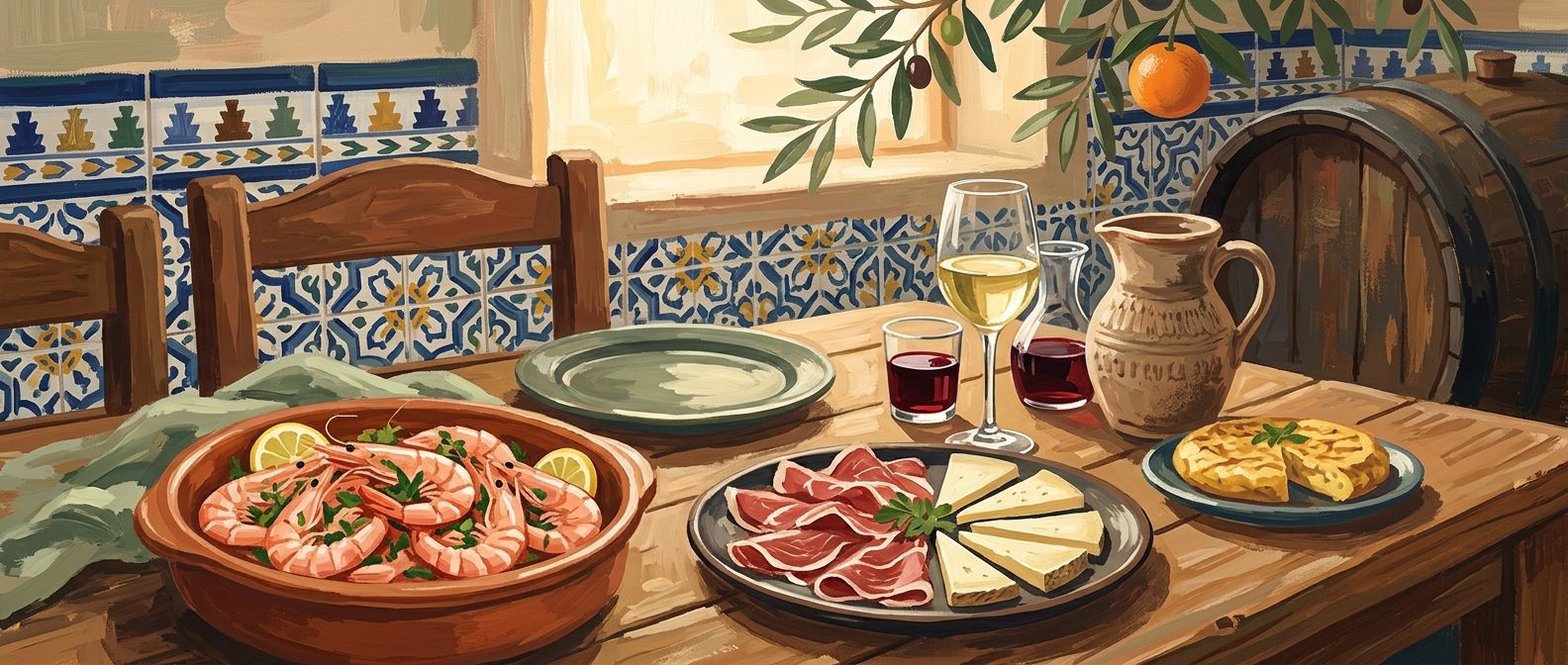
Where to Eat in Huelva: From Atlantic Prawns to the Heights of Jabugo
Discover the culinary secrets of Spain's southwestern corner, where the Atlantic's finest white prawns meet the world's best acorn-fed ham.
6 min read
Newsletter
More stories from Andalucía
Weekly notes, seasonal picks, and the next guides worth bookmarking.