
Food & drink
A Guide to the Wines and Sherries of Andalucía
Discover the bone-dry finos of Jerez and the bold high-altitude reds of Ronda in our comprehensive guide to Andalucían wine culture.
By Dan · Updated 7 June 2026 · 6 min read
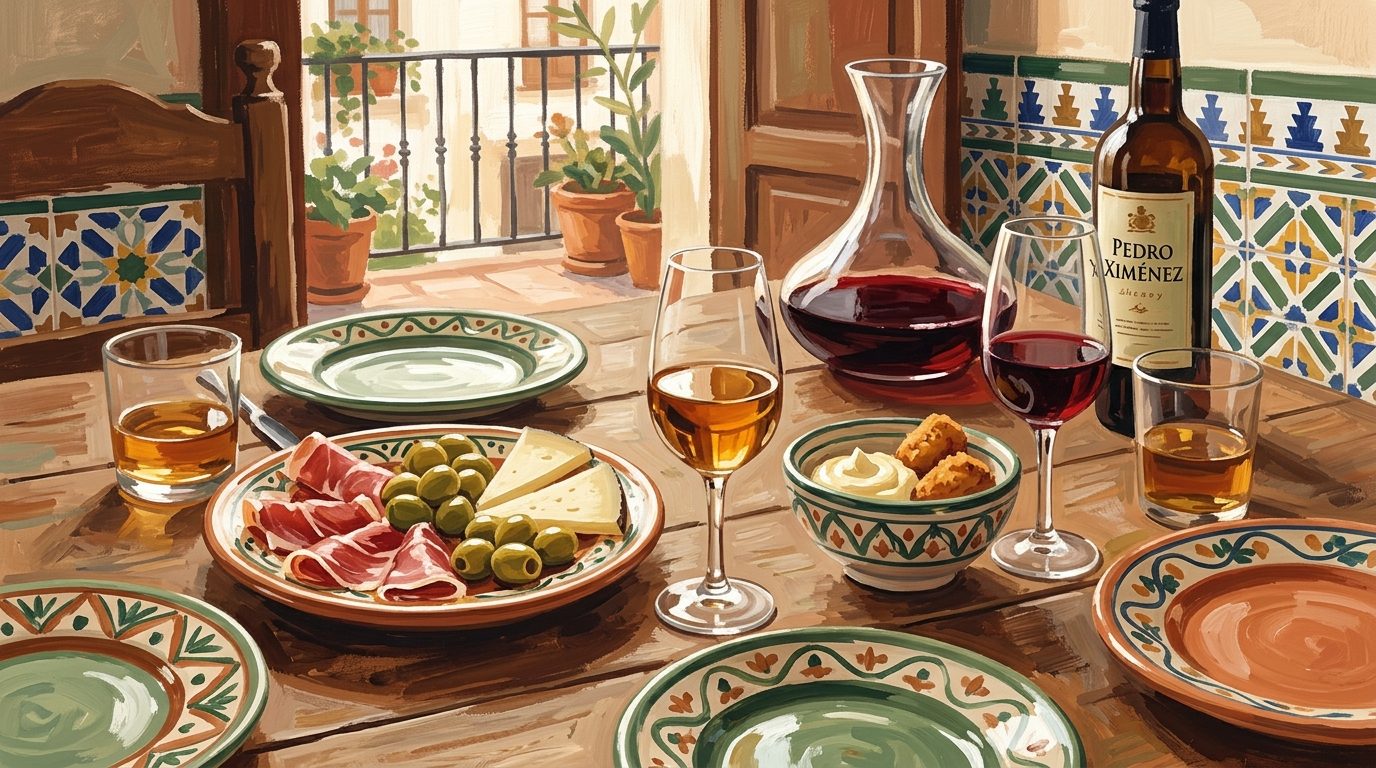
Forget the dusty bottle at the back of your grandmother’s cupboard; true Andalucían wine is a complex world of saline whites and deep, structural reds. From the biological ageing of the Sherry Triangle to the high-altitude vineyards of Ronda, this region offers some of the most distinctive pours in Europe.
To understand Andalucía, you must understand its relationship with the vine. In this corner of Southern Spain, wine is not merely a drink to be sipped at a dinner table; it is a cultural pillar, an architectural catalyst, and the lifeblood of the local feria (fair). The landscape here is dominated by the albariza, a blindingly white, chalky soil that retains moisture through the scorching summer months, providing the perfect conditions for the Palomino and Pedro Ximénez grapes.
While many visitors arrive expecting only sweet dessert wines, they are often surprised to find that the local preference leans heavily towards the bone-dry. The salinity of a Manzanilla from the coast or the sharp, almond notes of a Jerezano Fino are designed specifically to cut through the fat of jamón ibérico (Iberian ham) and the salt of fried seafood. This guide explores the diverse viticulture of the region, from the historic cathedrals of wine in the Sherry Triangle to the innovative producers reclaiming ancient Roman sites in the mountains.
The Sherry Triangle: Jerez, Sanlúcar, and El Puerto
The Marco de Jerez, or the Sherry Triangle, is defined by three towns: Jerez de la Frontera, Sanlúcar de Barrameda, and El Puerto de Santa María. This is the only place on earth where authentic Sherry (Vino de Jerez) can be produced. The magic lies in the velo de flor (veil of flower), a layer of living yeast that forms on top of the wine inside the bota (cask). This yeast protects the wine from oxygen and imparts a unique, savoury character.
Sherry styles are broadly categorised by their ageing process. Fino is the standard-bearer: pale, straw-coloured, and completely dry. It is aged biologically under the flor. If that same process happens in the seaside town of Sanlúcar de Barrameda, the wine is called Manzanilla. Due to the higher humidity and cooler maritime breeze, the flor grows thicker here, resulting in a lighter, saltier wine with distinct chamomile notes.
When the flor dies or is intentionally suppressed, the wine undergoes oxidative ageing. Oloroso is the result: a dark, amber wine with aromas of walnut and leather, yet still technically dry unless blended. Amontillado is the fascinating middle ground, starting its life as a Fino before the yeast layer dissipates, combining the sharp acidity of biological ageing with the nutty depth of oxidation. For something truly special, seek out a Palo Cortado, a rare style that occurs when a wine intended to be a Fino begins to age oxidatively by accident, offering the elegance of an Amontillado with the weight of an Oloroso.
Montilla-Moriles: The Untapped Frontier
Travel east into the province of Córdoba and you enter the D.O. (Designation of Origin) Montilla-Moriles. While the wines here look and taste remarkably similar to Sherry, there is a fundamental difference: the grape. Here, Pedro Ximénez (PX) is the primary variety. Because the summer heat in Córdoba is so intense, the grapes naturally reach a high sugar content, allowing the wines to hit 15% alcohol without the need for fortification (the addition of grape spirit).
The Fino of Montilla is often softer and more fruit-forward than its Jerezano cousin. However, the region is most famous for its sweet PX wines. These are made from grapes dried in the sun on mats (the asoleo process) until they become raisins. The resulting wine is thick, dark as mahogany, and tastes of liquid figs and molasses. Look for producers like Alvear, one of the oldest bodegas in Spain, which has been operating since 1729.
The High-Altitude Reds of Ronda
Away from the white soils of the lowlands, the Serranía de Ronda is carving out a reputation for exceptional still wines. At altitudes of up to 1,000 metres, the temperature fluctuations between day and night (diurnal shift) allow grapes to retain acidity while achieving full phenolic ripeness. This is not the land of Palomino; here, you will find Petit Verdot, Syrah, and Cabernet Sauvignon.
The winemaking in Ronda is often small-scale and artisanal. Many bodegas occupy historic sites, such as Descalzos Viejos, which is housed in a 16th-century Oratory with original frescoes still visible on the walls. The wines are structural and bold, reflecting the rugged limestone landscape. Unlike the solera-aged Sherries, these are vintage wines that speak clearly of the specific year's harvest.
Visiting the Cathedrals of Wine
A visit to an Andalucían bodega is an architectural experience. In Jerez, these buildings are often referred to as "cathedrals" because of their soaring arches, high ceilings, and thick walls designed to maintain a stable temperature and humidity for the sleeping casks. Walking through the aisles of González Byass or Lustau, the smell is intoxicating: a mix of damp earth, old oak, and the pungent, yeasty aroma of the flor.
When visiting, try to book a tour that includes a tasting of VOS (Very Old Sherry, aged over 20 years) or VORS (Very Old Rare Sherry, aged over 30 years). These wines are liquid history, concentrated by decades of evaporation in the wood. While the major houses offer polished tours, the smaller almacenistas (stockholders) provide a more intimate look at the trade, often led by the winemakers themselves.
Ordering Like a Local
In a local bar, you rarely ask for "Sherry". Instead, specify the style: "Una copa de Fino, por favor" or "Una Manzanilla". If you are in a group during a festival or at a terrace in the heat of the afternoon, order a Rebujito. This is a refreshing long drink made from Fino or Manzanilla mixed with lemon-lime soda, plenty of ice, and a sprig of fresh mint. It is the unofficial drink of the Sevilla and Jerez fairs.
Always ensure your Fino or Manzanilla is served ice-cold. If it arrives at room temperature, it has likely been sitting on a shelf too long. These wines should be treated like white wines: once opened, the bottle should be kept in the fridge and consumed within a few days to maintain its characteristic zing. For food pairings, remember the local adage: "If it swims, drink Manzanilla; if it runs, drink Amontillado; if it flies, drink Oloroso."
Where to Find the Best
Jerez de la Frontera
- Tabanco El Pasaje: A traditional tabanco (wine bar) where wine is served directly from the cask. It is loud, unpretentious, and often features spontaneous flamenco (check on the operator's website before travelling). €
- La Carboná: Set in a cavernous former bodega, this restaurant specialises in "Sherry cooking," where every dish is either prepared with or paired specifically to a certain pour. €€€
Sanlúcar de Barrameda
- Casa Bigote: Located in the Bajo de Guía district overlooking the Doñana National Park, this is the spiritual home of Manzanilla and langostinos (king prawns). €€
- Taberna Der Guerrita: Behind a modest bar front lies one of the most important tasting rooms in Spain. Their wine list is encyclopaedic. €€
Ronda
- Bodega Doña Felisa: Producers of the "Chinchilla" labels, this family-run estate offers excellent tours focusing on modern viticulture in the mountains. €€
- Entre Vinos: A small, expertly curated wine bar in the centre of Ronda that focuses heavily on local Serranía labels. €
Córdoba & Montilla
- Taberna San Miguel 'El Pisto': A historic tavern in Córdoba filled with bullfighting memorabilia. Excellent for sampling Montilla-Moriles wines alongside rabo de toro (oxtail stew). €€
- Bodegas Alvear (Montilla): Book a tour here to see the monumental tinajas (clay fermentation jars) and taste some of the finest PX in the world. €€
Last reviewed: 21 June 2026 · Editorial policy
Related guides
The Art of the Tapeo: A Local Guide to Tapas Culture in Andalucía
Discover the unwritten rules of the Andalucían tapeo, from the legendary free tapas of Granada to the historic tabernas of Sevilla.
6 min read
Uncorking Andalucía's Soul: A Journey Through the Sherry Triangle
Discover the rich traditions of Andalucía's Sherry Triangle, a captivating region where history, culture, and world-renowned sherry wine intertwine across Jerez, Sanlúcar, and El Puerto.
6 min read
Exploring the Living Traditions of Andalucía
Discover the deep-rooted traditions of southern Spain, from the intensity of authentic flamenco to the centuries-old secrets of sherry production.
6 min read
The Ghost in the Garden: Searching for the Al-Andalus Within
Eight centuries of Al-Andalus did not vanish in 1492; they simply moved indoors, into the kitchens, and onto the tip of the tongue.
7 min read
How to Make Authentic Andalucían Sangría
While often misunderstood as a simple tourist drink, a proper Andalucían Sangría is a balanced, sophisticated punch. Learn the ratios of wine, brandy, and fresh fruit used in southern Spain.
3 min read
Sherry and the Bodegas: The 19th-Century Anglo-Andalucían Wine Trade
The fortified wines of Jerez reshaped western Andalucía. British merchants and local vineyard owners forged an industrial alliance that built enormous cellars and transformed global drinking habits.
7 min read
More guides
Beyond the Caña: The Rise of Craft Beer and Botanical Gin in Andalucía
Discover the artisanal side of Southern Spain, from the microbreweries of Málaga's Soho district to the sophisticated gin-tonic culture of Sevilla and Granada.
6 min read
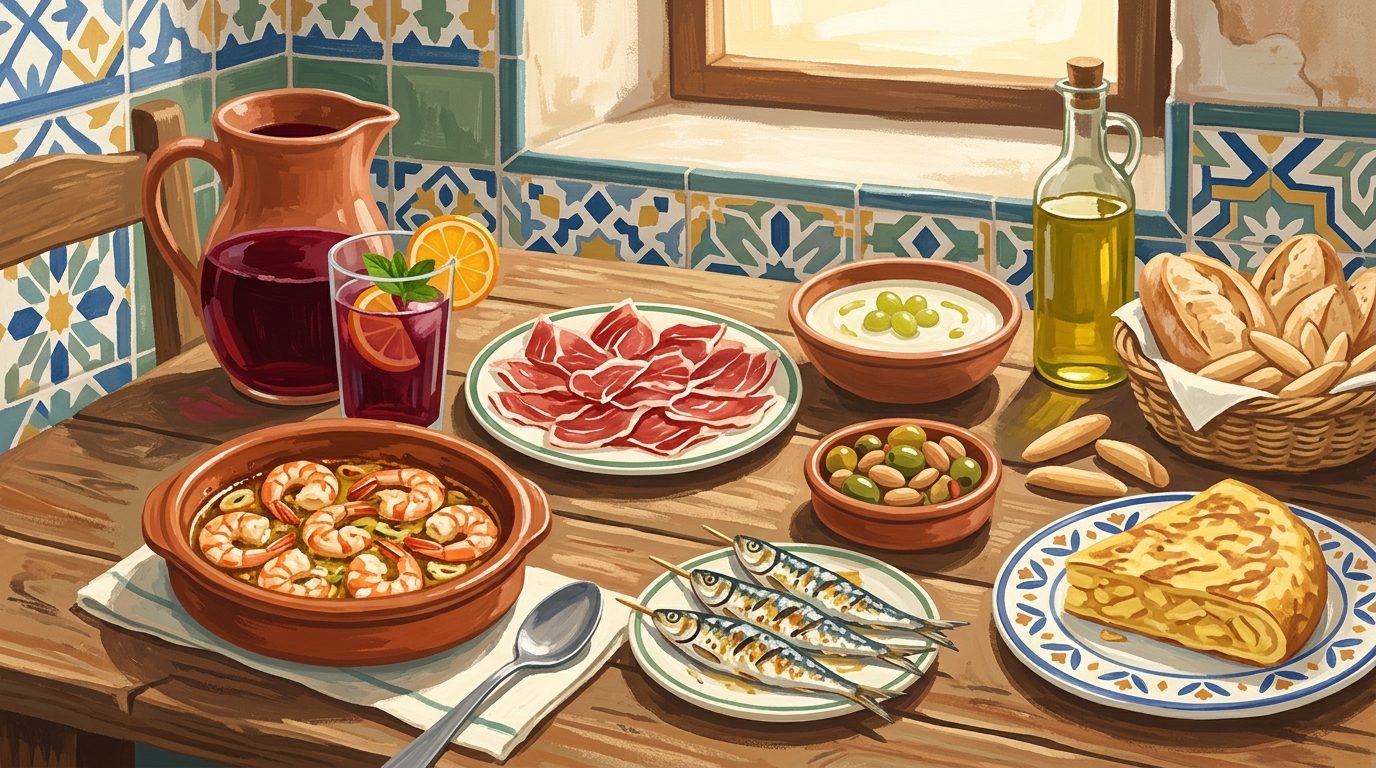
Where to Eat in Nerja: A Food Lover’s Guide to the Axarquía Coast
From wood-fired paella on the sands of Burriana to the crowded tapas bars of the old quarter, Nerja offers an authentic taste of the Málaga coastline.
6 min read
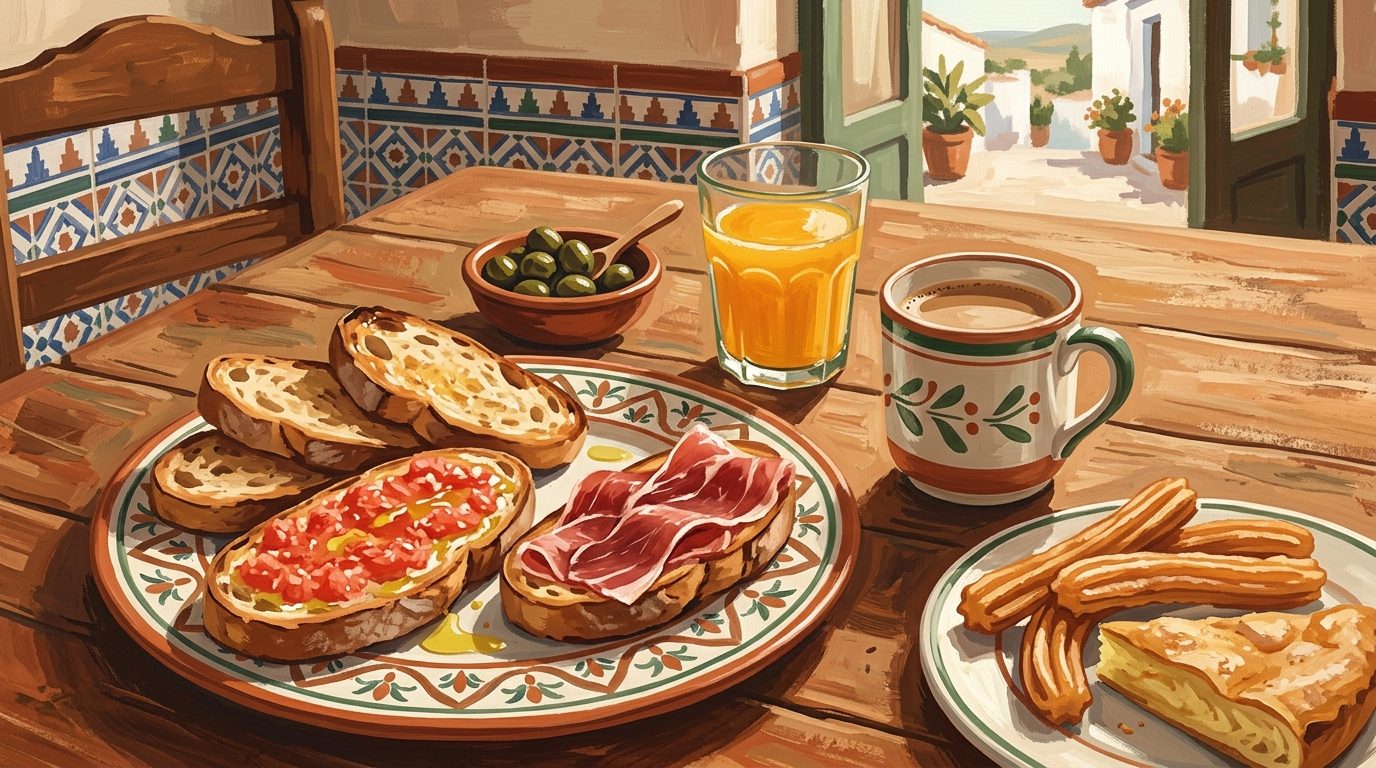
The Art of the Andalucían Breakfast and Merienda
To understand the soul of Andalucía, one must sit at a crowded bar at 10:00 am and wait for the scent of toasted bread and olive oil. It is a daily ritual that prioritises the simple pleasure of a slow morning over the rush of the working day.
6 min read
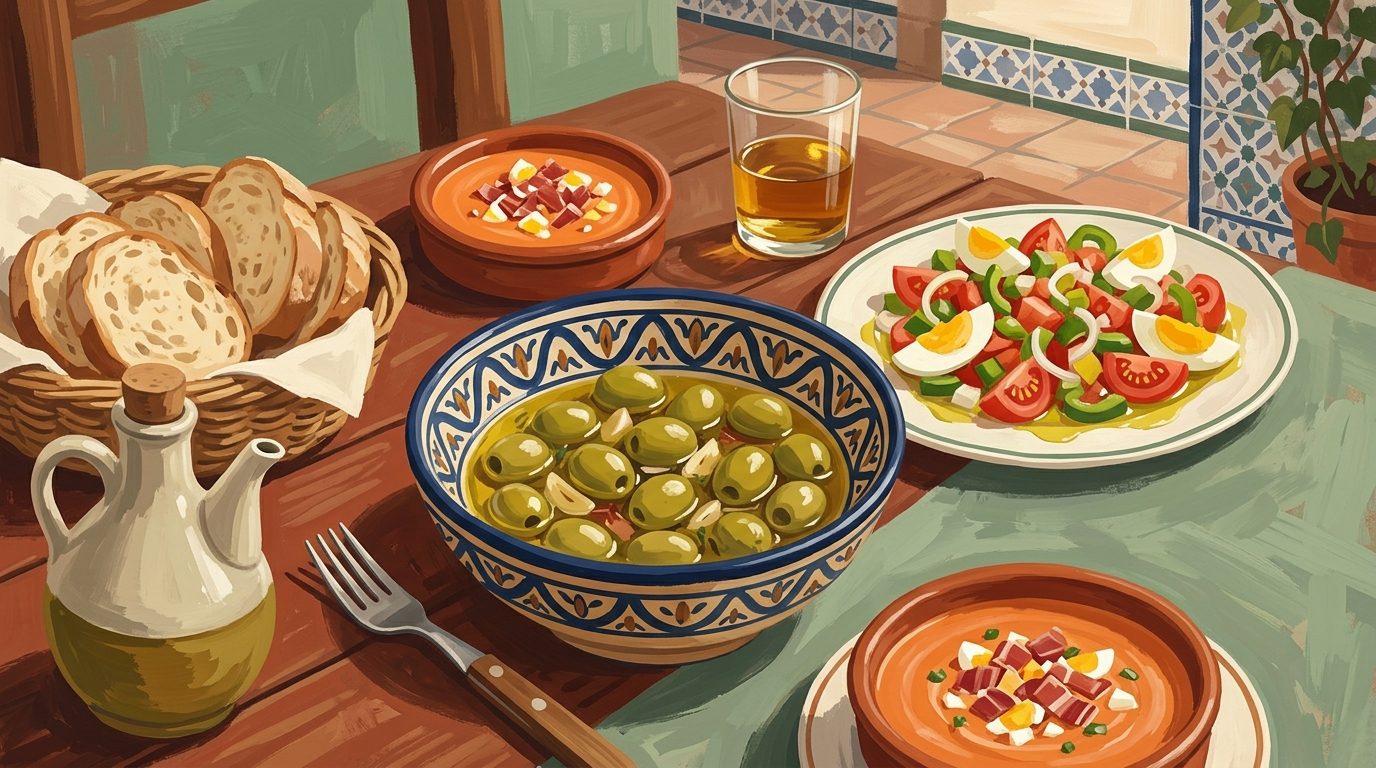
The Best Places to Eat in Jaén: A Guide to the World Capital of Olive Oil
Jaén remains one of the few places in Spain where the tradition of the free tapa is still treated with reverence. It is a city defined by its golden olive oil and a stubborn commitment to honest, seasonal cooking.
6 min read
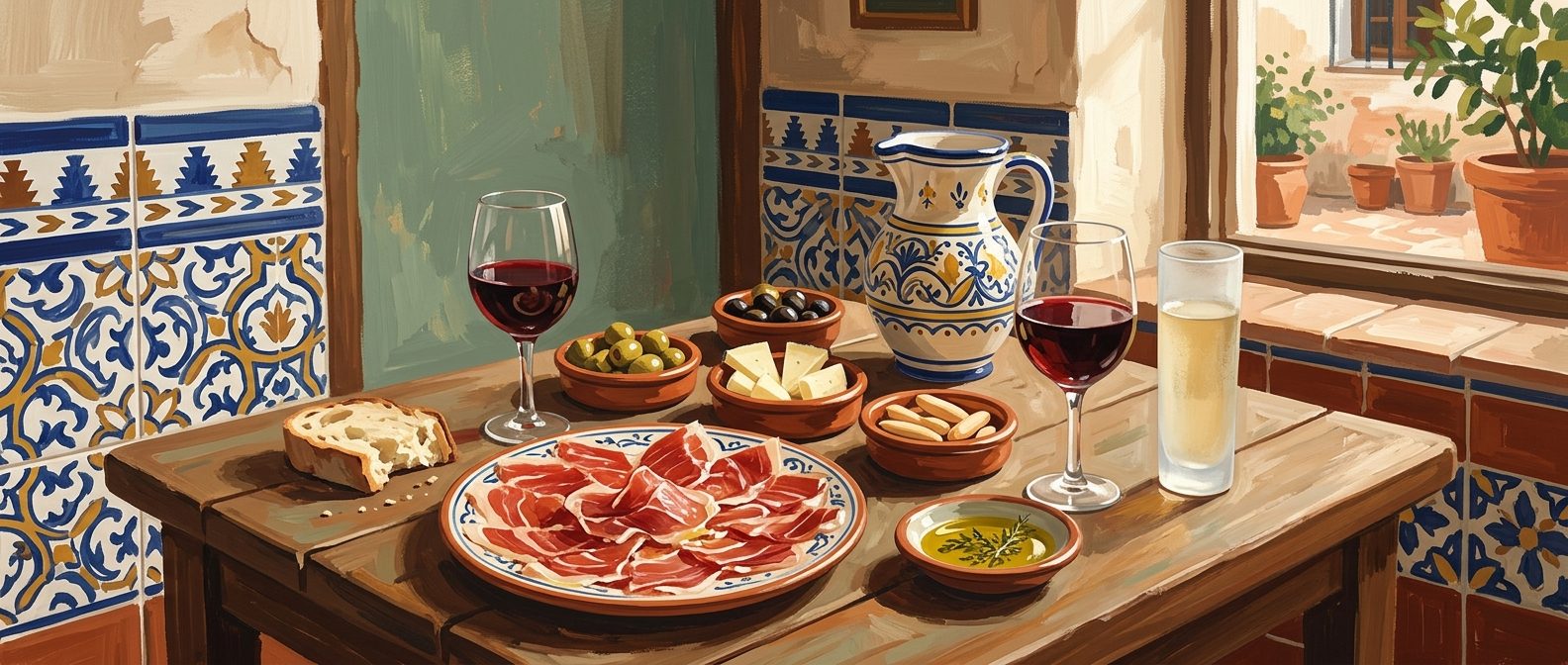
Jamón Ibérico: The Ultimate Guide to Andalucía’s Cured Gold
Discover the art of Jamón Ibérico, from the acorn-fed pastures of Jabugo to the high-altitude curing rooms of Trevélez. Learn how to decode the colour-coded labels and where to find the finest hand-carved plates in Andalucía.
6 min read
A Guide to Eating in Almería: Tapas, Seafood, and Desert Traditions
Discover the unique food culture of Almería, from the tradition of free-choice tapas to the legendary 'cherigan' toast and the freshest red prawns in the Mediterranean.
7 min read
A Calendar of Flavour: The Best Food Festivals in Andalucía
From the smoky beach fires of Málaga to the prestigious ham auctions in Huelva, Andalucía’s food festivals offer a seat at the table of the region’s most authentic traditions.
7 min read
A Guide to Seasonal Eating in Andalucía
Discover the culinary calendar of Andalucía, from the sun-drenched tropical fruits of Granada to the smoky chestnut festivals of the Sierra mountains.
6 min read
The Liquid Gold of Andalucía: A Deep Dive into the World’s Best Olive Oil
Discover the secrets of Andalucía's liquid gold, from the vast groves of Jaén to the art of the perfect breakfast tostada. This guide covers varieties, harvest secrets, and the best mills to visit.
6 min read
Newsletter
More stories from Andalucía
Weekly notes, seasonal picks, and the next guides worth bookmarking.