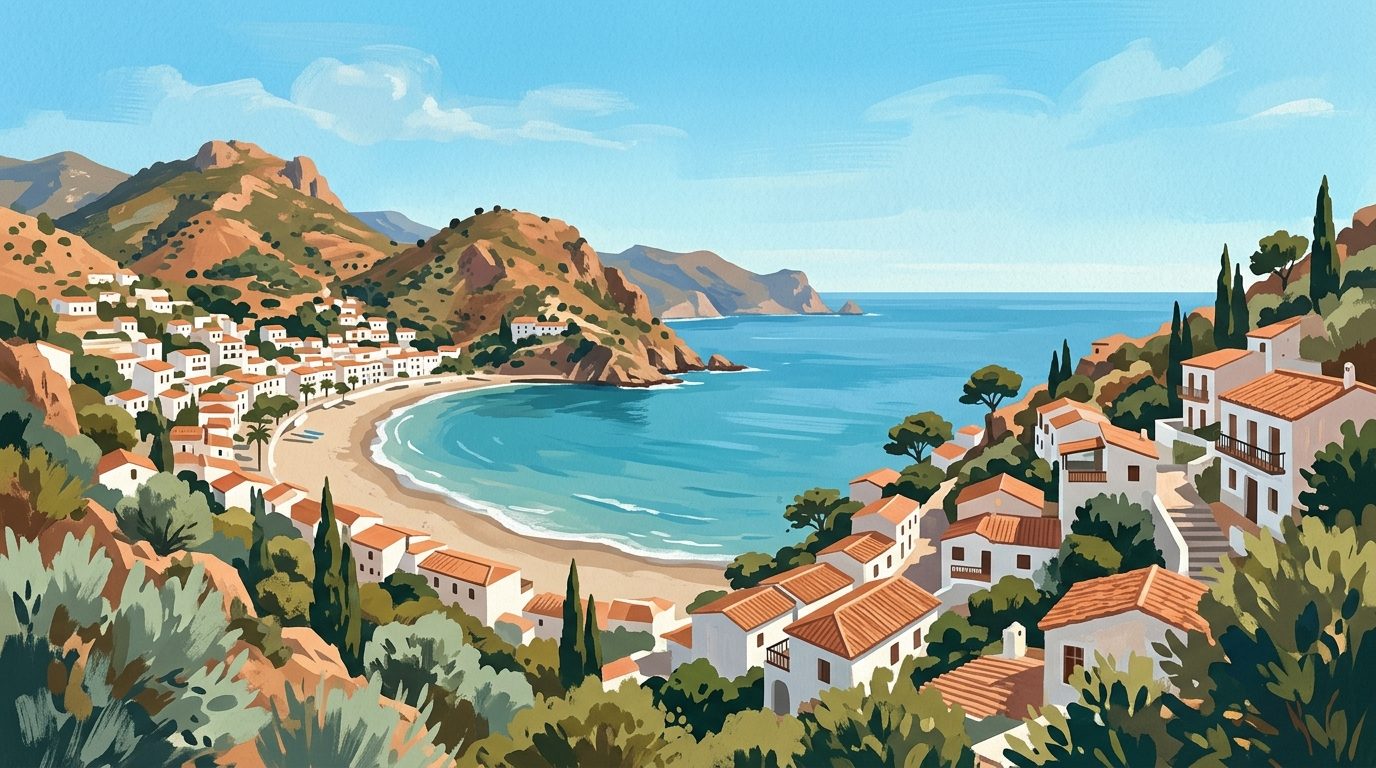
La Herradura is defined by its remarkable geography, a deep Mediterranean bay shaped like a horseshoe that provides shelter from the prevailing winds. It remains one of the few places on the Costa Tropical where the landscape of steep cliffs and clear water takes precedence over high-rise development.
La Herradura occupies a unique position on the Costa Tropical of Granada. While much of the neighbouring Costa del Sol has been transformed by urban sprawl, this village and its bay have maintained a distinct character. The name, which translates to 'The Horseshoe', describes the two-kilometre curve of dark sand and shingle that sits between the headlands of Punta de la Mona and Cerro Gordo. It is a place where the mountains of the Sierra Nevada foothills practically tumble into the sea, creating a microclimate that keeps winters mild and summers manageable.
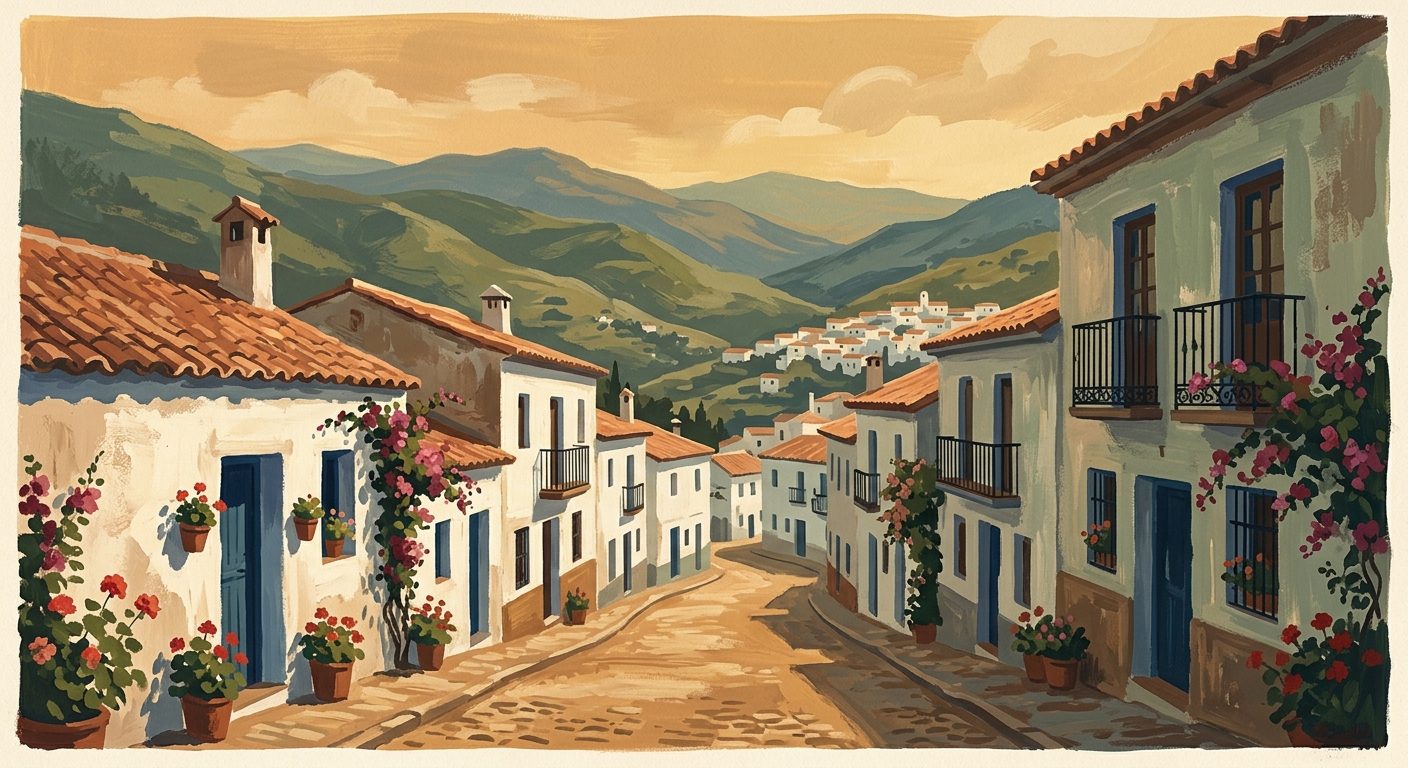
The village itself clings to the eastern side of the bay, a collection of white-walled houses and narrow streets that lead down to a wide promenade. It is less about frantic sightseeing and more about the rhythm of the Mediterranean. Visitors come here for the quality of the water, the freshness of the seafood, and the opportunity to explore the Maro-Cerro Gordo Natural Area. The atmosphere is consistently relaxed and unpretentious.
What to See & Do
The Main Bay and Beach Activities
The beach at La Herradura is the focal point of the village. Unlike the fine white sands of Cádiz, the beach here is composed of a mix of pebbles and dark Mediterranean sand. This is a practical advantage, as the water remains exceptionally clear, making it a favourite for swimmers. The promenade runs the full length of the bay, lined with chiringuitos (beach bars) that serve as the social heart of the community. During the summer months, the water is dotted with paddleboards and kayaks, which can be rented from several points along the shore. For those who prefer a quieter experience, walking to the western end of the bay towards the Cerro Gordo cliffs offers more seclusion away from the main village centre.
Diving and Snorkelling
La Herradura is arguably the premier destination for scuba diving in mainland Spain. The bay is protected from the Levante winds by the surrounding headlands, ensuring calm conditions for much of the year. Beneath the surface, the Paraje Natural de los Acantilados de Maro-Cerro Gordo protects a vast array of marine life. Divers frequently encounter octopuses, conger eels, groupers, and the rare Mediterranean coral. There are numerous dive centres located within the village, such as Buceo La Herradura and Marina Dive, offering everything from 'discover scuba' sessions for beginners to advanced wreck and cave dives. Even for those who prefer to stay on the surface, snorkelling around the rocky outcrops at either end of the bay reveals a surprising density of colourful fish and anemones.
Cerro Gordo Cliffs and Watchtower
The western headland, Cerro Gordo, marks the boundary between the provinces of Granada and Málaga. This protected natural area is crisscrossed with hiking trails that offer panoramic views of the coast. At the highest point sits the Torre de Cerro Gordo, a 16th-century watchtower built to alert the population of impending pirate raids. The walk up to the tower is steep but manageable, providing a perspective of the horseshoe shape of the bay that you cannot appreciate from sea level. The cliffs here drop vertically into the sea, creating a dramatic backdrop that is particularly striking at sunset. To the west of this headland lies Playa Cantarriján, a secluded naturist beach accessible via a shuttle bus (operating now through early September).
The 1562 Naval Disaster
La Herradura holds a significant place in Spanish maritime history, though for tragic reasons. In October 1562, twenty-five galleys of the Spanish Armada sought refuge in the bay during a fierce storm. However, the wind shifted unexpectedly, driving twenty-two of the ships onto the rocks. Approximately 5,000 people perished in the disaster. Today, a monument on the promenade commemorates the event, and the site remains a point of interest for underwater archaeologists. Miguel de Cervantes even referenced the tragedy in Don Quixote, ensuring the event remained in the national consciousness.
Marina del Este
Located on the eastern side of the Punta de la Mona headland, Marina del Este is a sophisticated harbour built into the rocky coastline. It is separate from the main village and has a more exclusive feel, with yachts moored alongside upscale cafes and boutiques. Even if you aren't a sailor, it is a pleasant place for a stroll. The marina is also a popular starting point for boat charters and dolphin-watching excursions. Small, rocky coves like Playa Berengueles are situated right next to the marina, offering some of the clearest water in the region for a quick dip.
Practical Information
How to Get There
La Herradura is approximately 80 kilometres east of Málaga and 80 kilometres south of Granada. From Málaga, the A-7 motorway (Autovía del Mediterráneo) provides a direct route; take the exit for La Herradura/Almuñécar Oeste. If you are travelling from Granada, the A-44 connects to the A-7. For those using public transport, the ALSA bus company runs several services daily from Málaga and Granada. The journey from Málaga bus station takes roughly 1 hour and 30 minutes, with tickets costing approximately €8 to €10 each way (check on the operator's website before travelling).
Parking
During the peak summer months of July and August, parking in the village centre can be extremely difficult. There is a blue zone (paid parking) along the promenade which is strictly enforced. If you arrive early, you may find spaces in the residential streets behind the main front. In the low season, parking is generally plentiful and often free outside the immediate beach strip.
Activities and Costs
Diving prices vary depending on the package, but a single boat dive with equipment rental typically costs between €50 and €65 (check on the operator's website before travelling). A 'baptism' dive for beginners usually starts at around €75. Kayak rentals on the beach generally cost €15 to €20 per hour for a double kayak. Access to the Cerro Gordo Natural Area is free, though the shuttle bus down to Cantarriján beach (operating now through September) costs approximately €3 for a return trip (check on the operator's website before travelling).
Where to Eat Nearby
For a traditional experience, Chiringuito La Sardina at the western end of the beach is a local favourite. They specialise in espetos (sardines skewered and grilled over an open olive-wood fire) and fresh octopus. In the village, Restaurante El Capricho offers a more refined setting with a focus on locally caught fish such as lubina (sea bass) and dorada (sea bream) baked in salt. For those seeking something more contemporary, La Cochera provides a creative take on Mediterranean staples, with excellent terrace seating that provides views across the bay. Expect to pay €25 to €40 per person for a full meal with wine.
Where to Stay
Accommodation in La Herradura ranges from traditional family-run hostals to modern apartments. Hotel Best Alcázar is a large resort-style hotel located near Marina del Este, offering extensive facilities including swimming pools and a spa. Within the village, La Caleta Bay offers a more boutique experience with stylish rooms directly overlooking the beach. For a more authentic stay, many visitors opt for holiday rentals in the Punta de la Mona area, which provide some of the most impressive views of the Mediterranean coastline.