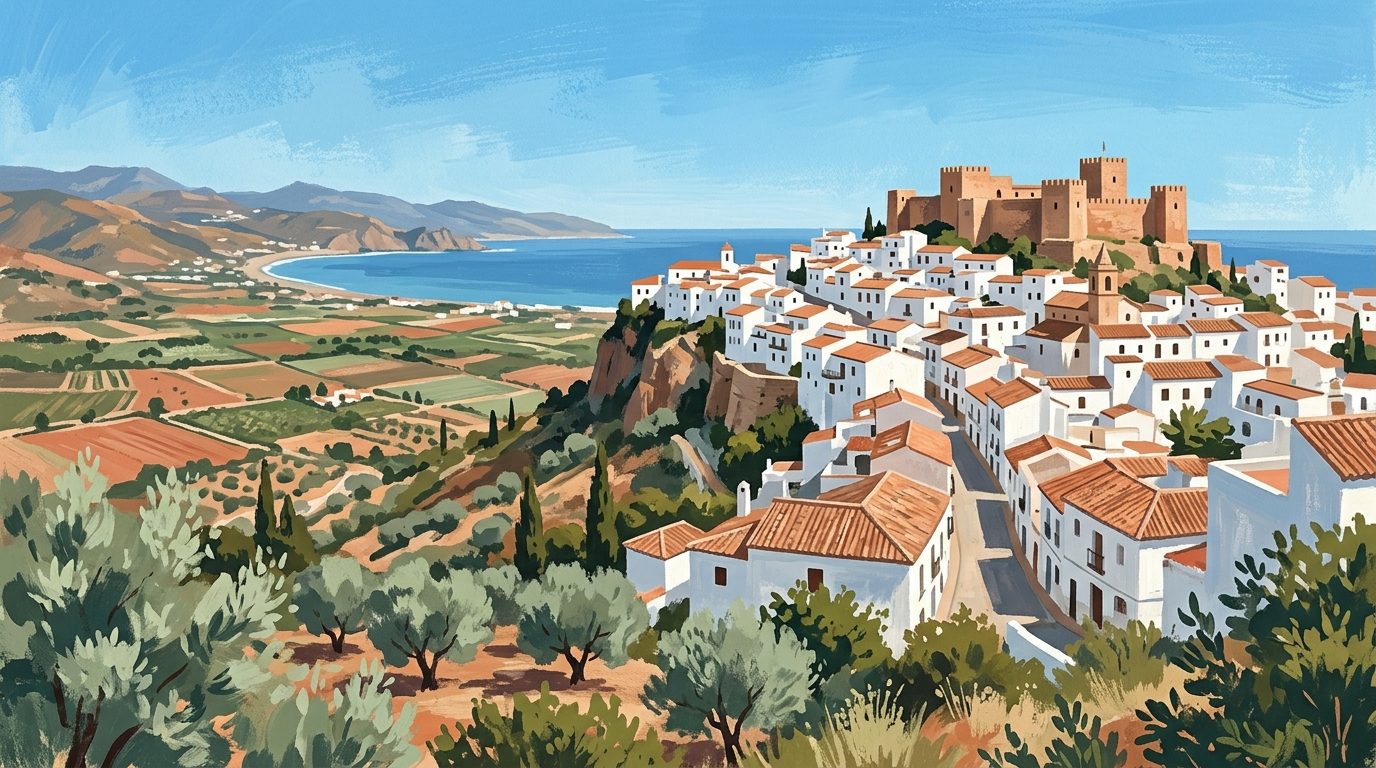
Salobreña is a striking white town crowning a rocky crag on Granada’s subtropical coast. It offers a distinct blend of Moorish history and agricultural legacy, surrounded by a sea of green sugar cane fields and the Mediterranean.
Approaching Salobreña from the main N-340 coast road provides one of the most iconic views in Andalucía. A sheer limestone rock rises abruptly from a fertile plain, its summit capped by a formidable fortress and its flanks draped in whitewashed houses. This is the heart of the Costa Tropical, a stretch of coastline in the Granada province that enjoys a unique microclimate where average daytime temperatures hover around 18°C even in winter, allowing for the cultivation of chirimoyas, avocados, and mangoes.
For centuries, this landscape was defined by sugar cane. Salobreña was the site of the last working sugar factory in Europe, which only closed its doors in 2006. Today, the town manages a delicate balance between its agricultural roots, its deep Moorish past, and its role as a relaxed seaside destination. Unlike some of its more developed neighbours on the Costa del Sol, Salobreña retains a quiet, local character that rewards those willing to climb its steep, winding alleys.
What to See & Do
The Castillo de Salobreña
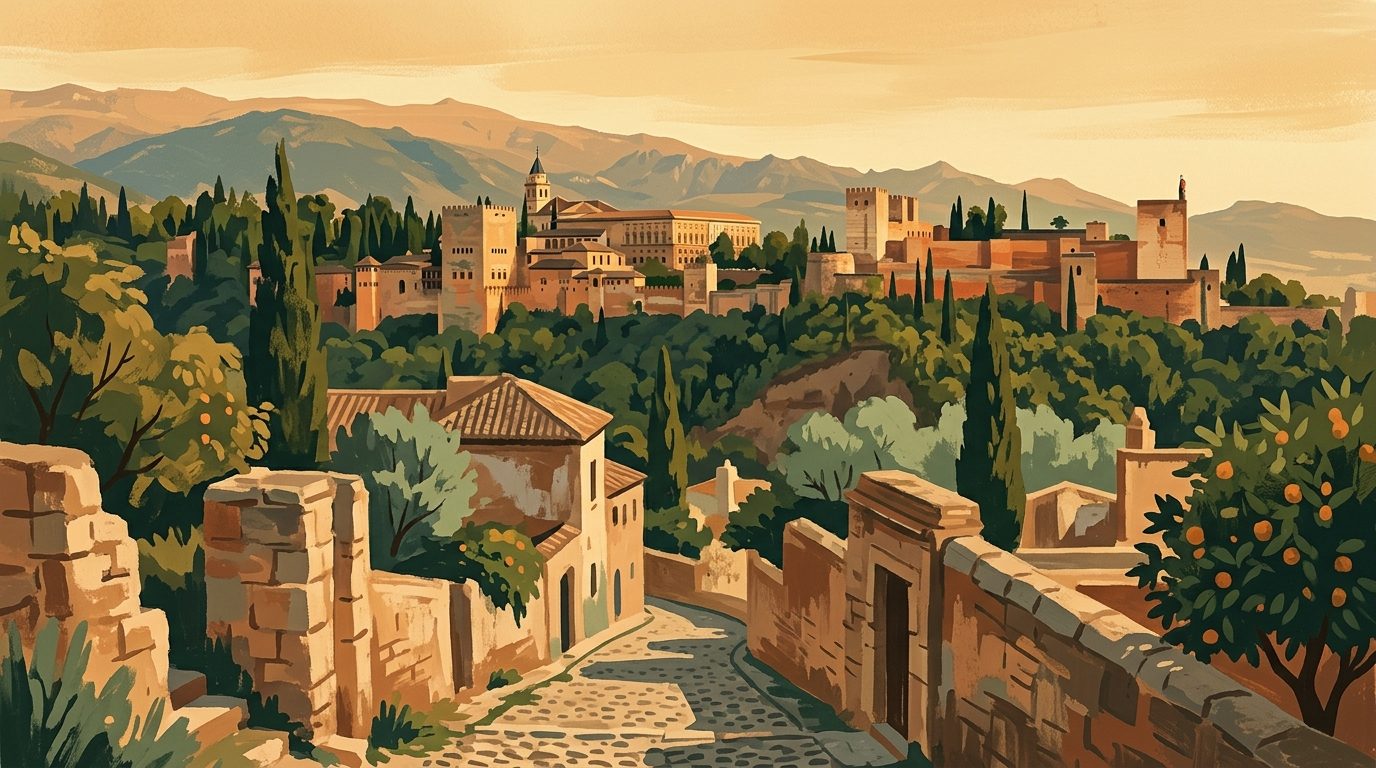
The fortress is the town’s undisputed focal point. While the site has been occupied since Phoenician and Roman times, the structure you see today is primarily of Moorish origin. During the Nasrid dynasty (13th to 15th centuries), the castle served a dual purpose: it was a strategic coastal lookout and a high-security summer residence for the sultans of Granada. It famously served as a royal prison for family members who had fallen out of favour, providing a gilded cage with spectacular views of the Mediterranean.
Walking the ramparts today offers a 360-degree perspective of the region. To the north, the snow-capped peaks of the Sierra Nevada provide a sharp contrast to the blue sea to the south. The interior contains remains of the royal baths and several towers, including the Torre del Homenaje. Recent restoration work has made the paths safer and more accessible, though the climb to the entrance remains a physical challenge.
The Old Town Districts: Albayzín and La Loma
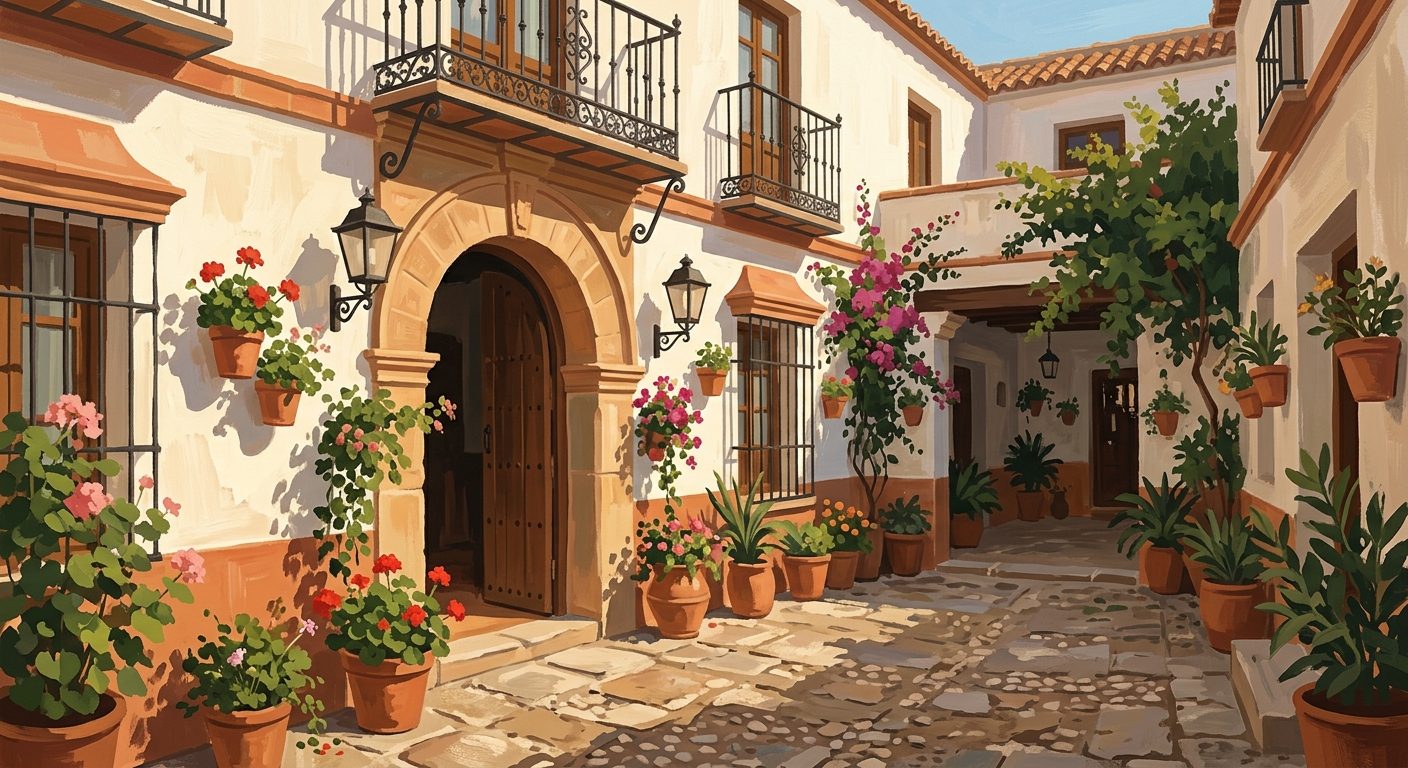
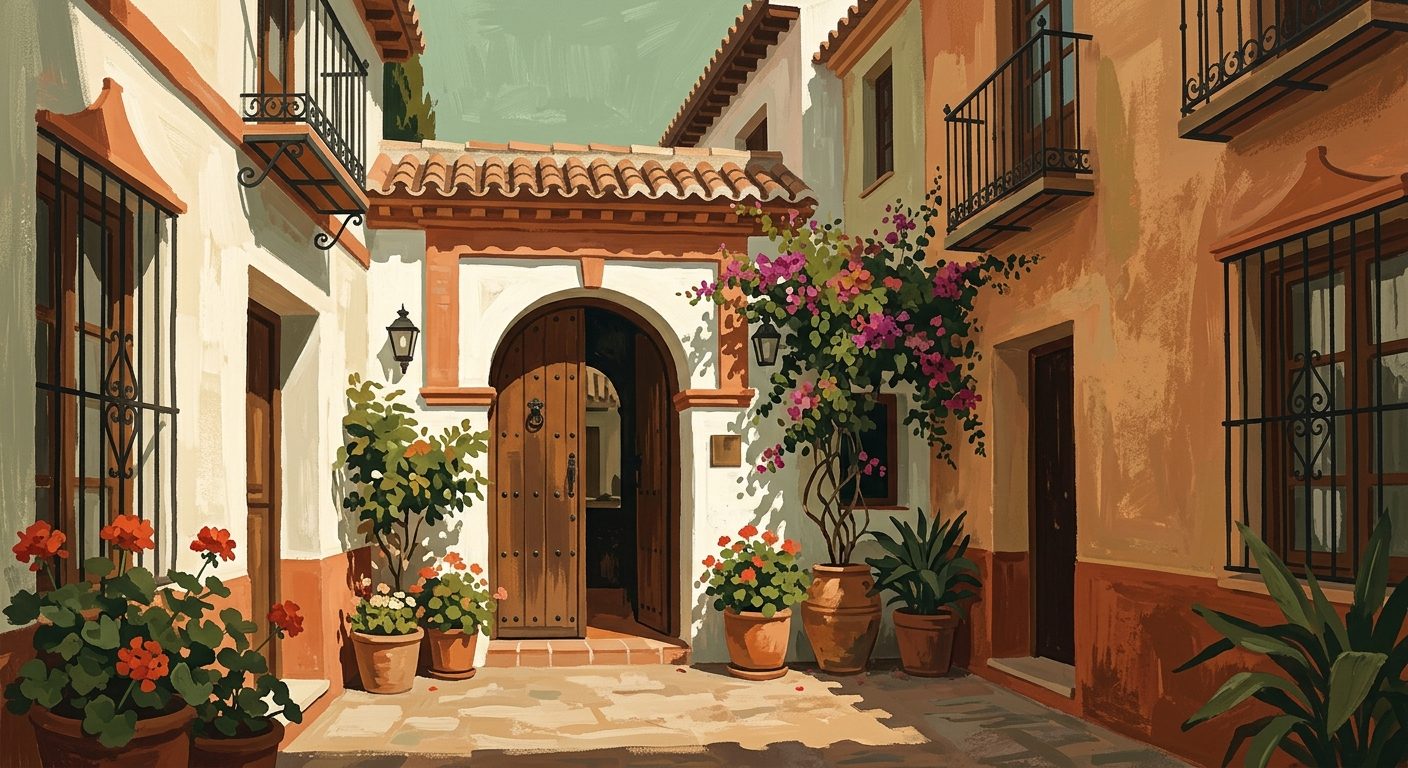
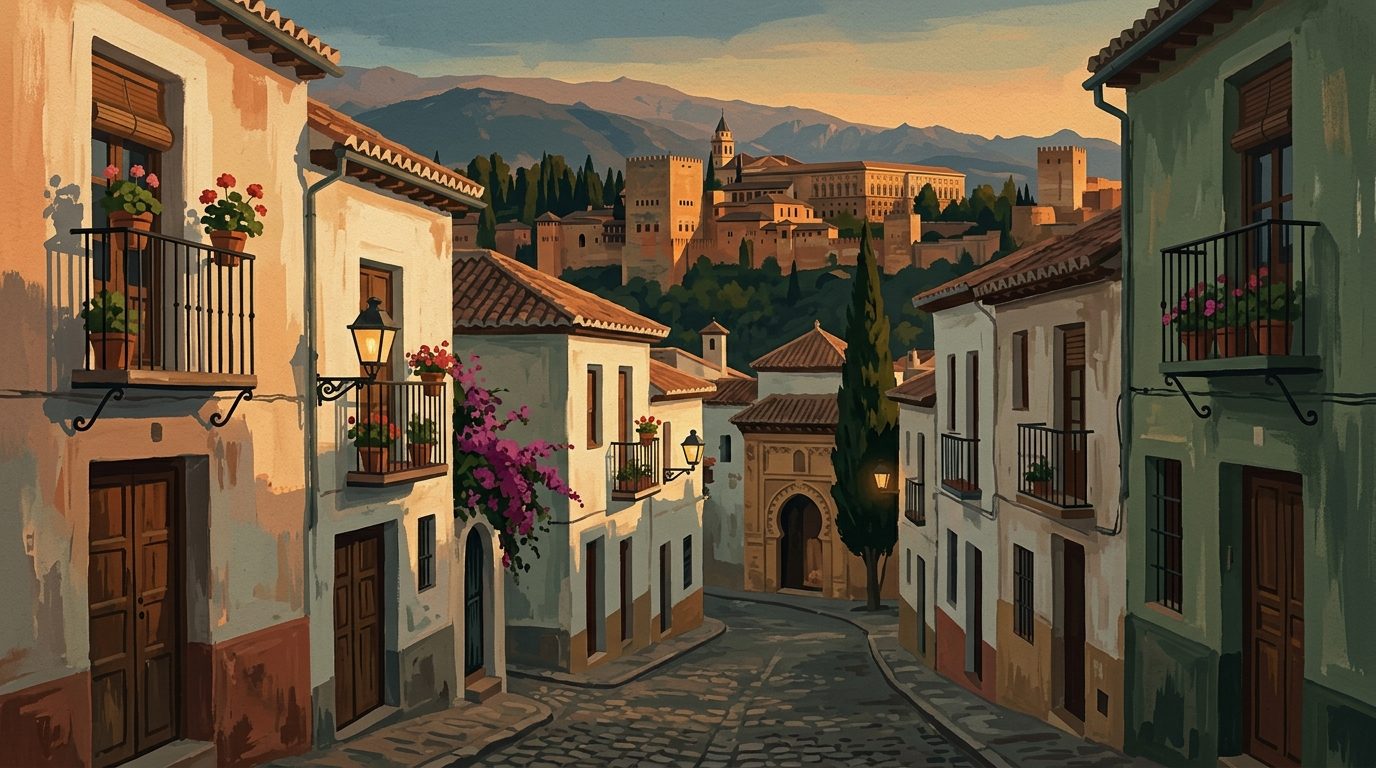
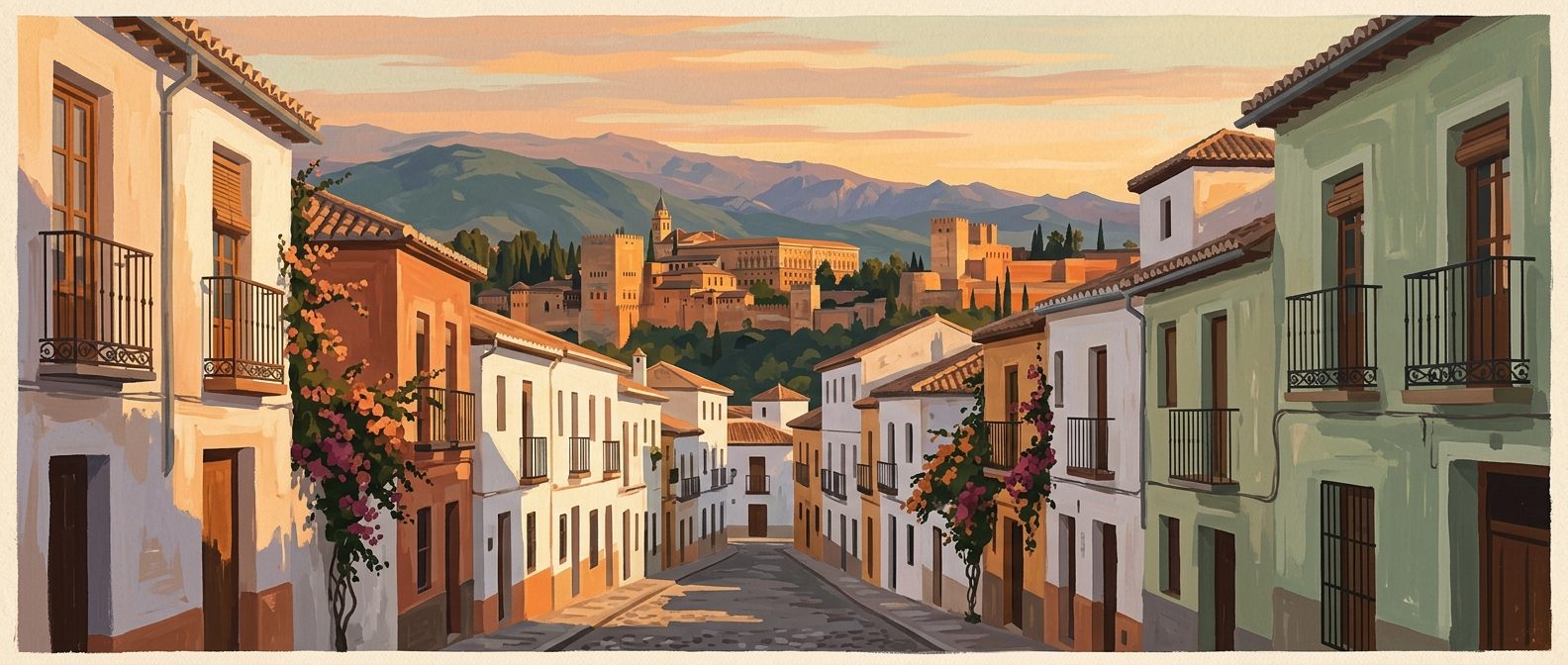
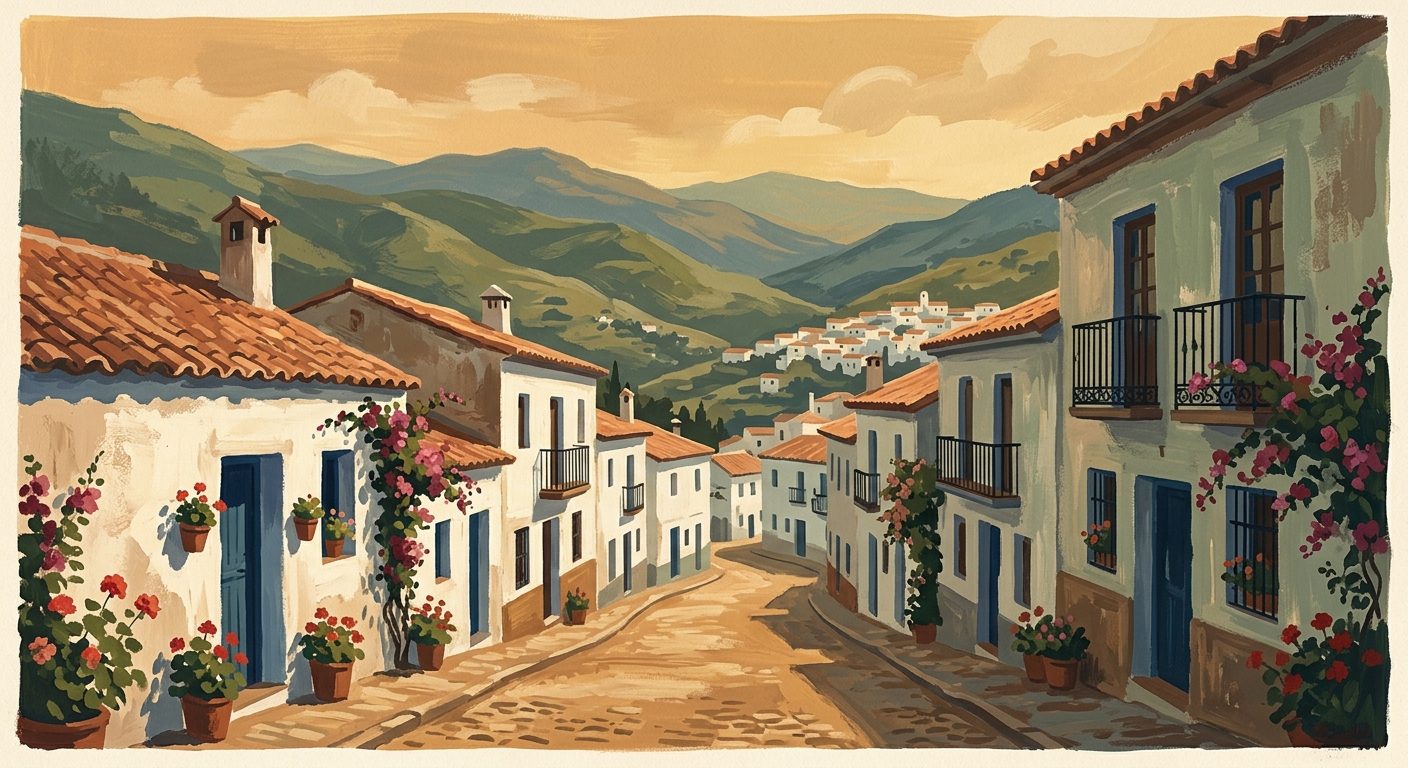
Below the castle walls lies a labyrinth of steep, narrow streets that follow the original medieval layout. The Albayzín district is the most attractive, where the houses are so closely packed that they offer natural shade even in the height of summer. Residents take great pride in their balconies, which overflow with bougainvillea and geraniums.
Key sites in the old town include the 16th-century Iglesia del Rosario, built over the foundations of a former mosque. Its Mudéjar style is evident in the brickwork and the tiled roof. Nearby, the Bóveda de la Plaza is a vaulted tunnel that once formed part of the defensive wall, connecting the lower town with the medina. For the best views without the castle entry fee, head to the Paseo de las Flores or the Mirador Enrique Morente, named after the famous flamenco singer from Granada. These viewpoints overlook the vertical cliffs and the green plains below.
The Beaches and El Peñón
Salobreña’s coastline is divided by El Peñón, a massive rock outcropping that juts into the sea. In ancient times, this was a small island used as a burial site by Phoenician settlers. Today, it is a popular spot for a stroll or for jumping into the clear water (though caution is advised).
To the east of the rock lies Playa de la Charca, a long stretch of dark sand and pebbles backed by a promenade with several chiringuitos (beach bars). To the west is Playa de la Guardia, which feels slightly more rugged and is often quieter. The water here is exceptionally clear, making it a popular spot for kayaking and snorkelling around the base of the cliffs.
Senda Mediterránea
For those who enjoy walking, the Senda Mediterránea is a coastal path that connects Salobreña with the neighbouring fishing hamlet of La Caleta. The trail hugs the cliffs, providing views of small, secluded coves and the remains of the old sugar factory, the Fábrica del Pilar. It is an easy walk that takes about 45 minutes and offers a different perspective of the town’s vertical geography.
Practical Information
Castle Opening Times and Prices
The Castillo de Salobreña has seasonal opening hours. Generally, it is open daily from 10:00 to 14:00, with an afternoon session that varies: in winter it is often 16:00 to 18:00, while in summer it can stay open until 21:00. Note that the last entry is 30 minutes before closing (check on the official website before travelling).
General Admission: €4.00
Reduced Rate: €2.00 (for over 65s, students, and groups of 12 or more).
Free Entry: On Monday afternoons (check the official municipal website for specific seasonal hours as these are restricted to the final two hours of operation).
How to Get There
By Bus: ALSA operates frequent services from Granada (roughly 1 hour, €7 to €8) and Malaga (roughly 2 hours, €10 to €12). Fares and times are subject to change, so verify on their website before travelling. The bus stop in Salobreña is located on the lower part of town near the tourist office, about a 15-minute uphill walk to the old town.
By Car: From Granada, take the A-44 south towards Motril and exit onto the A-7/N-340. From Malaga, take the A-7 east. The journey takes about 45 minutes from Granada and 1 hour 15 minutes from Malaga.
Parking
Parking in the old town is extremely difficult and restricted mainly to residents. It is highly recommended to park in the large free car parks at the entrance of the town (near the Tourist Office) or along the beach promenade (which is a blue zone during the summer months and Easter). A local circular bus (the 'Urbano') runs between the beach, the town centre, and the castle every 15 to 30 minutes during peak season.
Where to Eat Nearby
Salobreña is famous for its 'espetos de sardinas' (sardine skewers) and tropical salads that use locally grown fruit. For an exceptional meal with a view, La Roka in the old town offers creative fusion dishes and a terrace overlooking the cliffs. Restaurante La Botica, located in a former pharmacy in the Plaza del Ayuntamiento, serves traditional Andalucían fare with a modern twist; their salt-baked fish is highly recommended. On the beach, Restaurante El Peñón is a classic choice for seafood, situated right at the base of the great rock with waves crashing nearby.
Where to Stay
For a boutique experience, Hotel Miba sits on the edge of the town with a rooftop infinity pool and modern rooms that all face the castle and the sea. If you prefer to be in the heart of the historic quarter, look for traditional guesthouses like Hostal Palomares which offer a more authentic local feel. For those seeking a resort-style stay, Hotel Salobreña Suites is located on a cliff a few kilometres outside the centre, offering extensive gardens and panoramic coastal vistas.