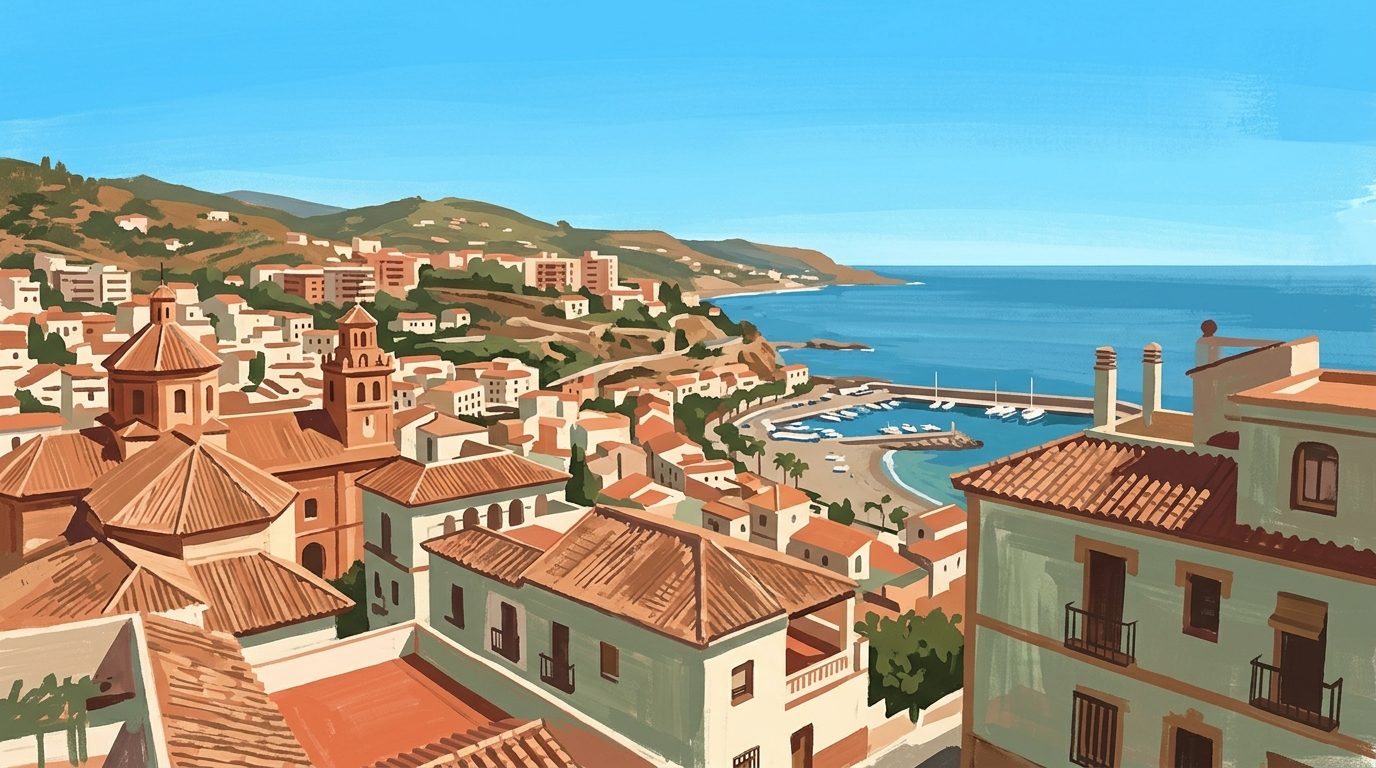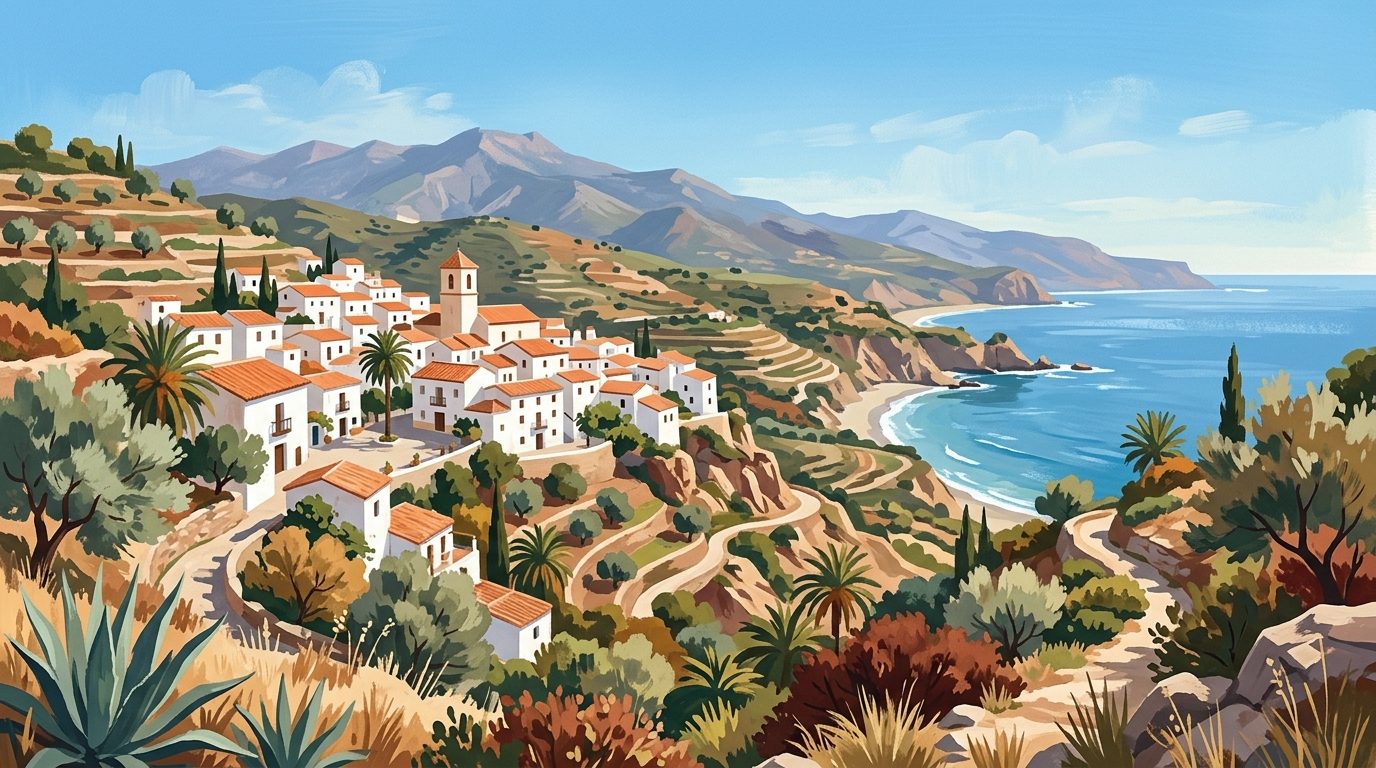
The Costa Tropical offers a distinct microclimate where the Sierra Nevada mountains shelter fertile valleys of mangoes and custard apples. This is a stretch of shoreline defined by Roman ruins, Moorish castles and some of the freshest seafood in Andalucía.
While the neighbouring Costa del Sol often takes the limelight, the Costa Tropical in Granada province remains a more grounded, authentic alternative. It takes its name from the unique geographical situation: the peaks of the Sierra Nevada act as a barrier against cold northern winds, creating a subtropical microclimate that allows exotic fruits to flourish. Here, you will find plantations of chirimoyas (custard apples), avocados, and mangoes growing right up to the edge of the Mediterranean. It is the only place in Europe where this occurs on such a scale.
Culturally, the area feels markedly different from the high-rise resorts further west. This is a landscape where the mountains literally meet the sea, creating steep cliffs and small coves rather than endless flat sandy plains. The towns here have managed to retain their original character; people still take their paseo (evening stroll) through the whitewashed streets of the old quarters, and the tradition of serving a free tapa with every drink is still very much alive. For those looking for a mix of archaeological sites, active watersports, and genuine Andalucían village life, this coastline provides a compelling narrative that shifts with every headland.
Places to Explore
Motril: Sugar, Rum, and Deep-Sea Shrimps
Motril is often overlooked as a mere industrial port, but that is a mistake. It is the largest town on the coast and serves as the commercial heart of the region. To understand Motril, you must understand sugar. The Museo Preindustrial del Azúcar (Pre-industrial Sugar Museum) is located on the site of a 16th-century mill and offers a fascinating look at how this region once led the world in cane sugar production. This heritage continues today through Ron Montero, a local rum distillery. You can visit the Bodega Montero (check current tour times on their website) on the outskirts of town to learn about the solera ageing process and sample rums that are rarely exported outside the province.
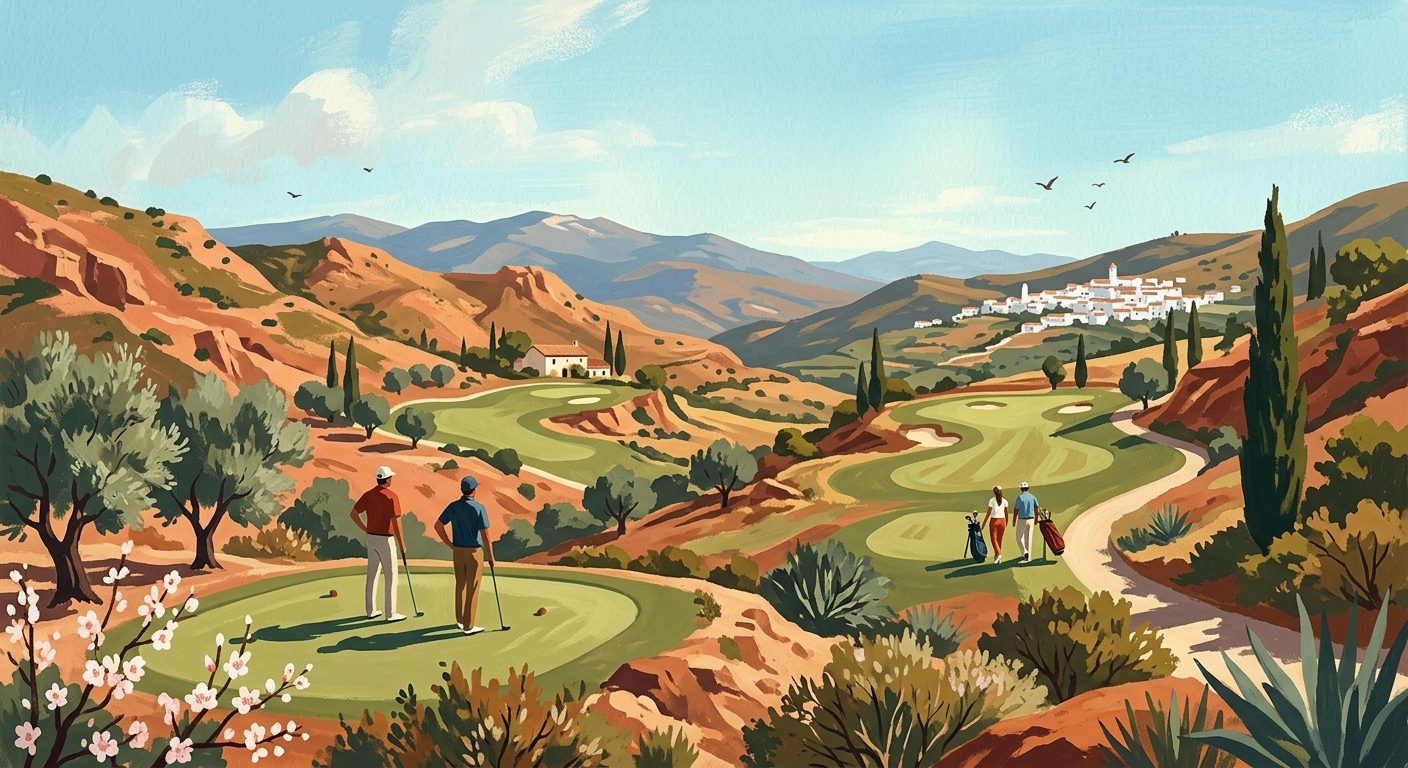
The town centre is a maze of traditional shops and squares, such as the Plaza de España. For a breath of fresh air, head to the Parque de los Pueblos de América, which sits just below the Santuario de Nuestra Señora de la Cabeza, a church built on a hill that once housed a Moorish palace. If you are looking for the beach, Playa Granada is the place to be. It is a wide, pebbly expanse popular with windsurfers and home to the Los Moriscos golf club. When hunger strikes, seek out the Quisquilla de Motril (a small, sweet local shrimp) at the restaurants near the fishing port. These blue-tinted delicacies are prized by chefs across Spain for their intense flavour.
Salobreña: The White Village on the Rock
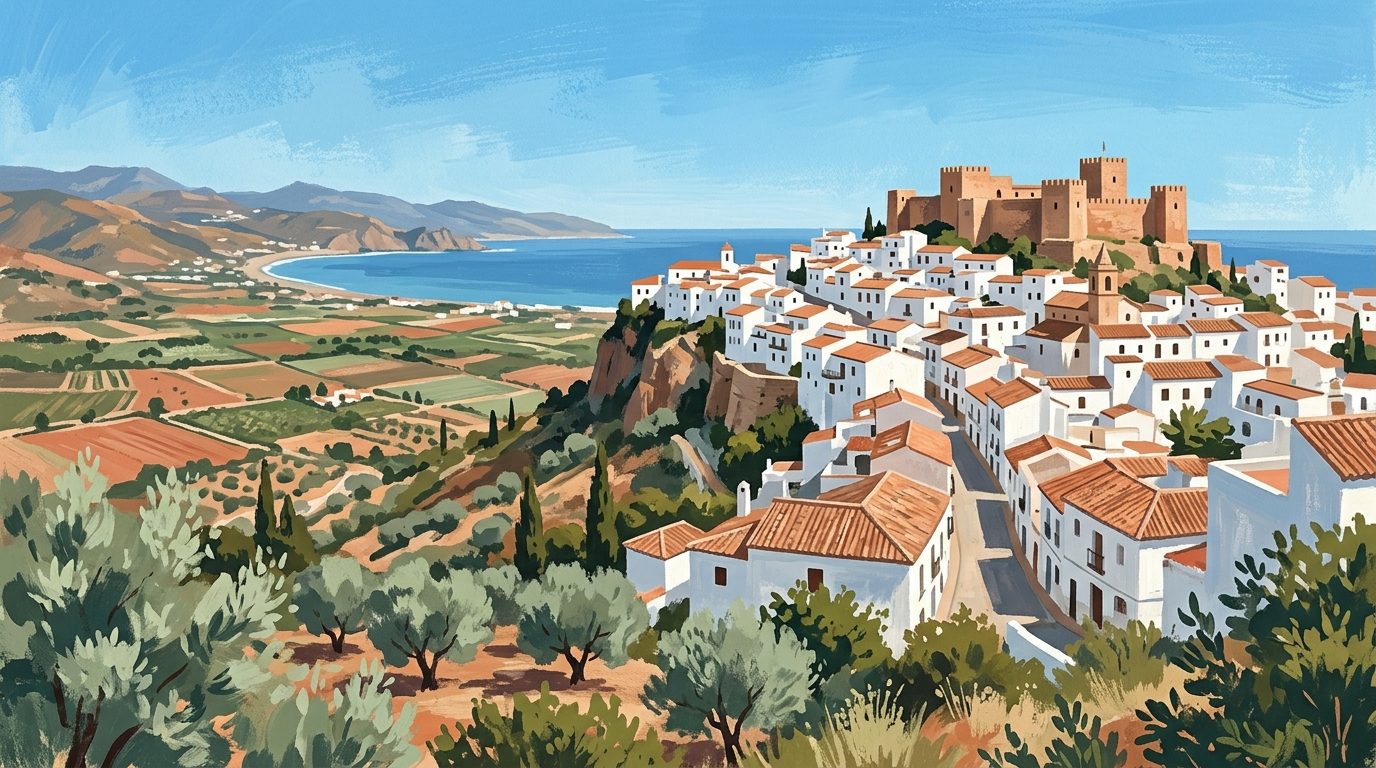
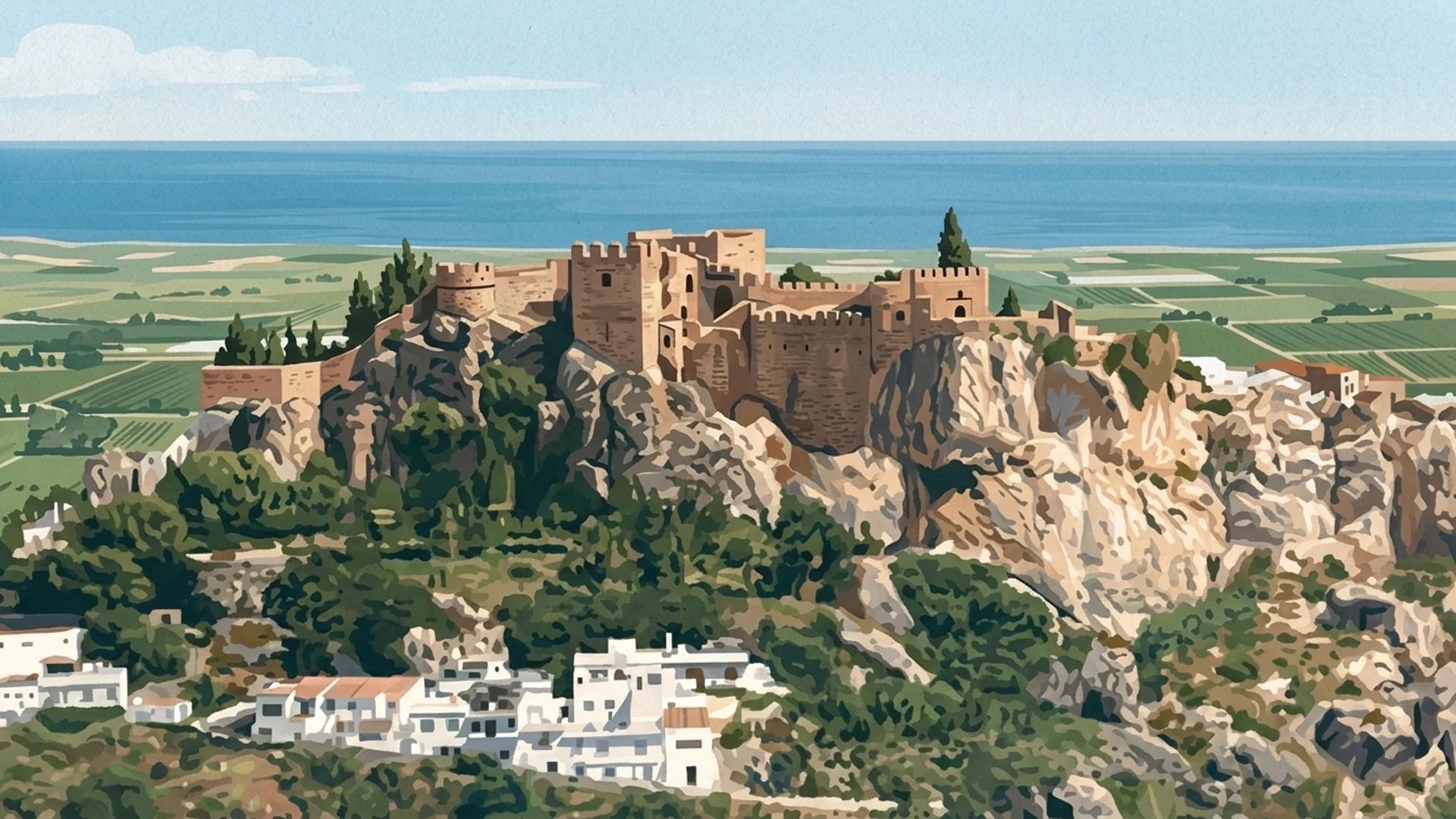
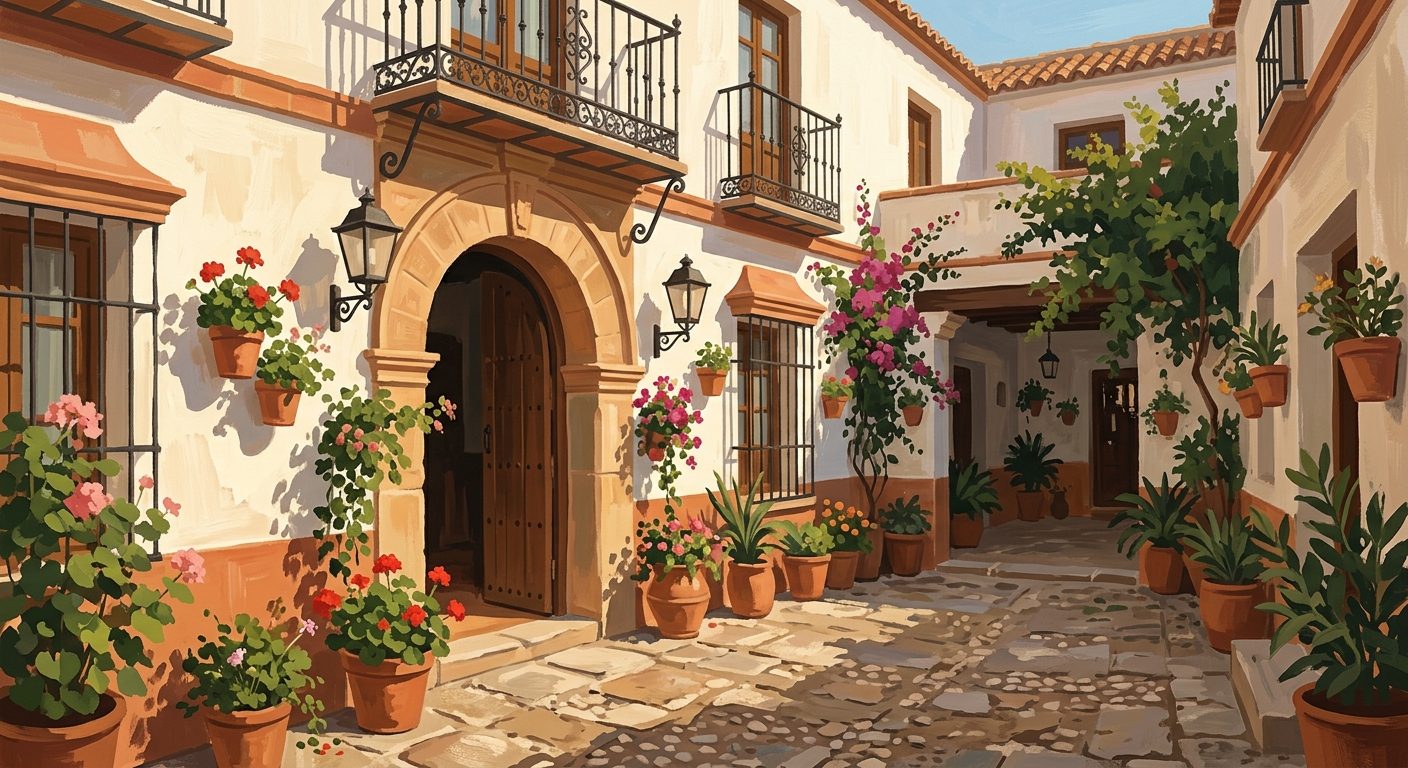
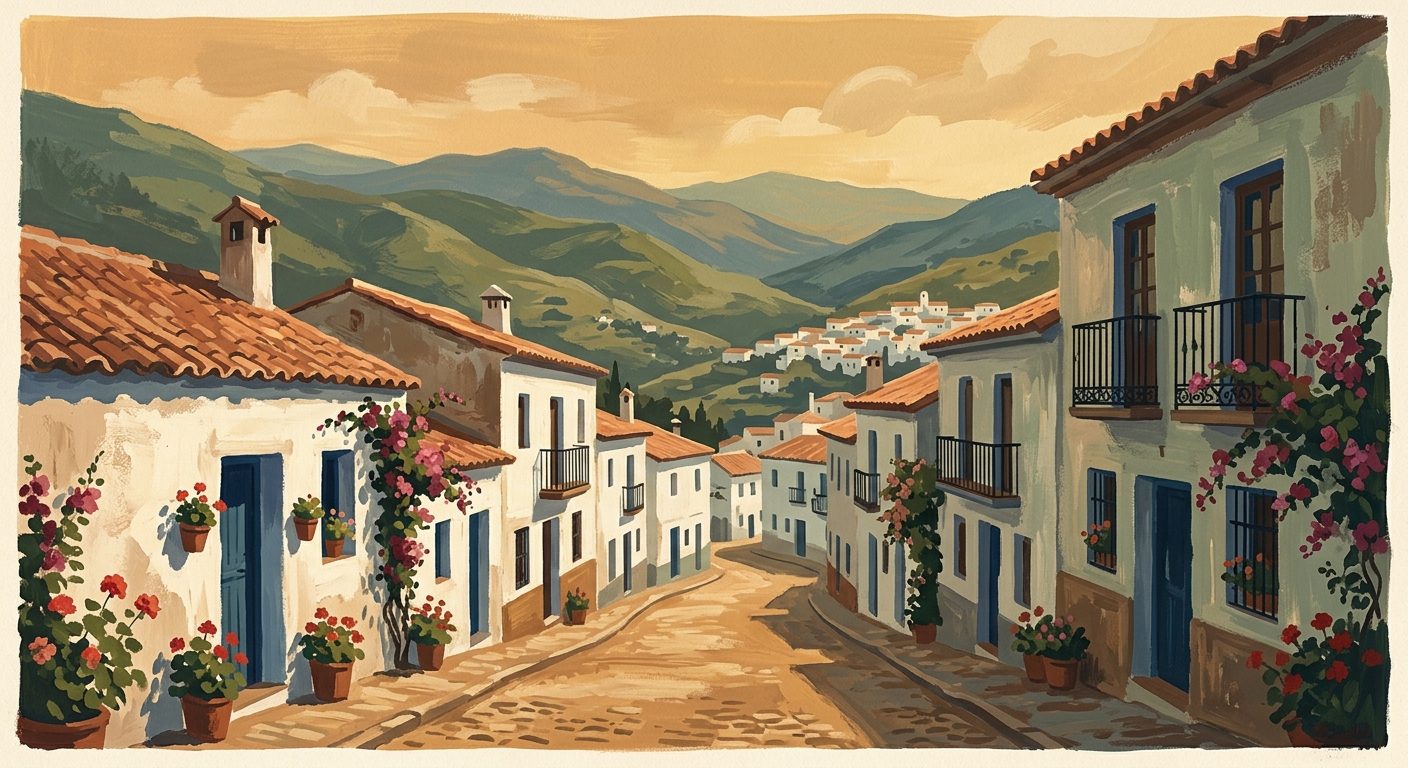
Salobreña is perhaps the most photographed spot on the Costa Tropical, and for good reason. The town is a cluster of white houses clinging to a massive limestone crag, topped by a 10th-century Moorish castle. Walking up through the Barrio del Albayzín is a steep but rewarding experience. The narrow alleys are lined with pots of red geraniums and lead to the Paseo de las Flores, a terrace that provides views over the green carpet of the valley below, which was once an estuary. The castle itself, the Castillo de Salobreña, is an essential stop; it served as a summer residence and a prison for Nasrid monarchs.
Down at sea level, the town is split by El Peñón, a large rock jutting out into the sea that separates the two main beaches, Playa de la Guardia and Playa de la Charca. For an authentic lunch, find a table at Restaurante El Peñón, where they have been serving espetos (sardines grilled on a skewer over an open fire) for decades. The atmosphere here is relaxed, focusing on the simple pleasures of sun and sea. In the evenings, the lower town fills with locals visiting bars like La Botica for a glass of local wine and a plate of migas (fried breadcrumbs with chorizo and peppers), especially when the autumn rains begin to cool the air.
Read the full Salobreña guide →
Almuñécar: Three Thousand Years of History
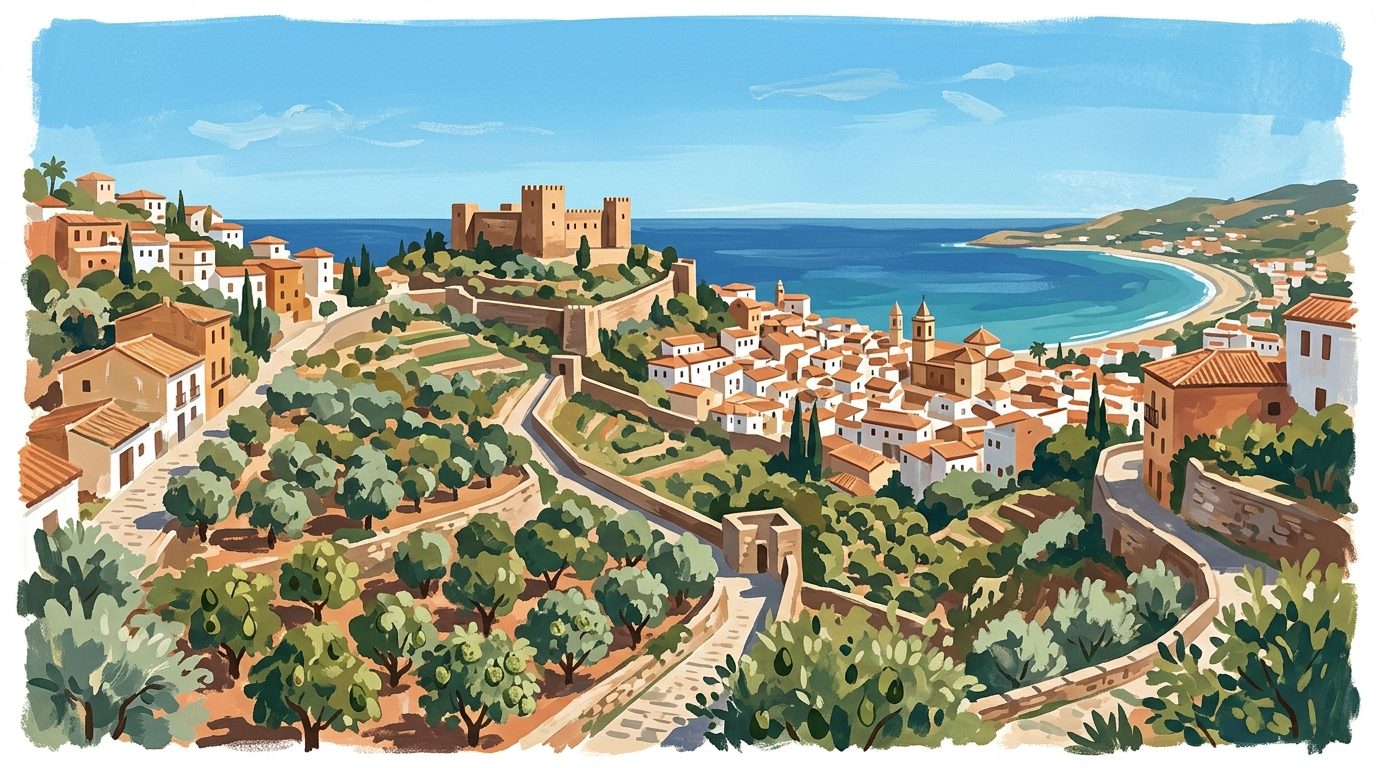
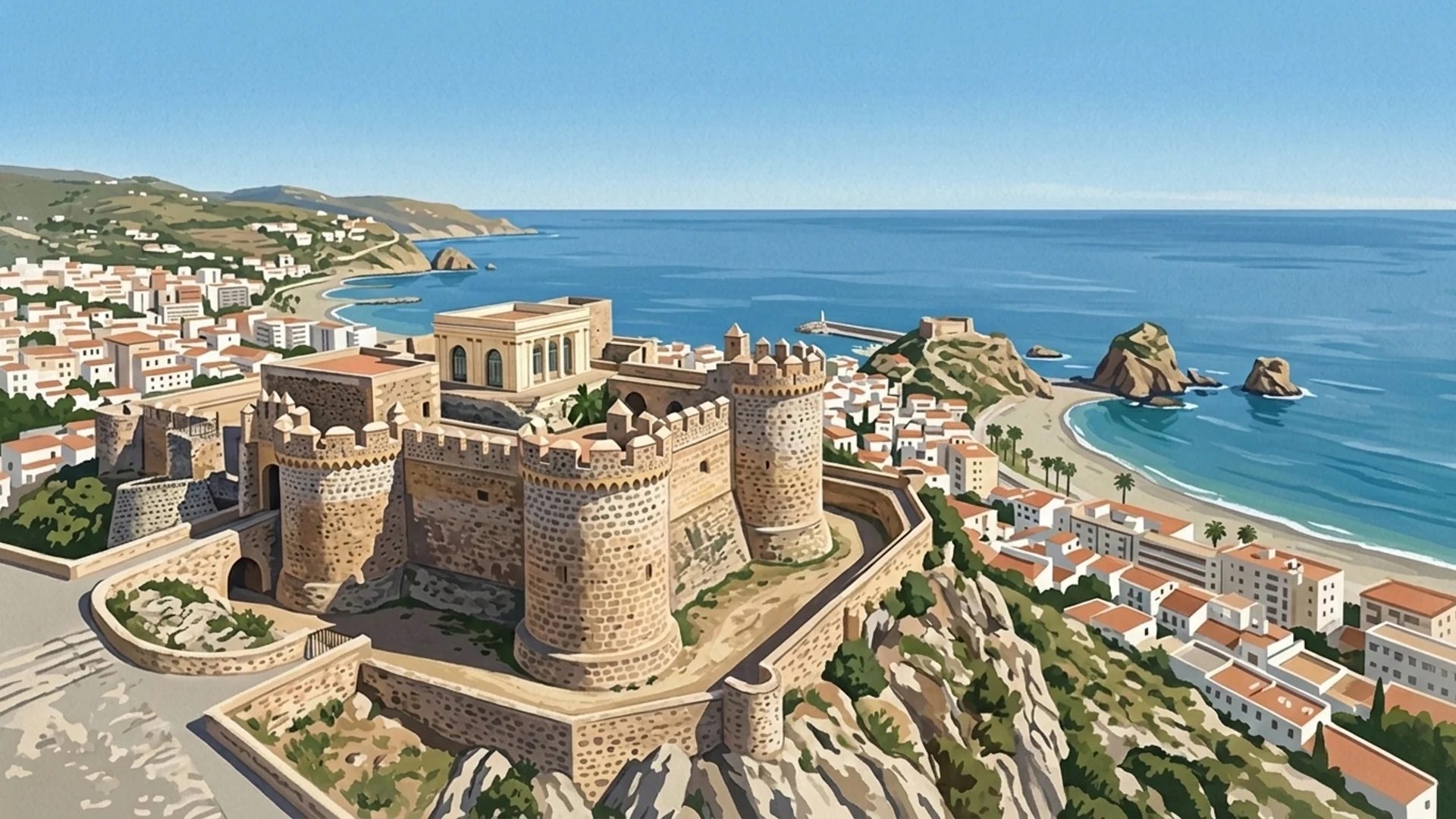
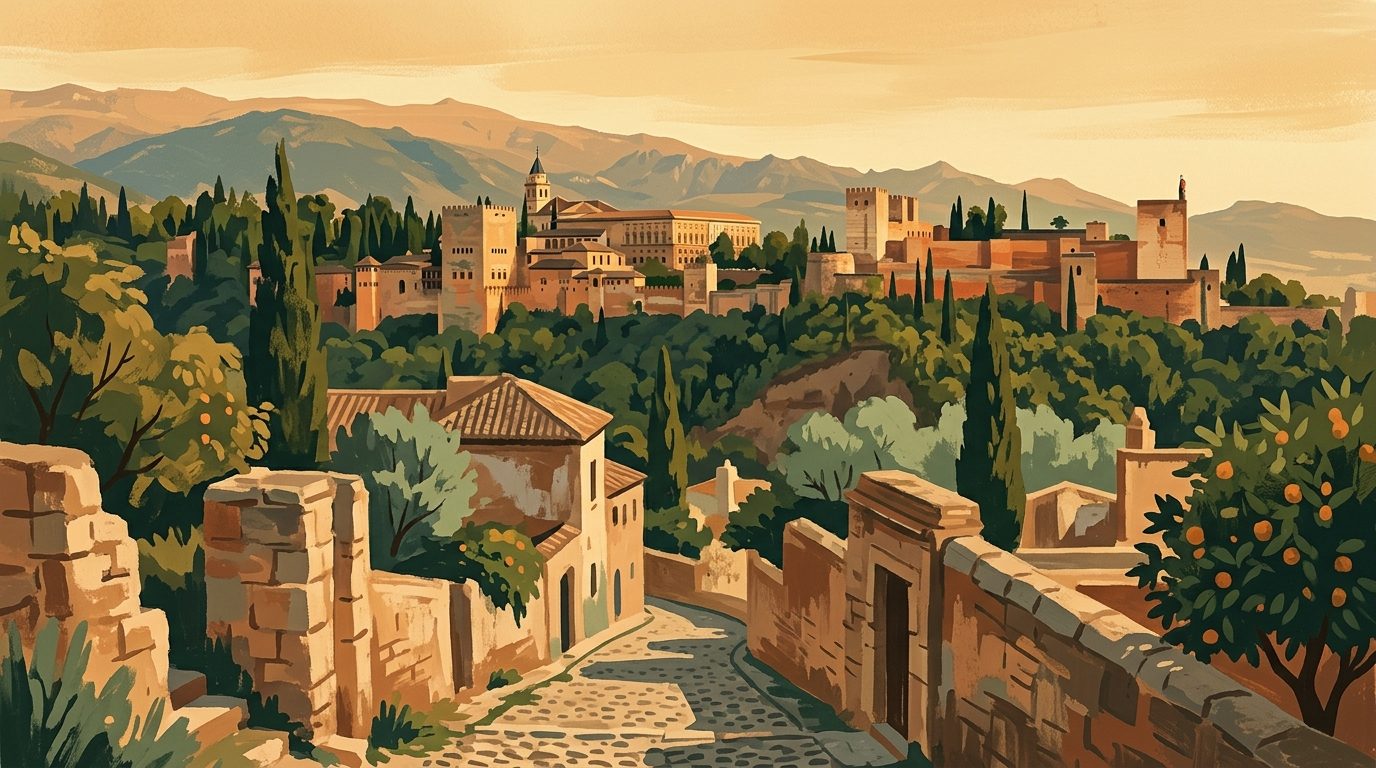
Almuñécar is where history feels most tangible. Founded by the Phoenicians as 'Sexi' around 800 BC, the town has layers of Roman, Moorish, and Christian influence. The Parque El Majuelo is a perfect starting point (check the official Almuñécar tourism portal for current opening hours); it contains the remains of a Roman fish-salting factory where the famous garum sauce was produced for export across the Empire. Today, the park is also a botanical garden with species from every corner of the world. Just above it sits the Castillo de San Miguel, which houses a small archaeological museum within its fortified walls. Walking through the Casco Antiguo (Old Town), you will find the Cueva de Siete Palacios, a Roman vaulted ceiling now used to display ancient artefacts, including a 3,500-year-old Egyptian urn.
The coastline of Almuñécar is varied, ranging from the popular Playa de San Cristóbal to smaller, quieter spots. The town has a lively social scene centred around the Plaza del Ayuntamiento and the surrounding pedestrian streets. Make time to visit Los Pajaritos, a legendary local bar where the walls are covered in birdcages and the tapas are generous. For a more formal meal, Restaurante Árbol Blanco offers a contemporary take on local ingredients. The town also features the Loro Sexi bird park and an aquarium, making it a practical choice for families who want a balance of educational sites and traditional seaside fun.
Read the full Almuñécar guide →
La Herradura: The Horseshoe Bay
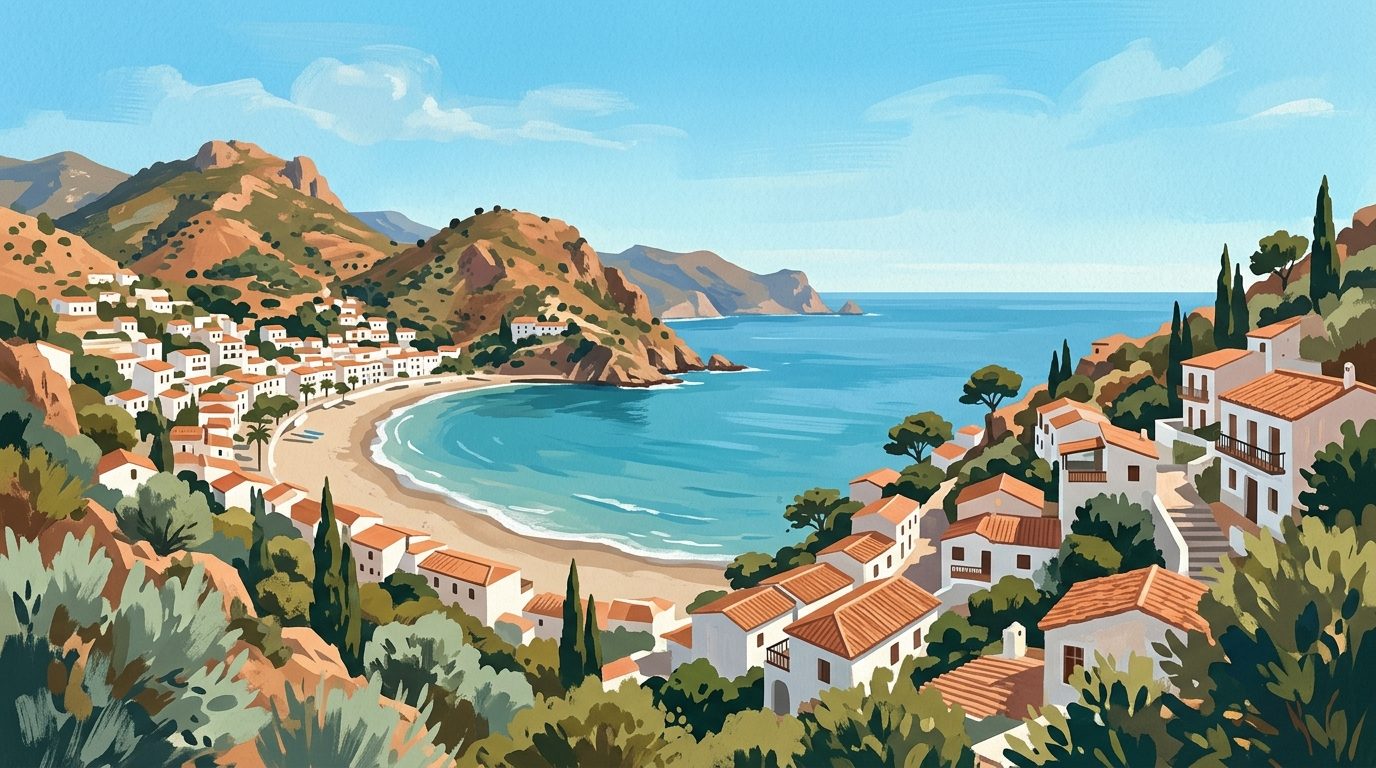
La Herradura is technically part of Almuñécar but has an entirely different identity. It is named after the horseshoe shape of its bay, which creates some of the calmest waters in Andalucía, making it a premier destination for scuba diving and snorkelling. The underwater world here is protected as part of the Marinas de Cerro Gordo natural park, where divers can spot seahorses, groupers, and rare coral. On land, the village is laid-back and popular with an international crowd of sailors and outdoor enthusiasts. The eastern end of the bay leads to the Marina del Este, a high-end yacht harbour built into the rocks, where you can wander the quay and admire the boats.
For the best views in the area, drive or hike up to the Torre de Cerro Gordo. From this vantage point, you can see the entire coastline stretching towards Málaga. The village beach is lined with excellent chiringuitos (beach bars). La Sardina is a local favourite for fresh fish, while Chiringuito Bambú offers a more modern, relaxed vibe for sunset drinks. Unlike the more commercialised parts of the coast, La Herradura feels like a place where time slows down. It is common to see people kayaking out to the sea caves or simply sitting in the sand with a book well into the evening, enjoying the shelter provided by the surrounding cliffs.
Read the full La Herradura guide →
Eating & Drinking in Costa Tropical
The gastronomy of the Costa Tropical is a marriage of the sea and the orchard. You cannot leave without trying the Chirimoya de la Costa Tropical, which has its own Protected Designation of Origin. The fruit has a creamy, custard-like texture with notes of pineapple and banana. In the restaurants, look for Fritura Malagueña (a mix of fried fish) which, despite the name, is a staple here, alongside pulpo a la plancha (grilled octopus).
The tapas culture is a highlight for many. In Motril and Almuñécar, it is standard practice to receive a substantial small plate of food for free with your beer or wine. This might be anything from carne con tomate (meat in tomato sauce) to a small portion of paella. For something unique to the area, try Tarta Real in Motril, a cake made with almonds and sugar that dates back to the 19th century. To wash it all down, ask for a caña (small draught beer) or a glass of Vino de la Tierra de Cumbres de Guadalfeo, produced in the nearby hills of the Alpujarra Contraviesa.
Where to Stay
Accommodation on the Costa Tropical ranges from boutique hotels in converted townhouses to larger resort hotels near the beaches. In Almuñécar, Hotel Victoria Playa is a solid choice for families, while those seeking something more intimate should look for La Caleta Bay in La Herradura, which offers a sleek, modern aesthetic right on the water's edge. For a more rural experience, there are numerous cortijos (country houses) tucked away in the hills behind Salobreña that have been converted into guest houses, offering infinity pools and views of the Mediterranean.
In Motril, staying near Playa Granada provides a more holiday-oriented atmosphere, whereas staying in the town centre allows you to experience the daily rhythm of Spanish life. If you prefer self-catering, the area is full of apartments with sea views, particularly in the newer developments around the Marina del Este.
Getting There & Around
The Costa Tropical is well-connected but best explored by car. The A-7 coastal motorway links the region to Málaga Airport in about an hour and Almería in roughly 75 minutes. From Granada city, the A-44 brings you to the coast in 45 minutes, making it a very easy day trip from the Alhambra. The ALSA bus service is the primary public transport link (as there is no train line serving this stretch of coast) and runs frequently between the main towns. Once you arrive in towns like Salobreña or Almuñécar, the central areas are easily navigable on foot, though be prepared for steep inclines as you head into the older quarters.
Best Time to Visit
The microclimate makes the Costa Tropical a year-round destination. For beach lovers, June and September are ideal, offering warm water and plenty of sunshine without the intense heat and crowds of August. Spring is particularly beautiful as the fruit trees are in blossom and the air is scented with jasmine. Winter is mild, with daytime temperatures often reaching 18 to 20°C, making it a popular escape for hikers and those looking to combine a morning of skiing in the Sierra Nevada with an afternoon coffee by the sea.