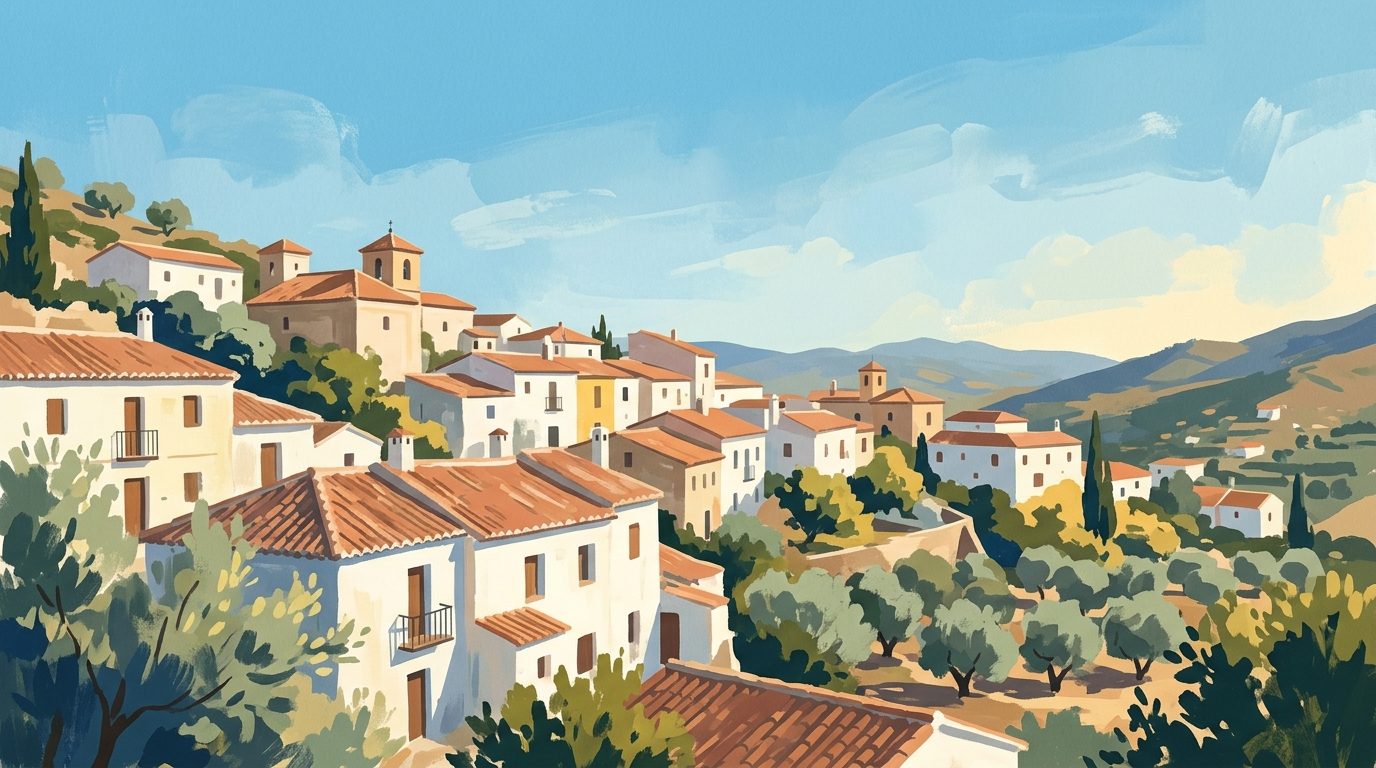
Nigüelas is the highest village in the Lecrín Valley, a place where the air is noticeably crisper and the views extend across a landscape of olive groves and citrus orchards. Known for its extraordinary 15th-century oil mill and dramatic geological fault, it offers a quieter, more authentic alternative to the better-known villages of the Alpujarra.
Situated at an altitude of 931 metres at the foot of the Sierra Nevada, Nigüelas serves as a natural lookout point over the Lecrín Valley. Its name, derived from the Arabic 'Niwalas', hints at its past as a strategic gateway between the mountains and the coast. Unlike some of the more manicured villages in the province of Granada, Nigüelas feels like a lived-in working community, where the agricultural rhythms of the seasons, most notably the olive and almond harvests, still dictate the pace of life.
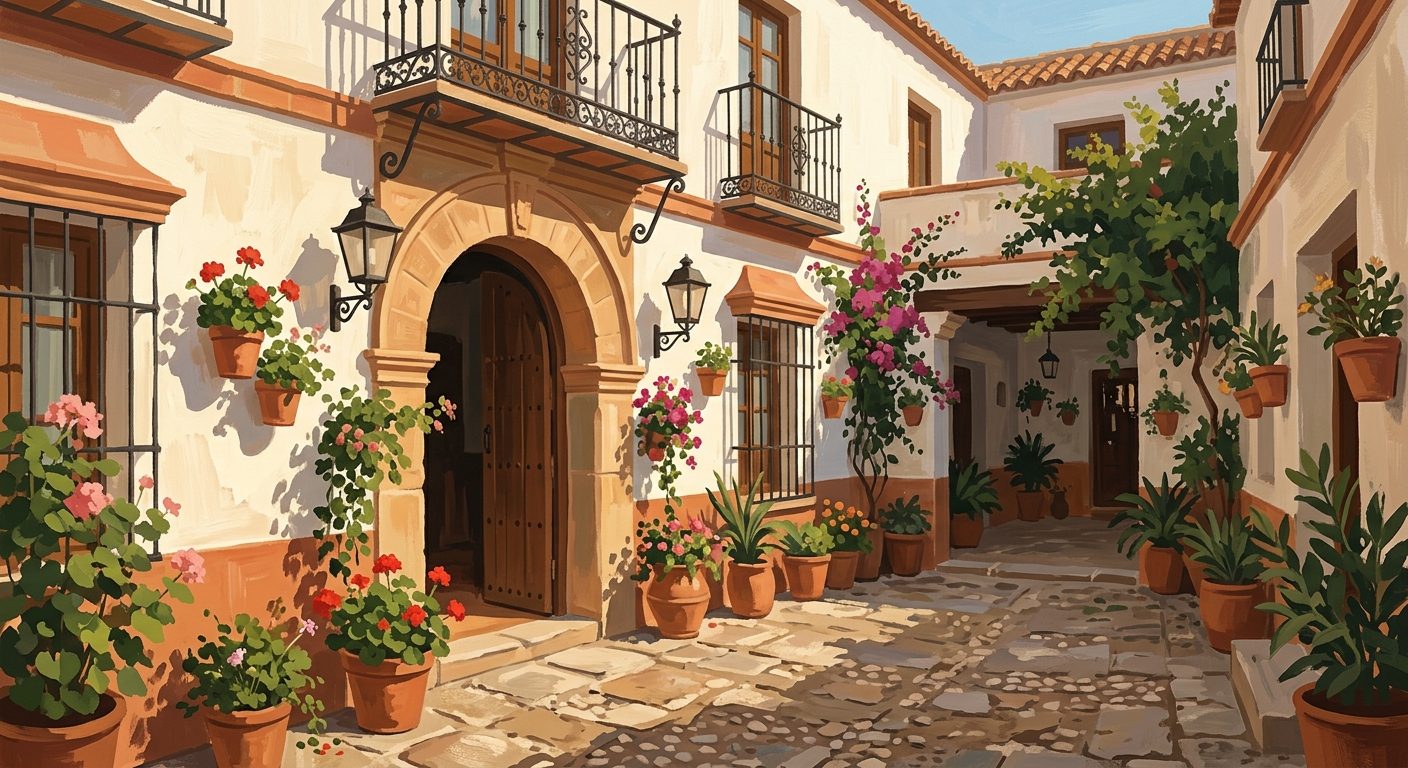
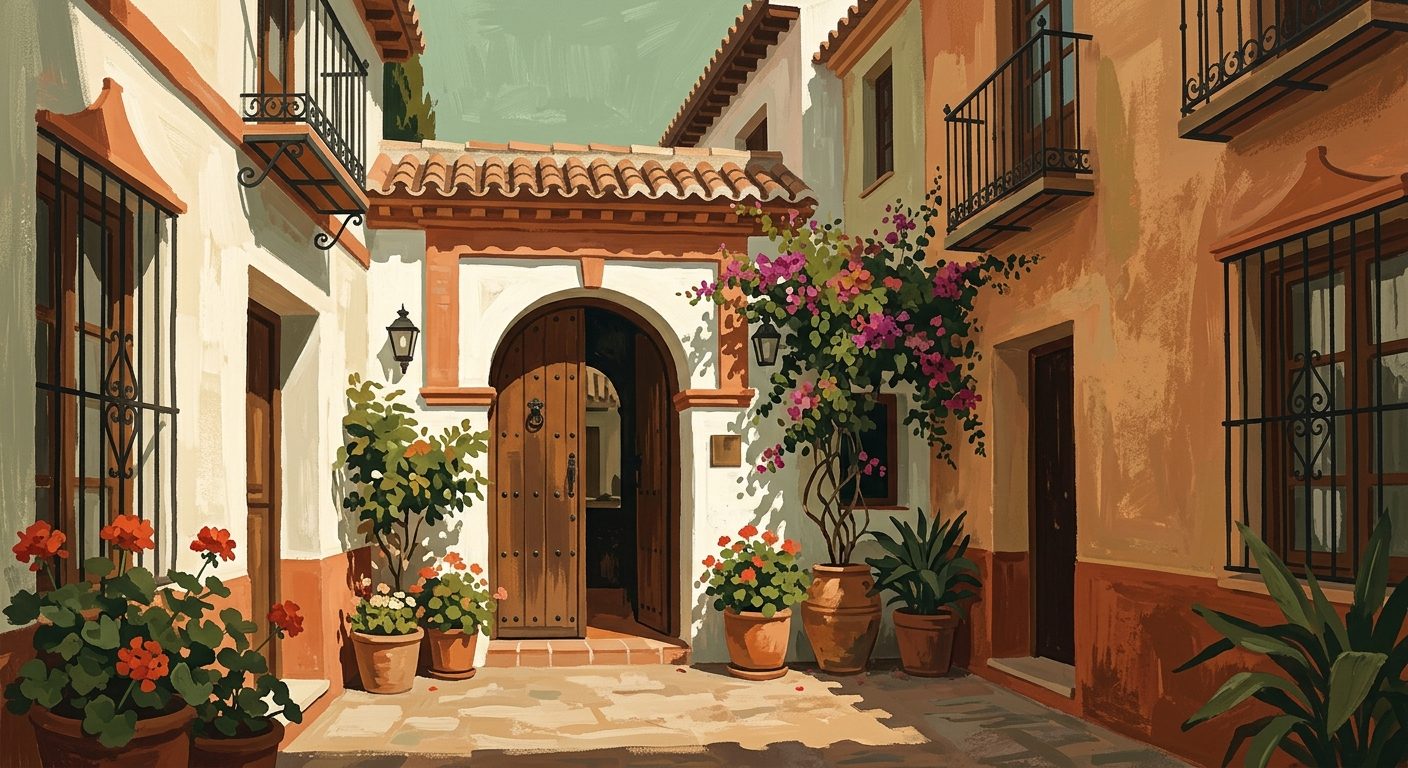
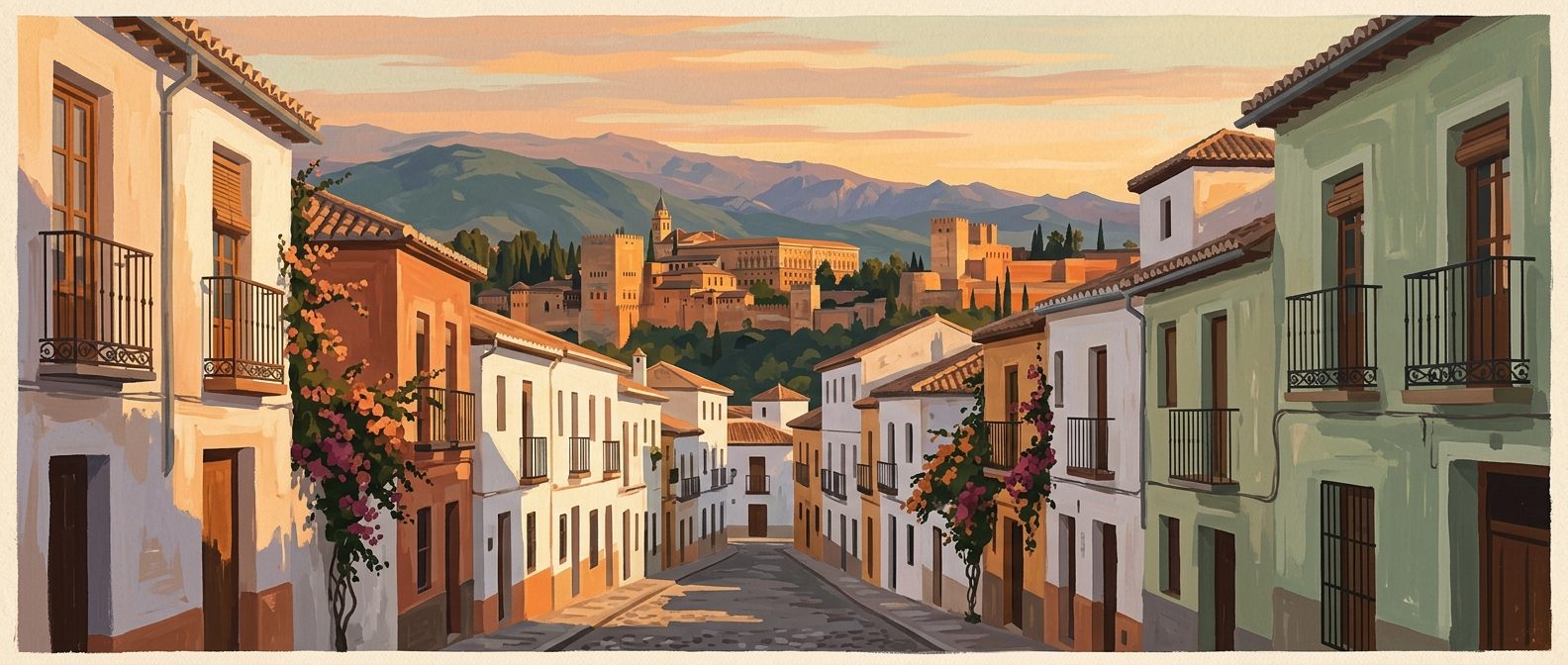
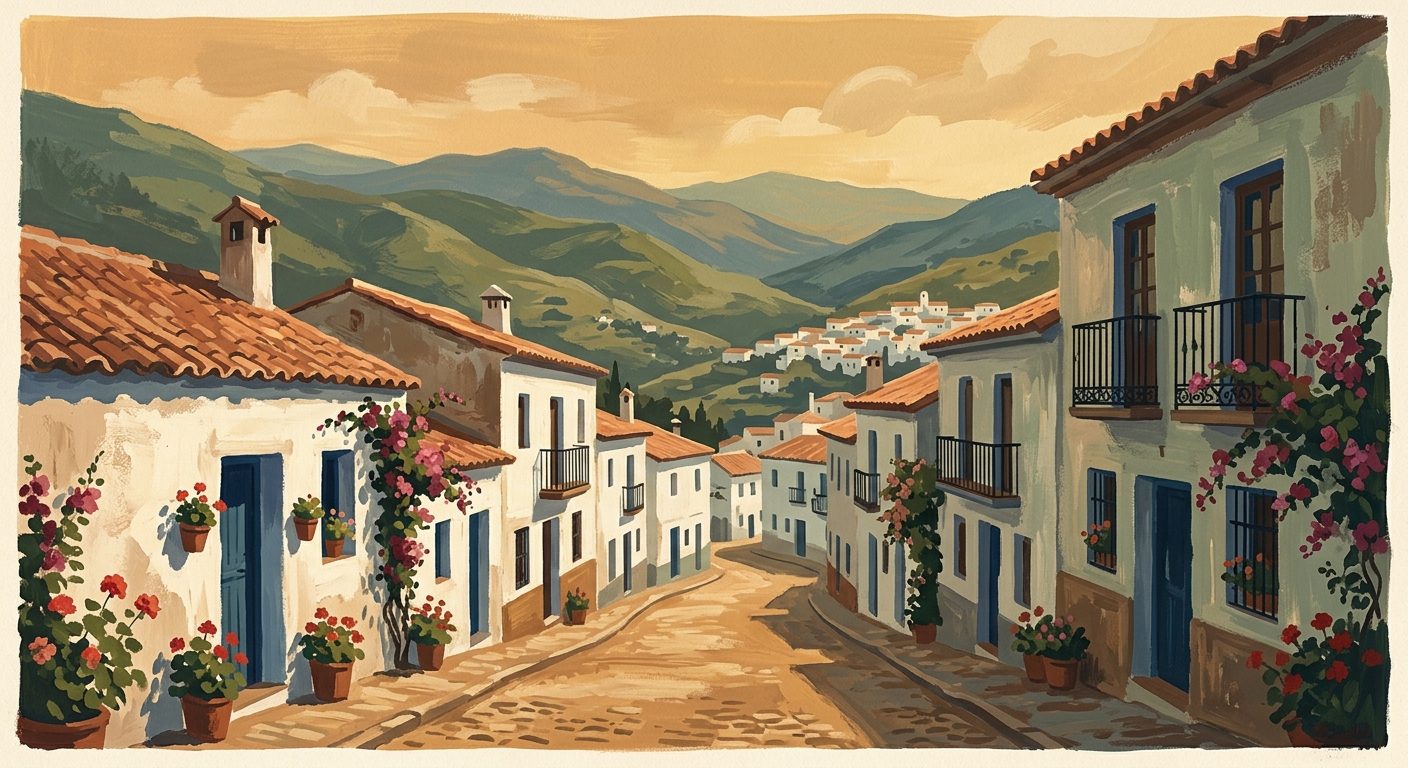
The village is defined by its steep, narrow streets and traditional whitewashed architecture, but it is the proximity to raw nature that sets it apart. To the east, the limestone peaks of the Cerro del Caballo rise sharply, while to the west, the valley floor opens up into a green expanse of fruit trees. It is a destination for those who appreciate history told through industrial heritage and for hikers looking for trails that follow the ancient Moorish irrigation channels.
What to See & Do in Nigüelas
Almazara La Erilla: Spain’s Oldest Oil Mill
The Almazara La Erilla is the village’s primary cultural landmark and one of the most significant industrial heritage sites in Andalucía. Dating back to the 15th century, this mill remained in operation until the 1940s, preserving centuries of traditional technology. It is now a meticulously curated museum and interpretation centre where visitors can see the massive 'beam and quintal' presses, huge wooden structures used to extract oil through leverage.
The museum explains the entire process of olive oil production, from the delivery of the fruit to the final decanting. Seeing the scale of the original stone grinding wheels and the hydraulic systems provides a tangible connection to the region's agricultural past. The space is managed by the Fundación Zayas and often hosts olive oil tastings, allowing visitors to sample the peppery, high-altitude oils produced in the valley today.
The Falla de Nigüelas Natural Monument
On the edge of the village lies a geological wonder known as the Falla de Nigüelas. This is a massive, visible tectonic fault line where a block of white marble has been exposed and polished by the movement of the earth's crust. Declared a Natural Monument, it is one of the best places in Europe to see the physical evidence of the forces that created the Sierra Nevada mountain range.
The fault looks like a giant, smooth slide of pale rock cutting through the darker mountain side. There is an easy access path and a viewing platform that explains the science behind the formation. For photographers, the contrast between the white rock, the blue sky, and the green valley below is particularly striking in the late afternoon sun.
Sendero de La Pavilla: The Water Walk
The Sendero de La Pavilla is a scenic walking route that follows an ancient acequia (irrigation channel) along the edge of the Río Torrente gorge. Locals often refer to it as the 'walk of the lovers' because of its romantic views and the soothing sound of running water. The path is narrow but mostly level, as it follows the contour of the hillside to maintain the water's flow.
As you walk, the gorge drops away to your side, revealing the dramatic cliffs and the rushing river below. The trail passes through small tunnels carved into the rock and offers panoramic views of the village rooftops. It is an accessible walk that perfectly demonstrates the Moorish engineering that continues to irrigate the valley's orchards centuries after its construction.
Casa Zayas and the Müller Gardens
In the heart of the village stands Casa Zayas, a 16th-century manor house that now serves as the Nigüelas Town Hall. While the building itself is a fine example of noble Andalucían architecture, the real draw is the Jardín de los Müller. These Romantic-style gardens were inspired by French and English landscaping of the 19th century.
The garden features a collection of centuries-old trees, including a monumental cedar of Lebanon and ancient magnolias. It is a quiet, shaded space that provides a sharp contrast to the rugged mountain scenery surrounding the village. The garden is usually open to the public during town hall hours and is a popular spot for local cultural events and concerts during the summer months.
Spring Almond Blossom
If you visit Nigüelas in late January or February, the surrounding hillsides undergo a transformation. The thousands of almond trees that line the terraces of the valley burst into flower, covering the landscape in shades of white and pale pink. There are several marked trails leading out of the village through these orchards, providing a sensory experience that marks the very early arrival of spring in this part of Granada.
Practical Information
Getting There
Nigüelas is located approximately 32 kilometres south of Granada city. By car, take the A-44 motorway towards Motril and exit at 160 (Lecrín-Nigüelas). Follow the GR-3202 directly into the village. The journey takes roughly 25 minutes. If you are travelling from the coast, the drive from Salobreña or Almuñécar takes about 35 minutes.
Public transport is available via the ALSA bus service from Granada’s central bus station. The journey takes around 45 minutes, with several services daily, though it is advisable to check the return times carefully as they can be infrequent on weekends.
Opening Times & Prices
- Almazara La Erilla: Open daily from 09:00 to 17:00 (it is advisable to call ahead on Mondays and public holidays). General admission is €5 per person. A guided visit including an olive oil tasting is typically €6.50. It is recommended to book in advance via the Fundación Zayas website or by telephone (+34 958 280 928).
- Falla de Nigüelas: This is an open natural site with no entrance fee. It can be visited at any time, though daylight hours are best for seeing the geological features.
- Casa Zayas Gardens: Generally open during municipal office hours (Monday to Friday, 09:00 to 14:00), though access may be restricted during private events.
Parking
The centre of Nigüelas is characterised by very narrow streets that are difficult to navigate in a modern car. It is best to park on the outskirts. There is a large parking area near the Church of San Juan Bautista and another near the sports pavilion at the entrance to the village. From there, everything is within an easy ten-minute walk.
Where to Eat Nearby
For a memorable meal, Alquería de los Lentos is situated just outside the village centre. Set in a restored 16th-century flour mill, it serves refined Mediterranean dishes with a focus on local valley produce. Their outdoor terrace, shaded by ancient trees, is particularly pleasant during the warmer months.
In the village itself, Bar Plaza on the main square is a reliable spot for traditional Granadino tapas. It is where locals gather for a morning coffee or a cold beer after work. If you are exploring the wider valley, Los Naranjos in the nearby village of Melegís is famous for its orange-inspired dishes and spectacular views over the Lecrín reservoir.
Where to Stay
El Secreto del Olivo is a charming boutique hotel in the village centre, offering individually decorated rooms and a peaceful patio. For those seeking a more rural experience, Hotel Rural Alquería de los Lentos provides a tranquil setting with a swimming pool and spa facilities housed in historic buildings. There are also numerous self-catering rural cottages (casas rurales) throughout the village, which are ideal for families or groups planning to spend a few days hiking in the Sierra Nevada.