Located at the western edge of the Sierra Nevada, Padul offers a distinct landscape of prehistoric peat bogs and vast wetlands. It is a place where visitors can walk in the footsteps of ancient mammoths while exploring one of Andalucía's most significant bird sanctuaries.
Padul serves as the natural gateway to the Lecrín Valley, situated just 13 kilometres south of Granada city. Unlike the steep, terraced villages of the nearby Alpujarra, Padul sits in a wide, fertile basin that has been shaped by water for millennia. This town is defined by its relationship with the Humedal de Padul, an endorheic wetland system that contains the most important peat bogs in southern Europe. The presence of these bogs preserved the remains of woolly mammoths, discovered here in the 1980s, which has since given the town a unique prehistoric identity.
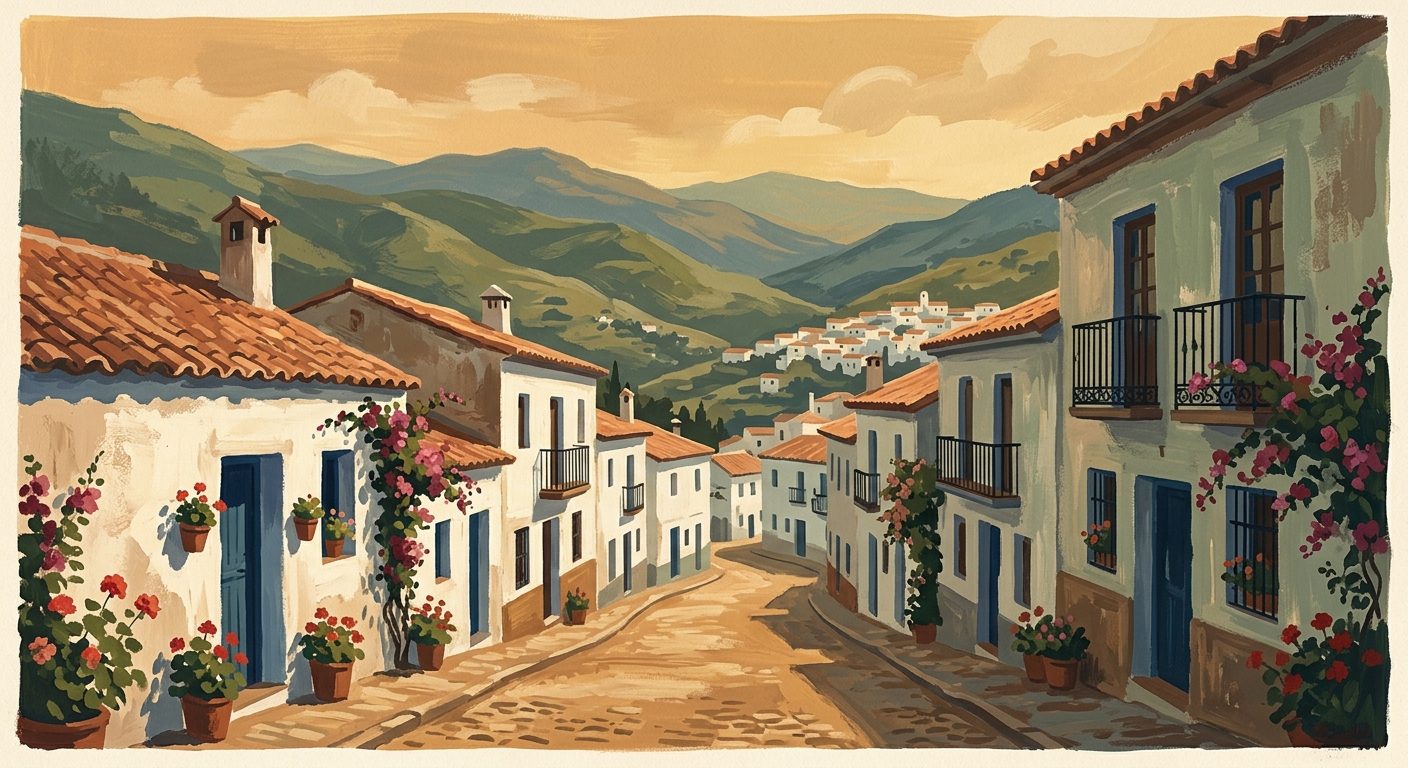
For the visitor, Padul offers a mix of outdoor activity and quiet rural tradition. The town itself maintains a sturdy, hardworking character, with wide plazas and a historic quarter that hides 16th-century architectural treasures. It is a destination that appeals to families, birdwatchers, and hikers who prefer level terrain without sacrificing the dramatic backdrop of the snow-capped Sierra Nevada. The air here is often a few degrees cooler than in the city, making it a popular escape for those looking to reconnect with nature without travelling far from the provincial capital.
What to See & Do in Padul
The primary draw of Padul is its natural environment, but the town centre also holds historical interest for those willing to explore its winding streets.
The Humedal de Padul and the Mammoth Route
The Humedal de Padul is a protected area within the Sierra Nevada Natural Park and is designated as a Ramsar site of international importance. The best way to experience this landscape is via the Ruta del Mamut (Mammoth Route). This is a well-maintained, mostly flat walking trail that uses wooden boardwalks to guide visitors across the marshy terrain. The route is approximately 8 kilometres long if completed as a full loop, though many visitors choose to walk the most scenic sections near the water.
The trail is named after the prehistoric remains found in the peat bogs. At the start of the path, near the Ayuntamiento (Town Hall) gardens, you will find a life-sized replica of a woolly mammoth, which has become the unofficial symbol of the town. The walk takes you through reed beds and past small lagoons where the water is surprisingly clear. It is a peaceful experience, accompanied by the sound of wind in the rushes and the calls of local waterfowl.
Birdwatching and Wildlife
Padul is a premier destination for ornithology enthusiasts. The wetlands act as a vital stopover for migratory birds travelling between Europe and Africa. Over 200 species have been recorded here. Depending on the season, you can observe grey herons, marsh harriers, purple swamphens, and various species of warblers. Several bird hides (observatorios) are positioned along the Ruta del Rinoceronte, a shorter branch of the main path named after the fossils of ancient rhinoceroses also found in the area. The early morning or late afternoon provides the best light and the highest chance of spotting more elusive species.
Casa Grande (Palacio de los Condes de Padul)
In the heart of the town stands the Casa Grande, a 16th-century palace built in a sober, military-inspired style. This historic building served as a fortress during the Alpujarra Rebellion and later as the residence of the Counts of Padul. Its facade is imposing, featuring a large stone coat of arms. While the interior is often used for local exhibitions and cultural events, the exterior and the general atmosphere of the surrounding plaza offer a glimpse into the town's strategic importance during the Golden Age of Spain.
The Lavadero de Santa Ana
For a taste of local social history, visit the Lavadero de Santa Ana. This traditional public laundry site, fed by a natural spring, was once the social hub for the town's women. It has been carefully restored and remains a cool, shaded spot where the water still flows through the stone troughs. It is a reminder of a way of life that persisted well into the 20th century in rural Granada.
Practical Information
Getting There: Padul is easily accessible via the A-44 motorway. If driving from Granada, take exit 144. The journey takes roughly 20 minutes. There is also a regular bus service operated by ALSA (lines 160, 360, and 361) that departs from the Granada bus station and the Palacio de Congresos, with a journey time of approximately 30 to 40 minutes (check on the operator's website before travelling).
Parking: There is ample free parking near the Polideportivo (sports centre) or along the Avenida de Andalucía. For those starting the Mammoth Route, the area around the Parque de la Estación is the most convenient place to leave a vehicle.
Opening Times & Prices: The wetlands and walking routes are open 24 hours a day and are free to access. The Aula de la Naturaleza (Nature Interpretation Centre) typically opens on weekends from 10:00 to 14:00, though it is advisable to check the local council website for seasonal changes before travelling. The Casa Grande is generally accessible during administrative hours or during specific cultural events.
Best Time to Visit: Spring and autumn are ideal for birdwatching and comfortable walking temperatures. Winter mornings can be misty and atmospheric, while summer visits require caution. During peak summer months like July, the Mammoth Route has no shade and should be avoided between 12:00 and 18:00.
Where to Eat Nearby
Padul is known for its hearty, traditional cuisine, with a particular emphasis on grilled meats and local produce from the Lecrín Valley. Restaurante El Cruce (on the main N-323a road) is a local institution, famous for its choto al ajillo (kid goat with garlic) and generous portions. It is a large, busy establishment that provides an authentic Spanish dining experience. For something slightly more contemporary but still rooted in local flavours, Restaurante Los Prados offers excellent grilled meats and seasonal vegetable dishes. Be sure to try the remojón granadino, a refreshing salad of oranges, cod, and olives that is a staple of the region.
Where to Stay
Accommodation in Padul primarily consists of independent rural houses (casas rurales) and villas, making it an excellent base for groups or families. Casa Rural El Valle provides a comfortable, traditional setting with easy access to the walking trails. For those preferring a hotel environment, there are several options in the neighbouring village of Dúrcal or the outskirts of Otura, but staying in a local rental within Padul allows for a more immersive experience of the valley's slow pace of life.