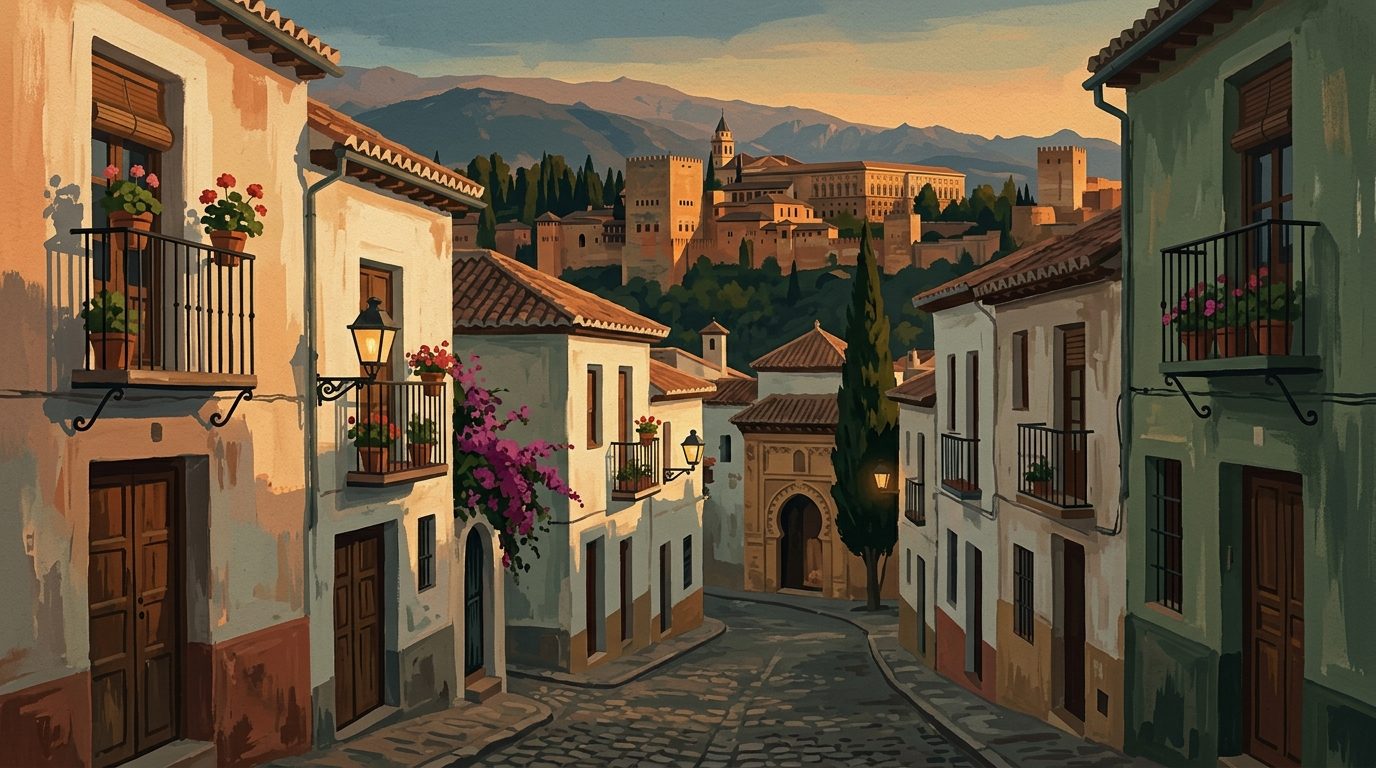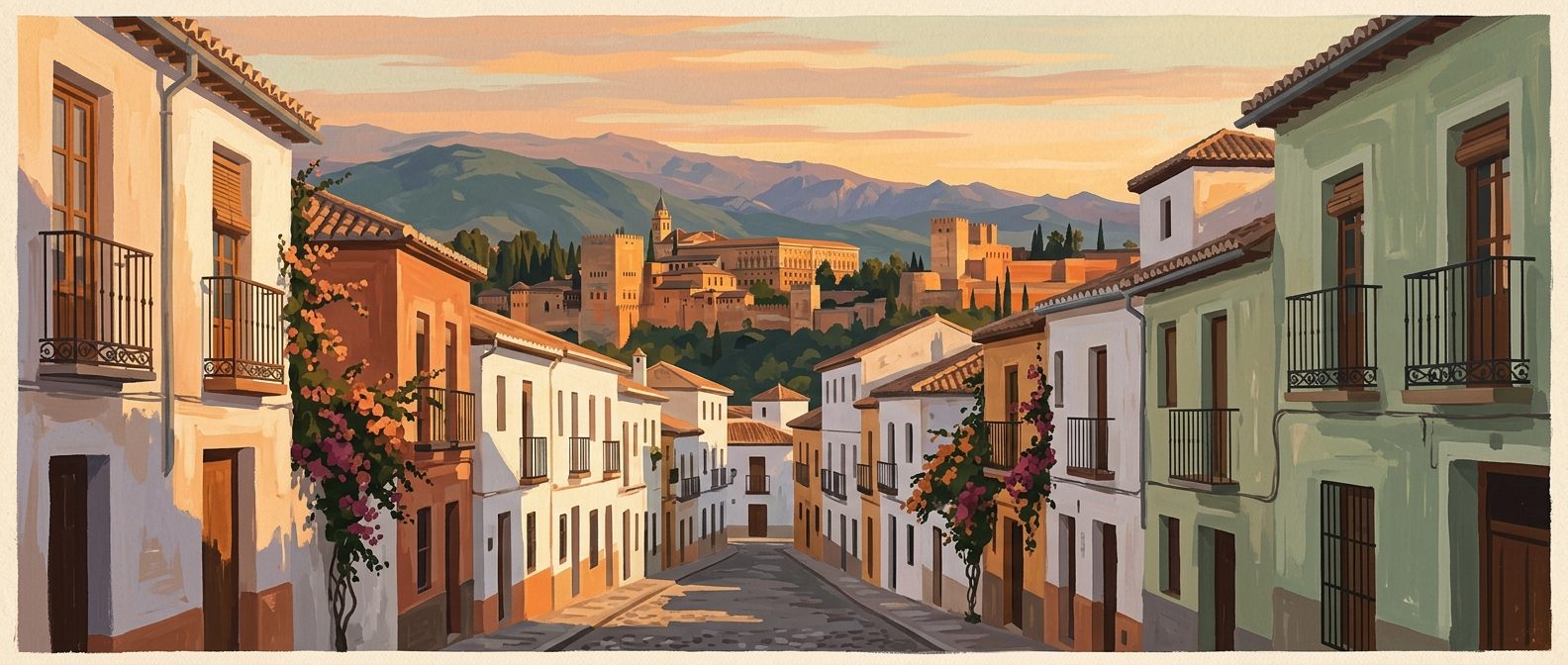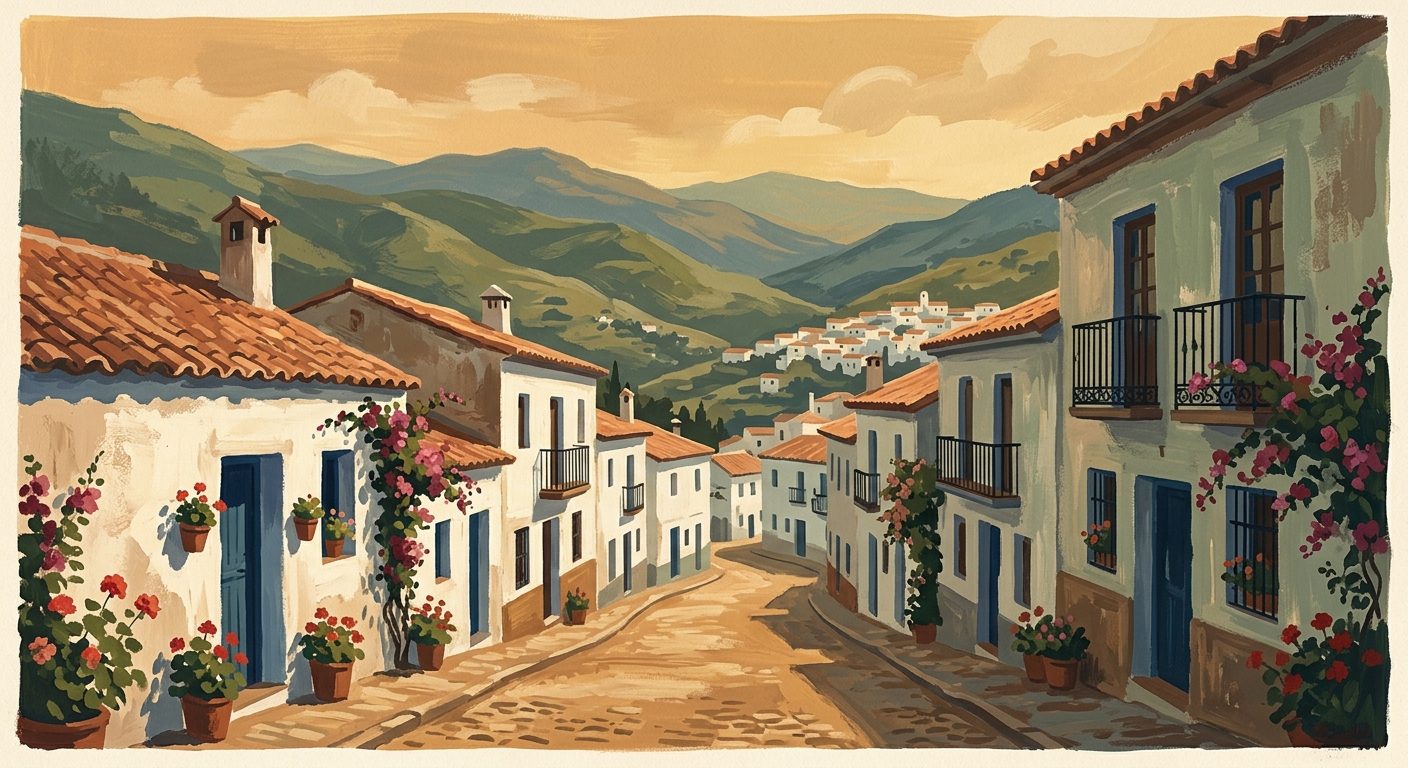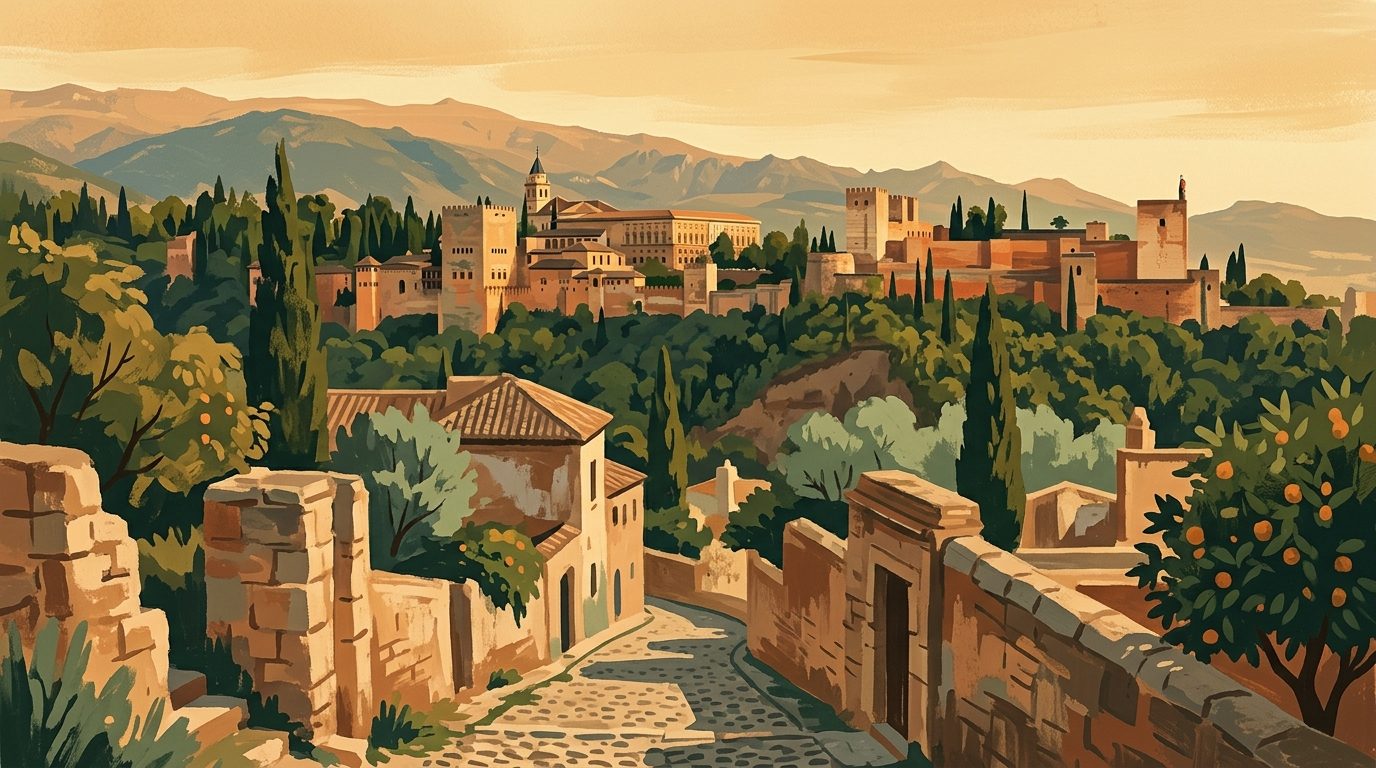
Loja sits at a strategic crossroads between the provinces of Granada, Málaga, and Córdoba, defined by its fortress and the abundant spring waters that rush through the town. Known as the ‘Gateway to Granada’, it offers a glimpse into frontier history alongside spectacular river gorges and Renaissance architecture.
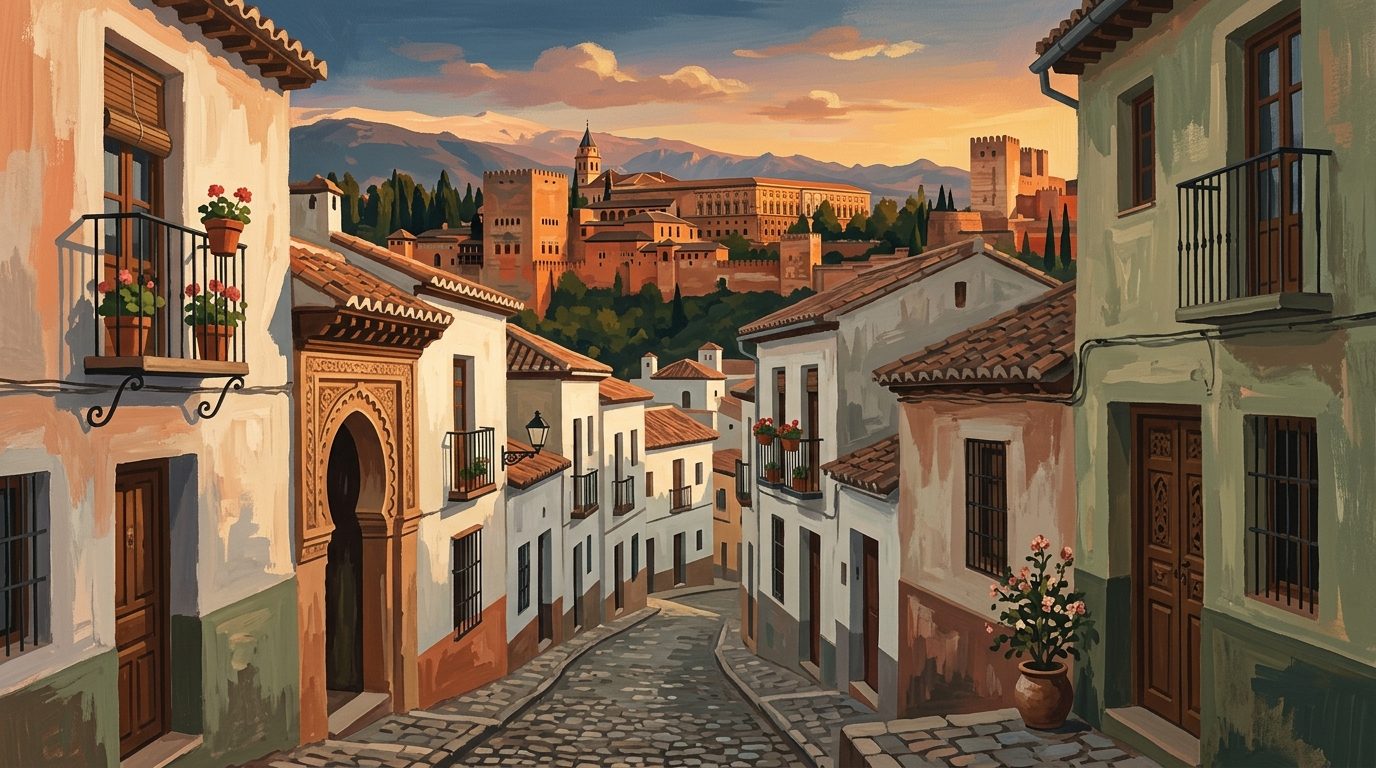
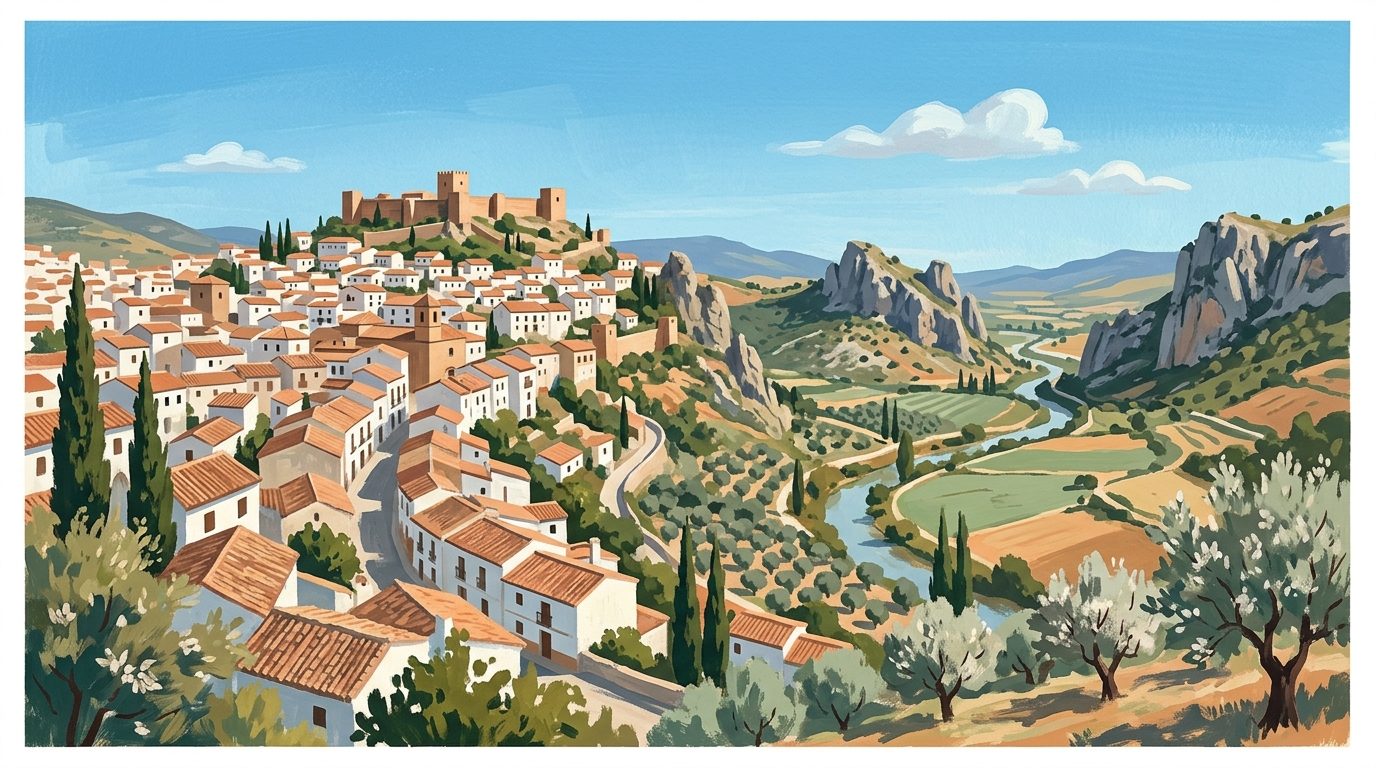
Loja occupies a narrow pass carved by the Genil River, a location so vital that Queen Isabella I famously described it as the "flower among thorns." For centuries, this town served as the military gateway to the Kingdom of Granada, a final stronghold before reaching the Alhambra. Today, that martial history is visible in the jagged walls of the Alcazaba, which stands above the white-washed streets on a limestone outcrop.
Beyond the stone walls, Loja is defined by water. Springs bubble up in public squares and the river plunges over cliffs at the Infiernos de Loja, creating a landscape that contrasts with the dry olive groves of the surrounding Poniente Granadino. It is a place of transit for many travelling between the coast and the city of Granada, but those who stop find a town of quiet squares and a distinct culinary tradition that reflects its diverse environment.
What to See & Do
The Alcazaba and the Military Quarter
The Alcazaba is the focal point of Loja’s historic centre. Built by the Moors in the 9th century, it was significantly reinforced during the 13th and 14th centuries as the Christian Reconquista pressed south. While much of the interior is now a landscaped park, the perimeter walls and the Torre del Homenaje (Keep) remain impressive. Walking along the ramparts provides the best view of the town’s layout, showing how the houses cling to the hillside below the fortress.
Inside the fortress grounds, you will find the Caserón de los Alcaides Moros. This former residence of the governors now serves as the Municipal Historical Museum. The museum provides context for the town's role as a border territory and houses archaeological finds ranging from the Palaeolithic era to the Middle Ages. The building itself is a fine example of 17th-century civil architecture, featuring a courtyard that offers a cool respite during the summer months.
The Renaissance Churches
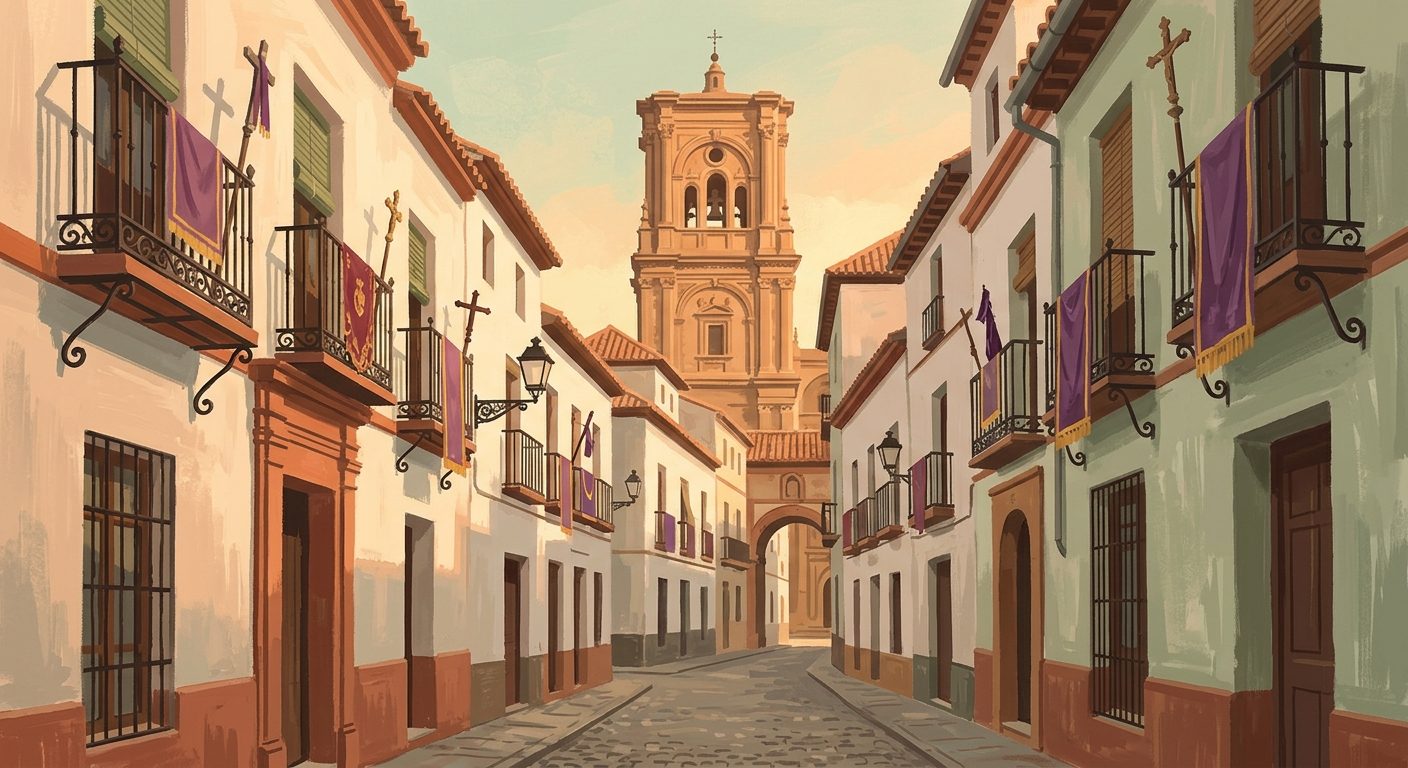
Loja contains several significant religious buildings that were constructed shortly after the Christian conquest in 1486. The Iglesia de San Gabriel is the most architecturally important. Designed in the 16th century by Diego de Siloé, the same architect responsible for Granada Cathedral, it is a masterpiece of the Spanish Renaissance. Look for the intricate stone carvings on the exterior and the spacious, light-filled interior that marks a departure from the heavier Gothic styles of the period.
Another essential stop is the Iglesia Mayor de la Encarnación. Built over the site of the former main mosque, this church features a blend of styles including a Mudéjar tower and a Gothic choir. Its position near the river means it has been rebuilt several times following floods and earthquakes, resulting in an eclectic appearance that tells the story of the town’s physical survival over five centuries.
The Water Heritage and Fuente de los 25 Caños
Loja is frequently called the "City of Water" due to the numerous natural springs that emerge from the karst landscape. The most famous of these is the Fuente de la Mora, also known as the Fuente de los 25 Caños (Fountain of the 25 Spouts). Located near the river, this massive stone fountain has been a social hub for centuries. Local legend suggests that anyone who drinks from all twenty-five spouts will return to Loja or find a partner in the town.
For a more natural experience, the Nacimiento del Frontil is a large spring on the outskirts of town that feeds a lagoon and small streams. It is a popular spot for locals to walk, especially in the early evening. The water here is remarkably clear and supports a variety of aquatic life, serving as a reminder of why the town was originally founded in this specific location.
Los Infiernos de Loja
Just outside the town centre lies a natural monument known as Los Infiernos de Loja (The Hells of Loja). This is a dramatic section of the Genil River where the water has carved deep channels into the limestone. The highlight is the Cola del Caballo (Horsetail Waterfall), a tall cascade where the water drops into a pool surrounded by lush vegetation and tufa formations. There is a well-marked walking trail that takes you through this gorge, offering viewpoints of the rapids and the unique geological shapes created by the constant erosion.
Practical Information
Loja is well-connected and easy to navigate, though the historic upper town involves some steep climbs. The main Tourist Office is located within the Alcazaba complex at the Caserón de los Alcaides Moros. They provide maps and can arrange guided tours of the fortress and churches. For the most up-to-date details, you can also check the official Loja Tourism website.
- Alcazaba & Museum Opening Times: Tuesday to Sunday, 10:00 to 14:00. Afternoon hours: 16:30 to 18:30 (October to March); 18:00 to 20:00 (April to September). Closed on Mondays.
- Ticket Prices: Entry to the Alcazaba and Museum is approximately €3.00 for adults, with discounts for children and seniors.
- How to Get There: Loja is located directly off the A-92 motorway, roughly 55km west of Granada and 75km east of Málaga. Regular ALSA bus services connect Loja with both cities, with the journey from Granada taking about 50 minutes.
- Parking: Free parking is available near the river at Plaza de la Victoria. From here, it is a 10-minute walk uphill to the historic centre. There is also limited parking near the Alcazaba for those with mobility issues.
Where to Eat Nearby
The local gastronomy is influenced by the abundance of fresh water. Riofrío, a small village just 10 minutes from Loja, is famous for its organic caviar and sturgeon, which are farmed in the icy waters of the Frío River. In Loja itself, Mesón de la Alcazaba offers traditional Andalucian dishes with views of the fortress; their seasonal stews and grilled meats are highly regarded.
For something lighter, visit Restaurante Flamboyant, located in a restored building near the town centre, which serves modern interpretations of regional classics. No visit is complete without trying the Roscos de Loja, a local pastry made with egg whites and flour, coated in a hard sugar glaze. These can be purchased at bakeries throughout the town, such as Obrador Bonachera.
Where to Stay
For a high-end experience, La Bobadilla, a Royal Hideaway Hotel, is located on a vast estate outside the town. It is designed like an Andalucian village and is one of the most prestigious hotels in the region. Within the town itself, Hotel El Mirador provides comfortable, modern rooms and a terrace with sweeping views across the Genil valley and the Alcazaba. It is conveniently situated for those wishing to explore the historic centre on foot.