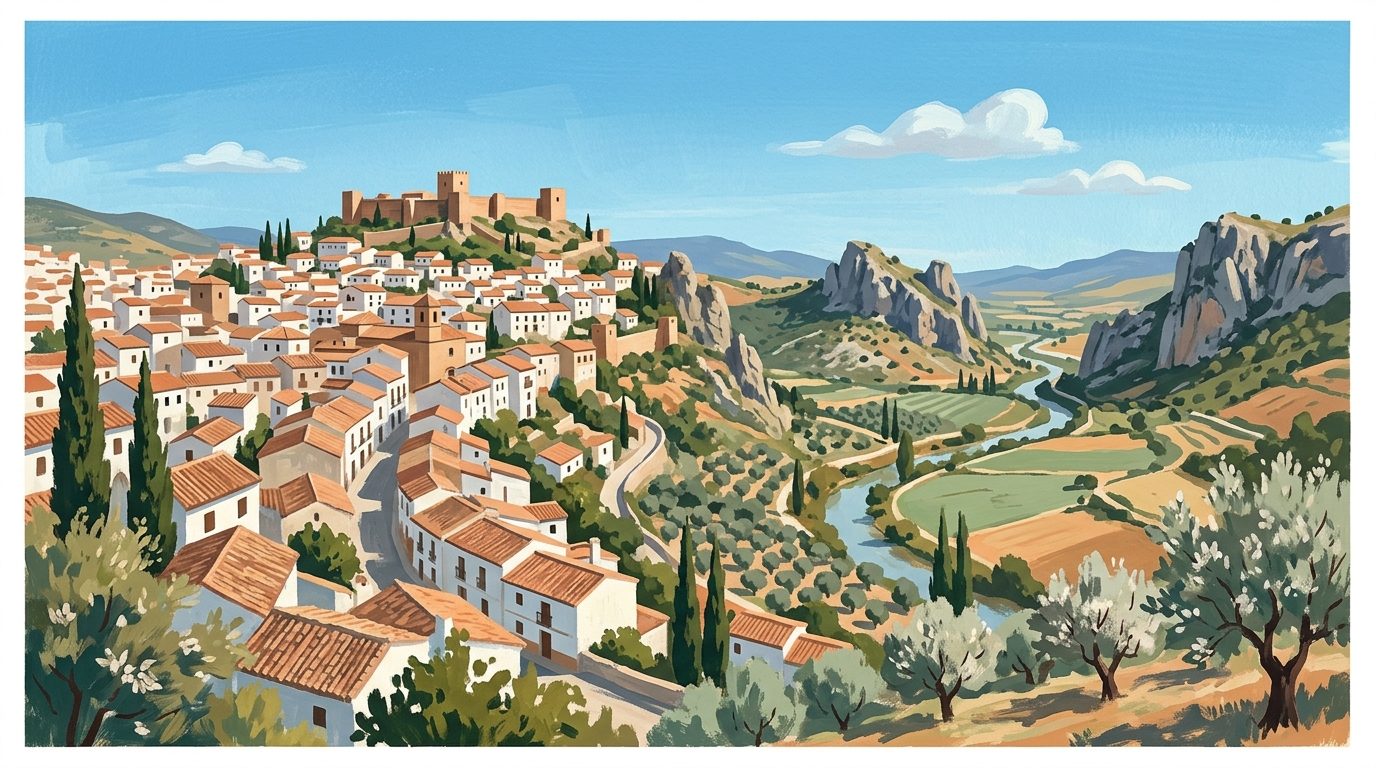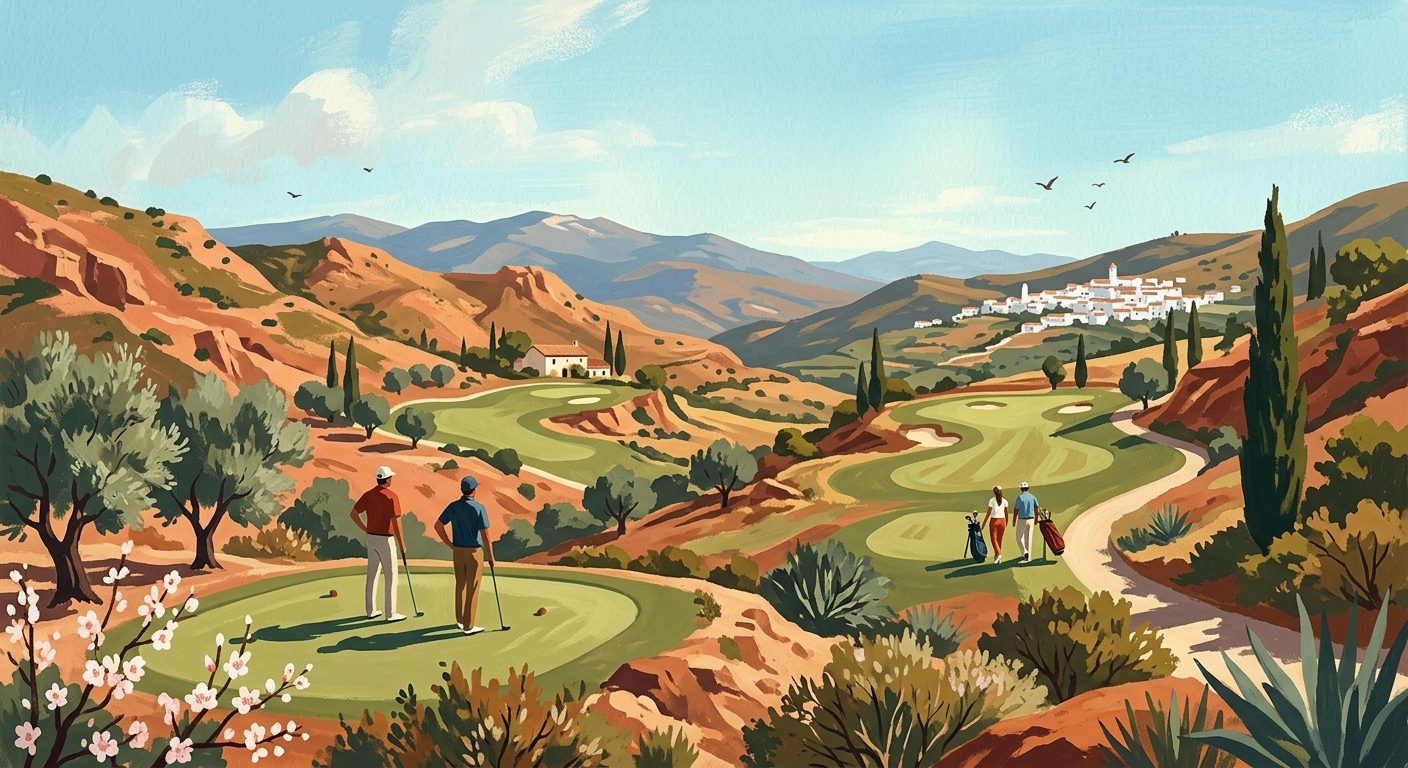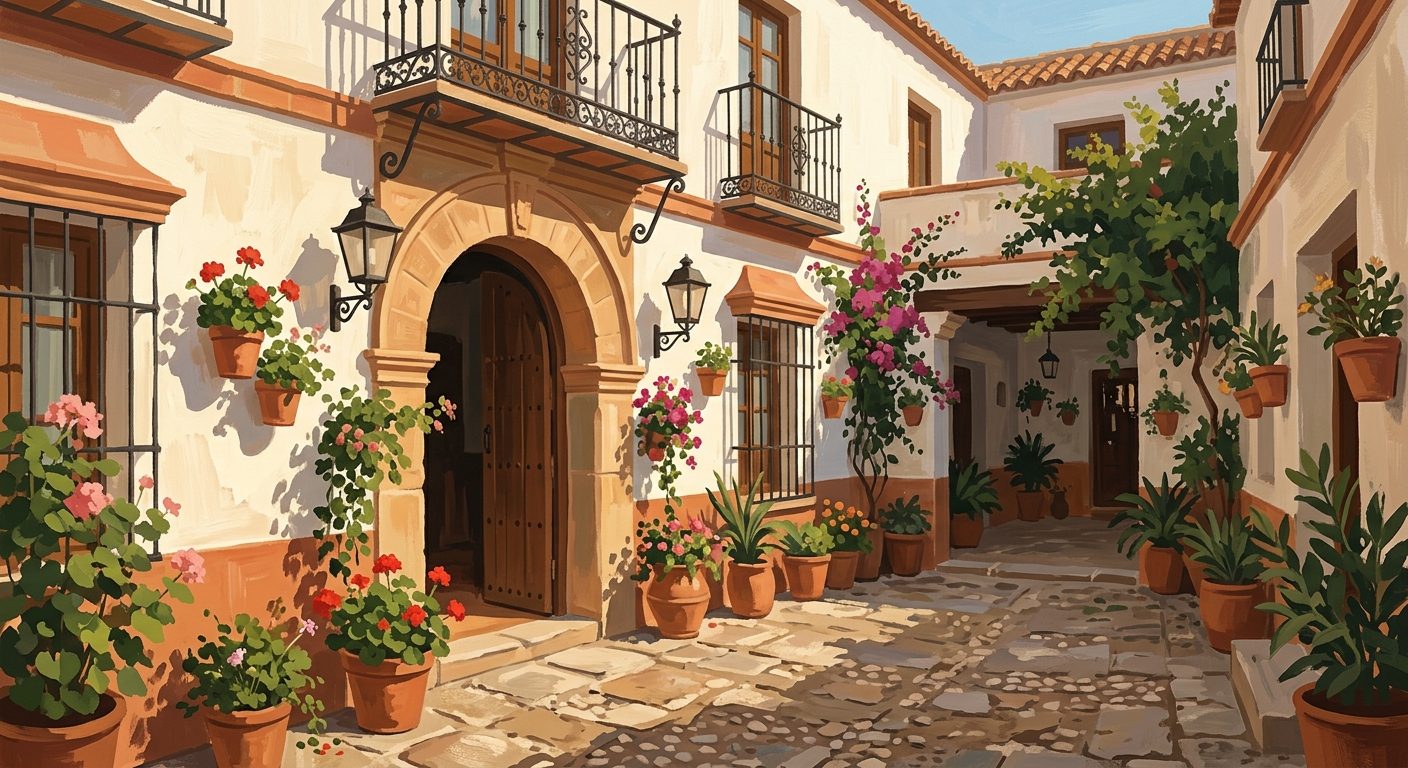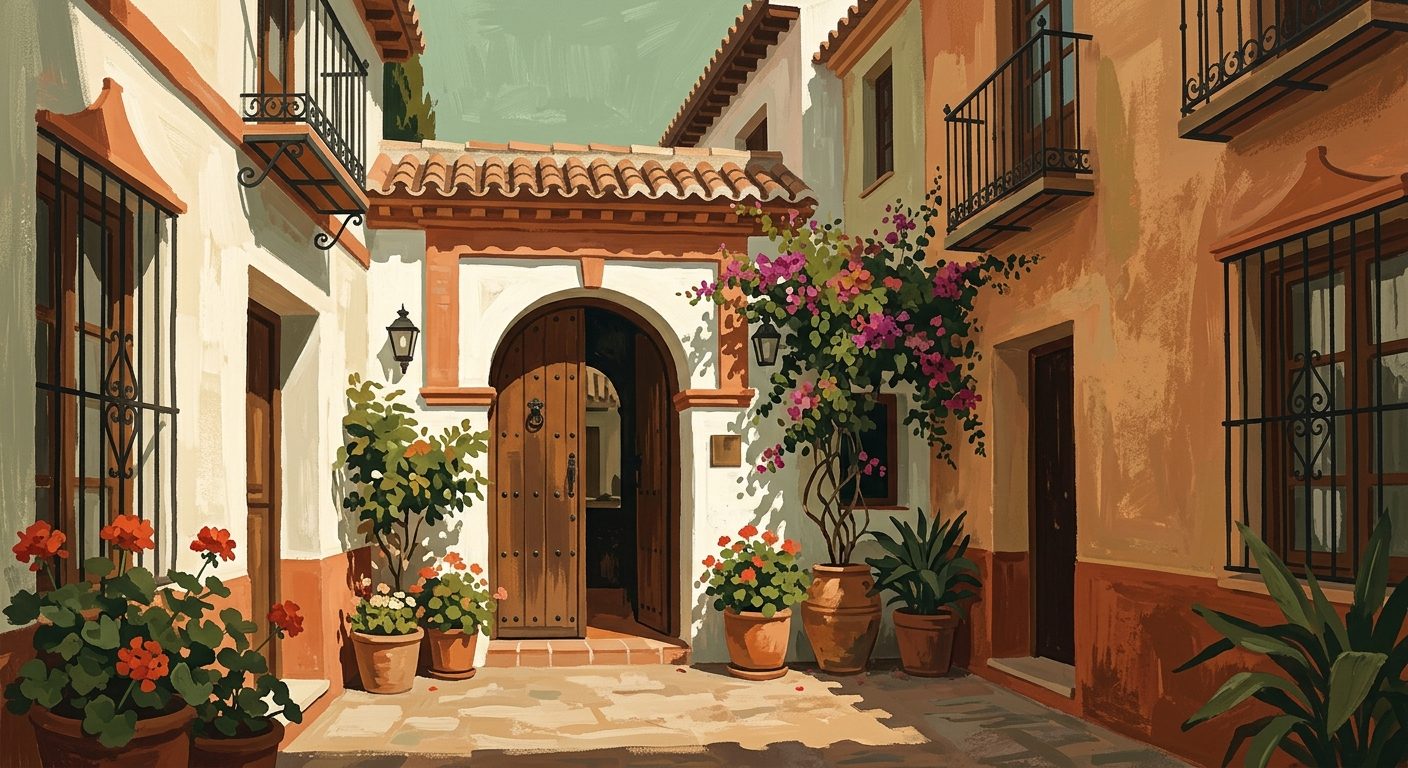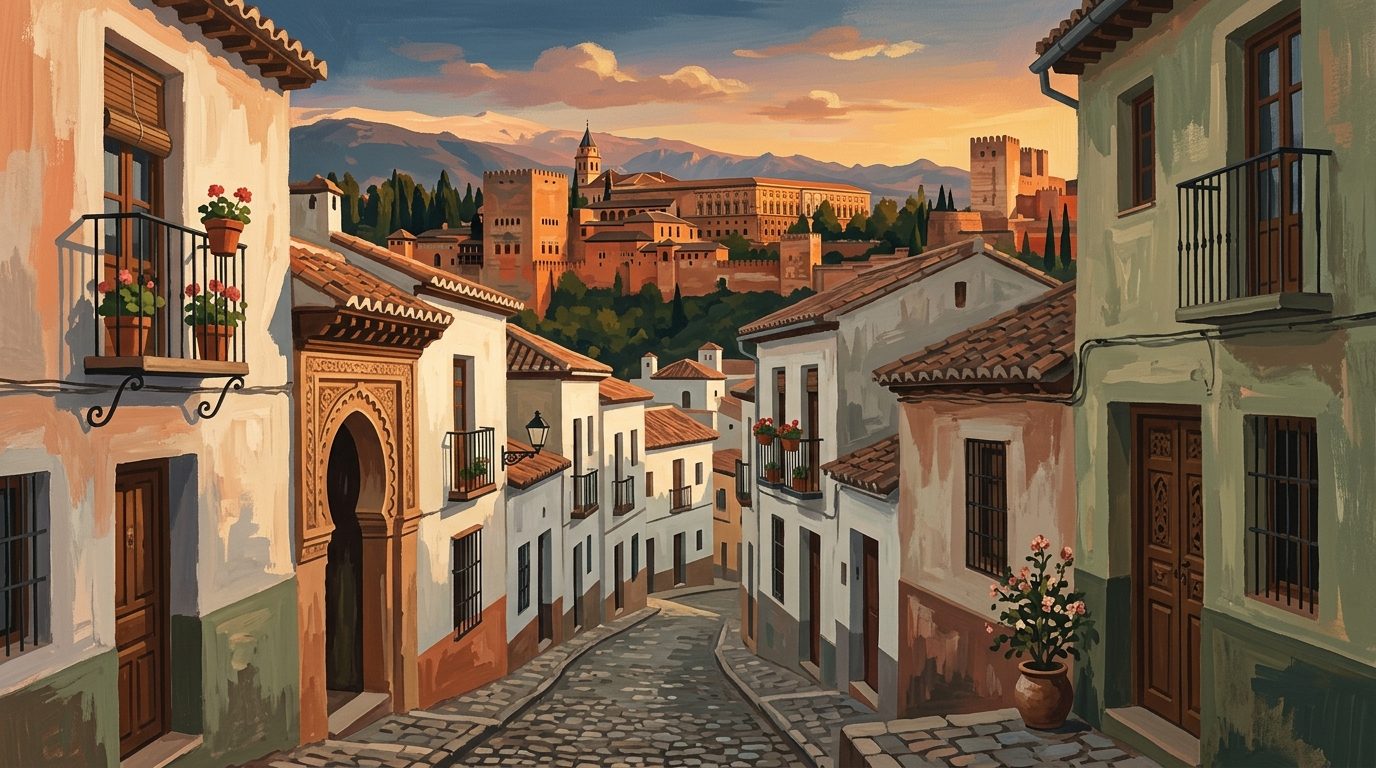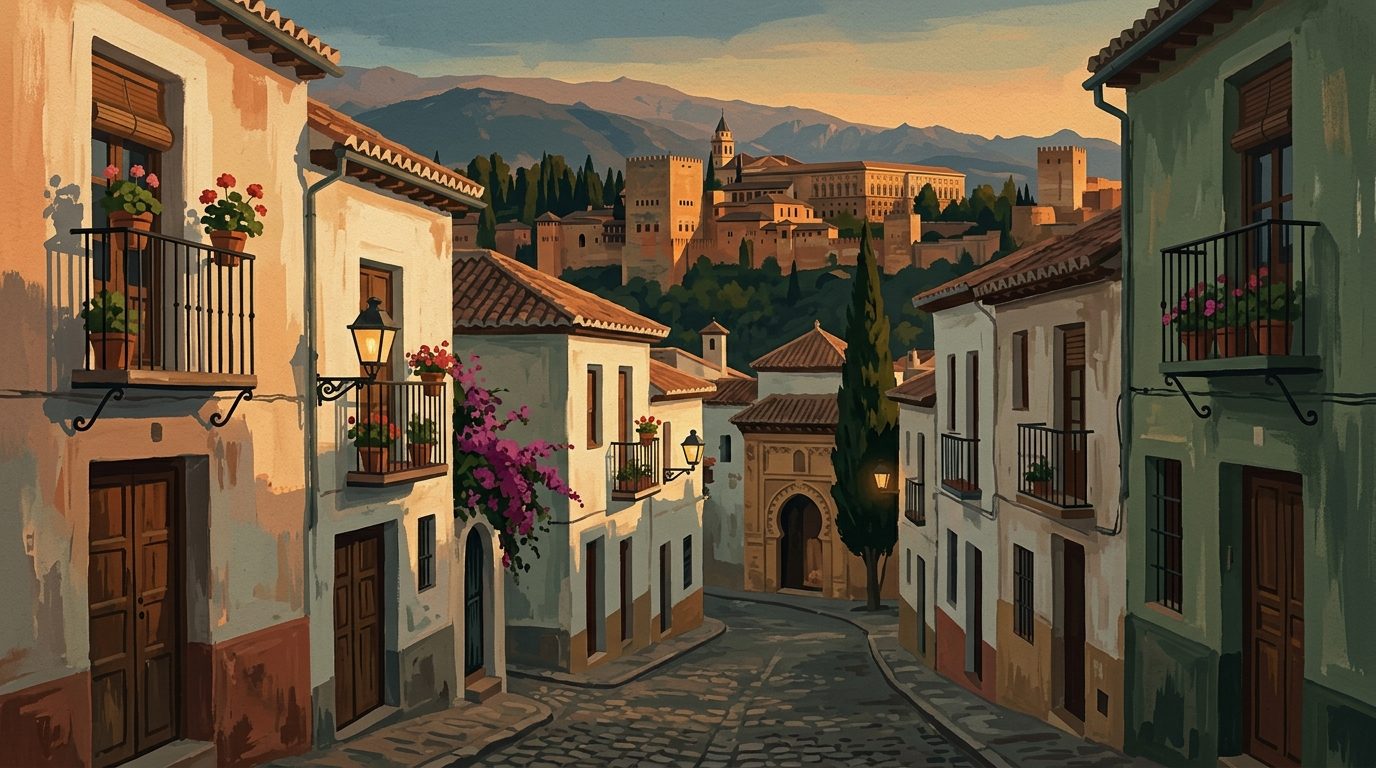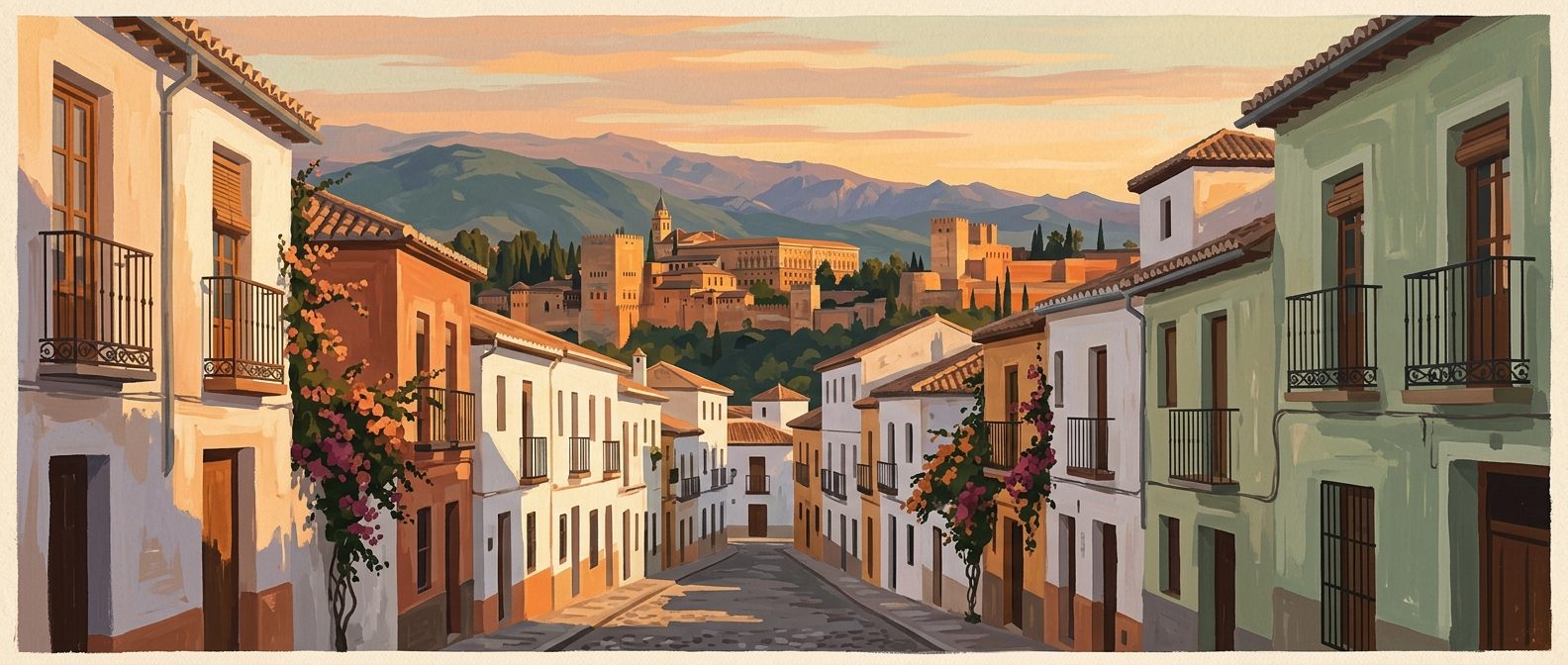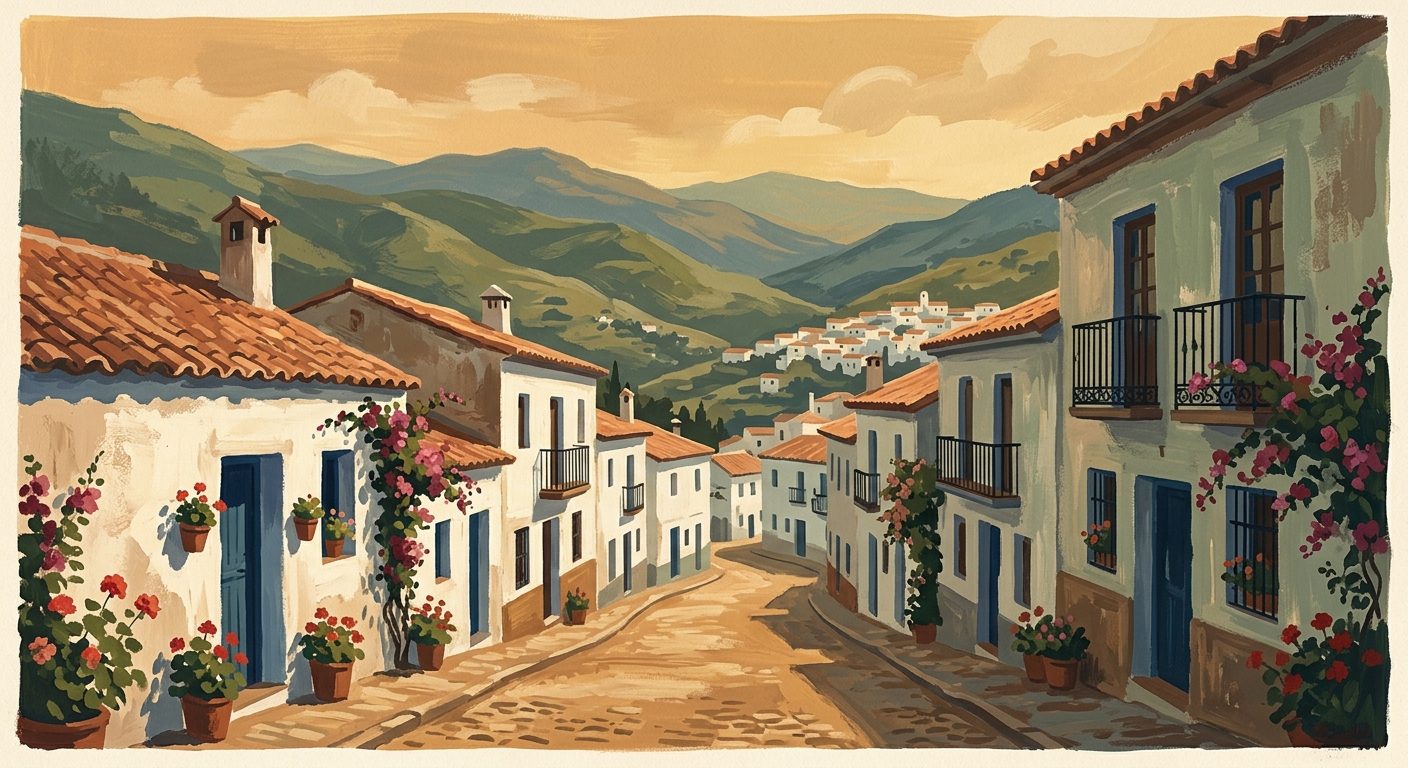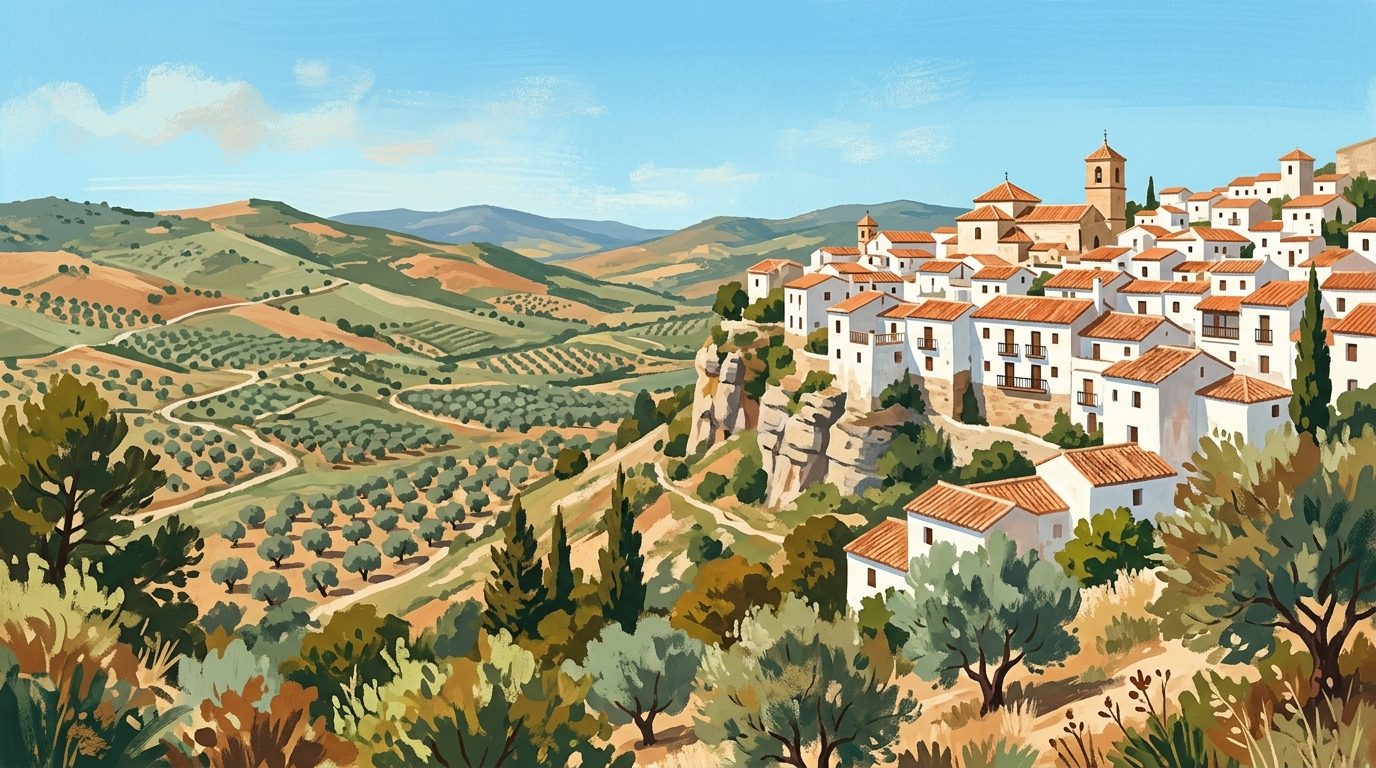
Standing on the threshold between the olive-clad hills of the Guadalquivir valley and the snow-capped peaks of the Sierra Nevada, Poniente Granadino is a region defined by its rugged limestone cliffs and white-walled fortress towns. Once the strategic 'Last Frontier' of the Nasrid Kingdom, it offers a quieter, more grounded perspective on the province of Granada, far from the tourist throngs of the Alhambra.
To travel through Poniente Granadino is to trace the edge of history. For over two centuries, this region was the volatile borderland between Christian and Moorish Spain. Today, that tension has evaporated, leaving behind a landscape of immense watchtowers, deep river gorges, and towns that cling to rocky outcrops with stubborn grace. This is the western edge of Granada province, an area where agriculture still dictates the pace of life and where the food on your plate likely grew just a few kilometres away.
While most visitors bypass this region on the A-92 motorway heading towards Granada city, those who turn off find a patchwork of holm oaks, almond trees, and some of the world's finest olive groves. The climate here is slightly more temperate than the high Altiplano, making it ideal for exploring on foot or by bike. The Poniente rewards the patient traveller with sights that feel entirely earned.
Loja: The City of Water
Known as the 'Gateway to Granada', Loja is often unfairly overlooked. It is a town built on and around water. The Rio Genil carves its way through the centre, and the town is famous for its 25 public fountains. The most celebrated is the Fuente de los Veinticinco Caños (Fountain of the Twenty-Five Spouts), where locals still fill up bottles with cold, mineral-rich mountain water. The sound of running water is the constant soundtrack to a walk through the lower town.
What to See in Loja
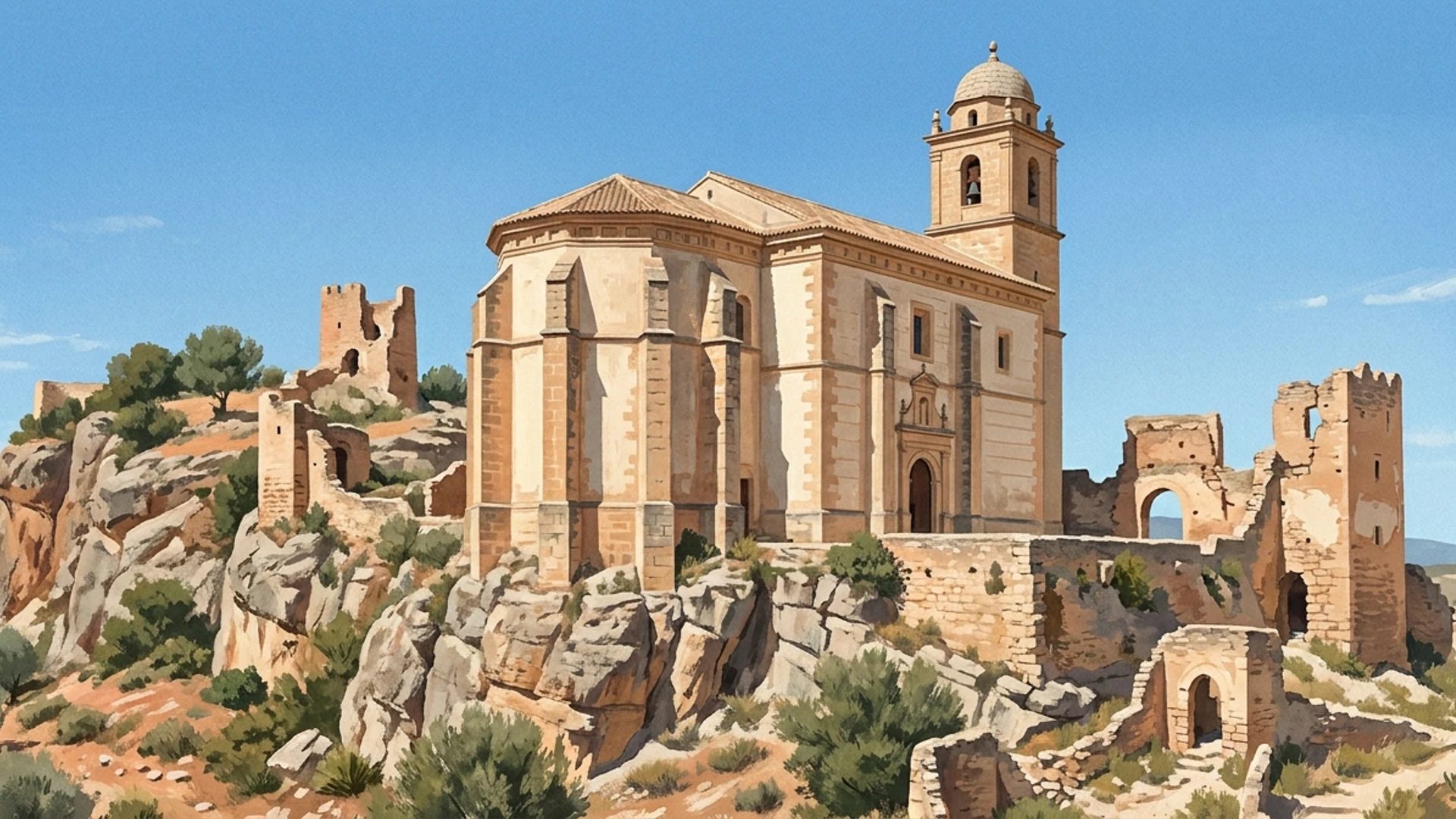
Begin at the Iglesia de San Gabriel, a 16th-century masterpiece of the Spanish Renaissance. Its exterior is imposing, but the interior stone carving is where the craftsmanship truly shines. After viewing the church, head up to the Alcazaba, the Moorish fortress that once held King Boabdil prisoner. From the Mirador del Espigón, you can look down over the red-tiled roofs and out towards the Sierra de Loja, a barren, lunar-like limestone plateau that looms over the town.
Just outside the town centre lies the hamlet of Riofrío. This spot is world-renowned among gourmets for its sturgeon farm. It produces the world's first certified organic caviar, a product that rivals anything from the Caspian Sea. You can take a tour of the pools or simply enjoy a lunch of fresh trout, another local speciality, at Restaurante Quintana, where the fish is served within hours of being caught. If you have a sweet tooth, track down some Roscos de Loja. These ring-shaped pastries are glazed with a hard, white sugar coating and filled with a spiced yolk cream; they have been the town's signature treat since the 19th century.
Montefrío: The Silhouette of the Poniente
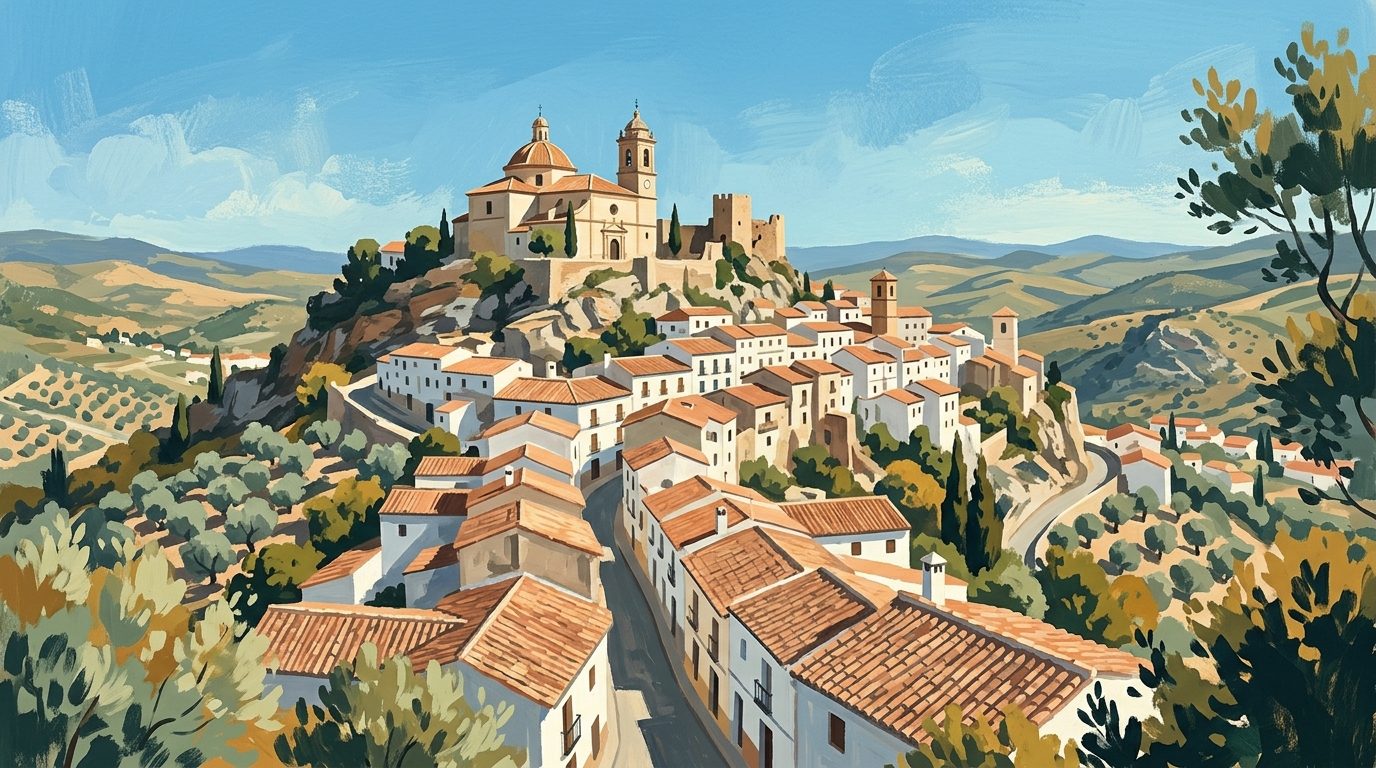
Montefrío is perhaps the most photographed town in the province, thanks in part to a 2015 National Geographic feature that named its skyline one of the ten most beautiful in the world. It is easy to see why. The town is dominated by a massive rock monolith topped with a Moorish castle and the 16th-century Iglesia de la Villa. The houses seem to tumble down the hillside like a white waterfall. However, despite the international recognition, Montefrío remains a functioning farming town at heart, smelling of woodsmoke in winter and olive presses in autumn.
Architectural Anomalies and Ancient Sites
The town's most curious landmark is the Iglesia de la Encarnación. Unlike almost any other church in Andalucía, it is completely circular, modelled after the Pantheon in Rome. The acoustics inside are hauntingly beautiful. After exploring the town centre, drive or walk up to the Mirador National Geographic on the road to Illora. This is where you get the classic postcard shot: the circular church in the foreground and the fortress-topped cliff in the distance.
A few kilometres outside the town lies the Peña de los Gitanos (Gypsy’s Rock). This archaeological site is a complex of megalithic dolmens and Neolithic settlements. It is privately owned but can be visited with a guide, offering a profound sense of how long humans have found sanctuary in these limestone folds. Before leaving, buy some Queso de Montefrío from a local tienda (shop). This award-winning goat and sheep milk cheese is the pride of the town, particularly the version cured in olive oil.
Read the full Montefrío guide →
Alhama de Granada: Gorges and Hot Springs
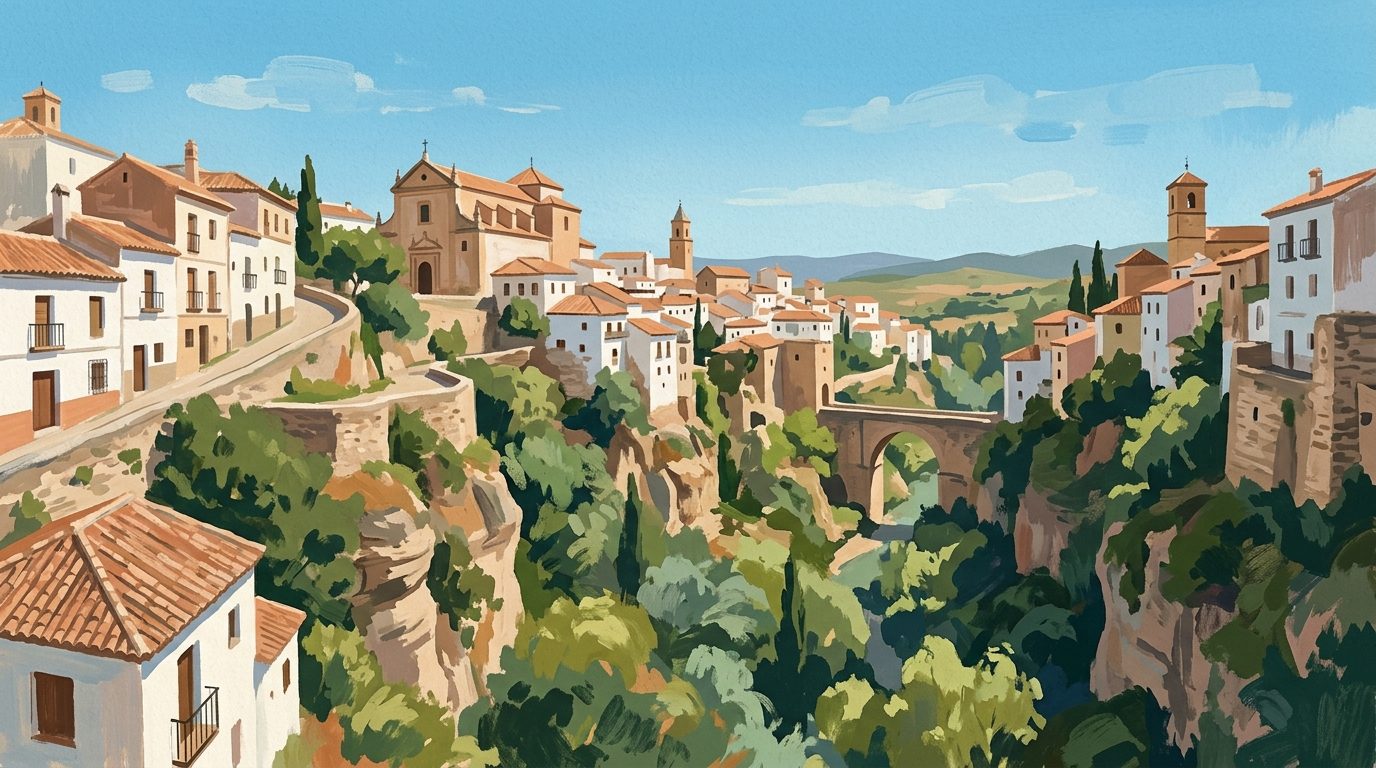
Alhama de Granada is a town of vertigo-inducing views. It sits on the edge of a massive tajo (gorge) carved by the Rio Marchán. The name 'Alhama' derives from the Arabic Al-Hammam (the baths), referring to the thermal springs that have drawn visitors since Roman times. The town has a mournful beauty, immortalised in the medieval ballad 'Ay de mi Alhama', which lamented its fall to the Christians in 1482, a pivotal moment that signalled the end of the Nasrid rule.
The Tajo and the Balneario
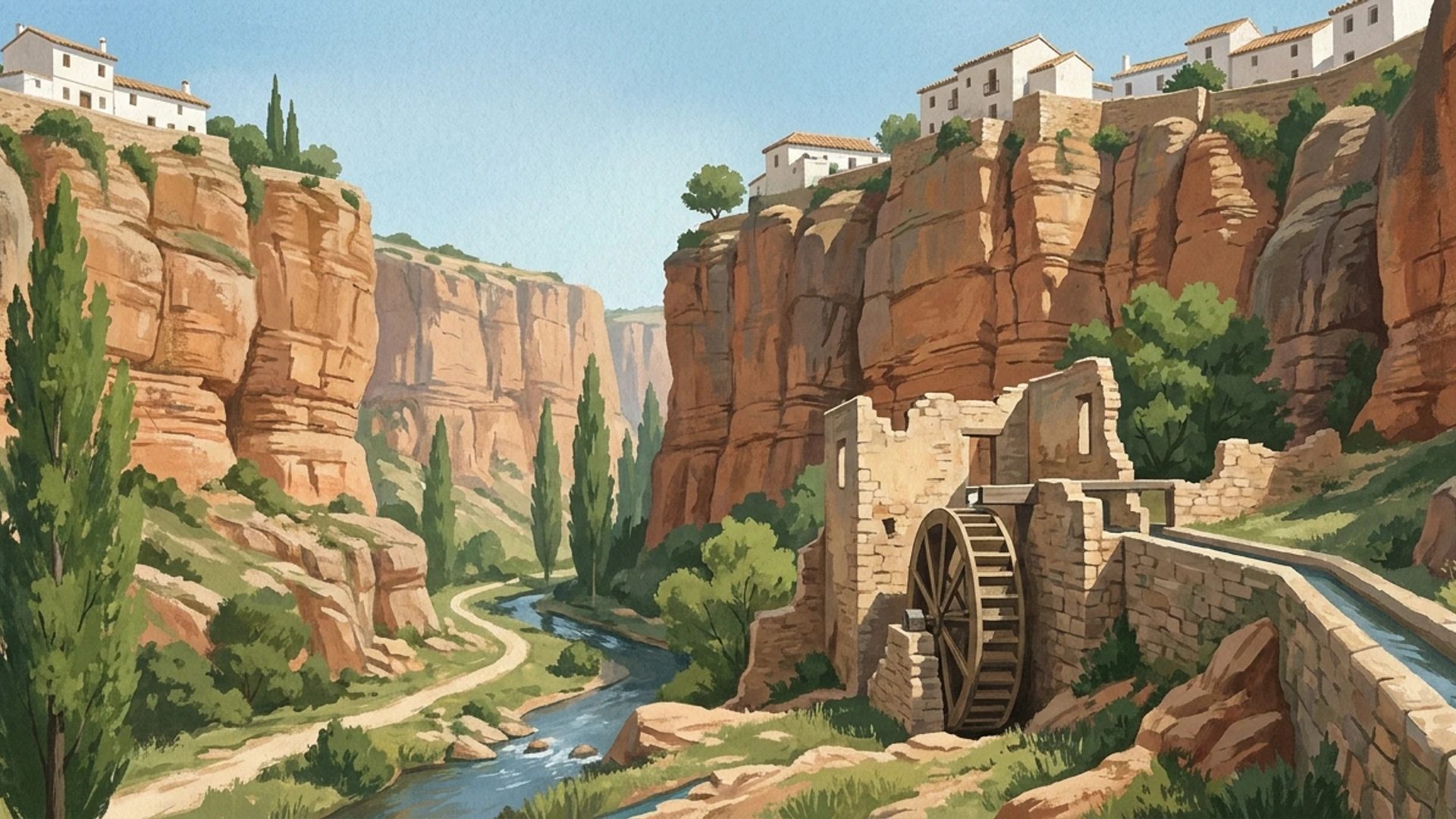
The best way to experience Alhama is to walk the Paseo de las Gallinas, a path that skirts the edge of the gorge. From here, you can see the Puentecillo Románico (small Roman bridge) and the old flour mills built into the rock face. For those with steady legs, follow the path down into the bottom of the gorge, where the vegetation is lush and the temperature drops by several degrees. Back in the town, the Iglesia de la Encarnación is a standout, featuring a tower designed by Diego de Siloé, the architect of Granada Cathedral.
No trip to Alhama is complete without a soak in the Baños Árabes (Arab Baths). Located inside the Hotel Balneario about three kilometres from the town, the central pool features original 12th-century horseshoe arches. It is one of the few places in Spain where you can bathe in thermal waters in an authentic Nasrid setting. For a more casual experience, there are small 'pozas' or free natural pools just outside the hotel grounds where the hot water overflows into the river, though these can get busy on weekends.
Read the full Alhama de Granada guide →
Eating & Drinking in Poniente Granadino
The gastronomy here is heavy on mountain staples. Choto (kid goat) is the king of the menu, usually prepared al ajillo (with garlic and white wine) or in a rich almond sauce. In Loja, you must try the Remojón Lojeño, a refreshing salad made with oranges, salt cod, hard-boiled eggs, and plenty of local extra virgin olive oil from the D.O. Poniente de Granada.
For a memorable meal in Alhama de Granada, head to Bar Ochoa on the main square. It is a classic Andalucían spot where the tapas are generous and the platos combinados (mixed plates) feature local longaniza (spiced sausage). If you are in Montefrío, Mesón de la Enrea, located in an old olive oil mill, offers refined versions of traditional dishes, such as porra fría (a thick cold tomato soup similar to salmorejo). Don't forget to sample the local wine; while not as famous as the bottles from Jerez, the high-altitude reds from the small bodegas around Alhama are increasingly gaining respect for their bold, mineral character.
Where to Stay
For a splurge, La Bobadilla, a Royal Hideaway Hotel, is located in the countryside near Loja. It is designed like an Andalucían village and is widely considered one of the finest rural hotels in Spain. It is the kind of place where you can lose track of time among the 350 hectares of olive groves.
In Alhama de Granada, La Seguiriya is a characterful guest house owned by flamenco singer Paco Moyano. The building is a 19th-century manor house overlooking the gorge, and the hospitality is famously warm. For those who prefer a rural escape, the area is dotted with cortijos (farmhouses) available for rent. Cortijo del Marqués, located on the northern edge of the region, offers a more boutique, historical experience in a beautifully restored manor with its own chapel and stables.
Getting There & Around
You will need a car to explore Poniente Granadino effectively. The A-92 motorway connects Loja to Granada (45 minutes) and Málaga (1 hour). However, the joy of this region lies in the secondary roads. The A-335 winds through the hills between Loja and Montefrío, offering spectacular views, though it requires a bit of patience with the curves. Public transport is limited; there are semi-regular ALSA buses from Granada to Loja and Alhama, but reaching Montefrío by bus is infrequent and time-consuming. Parking is generally easy on the outskirts of the towns, but the historic centres have narrow streets best avoided by car.
Best Time to Visit
Spring (April to June) is the prime window. The wildflowers are out, the rivers are full, and the temperature is perfect for hiking the gorges. Autumn (October and November) is also excellent, coinciding with the olive harvest; the air is crisp, and the restaurants begin serving heavier seasonal stews. Winter can be surprisingly cold, with frost on the olive trees and occasional snow in the higher passes around Alhama, though the clear blue skies are perfect for photography. Avoid July and August if you plan on hiking, as the midday heat in the valleys can be intense.