Experience the physical reality of the 1492 voyage by boarding the full-scale replicas of the Niña, Pinta, and Santa María at the water's edge. This heritage site in the province of Huelva provides a profound insight into the maritime skills and sheer courage required to navigate the Atlantic over five centuries ago.
Huelva occupies a unique position in the annals of global exploration. While Sevilla often takes the spotlight for its later role as the gateway to the Indies, it was here, at the confluence of the Tinto and Odiel rivers, that the first expedition was forged. The Muelle de las Carabelas, or the Wharf of the Caravels, serves as a living museum dedicated to this era. Located in the Paraje de La Rábida, just a short drive from Huelva city centre, the site allows visitors to step back into the late 15th century and understand the technical and human challenges of the voyage that would eventually link Europe and the Americas.
The site is not merely a collection of static exhibits. It is a reconstructed environment that captures the atmosphere of a medieval port, complete with the sights and sounds of a society on the brink of a new era. For anyone interested in naval architecture, the age of discovery, or the evolution of Huelva as a maritime power, this site is the focal point of the region’s heritage. It forms part of the wider Lugares Colombinos (Columbian Sites), which include the nearby monastery and the town of Palos de la Frontera, where the majority of the crew were recruited.
What to See and Do
The Three Caravels
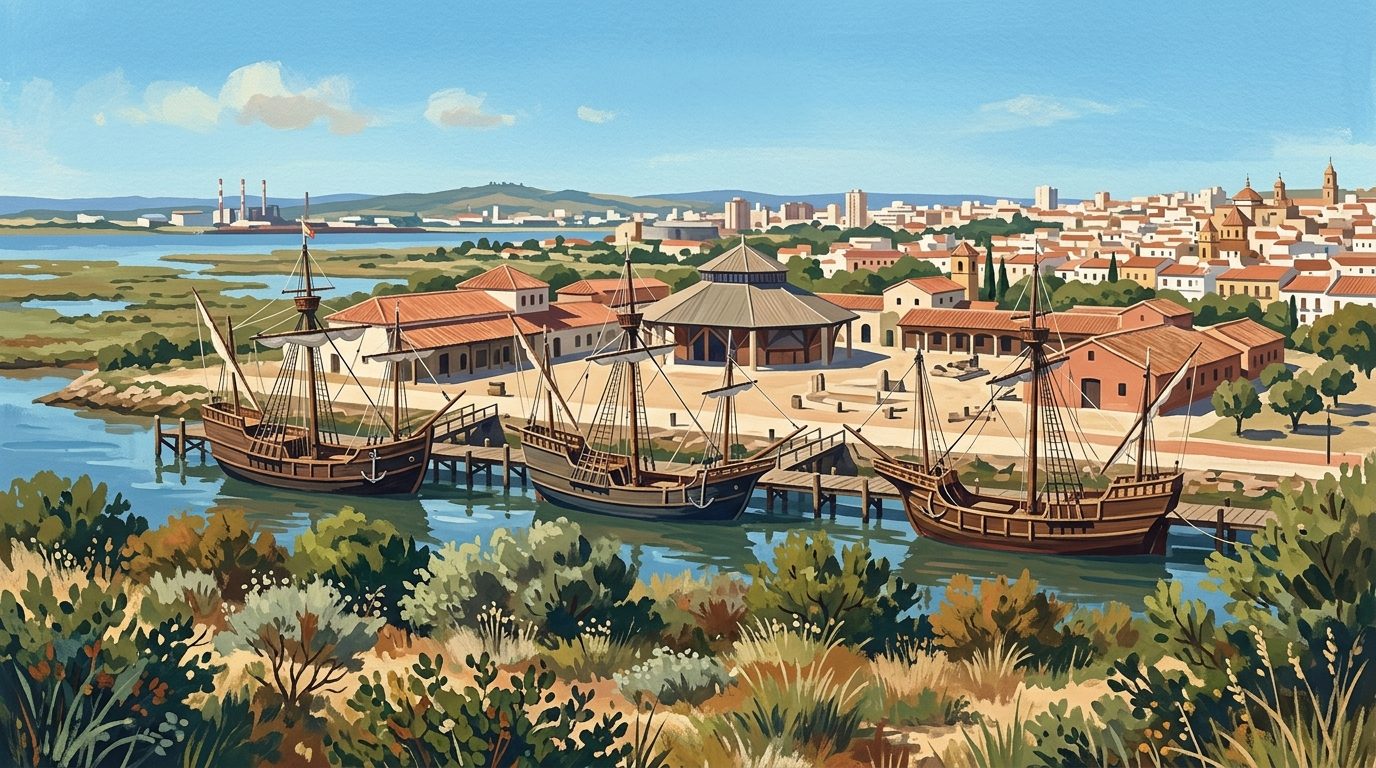
The primary attraction at the wharf is the presence of three faithful replicas: the Niña, the Pinta, and the Santa María. These vessels were constructed between 1990 and 1992 using traditional methods to celebrate the 500th anniversary of the voyage. Unlike many replicas that are purely for display, these ships are seaworthy and have even retraced the original route across the Atlantic.
Visitors can board all three vessels, which is a revelatory experience. Standing on the deck of the Santa María, the largest of the three, one is immediately struck by how remarkably small these ships were given the vastness of the ocean they crossed. The Santa María was a 'nao', a sturdier, broader cargo ship, while the Niña and Pinta were caravels: lighter, faster, and more manoeuvrable. Exploring the cramped holds and the narrow living quarters of the officers provides a visceral sense of the conditions endured by the ninety men who made the journey. The attention to detail is meticulous, from the rigging and sails to the wooden barrels and navigation tools used by the pilots.
The Medieval Quarter and Museum
Surrounding the dock is a recreation of a 15th-century port area known as the Barrio Medieval. This section aims to provide context for the expedition, showcasing the daily life of the mariners and merchants of the era. You will find recreations of a marketplace, a pottery workshop, and a tavern. The intention is to illustrate the logistical effort required to provision three ships for an indeterminate amount of time, including the storage of salted meats, wine, and hard tack.
Adjacent to the dock is a modern interpretation centre and museum. This facility houses a collection of maps, documents, and navigational instruments from the period. It also features an audiovisual room where visitors can watch a detailed documentary about the construction of the replicas and the history of the 1492 voyage. The museum does an excellent job of explaining the social and political climate of the time, including the critical role of the Pinzón brothers, who were local shipowners and master mariners essential to the expedition's success.
Isla de los Encuentros
The Isla de los Encuentros (Island of Encounters) is a dedicated space that attempts to depict the culture of the Taino people, whom Columbus first encountered on the island of Guanahani. This area features reconstructed indigenous dwellings, statues, and items representing the flora and fauna of the Caribbean. It serves as a narrative counterpoint to the European ships, acknowledging the impact of the encounter on the indigenous populations of the New World. It is an engaging area for families, providing a more sensory way to learn about the cultural exchange that began in the late 15th century.
Monasterio de Santa María de La Rábida
While technically a separate ticket, the Monastery of La Rábida is located only a few hundred metres from the wharf and is an essential part of the story. This Franciscan friary, dating back to the 14th century, is where Christopher Columbus stayed while he was seeking support from the Spanish monarchs. The friars here, particularly Juan Pérez and Antonio de Marchena, were instrumental in advocating for his project at court.
The monastery is a beautiful example of Gothic-Mudéjar architecture. Inside, the 14th-century church and the tranquil cloister remain largely unchanged. A highlight is the series of frescoes by the Huelva-born artist Daniel Vázquez Díaz, painted in 1930. These murals depict the key figures and moments of the discovery in a unique, modernist style that captures the gravity of the event. The monastery also houses a small museum with artefacts and models related to the voyage.
Monumento a la Fe Descubridora
Across the water at the Punta del Sebo, where the rivers meet, stands the massive Monument to the Discovery Faith. This 37-metre-tall statue, designed by the American sculptor Gertrude Vanderbilt Whitney and gifted by the United States in 1929, is one of the most iconic sights in Huelva. Though often called the Columbus monument, it represents a more abstract figure leaning on a cross, symbolising the Christian faith that drove the exploration. The base of the monument features reliefs of the four continents and the Spanish monarchy. It is a significant site for a quiet walk with a view back towards the Muelle de las Carabelas across the Odiel estuary.
Practical Information
Opening Times:
The Muelle de las Carabelas has seasonal hours. In the winter (16 September to 15 June), it is open Tuesday to Sunday from 09:30 to 19:30. During the summer (16 June to 15 September), the hours are 10:00 to 21:00. The site is closed on Mondays, except for certain bank holidays. It is always wise to check the official Diputación de Huelva website for current seasonal variations or any temporary closures due to maintenance or film shoots, as the ships are frequently used as sets.
Ticket Prices:
General admission is €3.60 for adults. There are reduced rates of €1.50 for students, pensioners, and groups of more than 20 people. A family ticket (covering two adults and children under 18) is available for €7.50. Children under the age of five and people with disabilities can enter for free. (Check current pricing on the operator's website before travelling).
How to Get There:
The wharf is located about 4km south of Huelva city. By car, take the H-30 and follow signs for 'La Rábida'. There is ample free parking on-site. If you are using public transport, the Damas bus company operates a service from the main Huelva bus station to the Universidad de Huelva (La Rábida campus) and the monastery, which is a ten-minute walk from the ships. The journey takes roughly 20 minutes (verify current routes and timetables with the transport operator before travelling).
Where to Eat Nearby
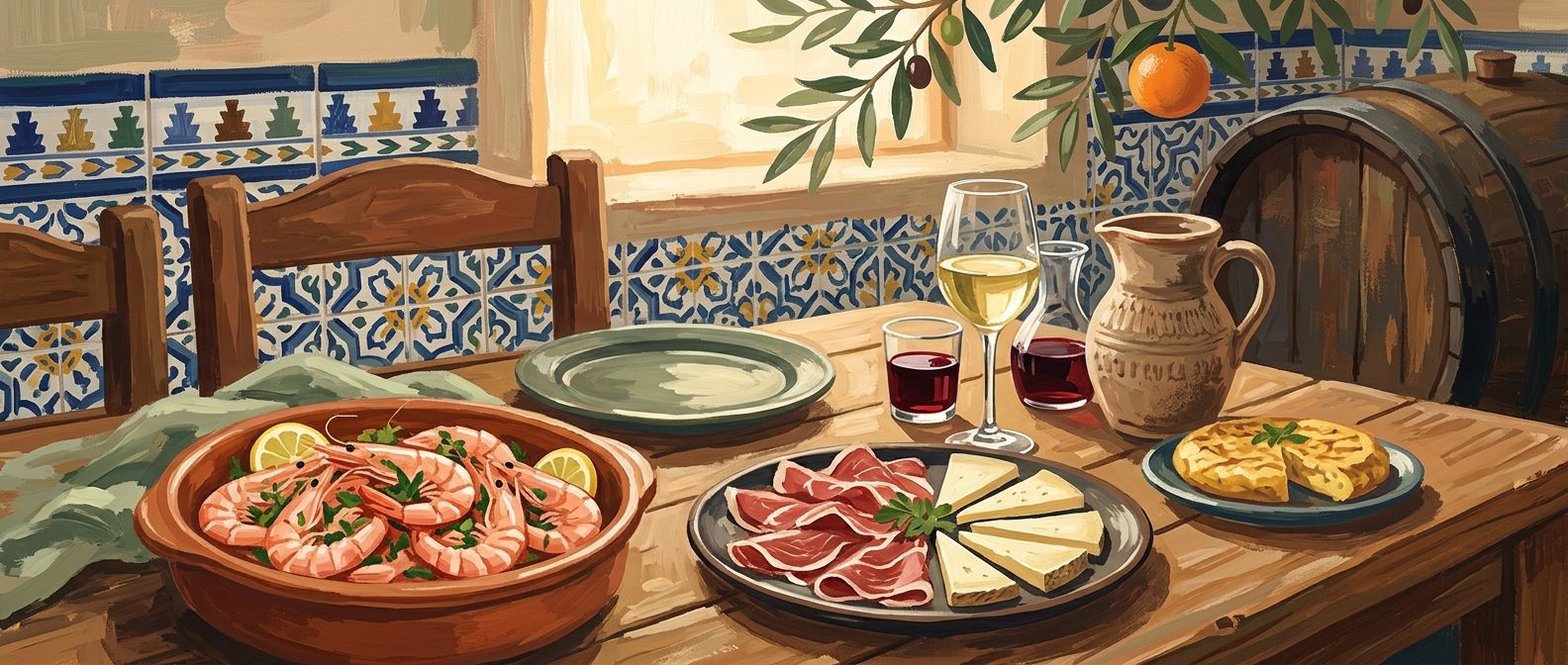
For a meal with a view of the monastery, Restaurante Los Descubridores is a reliable choice. Located just outside the monastery gates, it serves traditional Huelva cuisine with a focus on grilled meats and local seafood. The outdoor terrace is particularly pleasant on a sunny day. Inside the wharf complex itself, you will find Taberna Alota, which is more of a casual café-bar. It is perfect for a quick lunch or a drink between touring the ships, offering basic tapas and sandwiches. If you prefer to head back towards Huelva city, Restaurante Macha at the Punta del Sebo offers excellent fresh fish and white prawns (gamba blanca) from the Huelva coast, served in a more formal dining setting with views of the monument.
Where to Stay
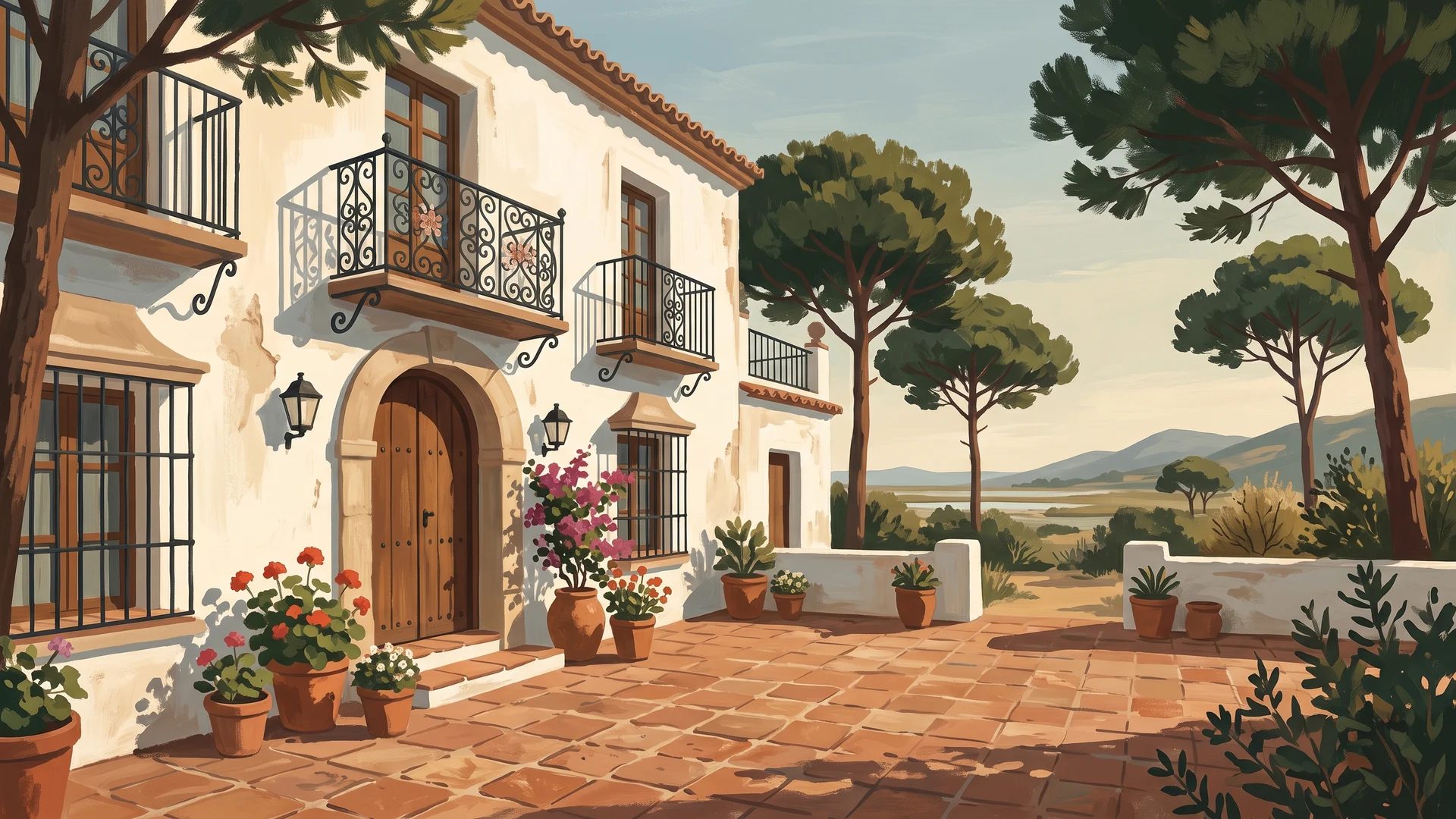
If you wish to remain close to the historic sites, Hotel Santa María in Palos de la Frontera provides comfortable, budget-friendly accommodation just a short drive from the wharf. For those preferring the city centre, the Senator Huelva is a well-regarded four-star option located within walking distance of the main shopping districts and the train station. Another excellent choice is Hacienda Montija Hotel, a converted historic farmhouse on the outskirts of Huelva that offers a more tranquil, traditional atmosphere with an impressive courtyard and pool.