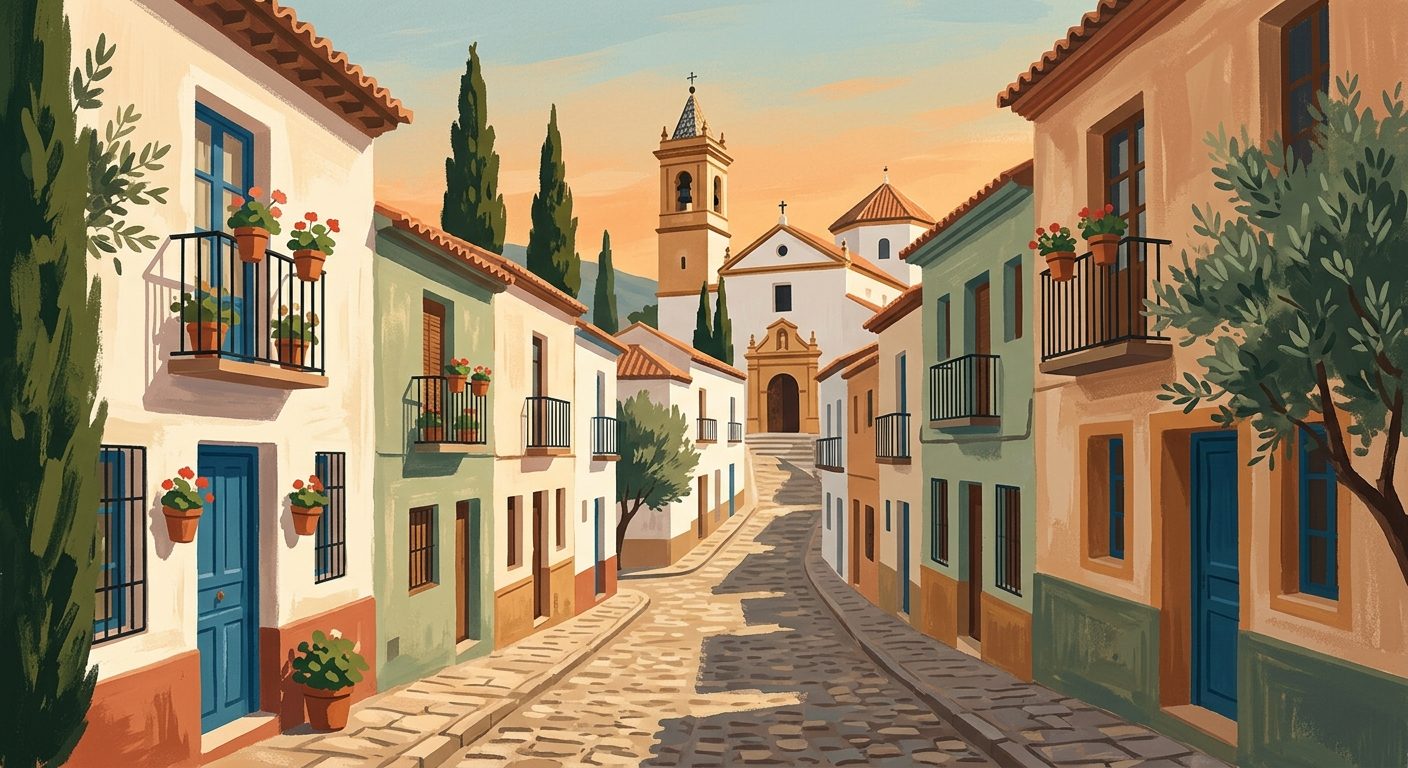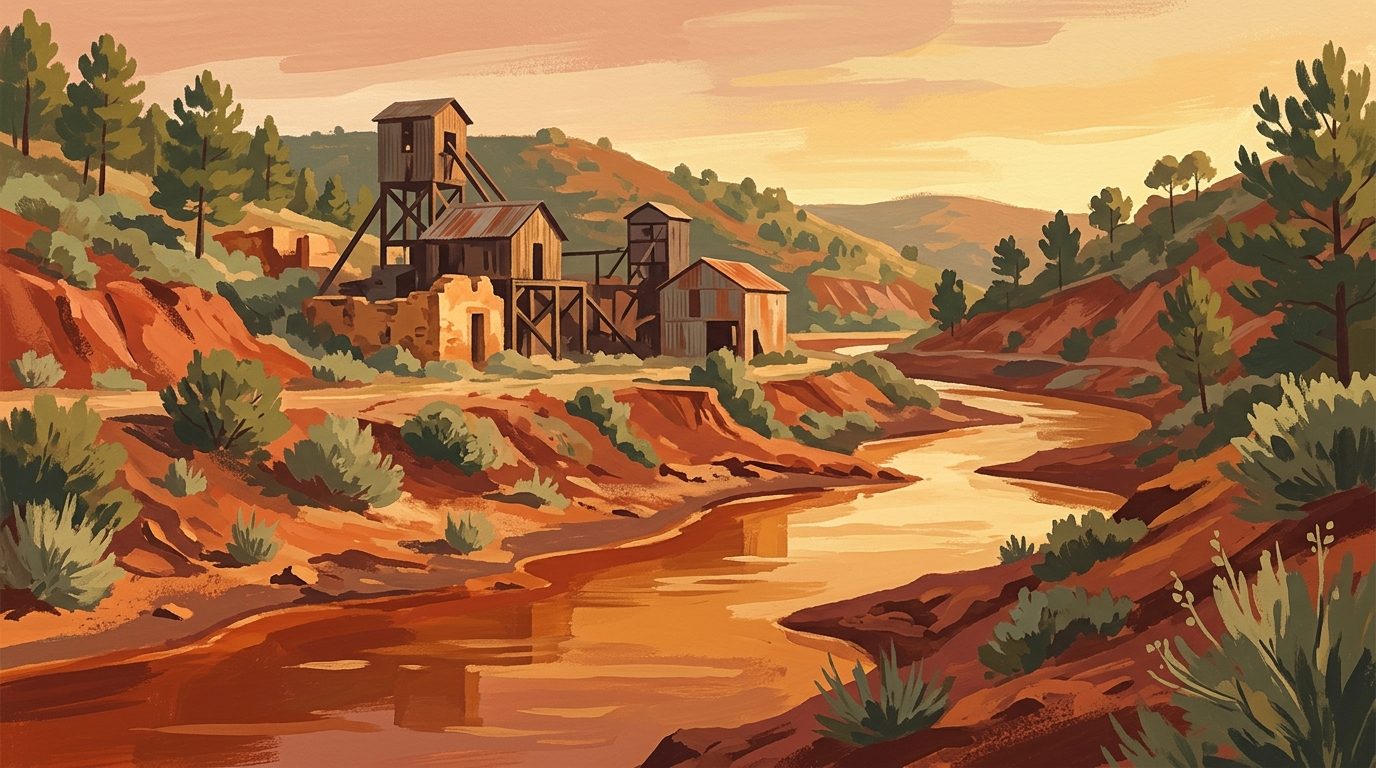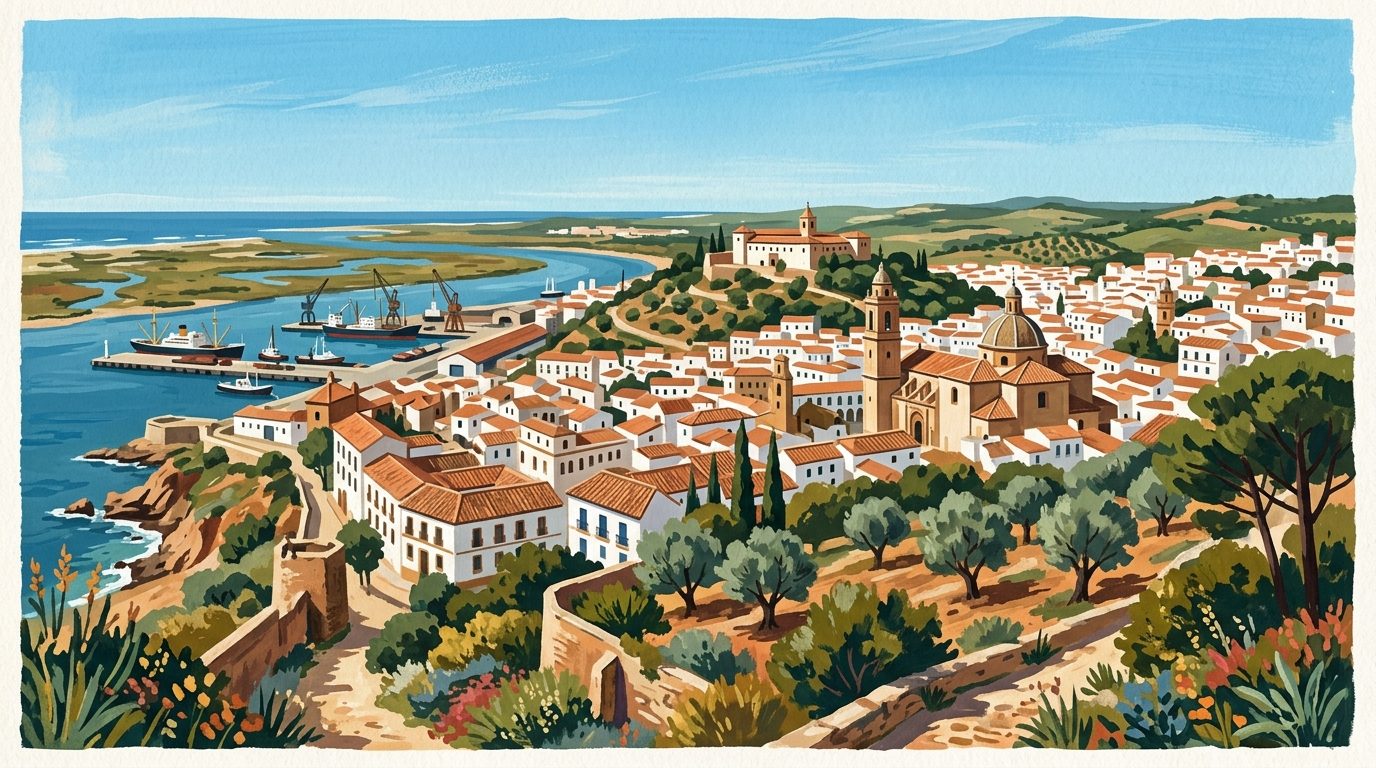
Huelva is a city of salt air and maritime grit, often overlooked for its neighbours but rewarding those who stay for its incredible seafood and red-earth history. It serves as a gateway to the Age of Discovery and some of the most important wetlands in Europe.
Huelva is rarely the first name on an Andalucían itinerary, and that is precisely why it remains one of the most authentic corners of the region. Situated on a peninsula where the Odiel and Tinto rivers meet the Atlantic, it is a city shaped by water and minerals. For decades, it was defined by its heavy industry and its role as the shipping hub for the Rio Tinto mines, but look past the cranes and silos and you will find a city with a distinct, unpretentious character. This is a place where the paseo (evening stroll) is still a sacred ritual and where the chiringuitos (beach bars) serve some of the finest shellfish in the world without a hint of pretension.
The city bears the unmistakable marks of British influence. In the late 19th century, the Rio Tinto Company transformed Huelva into a colonial-style outpost, leaving behind the red-brick houses of the Barrio Reina Victoria and the magnificent Muelle del Tinto, a Victorian iron pier that stretches out into the river like a rusted skeleton. Today, Huelva feels like a town in transition, embracing its history as the starting point of Christopher Columbus’s voyage while protecting the wild, tidal marshes that wrap around its edges. It is a place for those who prefer salty air and local flavours over polished tourist facades.
Columbus Connections & Muelle de las Carabelas
The Friars and the Fleet
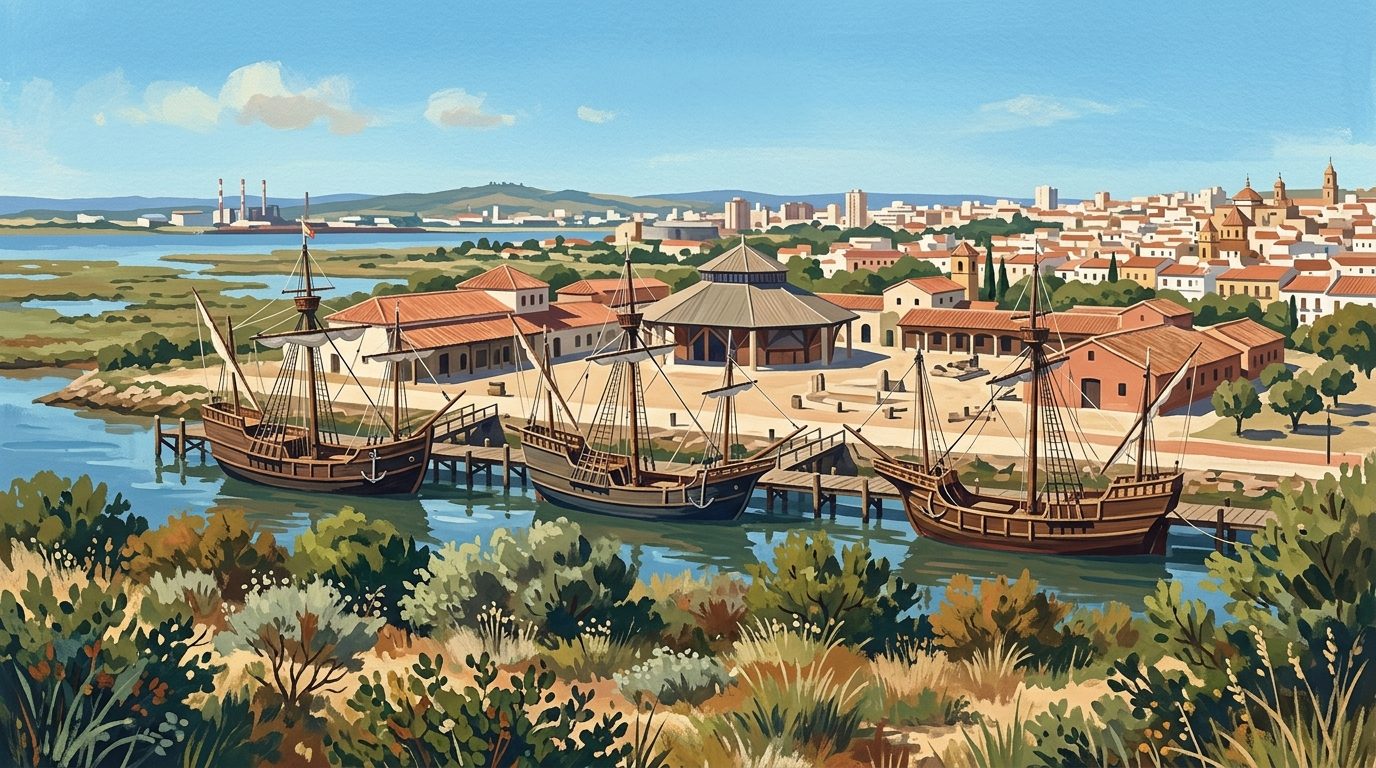
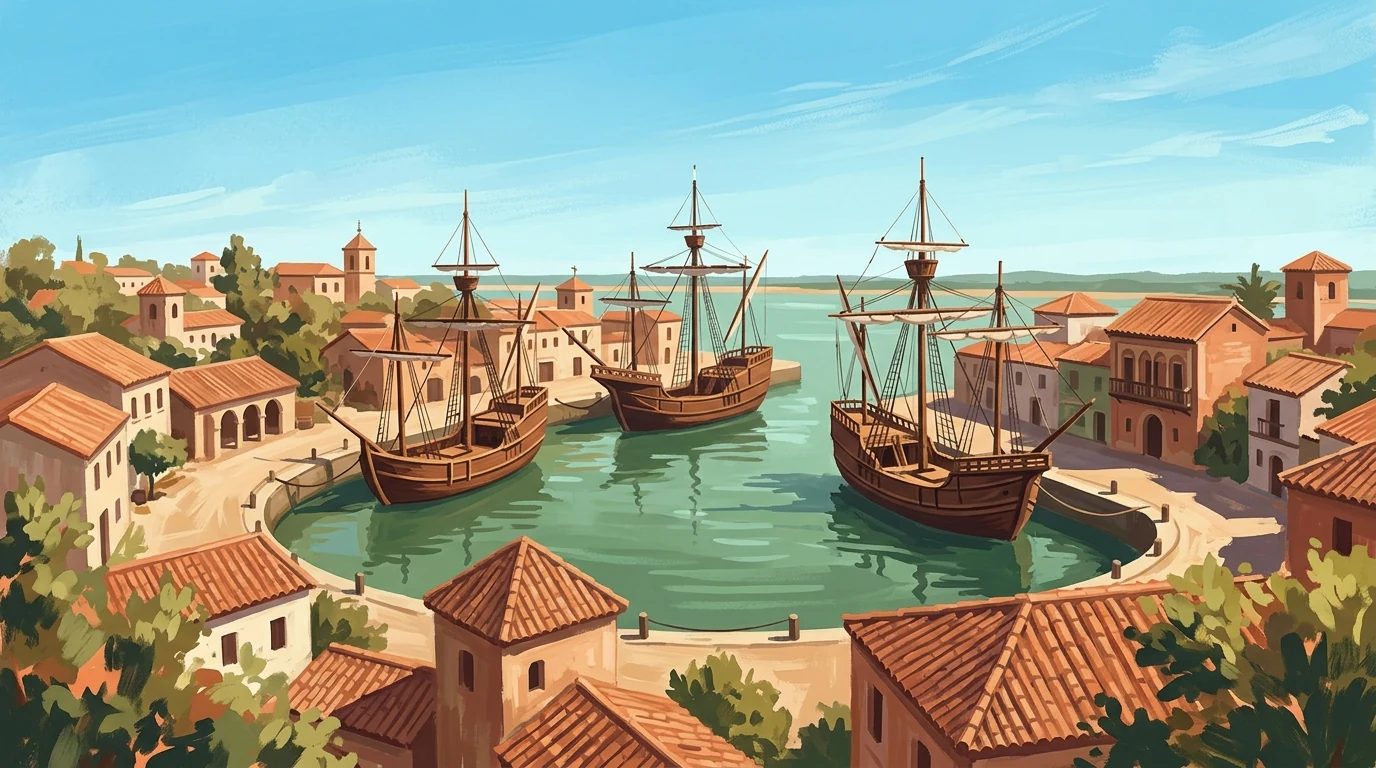
To understand Huelva, you must head slightly east to the Lugares Colombinos (Columbus sites). The story begins at the Monasterio de La Rábida, a 14th-century Franciscan friary where Columbus sought refuge and counsel before his 1492 voyage. It is a quiet, contemplative space with a beautiful Mudéjar cloister and a series of murals by Daniel Vázquez Díaz that depict the voyage in a modernist style. The monks here were instrumental in lobbying the Catholic Monarchs to fund the expedition, and the sense of weight and history in the small chapel is palpable. Just a short walk away is the Muelle de las Carabelas (check the official tourism site for current opening hours), where full-scale replicas of the Pinta, Niña, and Santa María bob in a small lagoon. Stepping onto these wooden decks gives a visceral sense of the cramped, perilous conditions the crews faced. The ships are surprisingly small when you consider they were crossing an unknown ocean.
The Monument to Discovery
Back towards the city, at the tip of the peninsula known as Punta del Sebo, stands the Monumento a la Fe Descubridora. Standing 37 metres tall, this Cubist statue of a navigator looking out towards the Atlantic was a gift from the United States in 1929. The surrounding park is a favourite spot for locals to walk their dogs or fish from the pier. The walk from the city centre out to this point follows the riverbank, providing views of the industrial architecture of the port on one side and the vast, open water on the other. It is a landscape of stark contrasts (red earth, white salt, and blue water) that perfectly encapsulates the spirit of Huelva’s maritime heritage.
Read the full Columbus Connections & Muelle de las Carabelas guide →
Odiel Marshes Nature Reserve
A Sanctuary of Salt and Silt
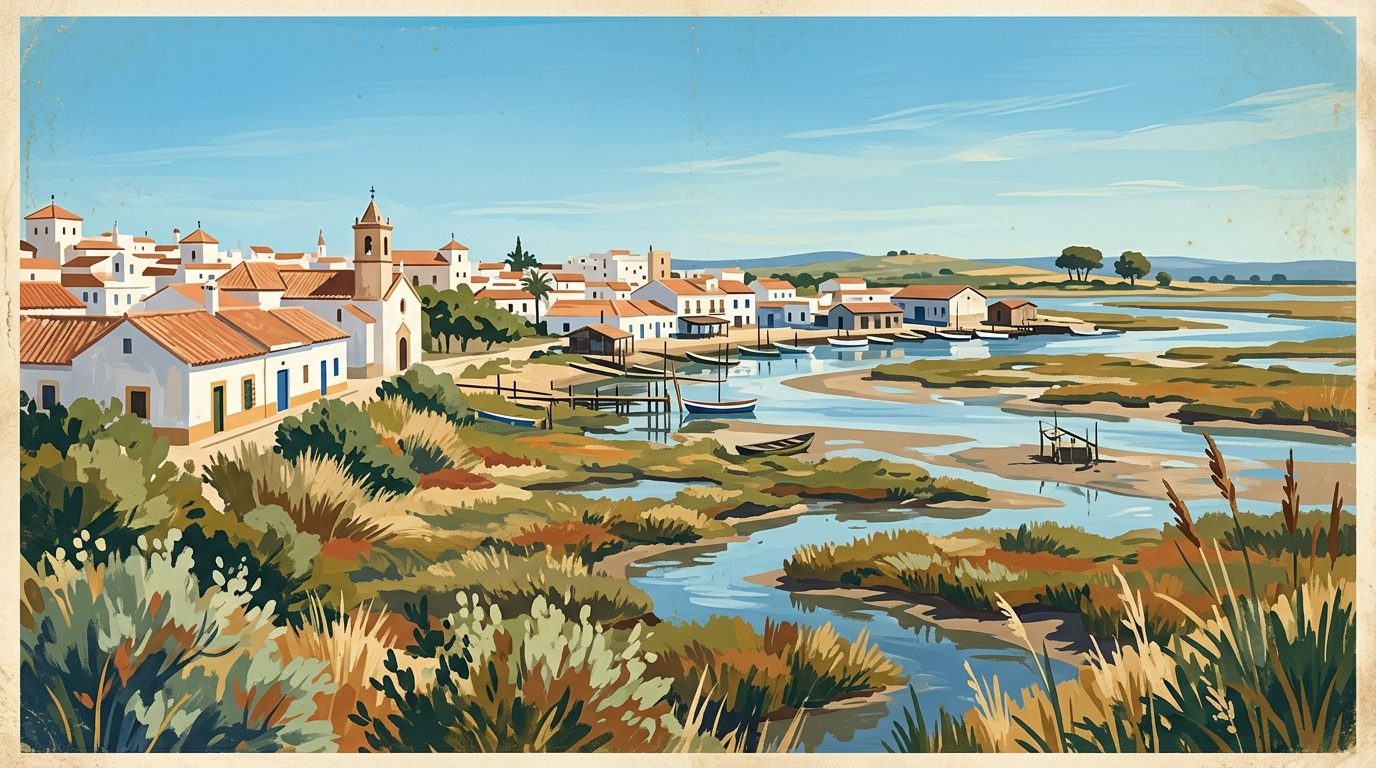
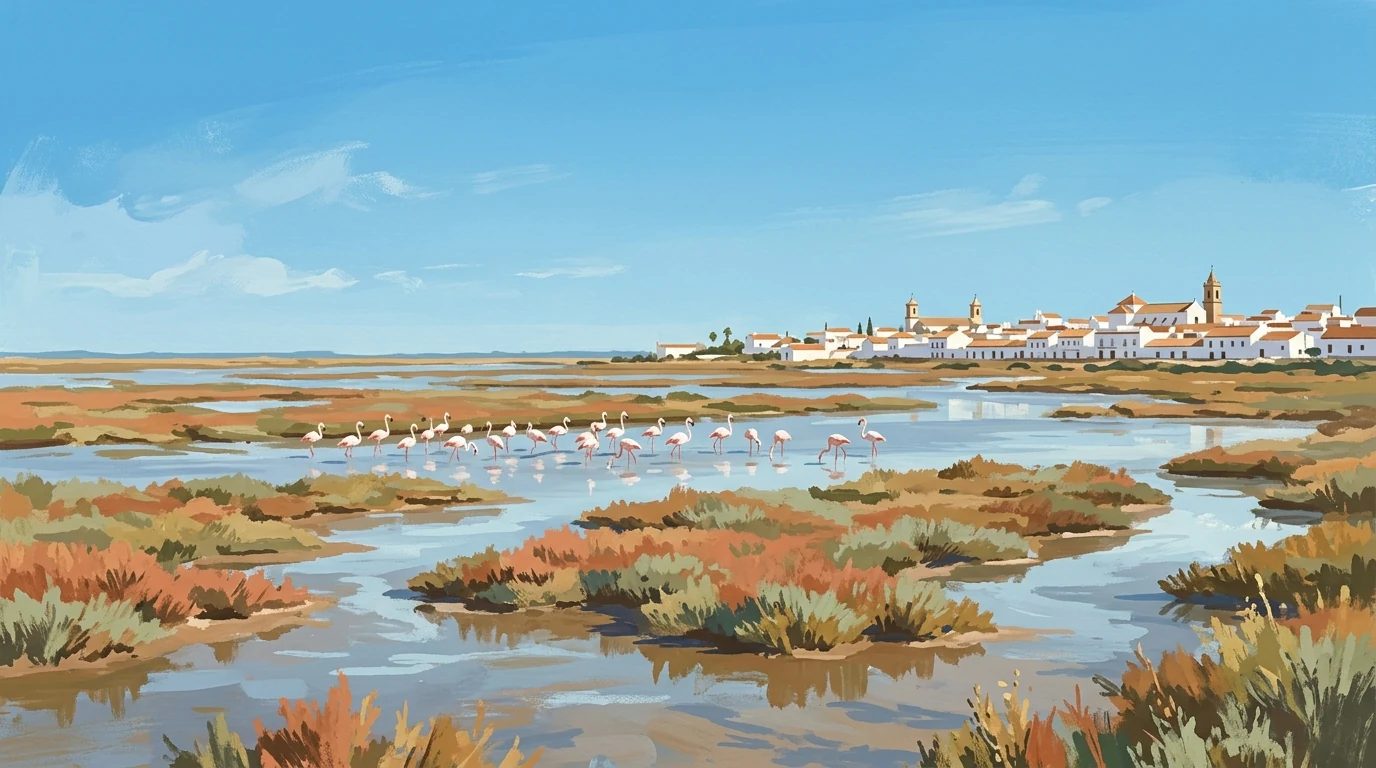
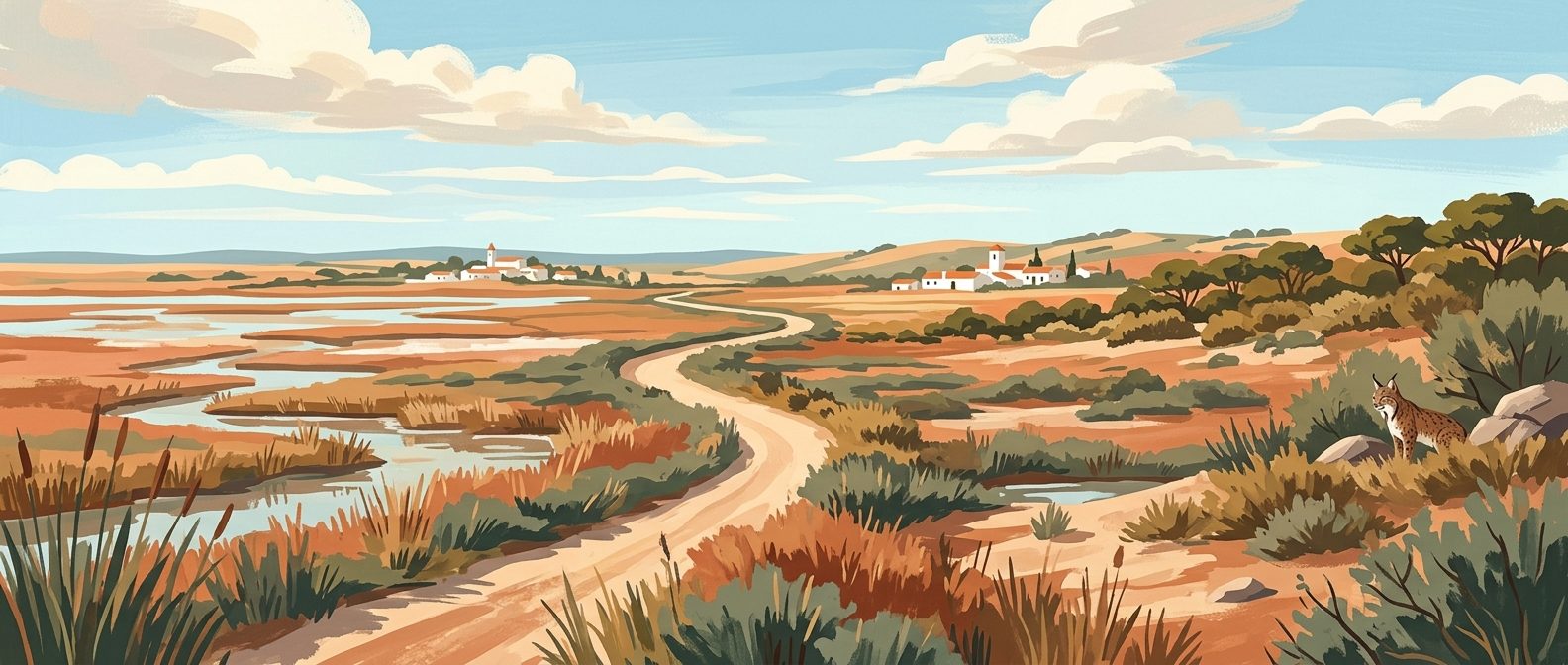
Directly across the river from Huelva city lies the Paraje Natural Marismas del Odiel. This UNESCO Biosphere Reserve is one of the most significant tidal wetlands in the Iberian Peninsula. While the city’s industrial skyline is often visible in the distance, once you are inside the marshes, the silence is only broken by the wind and the calls of thousands of birds. The reserve is a labyrinth of channels, salt pans, and small islands (known as isletas). It is particularly famous for its population of flamingos, which can be seen in their hundreds, their pink plumage standing out against the grey-white salt flats. The best way to start is at the Centro de Visitantes Anastasio Senra on the Carretera del Dique de Juan Carlos I, where you can pick up maps and find out which species are currently in residence.
Birdwatching and Coastal Trails
The reserve is a critical stopover for migratory birds travelling between Africa and Europe. Beyond the flamingos, keep an eye out for ospreys, spoonbills, and grey herons. For those who enjoy walking, the Sendero del Astillero is a fantastic wooden boardwalk that takes you through the heart of the marshland, allowing you to see the complex ecosystem up close without disturbing the wildlife. If you continue driving along the dike, you eventually reach the Playa de la Calatilla, a wild and windswept beach that feels a world away from the manicured resorts of the Costa de la Luz. The light here at sunset, reflecting off the salt pans and the tidal pools, is a dream for photographers.
Read the full Odiel Marshes Nature Reserve guide →
Eating & Drinking in Huelva City
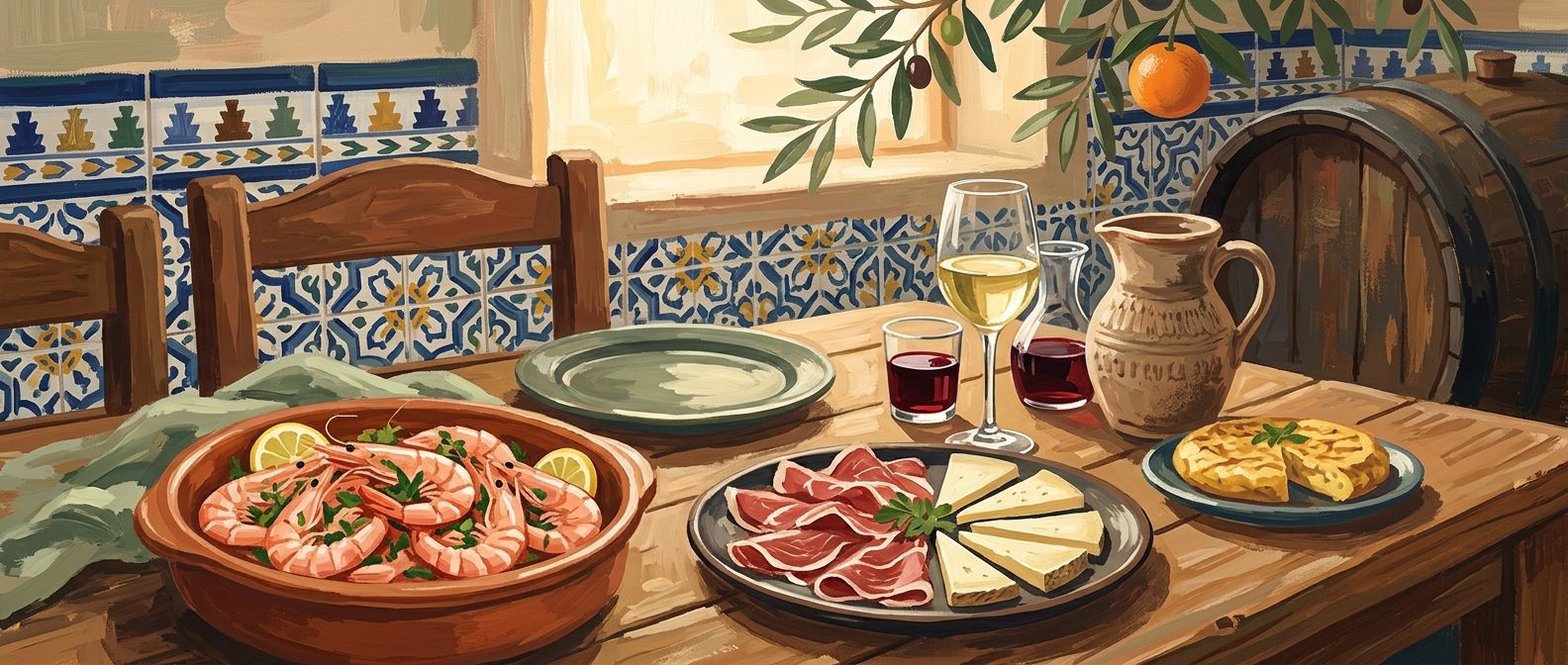
Huelva is the culinary powerhouse of western Andalucía, famous for three things: Jamón de Jabugo from the northern mountains, Gambas Blancas (white prawns) from the coast, and Choco (cuttlefish). In fact, residents of Huelva are colloquially known as Choqueros because of their love for this cephalopod. To sample the freshest produce, start at the Mercado del Carmen, the city’s central market. It is a clean, modern building where the fish stalls look like art galleries. Look for the blue-tinted trays of prawns and the silver flashes of Atlantic tuna.
For a sit-down meal, Bar Azabache on Calle Vázquez López is an institution; their revuelto de ortiguillas (scrambled eggs with sea anemones) is a local delicacy. If you want something more contemporary, Bar Papagayo near the town hall offers creative tapas using seasonal market ingredients. For the ultimate Huelva experience, head to the Plaza de las Monjas and grab a table at one of the kiosks for a caña (small beer) and a plate of choco frito (fried cuttlefish). The atmosphere is lively, unpretentious, and entirely focused on the quality of the food.
Where to Stay
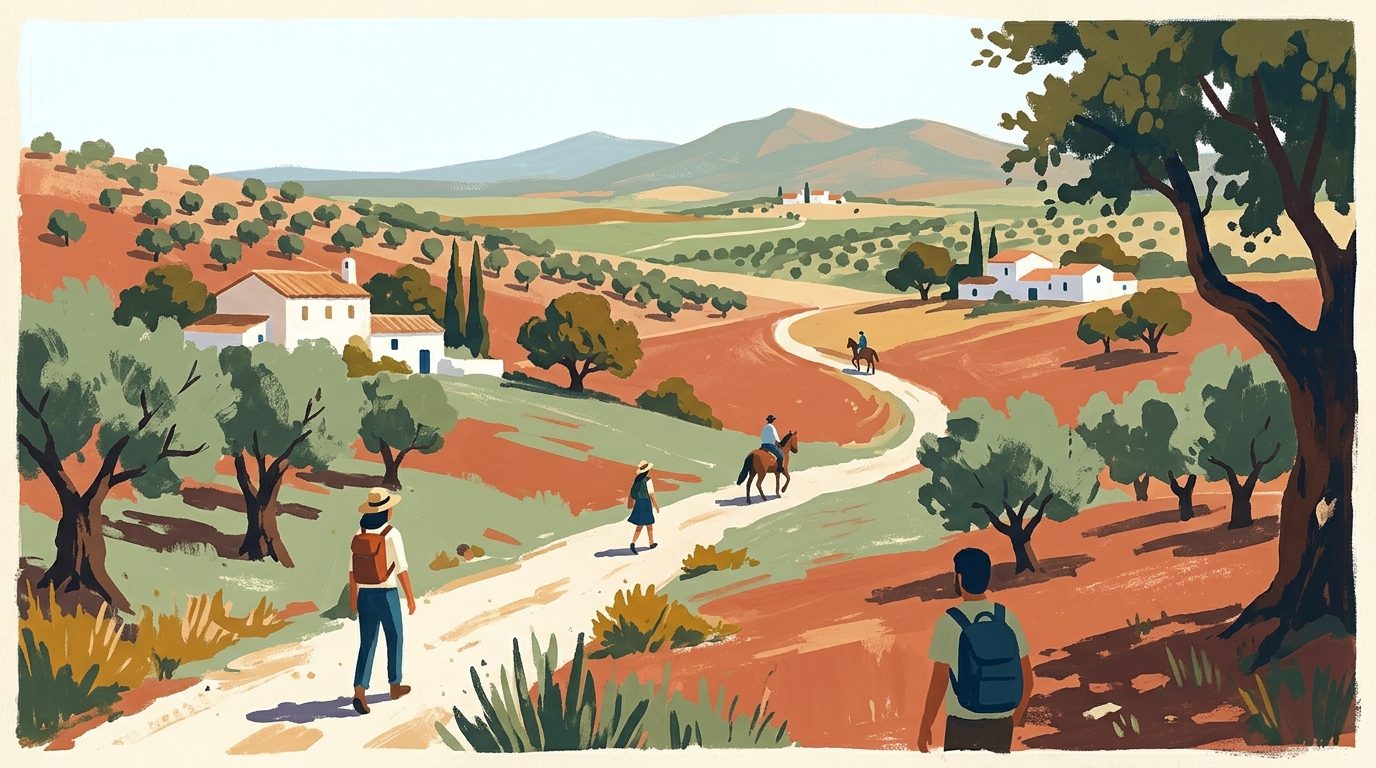
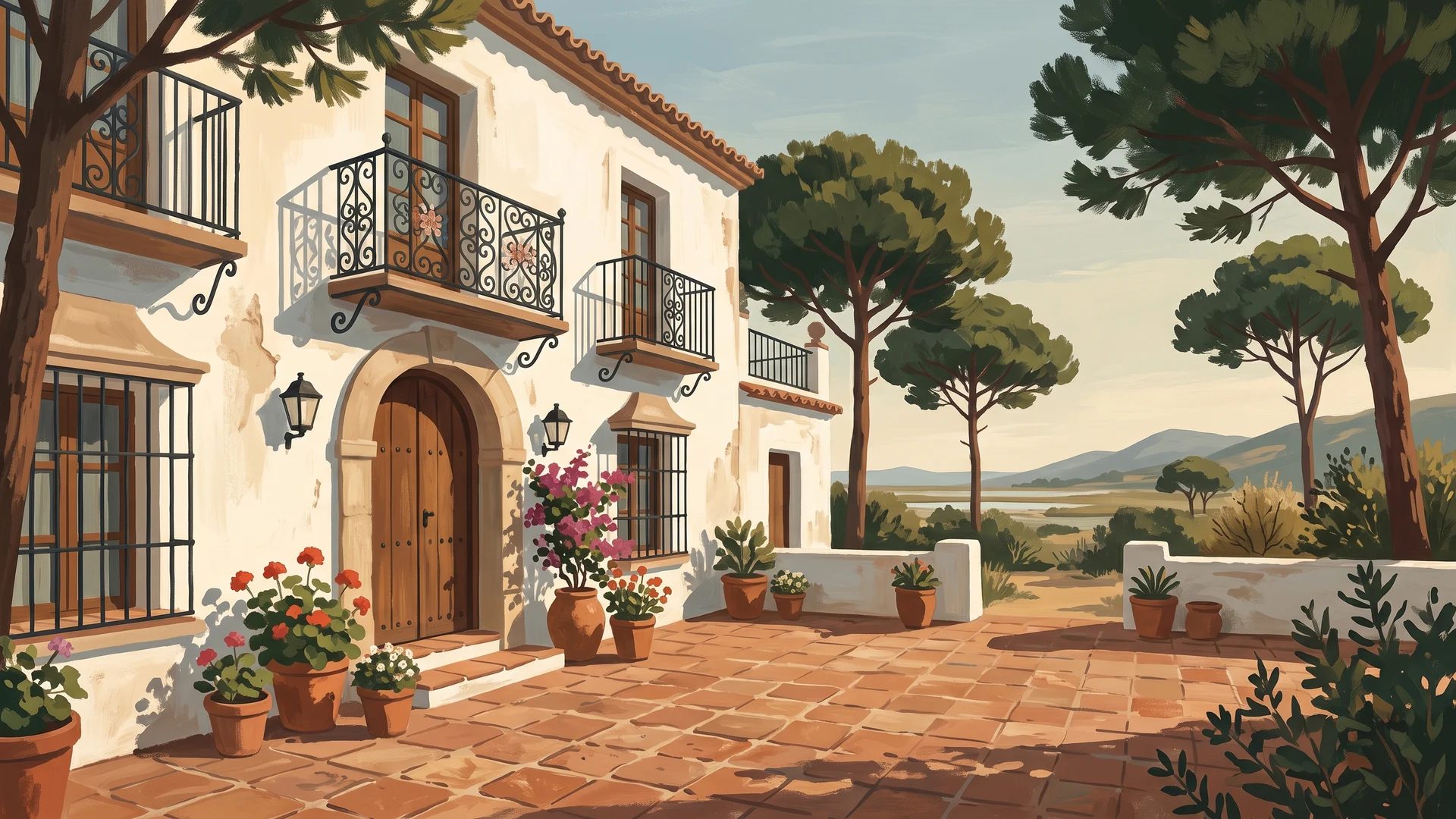
Huelva city does not have a vast array of boutique hotels, but what it offers is functional and well-located. For a central stay, the NH Luz Huelva remains a reliable central option, located right next to the Casa Colón and within walking distance of the main shopping streets and the Barrio Reina Victoria. If you prefer something with more historical character, consider staying just outside the city at the Hacienda Montija Hotel. This converted farmhouse features traditional Andalucían architecture, including a central courtyard and thick whitewashed walls, offering a peaceful retreat from the city’s activity.
For those interested in the British heritage of the city, walking through the Barrio Reina Victoria is essential, even if you don't stay there. It is a collection of houses built for the employees of the Rio Tinto Company, and the architecture feels more like a Surrey suburb than a Spanish port, with pointed gables and small gardens that are quite unique in this part of the world.
Getting There & Around
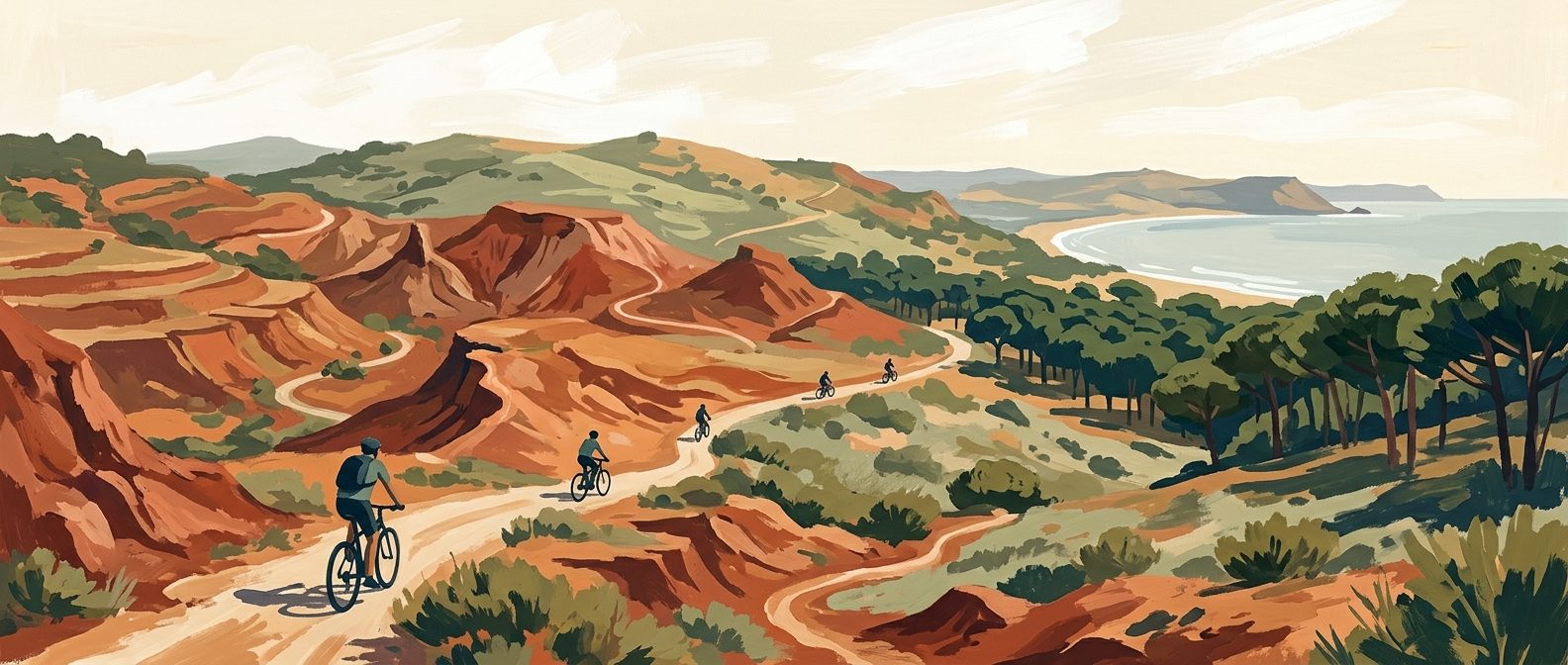
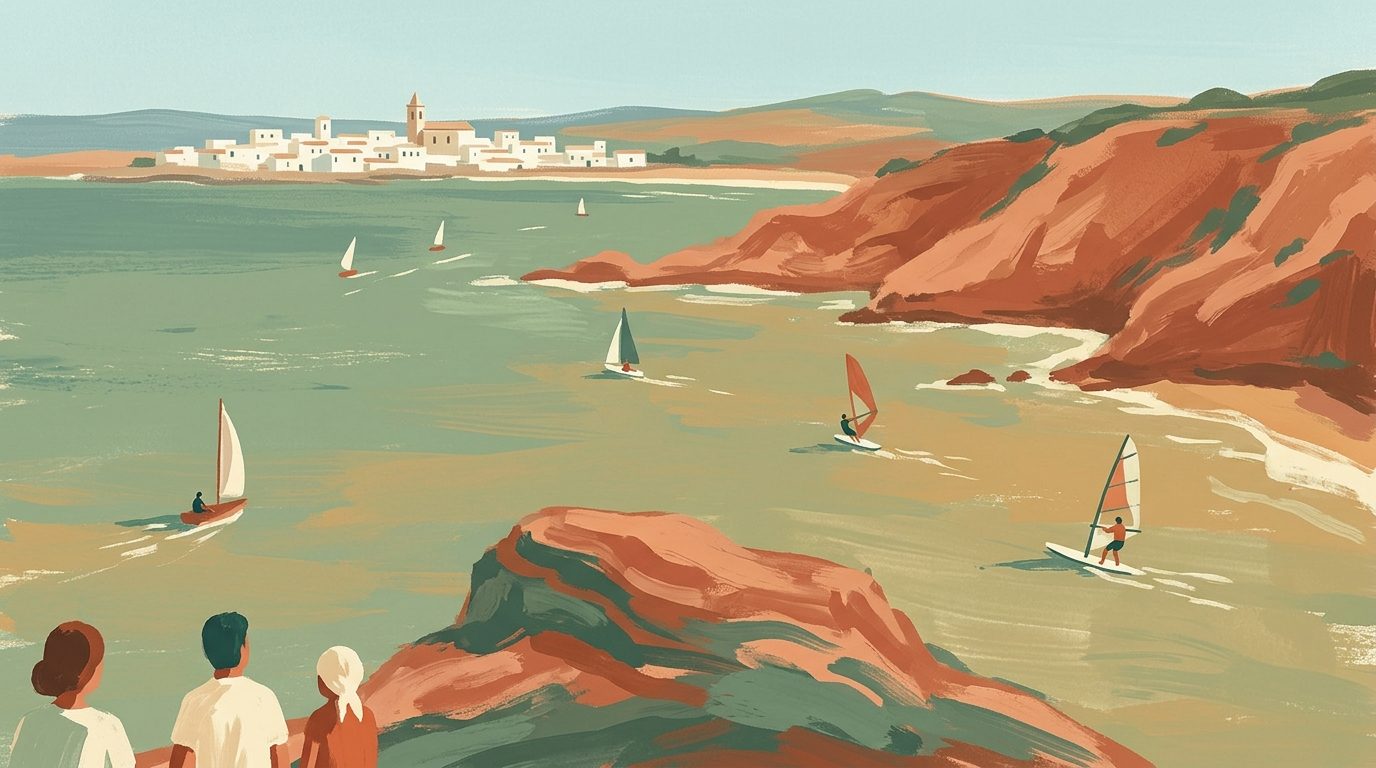
Huelva is well-connected by road via the A-49 motorway from Sevilla, a journey of about one hour. The city’s main train station on Avenida de Cádiz receives several Alvia trains daily from Madrid and regional trains from Sevilla. The Damas bus station is the central hub for local transport, with regular services to the nearby beaches of Punta Umbría and Mazagón, as well as the Columbus sites. Within the city, most areas of interest are reachable on foot, though a car is highly recommended for exploring the Odiel Marshes and the surrounding coastline, as public transport to the nature reserves is limited.
Best Time to Visit
The best time to visit Huelva City is during the spring (late April to early June) or autumn (September to October). During these months, the temperatures are comfortably warm (usually between 20°C and 25°C), making it ideal for walking the salt marshes and visiting the outdoor monuments. August can be oppressively hot and humid, and many locals head to the nearby beaches, leaving the city feeling somewhat empty. Birdwatchers should aim for the winter months, when the Odiel Marshes are most crowded with migratory species, particularly the flamingos and ospreys.