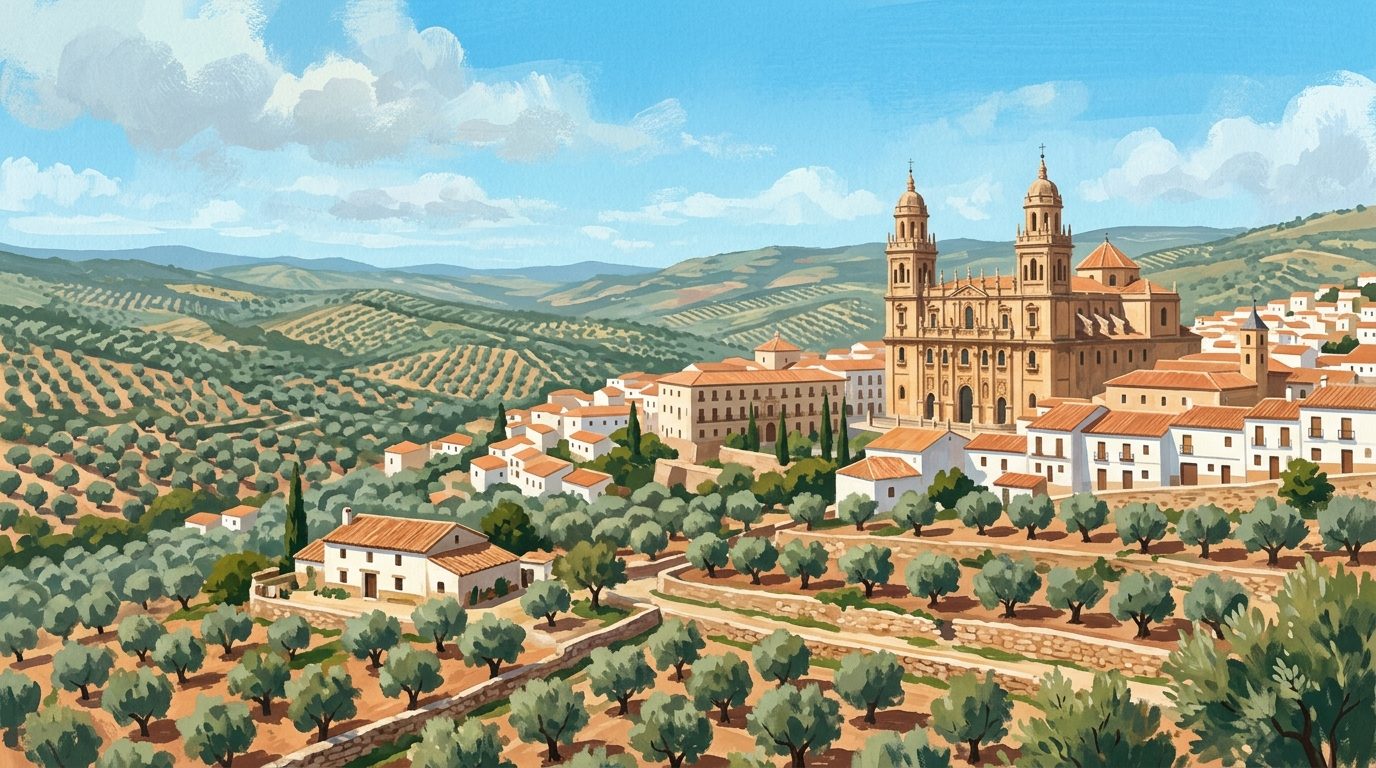
Jaén produces more olive oil than the entire country of Greece, making it the undisputed global capital of what locals call liquid gold. Exploring the city offers a deep dive into an industry that shapes the landscape, the economy, and the very soul of the region.
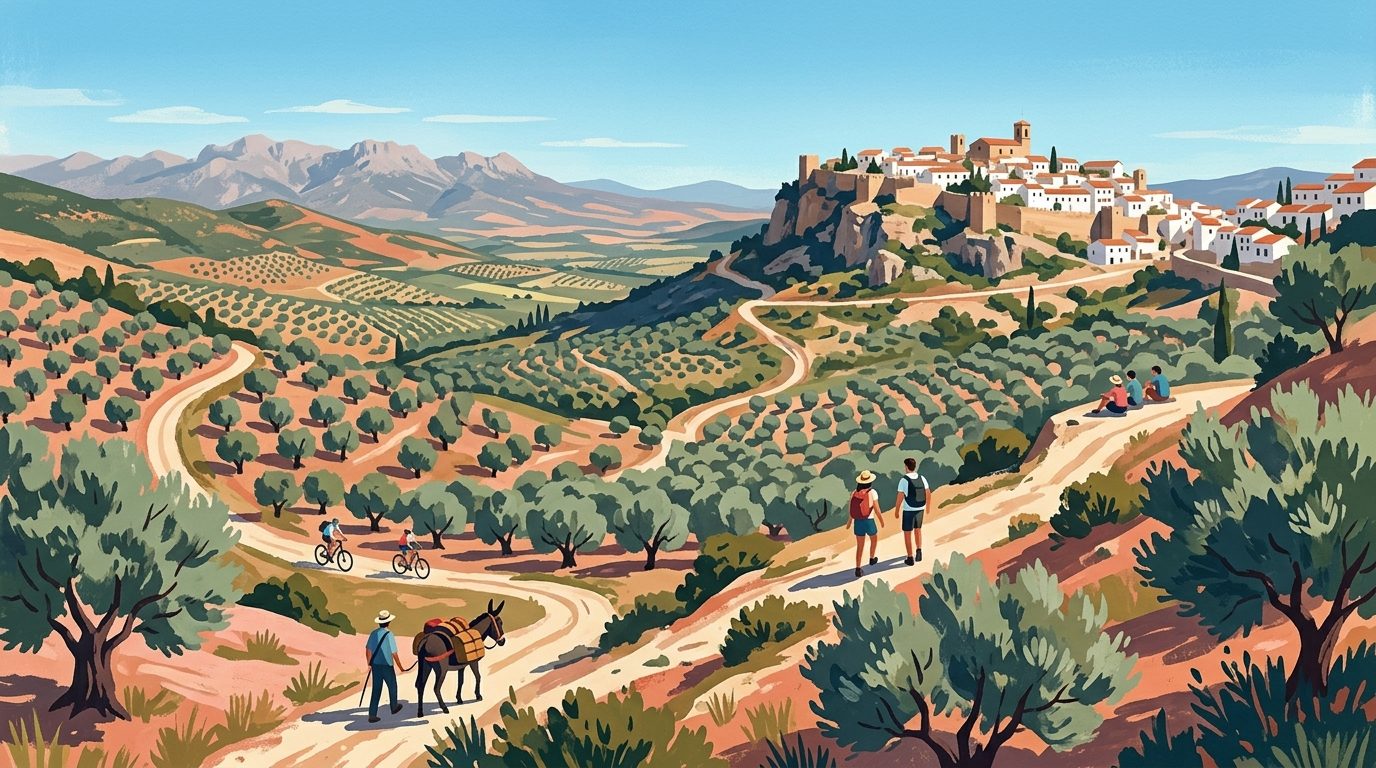
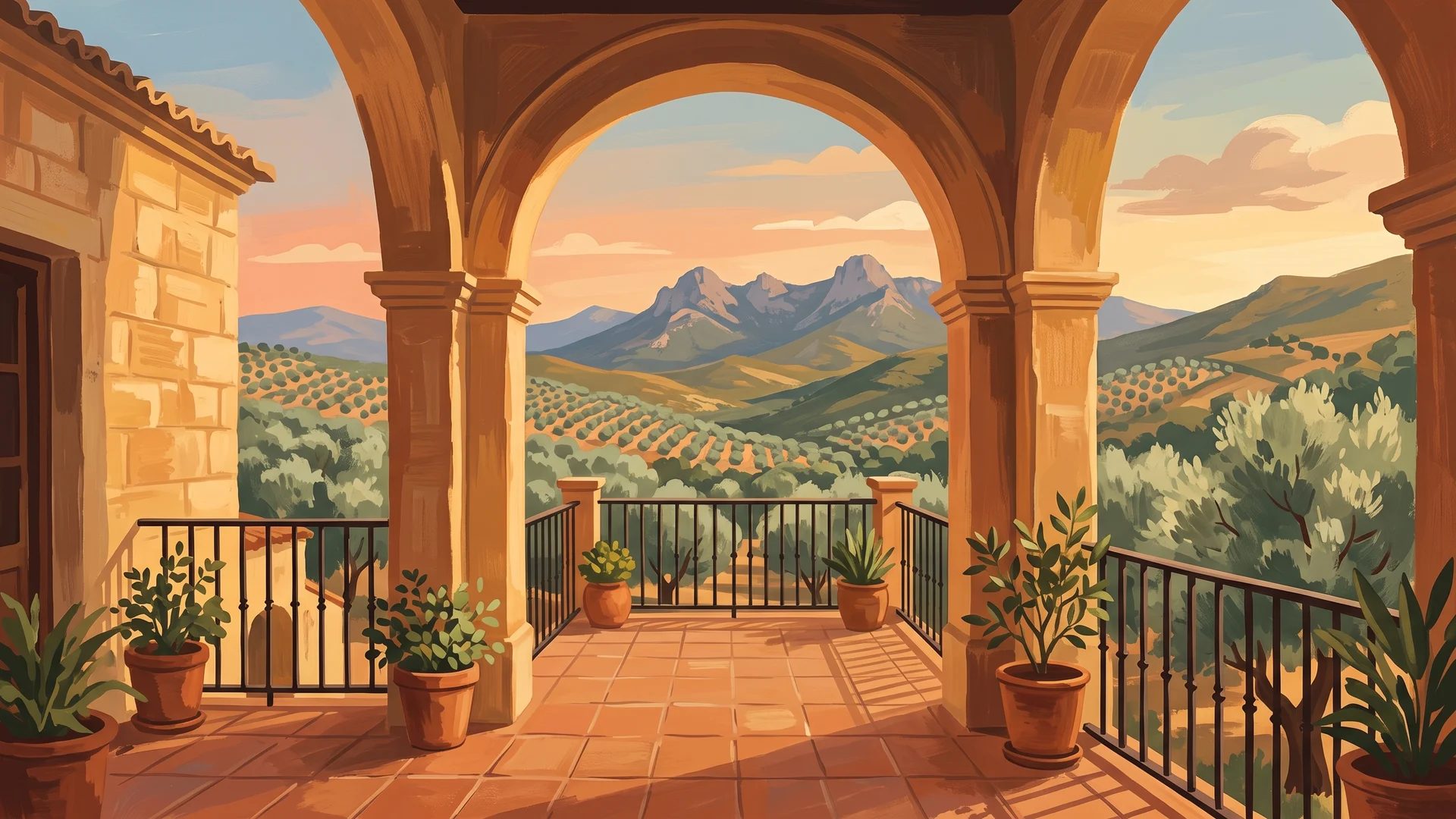
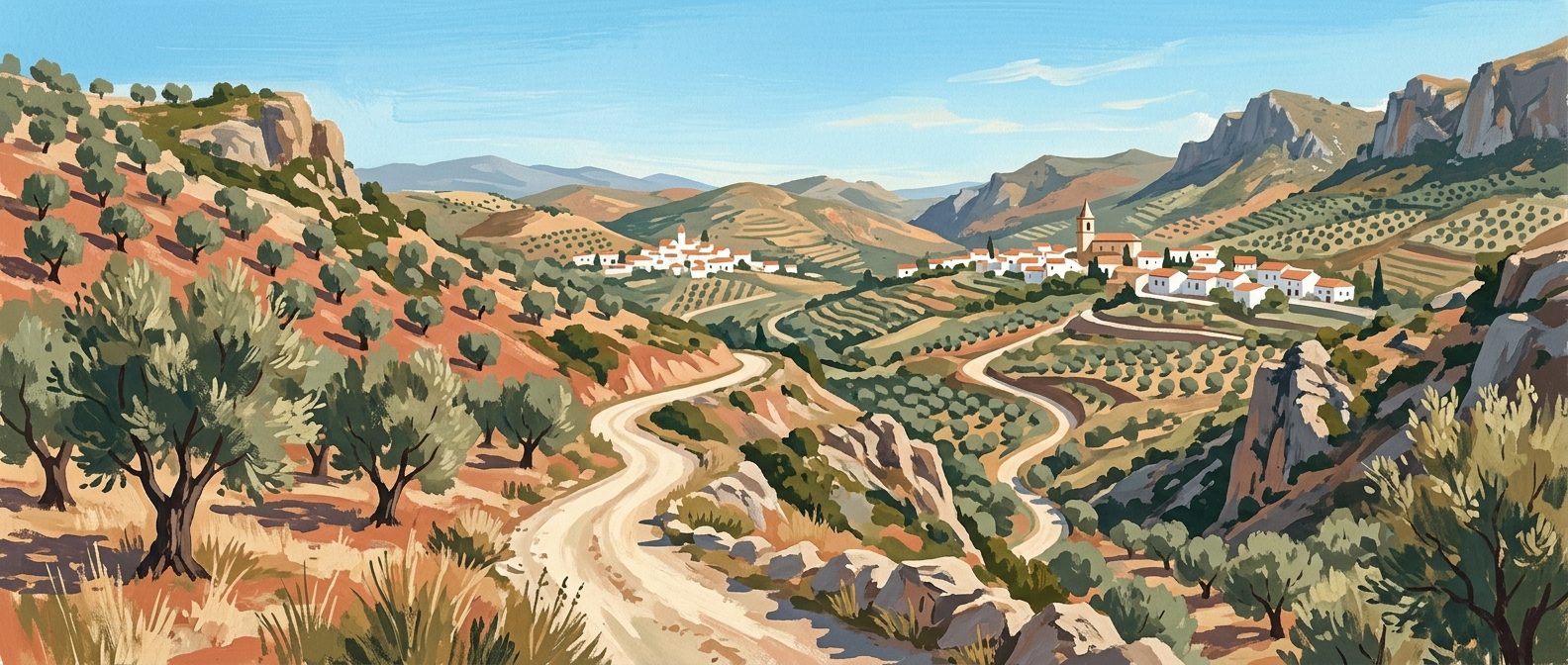
Jaén is often overlooked by travellers rushing towards the more famous monuments of Granada or Sevilla, yet it holds a distinction that no other city in the world can claim. This is the heart of the world's largest olive oil-producing region. In the province of Jaén, over 66 million olive trees stretch to the horizon in what is locally described as the "Mar de Olivos" (Sea of Olives). The city itself serves as the cultural and administrative hub for this vast agricultural empire.
The culture here is defined by the Picual olive, a variety known for its high stability and powerful antioxidant properties. To visit Jaén and ignore its oil is to miss the point of the city entirely. From the bitter, peppery kick of a fresh harvest oil at breakfast to the sophisticated olive-oil-based treatments in local spas, the presence of the olive is constant. Visitors can engage with this ancient tradition through tastings, visits, and culinary discovery in the city and its immediate outskirts.
What to See & Do
Guided Tastings and Oleotecas
To understand Jaén, you must learn to taste its oil. Several specialised shops, known as oleotecas, are located in the city centre near the Cathedral. Unlike a standard supermarket experience, these shops offer professional tasting sessions. You will often be given a small, cobalt blue glass, designed to hide the colour of the oil so the taster is not biased by its hue. You warm the glass in your palm, swirl, and inhale the aromas of tomato plant, green almond, and freshly cut grass.
Establishments like La Casa del Aceite on Calle Francisco Martín Mora offer a wide range of Protected Designation of Origin (PDO) oils. Staff can explain the difference between a "Primitivo" oil and an "Early Harvest" (Cosecha Temprana) oil, which is harvested in October when the olives are still green, resulting in a more intense, complex flavour profile.
The Museo de la Cultura del Olivo
While situated about 45 minutes northeast of the city at Hacienda La Laguna (near Puente del Obispo), this is the definitive museum for the region's heritage. It is housed in a former Jesuit estate dating back to the 17th century. The museum features "The Cathedral of Oil," a massive cellar with 19th-century olive oil tanks, and an extensive collection of ancient presses, from Roman beam presses to 19th-century hydraulic systems. Walking through the onsite garden, which contains olive varieties from across the Mediterranean, provides a botanical perspective on the industry.
Almazara (Mill) Visits
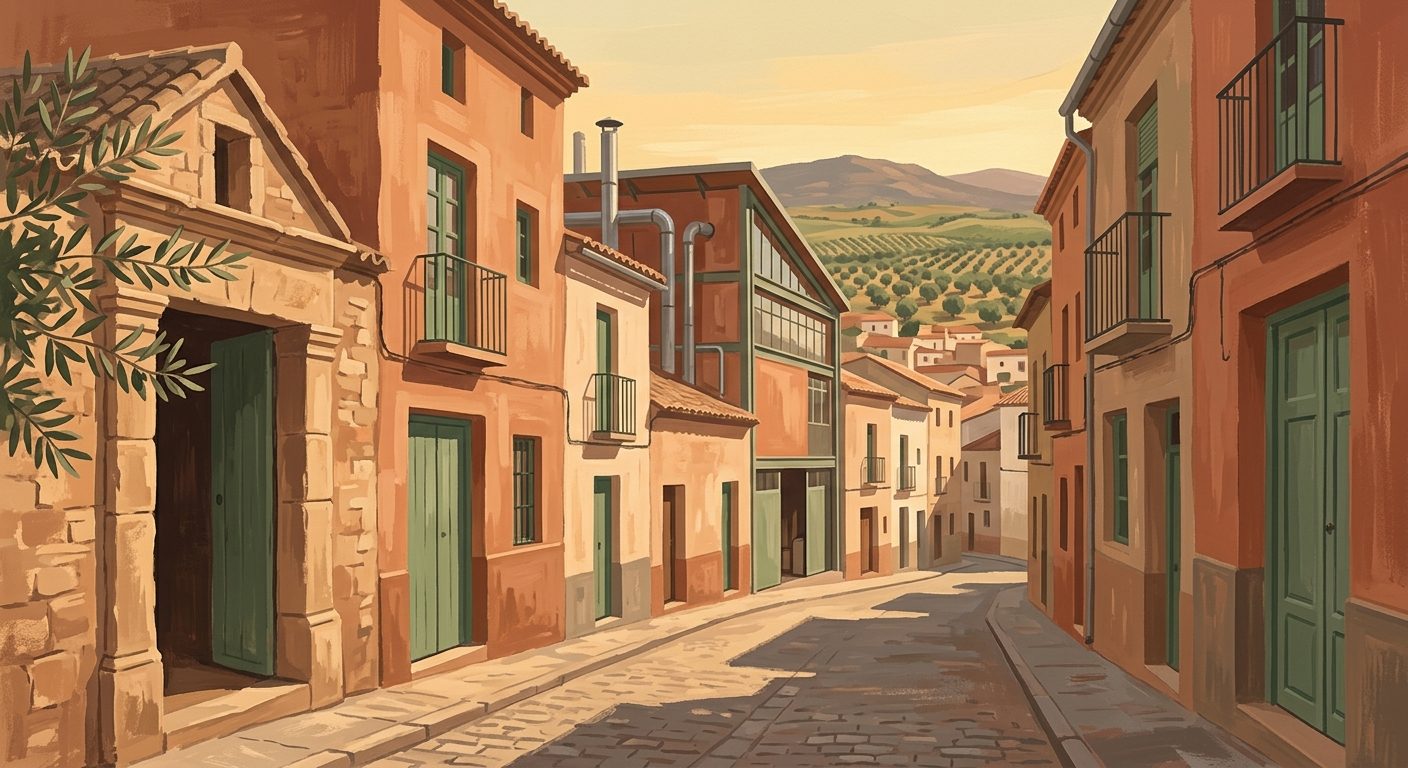
During the harvest season (typically late October to January), the city is filled with the scent of pressed olives. Several family-run mills within the surrounding province, a short drive from Jaén City, such as Aceites Oro Bailén or Galgón 99, offer guided tours. These tours take you from the reception area, where the olives are cleaned of leaves and twigs, through the milling process, and into the temperature-controlled storage rooms. Seeing the speed at which the fruit is transformed into oil, often in less than two hours, explains the high quality of Jaén's premium brands.
Olive Oil Spa Treatments
The benefits of olive oil extend beyond the kitchen. The high vitamin E and polyphenol content make it an exceptional moisturiser. While many wellness centres in the province offer "Oleotherapy" treatments, those staying in the city can find specialised treatments at local spas or take a short trip to the dedicated spa facilities in nearby Úbeda. These include body wraps using olive pulp, massages with extra virgin olive oil infused with essential oils, and exfoliating scrubs made from crushed olive stones. It is a relaxing way to experience the product's restorative properties after a day of walking the city's steep streets.
Practical Information
How to Get There: The city of Jaén is well-connected by road via the A-44 (Autovía de Sierra Nevada). By train, there are direct Media Distancia services from Madrid (approx. 4 hours) and Córdoba (approx. 1 hour 30 mins). The nearest major airport is Federico García Lorca Granada-Jaén Airport, roughly an hour's drive away.
Parking: The city centre is notoriously difficult to navigate by car due to its narrow, hilly streets. Use the large underground car parks at Plaza de la Constitución or San Francisco. From there, most olive-related sites in the city are within walking distance.
Tasting Prices: As of May 2026, a basic guided tasting in a city oleoteca typically costs between €15 and €25 per person, depending on the number of oils sampled. Mill tours usually start at €20 and often include a bottle of oil to take home (check on the operator's website before travelling).
Opening Times: Most shops and museums follow the traditional Spanish schedule, opening from 10:00 to 14:00 and 17:00 to 20:00. Note that many mills are closed to visitors on Sundays, and during the peak harvest in November, you should book well in advance as the staff are focused on production.
Where to Eat Nearby
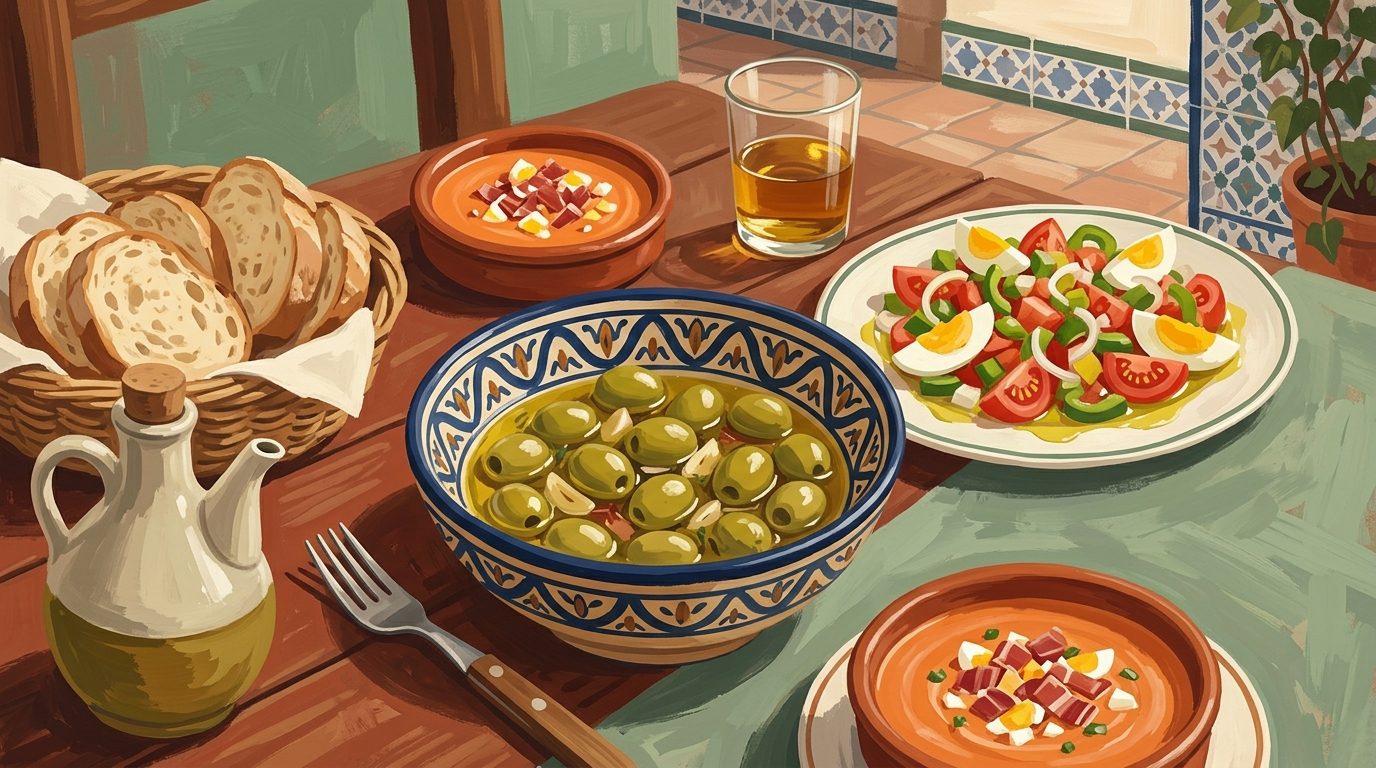
For a high-end exploration of olive oil, Bagá is essential. Located near the San Ildefonso Basilica, this tiny Michelin-starred restaurant (which has only a handful of tables and requires booking months in advance) by chef Pedro Sánchez uses Jaén's oils as a fundamental ingredient in avant-garde ways, sometimes even using it in desserts. For a more traditional experience, visit Panaceite on Calle Bernabé Soriano. This tavern specialises in pipirrana, a local salad of tomato, green pepper, and garlic, heavily dressed in Picual oil. Another excellent choice is Malak, where the menu focuses on seasonal produce from the Jaén mountains, always highlighting specific local oil producers.
Where to Stay
The Parador de Jaén, located in the Castle of Santa Catalina, offers the best views of the "Sea of Olives" surrounding the city. Its restaurant serves an excellent selection of local oils with every meal. For a stay in the historic centre, Palacio de Villardompardo area offers several boutique apartments. Staying here puts you within a five-minute walk of the Cathedral and the main olive oil shops, allowing you to enjoy the city's evening atmosphere and tapas culture.