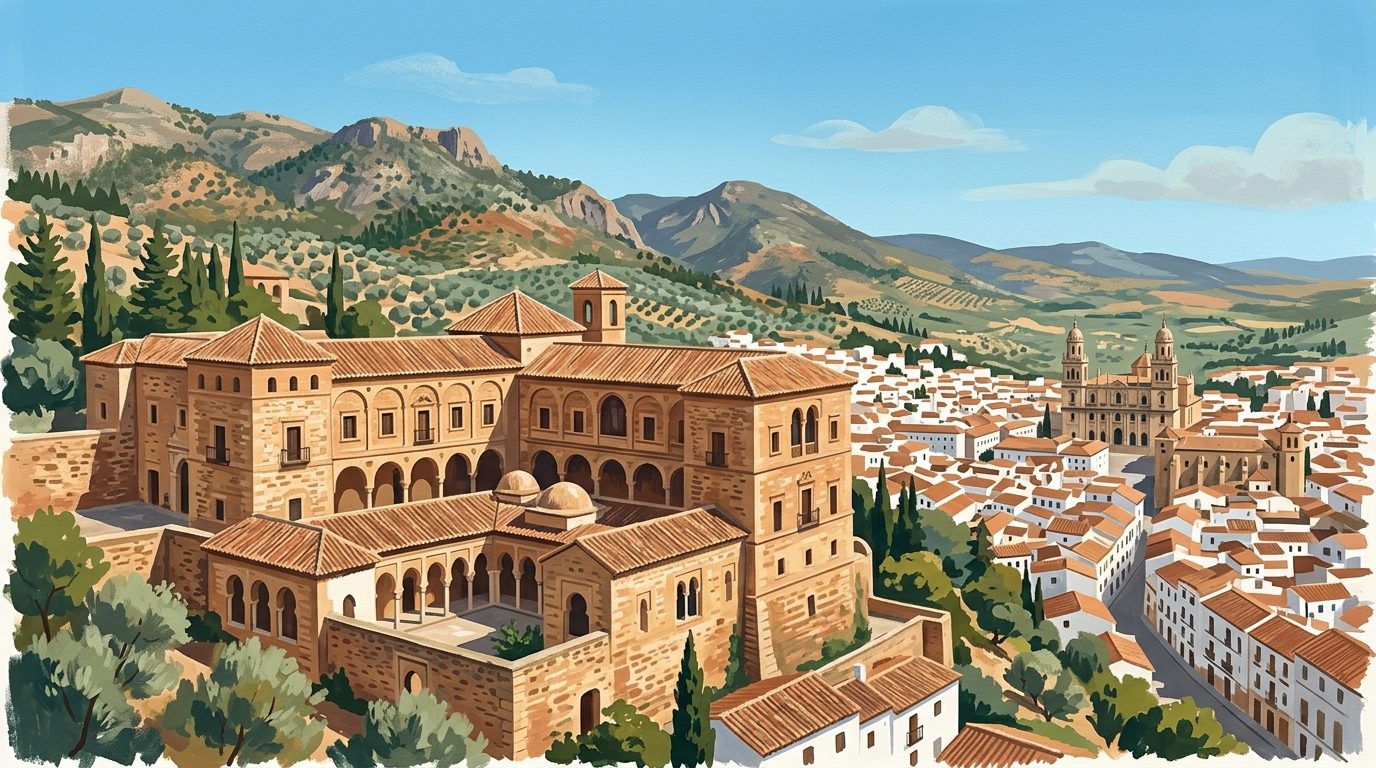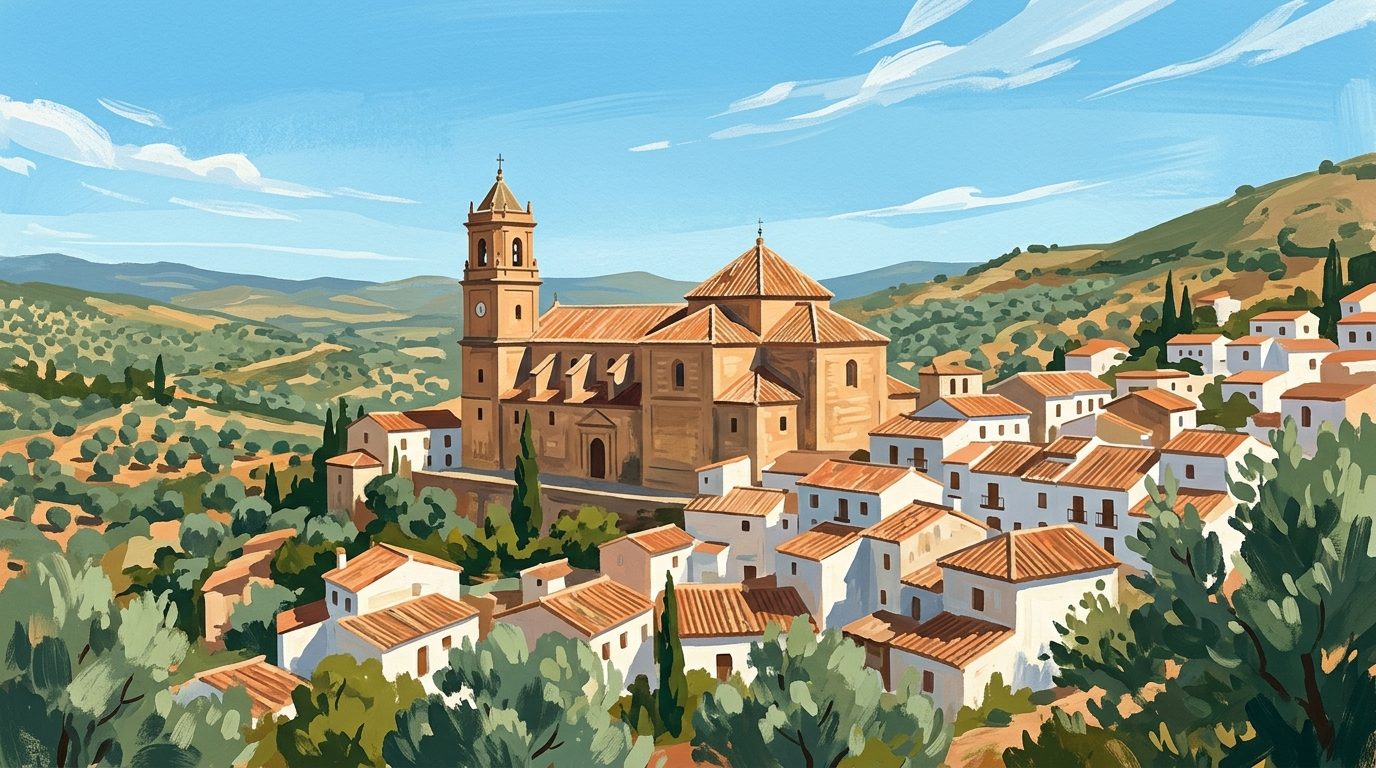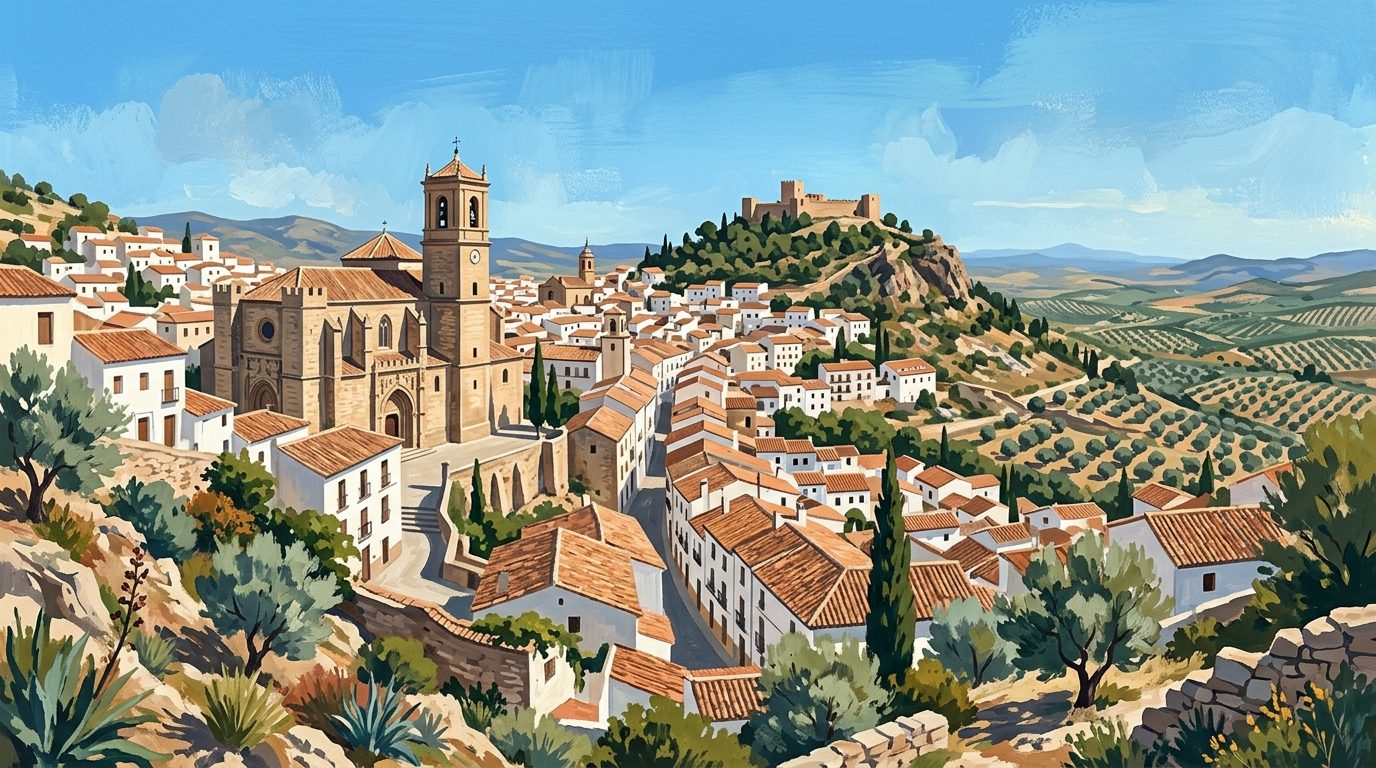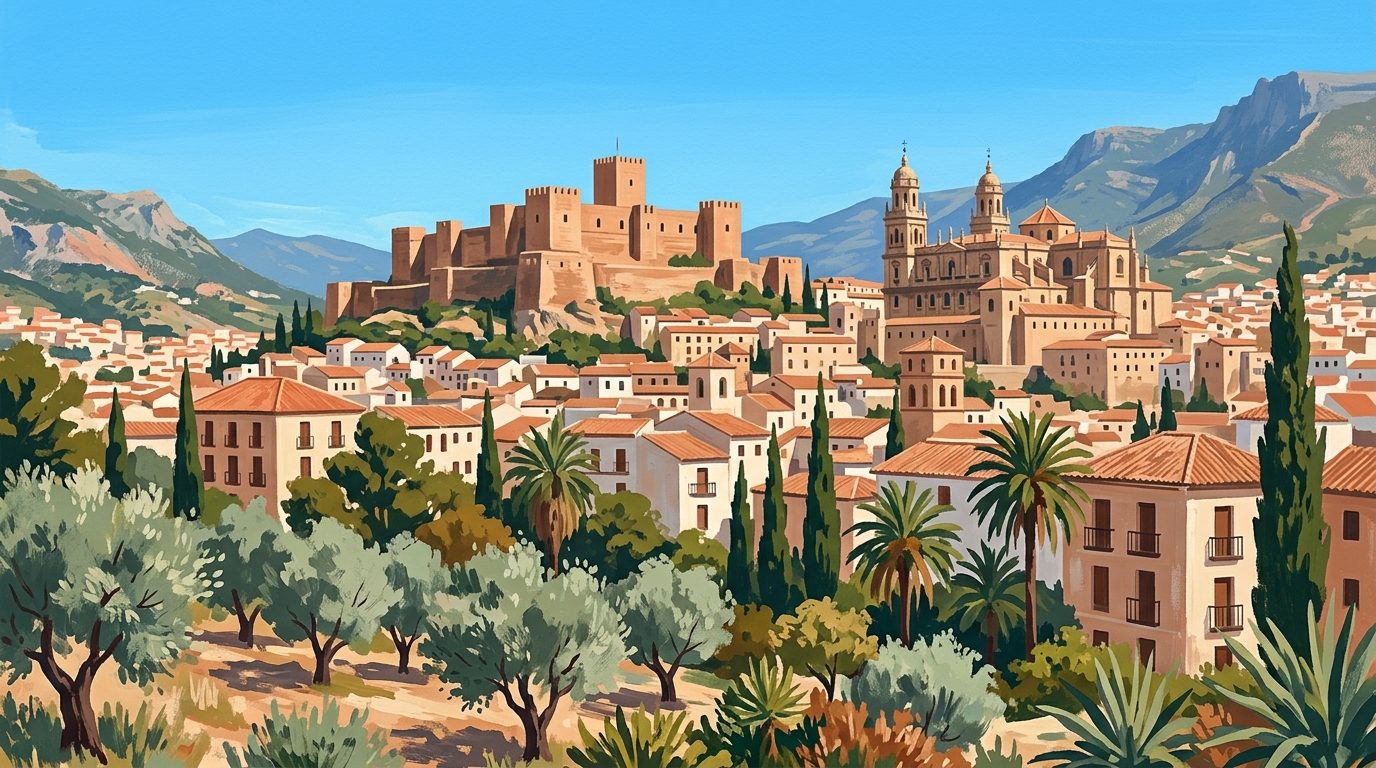
Often bypassed for its flashier neighbours, Jaén City rewards those who stop with some of the finest Renaissance architecture in Spain and a culinary scene anchored by the world's best olive oil. It is a place where the scent of woodsmoke and pressed olives lingers in the steep, winding streets of the old quarter.
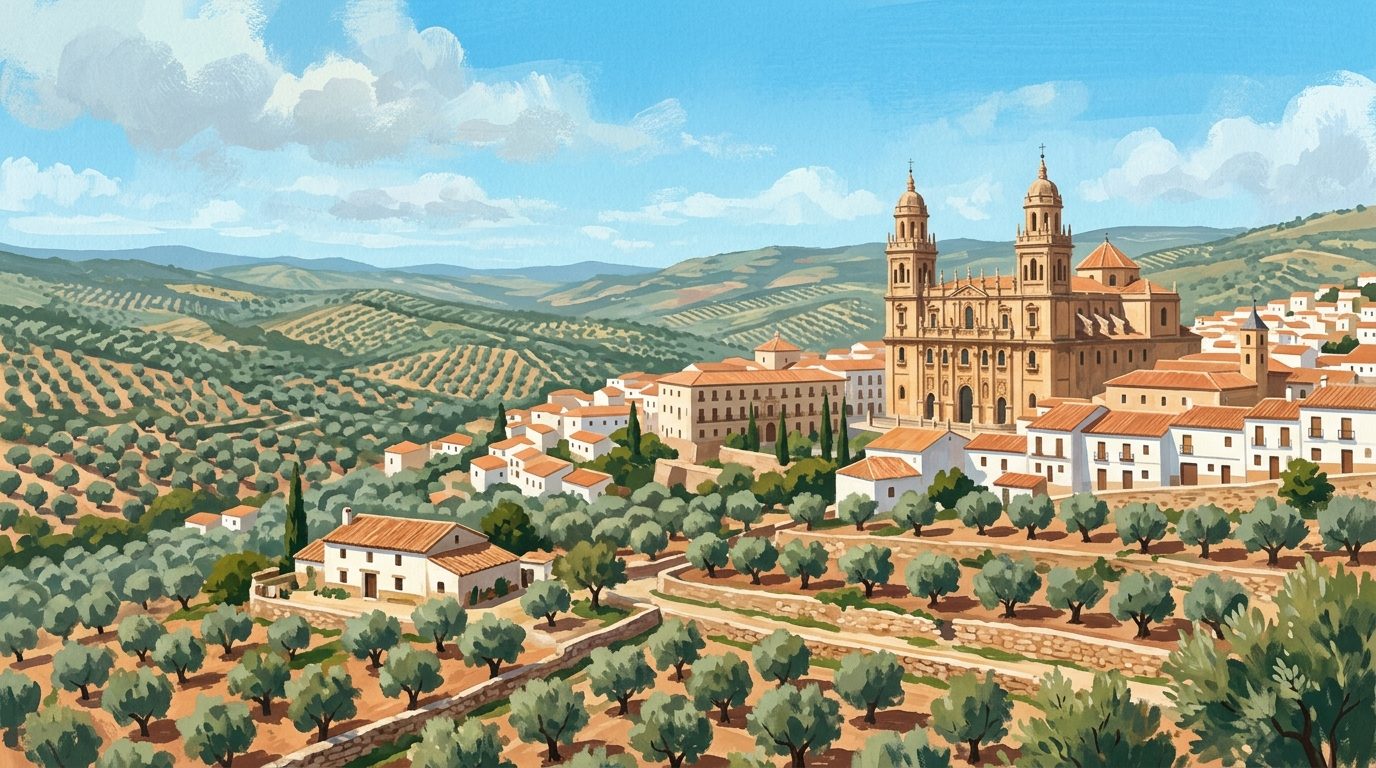
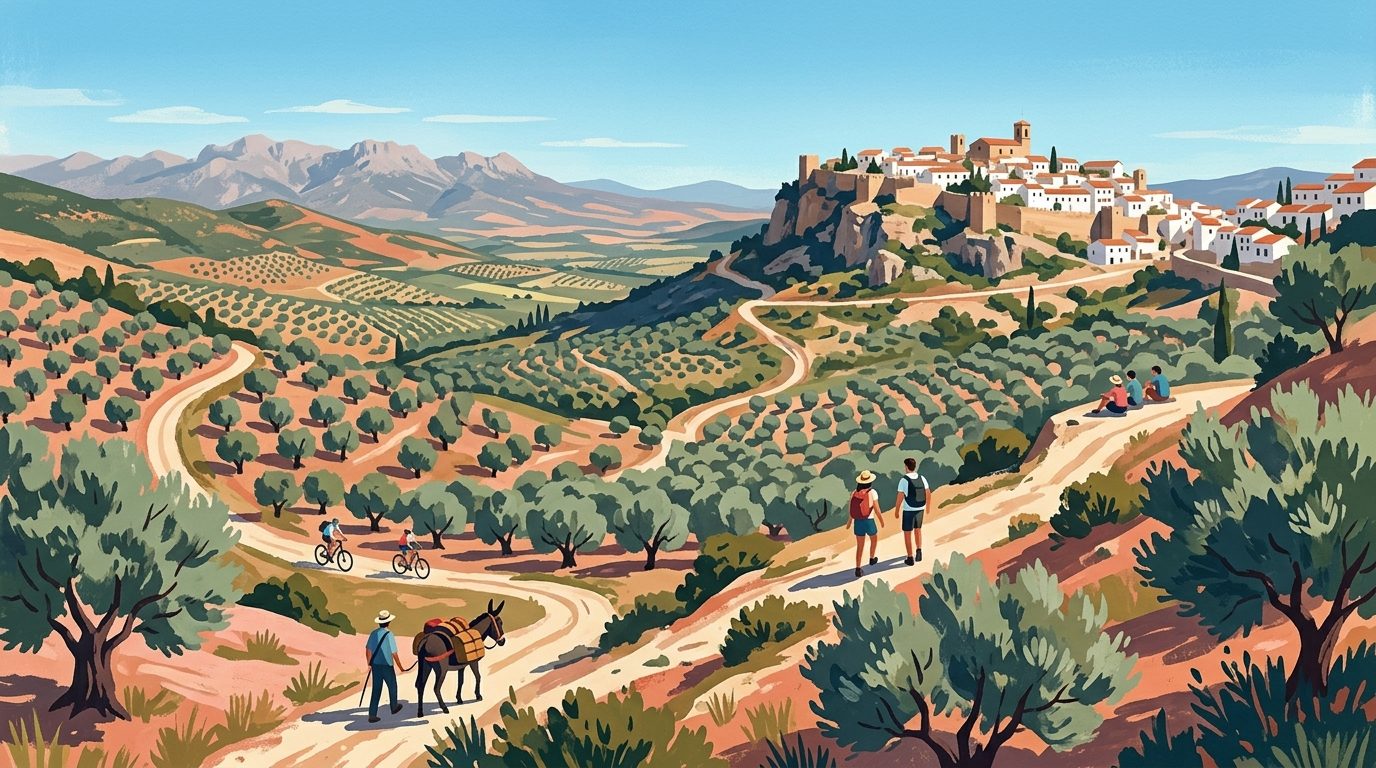
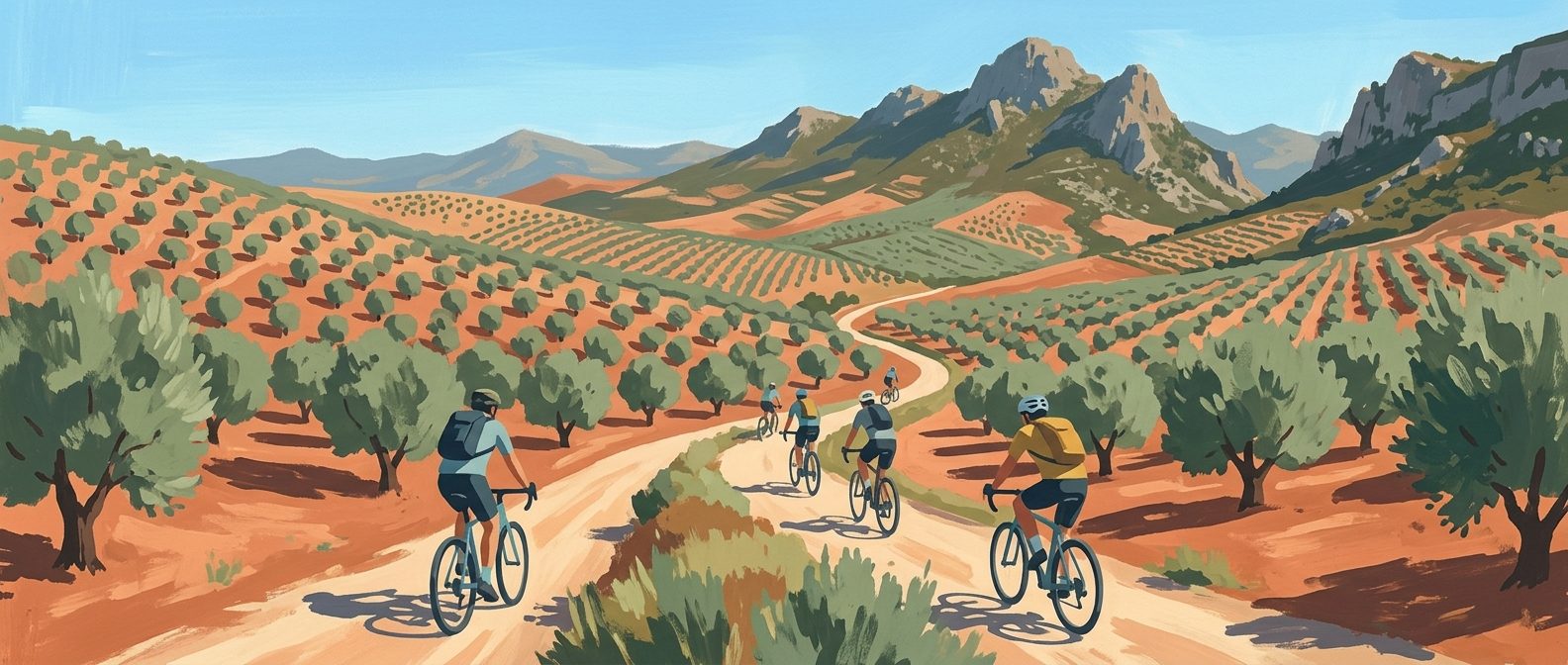
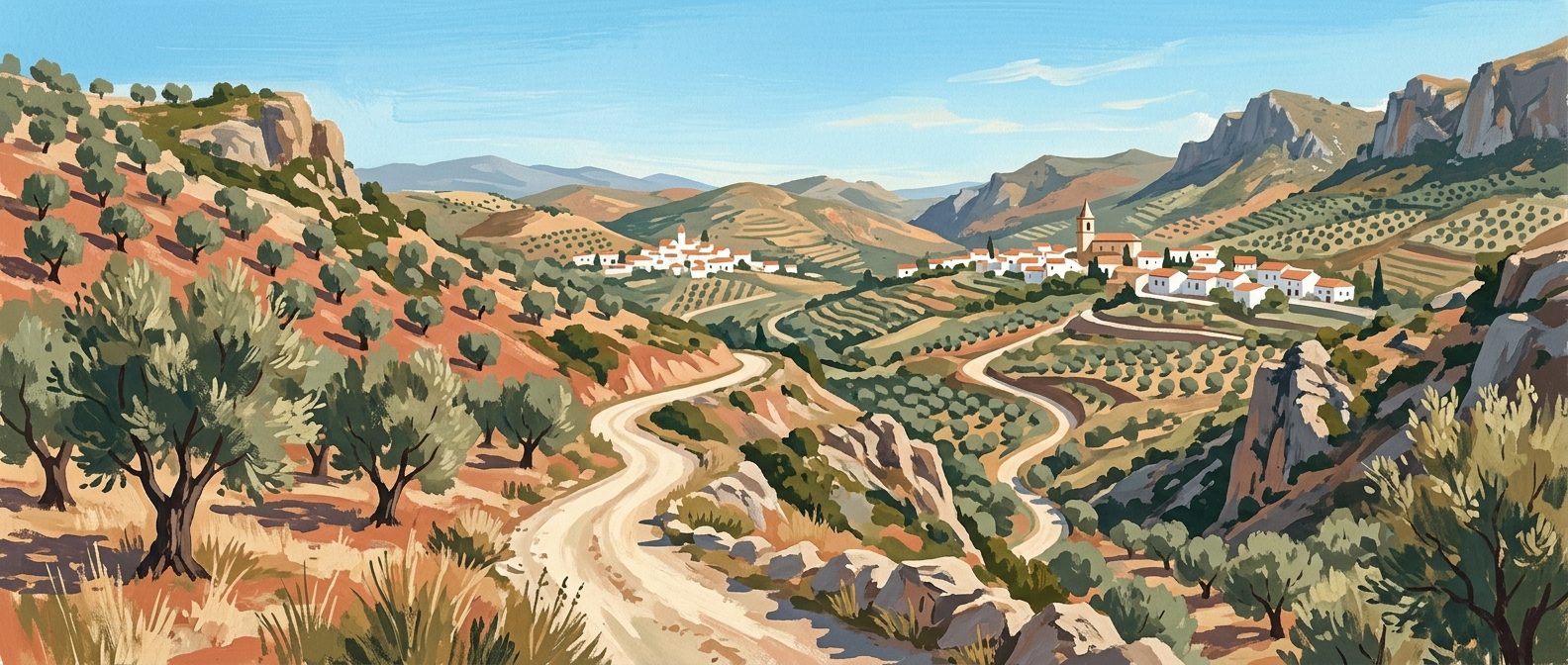
Approaching Jaén City is an experience in itself. As you drive south from Despeñaperros, the landscape transforms into a geometric obsession: the mar de olivos (sea of olives). Millions of trees march over the rolling hills in perfectly straight lines, silver-green leaves shimmering under the Andalucían sun. In the centre of this agricultural empire sits the provincial capital, huddled at the base of the jagged Santa Catalina hill. Unlike the manicured tourist hubs of the coast, Jaén feels honest. It is a working city where the bars are filled with locals arguing over harvest prices and the tapas are still served generously and without charge when you order a drink.
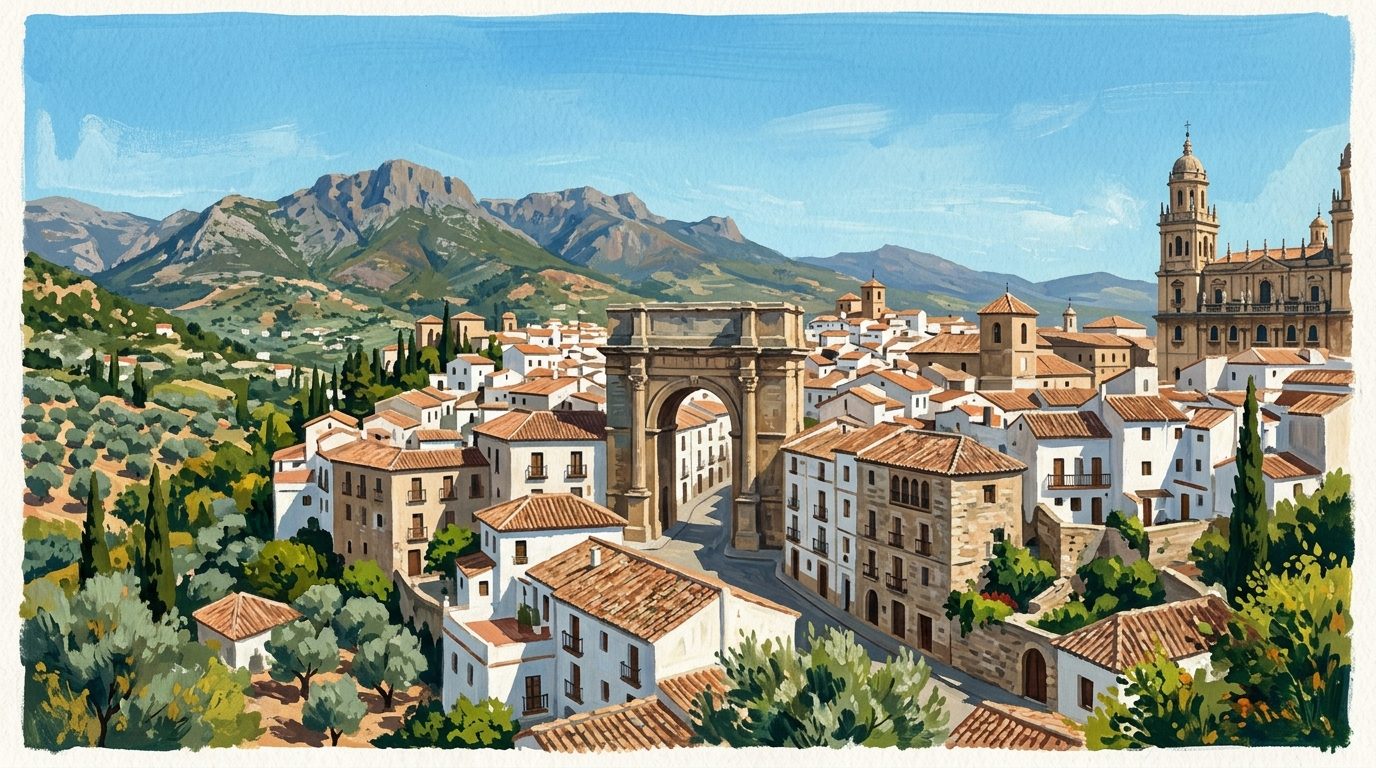
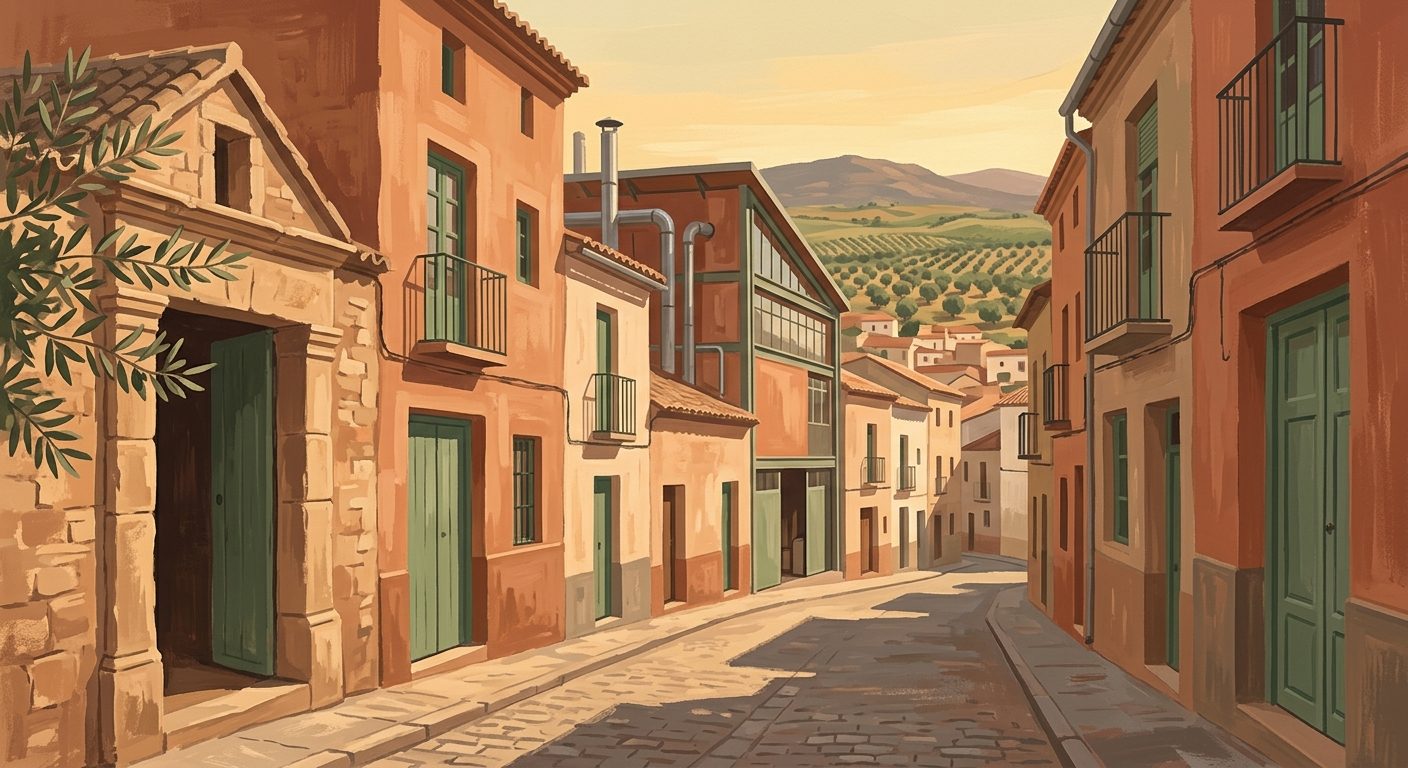
While many travellers treat Jaén as a mere motorway pitstop on the way to Granada or Córdoba, they miss out on a city of profound historical weight. This was a frontier territory for centuries, a crossroads between Christian and Moorish kingdoms, and that friction birthed a city of monumental scale. From the colossal proportions of its cathedral to the 11th-century Arab Baths (the largest in Spain) tucked away in the basement of the Villardompardo Palace, Jaén offers a depth of discovery that feels earned. It is a city of steep gradients, rewarding those who navigate its narrow callejones (alleys) with sudden, dramatic views of the surrounding mountains and the endless groves that sustain it.
Places to Explore
Jaén Cathedral
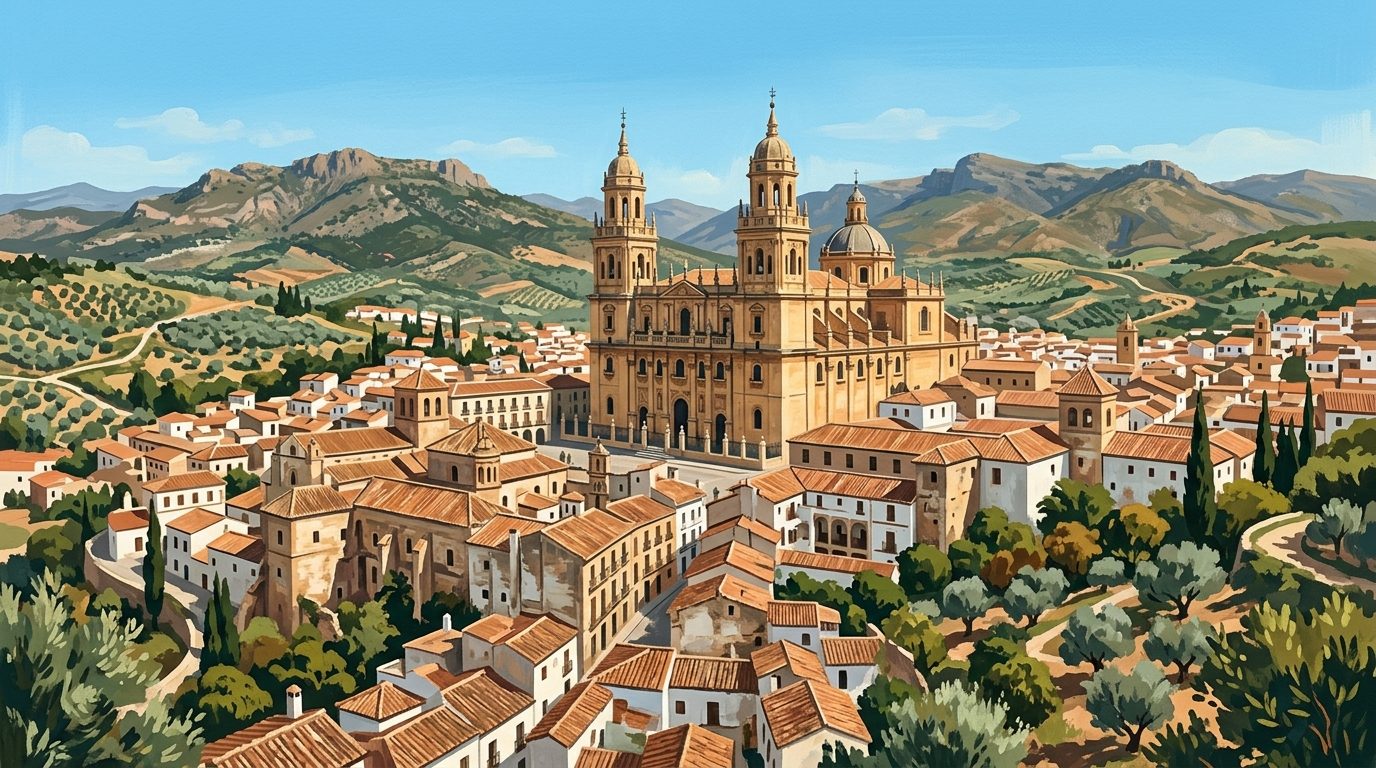
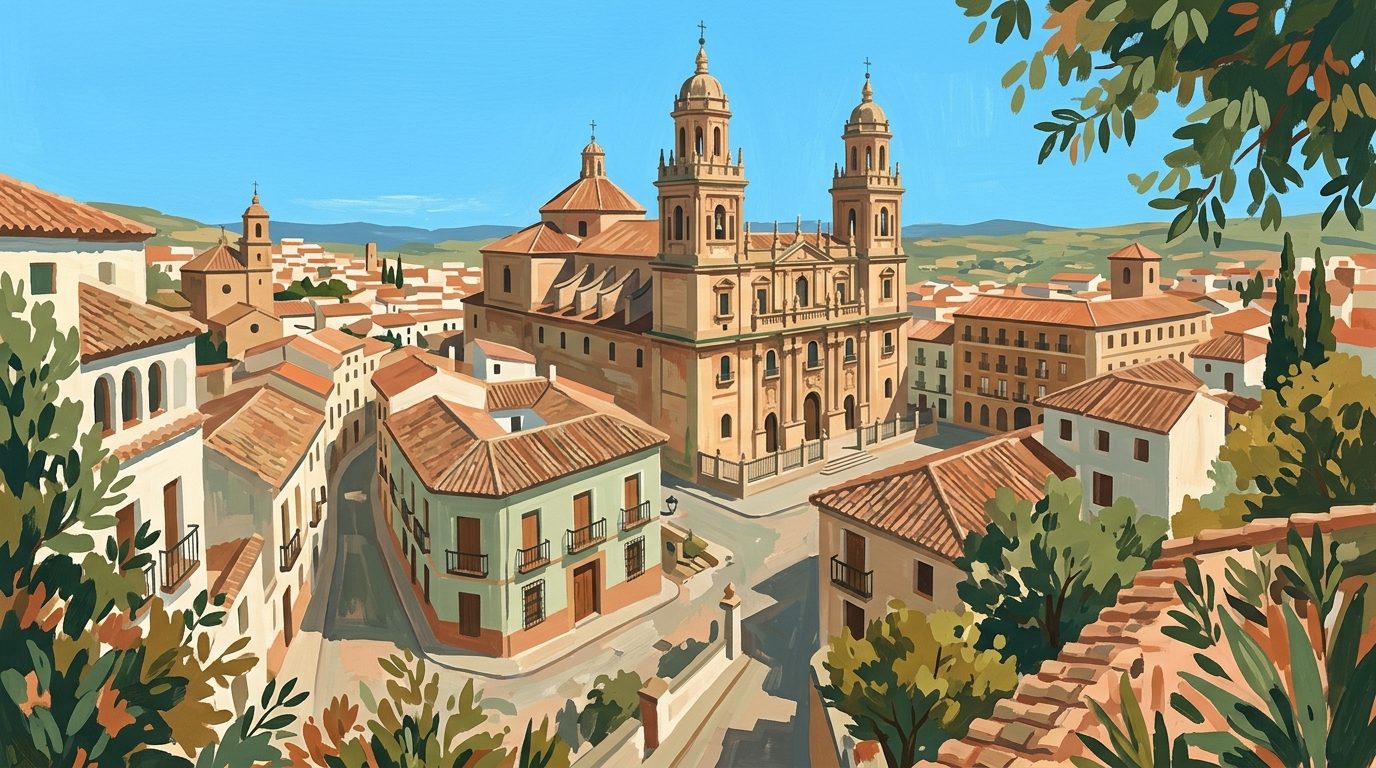
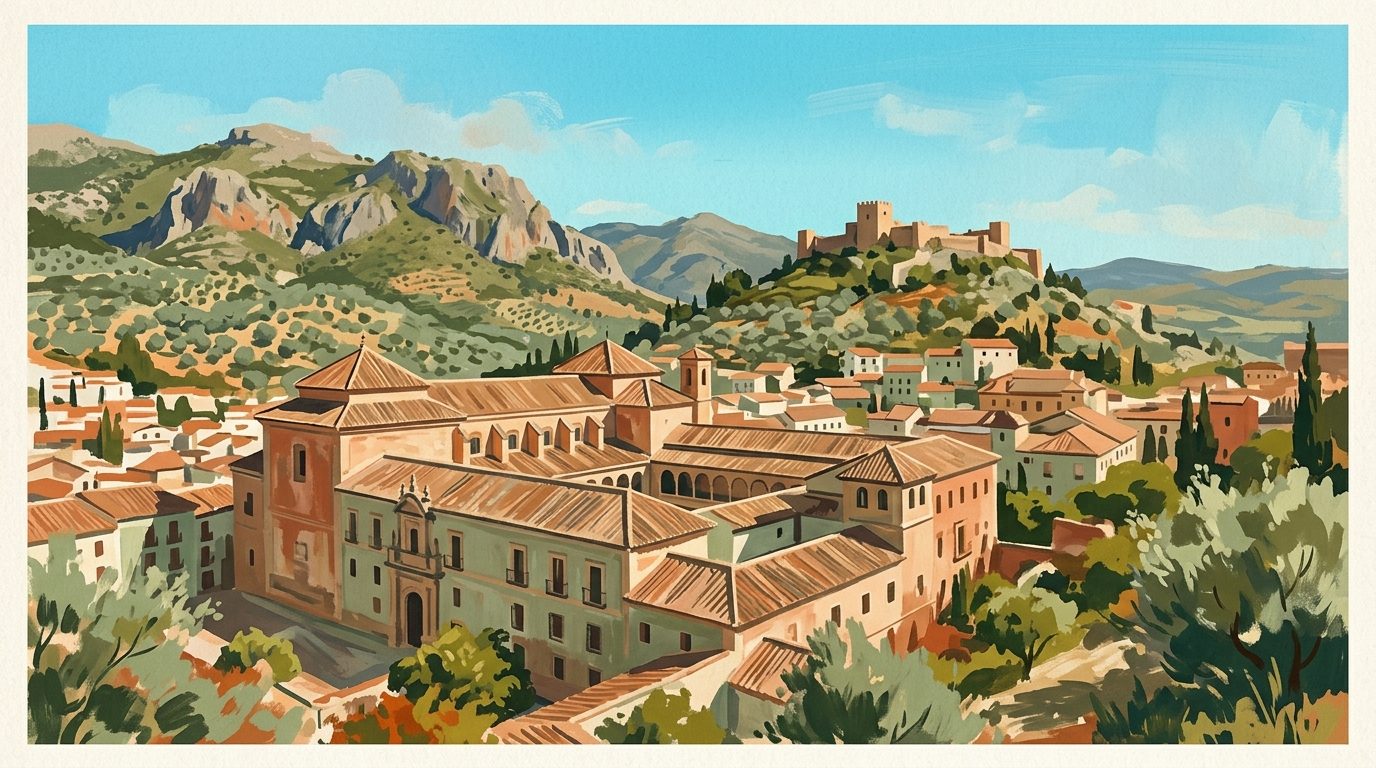
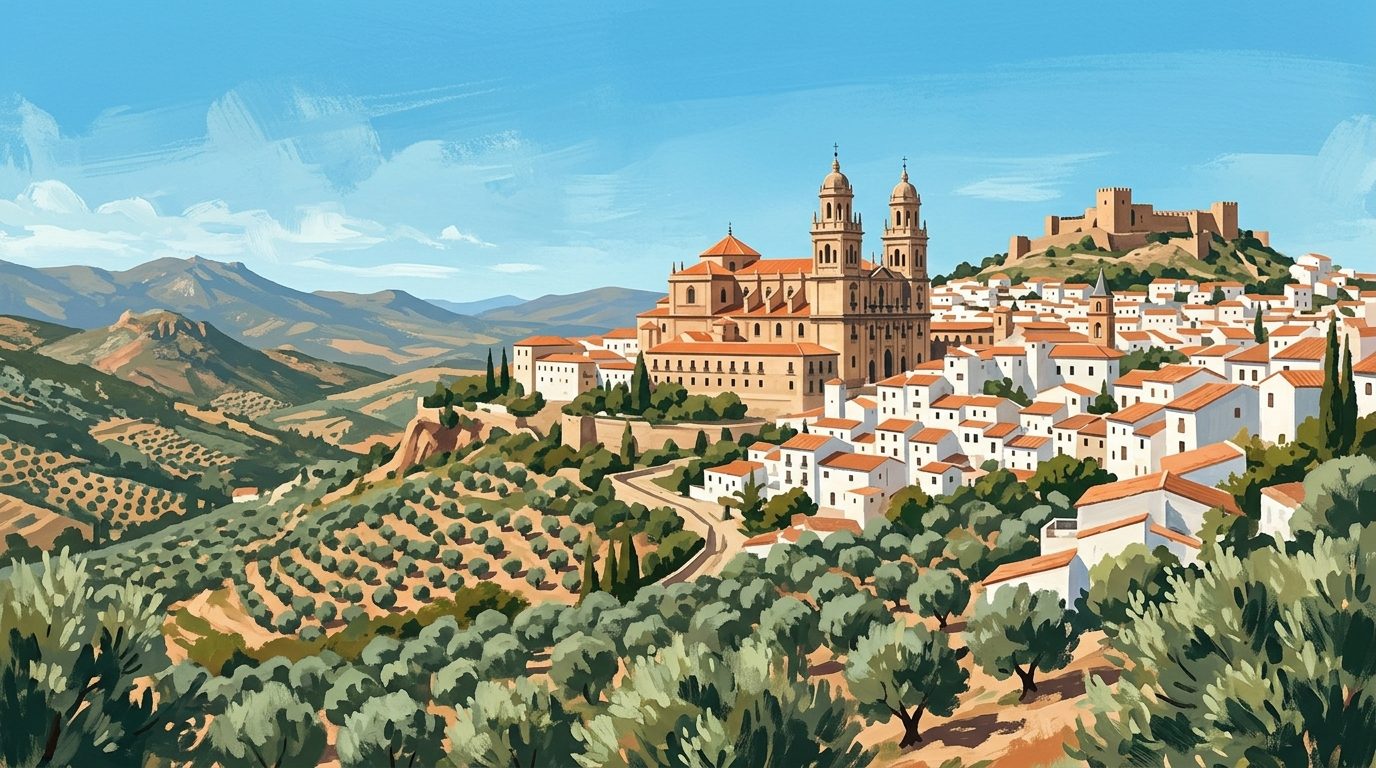
Dominating the city skyline, the Catedral de la Asunción de Jaén is a masterpiece of the Spanish Renaissance. Designed largely by Andrés de Vandelvira in the 16th century, its influence was so profound that it served as the architectural blueprint for many of the great cathedrals built in Latin America. Walking across the Plaza de Santa María, the scale of the facade is staggering. It is adorned with colossal statues and intricate stonework that seems to defy the weight of the yellow limestone. Inside, the sense of space is even more overwhelming. The high vaults and slender columns create an airy, light-filled interior that feels vastly different from the dark, brooding Gothic cathedrals found elsewhere in Spain.
One of the most significant reasons for the cathedral’s grandeur is its possession of the Santo Rostro (Holy Face). This relic, believed to be the veil used by Saint Veronica to wipe the face of Christ, is kept in a secure chapel and shown to the public only on specific occasions. Even if you aren't there for the religious significance, the choir stalls, carved from walnut with incredible detail, and the sacristy are worth the entry fee alone. The sacristy, in particular, is considered Vandelvira’s crowning achievement, featuring a double row of Corinthian columns that showcase his mastery of proportion. To get the best perspective on how the cathedral anchors the city, head to the narrow streets of the Barrio de San Ildefonso nearby, where the towers peek over the rooftops at every turn.
Read the full Jaén Cathedral guide →
Santa Catalina Castle
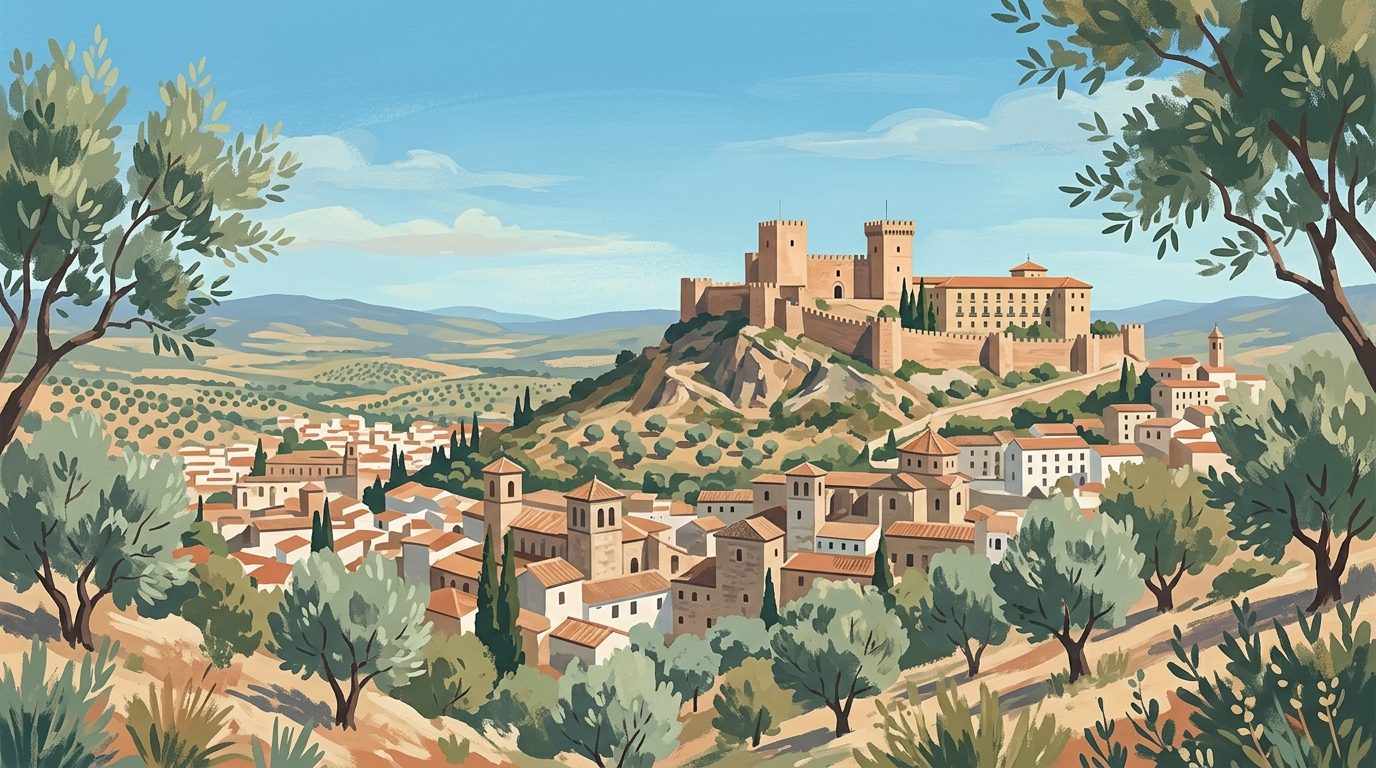
Perched on a rocky crag 800 metres above sea level, the Castillo de Santa Catalina is the city’s most visible landmark. The fortifications here date back to the Moorish period, but much of what remains today was constructed after King Ferdinand III captured the city in 1246. The walk or drive up to the castle is essential for understanding the geography of the region. From the ramparts, you look down on the cathedral, which looks like a scale model, and out across the Guadalquivir valley towards the Sierra Mágina. On a clear day, the horizon is nothing but peaks and olive trees as far as the eye can see.
Adjacent to the castle is the Parador de Jaén, a state-run hotel built in the style of a medieval fortress. Even if you aren't staying there, the walk to the large cross (La Cruz) at the edge of the ridge is a local tradition. This cross commemorates the spot where Ferdinand III supposedly raised his standard after the reconquest. The castle itself houses an interpretation centre that explains the site's role as a defensive bastion against the Nasrid Kingdom of Granada. Exploring the Torre del Homenaje (Keep) and the parade grounds gives you a visceral sense of Jaén’s history as a frontier outpost. It is a windy, exposed spot that provides a cool respite from the summer heat trapped in the streets below.
Read the full Santa Catalina Castle guide →
Olive Oil Culture in Jaén
To understand Jaén, you must understand aceite de oliva virgen extra (extra virgin olive oil, or AOVE). This isn't just an ingredient here; it is the city’s lifeblood and cultural identity. Jaén is the world capital of olive oil production, specifically the Picual variety, known for its high polyphenol content and its distinctively peppery, robust finish. Unlike the milder oils of the coast, Jaén’s oil has a character that demands attention. You will see it on every breakfast table, drizzled over toasted molletes (soft bread rolls) with a sprinkle of salt and rubbed garlic.
For an immersive experience, visit the Centro de Interpretación Olivar y Aceite, which, while technically in nearby Úbeda, has deep ties to the city’s producers. In the city centre, shops like La Casa del Aceite on Calle Hurtado offer tastings that are as sophisticated as any wine flight. You’ll learn to distinguish the early harvest oils, which are bright green and smell of tomato vines and freshly cut grass, from the later harvests. To see the scale of the industry, you can visit local almazaras (oil mills) like Aceites Oro Bailén just outside the city. During the harvest months from November to January, the entire city hums with the activity of the mills, and the aroma of crushed olives is thick in the air. It is a seasonal rhythm that has remained unchanged for centuries.
Read the full Olive Oil Culture in Jaén guide →
Eating & Drinking in Jaén City
Dining in Jaén is a refreshingly unpretentious affair. The city is famous for its tascas (traditional taverns), particularly around the narrow lanes of Calle Arco del Consuelo and Calle San Bernardo. Here, the free tapa culture is still very much alive. Order a caña (small beer) or a glass of local wine, and you will likely be presented with a plate of ajoatao (a thick garlic and potato purée) or some ligüerones (fried fish). For a truly local experience, find Bar El Gorrión, one of the oldest taverns in the city. Its dark wood interior, lined with old barrels and dusty bottles, is the perfect place to try morcilla de Jaén (blood sausage seasoned with pine nuts and cinnamon).
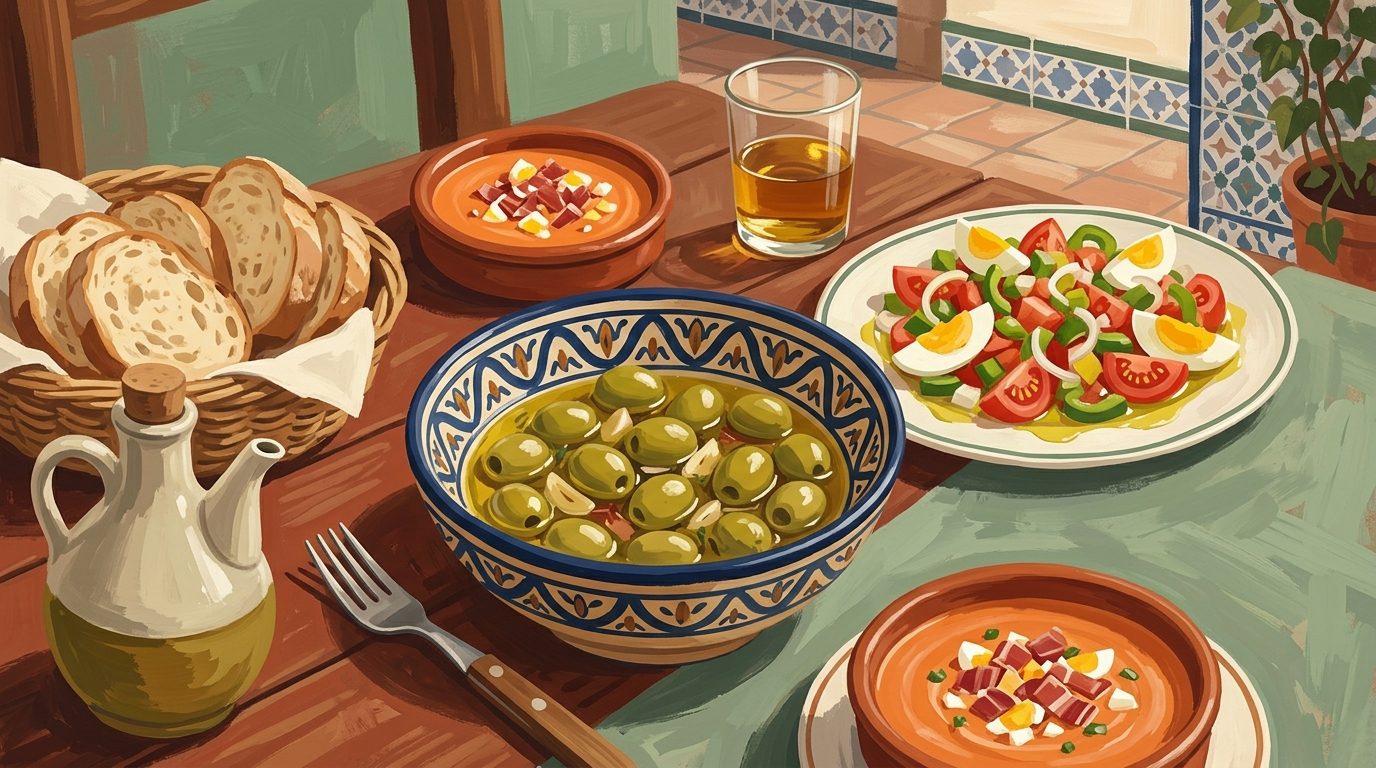
Beyond the traditional taverns, Jaén has recently emerged as a serious gastronomic destination. The restaurant Bagá, led by chef Pedro Sánchez, famously earned a Michelin star in a tiny space with only a handful of tables, proving that Jaén’s local produce can compete on a global stage. Be sure to try pipirrana, a refreshing salad of finely chopped tomatoes, green peppers, cucumber, and onion, bound together with a dressing made from crushed egg yolks and plenty of olive oil. For something sweet, pick up some ochíos (yeasted bread rolls topped with pimentón and sugar) from a local panadería (bakery).
Where to Stay
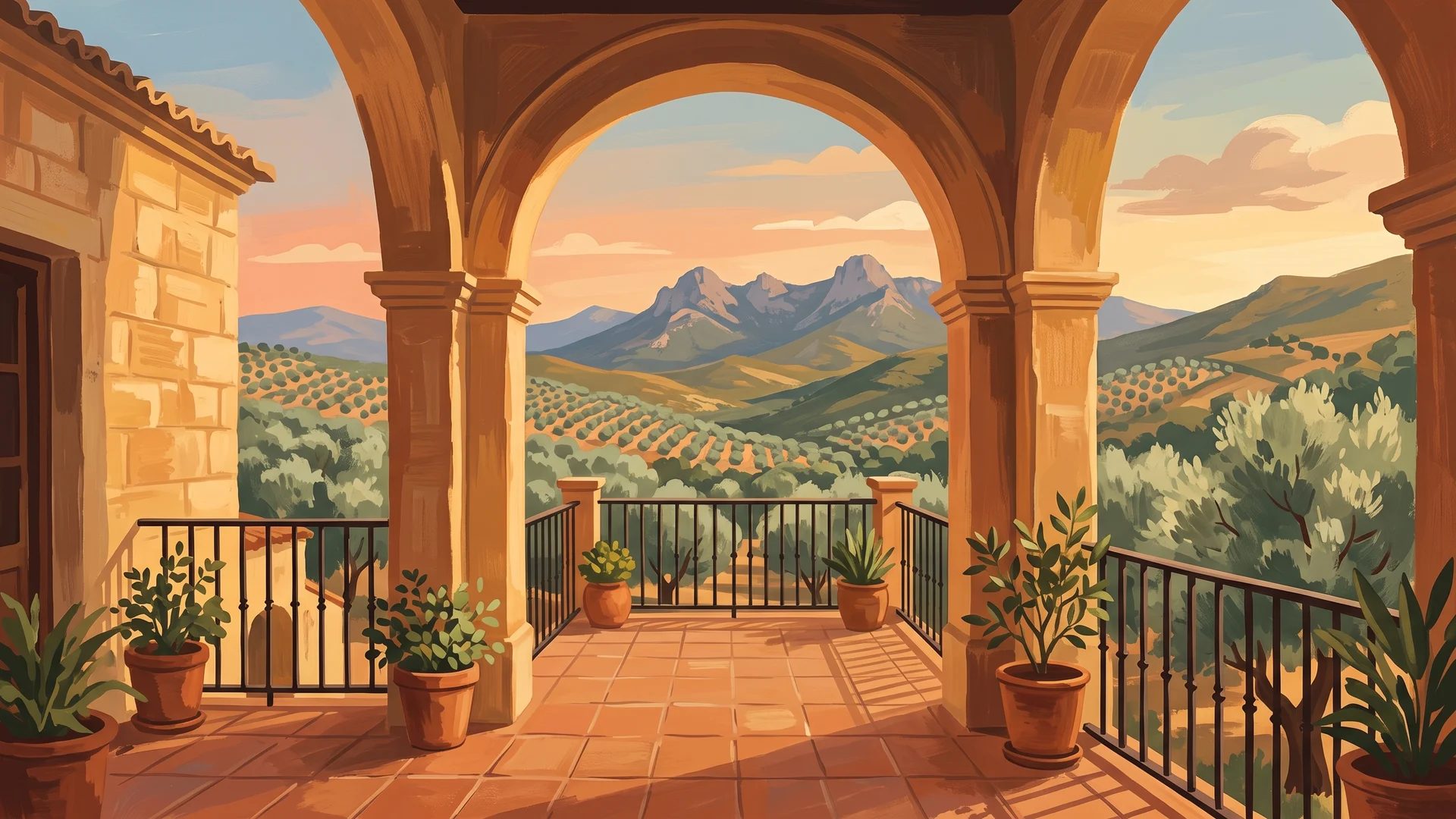
For views that are impossible to beat, the Parador de Jaén is the premier choice. Built into the hilltop next to the castle, its stone walls, vaulted ceilings, and enormous fireplace in the lounge create an atmosphere of monastic calm. Watching the sunrise over the Sierra Mágina from your balcony is one of the great Andalucían experiences. If you prefer to be in the thick of the city, look for accommodation near the Plaza de la Constitución or the Cathedral.
Hotel Condestable Iranzo is a reliable, central option that puts you within walking distance of the main shopping districts and the old quarter. For a more boutique feel, there are several restored palacetes in the San Ildefonso district that offer a sense of the city's aristocratic past. Staying in this area allows you to wander the streets at night when the cathedral is illuminated and the day-trippers have departed, leaving the city to the locals and the echoing footsteps on the cobblestones.
Getting There & Around
Jaén is well-connected by road, sitting on the A-44 motorway which links Madrid with Granada. It is about an hour’s drive from Granada and roughly 90 minutes from Córdoba. The train station is located in the newer part of the city, with regular services to Madrid and Sevilla, though the high-speed AVE does not yet run directly into Jaén.
Once you arrive, the city is best explored on foot, though be prepared for some serious incline. The old town is a maze of steep streets that are often inaccessible to cars. If you are driving, it is best to park in the underground car parks near the Plaza de la Constitución or San Francisco and walk from there. A local bus service connects the city centre with the castle and the outskirts, but the heart of Jaén is best experienced at a slow, walking pace.
Best Time to Visit
The shoulder seasons of spring and autumn are undoubtedly the best times to visit Jaén. In April and May, the countryside is lush and green, and the temperatures are ideal for climbing up to the castle. October and November are equally pleasant, coinciding with the start of the olive harvest. Summer in Jaén can be punishingly hot, with temperatures frequently exceeding 40°C, making midday exploration difficult. However, if you visit in mid-January, you can witness the Lumbres de San Antón, a festival where huge bonfires are lit across the city and locals dance and eat roasted pumpkin and rosetas (popcorn).