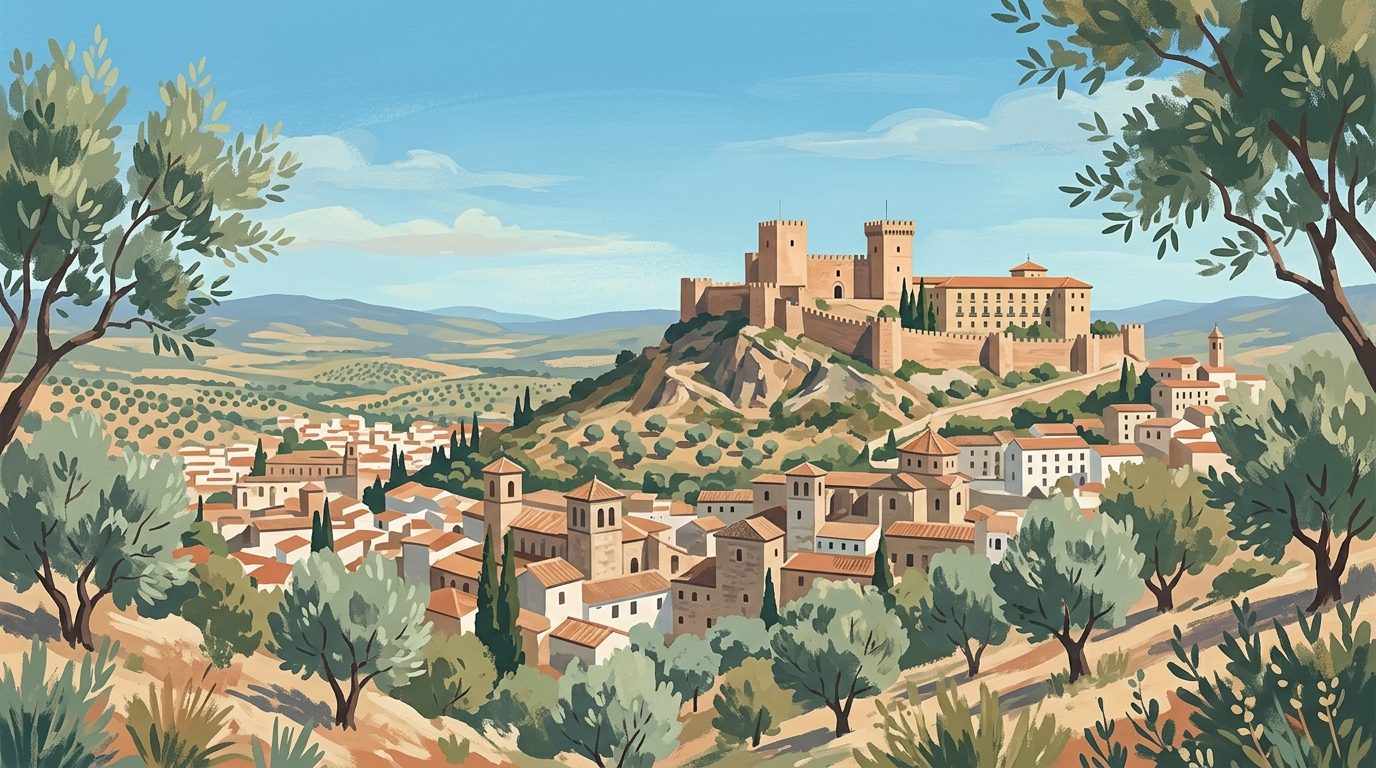
Perched on a rocky crag 800 metres above the city, Santa Catalina Castle offers an unrivalled perspective on the vast olive groves of the Guadalquivir valley. This formidable fortress serves as both a window into Jaén’s medieval frontier history and a peaceful retreat for those staying in its integrated Parador hotel.
Jaén is often overlooked in favour of its neighbours, Granada and Córdoba, but its skyline is perhaps the most dramatic in Andalucía. Dominating the view is the Cerro de Santa Catalina, a rugged limestone outcrop crowned by a castle that has watched over the city for over a thousand years. While the castle we see today is largely a 13th-century Christian construction, its foundations are much older, reflecting the layers of Iberian, Roman, and Moorish civilisations that once occupied this strategic height. Today, it functions as a cultural interpretation centre and a luxury hotel, providing visitors with a blend of historical exploration and high-altitude relaxation.
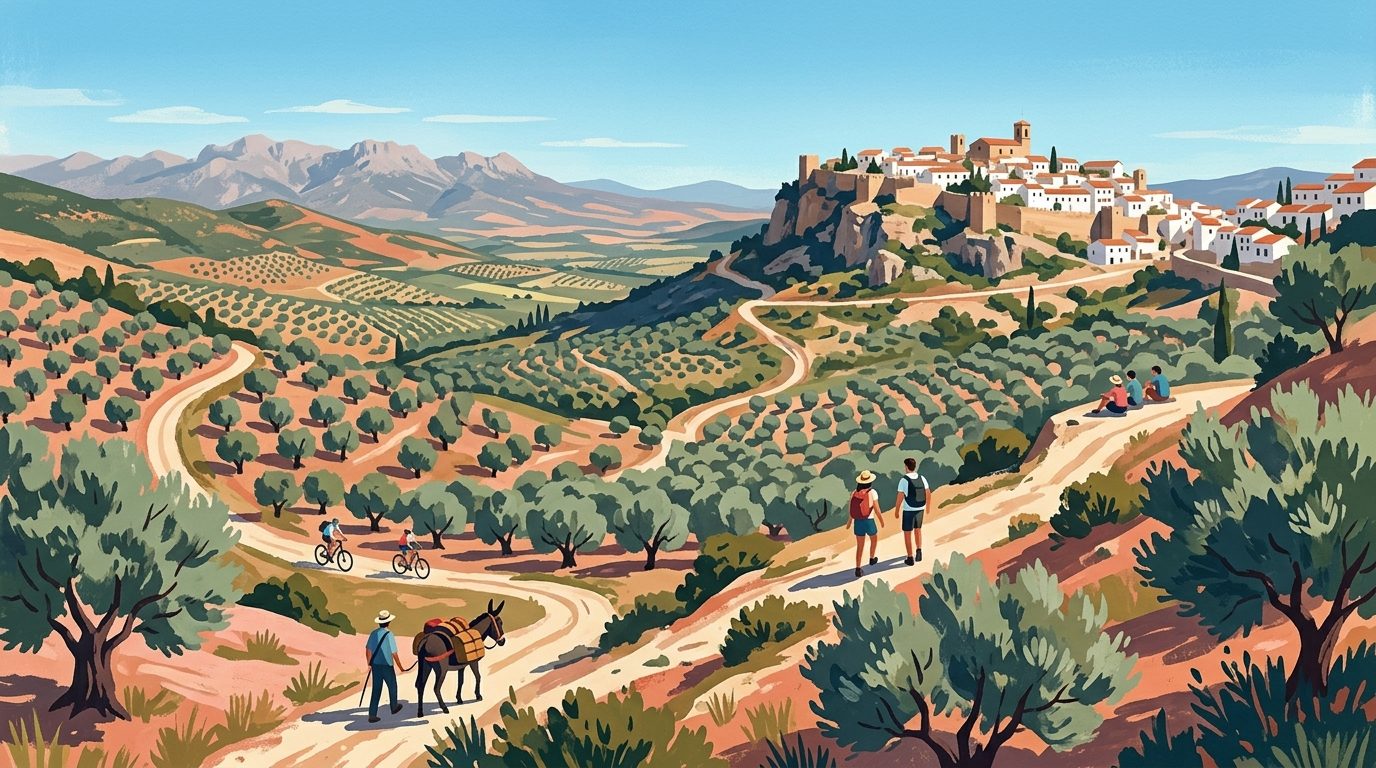
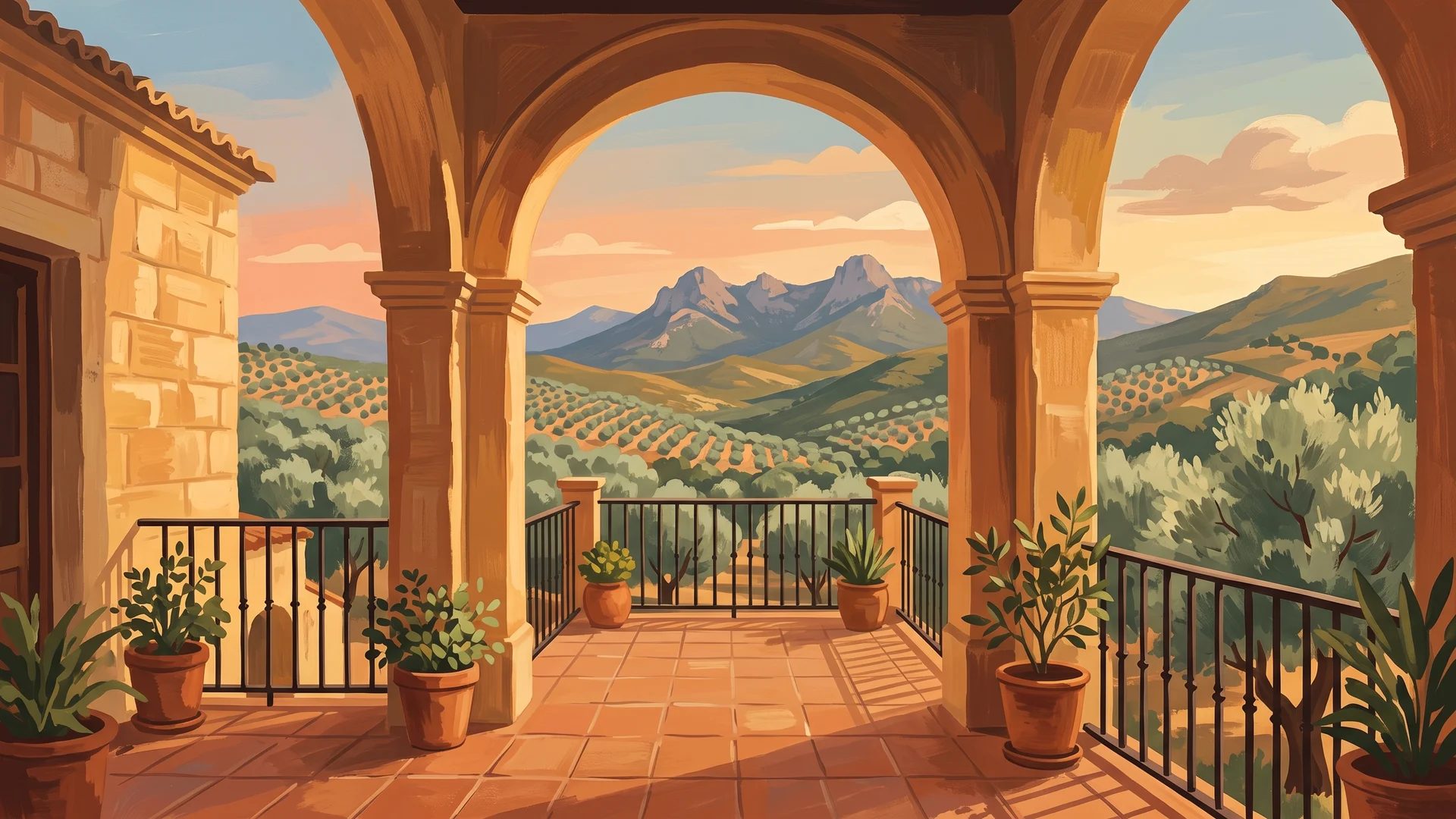
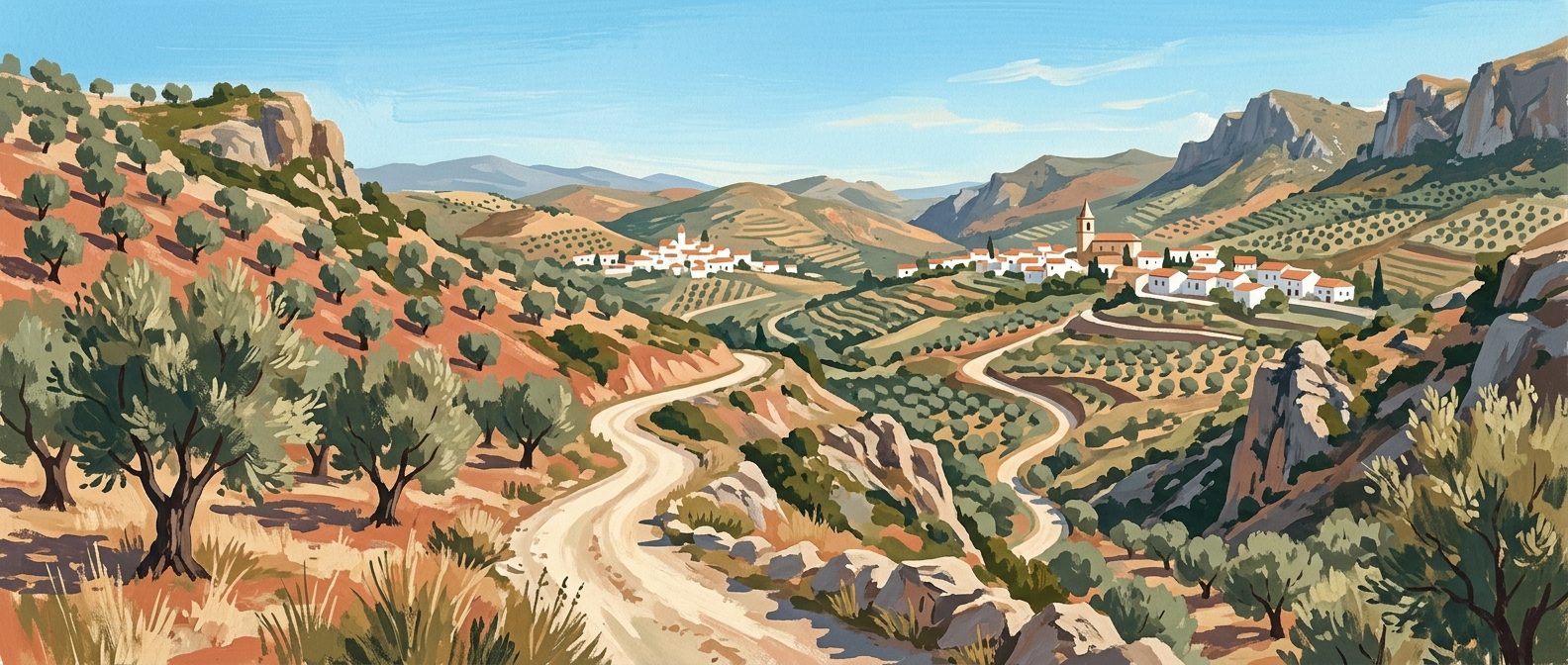
Approaching the castle, you are struck by the sheer scale of the defensive walls. From this height, the city of Jaén looks like a miniature model, with the massive Renaissance cathedral standing out as a masterpiece of architecture. Beyond the urban sprawl, the landscape transforms into the "mar de olivos", the sea of olives, where millions of trees stretch towards the horizon in perfectly straight lines. Visiting Santa Catalina is not just about the stone walls; it is about understanding the geography that made Jaén the gateway to Andalucía for centuries.
What to See & Do
The site is effectively divided into three distinct areas: the Old Fortress (Alcázar Viejo), the New Fortress (Alcázar Nuevo), and the Abrehuí Castle. While much of the older Moorish structure was integrated into later builds or lost to time, the current visitor experience focuses on the impressive Christian fortifications and the surrounding viewpoints.
The Interpretation Centre and Keep
The heart of the visitor experience is the Torre del Homenaje, or the Keep. This 30-metre-high tower has been converted into an interpretation centre that explains the castle's role in the Reconquista and the subsequent Napoleonic Wars. Inside, you can explore several rooms that detail the life of the garrison, the strategic importance of the frontier between the kingdoms of Castile and Granada, and the legends associated with the site. Climbing to the top of the Keep provides the highest accessible point in the castle, offering 360-degree views that are particularly breath-taking at sunset when the limestone peaks of the Sierra Mágina turn a deep shade of violet.
The Walls and Defensive Towers
A walk along the ramparts is essential to appreciate the military ingenuity of the 13th-century builders. There are five main towers connected by thick curtain walls. The Torre de las Damas and the Torre de la Vela are particularly well-preserved. As you walk between them, you can look down into the courtyard, which once housed stables, kitchens, and barracks. The castle saw significant action during the Peninsular War; in 1812, retreating French troops blew up large sections of the interior to prevent the Spanish and British from using it, which explains why some areas appear more ruinous than others.
The Cross of Santa Catalina
Follow the path leading away from the castle gates towards the western tip of the ridge to find the Cruz de los Castillos. This massive white cross is a local landmark, visible from almost everywhere in the city below. According to tradition, Saint Catherine of Alexandria appeared to King Ferdinand III in a dream, showing him how to capture the city from the Moors. After his victory in 1246, the King ordered a cross to be placed on this spot. The current cross was donated by a local family in the 20th century, replacing older wooden versions. The platform around the cross is the best place to photograph the cathedral from above.
The Castle Chapel
Within the walls, you will find the small chapel dedicated to Saint Catherine. It is a simple, solemn space that reflects the religious devotion of the medieval knights who lived here. While it lacks the decorative grandeur of the city’s lower churches, its position within the fortress walls gives it a unique atmosphere of quiet contemplation amidst the military stone.
Practical Information
The castle is open to the public throughout the year, though hours vary by season (check the official Jaén Tourism website before travelling). From 1 October to 31 March (winter), it is generally open Monday to Saturday from 10:00 to 18:00. From 1 April to 30 September (summer), the castle is open Monday to Saturday from 10:00 to 21:00. On Sundays and public holidays year-round, the castle closes early at 15:00.
Ticket Prices: General admission is €3.50. There are reduced rates of €1.50 for children, students, and seniors over 65. Group rates are available for parties of ten or more. On Wednesdays from 15:00 to 18:00, entry is free for EU citizens (ID required), though it is wise to check at the gate as this can change depending on local cultural programmes.
How to Get There: If you are driving, follow the signs for "Castillo/Parador" from the city centre. The road is steep and winds its way up the hillside, but it is well-paved. There is a large car park located between the castle entrance and the Parador hotel which is free for visitors. For those without a car, the walk from the city centre takes about 45 to 60 minutes. It is a strenuous uphill hike via the Carretera de Circunvalación; only attempt this in the early morning or late evening during summer to avoid the intense heat. Taxis from the Plaza de la Constitución cost approximately €7 to €10.
Where to Eat Nearby
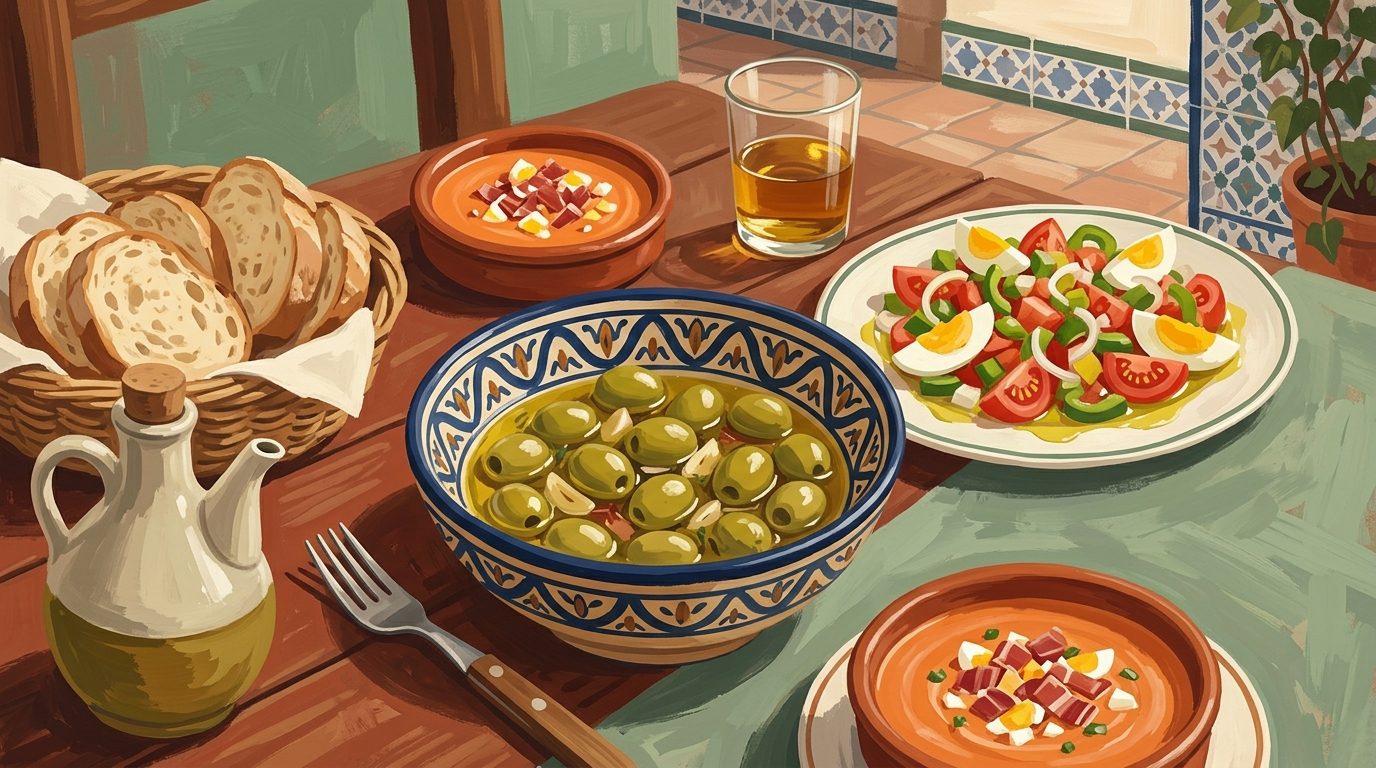
The most immediate and impressive option is the restaurant within the Parador de Jaén. Housed in a dining hall with soaring 20-metre-high stone arches, it serves traditional Jaenero cuisine with a modern twist. Look out for pipirrana (a local salad of tomato, green pepper, and tuna) and ajoatao (a thick garlic and potato dip). If you prefer something more casual and closer to the city, Restaurante El Santuario, located slightly down the hill, offers a terrace with wonderful views and focuses on grilled meats and local olive oil specialities. Alternatively, head back down into the San Ildefonso district of Jaén for a wide selection of traditional tapas bars.
Where to Stay
The Parador de Jaén is the obvious choice for those wanting to stay on the mountain. It is built directly into the castle site, featuring high vaulted ceilings and a swimming pool with views over the valley. For a more central urban experience, Hotel Condestable Iranzo is a reliable four-star option located in the heart of the city, within easy walking distance of the cathedral and the museums, providing a perfect base to explore both the castle and the historic centre.