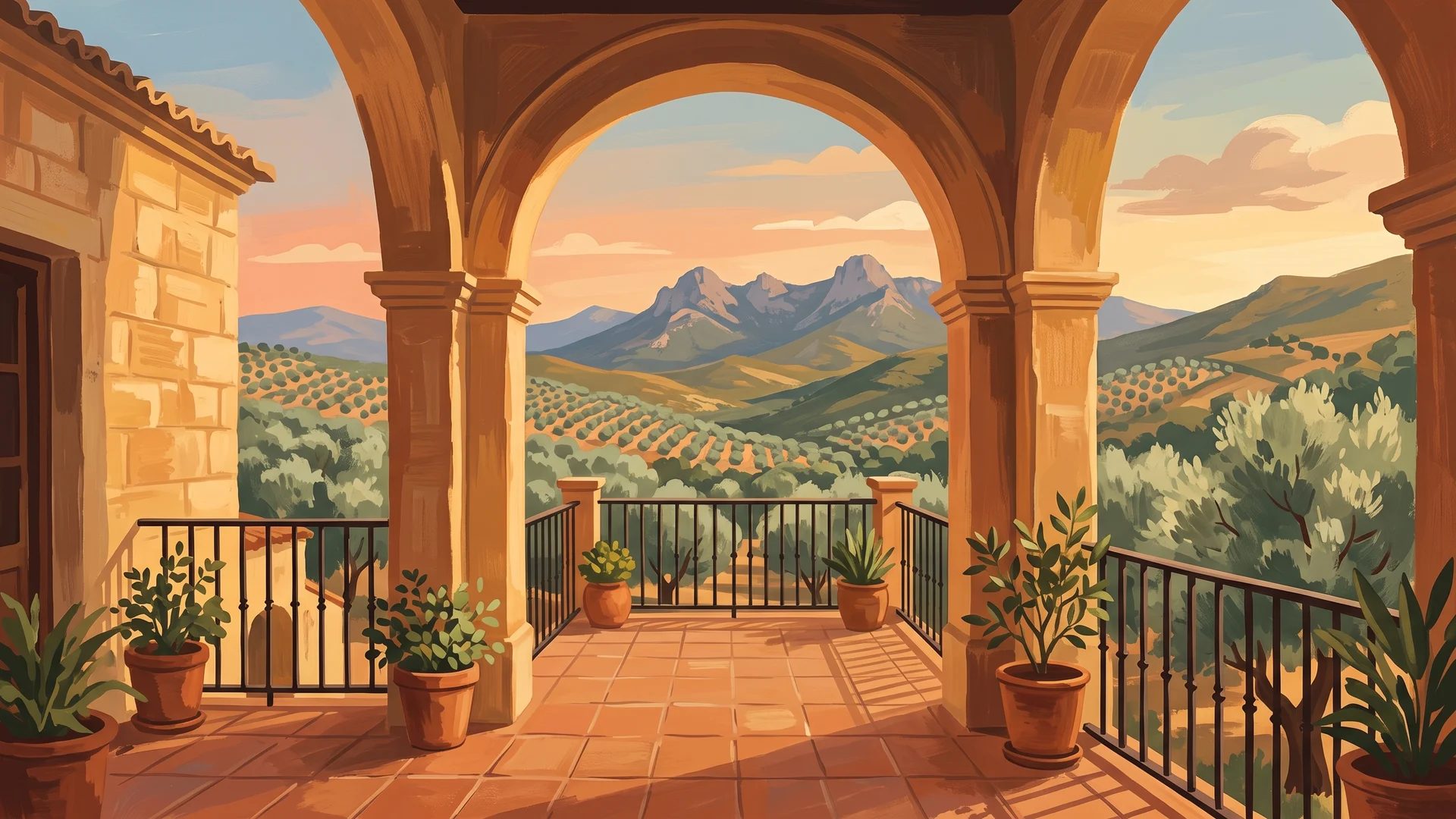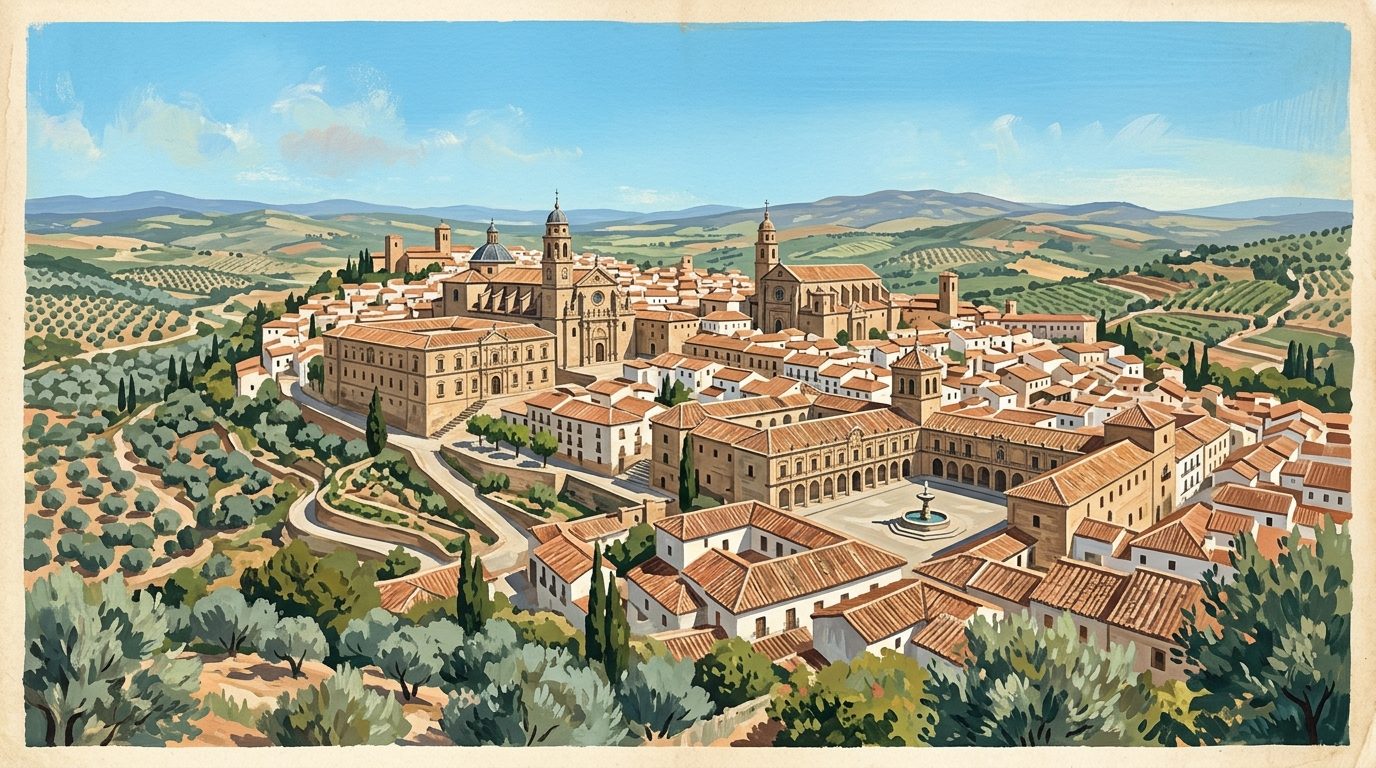
Standing among the quiet plazas of Baeza, you feel the weight of the Spanish Renaissance in every golden stone. This compact town, overlooking the vast olive orchards of Jaén, offers a preserved glimpse into sixteenth-century power and piety.
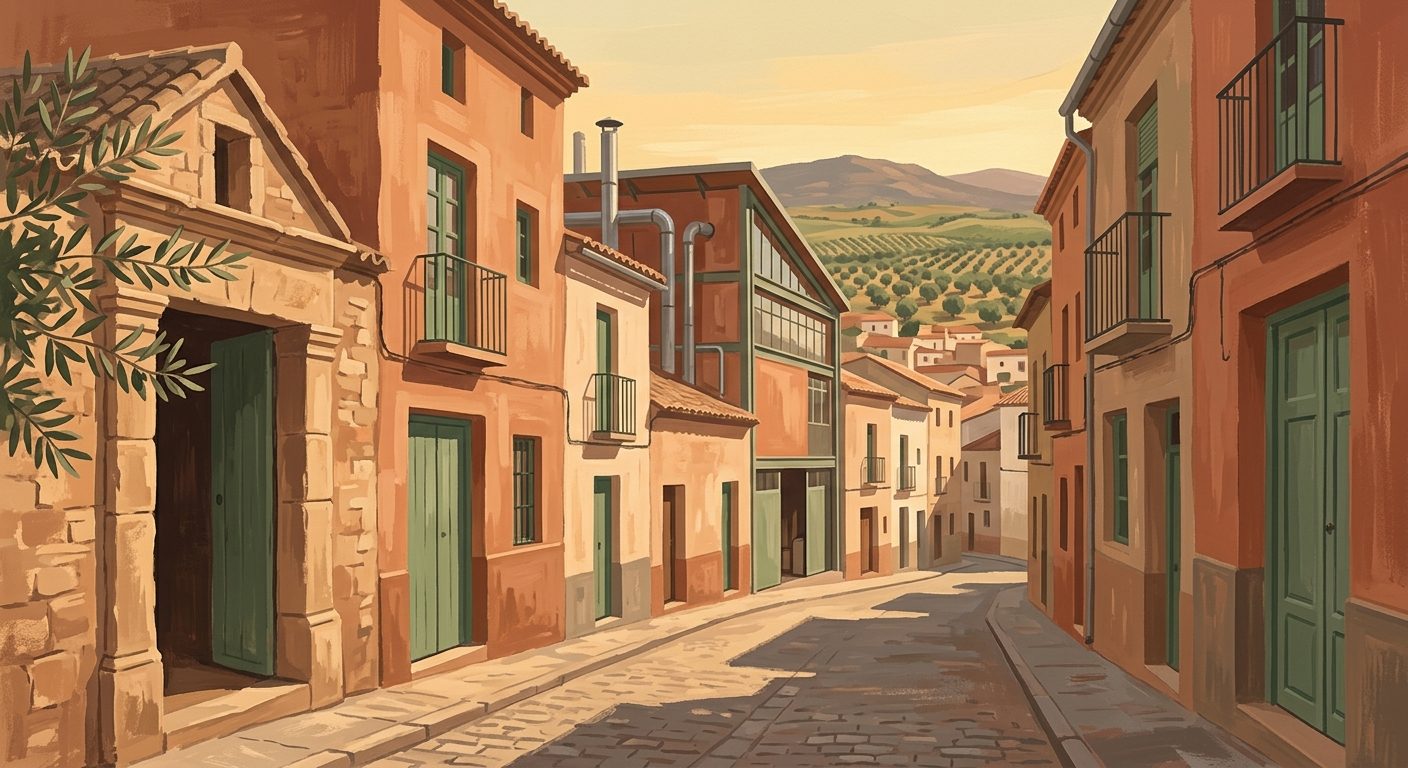
Baeza and its neighbour Úbeda share a UNESCO World Heritage designation, yet Baeza possesses a distinct, more intimate character. While Úbeda reflects the private wealth and secular ambition of the sixteenth-century aristocracy, Baeza was the historical centre of religious and educational life in the region. Its streets are lined with honey-coloured sandstone buildings, silent squares, and monumental fountains that have remained largely unchanged for centuries.
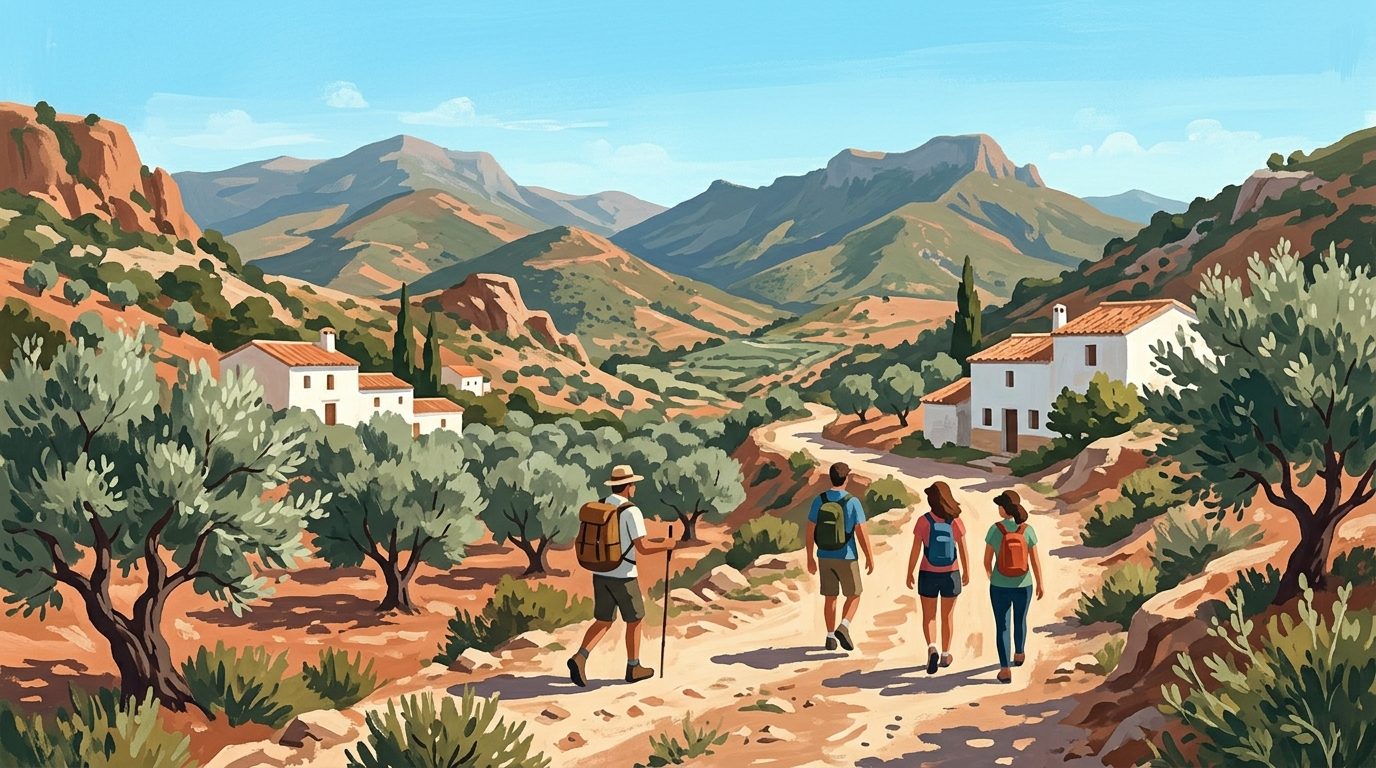
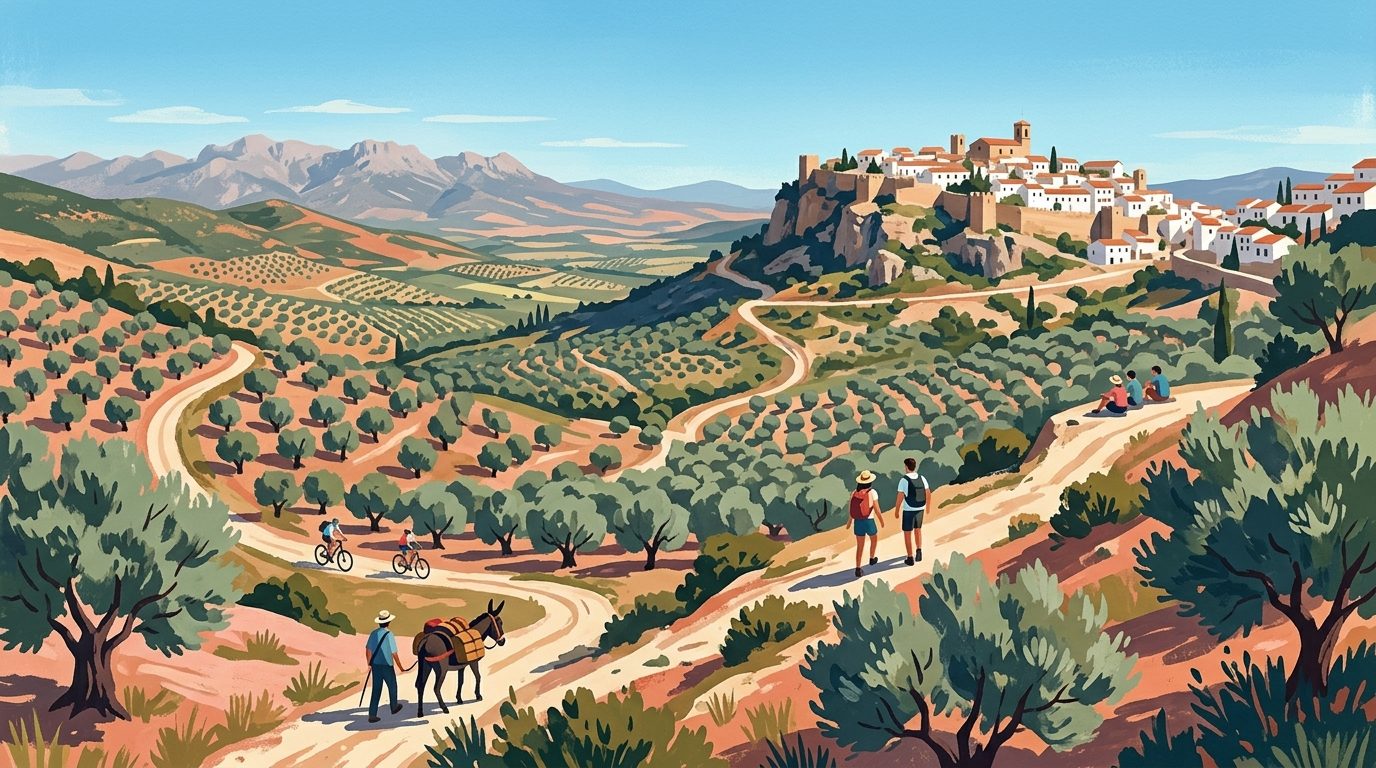
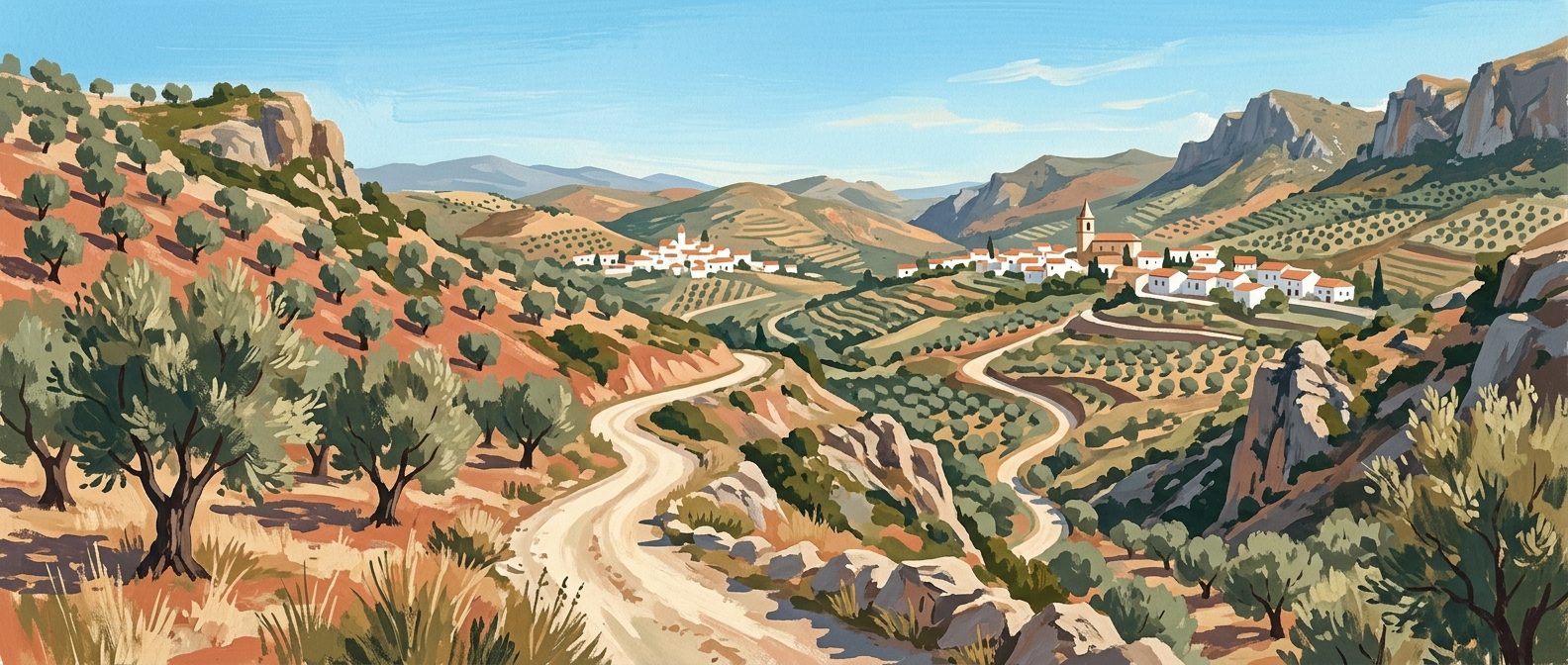
Situated on a limestone ridge overlooking the Guadalquivir valley, the town is surrounded by what locals call the "mar de olivos" or sea of olives. This landscape of millions of trees defines the local economy and provides the backdrop for a town that feels academic and clerical. For a time, it was the home of the celebrated poet Antonio Machado, whose presence still lingers in the quiet classrooms of the old university. It is a place where time slows down, inviting visitors to look closely at the intricate carvings of the Isabelline Gothic and Plateresque styles that decorate its most famous facades.
What to See & Do
The Plaza de Santa María and the Cathedral
The Plaza de Santa María is the spiritual heart of Baeza. In the centre stands the Fuente de Santa María, an ornate triumphal arch-style fountain built in 1564 to celebrate the arrival of water to the city. The plaza is framed by the Cathedral of the Nativity of Our Lady and the high-walled Gothic seminary of San Felipe Neri.
The Cathedral itself is a fascinating architectural hybrid. Built on the site of a former mosque, the base of its bell tower still contains elements of the original minaret. Much of the current structure was designed by Andrés de Vandelvira, the master architect of the Andalucían Renaissance. Inside, the space is airy and elegant, featuring a magnificent silver monstrance (custodia) that is paraded through the streets during Corpus Christi. Do not overlook the cloister, which retains several mudéjar-style chapels from an earlier era.
Palacio de Jabalquinto
Perhaps the most photographed building in Baeza, the Palacio de Jabalquinto is a masterpiece of the Isabelline Gothic style. The facade is extraordinary, covered in "diamantes" (diamond-tipped stone carvings) and pineapple motifs. The heraldic shields of the Benavides family are prominently displayed, supported by lions. While the exterior is flamboyantly Gothic, the interior courtyard, added later, is a model of Renaissance restraint with marble columns and two levels of circular arches. The palace now serves as a campus for the International University of Andalucía.
The Old University and Machado’s Classroom
The Antigua Universidad, founded in 1538, was one of the few institutions permitted to grant degrees in the region for centuries. It is a remarkably well-preserved building with a simple, elegant courtyard. Its most famous association is with the poet Antonio Machado, who taught French here between 1912 and 1919 following the death of his young wife, Leonor. Visitors can enter the very classroom where he taught; it remains preserved with its original wooden desks, inkwells, and a simple charcoal heater. The atmosphere in this room is heavy with the melancholy that often characterised Machado’s Jaén-inspired poetry.
Plaza del Pópulo
Also known as the Plaza de los Leones, this square sits just inside the former city gates. It contains the Fountain of the Lions, which incorporates an ancient Roman statue believed to represent Himilce, the Iberian wife of Hannibal. The square is bordered by the Casa del Pópulo, a beautiful Plateresque building that once served as the civil courthouse and now houses the tourism office, and the Antigua Carnicería (the former meat market), which was moved here stone by stone in the 1960s.
Paseo de las Murallas
For the best perspective on Baeza’s geography, walk along the Paseo de las Murallas. This path follows the line of the old Moorish defensive walls on the northern edge of the town. From here, the land drops away sharply, offering panoramic views across the Guadalquivir valley toward the distant peaks of the Sierra Mágina. The view is dominated by the endless rows of olive trees, a sight that clarifies why Jaén is the world's leading producer of olive oil.
Practical Information
Opening Times & Tickets
Most monuments in Baeza adhere to the traditional Spanish timetable, closing for a long break in the afternoon. Typically, attractions are open from 10:00 to 14:00 and reopen from 16:30 to 19:30. Note that on Sundays, the Cathedral's tourist visits may be restricted until after midday mass. Check local listings for specific July and August hours, which typically extend the evening session to 20:00 or later to avoid the midday heat. Entry to the Cathedral is currently €6.00 for adults (check on the operator's website before travelling), which includes an audio guide. Access to the Old University classroom is free during standard opening hours (usually 10:00 to 14:00 and 16:00 to 19:00). A joint ticket for the main monuments in both Baeza and Úbeda is often available through local tour operators like 'Baeza Monumental' for approximately €15.00 (check on the operator's website before travelling).
How to Get There
Baeza does not have its own train station. The nearest station is Linares-Baeza, located about 15 kilometres away. Taxis are available at the station, or you can catch a connecting ALSA bus (check on the operator's website before travelling), which takes roughly 20 to 25 minutes. If driving from Jaén, take the A-316 motorway; the journey takes about 45 minutes. Regular bus services also connect Baeza with Granada, Córdoba, and the neighbouring town of Úbeda (a 15-minute journey).
Parking
The historic centre is largely pedestrianised or very narrow. It is best to park on the periphery. There is a large, free open-air car park near the Plaza de Toros (bullring) on the western side of town, or a covered paid car park beneath the Plaza de la Constitución, which is very central.
Where to Eat Nearby
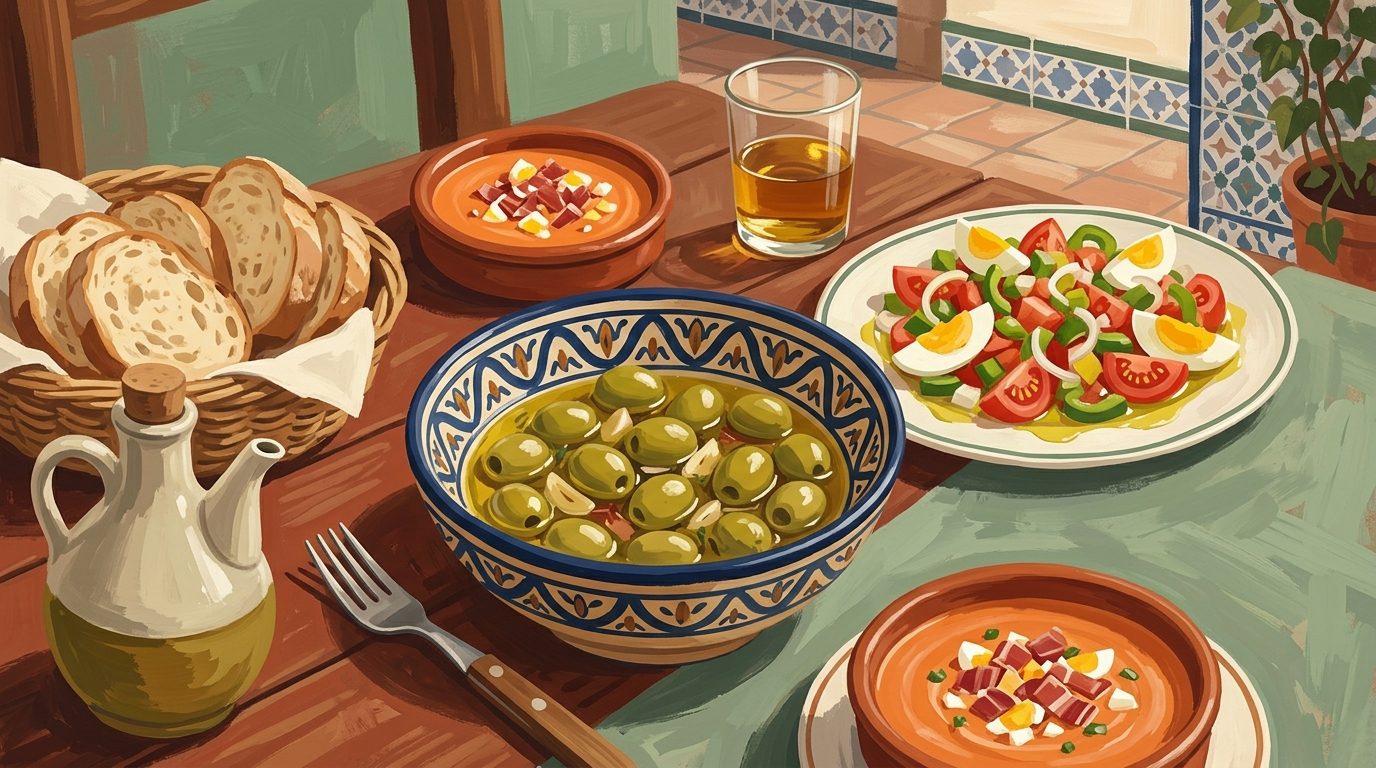
The local cuisine revolves around extra virgin olive oil. A must-try is the ochío, a traditional bread roll coloured with paprika and brushed with oil, often stuffed with tuna or spiced sausage. An excellent choice is Taberna Entre Ríos, situated near the Cathedral, which serves exceptional tapas and local stews like andrajos. For those seeking a classic Andalucían courtyard setting, La Góndola provides reliable regional dishes such as pipirrana (a local tomato and pepper salad) and slow-roasted lamb.
Where to Stay
For a historical experience, Hotel Palacio de los Salcedo is located within a stunning sixteenth-century palace in the centre of town, featuring rooms with original stone walls and heavy timber beams. Alternatively, TRH Ciudad de Baeza is housed in a former Carmelite convent. It offers a peaceful stay with a large central cloister and modern amenities, located just a short walk from the Plaza del Pópulo and the main sights of the Renaissance quarter.