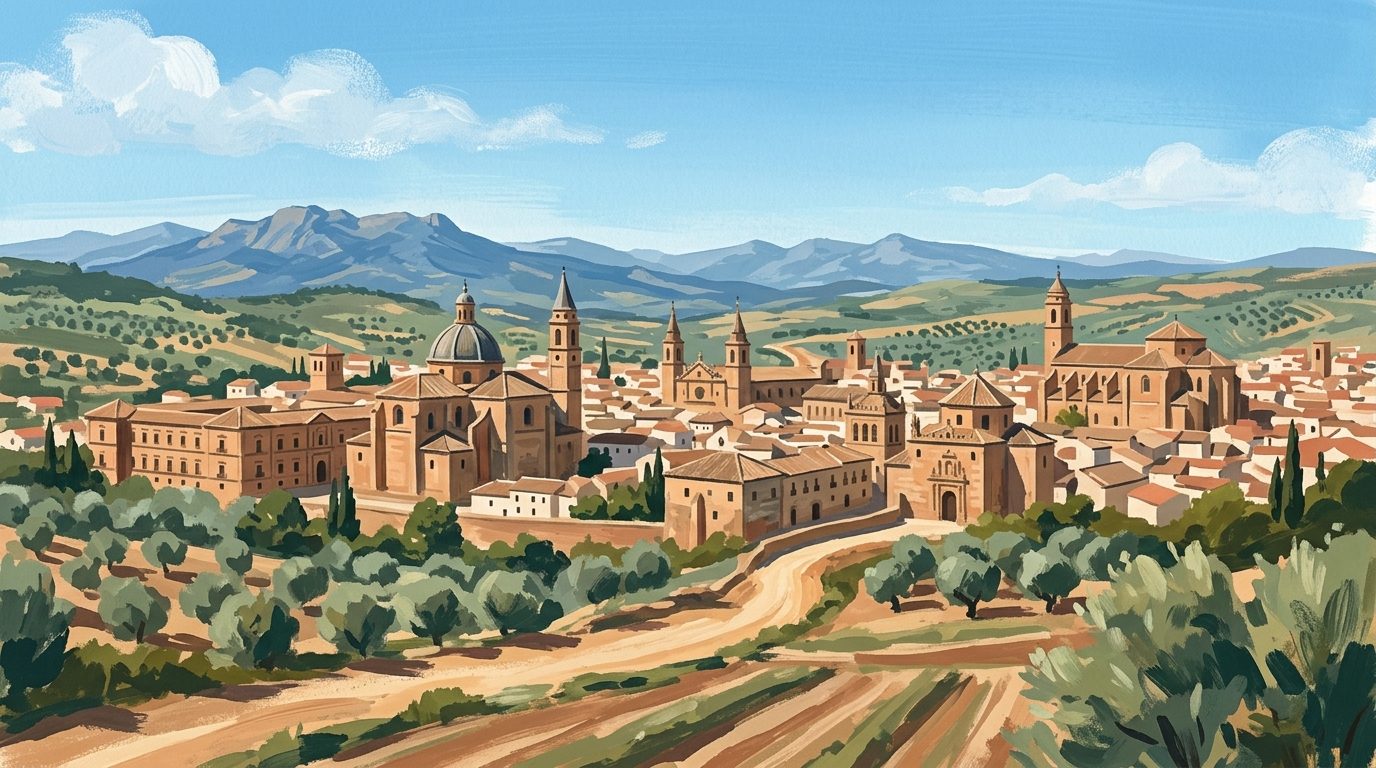
Built on the wealth of imperial administrators, Úbeda stands as a reminder of the Italian Renaissance adapted for the Spanish heartland. Its golden sandstone plazas and quiet alleys offer a serene escape into the 16th century.
To arrive in Úbeda is to witness one of the most remarkable architectural transformations in Europe. While much of Andalucía is defined by the white-washed walls and narrow, shaded lanes of its Moorish past, Úbeda represents a different chapter of Spanish history. In the 16th century, this city became the playground of the powerful. Francisco de los Cobos, the influential secretary to Emperor Charles V, funnelled his immense wealth and political connections into his hometown, commissioning the finest architects of the age to recreate the humanistic ideals of Italy on Spanish soil.
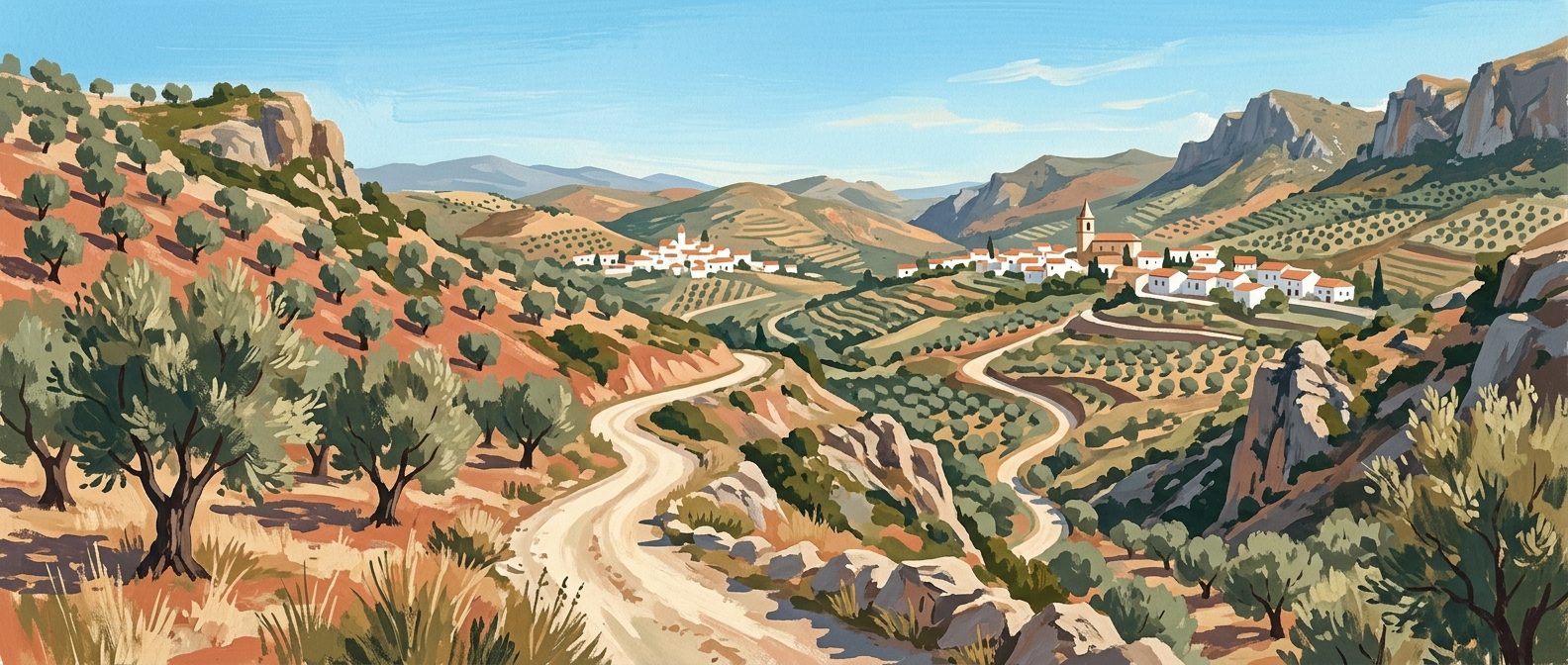
Alongside its close neighbour, Baeza, Úbeda was inscribed as a UNESCO World Heritage site in 2003. It is often described as the most complete Renaissance city in the country, but it remains remarkably grounded. Between the grand palaces and cathedral-like chapels, you will find the daily rhythms of a working Jaén town, where the scent of woodsmoke and pressing olives hangs in the winter air and the local pottery traditions continue in workshops that have remained in the same families for generations.
What to See & Do
Plaza Vázquez de Molina
The heart of the city’s architectural achievement is the Plaza Vázquez de Molina. This long, rectangular space is surrounded by such a concentration of monumentality that it can feel like an open-air museum. The square is anchored by the Sacra Capilla del Salvador, the private funerary chapel of Francisco de los Cobos. Designed by Diego de Siloé and executed by Andrés de Vandelvira, its facade is a masterpiece of Plateresque sculpture. Inside, the golden light illuminates a stunning altarpiece by Alonso Berruguete, though much of it had to be painstakingly restored after the Spanish Civil War.
The Palace of Chains
On the same square sits the Palacio de las Cadenas (Palace of Chains), which today serves as the Town Hall. Its name comes from the heavy iron chains that once hung between the pillars on the facade. The building is a triumph of Vandelvira’s balanced, classical style. If the doors are open, walk through the central patio, which is a serene example of Renaissance proportions. Nearby, the Basílica de Santa María de los Reales Alcázares offers a fascinating contrast; built over the remains of the former Great Mosque, it retains a Gothic-Mudéjar cloister that hints at the city’s complex layers of faith and architecture.
Hospital de Santiago
Often referred to as the 'Escorial of Andalucía', the Hospital de Santiago is located slightly away from the historic core on the main commercial street, Calle Obispo Cobos. Also designed by Vandelvira, this massive complex was built to serve the 'sick poor'. Its scale is immense, featuring a grand central courtyard with Carrara marble columns and two striking towers topped with glazed ceramic tiles. It now serves as a cultural centre, and its quiet library and exhibition halls are frequently free to enter, providing a glimpse into the philanthropic side of the Renaissance elite.
The Pottery Quarter (Calle Valencia)
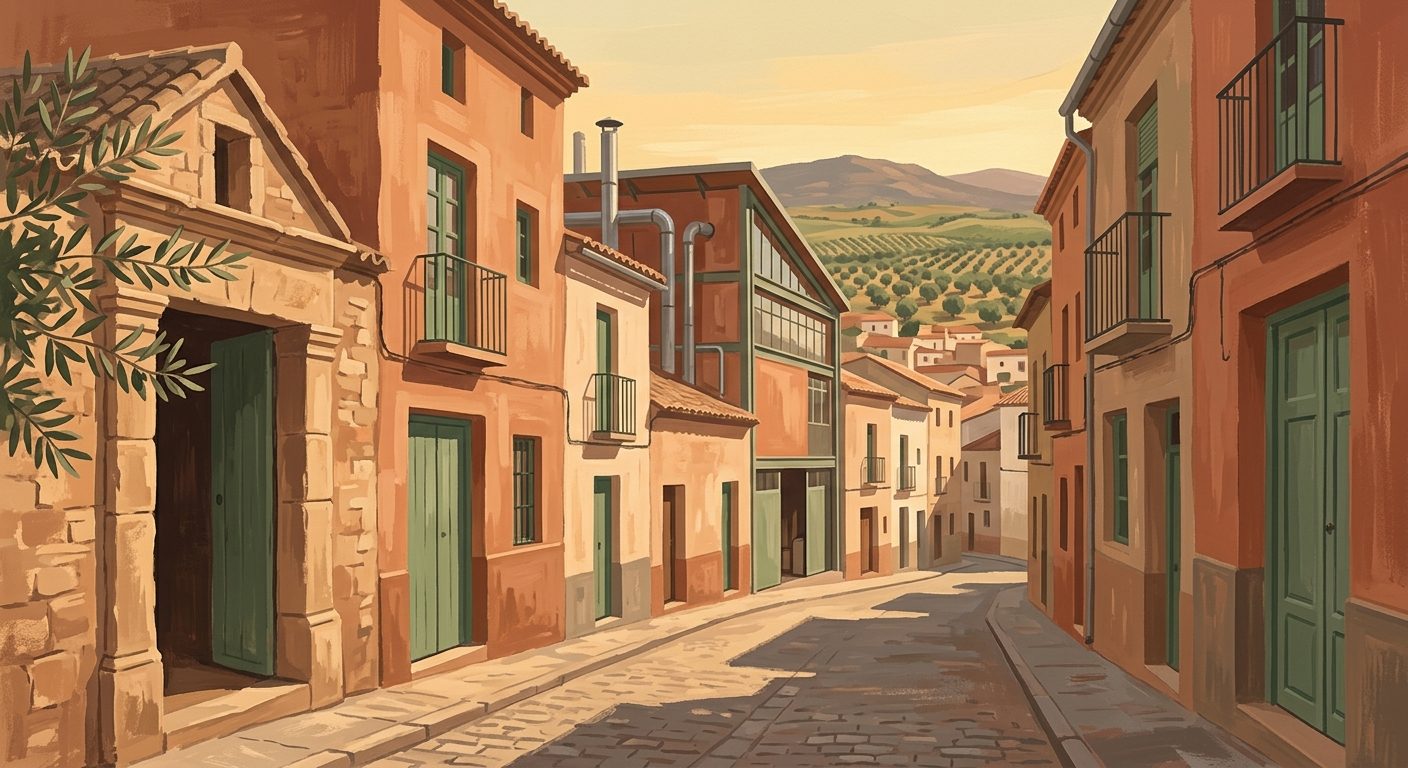
Beyond the sandstone palaces, Úbeda is famous for its artisanal heritage. The pottery quarter, centred around Calle Valencia, is home to the few remaining potters who still use traditional Moorish-style kilns. The signature style here is the 'verde rústico', a deep, copper-based green glaze that has become synonymous with the city. Visiting the workshop of Alfarería Paco Tito is an education in itself; you can see the underground kilns and watch masters at work. It is an excellent place to pick up authentic, functional art that hasn't changed its form in centuries.
Sinagoga del Agua (Synagogue of Water)
One of Úbeda's most moving sites was only discovered in 2007 during what was supposed to be a routine apartment renovation. The Sinagoga del Agua is a rare and evocative remnant of the city’s Jewish community. During the tour, you descend into the depths of the building to see the Mikveh, a ritual purification bath carved into the bedrock and fed by a natural spring. The discovery challenged previous assumptions about the layout of the city's Jewish quarter and offers a hauntingly beautiful connection to the pre-Renaissance era.
Practical Information
Opening Times: Most monuments in Úbeda follow the traditional Spanish schedule (10:00 to 14:00 and 16:30 to 19:30), though we recommend checking the official Úbeda Tourism website for seasonal adjustments. Note that many sites, including the Sacra Capilla del Salvador, have limited opening hours on Sunday afternoons.
Ticket Prices: (Please check on the operators' websites before travelling as prices may vary)
- Sacra Capilla del Salvador: €7.00 (includes audio guide, visit the official website to verify).
- Basílica de Santa María: €4.00.
- Sinagoga del Agua: €5.00 (guided tours only, booking highly recommended via their official website).
- Hospital de Santiago: Free.
How to Get There: Úbeda does not have its own train station in the city centre. The nearest rail link is Linares-Baeza, which is about 20 minutes away by taxi or a 30-minute bus ride. Direct buses run frequently from Jaén (1 hour) and Granada (1.5 hours). If you are driving, the A-316 'Autovía del Olivar' provides easy access from the west.
Parking: Driving in the historic centre is difficult due to narrow streets and restricted zones. It is best to park in the large car park at Plaza de Carvajal or use the underground parking at Plaza de Andalucía, then explore the city on foot.
Where to Eat Nearby
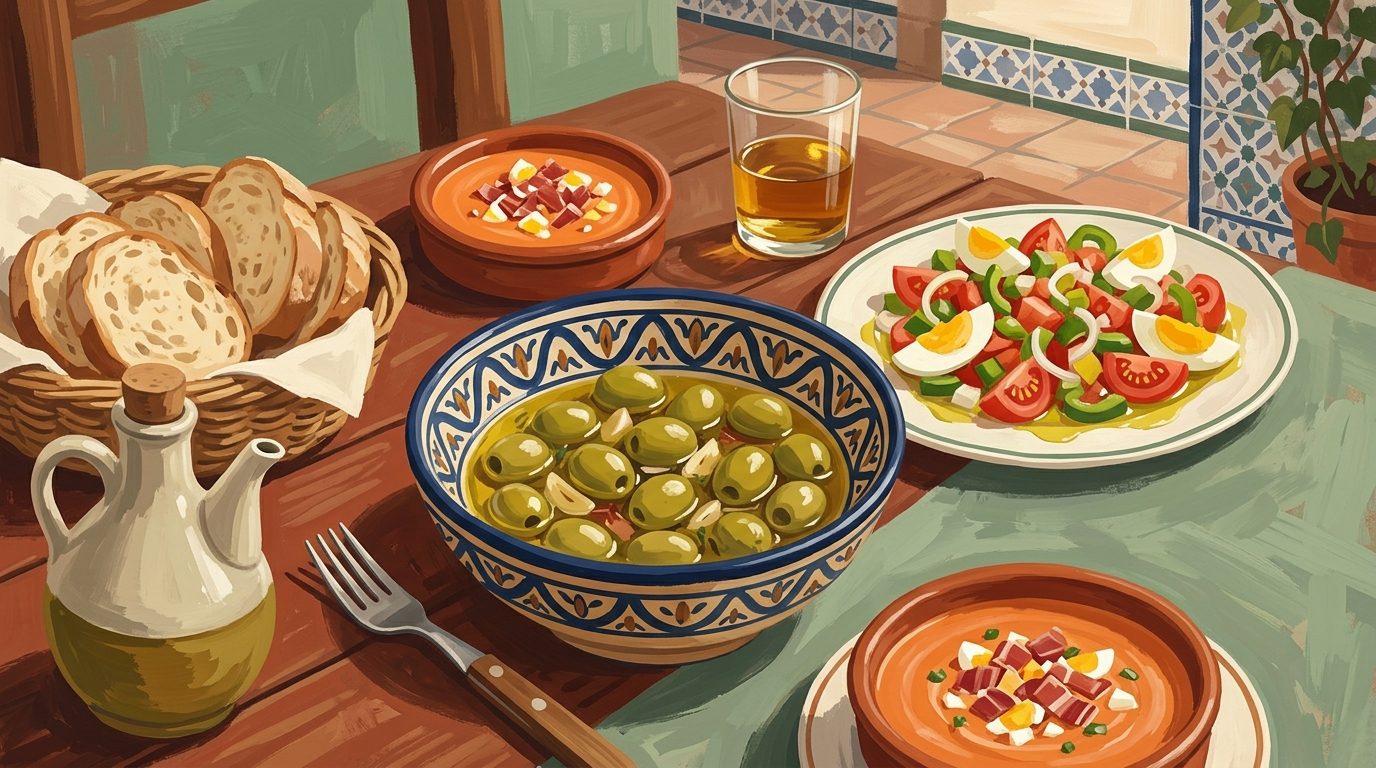
For a taste of traditional Jaén cuisine, Mesón Gabino is a local institution. Located near the main square, it focuses on the region’s high-quality olive oils and seasonal produce. Try the ochíos (a local bread roll with paprika and salt) and the andurriago style stews. For something more contemporary, Cantina la Estación offers a creative menu in a room styled like a vintage train carriage. Their 'tapa' culture is exceptional, and they specialise in pairing dishes with specific local extra virgin olive oils. If you want a quick but authentic bite, look for pipirrana (a fresh pepper and tomato salad) at any of the small bars near the Calle Real.
Where to Stay
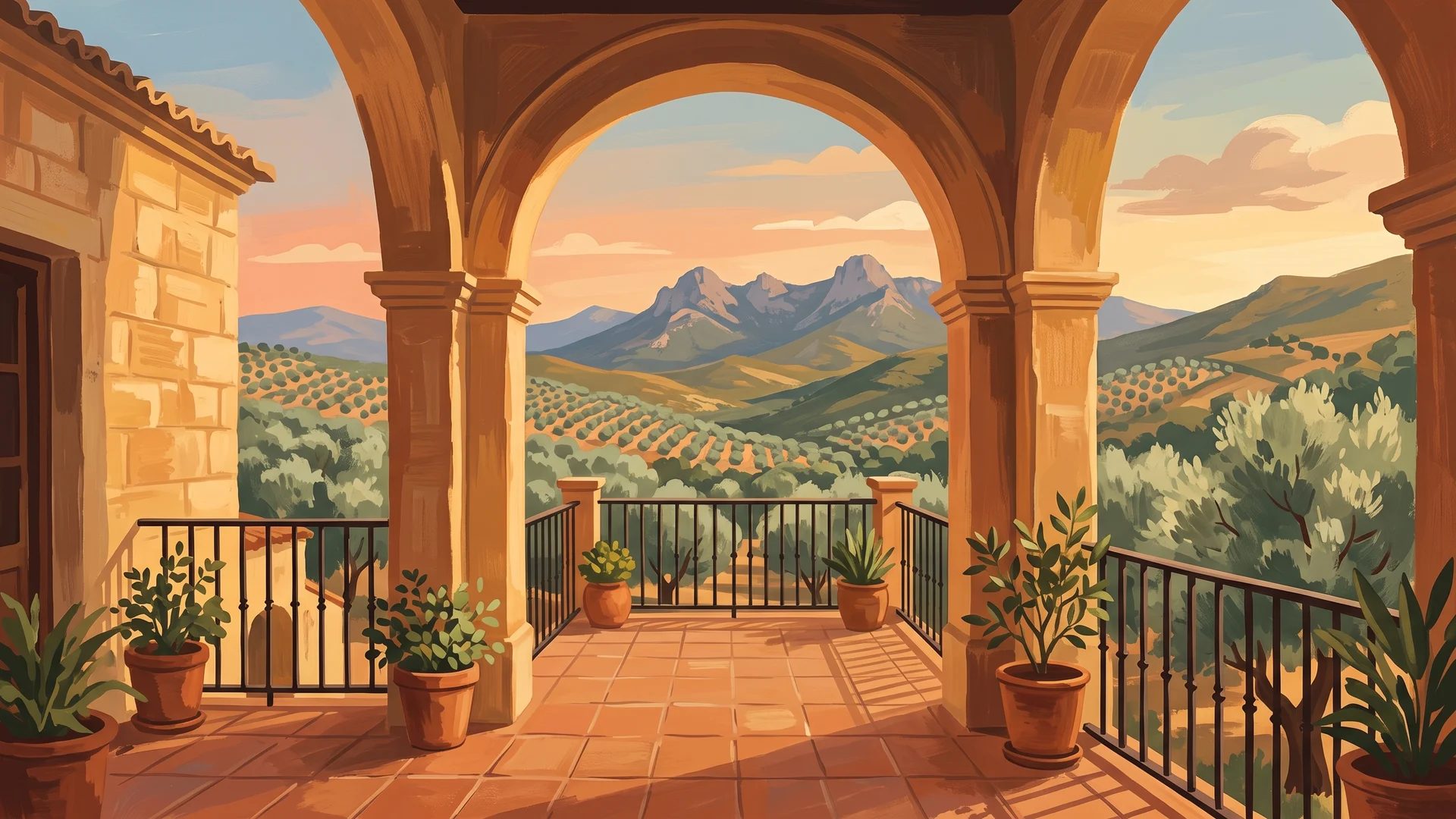
The Parador de Úbeda is the most iconic choice, housed in a 16th-century palace that once belonged to the Dean of the Sacred Chapel. It features a stunning interior courtyard and high-ceilinged rooms that make you feel like a guest of the Renaissance court. Alternatively, the Palacio de Úbeda is a five-star hotel that occupies one of the city's most beautiful historic mansions, offering a rooftop terrace with views across the terracotta rooftops to the olive-clad hills beyond.