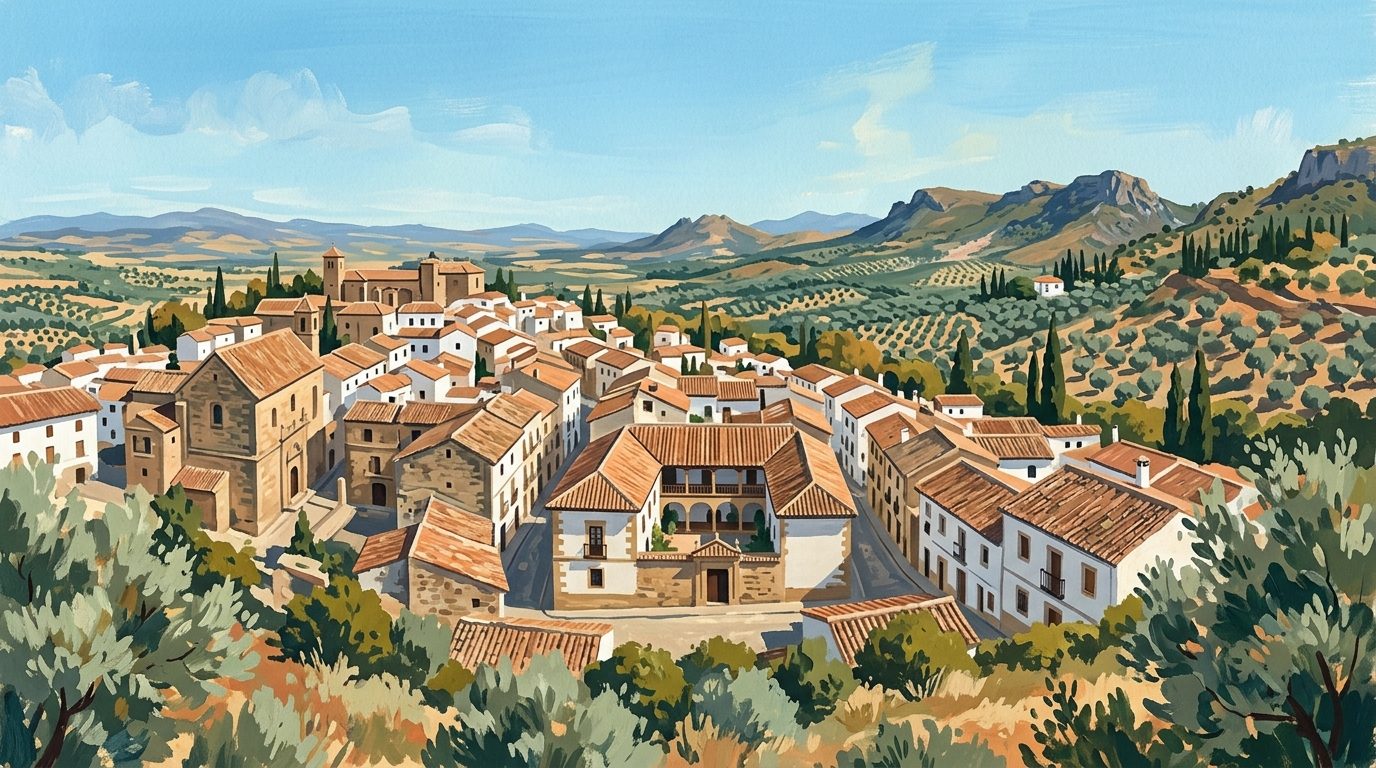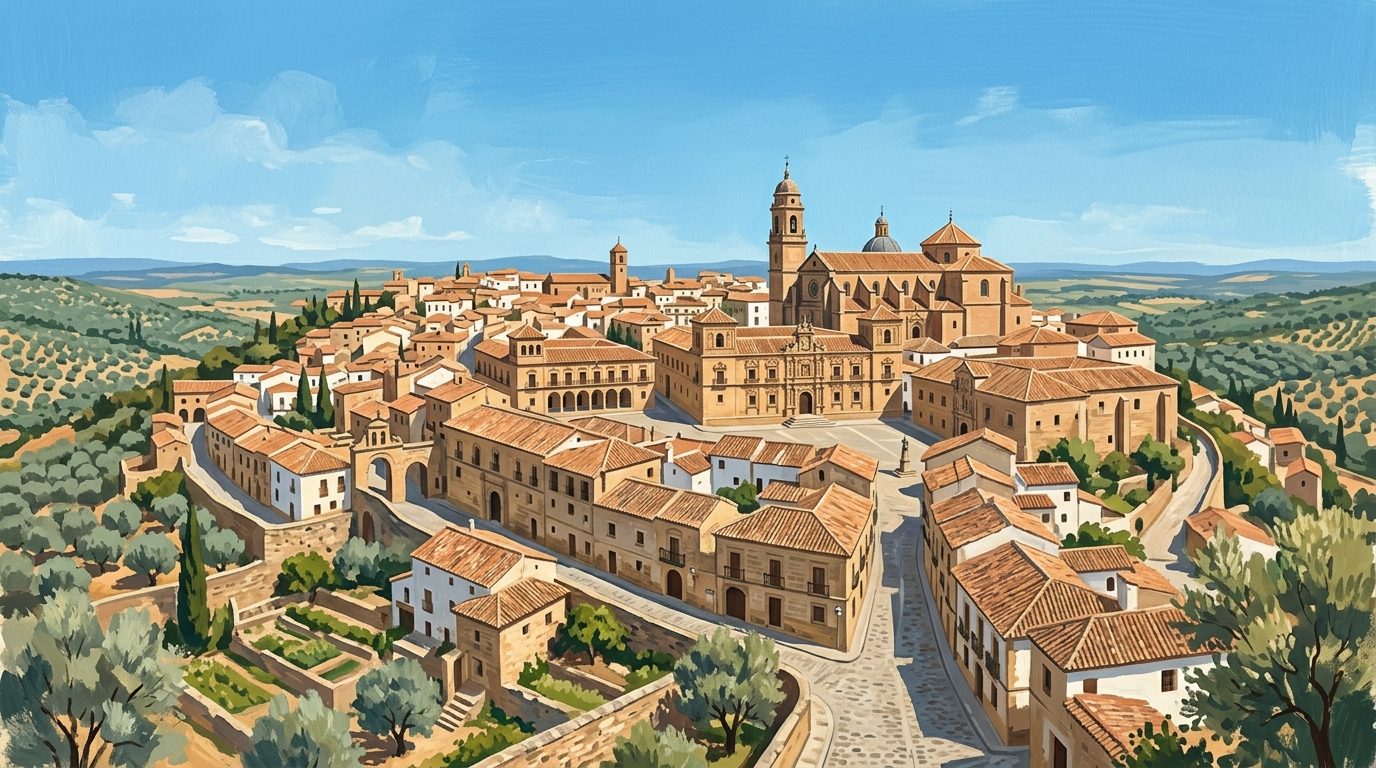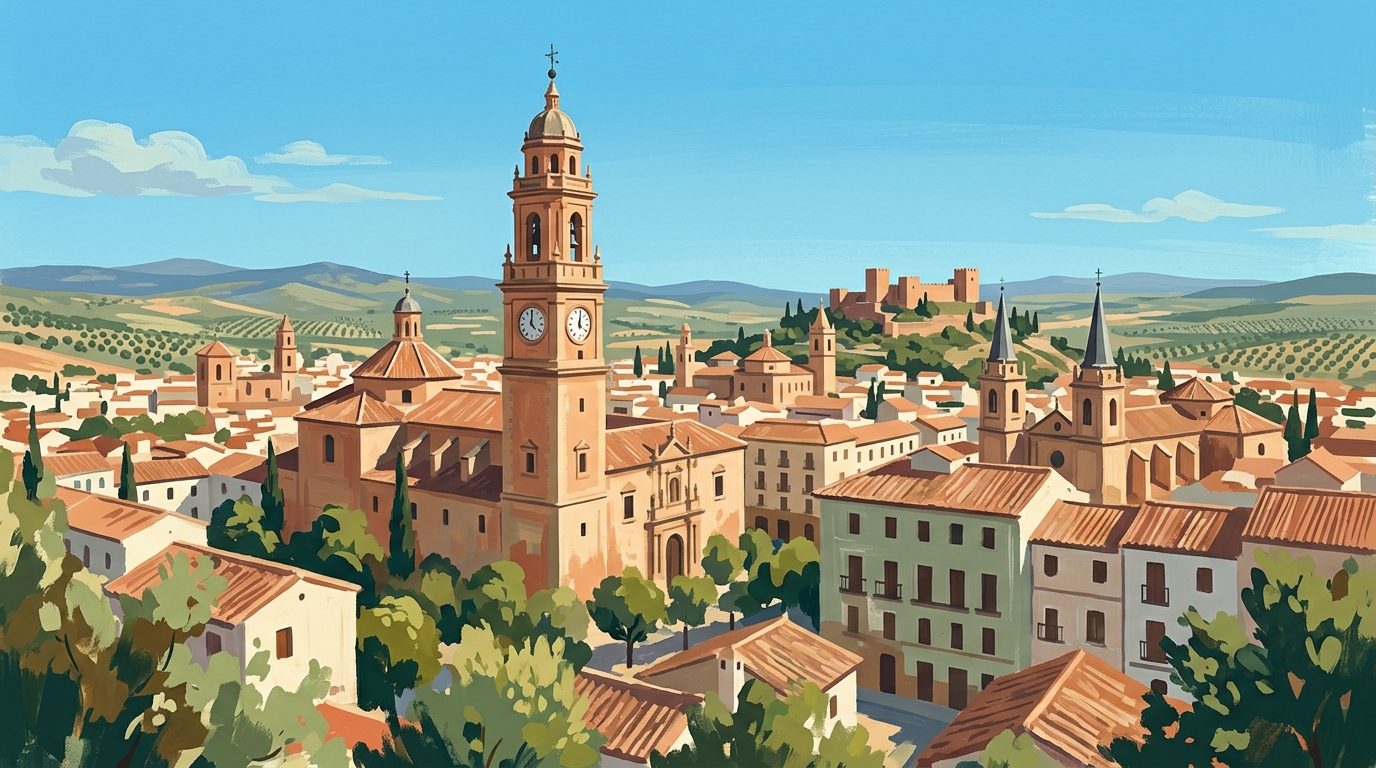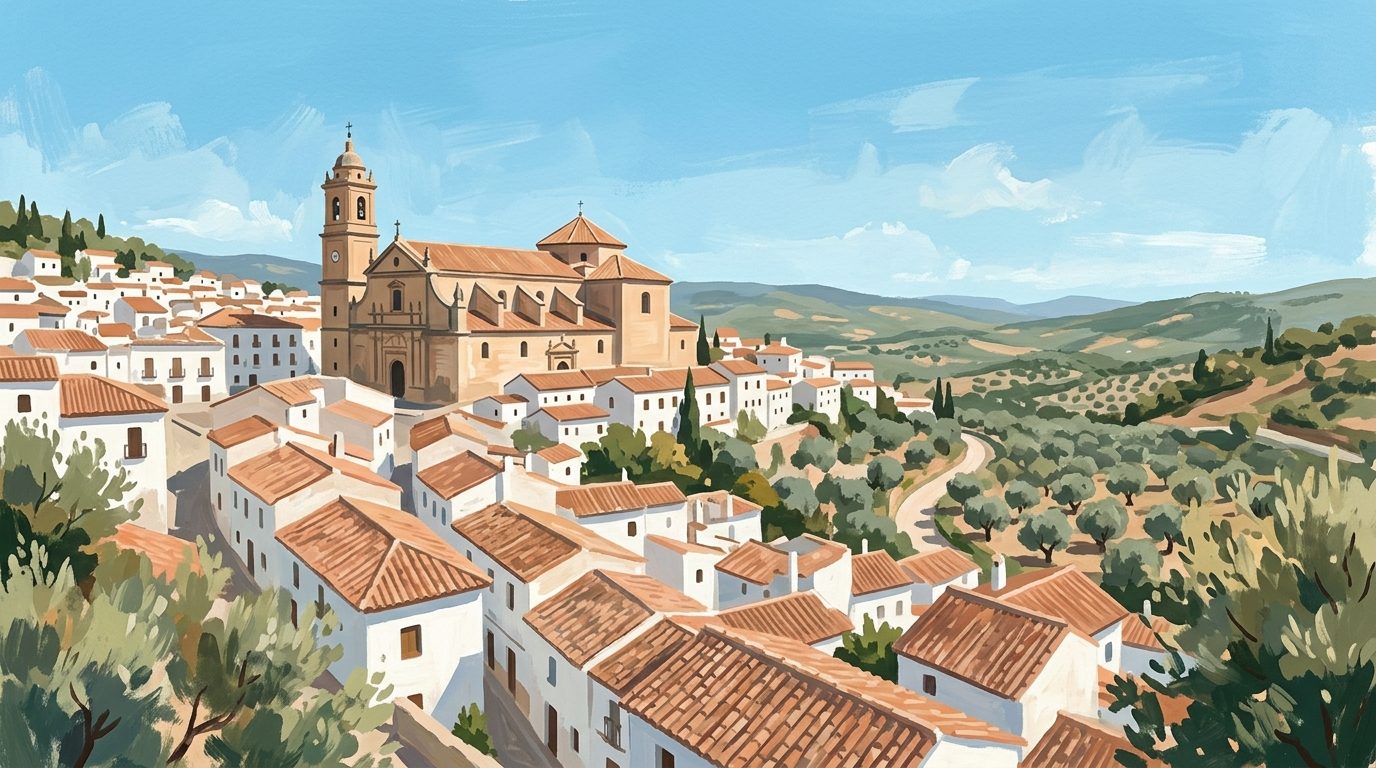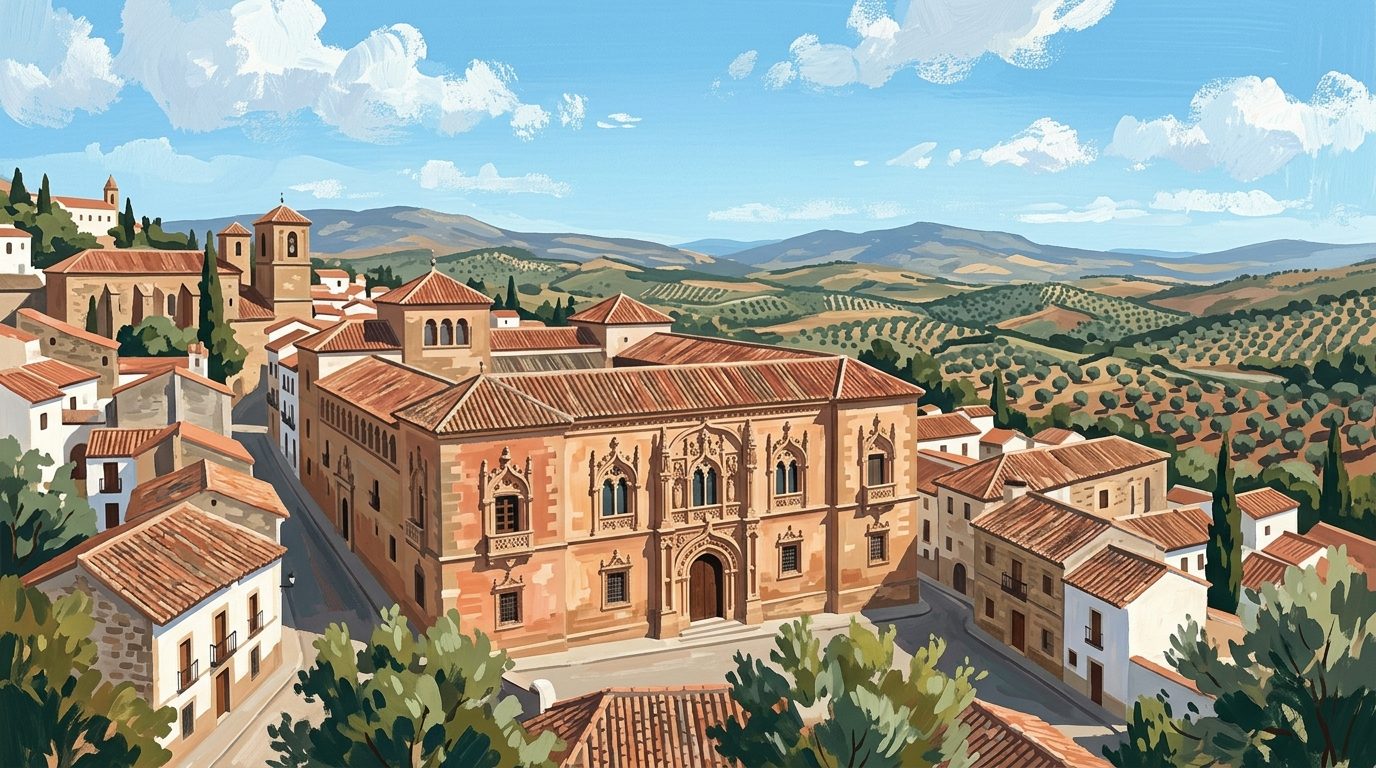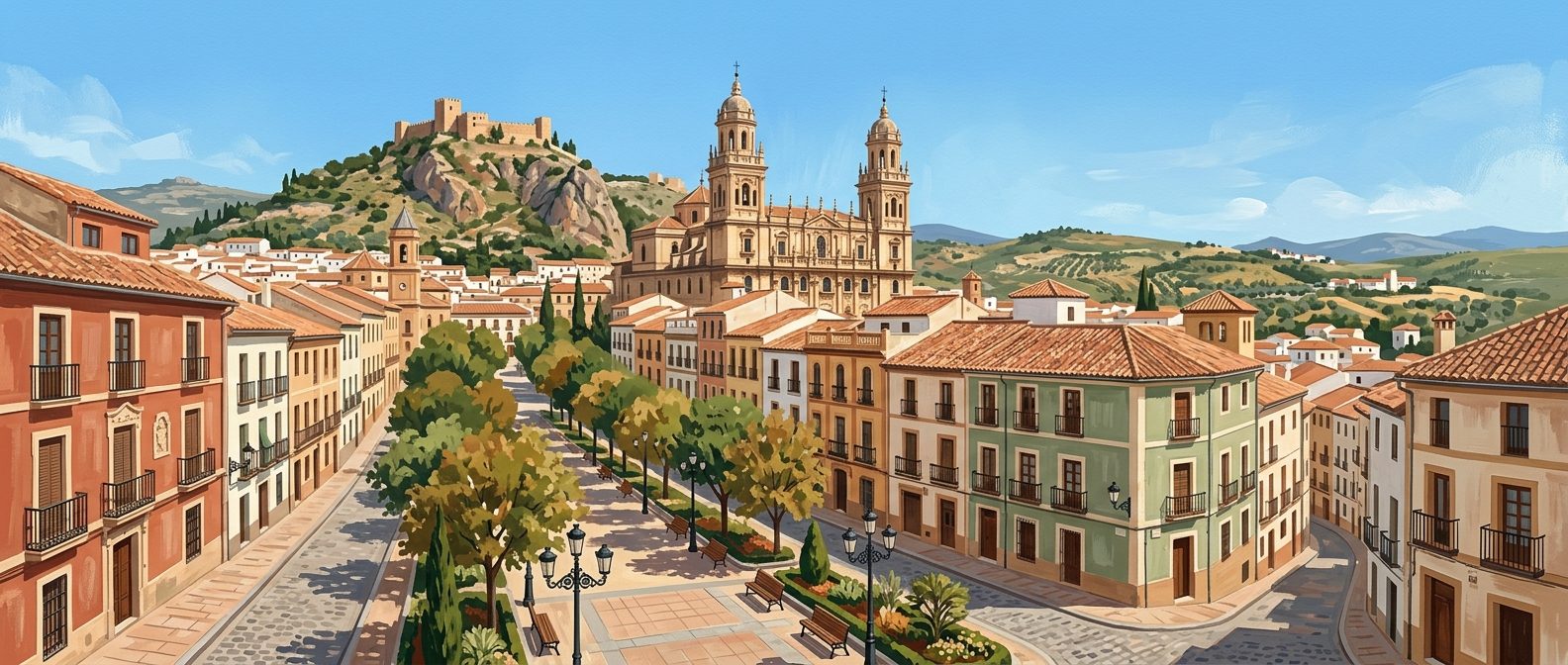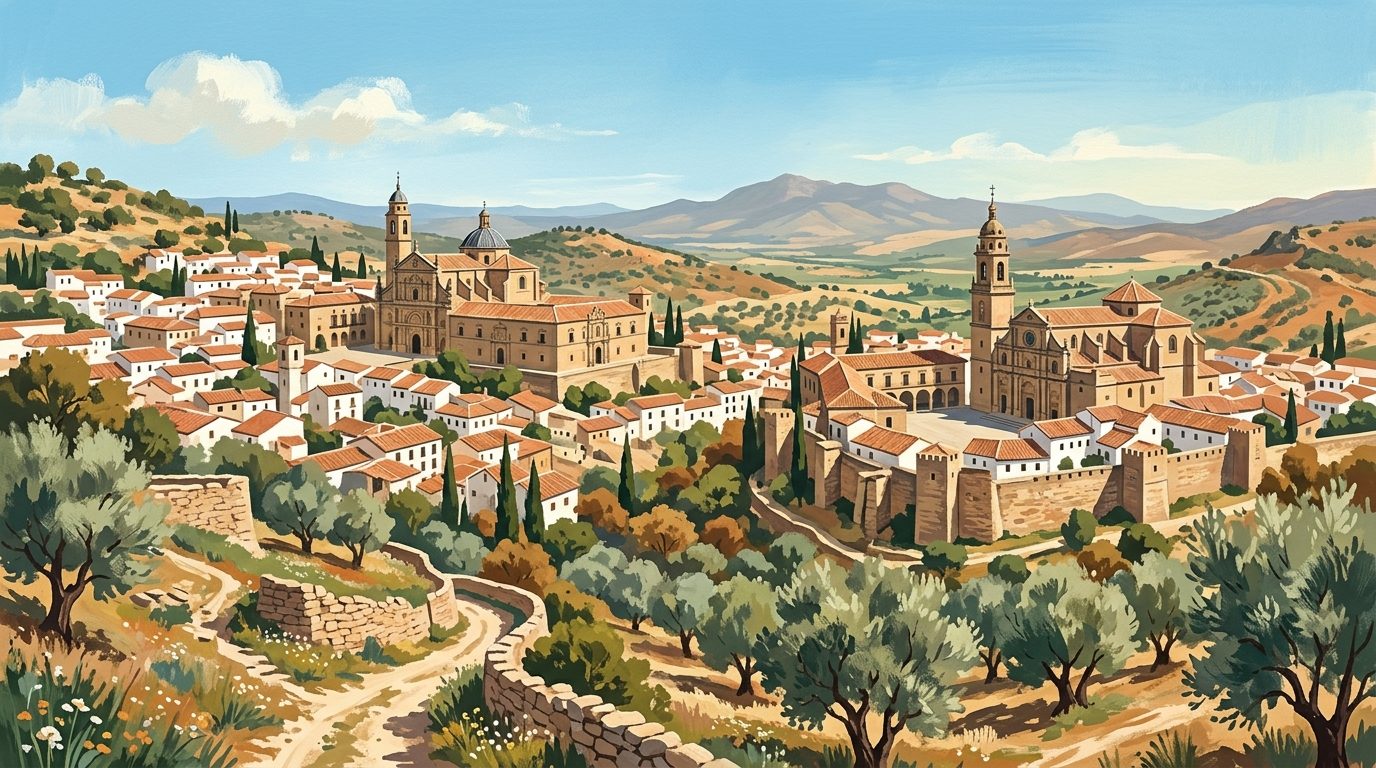
Beyond the endless olive groves of Jaén lie Úbeda and Baeza, two cities that define the Spanish Renaissance with their golden sandstone and quiet nobility. This is a journey into sixteenth-century grandeur, where the legacy of architect Andrés de Vandelvira still dictates the pace of life.
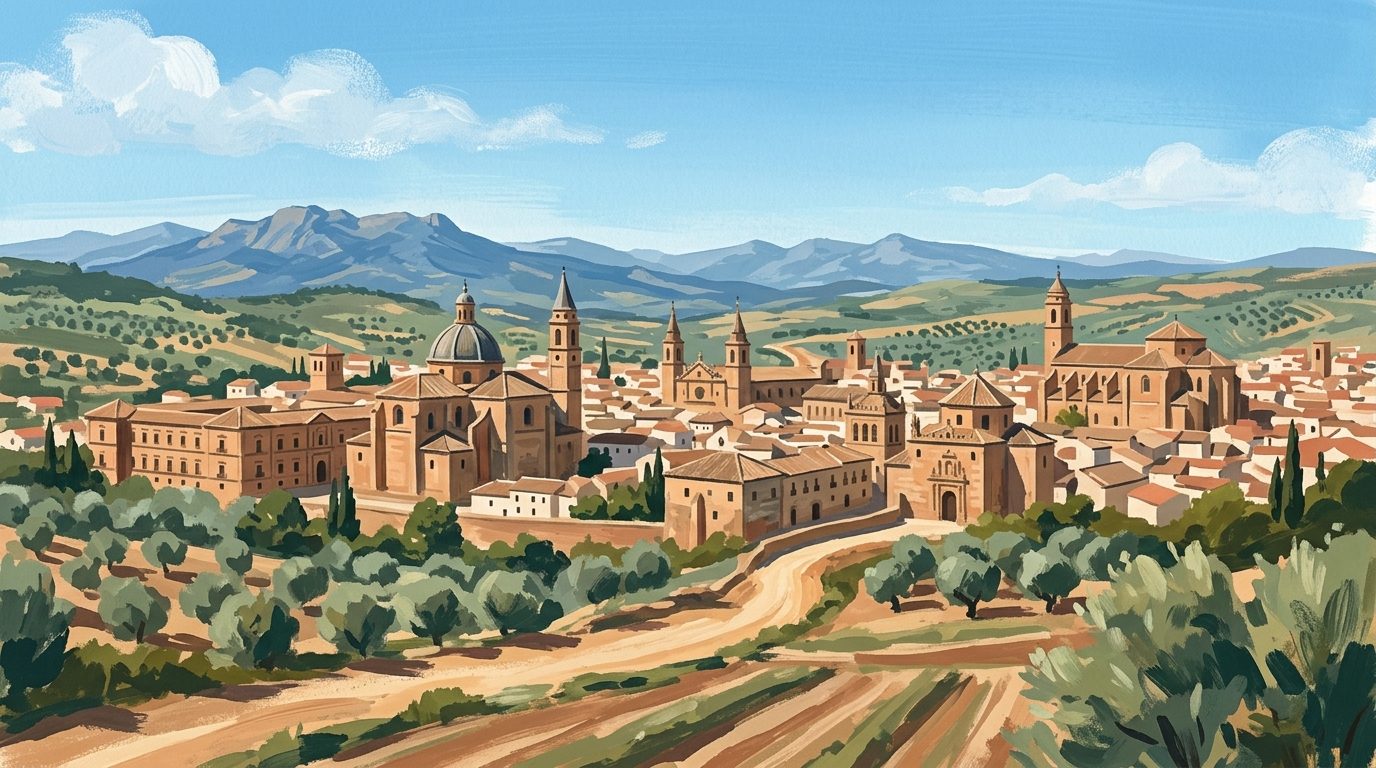
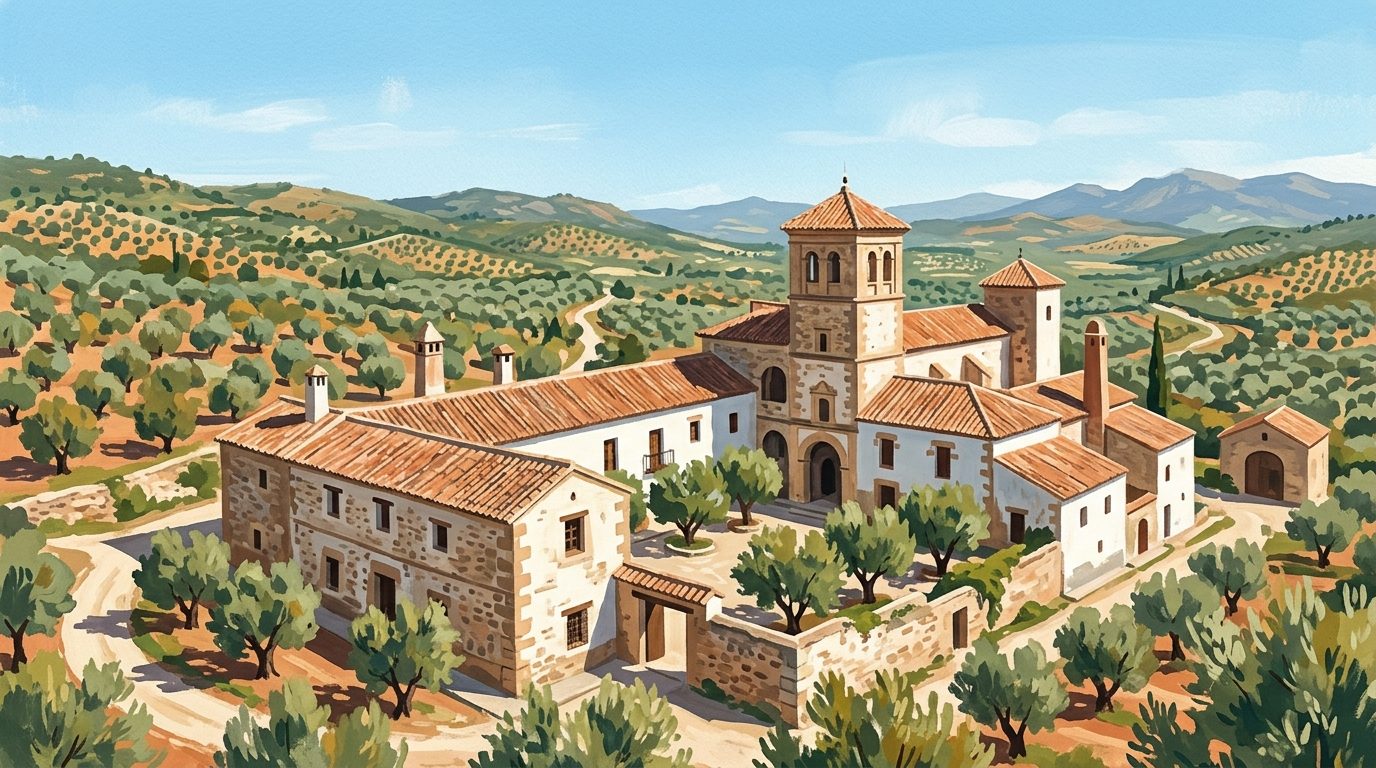
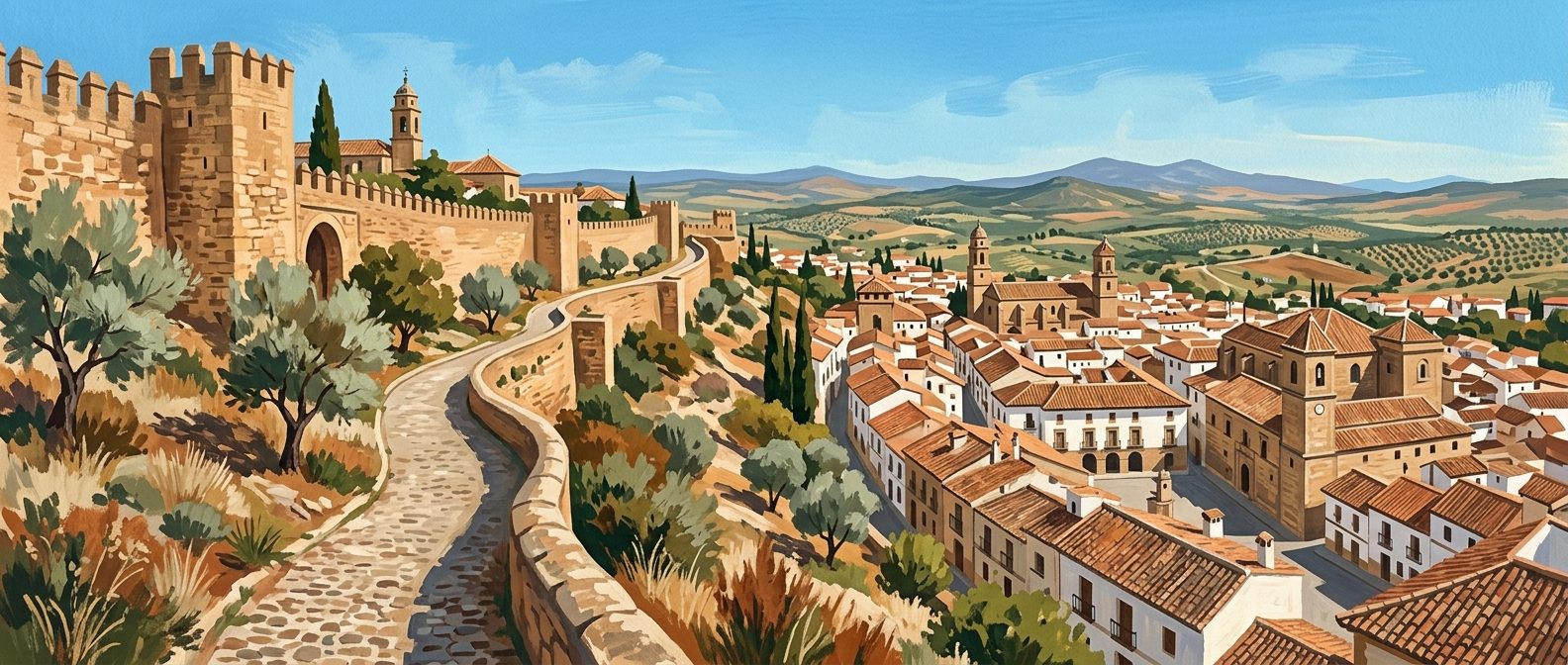
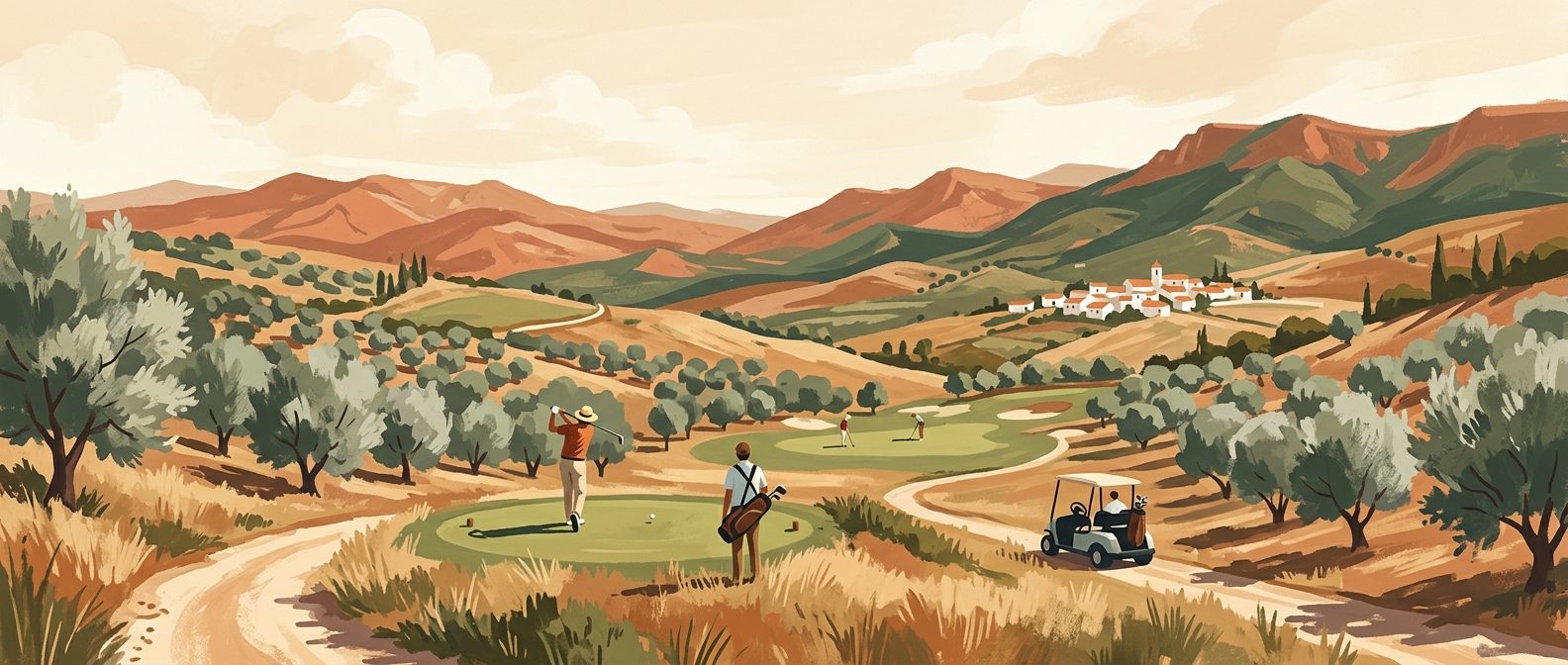
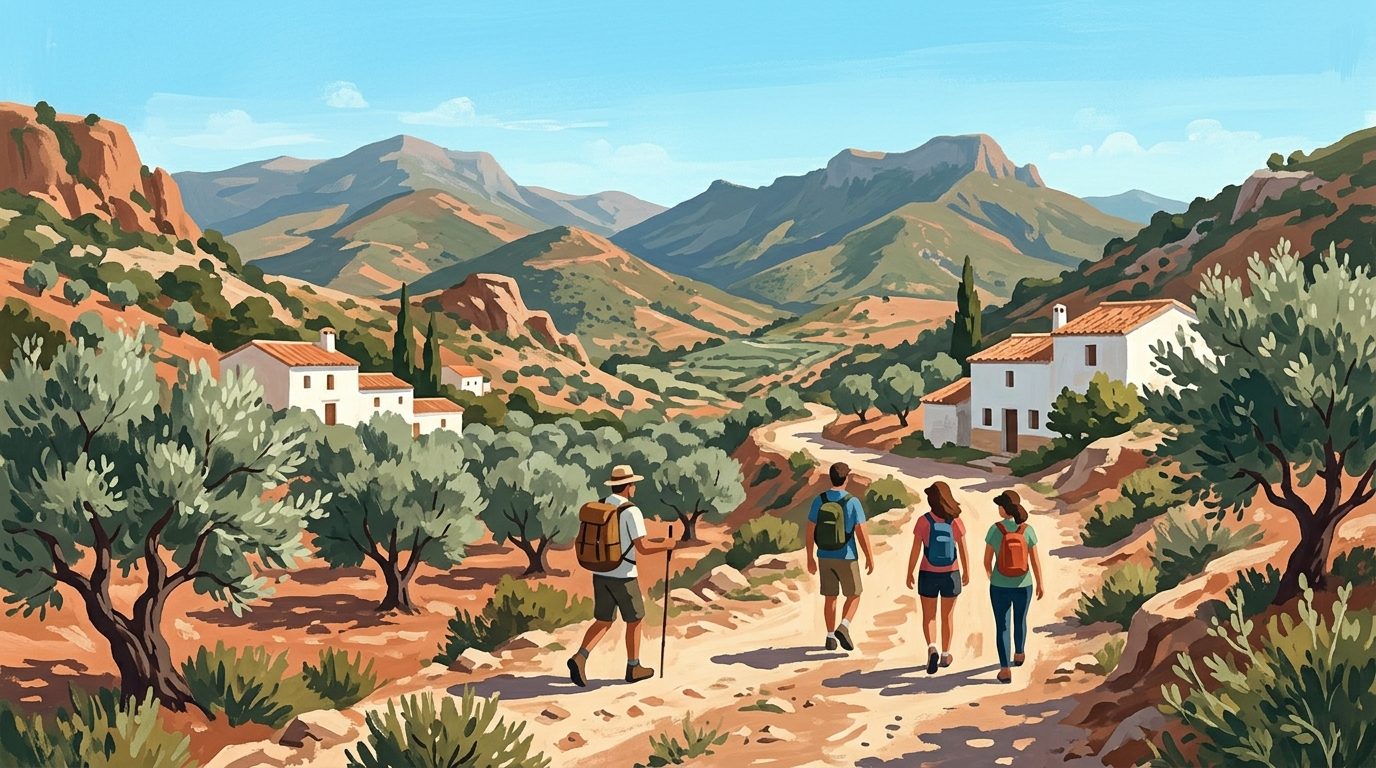
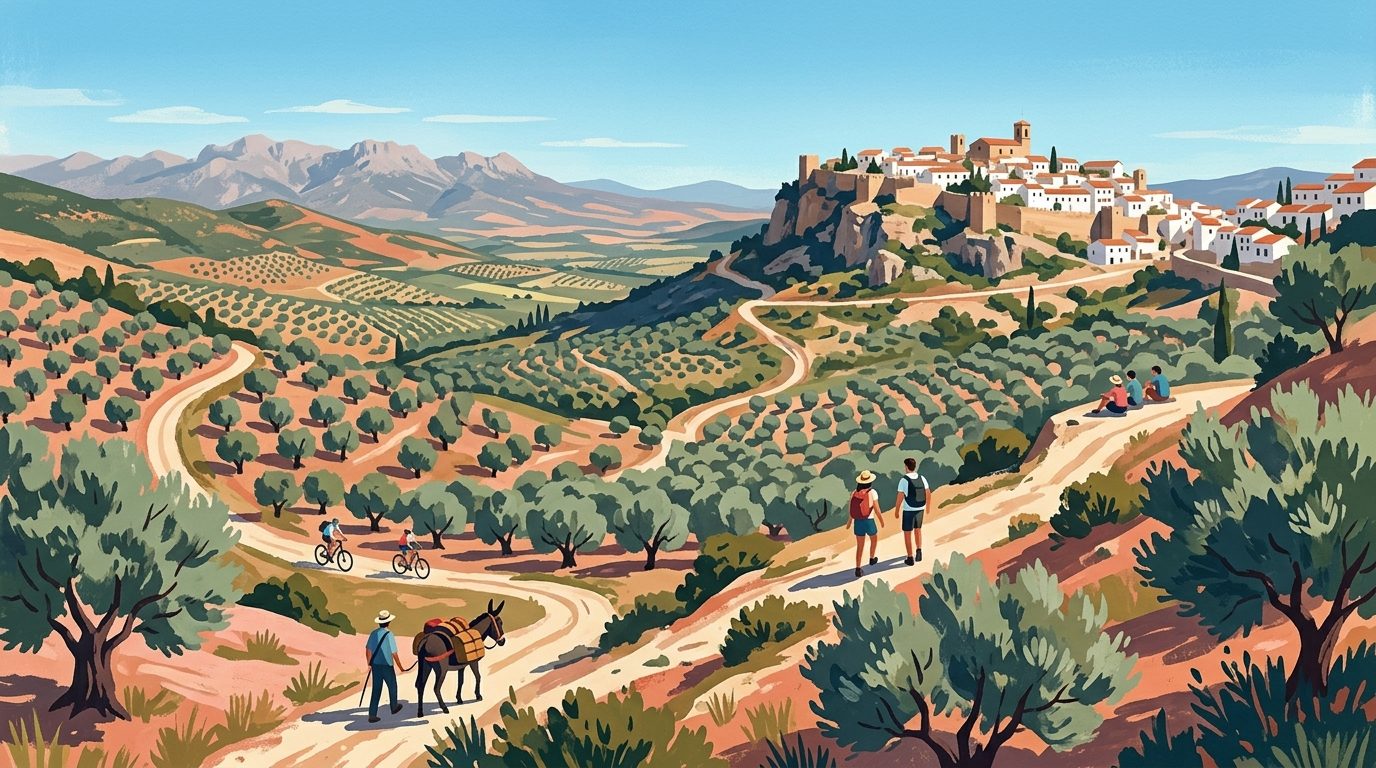
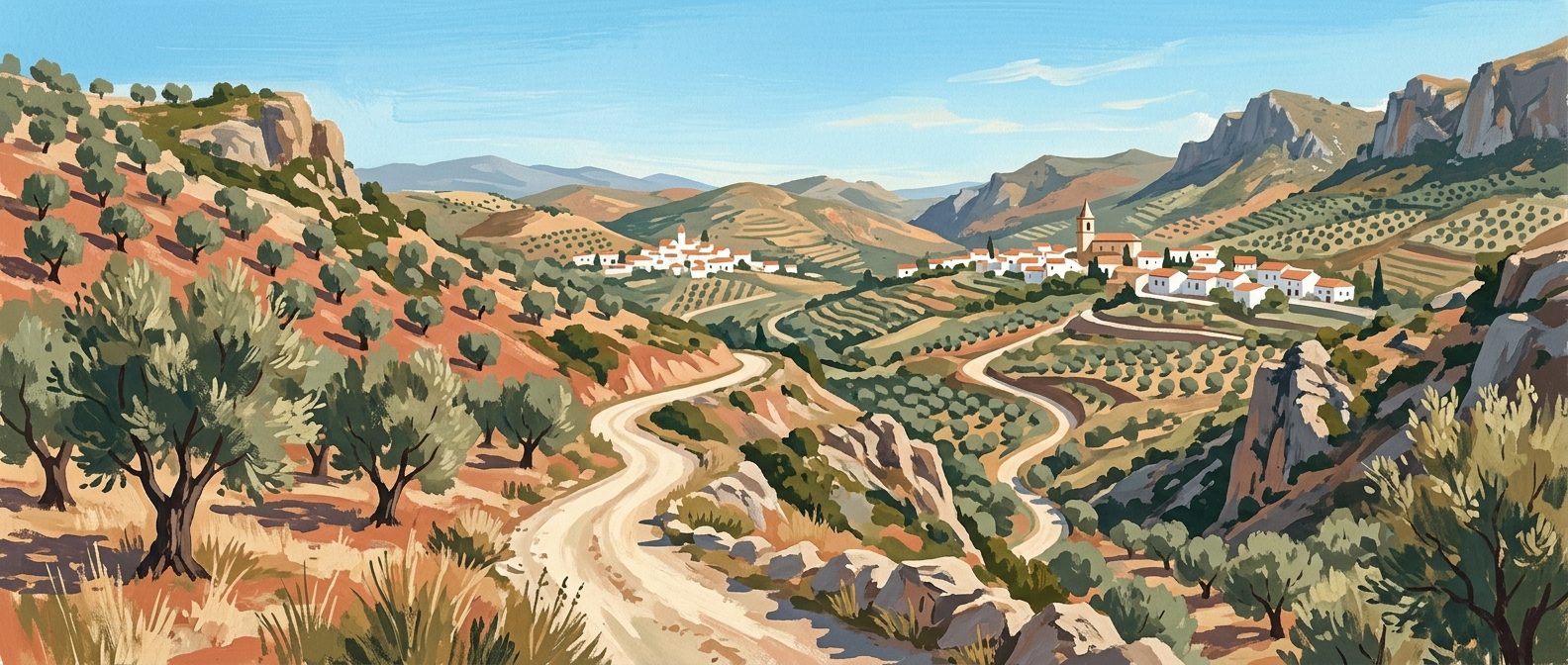
To travel through the province of Jaén is to move through a landscape dominated by a single tree. The mar de olivos (sea of olives) stretches to every horizon, a silver-green tide that only breaks when it reaches the slopes of the Loma de Úbeda. It is here that you find the twin peaks of Andalucían architectural achievement. Úbeda and Baeza, barely ten kilometres apart, represent the pinnacle of the Spanish Renaissance, recognised as a joint UNESCO World Heritage site, during a period when the wealth of the New World and the influence of the royal court of Charles V transformed these frontier towns into showcases of humanist ideals.
Unlike the Moorish intricacies of Granada or the white-washed charm of the Alpujarras, these cities feel heavy, Roman, and permanent. The stone used here is a warm, honey-coloured calcarenite that seems to absorb the southern sun during the day and release a soft glow at dusk. Walking these streets is not about ticking off a list of monuments; it is about understanding a specific moment in the sixteenth century when the architect Andrés de Vandelvira worked with the patronage of powerful men like Francisco de los Cobos, secretary to the Emperor, to create a new vision of urban space. Today, they remain remarkably intact, free from the glass-and-steel intrusions that have altered other Spanish cities, offering a quiet, contemplative atmosphere that is increasingly rare.
Places to Explore
Úbeda: The Aristocratic Powerhouse
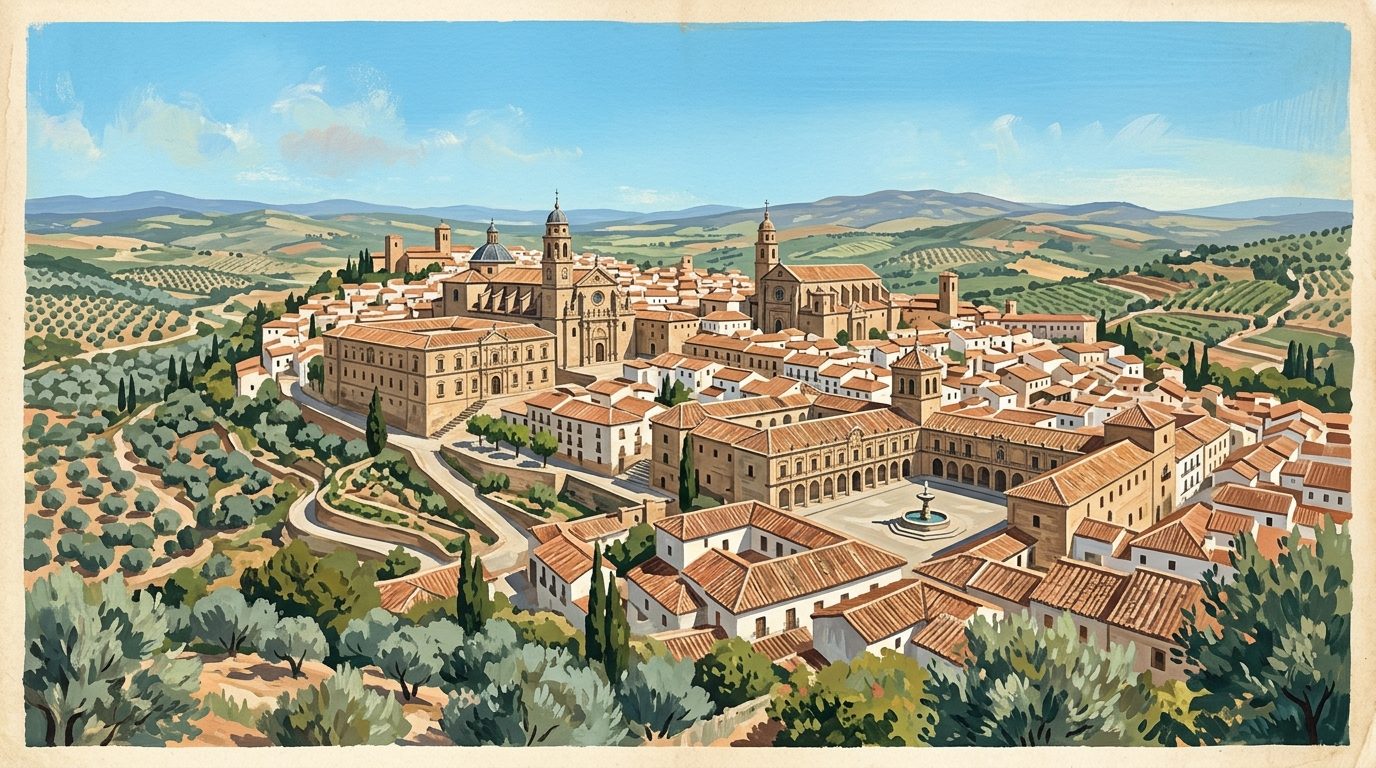
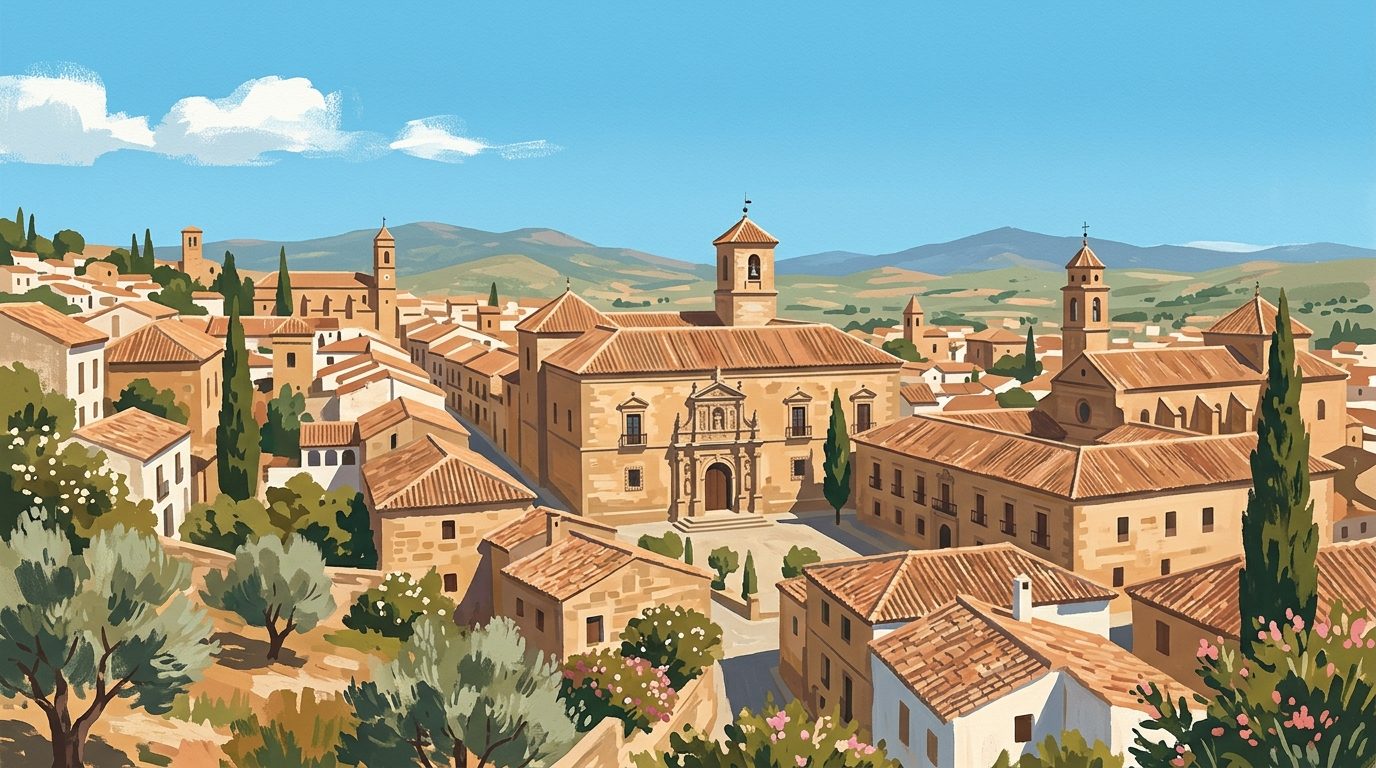
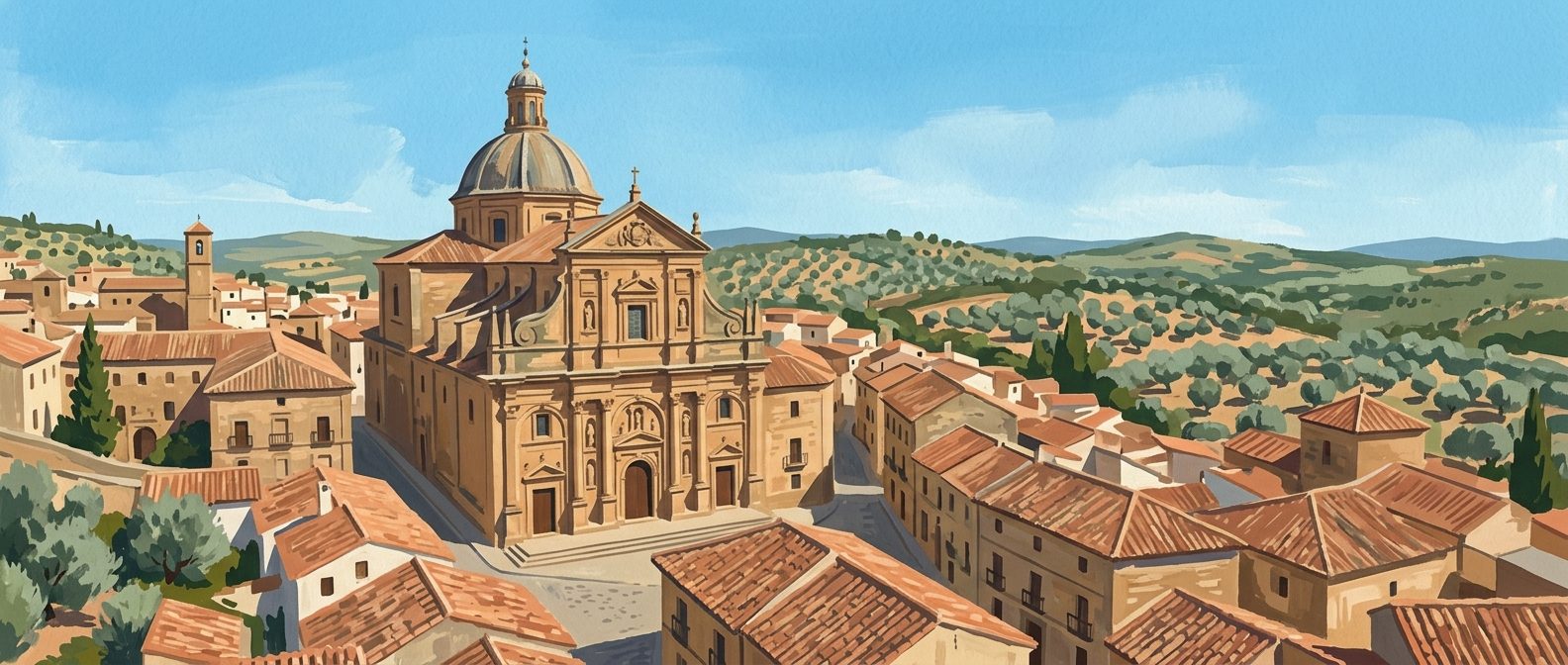
Úbeda is the larger and more overtly grand of the two. It was the city of the nobility, and its layout reflects that status. The focus of any visit is the Plaza de Vázquez de Molina, arguably one of the most beautiful squares in Europe. It isn't just a square; it is a meticulously planned ensemble of civic and religious power. At the head stands the Sacra Capilla del Salvador (Holy Chapel of the Saviour). Designed by Diego de Siloé and executed by Vandelvira, it served as a private funerary chapel for Francisco de los Cobos. The facade is a masterclass in Plateresque detail, but the interior is where the true drama lies, particularly the circular reja (wrought-iron screen) and the magnificent altarpiece by Alonso Berruguete.
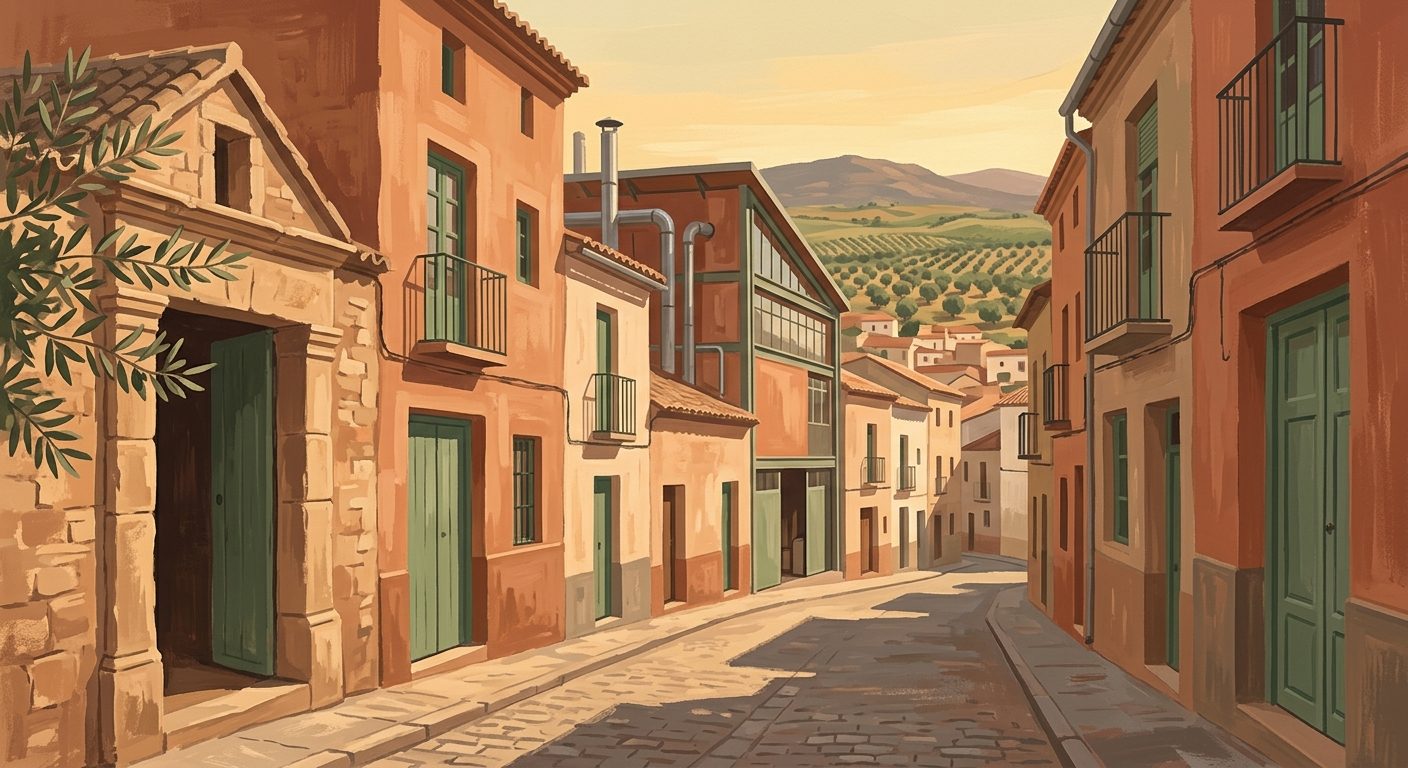
Just a few steps away sits the Palacio de las Cadenas (Palace of the Chains), now the Ayuntamiento (Town Hall). Its name comes from the heavy iron chains that once hung between the pillars of its forecourt. Take a moment to walk through its courtyard; the Renaissance proportions are perfect, providing a cool sanctuary from the Jaén heat. Further into the town, away from the grand plazas, Úbeda reveals its artisanal side. The Calle Valencia is the traditional heart of the city’s pottery trade. Here, you can find the Alfarería Tito, where the blue-green glazes unique to Úbeda are still produced using techniques that have changed little in centuries. It is worth visiting the pottery museum here to see how the local clay is transformed into the cántaro de aceite (oil jar) that was once the lifeblood of every local household.
For a change of pace, walk to the edge of the city walls to the Mirador de El Salvador. From here, the urban geometry of the Renaissance gives way to the raw geography of the Guadalquivir valley. You can see the Sierra Mágina rising in the distance, often capped with snow in winter, while the olive trees below form perfectly straight lines that look like a giant corduroy fabric draped over the hills. It is the best place to realise just how isolated and special these two islands of high culture really are.
For current opening times and events, consult the official Úbeda tourism website.
Baeza: The Clerical and Scholarly Heart
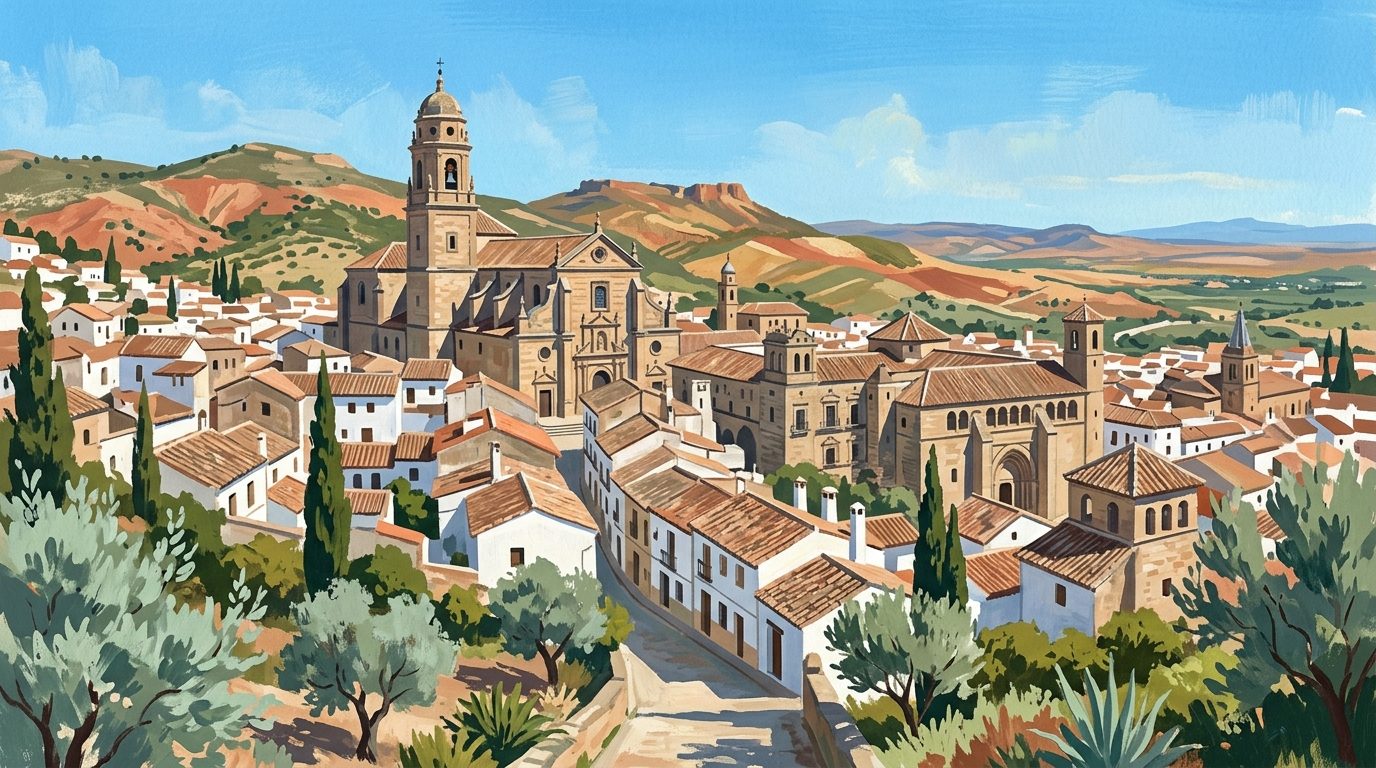
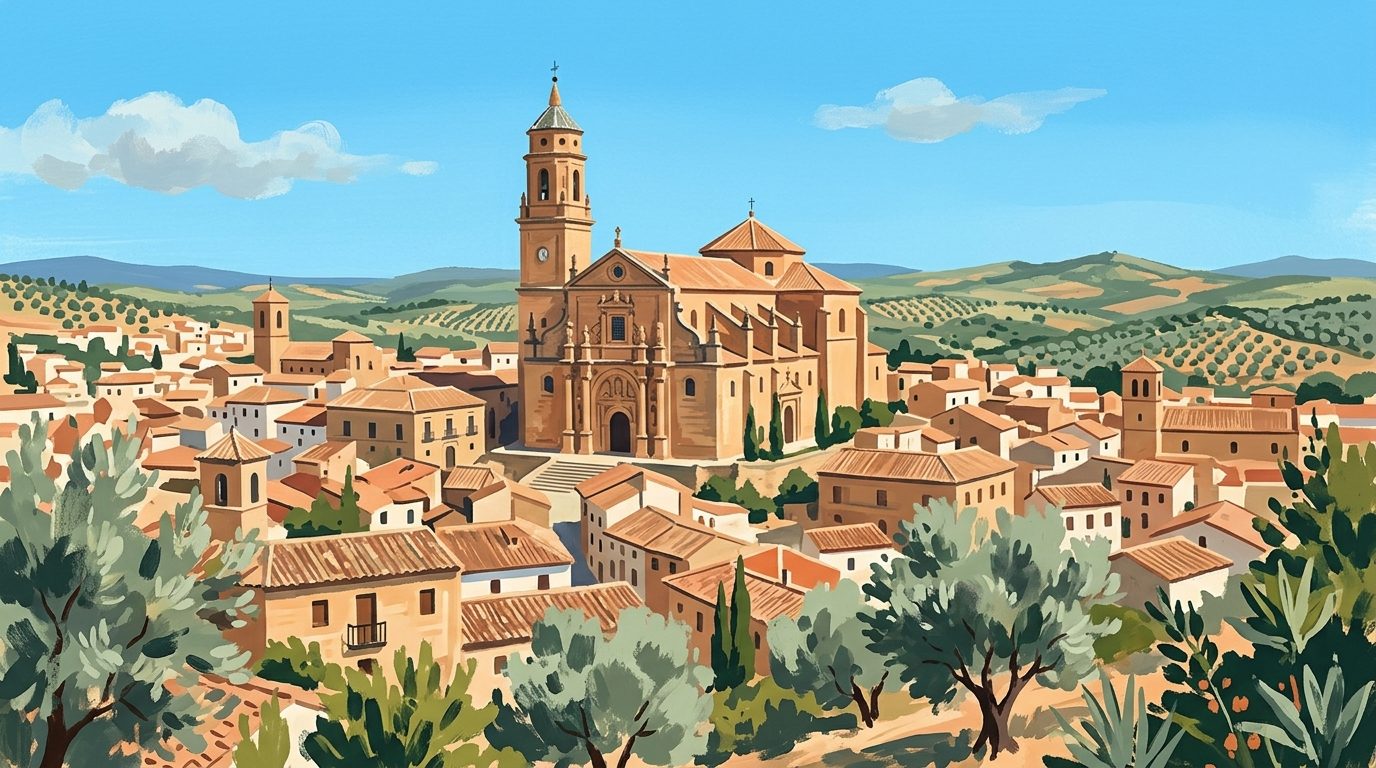
If Úbeda is the city of palaces, Baeza is the city of churches and learning. It feels more intimate, perhaps slightly more melancholic, and certainly more ecclesiastical. The town centre is dominated by the Plaza de Santa María, home to the Catedral de la Natividad de Nuestra Señora. The cathedral was built over a former mosque, and if you look closely at the lower levels of the tower, you can still see the horseshoe arches of the minaret. Vandelvira was responsible for the interior, creating a space of light and mathematical precision. The fountain in the centre of the square, the Fuente de Santa María, is a triumph of Renaissance civic design, shaped like a triumphal arch.
Baeza was also a university town for over three centuries. The Antigua Universidad, founded in 1538, is a quiet complex of courtyards and lecture halls. One of its most famous teachers wasn't a Renaissance scholar but the poet Antonio Machado, who taught French here from 1912 to 1919. You can still visit his classroom, which has been preserved exactly as it was, complete with wooden desks and a simple chalkboard. His poetry often reflected the sombre, rainy days of Baeza winters and the stark beauty of the surrounding landscape. Walk from the university to the Palacio de Jabalquinto, which features one of the most exuberant Isabelline Gothic facades in Spain: a riot of stone carvings that looks almost like lace.
The streets of Baeza are narrower and more winding than those in Úbeda, reflecting their medieval origins before the Renaissance makeover. Wandering through the Barrio de San Vicente at night is an atmospheric experience; the dim yellow streetlights reflecting off the damp stone walls create a scene that hasn't changed since the seventeenth century. Make sure to find the Paseo de las Murallas, a walkway along the northern ramparts that offers views towards the Sierra de Segura and the headwaters of the Guadalquivir.
Check the official Baeza tourism office for seasonal guided tours and monument schedules.
Eating & Drinking in Renaissance Cities
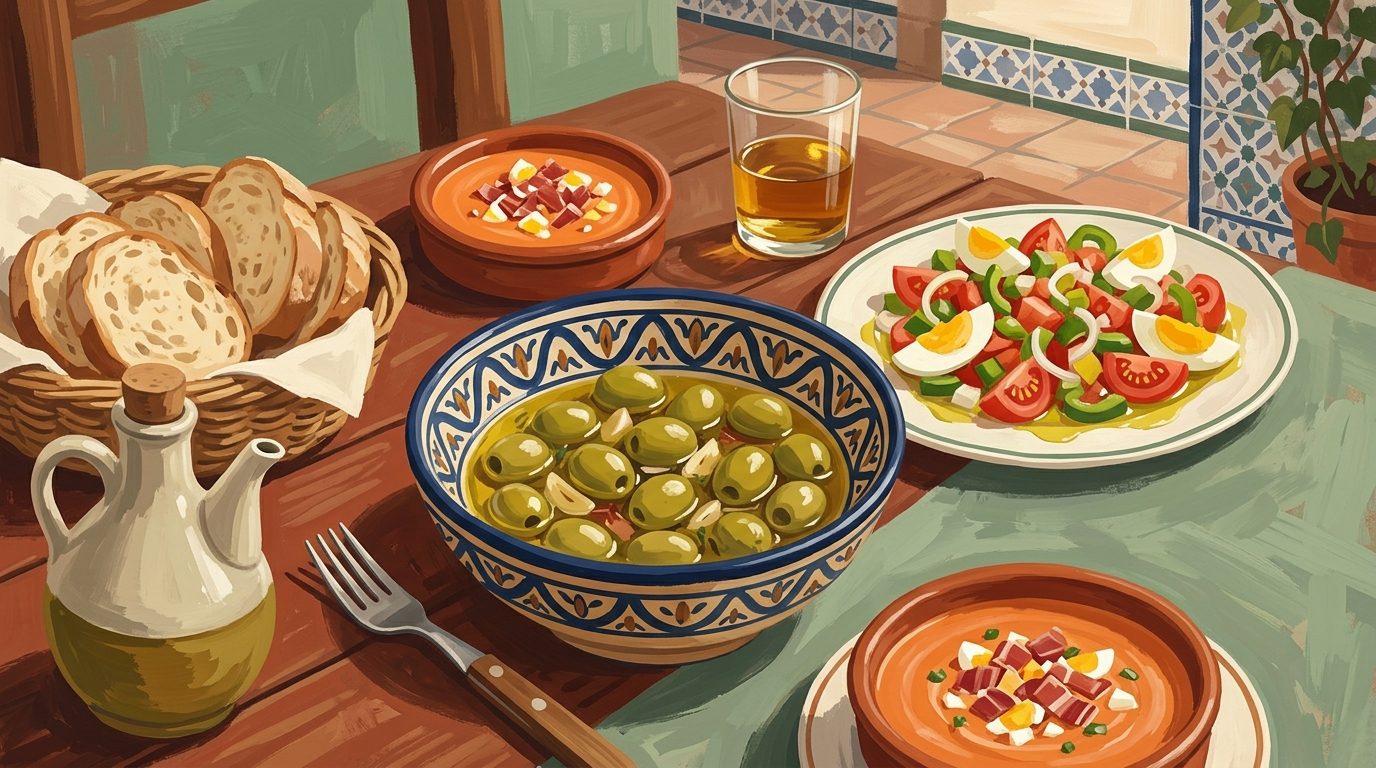
The gastronomy of Úbeda and Baeza is inextricably linked to the olive. This isn't just a cooking medium; it is the primary ingredient. You must try the ochío, a savoury bread roll flavoured with paprika and brushed with olive oil, often stuffed with morcilla de caldera (a local loose blood sausage). In Úbeda, Cantina la Estación offers a sophisticated take on local flavours, set in a dining room designed like a vintage railway carriage. For something more traditional, Antique provides excellent andrajos, a hearty stew of rabbit or hare with thin strips of flour dough, flavoured with mint.
In Baeza, the restaurant Juanito is a local institution. They have spent decades perfecting the art of cooking with olive oil. Their alcachofas (artichokes) are legendary, slow-cooked until they are almost buttery in texture. Also look for choto al ajillo (kid goat with garlic), a staple of the Jaén mountains. To drink, the local red wines from the nearby Sierra de Segura are beginning to gain recognition, providing a robust accompaniment to the rich, garlicky dishes of the region. Always finish with a virolo in Baeza, a light, flaky puff pastry that is the town’s most famous sweet export.
Where to Stay
For the definitive Renaissance experience, the Parador de Úbeda is unbeatable. It is housed in a former palace (the Palacio del Deán Ortega) right on the Plaza de Vázquez de Molina. The central courtyard, with its slender columns and glass roof, is one of the most peaceful spots in the city. If you prefer something more contemporary but still historic, Hotel Palacio de Úbeda is a five-star option that manages to blend sixteenth-century stone with modern luxury and an excellent rooftop terrace.
In Baeza, Hotel Puerta de la Luna is situated in an old mansion just a few minutes from the cathedral. It features a beautiful pool in the courtyard, a vital amenity during the Jaén summer. For a more intimate, boutique feel, Hospedería del Fuentenueva, located in what used to be the town's courthouse and jail, offers unique rooms and a very personal level of service.
Getting There & Around
The Renaissance cities are best accessed by car. They sit along the A-316 highway, roughly 45 minutes northeast of Jaén city. If you are coming from Madrid or Sevilla, the A-4 motorway takes you to Bailén, from where the cities are a short 30-minute drive. For those using public transport, the nearest train station is Linares-Baeza, which is on the main line from Madrid to Almería. From the station, you will need to take a taxi or a local bus (roughly 20 minutes to Baeza, 35 to Úbeda). Once in either city, everything is walkable, though the cobblestones require sensible footwear.
Best Time to Visit
Spring (April to June) and Autumn (late September to November) are the ideal times to visit. During these months, the temperatures are mild enough for walking, and the light on the sandstone buildings is at its most golden. Summer in Jaén can be punishing, with temperatures frequently exceeding 40°C, making afternoon sightseeing almost impossible. Winter is surprisingly cold and often damp, though there is a particular magic to seeing the stone plazas shrouded in mist. If you can, time your visit for Easter (Semana Santa); the processions in these cities, with their backdrop of Renaissance palaces, are among the most solemn and visually stunning in Andalucía.