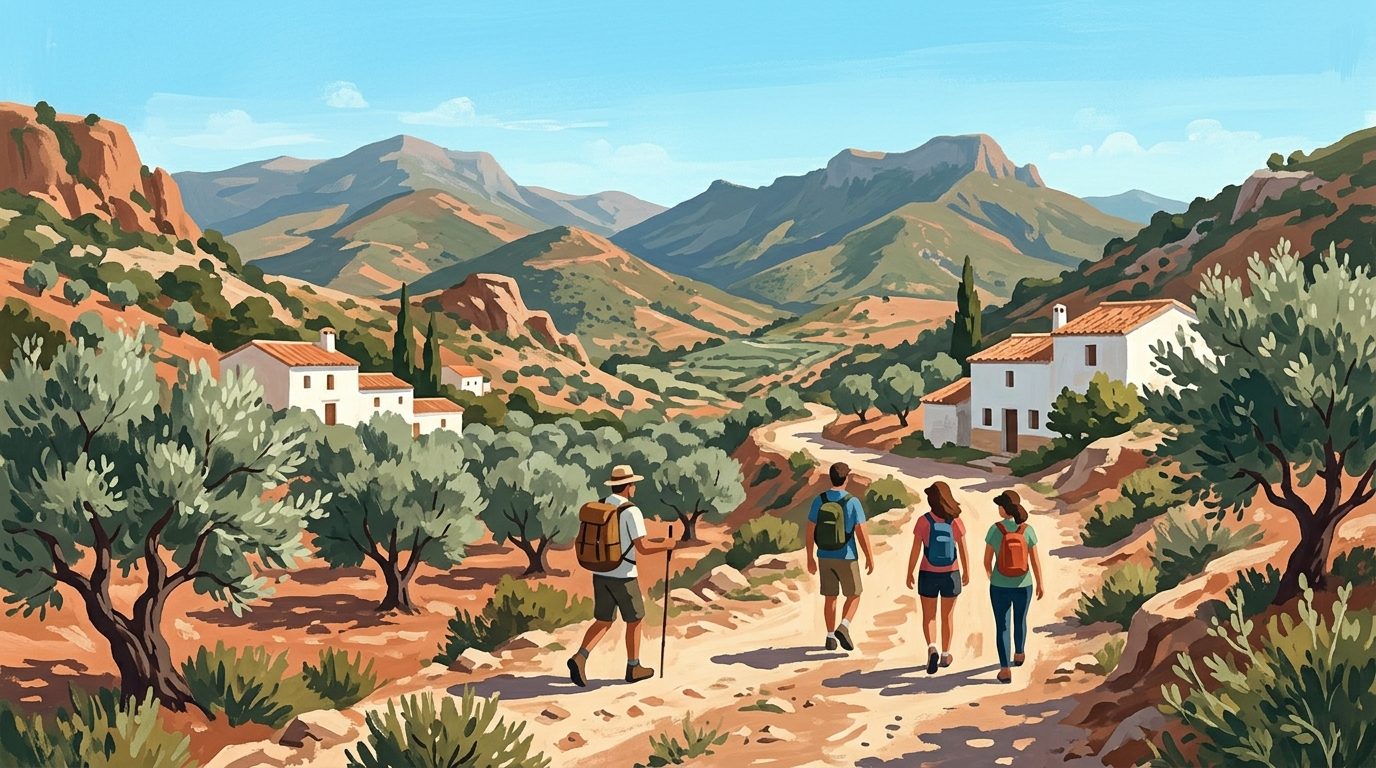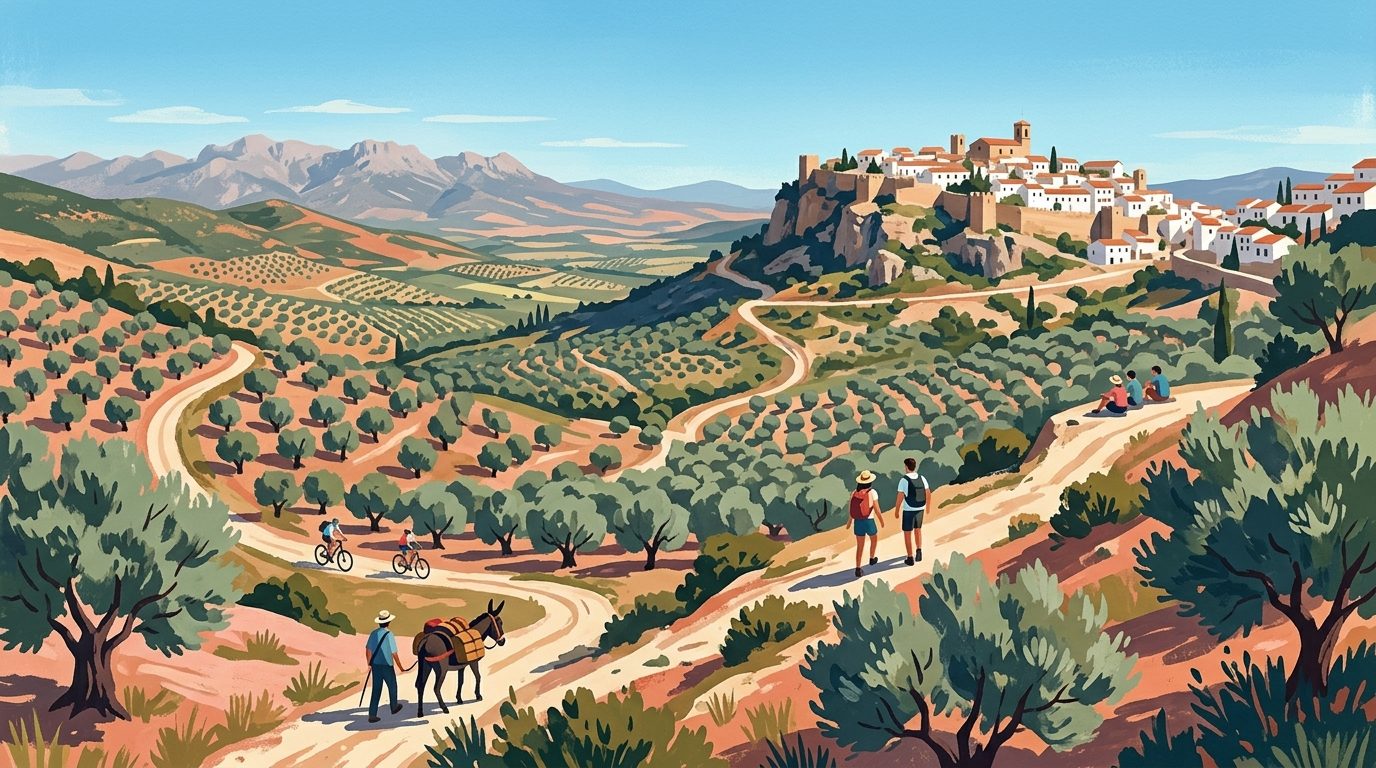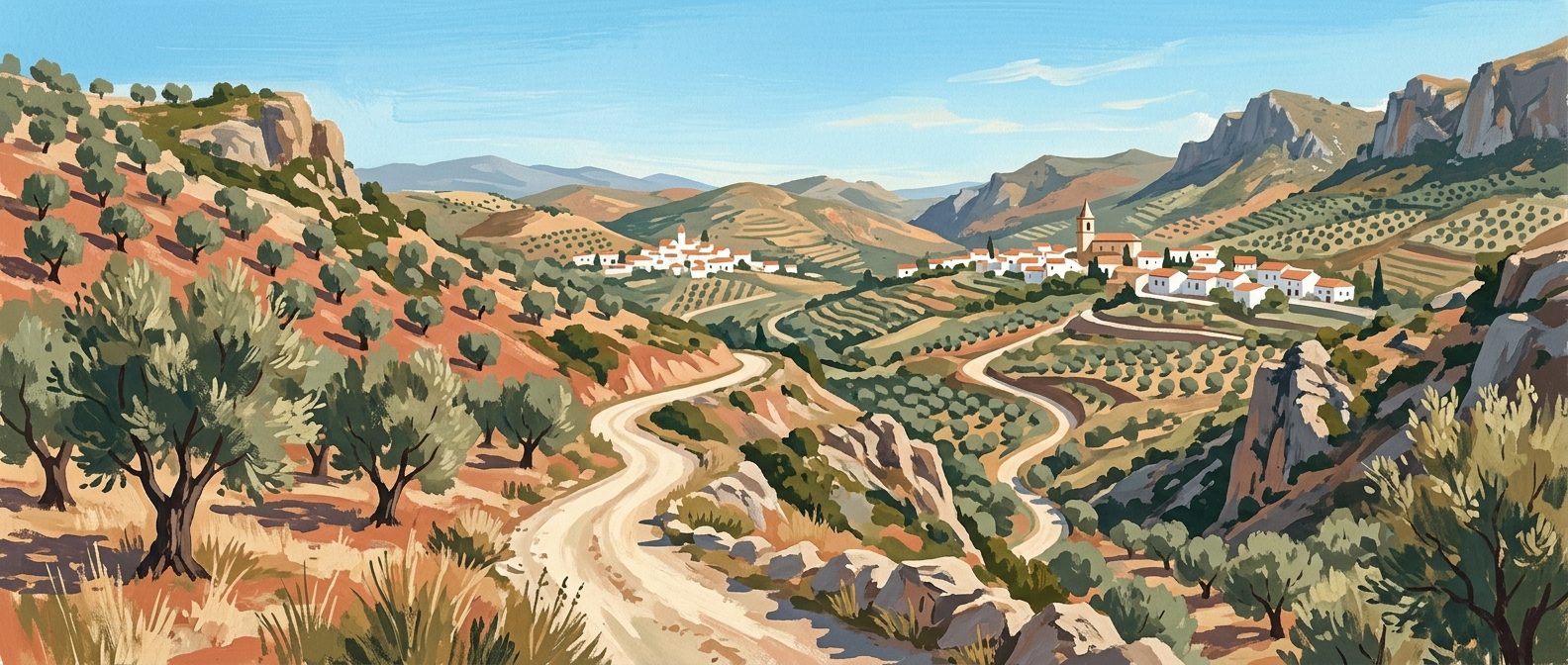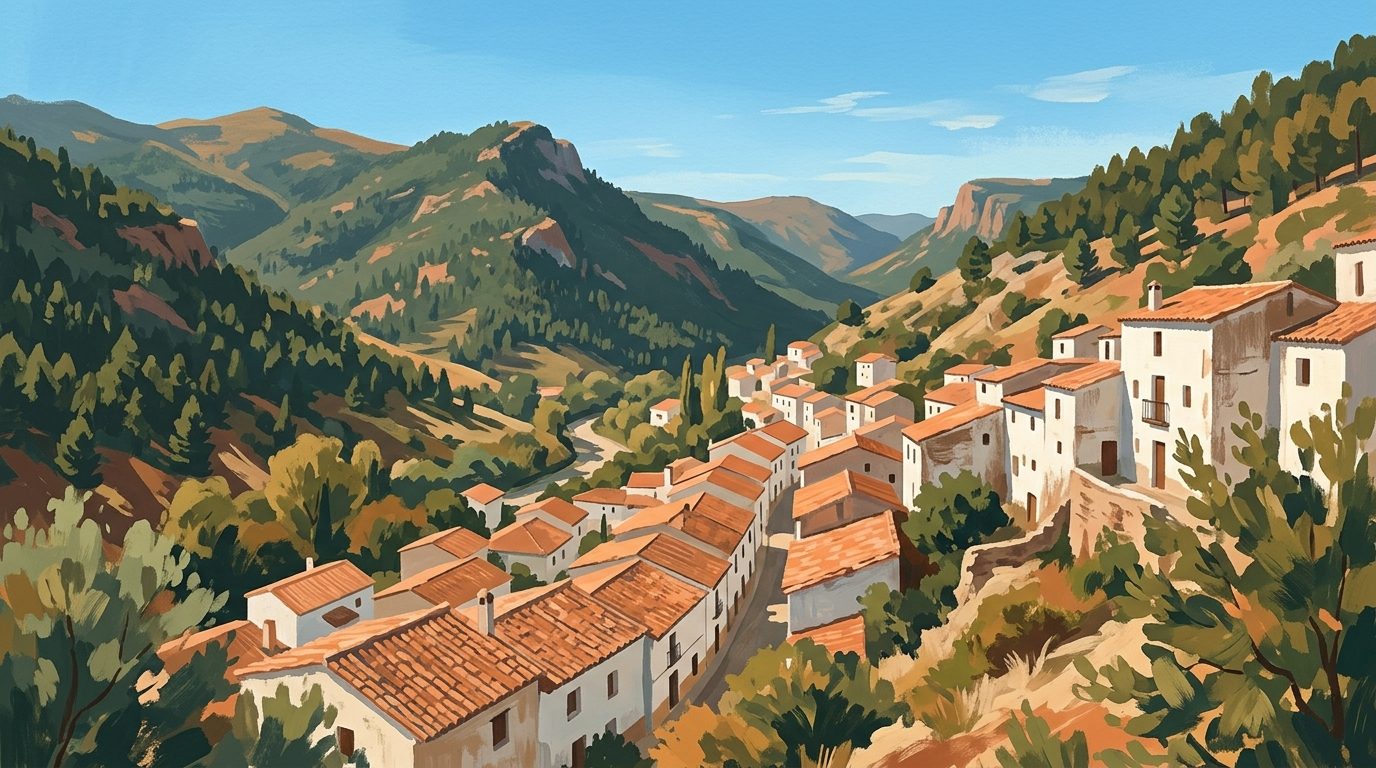
Arroyo Frío serves as the primary base for exploring the wild heart of the Sierras de Cazorla, Segura y Las Villas Natural Park. It provides a central point from which to launch excursions into the deep river valleys and high limestone peaks of Jaén’s wilderness.
Unlike the historic white villages of Jaén that sit on defensive ridges, Arroyo Frío is a purpose-built settlement designed for those who want to be as close to nature as possible. Located in a flat valley on the banks of the upper Guadalquivir river, this village acts as the functional heart of the Sierras de Cazorla, Segura y Las Villas Natural Park. It is a place where the sounds of the forest replace the hum of city life, and where the transition from human habitation to wild woodland is almost non-existent.
For visitors, Arroyo Frío offers a unique logistical advantage. It sits roughly halfway along the A-319, the main artery that snakes through the mountains. While the town of Cazorla itself is the administrative and cultural capital, Arroyo Frío is where the trails begin, where the 4×4 tours depart, and where you are most likely to encounter the park’s famous inhabitants, red deer and wild boar, wandering through the streets at dusk.
What to See & Do
The Río Borosa Trail
Arroyo Frío is the closest major accommodation hub to the Río Borosa, arguably the most spectacular river walk in southern Spain. The trailhead starts just a five-minute drive away at the fish farm (Piscifactoría) near the Torre del Vinagre. The route follows the river’s turquoise waters through a series of dramatic limestone landscapes.
The first four kilometres are relatively flat and easy, leading to the Cerrada de Elías. Here, the trail becomes a wooden walkway pinned directly to the vertical rock walls of a narrow gorge, with the river rushing beneath your feet. For the more adventurous, continuing past the gorge leads to the Salto de los Órganos waterfall and eventually to the Aguas Negras and Valdeazores lagoons. The full return trip is approximately 22 kilometres and requires a full day of hiking. Note: In July and August, temperatures in this valley can exceed 40°C; start before dawn and carry at least 3 litres of water, or stick to the shaded river sections like the Cerrada de Elías, which provides a high reward for very little physical effort.
4×4 Safari Tours
A significant portion of the natural park is classified as a 'Reserva de Grado A', meaning vehicle access is strictly prohibited for the general public. To see these restricted areas, you must book a 4×4 tour. Several companies operate directly out of Arroyo Frío, using modified Land Rovers to climb into the high-altitude plateaus and hidden valleys.
These tours are essential for seeing the park's true wilderness. Popular routes include the ascent to the Upper Guadalquivir valley or the trek to the Poyos de la Mesa, a massive limestone plateau that offers panoramic views over the entire range. Guides are exceptionally knowledgeable about local botany and fauna, often carrying telescopes to help you spot Spanish Ibex on the crags or Bearded Vultures (Quebrantahuesos) soaring above. Tours typically last between 4 and 5 hours, with prices historically ranging from €32 to €39 per adult (check with operators such as Turisnat for current rates before travelling).
Wildlife Watching
You do not always need to leave the village to see wildlife. Arroyo Frío is famous for its semi-resident population of deer and wild boar. During the quieter months or late in the evening, it is common to see fallow deer grazing on the lawns of the hotels. If you visit during the autumn (late September to October), the village echoes with the sound of the Berrea, the rutting season, where stags bellow across the valley to assert their dominance.
Torre del Vinagre Interpretation Centre
Located just north of the village, the Torre del Vinagre Interpretation Centre is the most important visitor facility in the park. It houses a museum dedicated to the ecosystem of the sierra, including a hunting trophy room and a botanical garden featuring many of the 2,300 plant species found here. It is an excellent first stop to understand the geography of the mountains before heading deeper into the trails.
Practical Information
Getting There
Access is via the A-319 road. If coming from the west (Jaén or Úbeda), you will pass through the town of Cazorla and climb over the Puerto de las Palomas pass. The descent offers spectacular views of the Guadalquivir valley. From Úbeda, the drive takes approximately one hour. There is a limited bus service connecting Cazorla to Arroyo Frío (check summer schedules directly with operators like Alsa, as rural services are often reduced during the high season), but services are infrequent, making a private car almost essential for exploring the wider park.
Parking
Arroyo Frío is essentially one long main street. There is plenty of free street parking along the Avenida del Campillo, though it can become congested during the peak summer months and Easter. Most hotels and apartment complexes in the village provide dedicated parking for guests.
Ticket Prices and Hours
- Natural Park Access: Free.
- Río Borosa Trail: Free.
- 4×4 Tours: Approximately €32 to €39 for adults; €20 to €23 for children under 12 (check on the operator's website before travelling).
- Torre del Vinagre Visitor Centre: Free entry. Typically open 10:00 to 14:00 and 16:00 to 18:00 (winter) or 18:00 to 21:00 (summer), though it is advised to check the official website before travelling. Closed on Mondays.
Where to Eat Nearby
The cuisine in Arroyo Frío is dominated by mountain flavours and game meats. Asador La Bolera is a local favourite, specialised in meats cooked over an open wood fire. Their venison (ciervo) and wild boar (jabalí) are excellent, often served in rich, wine-based stews or simply grilled to highlight the quality of the meat. Another standout is Restaurante La Taberna, famous for its 'Huevos Taberna', a hearty dish of potatoes, eggs, and local green peppers. For those wanting to try the most traditional local dish, ask for Rin-Ran, a cold purée of potatoes, dried peppers, and cod, usually served with olives.
Where to Stay
Accommodation in Arroyo Frío is geared towards the outdoors. The village is packed with rustic-style apartments and hotels that cater specifically to hikers and families. While many visitors choose to stay in the village, the Hotel & Spa Sierra de Cazorla is located about 20 minutes away in La Iruela, offering thermal circuits and views back towards the valley. Within the village, the Apartamentos Rurales Valle del Guadalquivir provide comfortable, self-catering options that allow you to enjoy the mountain air from your own terrace. For a more intimate experience, look for wooden cabins on the village outskirts.