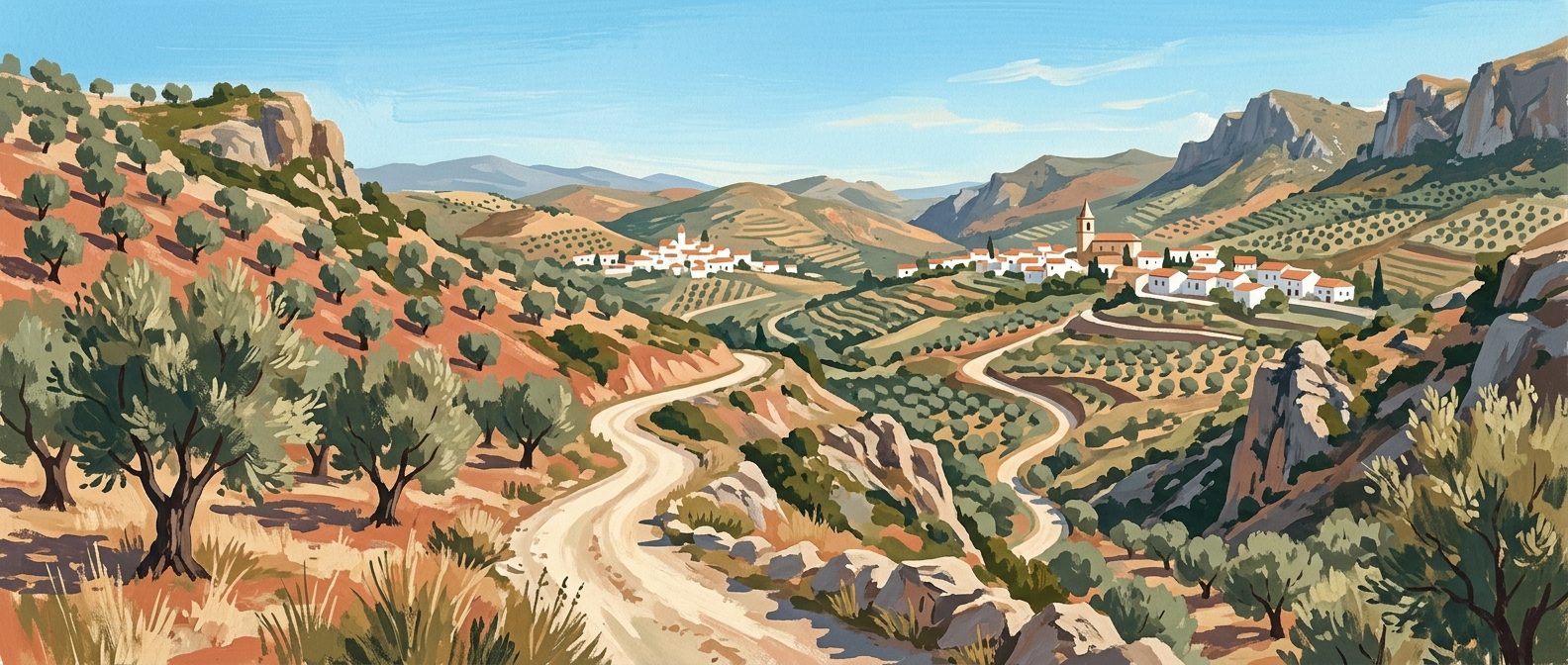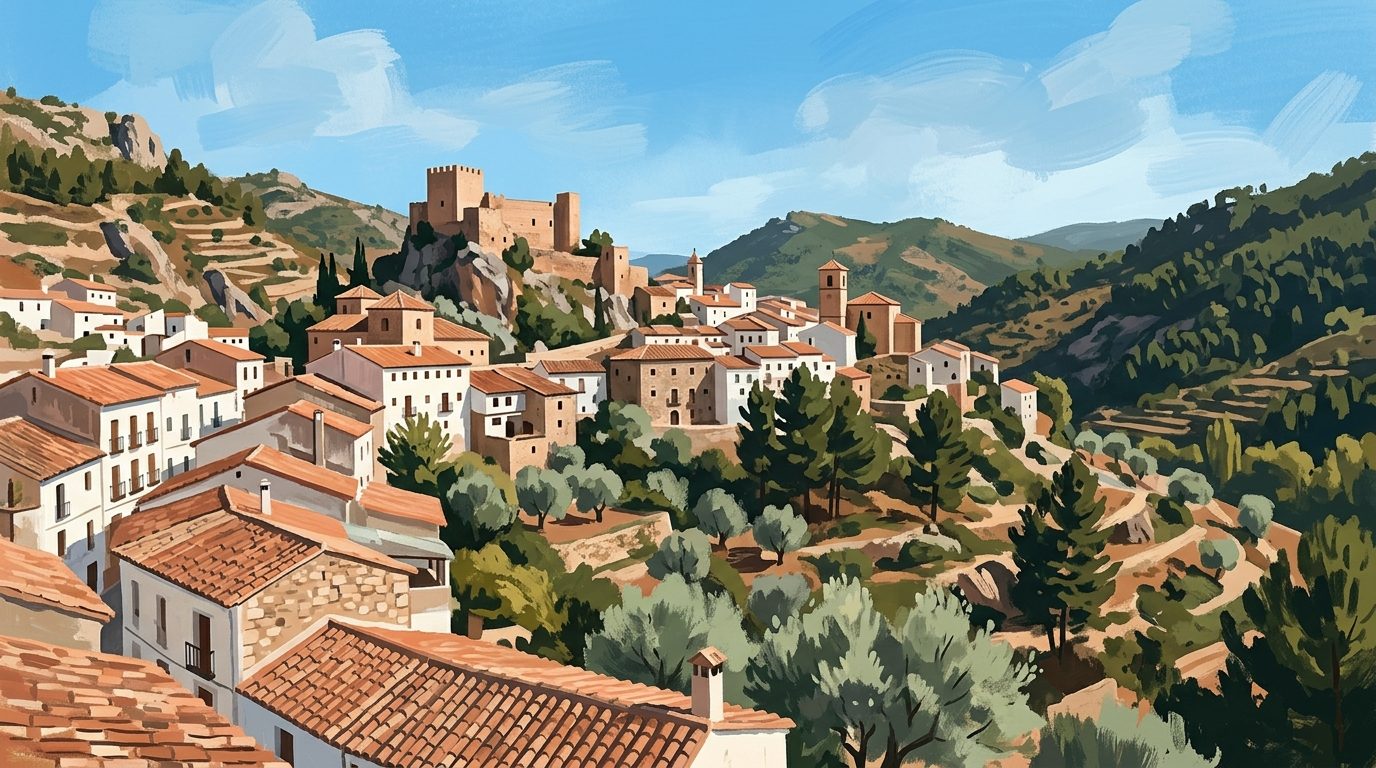
Cazorla serves as the main entry point to the expansive Sierra de Cazorla, Segura y Las Villas Natural Park, offering a blend of medieval architecture and rugged mountain landscapes. The town provides a base for those looking to explore the source of the Guadalquivir or simply wander through steep, whitewashed streets.
Cazorla is a town that demands decent walking shoes and a bit of stamina. Situated at the foot of the Peña de los Halcones, it acts as the primary hub for the Sierra de Cazorla, Segura y Las Villas Natural Park, the largest protected area in Spain and the second largest in Europe. While many visitors use it simply as a place to stock up on supplies before heading deeper into the mountains, the town itself holds a distinct character shaped by its frontier history and challenging topography.
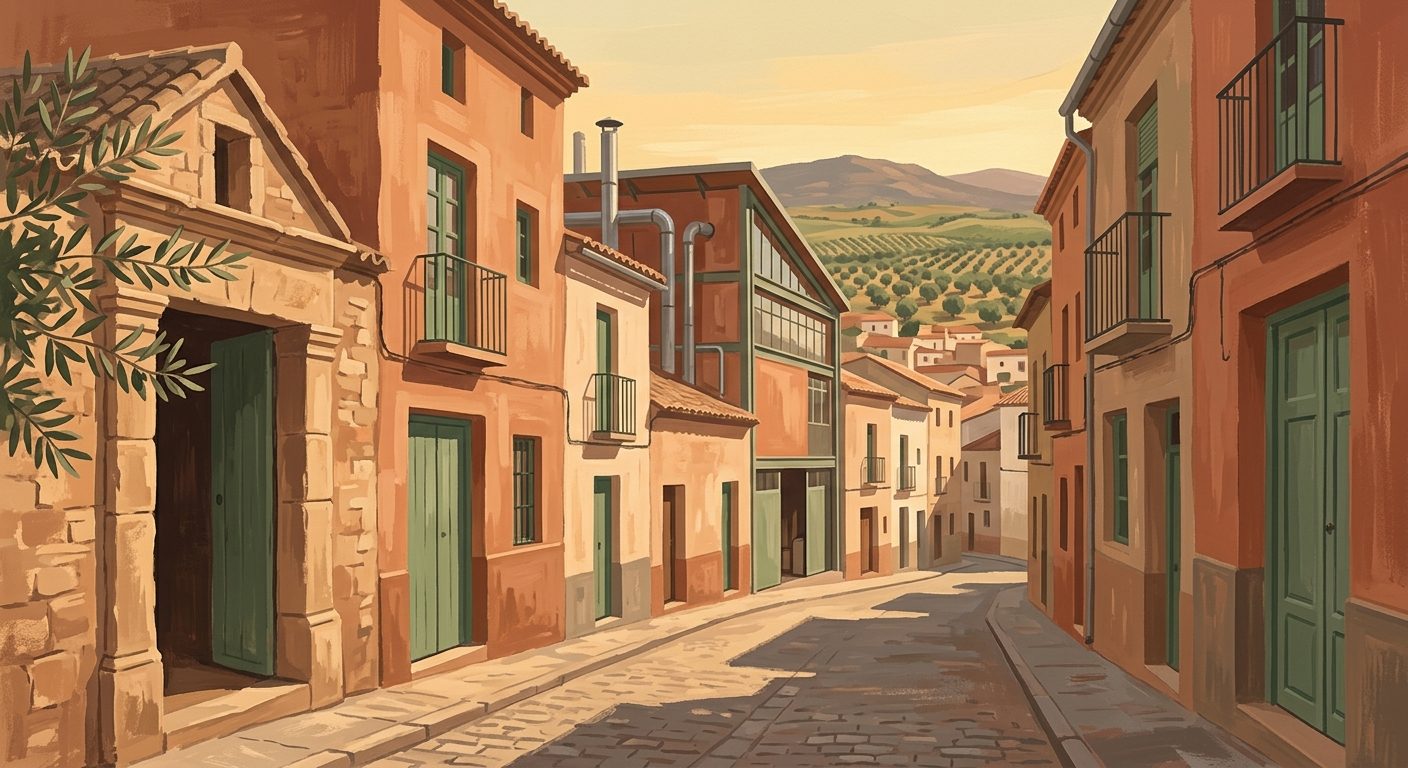
The layout of the town follows the logic of the mountain. Lower down, you will find the more modern amenities and flatter squares, but as you move towards the castle, the streets narrow and steepen, eventually turning into stone-paved tracks that lead directly into the pine forests. It is a place where the scent of woodsmoke hangs in the air during winter and the sound of the Cerezuelo River provides a constant soundtrack to the lower quarters. Cazorla feels like the last outpost of civilisation before the wilderness takes over.
What to See & Do
Castillo de la Yedra
The Castle of the Ivy sits commandingly above the town. This fortress has roots in the Roman and Moorish periods, though much of what you see today, including the imposing keep, was constructed during the Christian Reconquest. It is remarkably well-preserved and houses the Museum of Popular Arts and Customs of the Upper Guadalquivir.
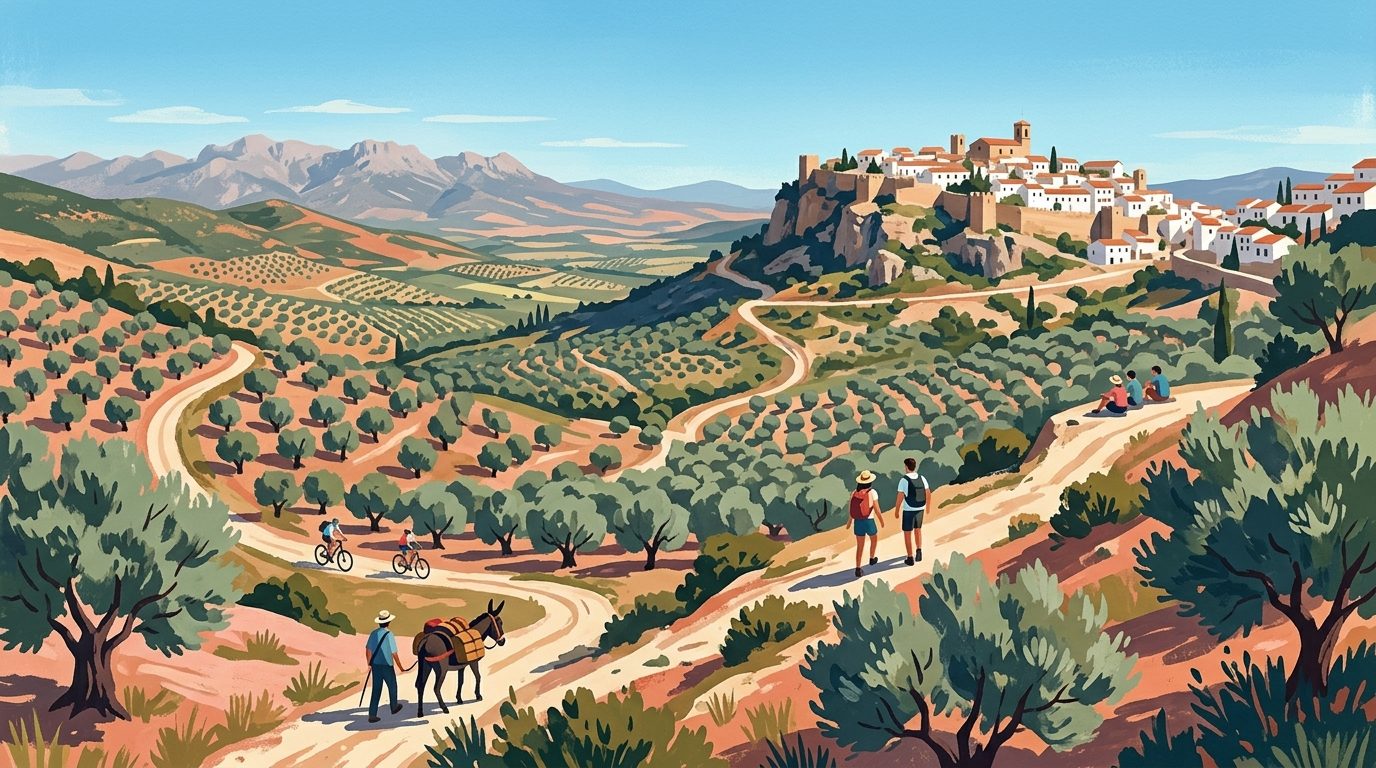
Inside, the museum is divided into two main sections. The lower part focuses on the historical daily life of the region, displaying traditional tools, ceramics, and textiles. The keep contains a collection of weapons and furniture, but the real draw is the view from the battlements. From here, you can see the entire town spilling down the valley and the olive groves of Jaén stretching out towards the horizon.
Ruinas de Santa María and the River Vault
Perhaps the most unusual architectural site in the province is the Ruinas de Santa María. This Renaissance church, designed in the 16th century by Andrés de Vandelvira, was never actually completed. Its construction was an audacious feat of engineering; the church is built directly over the Cerezuelo River. To achieve this, Vandelvira constructed a massive stone vault to channel the water beneath the building.
In 1694, a catastrophic flood damaged the structure, and it was further ruined during the Napoleonic wars. Today, it stands as an atmospheric shell used for concerts and events. You can take a guided tour that leads you down into the darkness of the subterranean vault, where the river still flows beneath the nave. It is a cool, damp contrast to the heat of the plaza above.
Plaza de Santa María and Plaza de la Corredera
Life in Cazorla revolves around its squares. Plaza de la Corredera is the commercial heart, home to the town hall and several cafes where locals gather for a morning coffee. However, the Plaza de Santa María is more evocative. Framed by the ruins of the church and the mountainside, it is an ideal spot to sit and watch the light change on the rock faces above the town. Look out for the Fountain of the Chains, a 16th-century monument built to honour Philip II.
Hiking the Cerezuelo River Path
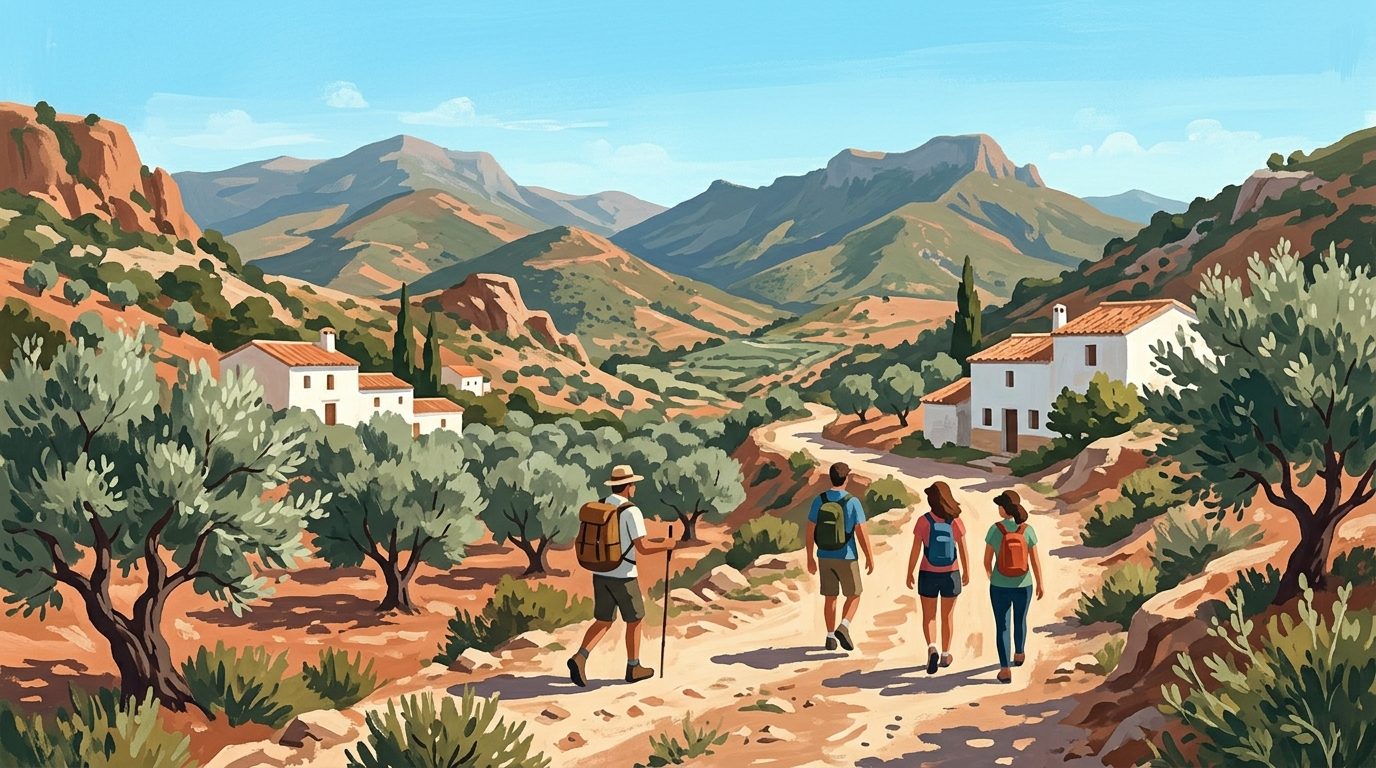
If you want a taste of the natural park without a long drive, the Sendero del Cerezuelo starts right in the town centre. This circular route follows the river upstream, crossing several wooden bridges and passing through lush vegetation that feels worlds away from the dry olive plains nearby. It is a moderate walk that takes about two hours and offers excellent views of the Castillo de la Yedra from angles most tourists never see. It is particularly refreshing during the summer months when the tree canopy provides much-needed shade.
Practical Information
Opening Times & Tickets
- Castillo de la Yedra: Open Tuesday to Sunday. Hours are typically 09:00 to 15:00. Afternoon opening times may vary by season (check locally at the tourism office or on the official tourism board website before travelling). Entry is free for EU citizens and approximately €1.50 for other nationalities.
- Ruinas de Santa María & Vault: Access to the ruins is often free, but the guided tour of the vault costs around €2.00 to €3.00. The tourism office, located within the Ruinas de Santa María, manages the schedules and vault tours.
How to Get There
Cazorla is located in the eastern part of the province of Jaén. By car, it is roughly a 90-minute drive from Jaén city via the A-316 and A-319. From Úbeda, it is about 45 minutes. If you are coming from Granada, allow at least two hours.
Public transport is managed by the ALSA bus company. There are several daily connections from Jaén and Úbeda. Note that the bus station in Cazorla is at the lower end of the town, so be prepared for an uphill walk to reach the old quarter.
Parking
Driving into the historic centre of Cazorla is not recommended. The streets are exceptionally narrow, steep, and often restricted to residents. There is a large, free public car park near the Plaza de Toros (bullring) at the entrance to the town. From there, it is a ten-minute walk to the main squares. If your accommodation offers parking, confirm exactly how to access it before you arrive.
Where to Eat Nearby
The cuisine in Cazorla is defined by the mountains. Game meat is a staple, particularly venison (ciervo) and wild boar (jabalí). You should also try andrajos, a hearty stew made with flour tortas, rabbit, and aromatic herbs like mint and marjoram. Another local speciality is rin-ran, a cold mashed potato and dried pepper dish served with cod and olives.
Restaurante El Leandro is a highly regarded spot for those wanting to try authentic mountain flavours with a slightly modern touch. Their venison dishes are exceptional. For a more casual experience with a view, Taberna Quinito in the old town offers excellent tapas and traditional stews in a friendly, unpretentious setting. If you are near the ruins, La Trastienda is a great choice for local cheeses and cured meats.
Where to Stay
For those who want to be in the heart of the action, Hotel Ciudad de Cazorla is located right on the Plaza de la Corredera, offering easy access to the town’s bars and sights. If you prefer a more secluded experience, the Parador de Cazorla is located 25 kilometres outside the town, deep within the natural park. It is situated in a former hunting lodge and offers incredible views and a peaceful atmosphere, though you will need a car to reach it.