Explore the evolution of Málaga’s artistic spirit, from the 16th-century palace housing Picasso’s personal legacy to the urban canvases of the riverside Soho district. This guide navigates the city’s most compelling creative corners, where classical heritage meets the energy of contemporary street art.
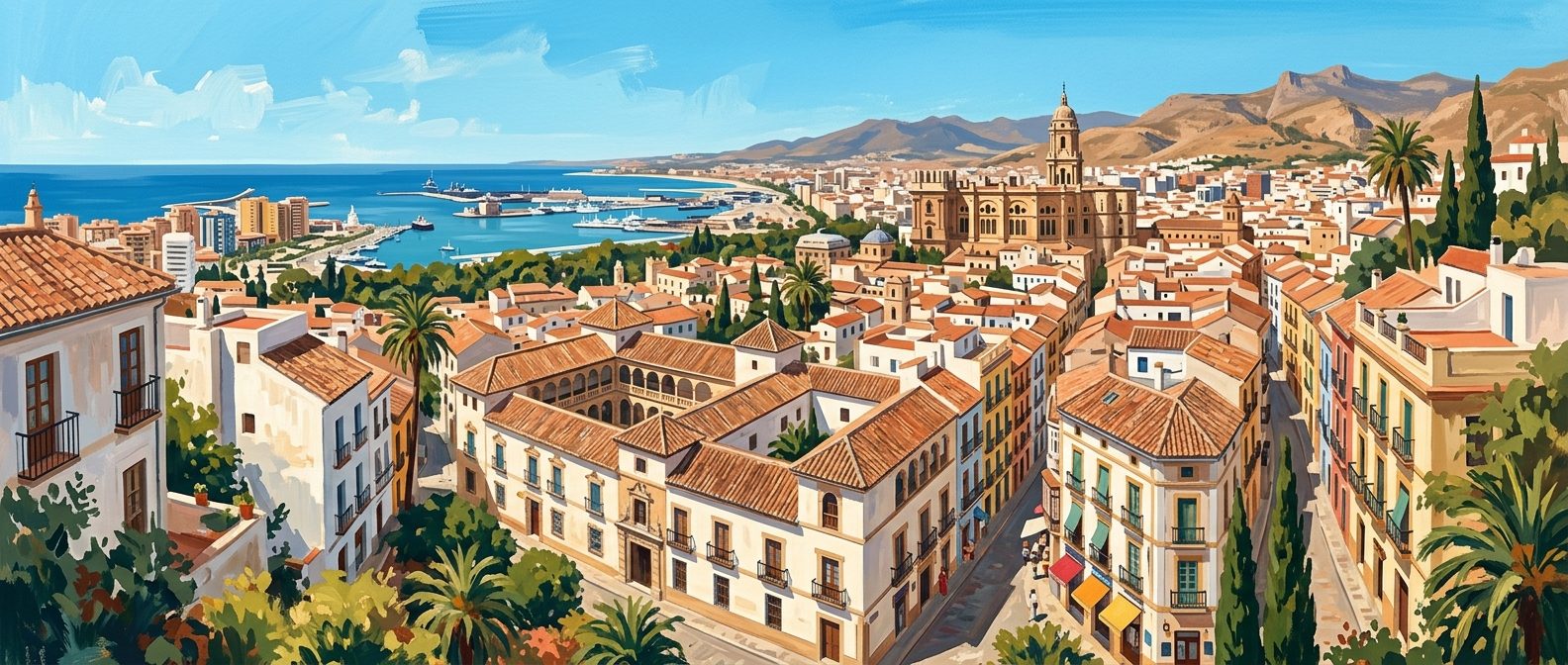
Málaga has undergone a remarkable transformation over the last two decades. Once regarded primarily as a transit point for travellers heading to the beach resorts of the Costa del Sol, the city has successfully redefined itself as a sophisticated cultural capital. At the heart of this change are two distinct yet complementary areas: the historic centre, where the Museo Picasso Málaga serves as a gravitas-filled anchor, and Soho, a formerly neglected neighbourhood that has been reclaimed by international street artists and independent galleries. Together, these locations offer a comprehensive look at the creative forces that shaped the 20th century and those that continue to push boundaries today.
What to See & Do
The journey through Málaga’s art scene is best experienced by contrasting the refined, hushed galleries of the Palacio de Buenavista with the open-air, gritty charm of the riverside streets. Here is how to navigate the highlights of both the Picasso Museum and the Soho Arts District.
Museo Picasso Málaga (MPM)
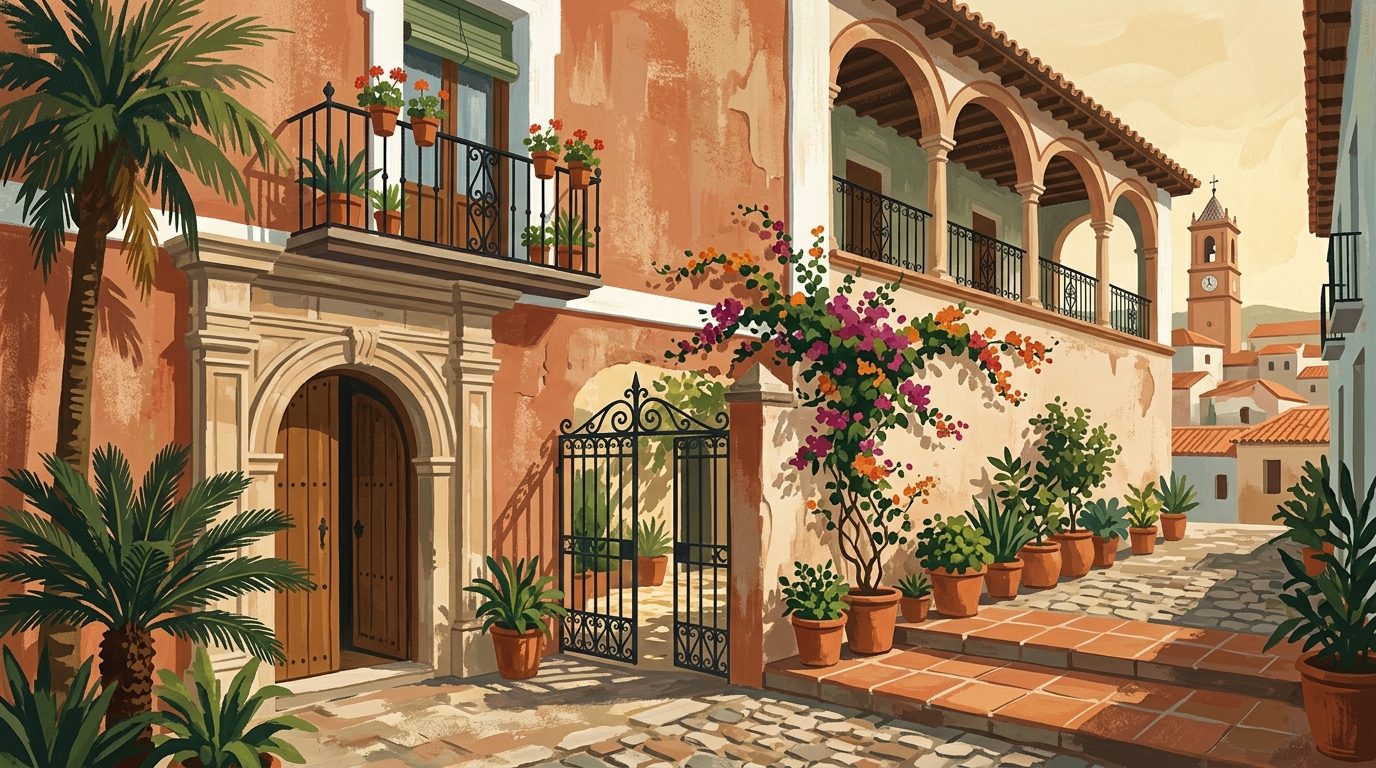
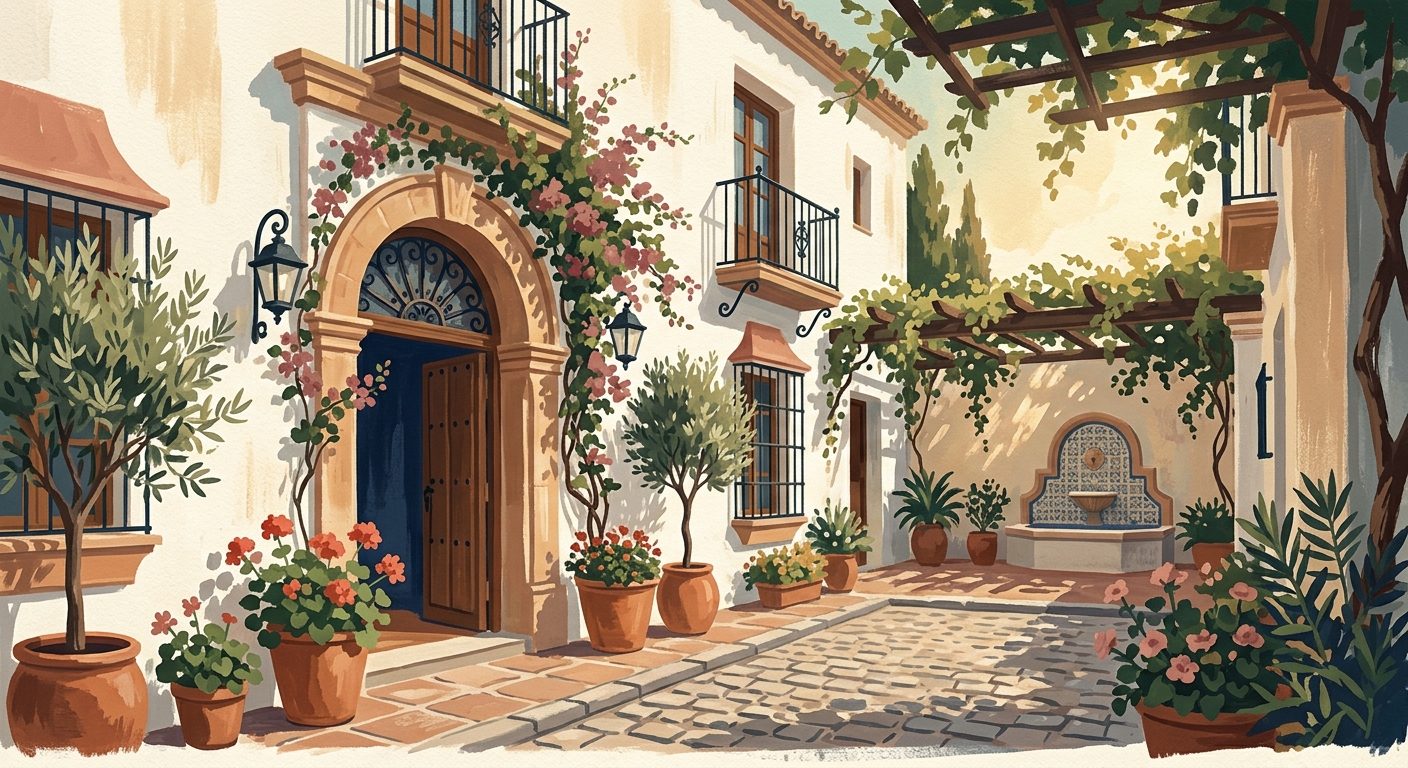
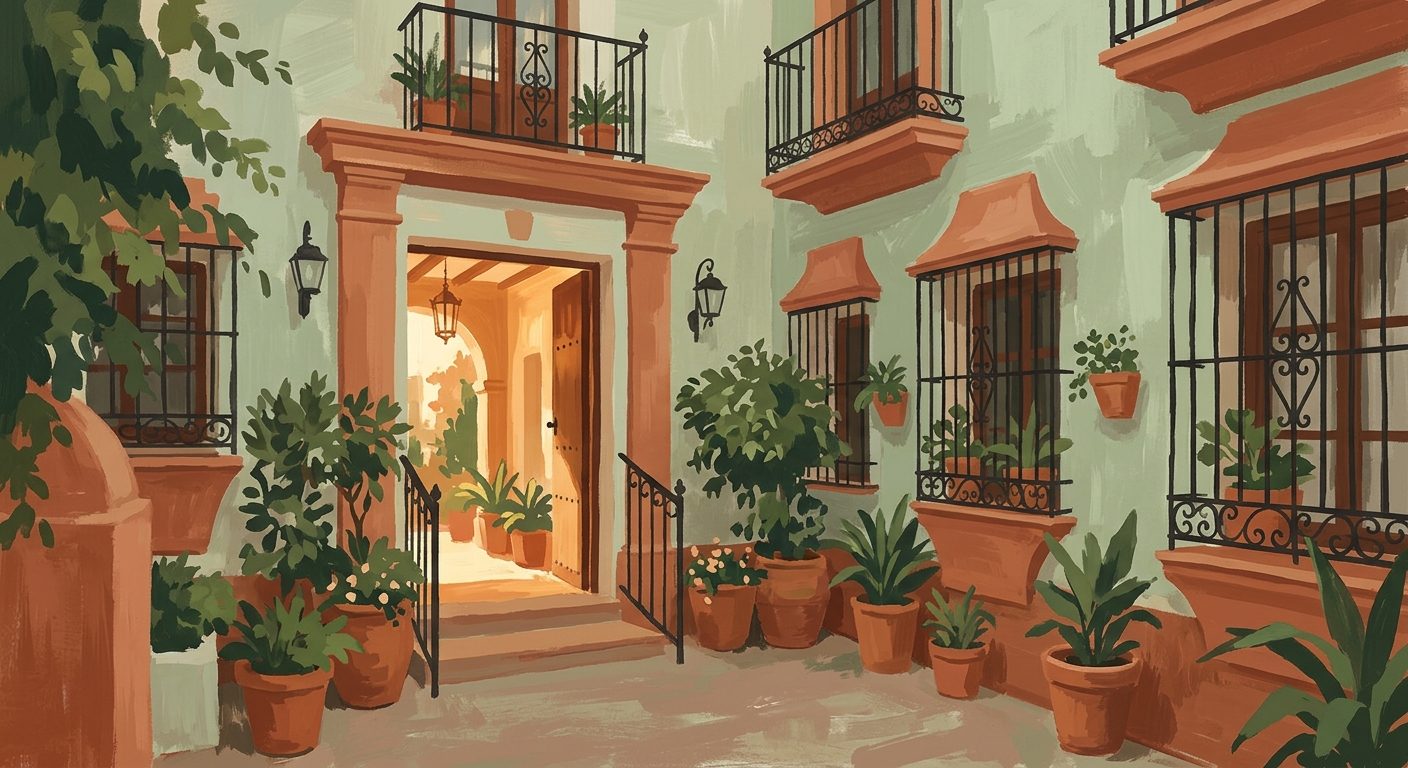
Located on Calle San Agustín, just a short walk from the Cathedral, the Museo Picasso Málaga is housed within the Palacio de Buenavista. This 16th-century building is a work of art in its own right, featuring a beautiful mudéjar-style coffered ceiling and a serene central courtyard. The museum was born from the desire of Pablo Picasso himself (and later realised through the donations of his daughter-in-law, Christine Ruiz-Picasso, and grandson, Bernard Ruiz-Picasso) to have his work represented in the city of his birth.
The permanent collection is not a "greatest hits" of his most famous blue or rose period pieces found in Paris or Barcelona; instead, it offers a more intimate look at the artist’s evolution. You will find over 200 works including paintings, sculptures, drawings, and ceramics. Key pieces such as Olga Khokhlova with a Mantilla and Mother and Child show the range of his technical skill and personal obsessions. Be sure to head into the basement, where an archaeological site reveals layers of Málaga’s past, including Phoenician walls and Roman fish-salting vats, discovered during the palace’s renovation.
The Soho District & MAUS Project
South of the Alameda Principal and stretching towards the port lies Soho, the city's self-styled 'Barrio de las Artes'. This area was once a grand residential zone that fell into disrepair before being revitalised by the MAUS (Málaga Arte Urbano Soho) project. Today, the district is an open-air museum where world-renowned street artists have turned entire apartment blocks into massive canvases.
Walk down Calle Casas de Campos and Calle Comandante Benítez to see the most impressive murals. Look out for the towering works by Obey (Shepard Fairey) and D*Face, which face each other near the CAC. Obey’s mural features a woman with the word 'Paz' (Peace), while D*Face’s contribution shows a giant, comic-style fighter pilot. Other notable artists who have left their mark here include the Belgian painter ROA, known for his monochrome animals, and the Chinese artist Dal East. The district is also home to the Teatro del Soho CaixaBank, a performing arts venue backed by local hero Antonio Banderas.
CAC Málaga (Centro de Arte Contemporáneo)
At the western edge of Soho, housed in the former wholesale seed and vegetable market (Mercado de Mayoristas), is the CAC Málaga. This vast, light-filled space is dedicated to visual arts from the late 20th century to the present day. The building itself is a striking example of 1930s rationalist architecture, designed by Luis Gutiérrez de Soto.
The CAC focuses on innovative international trends and has hosted exhibitions by names such as Tracey Emin, Anish Kapoor, and Ai Weiwei. Because it functions similarly to a German Kunsthalle, the programme is dynamic with a high turnover of temporary exhibitions. The permanent collection, Neighbours, features artists who have a connection to the city or the region, providing a platform for local talent alongside global stars. Best of all, admission is free, making it an accessible stop during a day of exploration.
Practical Information
To ensure a smooth visit, it is helpful to note the differing schedules and entry requirements for these venues.
Museo Picasso Málaga
Opening Hours: Daily from 10:00 to 18:00 (November to February), 10:00 to 19:00 (March to June, September to October), and 10:00 to 20:00 (July and August). Always verify on the official website as last entry is 30 minutes before closing.
Tickets: General admission for the permanent collection is €12 (check on the operator's website before travelling). A combined ticket including temporary exhibitions is also available. Reduced rates are available for seniors (over 65) and students (under 26) with ID. Entry is free on Sundays during the last two hours of opening.
CAC Málaga
Opening Hours: Tuesday to Sunday, 09:00 to 21:30 (check the official website for summer schedules before travelling). Closed on Mondays.
Tickets: Free admission for all visitors.
How to Get There
Both areas are easily accessible on foot if you are staying in the city centre. The Picasso Museum is located in the pedestrianised historic core. For Soho and the CAC, the nearest transport hub is the Málaga Centro-Alameda Renfe station, which serves the airport line (C1). The Atarazanas Metro station (Line 1/2) is also a convenient five-minute walk from the heart of Soho.
Parking
Driving into the centre is not recommended due to narrow streets and limited access. However, the Parking Marina (Plaza de la Marina) and Parking Alemania (located directly next to the CAC) are the most convenient paid options for those arriving by car.
Where to Eat Nearby
For a traditional experience near the Picasso Museum, Cortijo de Pepe in Plaza de la Merced is a local favourite. It specialises in charcoal-grilled meats and classic tapas like ensaladilla rusa and pimientos de Padrón. It is honest, unpretentious, and perfect for a quick bite between galleries.
In the Soho district, the culinary scene is more contemporary. Alita Soho offers a creative fusion menu that blends Andalucían ingredients with international flavours: their sea bass and creative vegetable dishes are particularly well-regarded. Alternatively, La Antxoeta Art Restaurant provides a sophisticated market-style menu in a dining room that reflects the district’s artistic flair. It is widely considered one of the best spots in the neighbourhood for a long, relaxed lunch.
Where to Stay
For those who wish to stay in the historic heart of the city, Palacio Solecio is a restored 18th-century palace located on the same street as the Picasso Museum, offering a refined atmosphere. If you prefer the urban edge of the creative quarter, the Only YOU Hotel Málaga is situated at the gateway to Soho. It features a rooftop bar with views over the port and contemporary rooms that match the energy of the surrounding street art district.