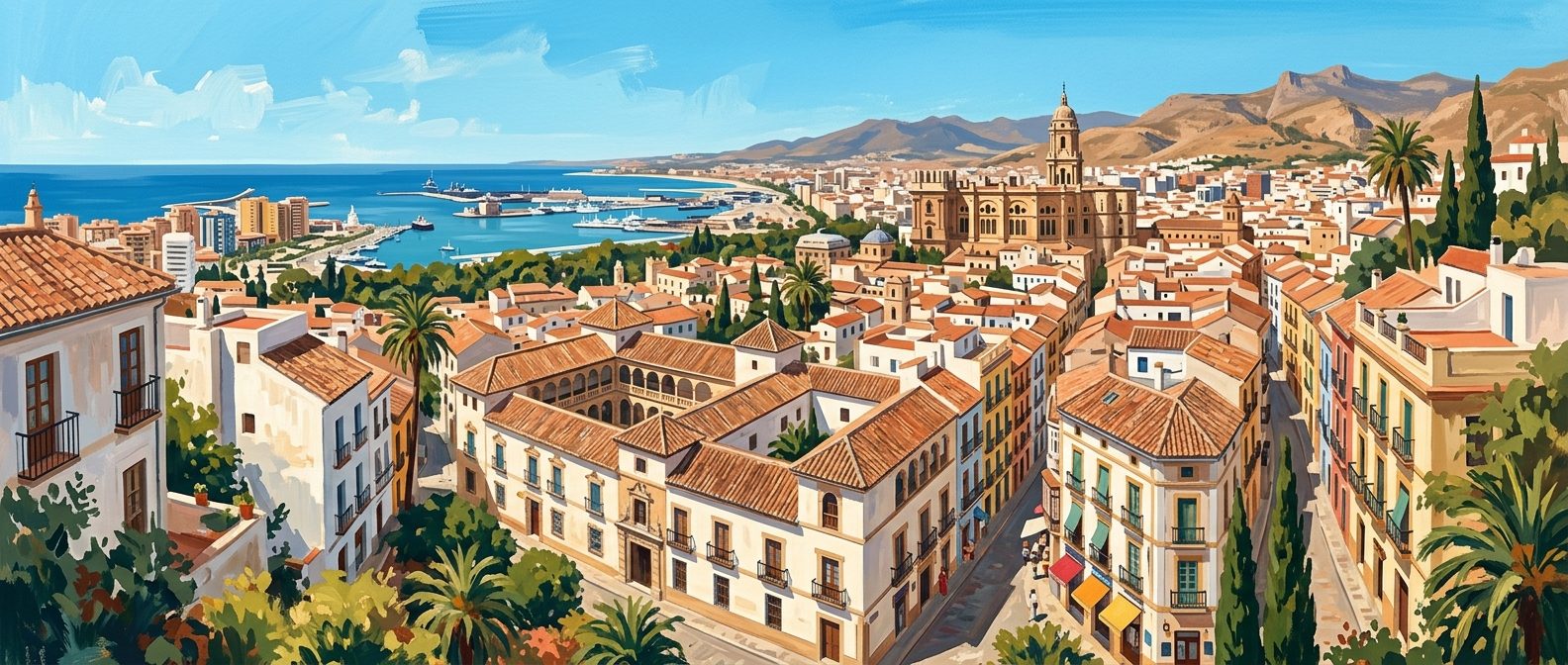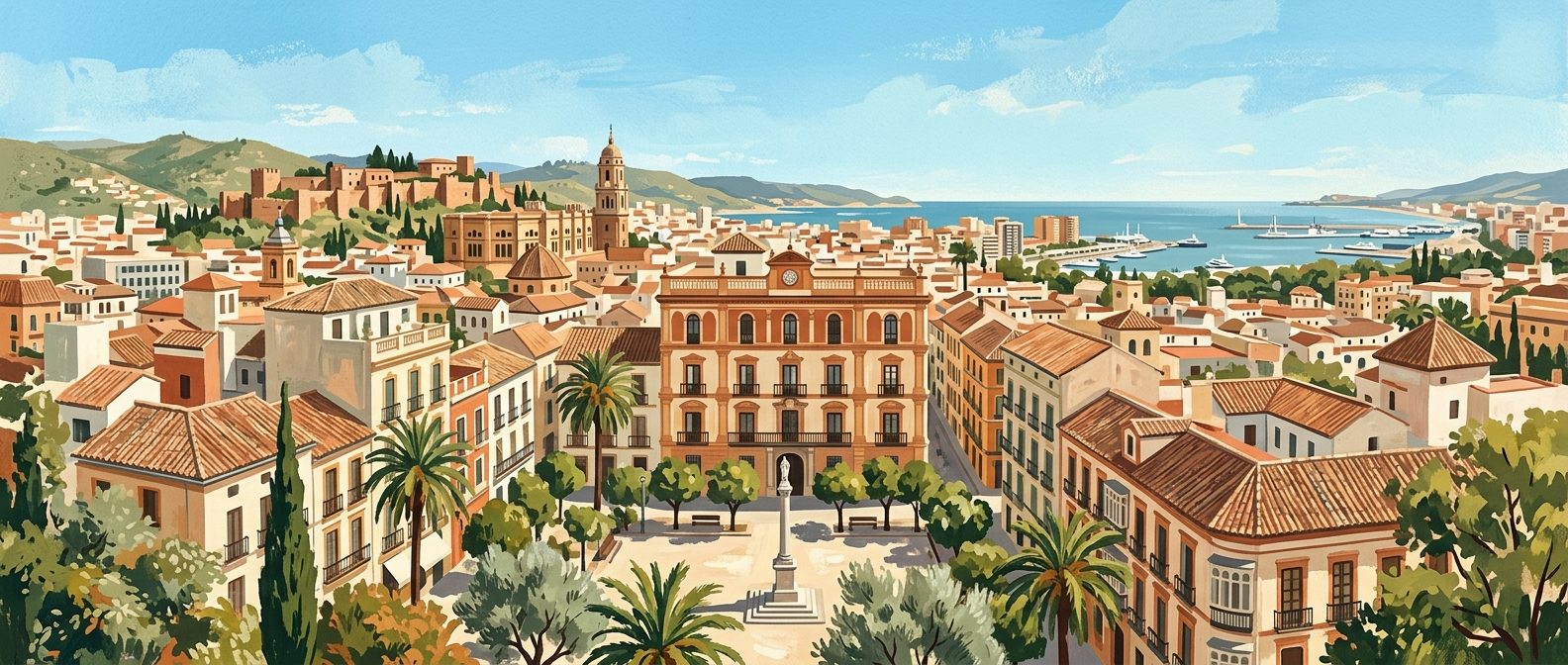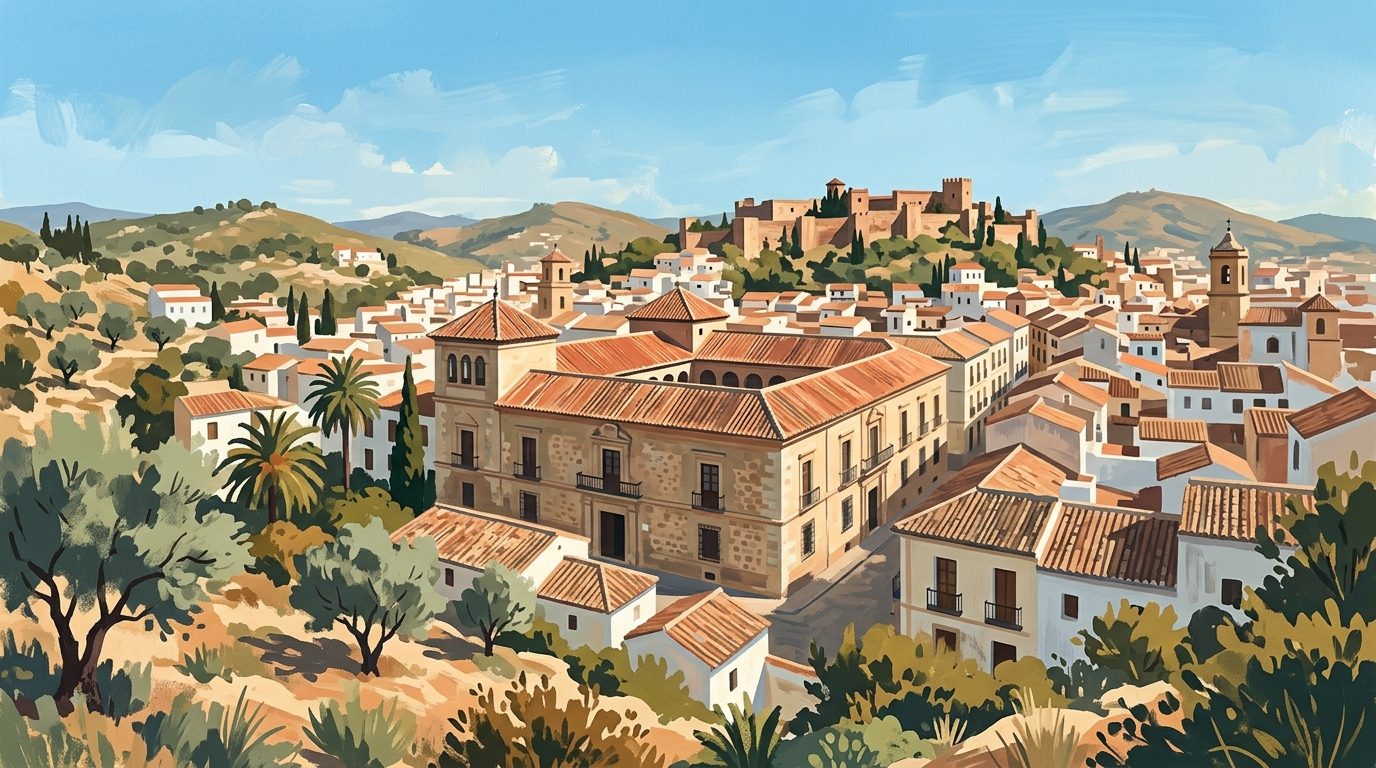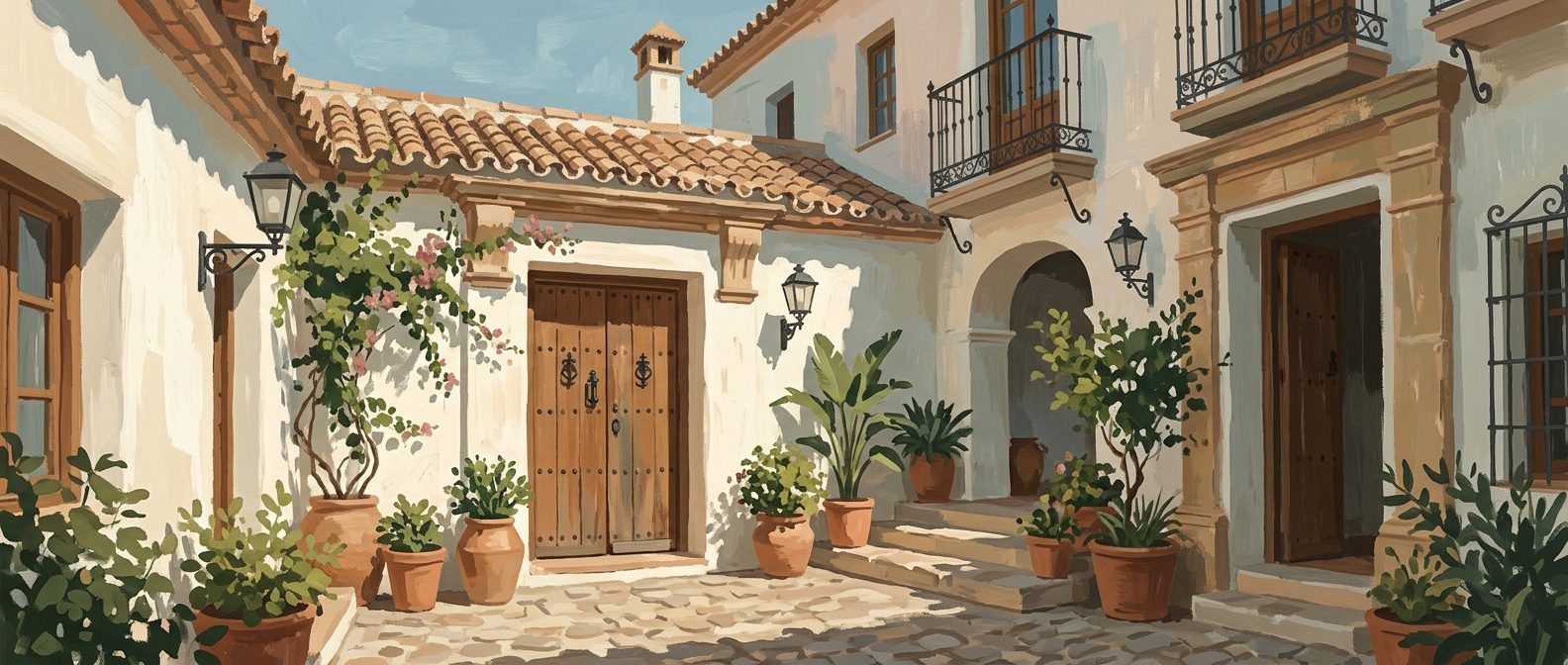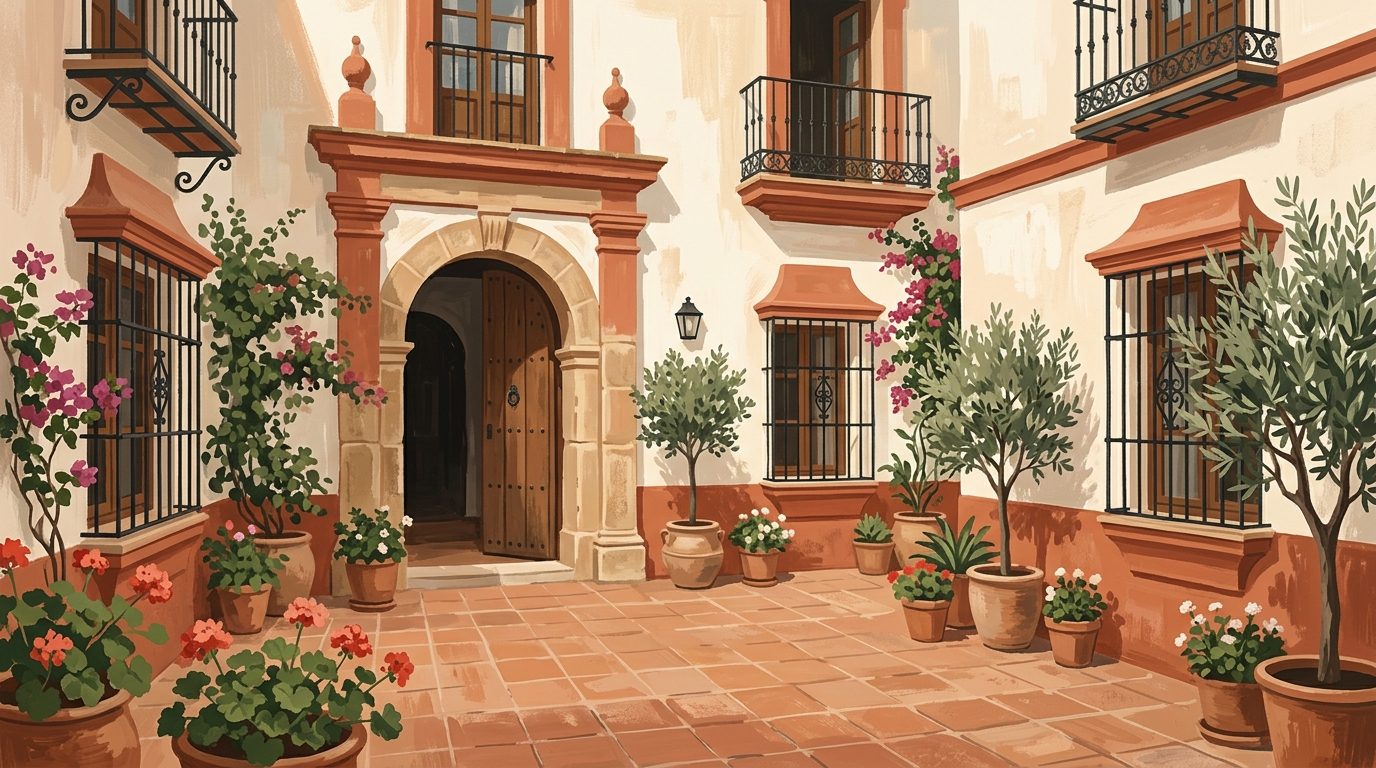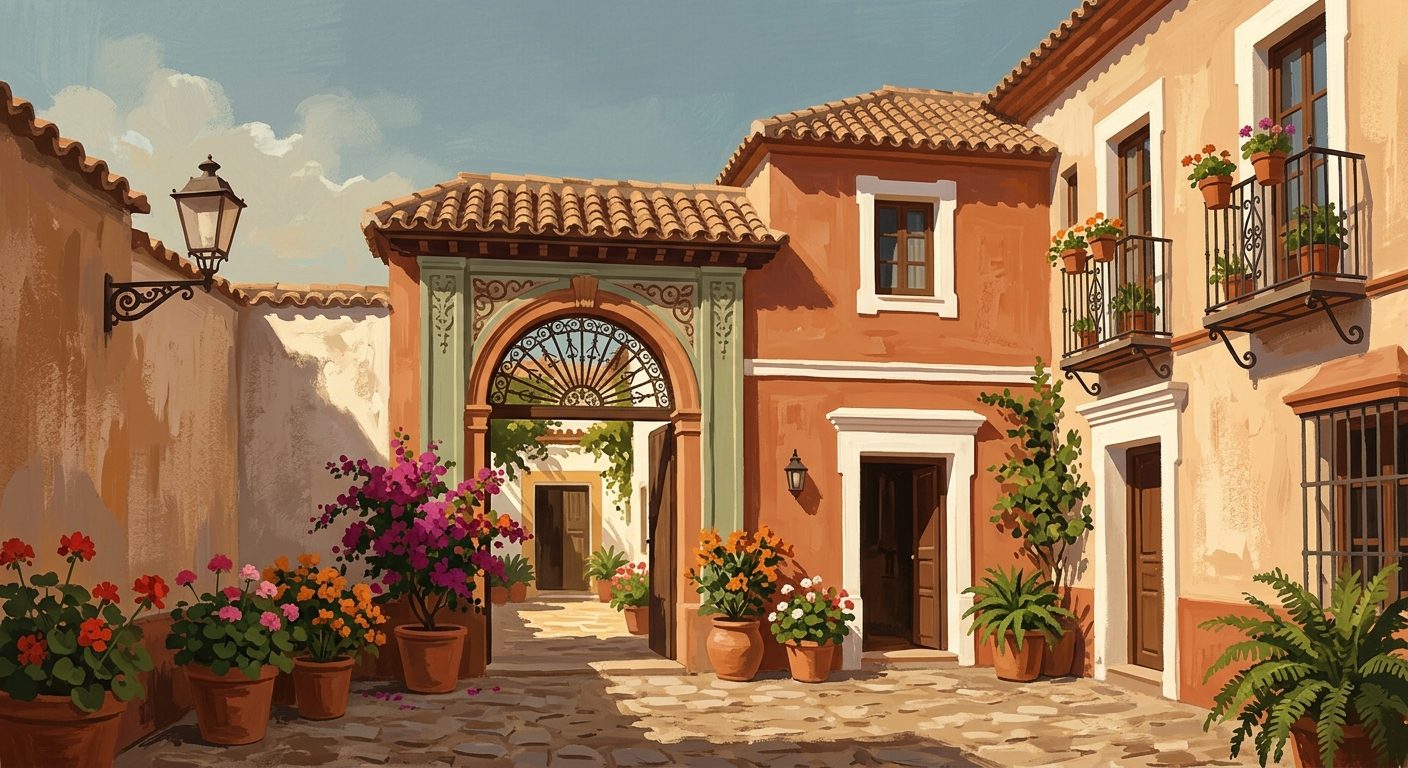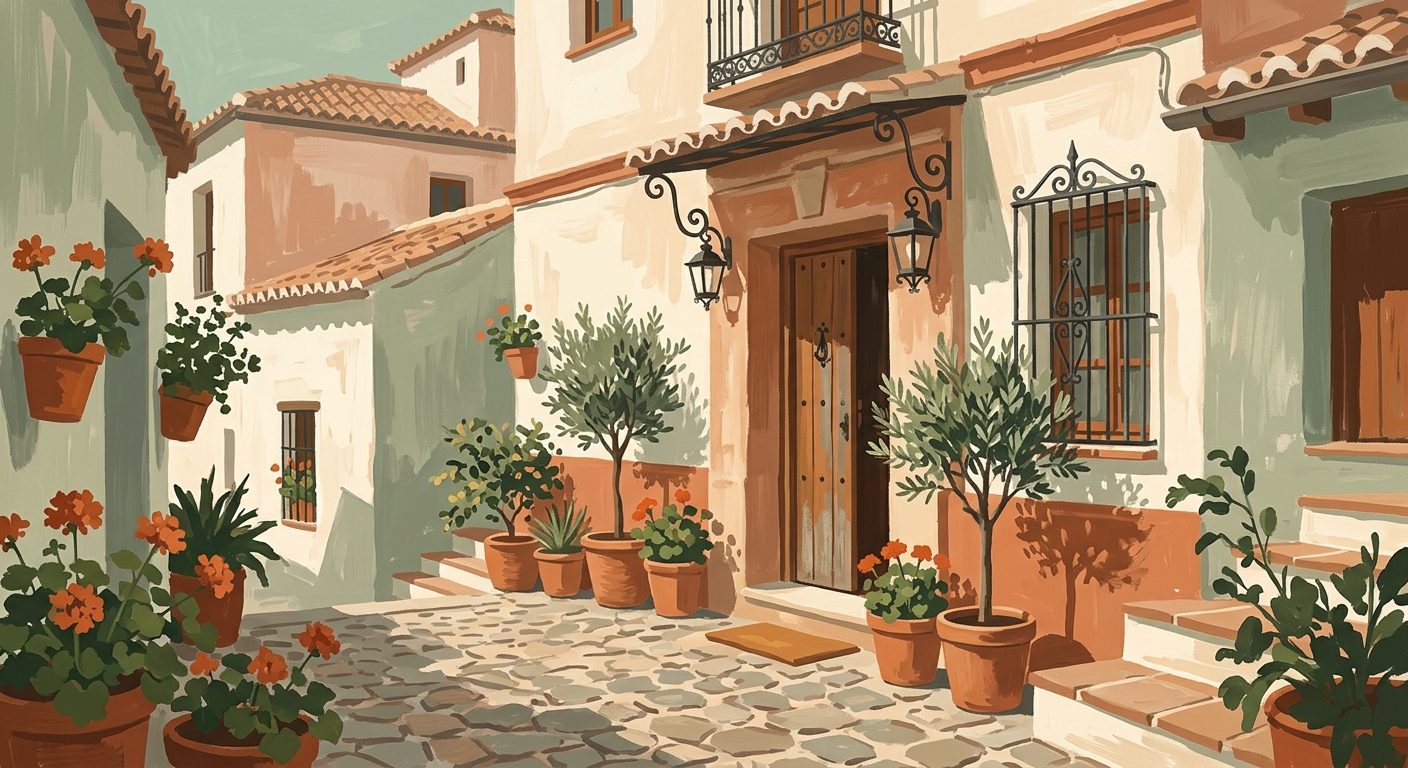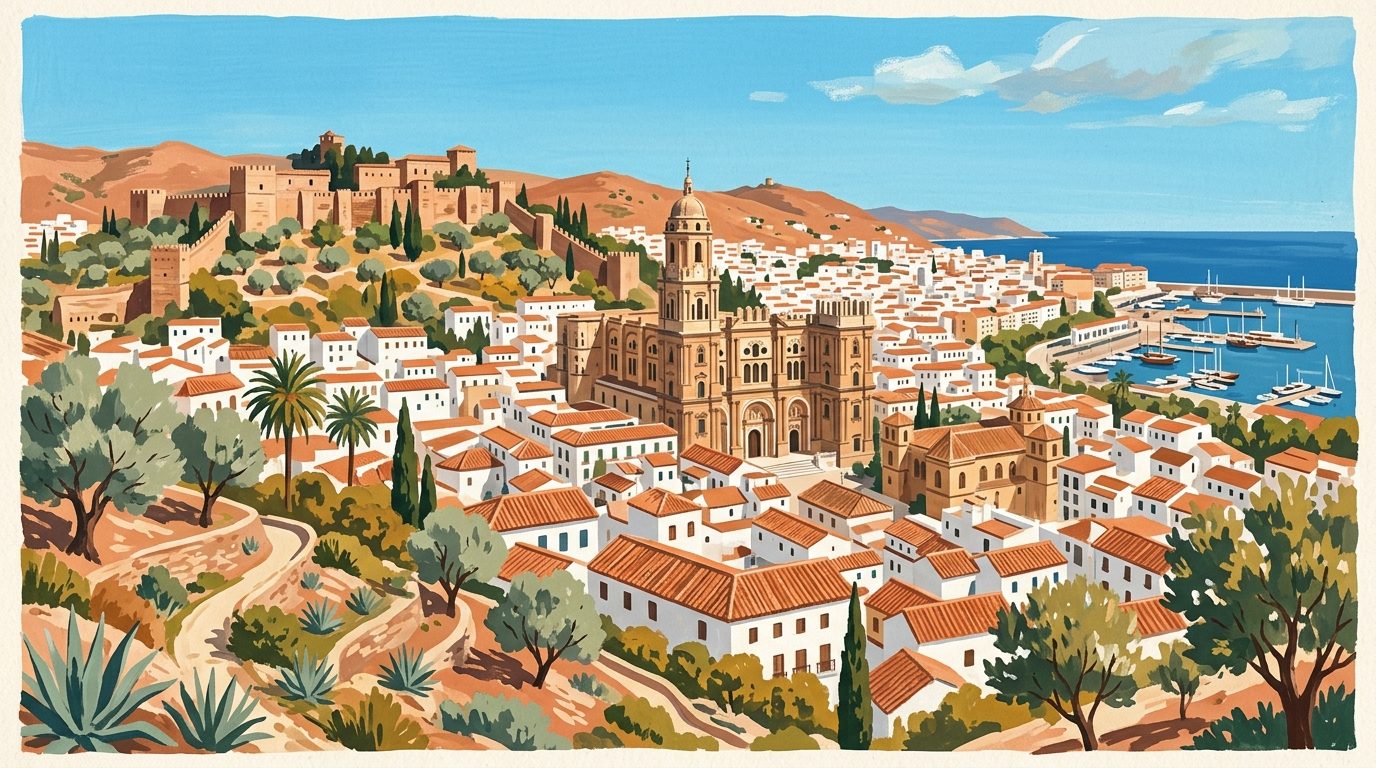
Once dismissed as a transit point for the Costa del Sol, Málaga has reinvented itself as a sophisticated cultural hub where Phoenician ruins sit alongside cutting-edge street art. It is a city that feels lived-in and authentic, where the scent of grilled sardines drifts from the beach into the polished marble streets of the old centre.
For decades, travellers only saw Málaga through the window of a taxi or a train carriage while speeding away from the airport towards the resorts of the west. To make that same mistake today would be to miss out on the most dynamic city in southern Spain. Málaga is a place of deep layers; it is one of the oldest continuously inhabited cities in the world, founded by the Phoenicians around 770 BC. You feel this age in the winding alleys of the Jewish quarter and the sun-bleached stones of the Roman theatre, yet the city refuses to be a museum piece.
The malagueños (residents of Málaga) have a reputation for being the most outgoing people in Andalucía, and the city’s atmosphere reflects this. Life here is lived outdoors, from the morning coffee at the Mercado de Atarazanas (the central market) to the late-night vermouths in wood-panelled taverns. The recent pedestrianisation of the historical centre, anchored by the elegant Calle Marqués de Larios, has created a city that is remarkably easy to navigate on foot. For anyone hunting for Picasso’s early sketches or looking for the perfect espeto (sardine skewer) on the beach, Málaga offers a maritime urbanity that is hard to find elsewhere in Spain.
Places to Explore
Alcazaba & Roman Theatre
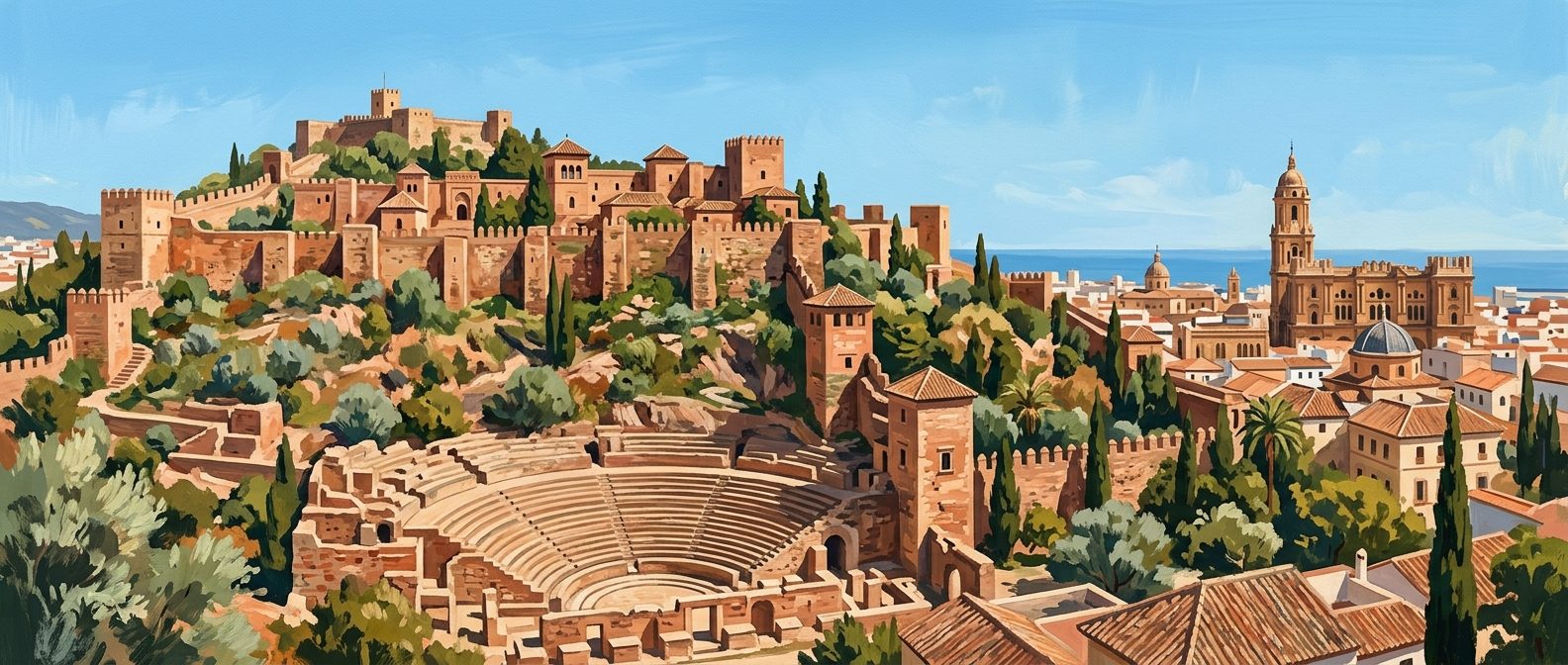
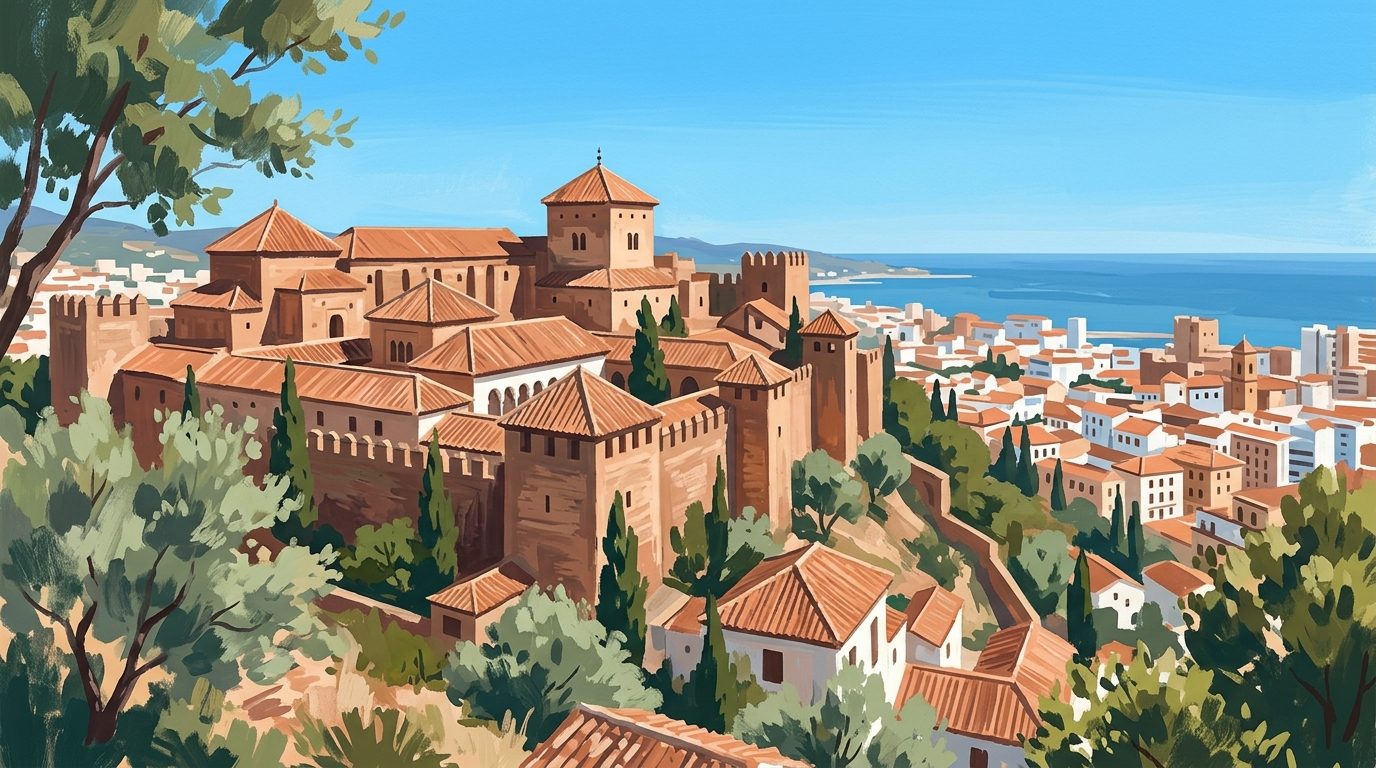
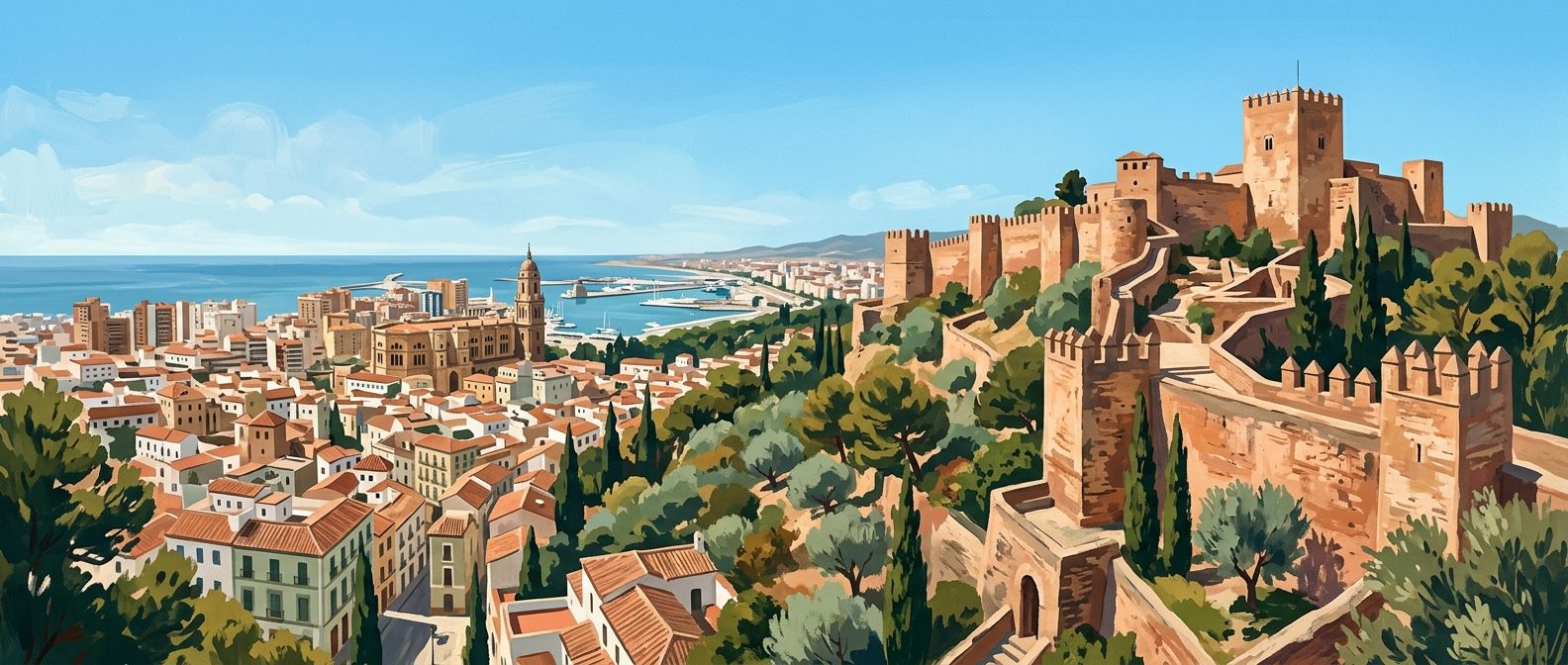
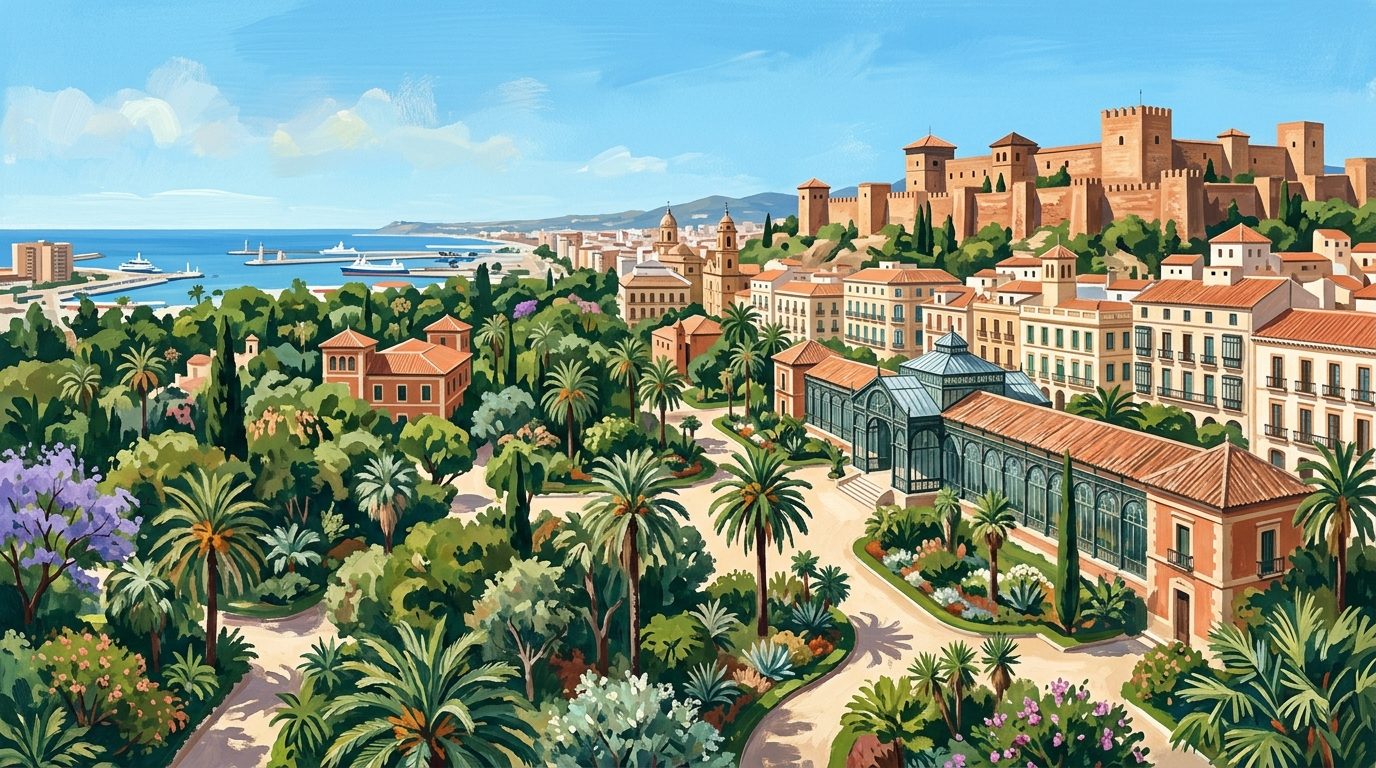
Standing at the foot of the Teatro Romano (Roman Theatre), you can see the entire timeline of the city in a single glance. The theatre, dating from the 1st century BC, sat forgotten for centuries until it was rediscovered in 1951. It now serves as a dramatic foreground to the Alcazaba, an 11th-century Moorish fortress that is arguably the best-preserved of its kind in Spain. While the Alhambra in Granada is grander, the Alcazaba feels more intimate. Walking through the Puerta de la Plaza de Armas, you enter a world of tranquil courtyards, jasmine-scented gardens, and intricate brickwork arches.
For those with a bit of stamina, the steep path continues upwards to the Castillo de Gibralfaro. This 14th-century castle was built to protect the Alcazaba and provides the most famous viewpoint in the city. From the ramparts, you can look down onto the circular bullring and the circular fountain of the Plaza de la Merced. To avoid the steepest part of the climb, take the number 35 bus from the Alameda Principal to the top and walk back down through the pine-shaded paths that overlook the harbour.
Read the full Alcazaba & Roman Theatre guide →
Picasso Museum & Soho Arts District
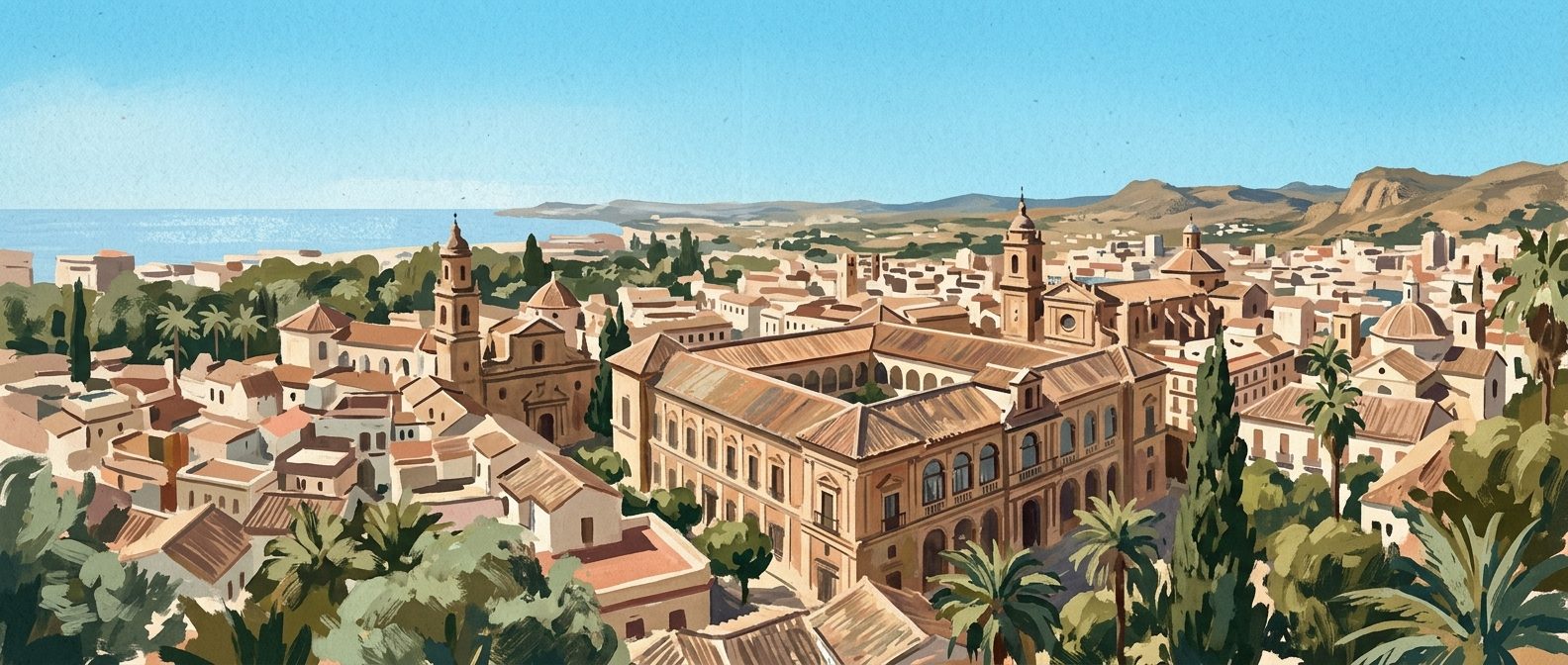
Málaga is the birthplace of Pablo Picasso, and the city finally did its most famous son justice with the opening of the Museo Picasso Málaga in 2003. Housed within the 16th-century Palacio de Buenavista, the collection focuses on the artist’s relationship with his home city. It is a manageable, thoughtfully curated space that avoids the overwhelming queues of its Parisian or Barcelonan counterparts. Just a few minutes away, you can visit his birthplace, the Casa Natal, in the Plaza de la Merced, which offers a glimpse into his early family life.
The city’s artistic energy isn’t confined to galleries. Across the Alameda Principal lies Soho, the Ensanche de Heredia. Once a neglected neighbourhood, it has been transformed by the MAUS (Málaga Arte Urbano Soho) project into an open-air gallery. Huge murals by international artists like Obey and D*Face scale the sides of apartment blocks. This is also where you will find the Centro de Arte Contemporáneo (CAC), housed in a former wholesale market, which consistently hosts some of the most provocative modern art exhibitions in Andalucía. The district is now a hub for independent craft beer bars and vintage clothing shops.
Read the full Picasso Museum & Soho Arts District guide →
Málaga Cathedral & Port Area
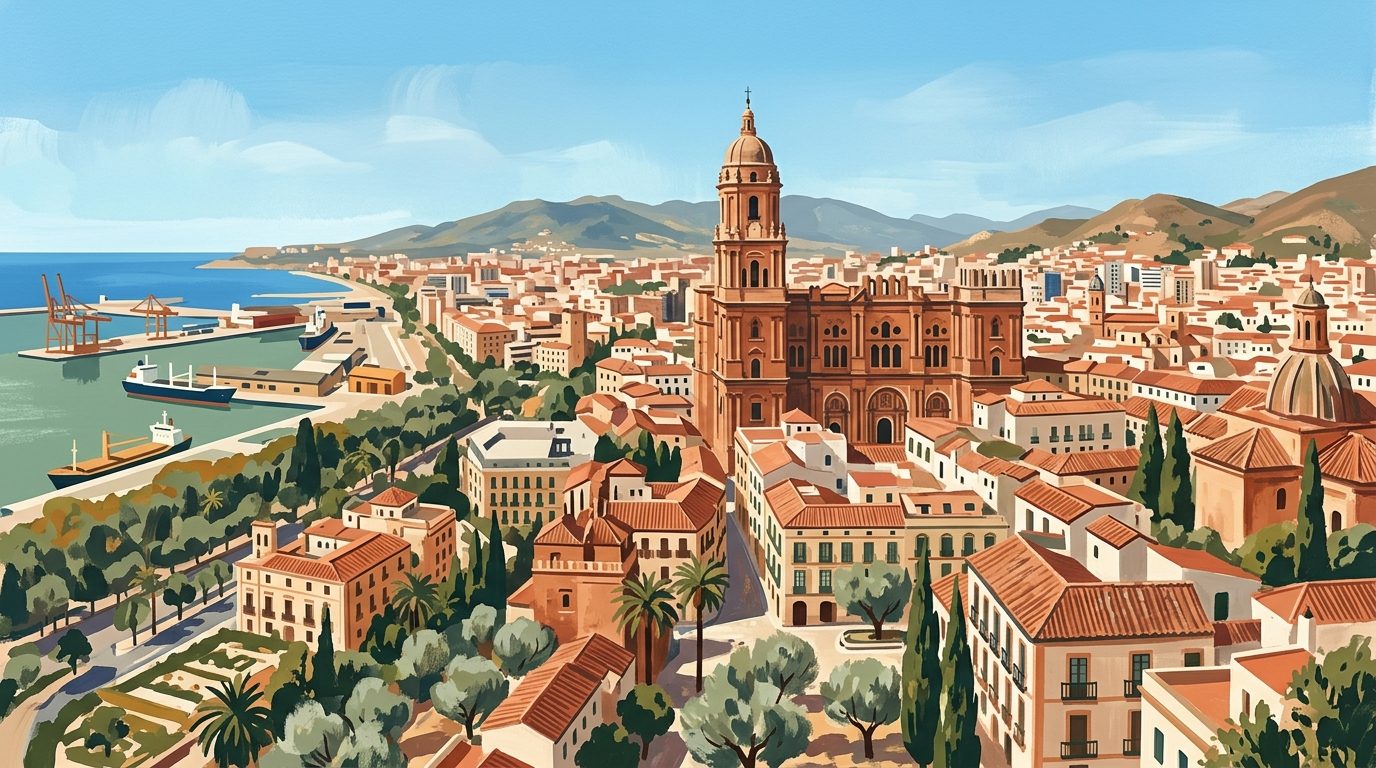
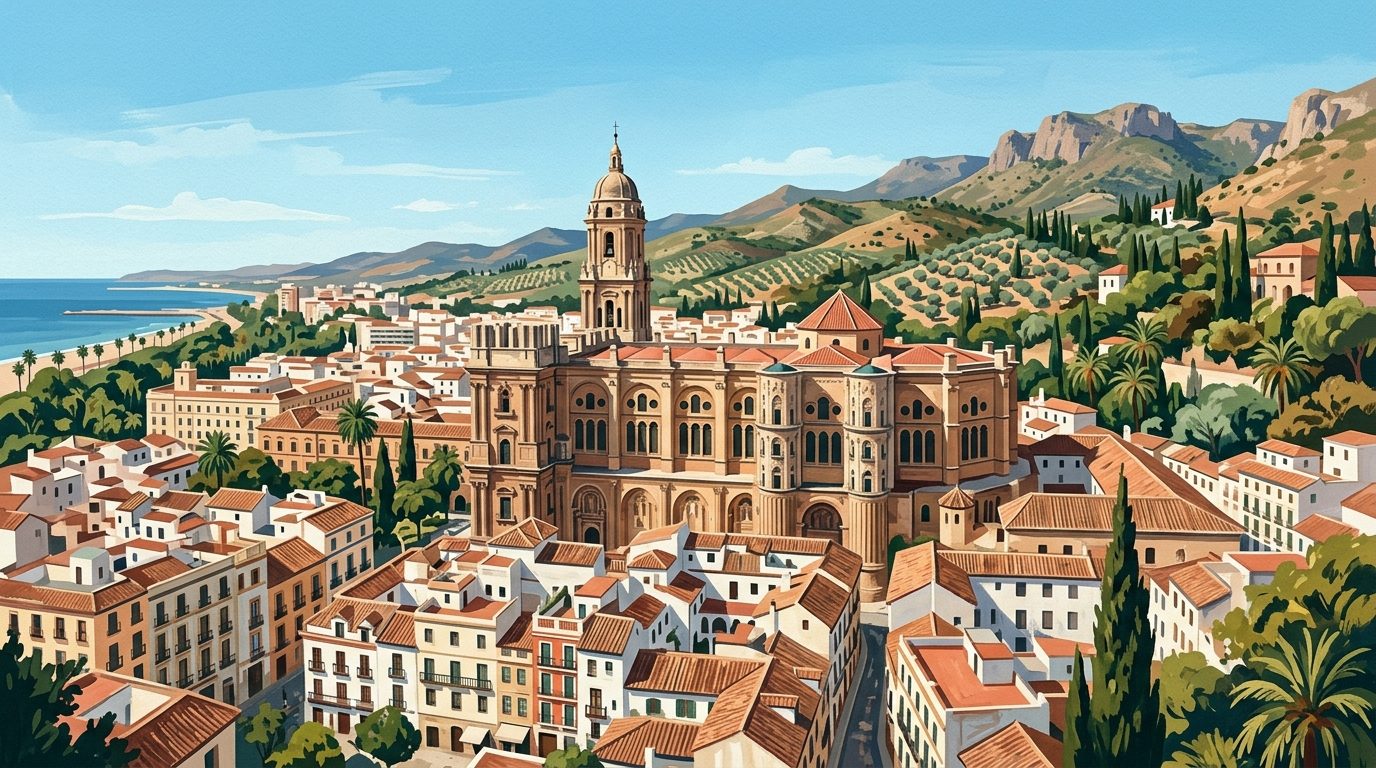
Málaga’s Cathedral is affectionately known as La Manquita (The One-Armed Lady) because the southern tower was never completed due to a lack of funds in the late 18th century. The interior is a towering example of Spanish Renaissance architecture, but the real draw is the rooftop tour. Climbing the narrow spiral staircase allows you to walk across the cathedral’s vaulted roof, offering a perspective on the city’s skyline that is second to none. Just outside, the Plaza del Obispo is the perfect spot to sit with a coffee and admire the cathedral’s ornate baroque facade.
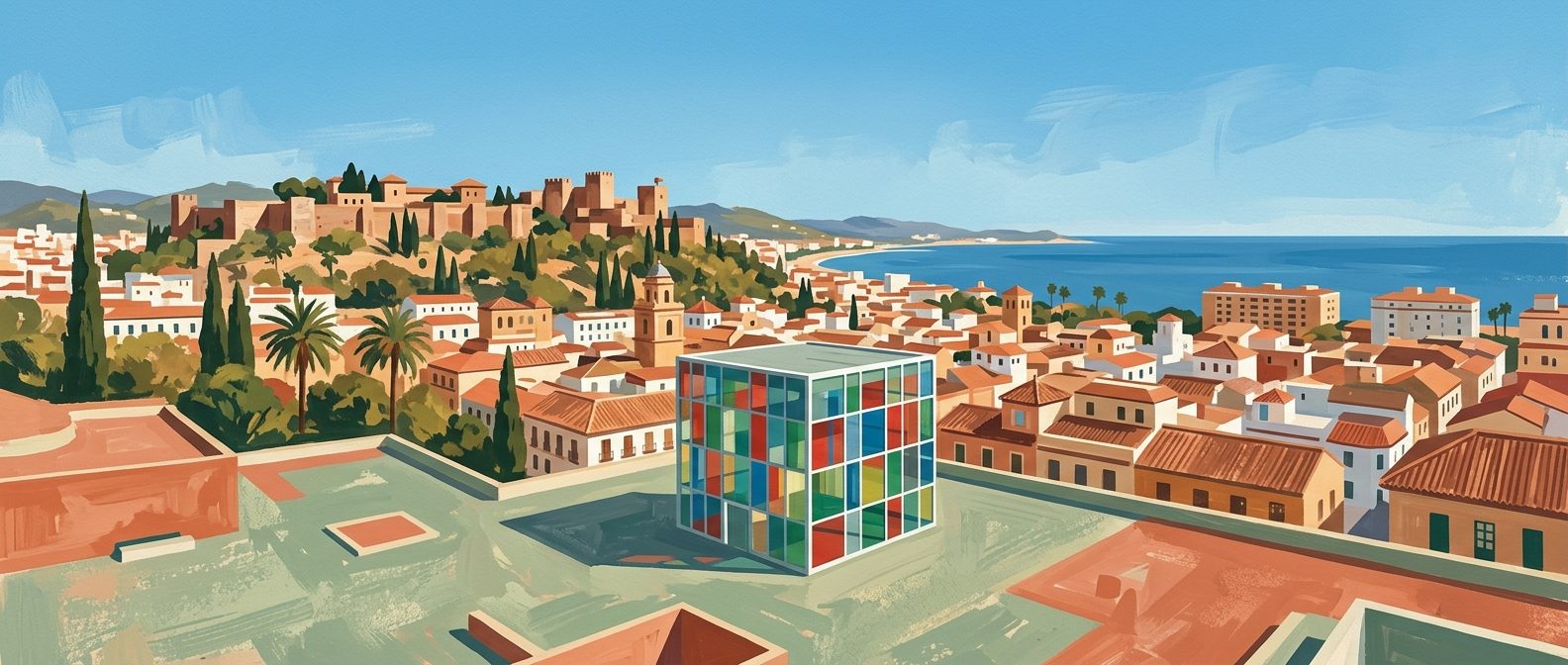
From the old town, a short walk leads to the Muelle Uno and the Palmeral de las Sorpresas. This redeveloped port area is a triumph of urban design, replacing old industrial docks with a sleek white promenade shaded by a canopy of palms. At the corner of the quay sits the colourful glass cube of the Centre Pompidou Málaga, the first branch of the famous Parisian gallery outside France. The port is where the city feels most international, with yachts moored alongside high-end restaurants and the Farola (the city’s lighthouse) standing watch at the end of the pier.
Read the full Málaga Cathedral & Port Area guide →
Málaga Beaches
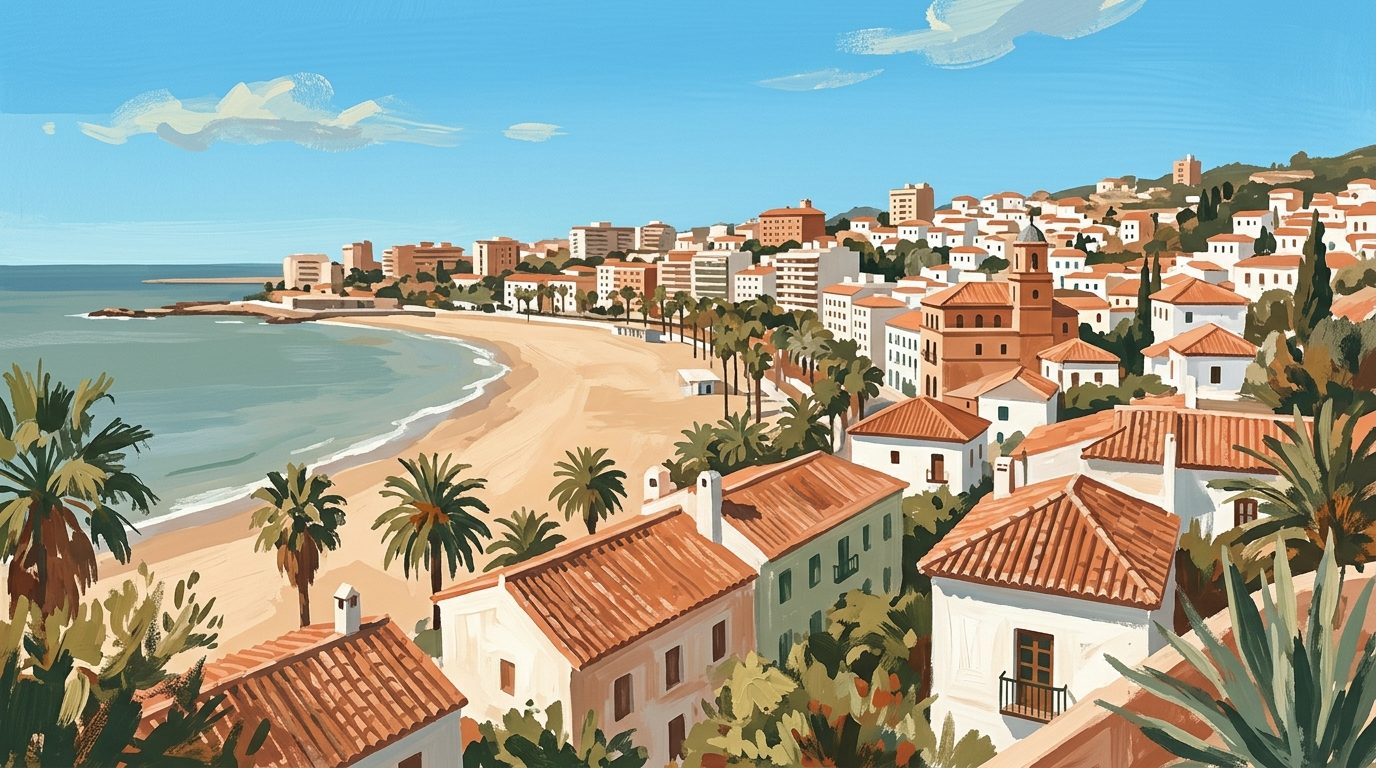
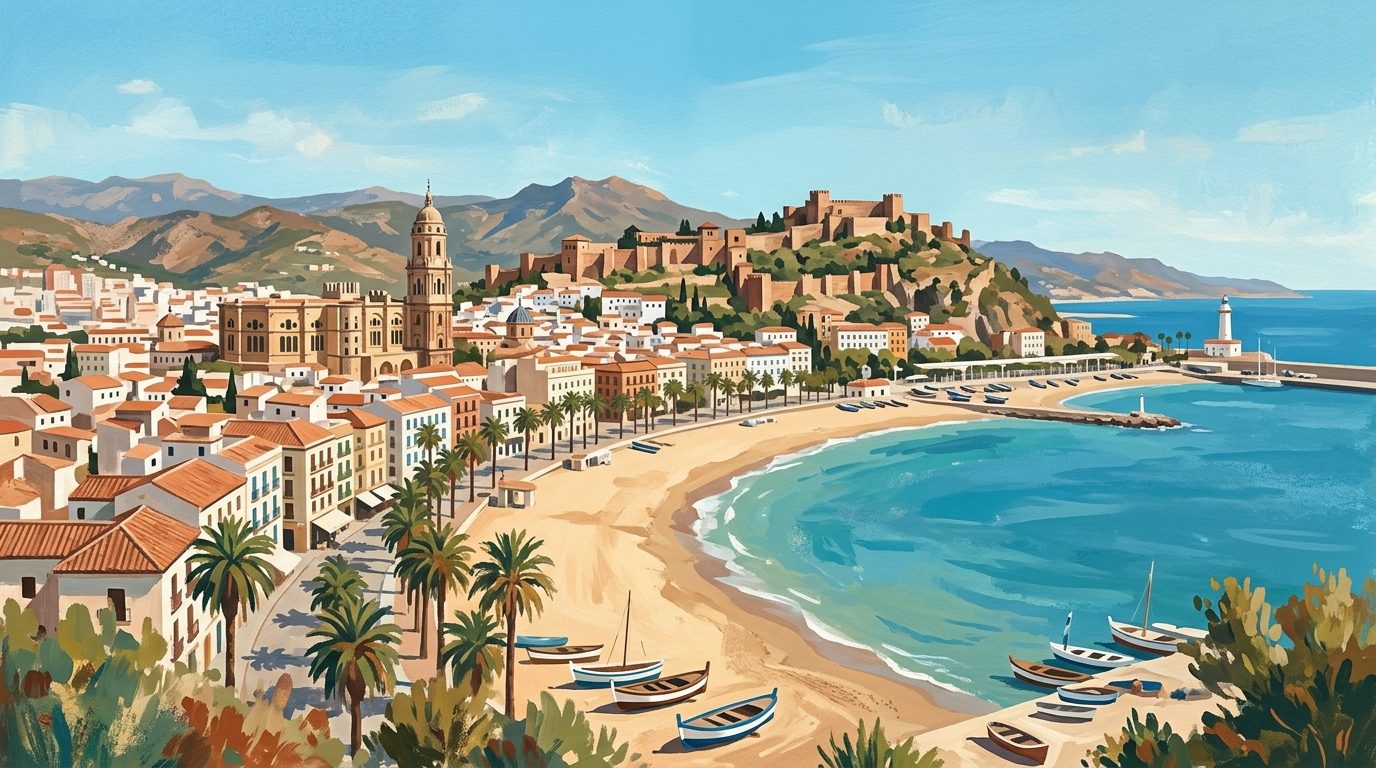
The closest beach to the centre is La Malagueta. While it is convenient for a quick dip, it can become incredibly crowded during the summer months. To find the true soul of Málaga’s coast, head east towards the old fishing districts of Pedregalejo and El Palo. You can reach them via a pleasant forty-minute walk along the promenade or a ten-minute bus ride. These areas retain a village-like feel, with low-rise colourful houses and small wooden boats resting on the sand.
The main reason to visit these eastern beaches is the food. This is the home of the chiringuito (beach bar) in its purest form. You won't find white tablecloths here; instead, you’ll find pits of sand inside old boats where amoradores (skewer masters) grill sardines over olive wood fires. Order an espeto de sardinas and a cold glass of Victoria, the local beer, at a place like Miguelito El Cariñoso. The ritual of eating fresh fish with your fingers while the sea air cools the heat of the day is the quintessential Málaga experience.
Read the full Málaga Beaches guide →
Eating & Drinking in Málaga City
Dining in Málaga is about variety rather than formality. Start your evening at Antigua Casa de Guardia, the city’s oldest tavern. There are no seats; you stand at the long wooden bar while the barmen pour sweet Málaga wine or dry vermouth directly from the barrels, chalking your bill onto the counter in front of you. For something more substantial, head to Cortijo de Pepe near Plaza de la Merced. It is a classic institution where the charcoal-grilled octopus and lomo en manteca (pork loin in lard) are legendary.
If you want to experience the local buzz, La Tranca on Calle Carretería is essential. It is often packed to the rafters with locals singing along to old Spanish pop songs while eating empanadas and drinking vermut de grifo (vermouth on tap). For a more modern take on tapas, Uvedoble Taberna near the cathedral offers refined dishes like black noodles with squid. Don't leave without visiting the Mercado de Atarazanas during the day. The tapas bars inside the market, such as Bar Mercado Atarazanas, serve the freshest seafood in the city, bought from the stalls just a few metres away.
Where to Stay
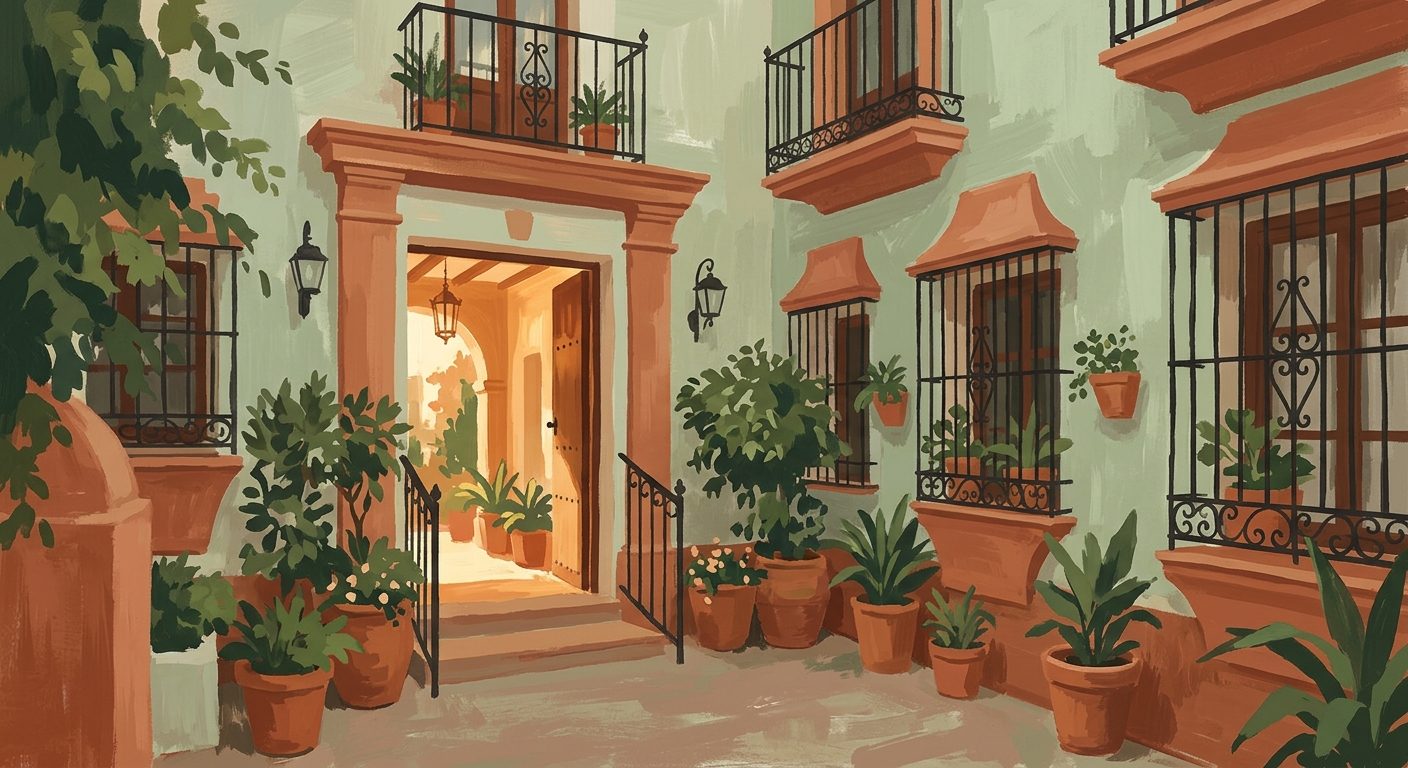
For a dose of history, Palacio Solecio in the Jewish Quarter is a beautifully restored 18th-century palace that retains its original courtyard and grand staircase while offering very modern comforts. If you prefer to be near the water, the Only YOU Hotel Málaga sits at the intersection of the port and the main shopping street, offering a stunning rooftop pool and views over the harbour.
Those seeking a quieter stay should look at Villa de la Viña or other boutique options in the Limonar district, a residential area with grand villas just a short walk from the beach. For the best views in the city, the Parador de Gibralfaro is hard to beat; located next to the castle, it overlooks the bullring and the Mediterranean, though you will need to rely on taxis or the bus to get up and down the hill into the centre.
Getting There & Around
Málaga-Costa del Sol Airport is just 8km from the city centre. The easiest way to reach the middle of town is the C1 Cercanías train, which runs every 20 minutes and takes you to Málaga Centro Alameda in just 12 minutes. Once in the city, you will rarely need public transport. The historical centre is almost entirely pedestrianised and very flat. For longer distances, the local bus network (EMT) is efficient. If you are heading to the beaches of Pedregalejo, look for the number 3 or 11 buses which run frequently along the coast.
Best Time to Visit
Málaga is a year-round destination, but May and June are particularly pleasant before the intense heat of mid-summer arrives. September and October offer warm sea temperatures and fewer crowds. If you want to see the city at its most theatrical, visit during Semana Santa (Easter week), when massive tronos (thrones) are carried through the streets. Alternatively, the Feria de Agosto in August is a week-long party of flamenco, sherry, and dancing, though be prepared for high temperatures and a very crowded city centre.