
Things to do · Cádiz
Discover the Enchanting Pueblos Blancos: Andalucía's Whitewashed Gems Await
Journey through Andalucía's iconic Pueblos Blancos, where historic whitewashed villages cling to dramatic hillsides, offering wide views and authentic Spanish charm.
By Dan · Updated 16 July 2026 · 5 min read
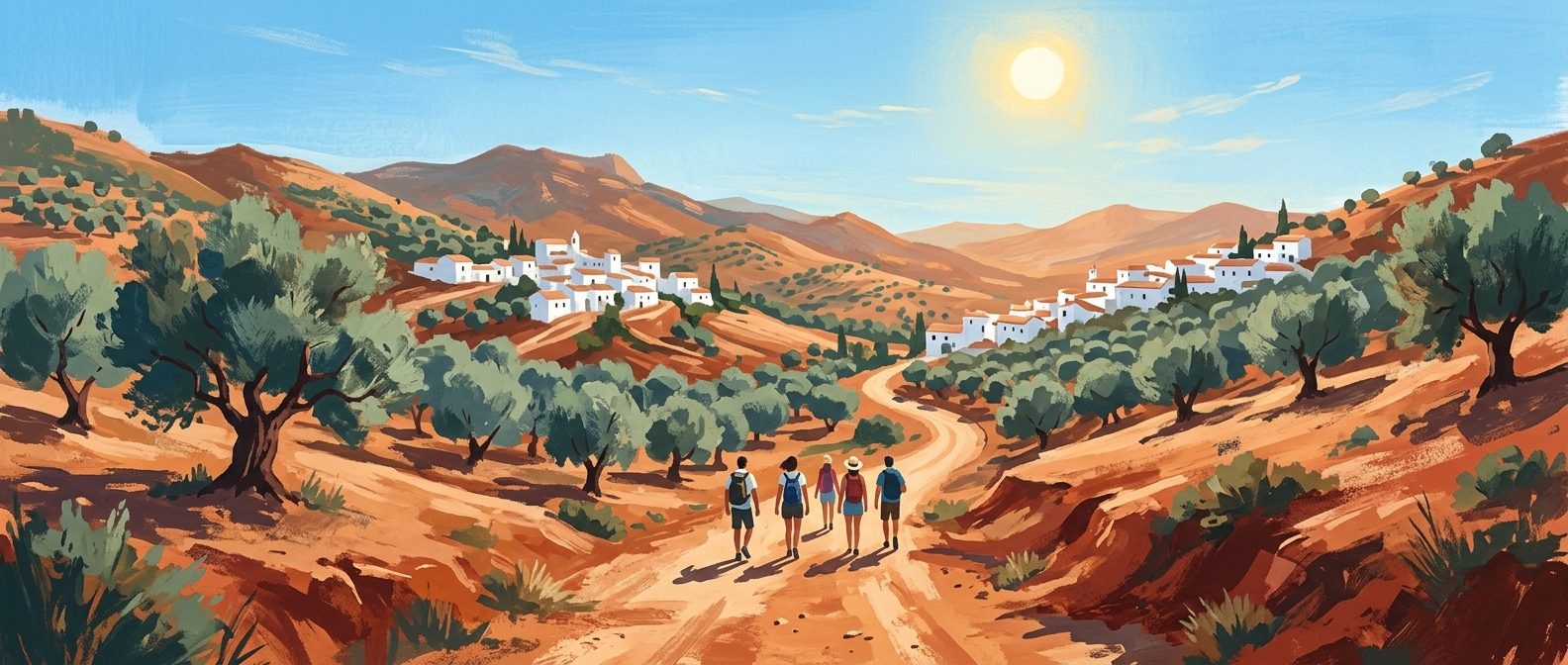
Plan this as a driving route with fewer stops
The white villages are close on a map but slow on the road. A good day usually means two or three villages, not six: for example Zahara de la Sierra, Grazalema and Setenil, or Arcos, Vejer and Medina Sidonia on a separate Cádiz-focused route.
Use this page as an overview, then switch to individual village guides for parking, hill climbs, restaurant timing and castle access. Public transport between villages is limited, so confirm bus times before relying on them.
Journey through Andalucía's iconic Pueblos Blancos, where historic whitewashed villages cling to dramatic hillsides, offering wide views and authentic Spanish charm.
Andalucía, a land steeped in history, passion, and expressive culture, holds many treasures. Among its most attractive and compelling are the Pueblos Blancos (the White Villages). These whitewashed settlements, primarily set within the Sierra de Grazalema Natural Park and its surroundings in Cádiz and Málaga provinces, offer a glimpse into a timeless Andalucía. Driving through winding roads, you’ll encounter clusters of dazzling white houses, their terracotta roofs contrasting beautifully against the often-rugged backdrop of limestone mountains and verdant valleys. A journey through the heart of these enchanting villages reveals their unique character, rich heritage, and the memorable experiences they offer. From ancient castles guarding strategic passes to homes carved into rock faces, the Pueblos Blancos of Andalucía are more than just pretty facades; they are living testaments to centuries of Moorish influence, Christian conquest, and resilient community spirit. Prepare to be charmed by their narrow, flower-filled streets, welcoming plazas, and the genuine warmth of their inhabitants.
The Enduring Allure of Whitewashed Walls
The distinctive whitewashed appearance of these villages is not merely aesthetic; it's a practical tradition born of centuries. The lime wash, a mix of water and calcium carbonate, acts as a natural disinfectant and helps to keep homes cool during Andalucía's scorching summers. This simple yet effective practice, coupled with the strategic defensive positions these villages often occupy atop craggy peaks, dates back to their Moorish origins. Many were built as fortresses, part of a frontier defence system during the centuries of Christian Reconquista, leading to their often dramatic and commanding positions.
Navigating the Heart of the Pueblos Blancos: Sierra de Grazalema
The Sierra de Grazalema Natural Park is the epicentre of the Pueblos Blancos, offering a concentrated cluster of these architectural marvels amidst some of Andalucía's most spectacular landscapes. This is where your exploration truly begins.
Zahara de la Sierra: A Jewel by the Reservoir
Perched dramatically above an azure reservoir, Zahara de la Sierra is crowned by a magnificent Moorish castle and watchtower. The ascent to the castle offers panoramic views that stretch for miles across olive groves and the shimmering lake below. Wander its steep, cobbled streets, explore the Church of Santa María de la Mesa, and savour local olive oil, for which the region is renowned.
Grazalema: The Rainiest Village in Spain
Despite being known as Spain's rainiest village, Grazalema retains an undeniable charm. Set among towering peaks, it's a paradise for hikers and nature lovers. The village itself has quiet squares, a bullring, and numerous artisan shops selling wool products, a nod to its long tradition of sheep farming. Don't miss trying the local sopa de Grazalema (a rich local soup) or the exquisite queso Payoyo, a cheese made from local sheep and goat's milk.
Setenil de las Bodegas: Homes Beneath a Rock
Perhaps the most unique of all the Pueblos Blancos, Setenil de las Bodegas defies conventional architecture. Many of its houses are built directly into the rock face, making the overhanging cliff a natural roof. Stroll along Calle Cuevas del Sol and Calle Cuevas de la Sombra to truly appreciate this fascinating construction. The village is also famous for its high-quality meat products, especially chorizo and cured hams.
Olvera: The Gateway to the Route
Dominating the landscape with its imposing castle and neoclassical church, Olvera is often considered the gateway to the Pueblos Blancos route from the north. Its elevated position offers stunning vistas, particularly at sunset. It's also a great starting point for the Vía Verde de la Sierra, a popular cycling and walking trail built on a disused railway line.
Beyond the Sierra: Other Notable White Villages
- Arcos de la Frontera: A designated National Historic-Artistic Monument, Arcos is often called the "balcony of Andalucía" for its wide views from its high rocky outcrop. Its old town is a labyrinth of narrow streets, culminating in the Plaza del Cabildo with its castle and Basílica Menor de Santa María de la Asunción.
- Ronda: While not strictly a "white village", Ronda's dramatic setting atop a gorge (El Tajo) and its iconic Puente Nuevo bridge make it an essential stop on any Pueblos Blancos itinerary. Its bullring is one of Spain's oldest and most beautiful, and its historic centre retains much of its Andalucían charm.
Practical Information for Your Journey
- Getting There: The most practical way to explore the Pueblos Blancos is by car. Rental cars are readily available at major airports like Málaga (AGP), Sevilla (SVQ), and Jerez (XRY). Public transport between villages is limited and infrequent.
- Best Time to Visit: Spring (April to May) and Autumn (September to October) offer the most pleasant weather for exploring, with wildflowers blooming in spring and milder temperatures. Summers can be very hot, though the whitewashed walls do help. Winters are generally mild but can be wet, particularly in Grazalema.
- Accommodation: You'll find charming boutique hotels, rural guesthouses (casas rurales), and apartments in most villages. Booking in advance, especially during peak season, is advisable.
- Prices: Expect to pay from €12 to €18 for a main course (or as a starting price for a menú del día) at a typical village restaurant, and €2 to €5 for a coffee or soft drink. Entrance fees to castles or museums are usually modest, ranging from €2 to €5. (Check local venues before travelling).
- Driving Tips: Roads between villages are generally well-maintained but can be winding and narrow. Drive carefully and be mindful of local traffic. Parking can be challenging in some village centres; look for designated car parks on the outskirts.
Planning Your Pueblos Blancos Adventure
To truly appreciate the Pueblos Blancos, embrace a slower pace of travel. Allow at least 3 to 5 days to explore a selection of villages, perhaps basing yourself in two different locations to minimise driving. Combine historical exploration with hiking in the natural park or savouring local gastronomy. Consider visiting a local olive oil mill or a cheese producer for a truly authentic experience. Nearby, the lively city of Jerez de la Frontera, famous for its sherry wine and flamenco, offers a fantastic contrast to the tranquil villages. A visit to the historic city of Cádiz, Europe's oldest continuously inhabited city, is also within easy reach. The Pueblos Blancos are a journey into the soul of rural Andalucía, promising lasting memories and a deeper connection to this remarkable region.
Last reviewed: 21 June 2026 · Editorial policy
Related guides
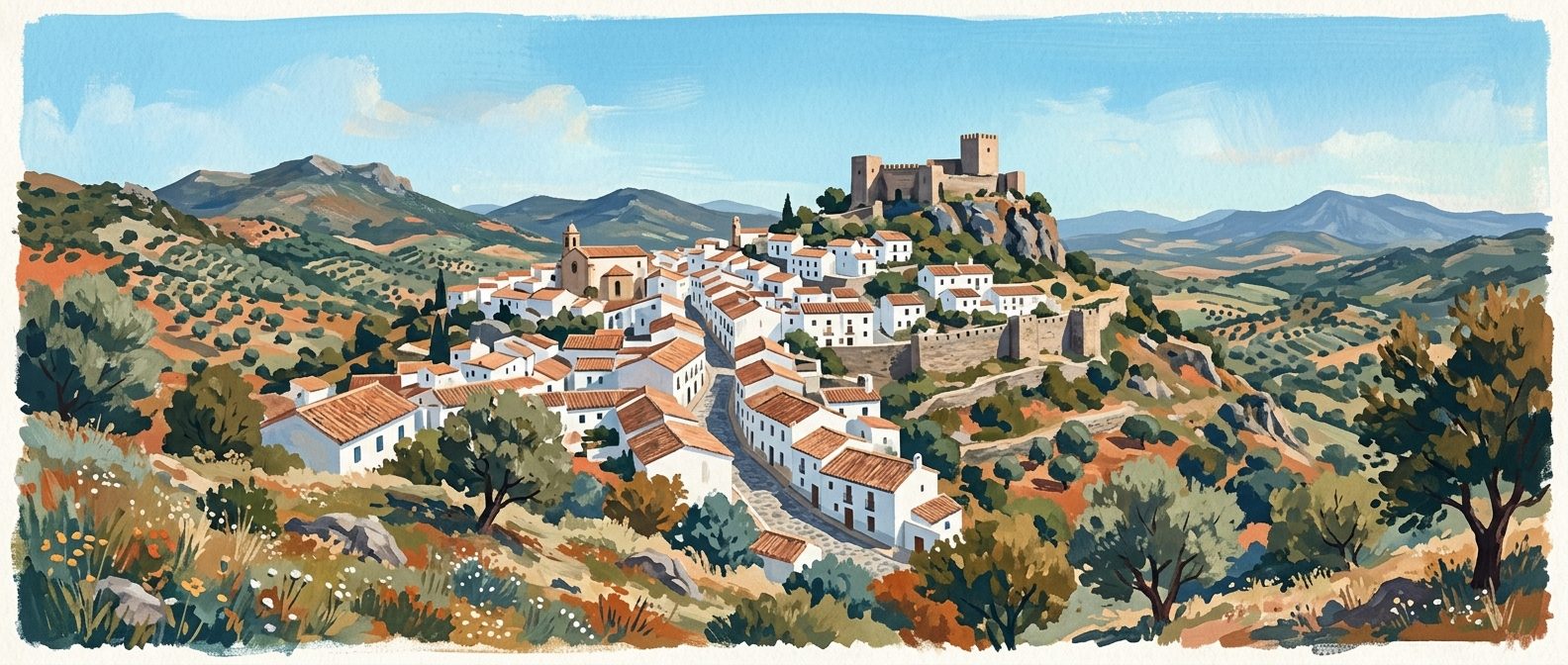
Jimena de la Frontera: A Frontier Stronghold in the Cork Oak Forests
With its commanding Moorish castle and gateway status to the vast Alcornocales Natural Park, Jimena de la Frontera is a quiet alternative to the busier white villages of Cádiz.
6 min read
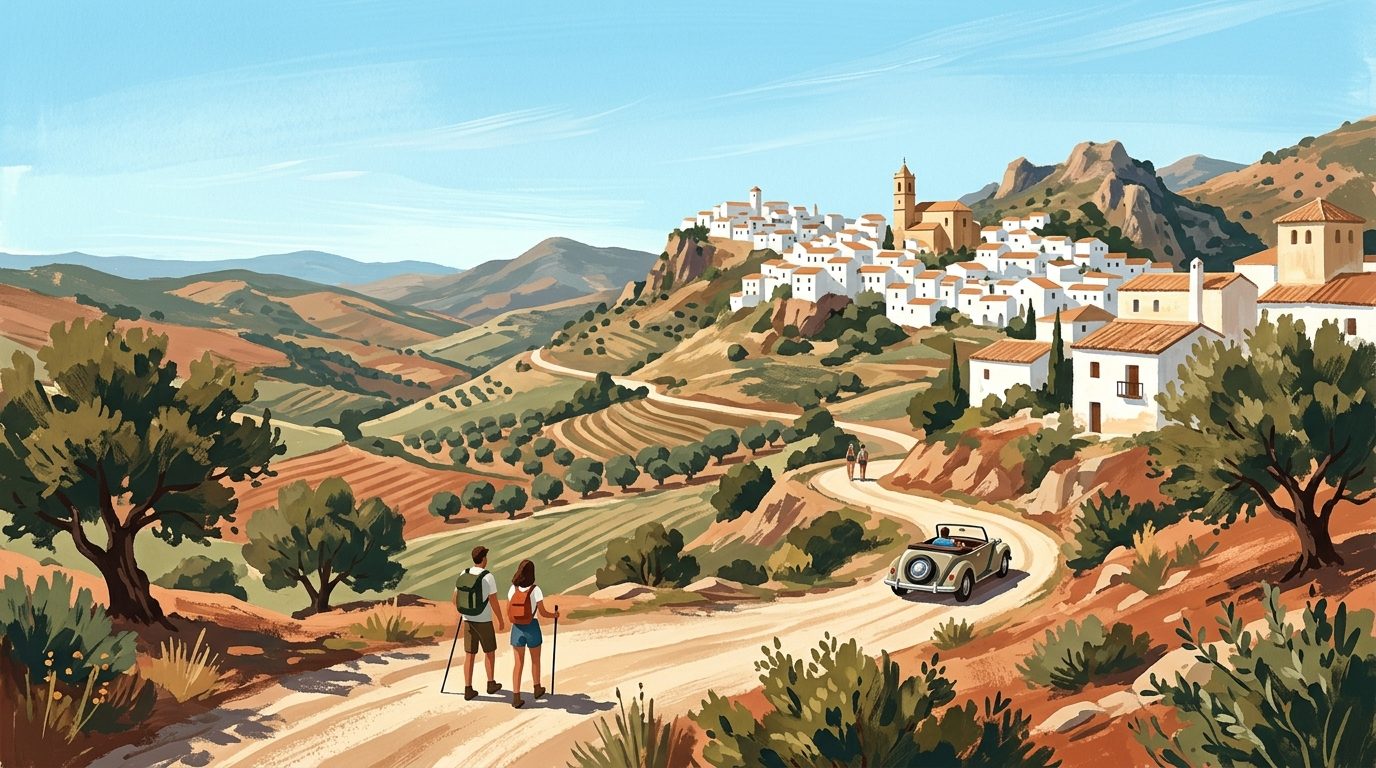
Andalucía's Dazzling White Villages: A Journey Through Cádiz and Málaga
Discover the enchanting White Villages of Andalucía, from the dramatic clifftop settings of Cádiz to the charming hillside gems of Málaga. Explore timeless traditions, long history, and dramatic landscapes.
6 min read
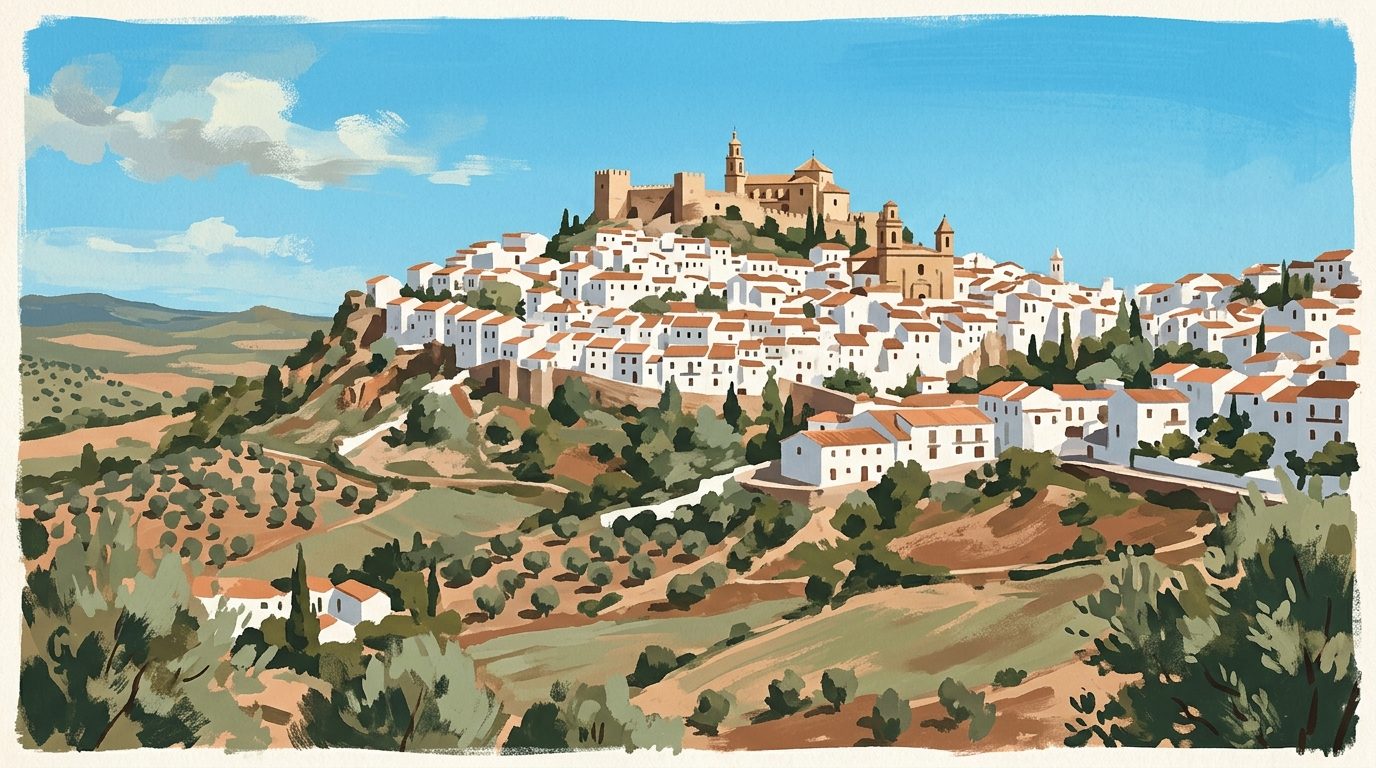
A Guide to Olvera: The Dramatic Silhouette of the Sierra de Cádiz
Discover Olvera, the dramatic white village of Cádiz known for its spectacular hilltop castle, grand neoclassical church, and the scenic Vía Verde de la Sierra.
6 min read
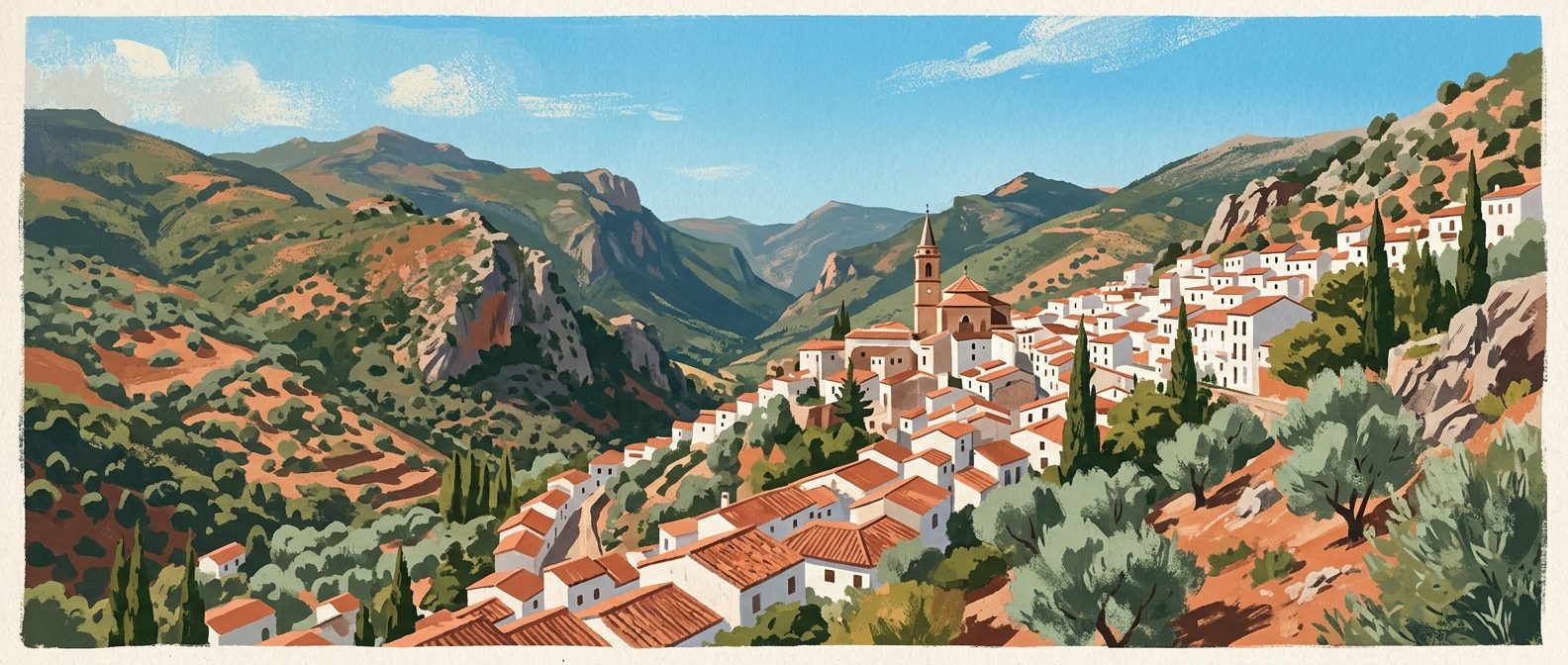
Ubrique: The Industrial Heart of the Sierra de Cádiz
Discover the leather-working capital of Spain, where high-end luxury manufacturing meets ancient Roman ruins and dramatic mountain scenery in the Sierra de Cádiz.
6 min read
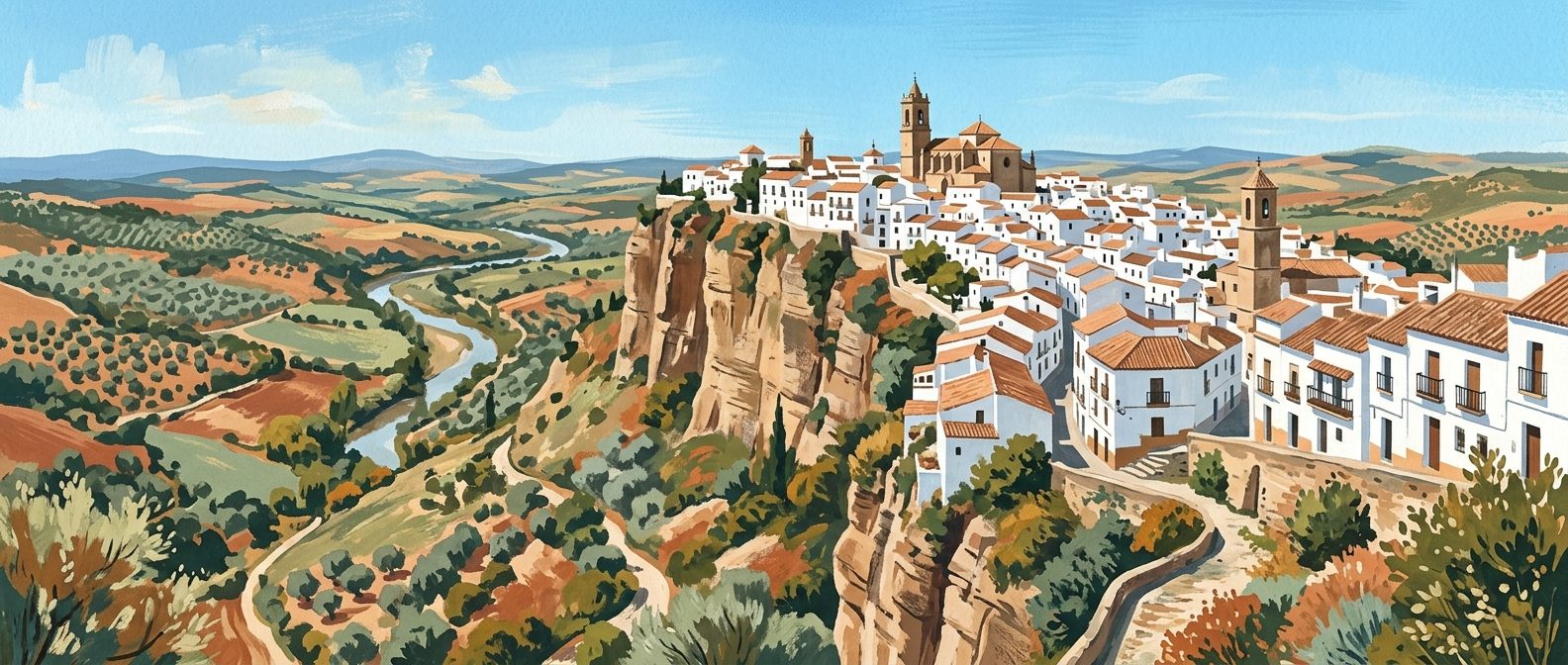
Exploring Arcos de la Frontera: The Gateway to the White Villages
Perched on a sheer limestone ridge, Arcos de la Frontera provides a dramatic introduction to the White Villages of Cádiz, where narrow streets end in vertical drops.
5 min read
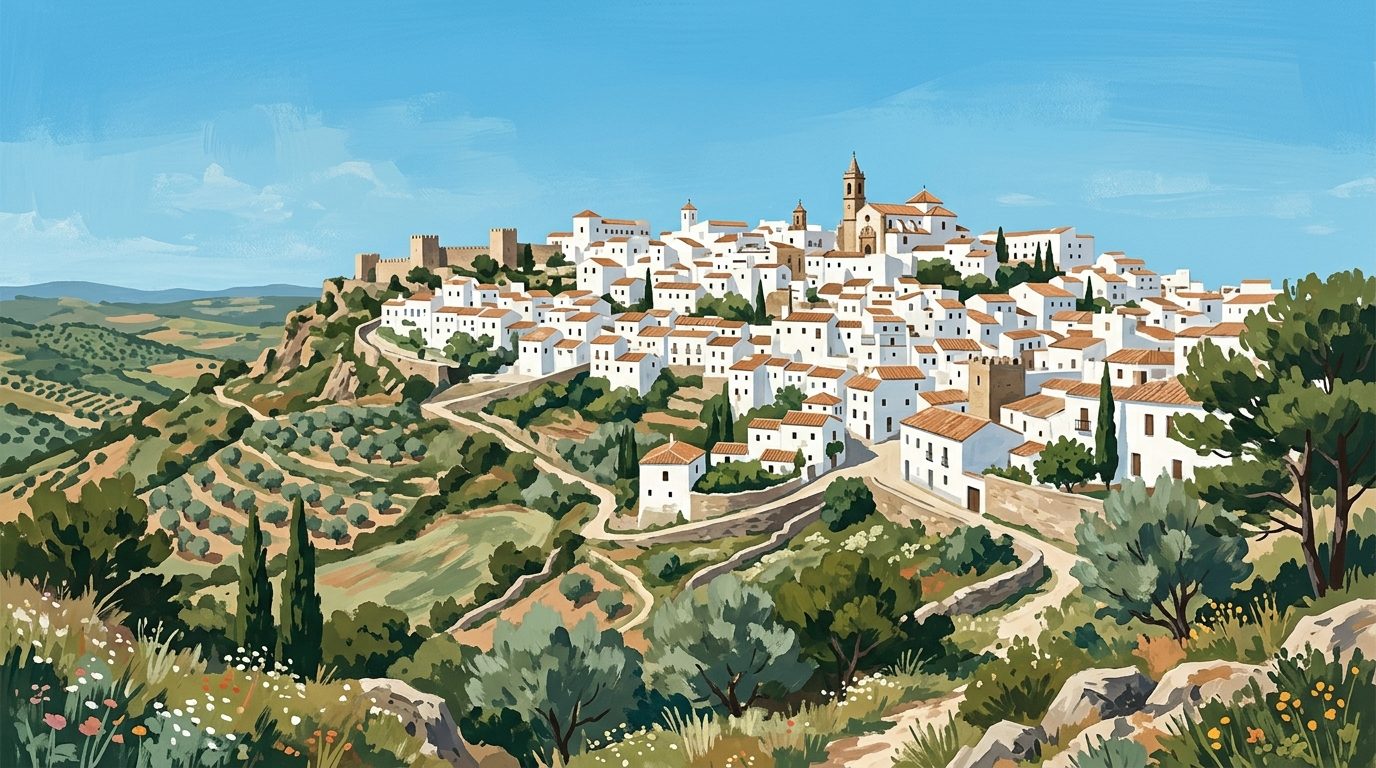
A Guide to Vejer de la Frontera: The Hilltop Sentinel of Cádiz
Perched on a limestone cliff overlooking the Atlantic, Vejer de la Frontera is a perfectly preserved white village where Moorish history and modern gastronomy meet.
6 min read
More from Cádiz

The Ultimate Guide to Golf in Cádiz Province
Discover the finest golf courses, resorts, and practical tips for planning your next golf holiday in the province of Cádiz. From championship layouts to essential details on green fees and club hire, everything you need is covered.
11 min read
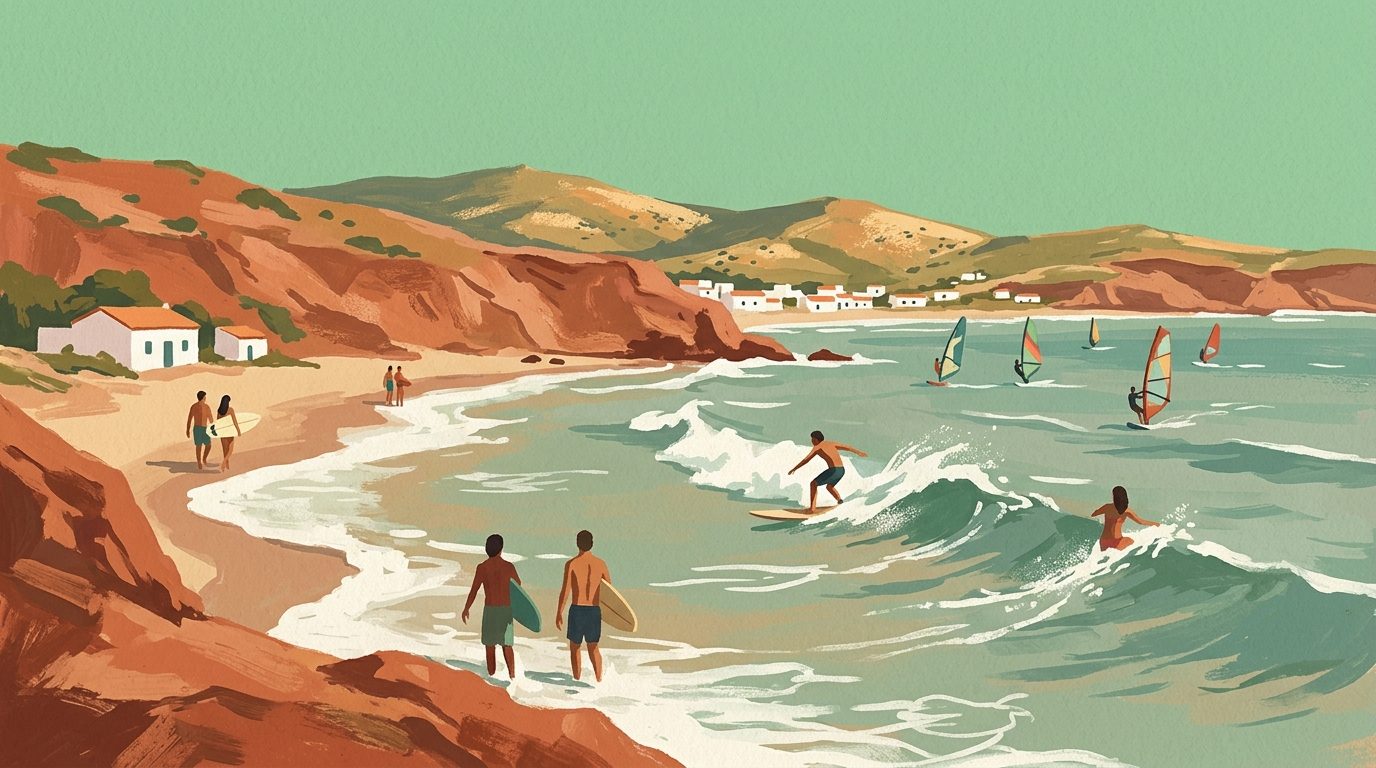
Riding the Atlantic: A Guide to Water Sports in Cádiz
Discover the best kitesurfing, surfing, and whale watching across the province of Cádiz, from the wind-whipped shores of Tarifa to the Atlantic rollers of El Palmar.
6 min read
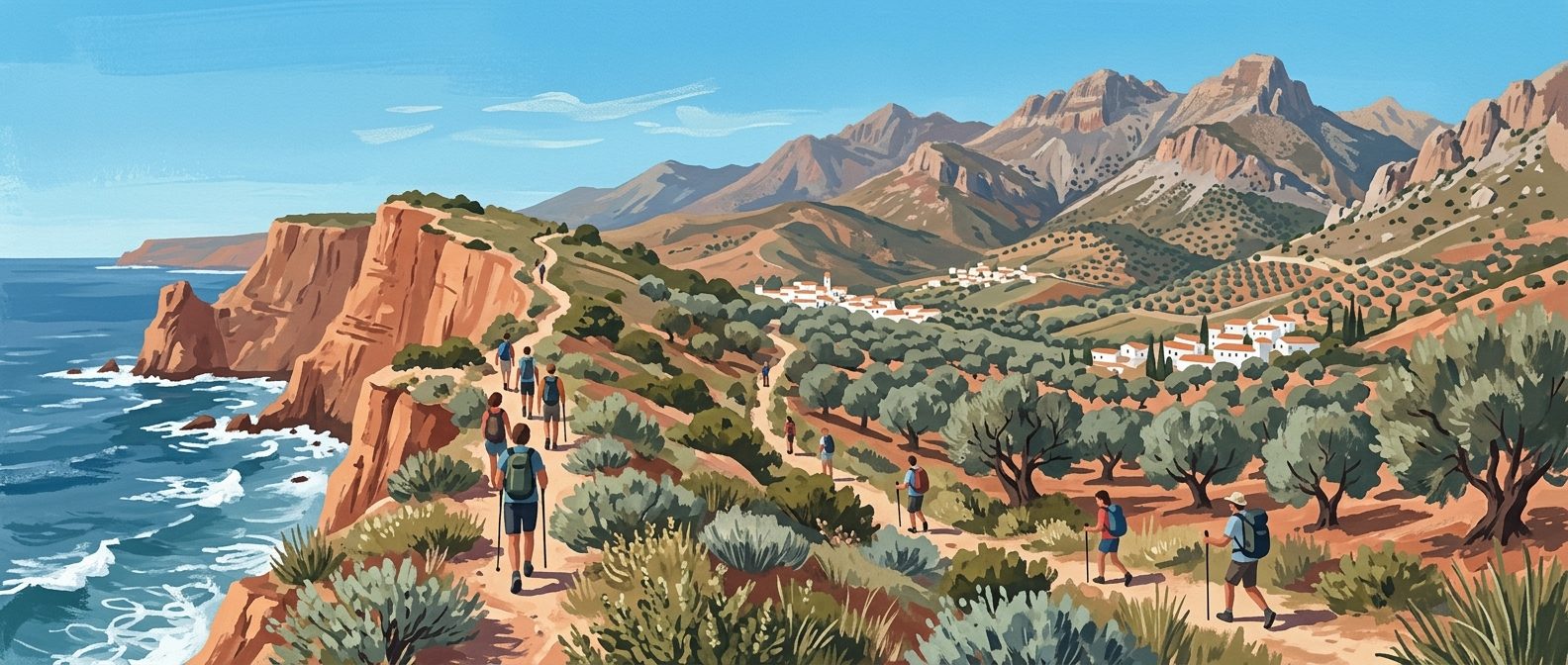
Hiking and Walking in Cádiz: From Atlantic Cliffs to Mountain Peaks
Discover the diverse landscapes of Cádiz, from the high-altitude Spanish Fir forests of Grazalema to the dramatic coastal cliffs of Barbate.
6 min read
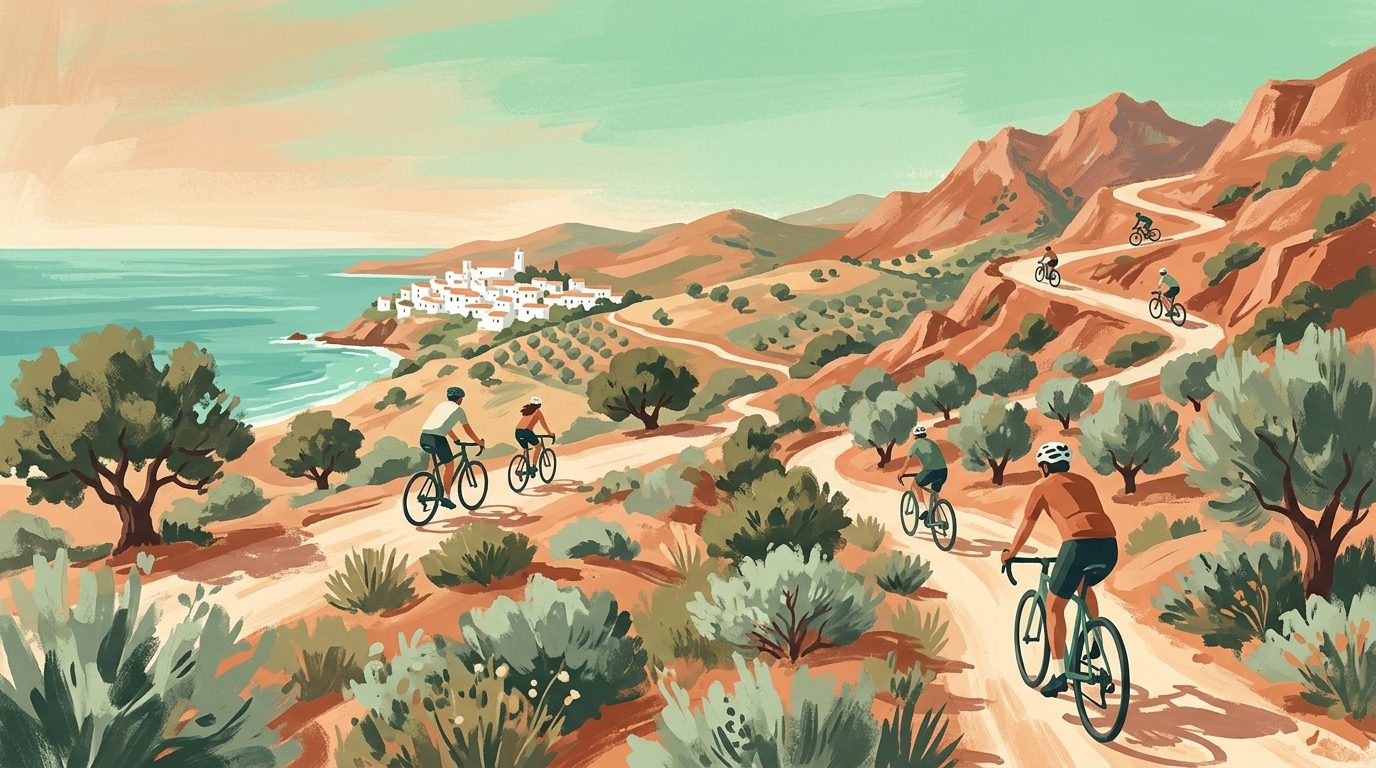
Cycling in Cádiz: A Guide to the Best Coastal and Mountain Routes
From the family-friendly Vía Verde de la Sierra to the challenging climbs of the Grazalema mountains, Cádiz province is a premier destination for cyclists of all levels.
6 min read
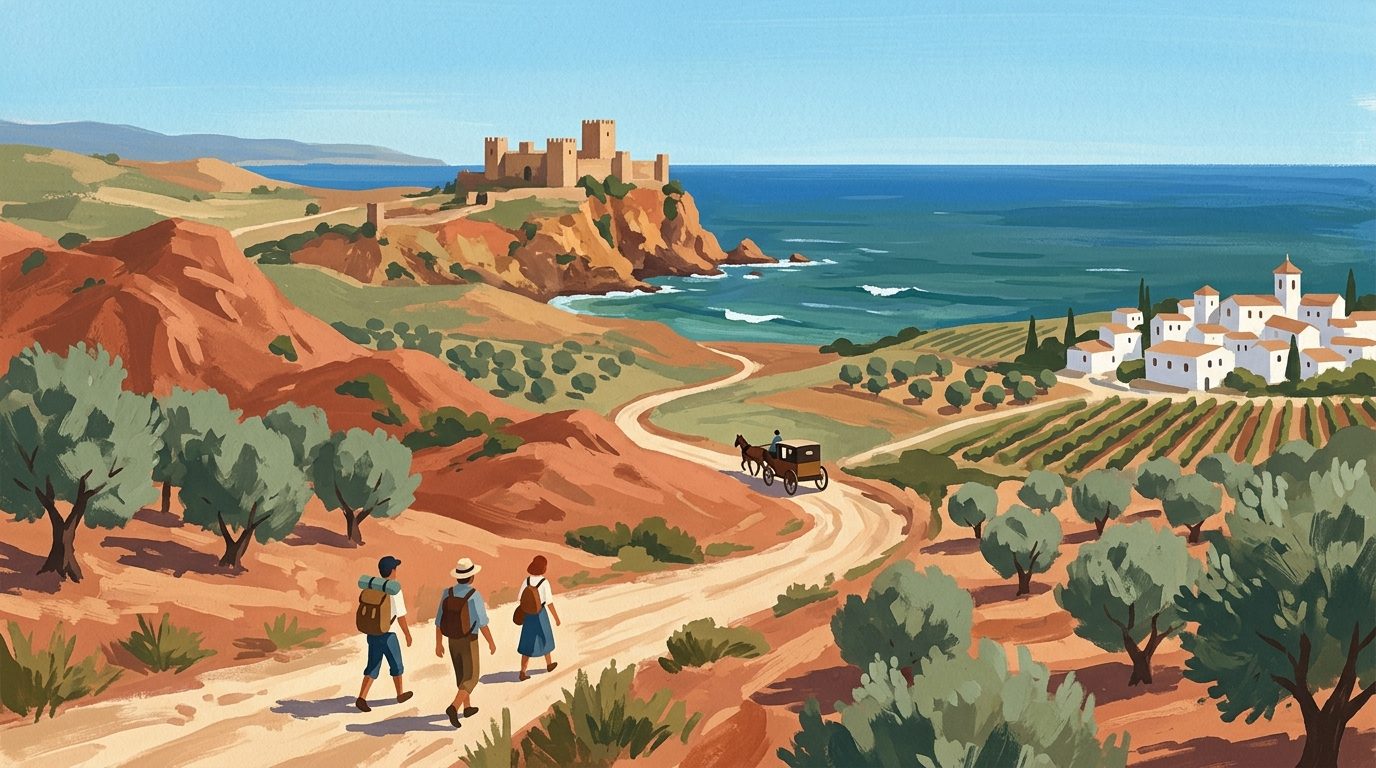
Day Trips from Cádiz: Coastal Castles and Sherry Cities
Discover the best day trips from Cádiz, featuring world-class sherry bodegas in Jerez, the hilltop beauty of Vejer, and the ancient Roman ruins of Bolonia.
7 min read
Newsletter
More stories from Andalucía
Weekly notes, seasonal picks, and the next guides worth bookmarking.