
Things to do · Málaga
Beyond the Coast: Essential Day Trips from Málaga
Discover the best day trips from Málaga, featuring the clifftop views of Ronda, the suspension bridges of Caminito del Rey, and the ancient dolmens of Antequera.
By Dan · Updated 16 July 2026 · 6 min read
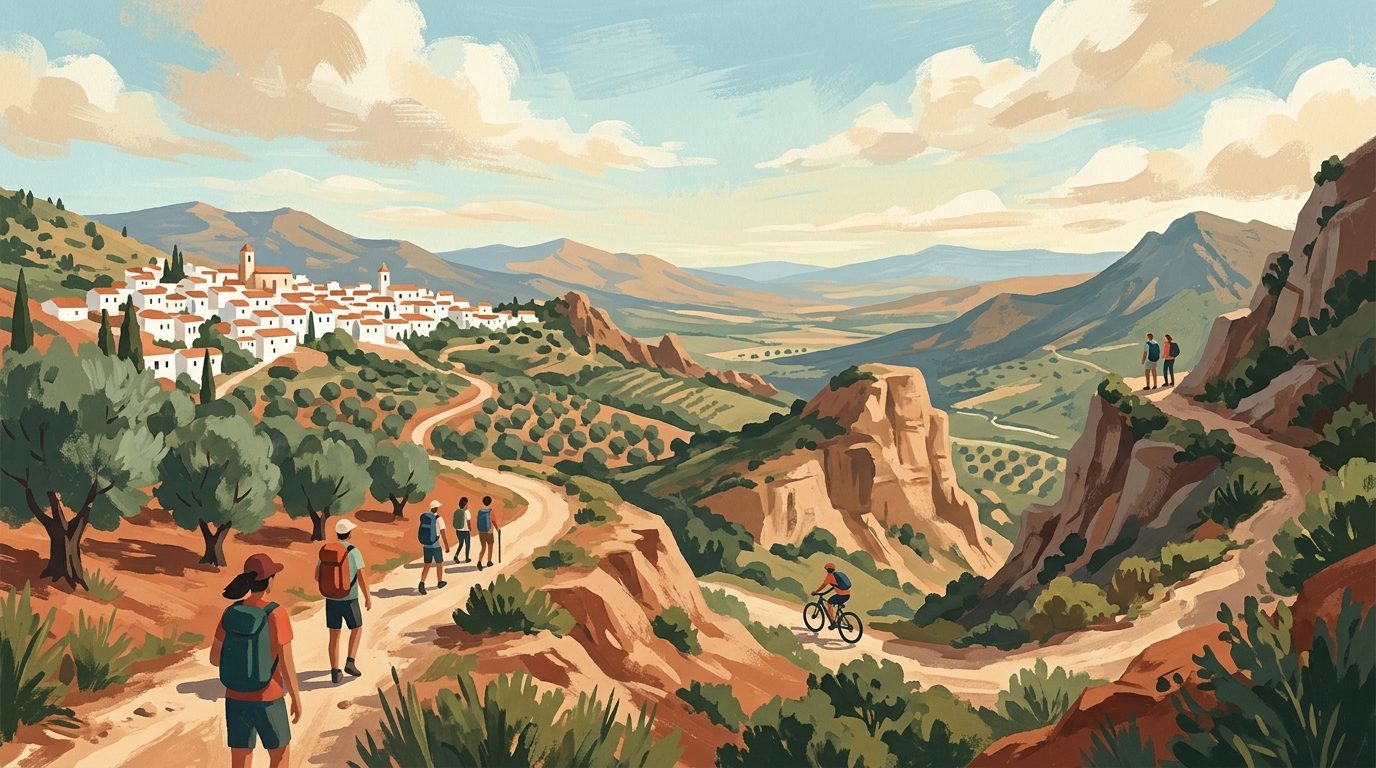
Málaga is the perfect springboard for exploring the diversity of Andalucía, offering easy access to dramatic mountain ranges, prehistoric sites, and iconic white villages. From the dizzying heights of the Caminito del Rey to the ancient dolmens of Antequera, these day trips reveal the authentic heart of the region.
Málaga has evolved into a powerhouse of culture, but its greatest strength remains its location. Situated at the mouth of the Guadalhorce valley, the city serves as a gateway to the diverse landscapes of southern Spain. Within an hour or two, you can leave the Mediterranean shore and find yourself staring into a deep limestone gorge or wandering through a forest of prehistoric standing stones. The regional transport network, including the high-speed AVE train (with a hub at Antequera-Santa Ana) and a comprehensive bus system, makes independent travel straightforward, though some of the more remote mountain spots are best reached by car or organised tour.
Many visitors spend their entire stay within the city limits, lured by the Picasso Museum and the lively port. However, venturing inland or along the coast reveals a different side of Andalucía: one of rugged agriculture, mountain gastronomy, and layers of Roman and Moorish architecture. The following places work for an adrenaline-fuelled hike or a slow afternoon in a whitewashed village, all within easy reach of the provincial capital.
The Best Day Trips from Málaga
Ronda: The City Above the Gorge
Ronda is perhaps the most famous of all the inland towns in the province. It is built across the Tajo gorge, a 120-metre-deep chasm that separates the old Moorish quarter from the newer 18th-century parts of the town. The Puente Nuevo, the massive stone bridge spanning the divide, provides one of the most photographed views in Spain. Walking across it is standard practice, but for a better perspective, follow the steep path down from the Plaza de María Auxiliadora to the viewpoint at the base of the bridge.
The town is also home to one of the oldest bullrings in the country, the Plaza de Toros de Ronda, which houses a fascinating museum about the history of the sport and the local Romero and Ordóñez dynasties. Beyond the monuments, Ronda is a fantastic place for lunch; the local mountain air makes the regional red wines and slow-cooked Iberian pork particularly appetising. If you are travelling by train, the journey from Málaga via Bobadilla is scenic, though the direct bus from the Málaga bus station is often faster. Many prefer the flexibility of a car to explore the nearby Sierra de las Nieves.
Caminito del Rey: The King’s Little Path
Once known as one of the most dangerous walkways in the world, the Caminito del Rey has been completely refurbished and is now a safe, though still vertigo-inducing, experience. The path is pinned to the sheer rock walls of the Desfiladero de los Gaitanes gorge near the village of El Chorro. You walk along wooden boardwalks suspended 100 metres above the river, passing through narrow canyons where the rock faces almost touch.
The entire walk is roughly 7.7 kilometres and is linear, meaning you will need to take the shuttle bus back to the start point. It is essential to book tickets weeks, if not months, in advance via the official booking portal (check the website for the latest 2026 ticket release schedules) as daily numbers are strictly limited to preserve the environment and ensure safety. You can reach the start by taking a train from Málaga María Zambrano to El Chorro (check current timetables before travelling), followed by a short bus ride. Wear sensible walking shoes; flip-flops are strictly prohibited by the site marshals.
Antequera and El Torcal: Prehistoric Wonders
Antequera is often overlooked in favour of the coast, but it contains some of the most significant historical sites in Europe. The Dolmens Site, a UNESCO World Heritage listing, consists of three megalithic tombs: Menga, Viera, and El Romeral. The Menga dolmen is one of the largest ancient structures on the continent, built with massive stones that defy modern understanding of Neolithic logistics.
Just a short drive uphill from the town is El Torcal de Antequera. This nature reserve features some of the most surreal limestone karst landscapes in the world. Over millions of years, wind and water have eroded the rocks into stacks that look like piles of giant pancakes. There are several well-marked walking trails ranging from easy to moderate. It is often significantly cooler up here than in Málaga city, so bring an extra layer even in summer. The town itself features a Moorish fortress (Alcazaba) and plenty of traditional tapas bars serving porra antequerana, a thick, chilled tomato soup.
Frigiliana and the Nerja Caves
For a coastal trip that combines natural wonders with traditional aesthetics, head east to Frigiliana and Nerja. Frigiliana is frequently cited as the prettiest village in Andalucía. Its Barrio Mudéjar is a maze of narrow, winding streets decorated with colourful flowerpots and ceramic mosaics telling the story of the Three Cultures (Christian, Muslim, and Jewish). The village is famous for its miel de caña (sugar cane molasses), which is still produced in the local factory.
A few minutes down the road is Nerja, where you will find the Cueva de Nerja. This massive cave system contains the world's largest stalactite and several prehistoric paintings. Before travelling, it is highly recommended to secure tickets through the official website. After exploring the underground caverns, head to the Balcón de Europa in the centre of Nerja for panoramic views across the Mediterranean. The combination of the white-washed mountain village and the coastal cliffs makes this a varied and manageable day out.
Mijas Pueblo: A Traditional Mountain Escape
While the Mijas Costa is heavily developed, Mijas Pueblo remains a charming mountain enclave. Located 400 metres above sea level, it offers some of the best views of the Costa del Sol. While the donkey taxis are a well-known feature, the real appeal lies in the quiet backstreets and the unique oval bullring. The town also has a quirky miniature museum (Carromato de Mijas) which houses tiny artworks on pinheads and grains of rice. It is easily accessible by bus from Fuengirola, which is connected to Málaga by the C1 Cercanías train line.
Practical Information
Transport is your first consideration. For Ronda and Antequera, the train is comfortable and reliable, but for El Torcal or the Caminito del Rey, a car offers much-needed flexibility. Car rental at Málaga Airport is competitive, with prices often starting from €30 to €35 per day during the shoulder season (check directly with providers before travelling). If you prefer not to drive, the Alsa bus company runs frequent services from the main Málaga bus station to Ronda, Nerja, and Frigiliana.
Expect to spend between €15 and €25 on entry fees for major sites like the Nerja Caves or the Caminito del Rey (check official websites for current 2026 prices). Lunch in an inland village typically costs between €18 and €22 for a three-course menú del día. The best time to visit is from March to June or September to November. July and August can see temperatures exceeding 40°C in inland spots like Antequera, making outdoor activities uncomfortable during the middle of the day.
Local Tips
When visiting white villages like Frigiliana or Ronda, always aim to arrive before 10:30 am. Not only will you avoid the largest tour groups, but you will also secure parking, which becomes notoriously difficult by midday. If you are driving, look for the 'Parking Público' signs on the outskirts rather than trying to navigate the narrow, cobbled centres. Also, remember that many smaller museums and shops in the inland towns close for the siesta between 2:00 pm and 5:00 pm, so plan your sightseeing for the morning and your long, lazy lunch for the afternoon.
Last reviewed: 14 July 2026 · Editorial policy
Related guides

One Week in Ronda: A Seven-Day Itinerary for the Serranía
A seven-day stay in Ronda allows you to experience the deep gorge and ancient streets long after the day-trippers have left. Using the city as a base, you can easily explore the surrounding white villages, hike the Sierra de las Nieves, and settle into the true rhythm of mountain life.
13 min read

The Best Day Trips from Granada: Sierra Peaks and Cave Dwellings
Escape the city and discover the diverse landscapes surrounding Granada, from the whitewashed villages of the Alpujarras to the extraordinary cave dwellings of Guadix.
6 min read
Cádiz in March: Wildflowers, Whale Watching, and White Villages
Experience the crisp Atlantic light and the first scents of orange blossom as Cádiz transitions into spring. From hiking the lush Sierra de Grazalema to whale watching in Tarifa, March offers a quiet, authentic side of the province.
6 min read
Cádiz in April: Wildflowers, White Villages, and the Atlantic Spring
Experience the Atlantic spring in Cádiz, where the Sierra de Grazalema blooms with wildflowers and the white villages host the dramatic processions of Semana Santa.
6 min read

A Guide to Alozaina and Yunquera: Gateways to the Sierra de las Nieves
Discover Alozaina and Yunquera, the essential gateway villages to the Sierra de las Nieves National Park, home to ancient fir forests and legendary history.
6 min read

Málaga in April: Spring Festivals, Orange Blossom, and the First Glimpse of Summer
April in Málaga brings lively spring festivals, occasional Semana Santa processions, and the first warm days perfect for beach lunches and mountain hiking.
7 min read
More from Málaga

A Complete Guide to Golf in Málaga Province
From championship courses in Marbella to practical advice on club rentals and tee times, discover everything you need to know about playing golf in Málaga province.
11 min read
Andalucía's Dazzling White Villages: A Journey Through Cádiz and Málaga
Discover the enchanting White Villages of Andalucía, from the dramatic clifftop settings of Cádiz to the charming hillside gems of Málaga. Explore timeless traditions, long history, and dramatic landscapes.
6 min read
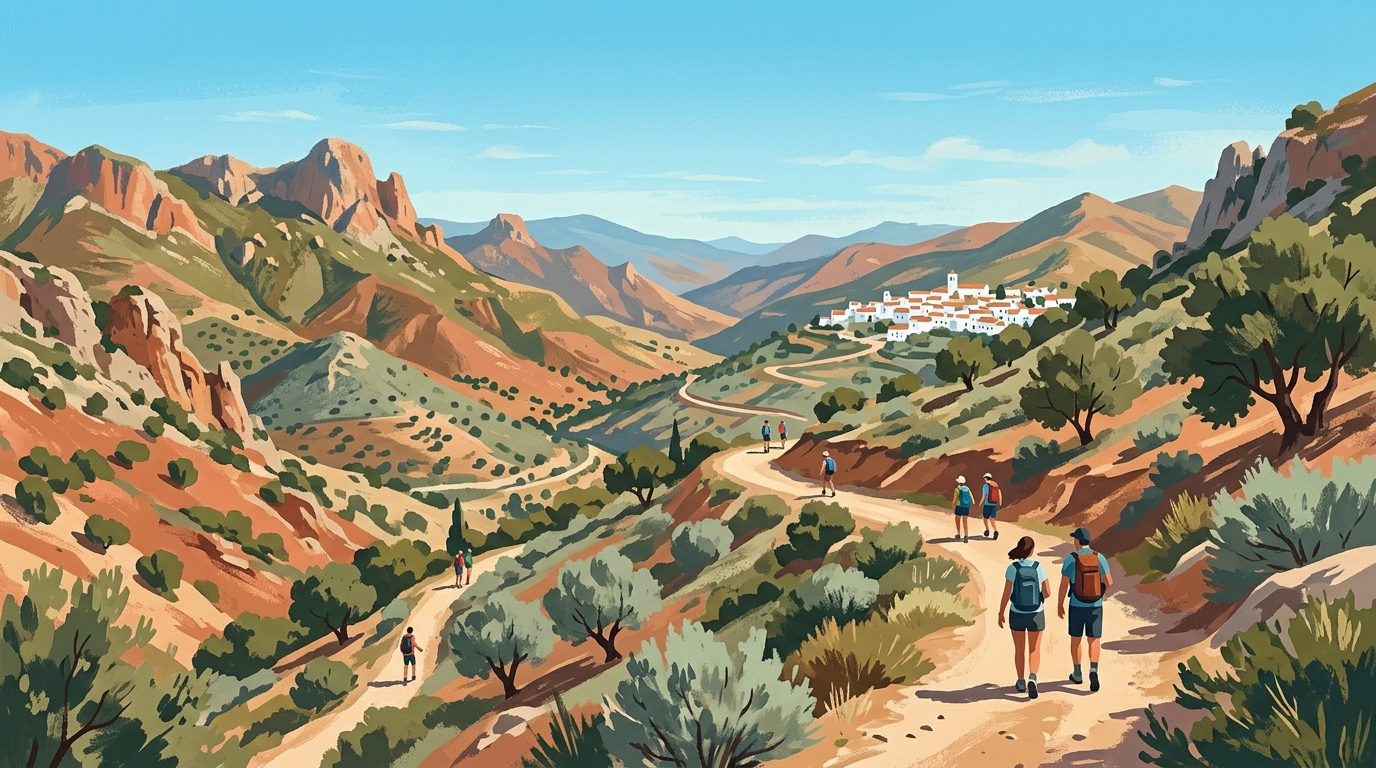
Exploring the Trails: A Guide to Hiking and Walking in Málaga
Discover the rugged interior of Málaga through its diverse walking trails, from the spectacular Caminito del Rey to the prehistoric limestone peaks of El Torcal.
7 min read
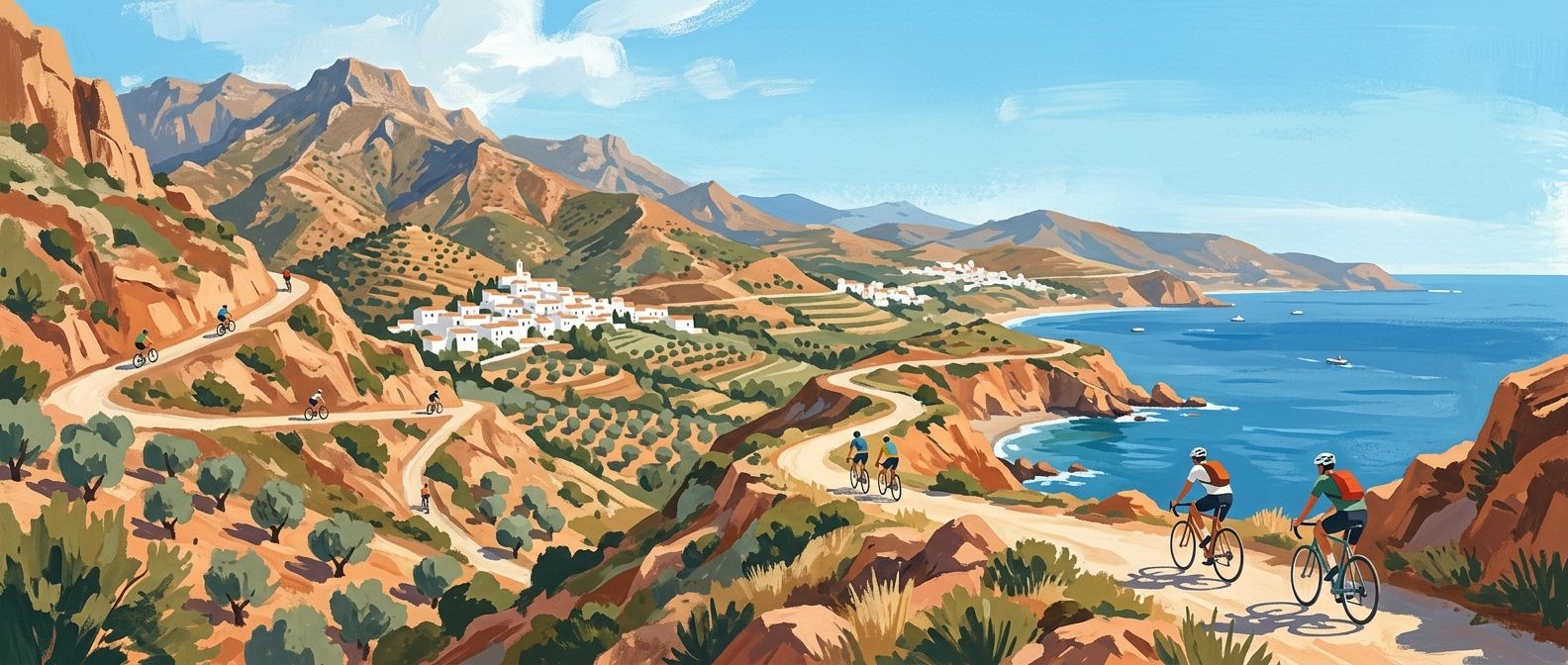
A Guide to Cycling in Málaga: From Coastal Paths to Mountain Peaks
Discover the best of cycling in Málaga, from the gentle coastal Senda Litoral to the challenging peaks of the Montes de Málaga and the rugged Axarquía hills.
6 min read

A Guide to Water Sports in Málaga: From SUP to Scuba
Discover the best locations for stand-up paddleboarding, diving, and jet skiing along the Costa del Sol with our practical guide to Málaga's water sports.
6 min read
Newsletter
More stories from Andalucía
Weekly notes, seasonal picks, and the next guides worth bookmarking.