
Things to do
Discovering Liquid Gold: A Journey Along Andalucía's Olive Oil Routes
Embark on a golden journey through Andalucía's sun-drenched olive groves, exploring the ancient routes of liquid gold and discovering the region's unparalleled Extra Virgin Olive Oil heritage. Taste, learn, and immerse yourself in the heart of Spain's olive oil production.
By Dan · Updated 16 July 2026 · 7 min read
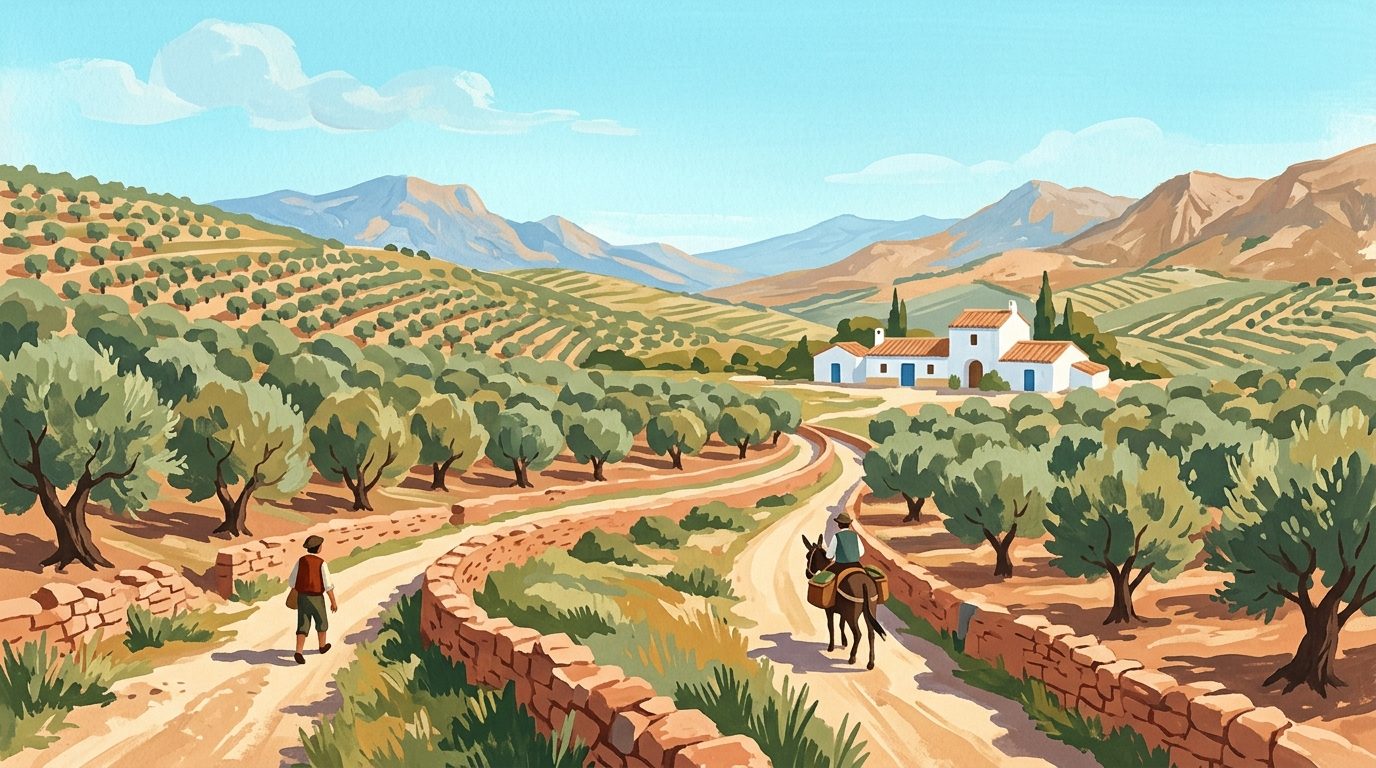
Andalucía, a land steeped in history, passion, and lively culture, is perhaps most renowned globally for its shimmering “liquid gold”: Extra Virgin Olive Oil (EVOO). More than just a culinary staple, olive oil is the lifeblood of this southern Spanish region, an intrinsic part of its landscape, economy, and identity. From the endless, undulating “sea of olives” in Jaén to the ancient groves whispering tales of Roman and Moorish heritage, a journey along Andalucía’s olive oil routes offers a profound immersion into a world of tradition, flavour, and dramatic beauty. This unique travel experience invites you to step beyond the typical tourist trails, delving into the heart of an industry that has shaped the region for millennia. Prepare to tantalise your palate, learn the art of olive oil tasting, and uncover the secrets behind some of the world's finest, most awarded olive oils.
Jaén: The World's Olive Oil Capital
No exploration of Andalucía's olive oil heritage is complete without a deep dive into Jaén province. Affectionately known as the “Sea of Olives,” Jaén has more olive trees than any other region on Earth, producing roughly 20% of the world's total olive oil and an astonishing 50% of Spain's output. The sheer scale is far-reaching; rolling hillsides are carpeted with millions upon millions of olive trees stretching to the horizon, a mesmerising spectacle of silvery-green.
The Sea of Olives: A Landscape Shaped by Tradition
Driving through Jaén, especially from towns like Úbeda or Baeza towards Martos or Andújar, reveals a landscape sculpted by centuries of olive cultivation. This isn't just agriculture; it's an art form passed down through generations. The predominant varietal here is Picual, known for its robust flavour, peppery finish, and high oleic acid content, making it exceptionally stable and healthy. The unique microclimate and calcareous soil contribute to oils of unparalleled quality and complexity, often winning international accolades.
Iconic Olive Oil Mills (Almazaras) to Visit
Jaén is home to countless almazaras (olive oil mills), ranging from small, family-run operations to state-of-the-art facilities. Many open their doors to visitors, offering guided tours and tastings. Highly recommended experiences include visits to:
- Oro Bailén (Villanueva de la Reina): Renowned for its award-winning Picual and Arbequina EVOOs, this modern mill offers insightful tours detailing their meticulous production process and exquisite tasting sessions.
- Castillo de Canena (Canena): Located near the castle, this family estate produces exceptional early-harvest oils, including a unique 'Smoked Arbequina'. Their tours combine history with sensory exploration.
- Finca Las Manillas (Arquillos): A more traditional experience focusing on the sustainable practices and the specific characteristics of Jaén's Picual oil.
What to Expect on an Olive Oil Tour
An olive oil tour is a multi-sensory journey, far more engaging than simply buying a bottle from a shop. It offers a comprehensive understanding of this vital product.
From Grove to Bottle: The Production Process
Tours typically begin in the olive groves, where you'll learn about the different varietals, cultivation techniques, and the critical harvest season (typically October to December). You’ll then move into the almazara to witness the various stages of olive oil production: reception of olives, washing, milling (crushing), malaxation (mixing the paste), centrifugation (separating oil from water and solids), and storage. Guides explain how modern technology works in harmony with traditional methods to extract the highest quality Extra Virgin Olive Oil while preserving its beneficial properties.
The Art of Tasting: Becoming an Olive Oil Connoisseur
Perhaps the most enjoyable part of any tour is the guided tasting session. Here, you'll learn to differentiate between high-quality EVOO and lesser oils, identifying characteristics such as fruitiness, bitterness, and pungency (the peppery sensation at the back of the throat). Experts will guide you through the process: warming the oil in a blue glass (to avoid colour bias), sniffing for aromas (green apple, tomato leaf, almond), and finally, tasting, often with small pieces of bread or apple to cleanse the palate between samples. You'll discover the nuances between different varietals like the fruity Arbequina, the intense Picual, and the buttery Hojiblanca.
Culinary Experiences and Workshops
Many almazaras now offer extended experiences, including cooking classes that highlight the versatility of EVOO in Andalucían cuisine. These workshops teach you how to incorporate different oils into dishes, from traditional gazpacho to modern tapas, deepening your appreciation for its role in gastronomy.
Beyond Jaén: Notable Olive Oil Regions Across Andalucía
While Jaén is the undisputed king, other Andalucían provinces also produce exceptional olive oils, each with its unique character.
Córdoba: Priego de Córdoba and Baena
Córdoba province holds two of Spain's most prestigious Denominations of Origin (DOs) for olive oil: Priego de Córdoba and Baena. The Sierra Subbética, home to Priego de Córdoba DO, is renowned for its steep, ancient groves of Hojiblanca and Picudo olives, producing intensely fruity and aromatic oils that consistently win global awards. Mills like Almazaras de la Subbética (famous for brands like Rincón de la Subbética) offer fantastic tasting experiences. Baena DO, meanwhile, is known for its balanced, slightly spicy oils, often a blend of Hojiblanca, Picual, and Picudo.
Granada and Sevilla: Emerging Excellence
Granada's olive oil production is concentrated in the Poniente Granadino region and the Lecrín Valley, benefiting from the Sierra Nevada's microclimate. Here, you'll find a blend of Picual and Hojiblanca, with some unique local varietals. Sevilla province, particularly in the Sierra Sur and Estepa region, also has a long history of olive oil production, often with Hojiblanca and Lechín olives. Cooperativa Olivarera de Estepa is a prominent example, showcasing modern production and quality output.
The Culinary Heartbeat: Pairing Olive Oil with Andalucían Flavours
Andalucían cuisine is inextricably linked to olive oil. It's not just a cooking fat; it's a fundamental ingredient, a seasoning, and often, the star of the dish.
Traditional Dishes Elevated
A drizzle of high-quality EVOO transforms simple dishes. Imagine a robust Picual over a traditional salmorejo or gazpacho, its peppery notes complementing the fresh tomatoes and garlic. A fruity Arbequina is perfect for dressing salads or enhancing grilled vegetables. Even a simple slice of toasted bread, rubbed with garlic and topped with fresh tomato and a generous splash of EVOO (tostada con tomate y aceite), becomes a sublime experience.
Modern Gastronomy and EVOO
Beyond tradition, contemporary Andalucían chefs are innovating with EVOO, using different varietals for specific culinary applications, even in desserts like olive oil ice cream or cakes. Many restaurants proudly list the olive oil they use, much like wine, celebrating its provenance and characteristics.
Practical Information for Your Olive Oil Journey
- Best Time to Visit: The ideal time is during the olive harvest, typically from late October to December, when the mills are in full operation, offering a dynamic and aromatic experience. Spring (March to May) is wonderful for seeing the groves in bloom, while early summer (June) offers long daylight hours, though be prepared for significant heat in the interior provinces.
- How to Get There: Driving is highly recommended for exploring the olive oil routes independently, allowing flexibility to visit various mills and smaller towns. Córdoba is easily accessible by high-speed train (AVE); however, Jaén is primarily served by frequent Media Distancia (MD) regional trains alongside occasional Alvia services. For exploring the rural olive routes, a rental car is essential.
- Booking Tours: It is highly recommended to book almazara tours and tastings in advance, especially during the harvest season, as capacity can be limited. Many larger mills, such as Oro Bailén and Castillo de Canena, offer tours in English, though advanced booking is essential.
- Prices: Basic tasting tours typically range from €15 to €40 per person (check on the operator's website before travelling), often including a guided walk through the facilities and multiple oil samples. Gourmet experiences or cooking workshops can be more.
- Types of Olive Oil: Andalucía primarily produces Picual (robust, peppery, high antioxidant), Hojiblanca (medium intensity, almond notes), and Arbequina (fruity, mild). Learning to distinguish these will enrich your tasting experience.
Planning Your Golden Journey
Embarking on Andalucía's olive oil routes is an enriching and delicious way to experience the region's authentic heart. Plan your itinerary to combine olive oil visits with other cultural gems. Consider staying in a rural cortijo (farmhouse) amidst the olive groves for a truly immersive experience.
Nearby Explorations and Tips
Combine your olive oil adventure with visits to the UNESCO World Heritage cities of Úbeda and Baeza in Jaén, renowned for their stunning Renaissance architecture. In Córdoba, the Mezquita-Cathedral is an absolute worth seeing, and the city's charming patios provide a delightful contrast to the olive groves. The natural parks of Sierra Mágina or Sierras de Cazorla, Segura y Las Villas offer incredible hiking opportunities, often with panoramic views of the olive-covered landscape. Remember to allocate time for leisurely meals, allowing the local EVOO to truly shine in every dish. This journey is more than just tasting oil; it's about connecting with the soul of Andalucía, one golden drop at a time.
Last reviewed: 21 June 2026 · Editorial policy
Related guides
A Gastronomic Guide to Andalucía: From Sherry Bodegas to Olive Groves
Discover the authentic flavours of Southern Spain, from the sherry bodegas of Jerez to the ancient olive groves of Jaén and the world-renowned ham of Jabugo.
6 min read
Hands-on Gastronomy: The Best Cooking Classes in Andalucía
Discover the art of Andalucían cuisine through hands-on workshops, from Triana's market-based schools to specialist Sherry cooking classes in Vejer.
6 min read
The Liquid Gold of Andalucía: A Deep Dive into the World’s Best Olive Oil
Discover the secrets of Andalucía's liquid gold, from the vast groves of Jaén to the art of the perfect breakfast tostada. This guide covers varieties, harvest secrets, and the best mills to visit.
6 min read
A Calendar of Flavour: The Best Food Festivals in Andalucía
From the smoky beach fires of Málaga to the prestigious ham auctions in Huelva, Andalucía’s food festivals offer a seat at the table of the region’s most authentic traditions.
7 min read
The Art of the Andalucían Breakfast and Merienda
To understand the soul of Andalucía, one must sit at a crowded bar at 10:00 am and wait for the scent of toasted bread and olive oil. It is a daily ritual that prioritises the simple pleasure of a slow morning over the rush of the working day.
6 min read
Andalucía in November: A Guide to the Season of Olive Oil and Autumnal Mist
Experience the authentic side of Andalucía in November, from the olive harvests of Jaén to the misty peaks of the Alpujarras, all without the summer crowds.
7 min read
More guides
The Definitive Guide to Feria de Abril in Sevilla
Discover the cultural nuances, strict dress codes, and insider advice for navigating Sevilla's exclusive spring fair like a seasoned local.
9 min read
Golf in Jaén Province: A Practical Guide to Courses, Clubs, and Holidays
Discover the reality of playing golf in Jaén. From the 9-hole course at La Garza to local societies and combining rounds with olive oil tourism.
12 min read
Golf in Córdoba Province: Courses, Holidays, and Shops
Discover practical tips, course details, and holiday planning advice for playing golf in Córdoba province, from the mountain fairways of Sierra Morena to the historic greens of Los Pedroches.
10 min read
The Ultimate Guide to Golf in Cádiz Province
Discover the finest golf courses, resorts, and practical tips for planning your next golf holiday in the province of Cádiz. From championship layouts to essential details on green fees and club hire, everything you need is covered.
11 min read
Golf in Sevilla Province: Courses, Holidays and Local Pro Shops
Swap the crowded coastal fairways for the refined courses of Sevilla province. Discover top layouts designed by golfing legends, local shops, and expert tips for your next trip.
10 min read
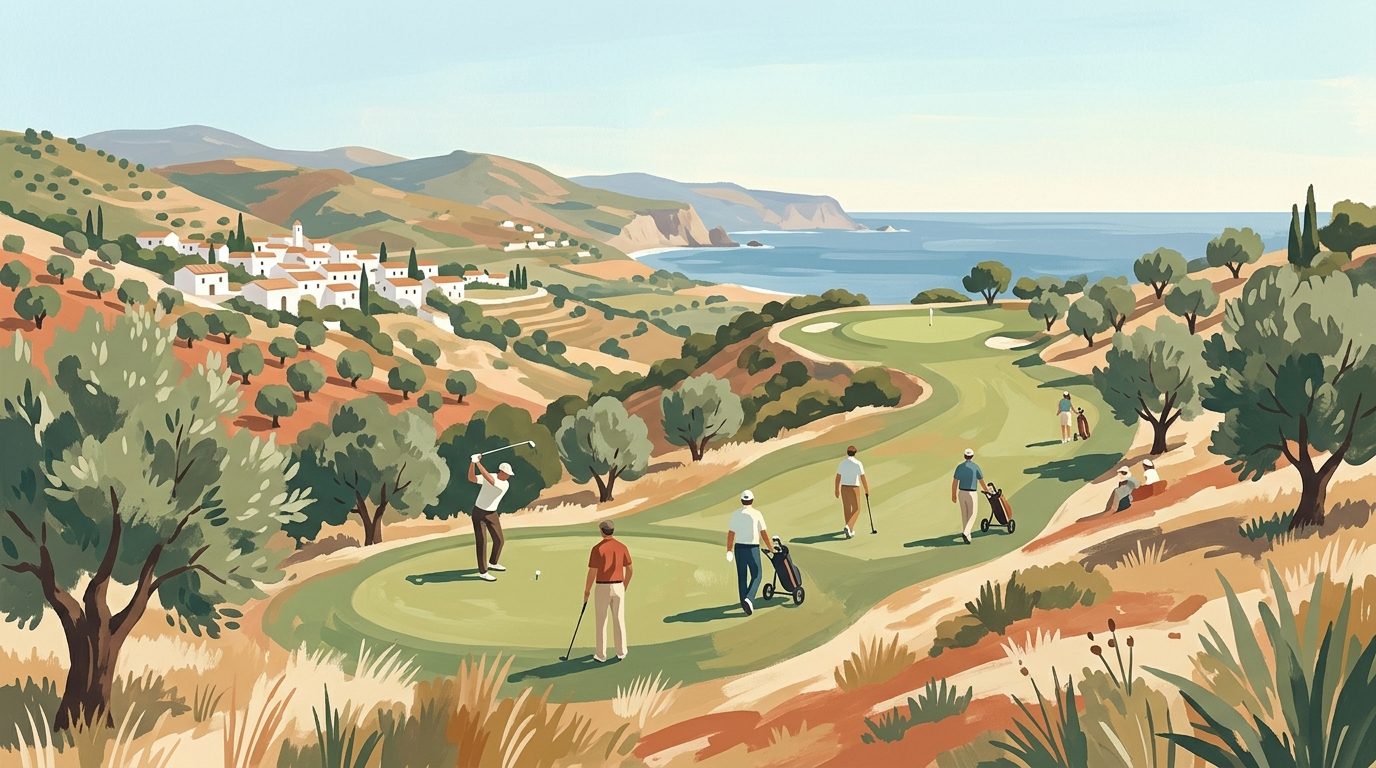
A Complete Guide to Golf in Málaga Province
From championship courses in Marbella to practical advice on club rentals and tee times, discover everything you need to know about playing golf in Málaga province.
11 min read
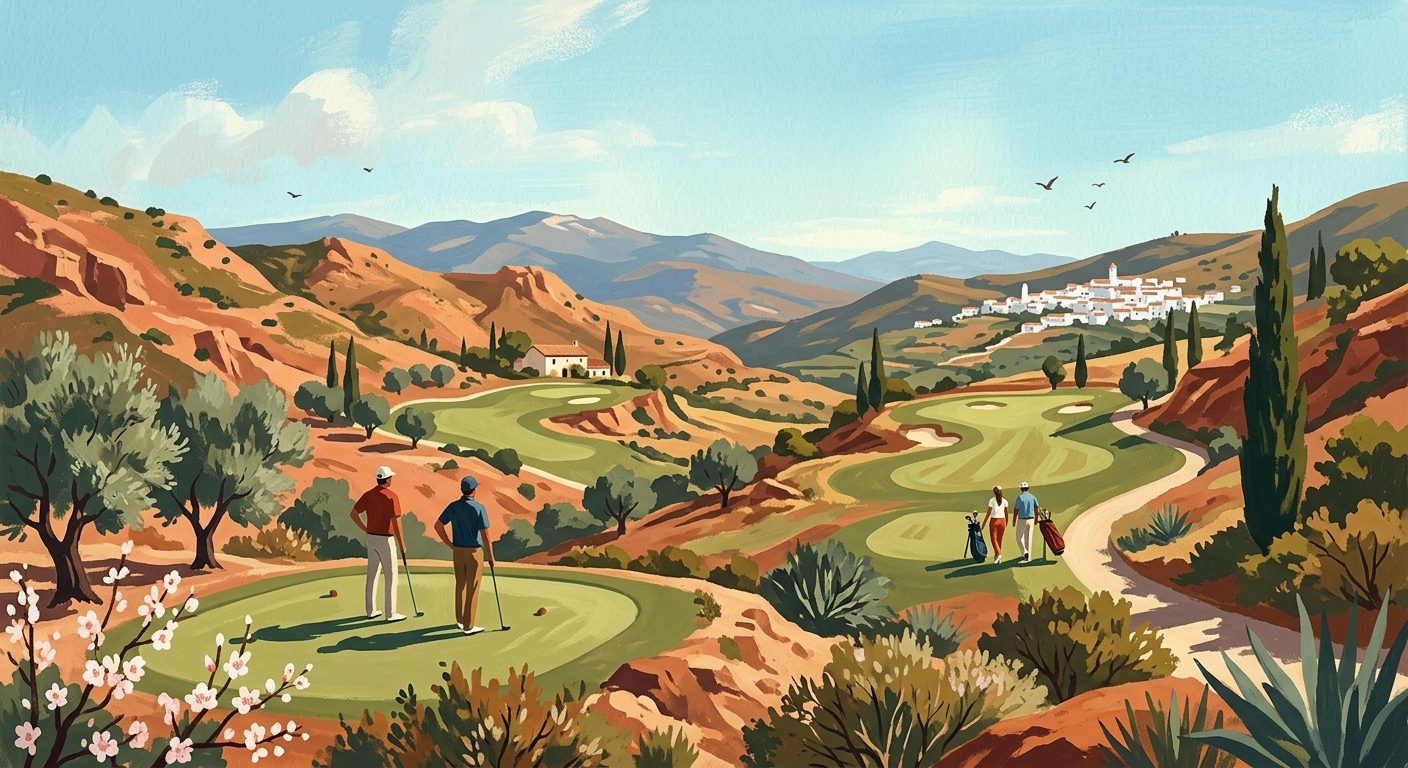
Golf in Granada Province: A Practical Guide to Courses, Holidays and Gear
Plan your perfect golfing trip with our practical guide to Granada's 18-hole courses. Discover green fees, club rental, and the best locations for a golf holiday.
12 min read
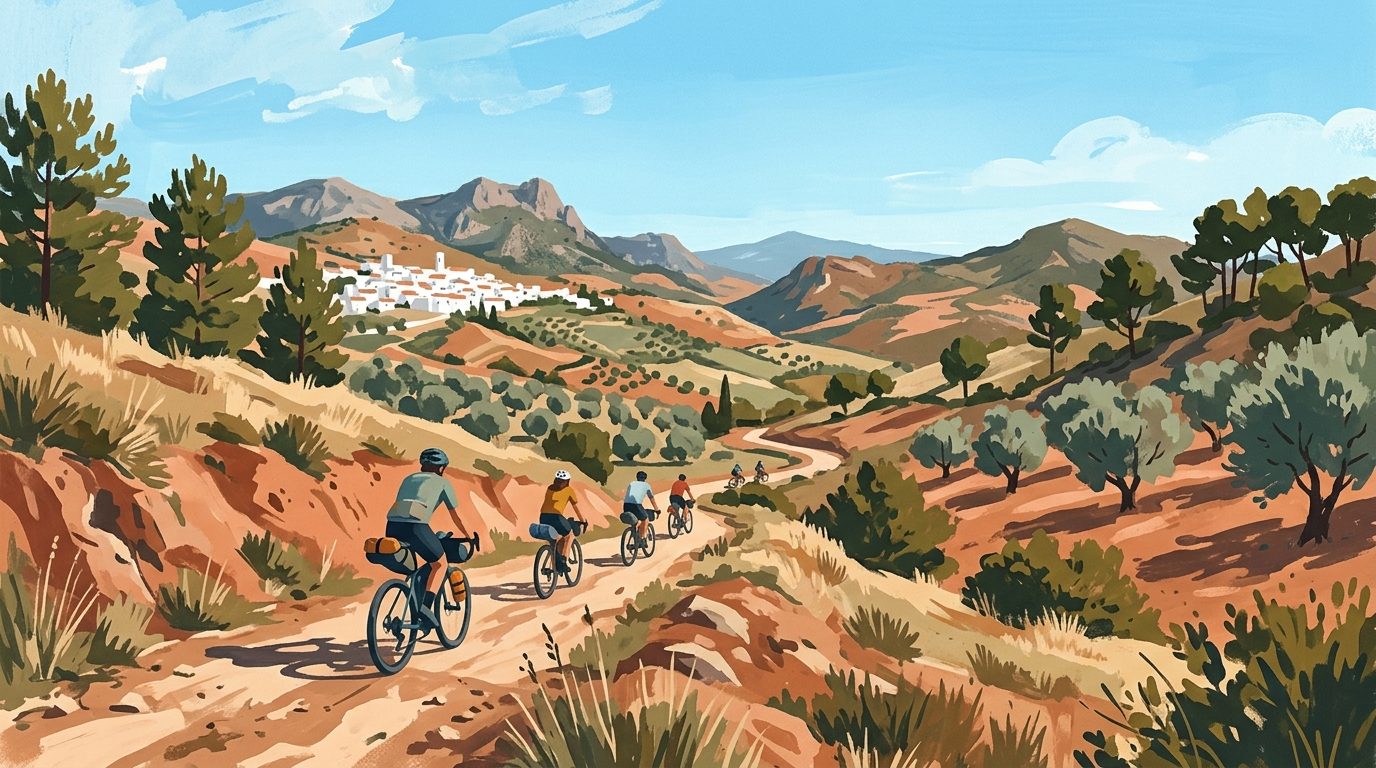
Bikepacking in Andalucía: A Complete Guide to Two-Wheeled Adventures
Discover how to plan the ultimate bikepacking adventure in southern Spain. Our guide covers route planning, essential gear, weather windows, and tips for navigating wild terrain.
13 min read
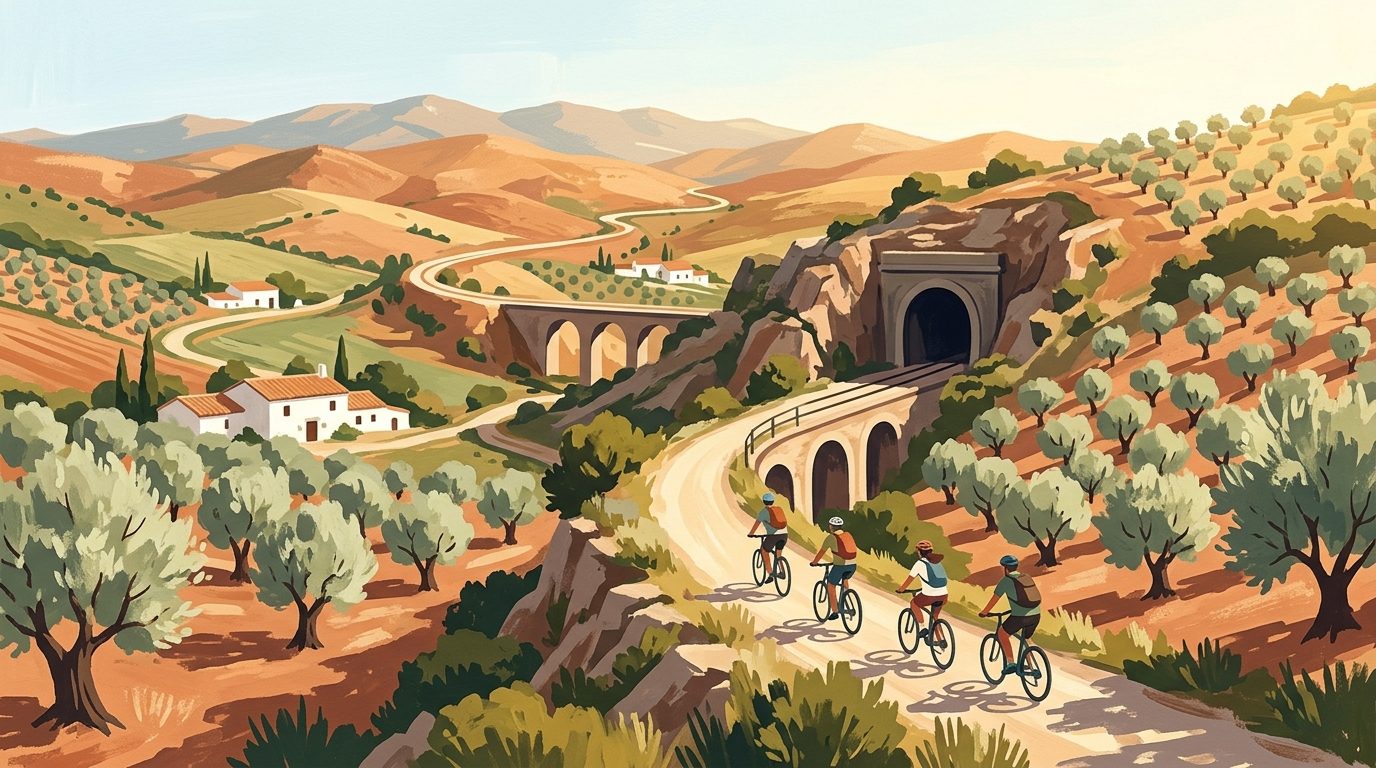
Cycling the Vías Verdes of Andalucía: A Complete Guide
Explore the disused railway lines of Andalucía. Discover the best Vías Verdes for cycling, from the tunnels of Cádiz to the olive groves of Jaén.
7 min read
Newsletter
More stories from Andalucía
Weekly notes, seasonal picks, and the next guides worth bookmarking.