
Things to do
Horse Riding in Andalucía: A Practical Guide to Equestrian Travel
Discover the best spots for horse riding in Andalucía, from the sandy dunes of Doñana to the rugged mountain trails of the Alpujarras and the royal stables of Jerez.
By Dan · Updated 16 July 2026 · 5 min read
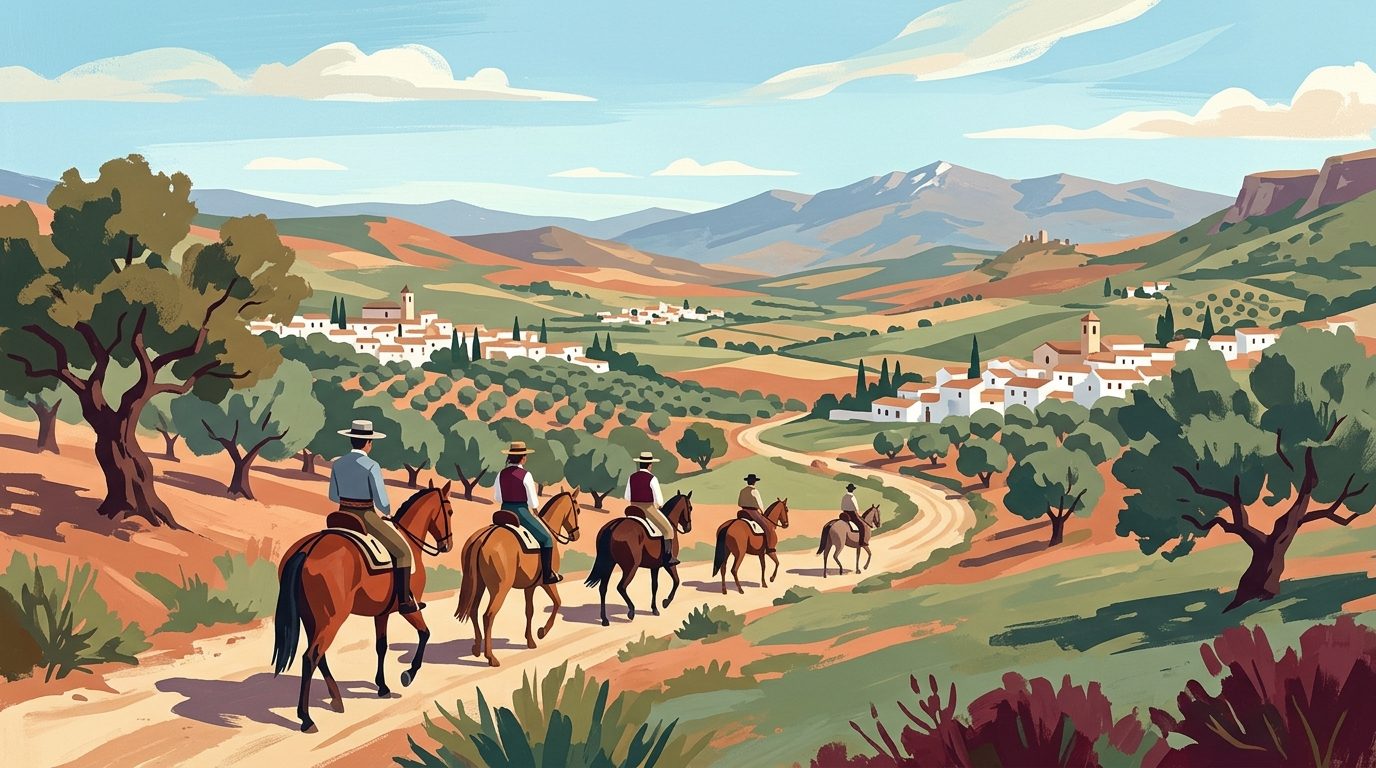
Riding in Andalucía connects you to a tradition spanning centuries, from galloping along the Atlantic coast to exploring the high trails of the Sierra Nevada. From the world-famous stables of Jerez to the rugged paths of the Alpujarras, the region offers some of the finest equestrian experiences in Europe.
Andalucía and the horse are inextricably linked. This is the birthplace of the Pura Raza Española (PRE), or the Purebred Spanish Horse, an animal world-renowned for its intelligence, strength, and noble temperament. To ride here is not just an outdoor activity; it is an entry point into a culture where the horse remains central to daily life, rural work, and regional celebrations. The local riding style, doma vaquera, originated from cattle work in the open fields and has evolved into a disciplined art form that you will see performed at local ferias and international competitions alike.
Seasoned riders can book week-long treks, while beginners can take a gentle hour-long stroll through olive groves, all with the landscape as a dramatic backdrop. The variety is remarkable: you can traverse the arid, desert-like terrain of Almería, navigate the cork oak forests of Cádiz, or climb the pine-covered slopes of the Sierra Nevada. Here is a selection of the most authentic locations and reliable operators to help you plan your time in the saddle.
Best Places for Horse Riding in Andalucía
Jerez de la Frontera: The Equestrian Capital
Jerez is the spiritual home of the Andalucían horse. Any equestrian-focused trip should begin at the Real Escuela Andaluza del Arte Ecuestre (Royal Andalucían School of Equestrian Art). Here, you can watch the morning rehearsals or the formal performance, "How the Andalucían Horses Dance." It is a display of classical dressage and traditional carriage driving that demonstrates the horse's agility and the rider's precision. For those who want to get into the saddle themselves, several private estates (cortijos) on the outskirts of the city offer lessons and hacks through the surrounding vineyards.
Doñana National Park: Coastal Dunes and Pine Forests
For many, the ultimate riding experience is galloping along an empty beach. The coastline bordering the Doñana National Park in Huelva offers kilometres of wide, sandy shores and rolling dunes. This area is protected, meaning you won’t be dodging sunbeds or high-rise hotels. Instead, you ride through marshes and pine forests where you might spot deer, wild boar, or even the rare Iberian lynx.
Hípica El Pasodoble, based near Matalascañas, is a well-established operator in this region. They offer sunset rides that take you through the dunes and down to the water’s edge. The terrain is flat, making it accessible for less experienced riders, though the sheer scale of the landscape is impressive for everyone. Expect prices starting from around €45 to €60 for a two-hour excursion (check on the operator's website before travelling).
The Alpujarras: High Altitude Mountain Treks
The southern slopes of the Sierra Nevada, known as the Alpujarras, offer a completely different experience. The terrain is steep, rocky, and requires a fit horse and a confident rider. You will navigate ancient bridle paths that connect whitewashed villages like Bubión, Capileira, and Trevélez. The views across the valleys towards the Mediterranean (and on clear days, the coast of Africa) are spectacular.
Dallas Love and her team at Sierra Nevada Trekking have been operating out of Bubión for over 30 years. They are experts in mountain travel and offer everything from half-day rides to week-long trans-mountain expeditions. Riding here involves navigating narrow tracks and changing altitudes, so it is better suited to those who are comfortable with heights. Prices for a full-day trek, including a picnic or lunch at a local tavern, usually start around €110 (check on the operator's website before travelling).
Sierra de Grazalema and Ronda: Limestone Peaks and Oak Forests
The mountains of the Serranía de Ronda and the Sierra de Grazalema Natural Park provide some of the most scenic trails in the province of Málaga and Cádiz. The landscape is dominated by grey limestone crags, deep gorges, and dense forests of holm oak and cork oak. Riding here often involves following old cattle paths used for seasonal migration.
Cortijo de la Sierra, located near the village of Montejaque, offers guided rides that go deep into the natural park. The horses are well-schooled and used to the uneven terrain. This area is particularly beautiful in spring when the wildflowers are in bloom and the temperatures are mild. It is a fantastic way to reach viewpoints that are difficult to access by car or on foot.
Cabo de Gata: Volcanic Cliffs and Desert Trails
In the far east of Andalucía lies Almería and the Cabo de Gata-Níjar Natural Park. This is Europe’s only true desert climate, featuring volcanic rock formations, hidden coves, and arid plains. The riding here feels like being on a film set, hardly surprising given how many Westerns were filmed in the nearby Tabernas Desert. Riding along the cliffs above Playa de los Genoveses provides a sense of isolation that is hard to find elsewhere on the coast. Several stables in San José and Agua Amarga cater to tourists, providing hardy horses that cope well with the heat and dry ground.
Practical Information
Horse riding prices in Andalucía are generally reasonable. A one-hour hack usually costs between €35 and €55, while full-day excursions range from €90 to €150 depending on whether lunch is included. For multi-day treks, expect to pay between €160 and €220 per day, covering accommodation, meals, and the horse (check on the operators' websites before travelling to confirm current rates).
In terms of gear, most stables provide helmets (cascos), which are mandatory for safety. It is advisable to wear long trousers (jeans or leggings) to prevent chafing from the saddle, and sturdy boots with a small heel to stop your foot from slipping through the stirrup. Avoid trainers with heavy grips if possible. The best seasons for riding are spring (March to June) and autumn (September to November). July and August are often too hot for the horses to work during the day, with many stables only offering early morning or late evening rides.
Local Tips
If you are riding in the summer months, always check that your operator provides fly masks for the horses and carries plenty of water. It is also worth learning a few Spanish equestrian terms; for example, "paso" means walk, "trote" is trot, and "galope" is canter. If you want to see the local culture at its peak, visit the Feria del Caballo in Jerez, held every May (in 2026, the fair ran from 2nd May to 9th May). This is a public festival where the city’s elite and locals alike parade through the fairgrounds on horseback in traditional dress, providing a spectacle unlike anything else in Europe.
Last reviewed: 21 June 2026 · Editorial policy
Related guides
A Guide to the Best Via Ferrata Routes in Andalucía
Discover the best via ferrata routes in Andalucía, from the iconic cliffs of Ronda to the high-wire bridges of Comares and El Chorro.
6 min read
A Guide to Rock Climbing in Andalucía: The Best Crags and Routes
With over 10,000 routes across the region, Andalucía is arguably Europe’s premier winter climbing destination for sport enthusiasts.
6 min read
Exploring the Heavens: A Practical Guide to Stargazing in Andalucía
Andalucía offers some of Europe’s clearest night skies, particularly within its expansive Starlight Reserves. This guide covers the best locations and practical tips for observing the Milky Way across the southern Spanish landscape.
6 min read
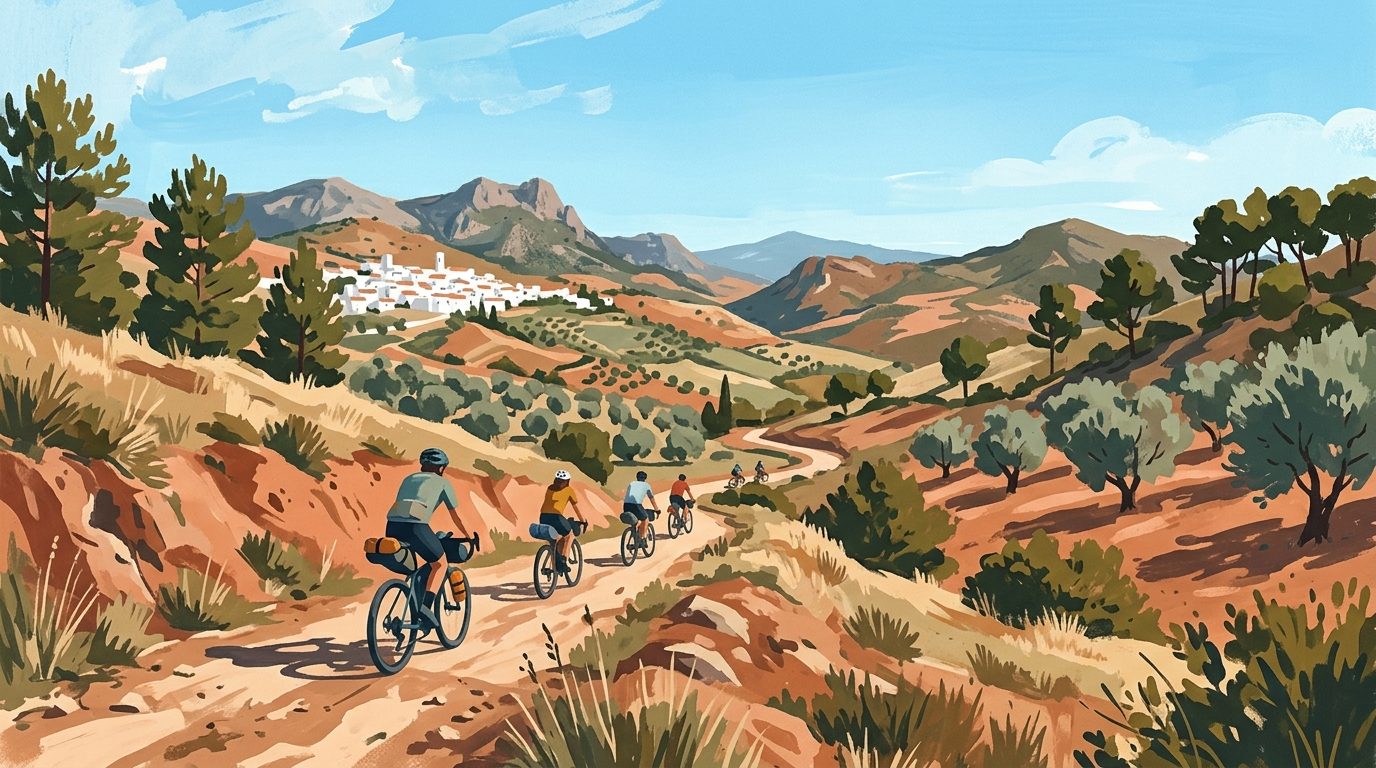
Bikepacking in Andalucía: A Complete Guide to Two-Wheeled Adventures
Discover how to plan the ultimate bikepacking adventure in southern Spain. Our guide covers route planning, essential gear, weather windows, and tips for navigating wild terrain.
13 min read
Motorcycle Touring in Andalucía: The Ultimate Rider's Guide
Forget the motorways; Andalucía’s true character is carved into its mountain passes, where immaculate asphalt drapes across deep ravines and high-altitude plateaus. This is a landscape built for motorcycles, offering thousands of kilometres of technical riding.
9 min read
Walking the GR7 in Andalucía: The Ultimate Guide to Spain's Great Southern Trail
Leave the crowds behind and tackle Spain's greatest long-distance trail. From navigating faded waymarks to crossing the high Alpujarras, here is exactly how to walk the GR7 in Andalucía.
11 min read
More guides
The Definitive Guide to Feria de Abril in Sevilla
Discover the cultural nuances, strict dress codes, and insider advice for navigating Sevilla's exclusive spring fair like a seasoned local.
9 min read
Golf in Jaén Province: A Practical Guide to Courses, Clubs, and Holidays
Discover the reality of playing golf in Jaén. From the 9-hole course at La Garza to local societies and combining rounds with olive oil tourism.
12 min read
Golf in Córdoba Province: Courses, Holidays, and Shops
Discover practical tips, course details, and holiday planning advice for playing golf in Córdoba province, from the mountain fairways of Sierra Morena to the historic greens of Los Pedroches.
10 min read
The Ultimate Guide to Golf in Cádiz Province
Discover the finest golf courses, resorts, and practical tips for planning your next golf holiday in the province of Cádiz. From championship layouts to essential details on green fees and club hire, everything you need is covered.
11 min read
Golf in Sevilla Province: Courses, Holidays and Local Pro Shops
Swap the crowded coastal fairways for the refined courses of Sevilla province. Discover top layouts designed by golfing legends, local shops, and expert tips for your next trip.
10 min read
A Complete Guide to Golf in Málaga Province
From championship courses in Marbella to practical advice on club rentals and tee times, discover everything you need to know about playing golf in Málaga province.
11 min read
Golf in Granada Province: A Practical Guide to Courses, Holidays and Gear
Plan your perfect golfing trip with our practical guide to Granada's 18-hole courses. Discover green fees, club rental, and the best locations for a golf holiday.
12 min read
Hands-on Gastronomy: The Best Cooking Classes in Andalucía
Discover the art of Andalucían cuisine through hands-on workshops, from Triana's market-based schools to specialist Sherry cooking classes in Vejer.
6 min read
Cycling the Vías Verdes of Andalucía: A Complete Guide
Explore the disused railway lines of Andalucía. Discover the best Vías Verdes for cycling, from the tunnels of Cádiz to the olive groves of Jaén.
7 min read
Newsletter
More stories from Andalucía
Weekly notes, seasonal picks, and the next guides worth bookmarking.