
Things to do
Journey Through Time: Unveiling Andalucía's Magnificent Moorish Legacy
Discover the enchanting Moorish legacy of Andalucía, from Granada's Alhambra to Córdoba's Mezquita, and look at the long history of Al-Andalus in southern Spain.
By Dan · Updated 16 July 2026 · 6 min read
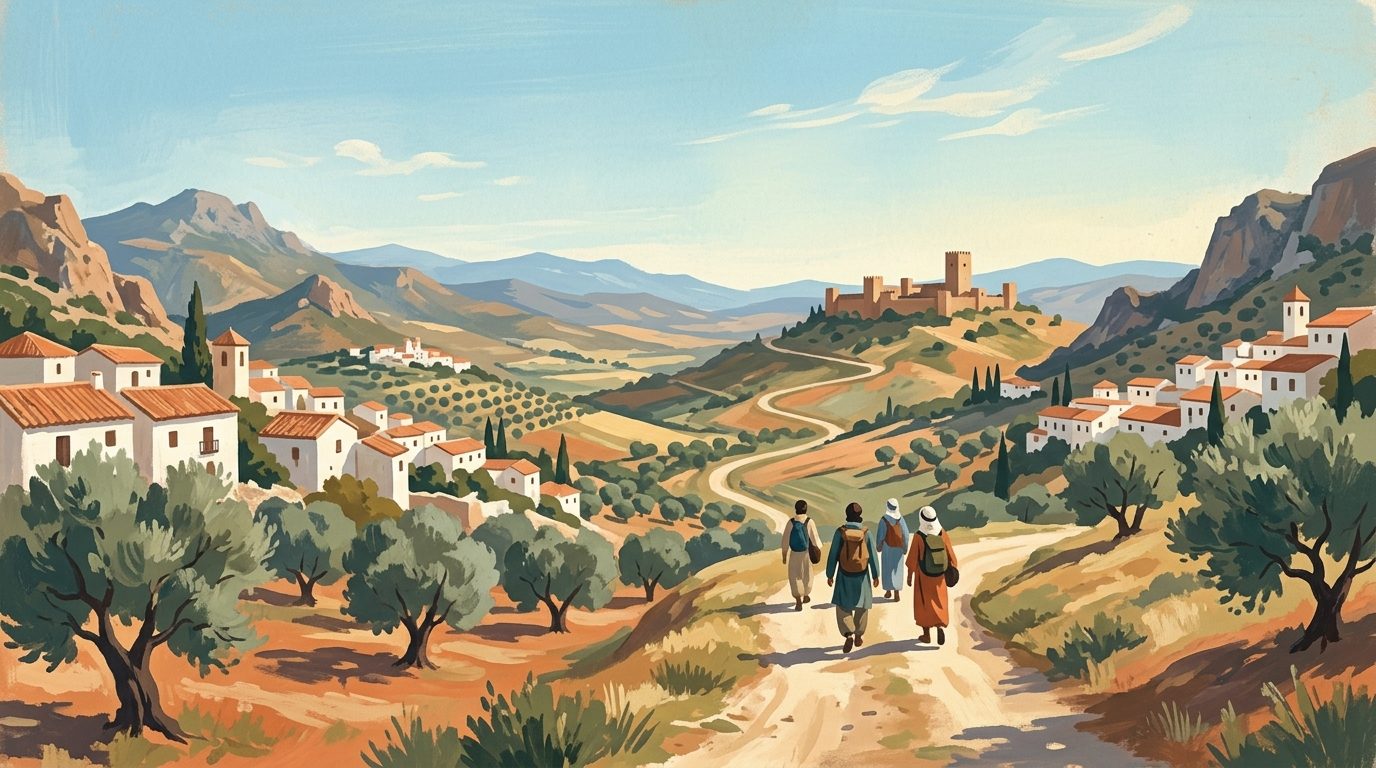
Step back in time and discover the enchanting Moorish legacy of Andalucía, where stunning palaces, intricate mosques, and ancient fortresses tell tales of a glorious past. This journey explores the unmissable wonders of Al-Andalus, inviting you to experience the rich history embedded in southern Spain's most iconic sites.
Introduction: Echoes of Al-Andalus in Southern Spain
Andalucía, with its sun-drenched landscapes and expressive culture, holds a profound secret within its historical fabric: the enduring legacy of Al-Andalus. For nearly eight centuries, this region was the beating heart of a sophisticated Moorish civilisation, leaving behind an architectural and cultural legacy unlike anywhere else in Europe. From 711 AD until 1492, Islamic rule shaped the art, science, philosophy, and daily life of southern Spain, creating an era of unparalleled brilliance. Today, exploring Andalucía's Moorish legacy is not just about visiting ancient stones; it's an immersive journey into a Golden Age where cultures converged, leaving a trail of striking palaces, serene gardens, and awe-inspiring religious edifices. From the iconic Alhambra to the majestic Mezquita, discovering these things to do in Andalucía offers a unique perspective on the region's complex and captivating identity.
Granada: The Jewel of the Nasrid Kingdom
No exploration of Andalucía's Moorish heritage is complete without dedicating ample time to Granada, home to the crown jewel of Islamic architecture in the West: the Alhambra.
The Alhambra and Generalife
Perched majestically on Sabika Hill against the backdrop of the Sierra Nevada mountains, the Alhambra is a fortified palace complex that served as the residence for the Nasrid rulers. More than just a palace, it's a city within a city, comprising military fortifications, royal palaces, and tranquil gardens.
- The Nasrid Palaces: Prepare to be mesmerised by the intricate stucco work, delicate arches, and serene courtyards of the Palacios Nazaríes. The Patio de los Leones (Court of the Lions) with its iconic fountain, the Ambassadors' Hall (Salón de los Embajadores) in the Comares Palace, and the stunning Court of the Myrtles (Patio de los Arrayanes) are masterpieces of Islamic art and design, reflecting light and water in spectacular fashion.
- The Alcazaba: This formidable fortress is the oldest part of the Alhambra, offering panoramic views of Granada and the Albaicín district. Climb the Torre de la Vela for truly memorable vistas.
- The Generalife Gardens: The summer palace and tranquil gardens of the Generalife provide a refreshing contrast to the grandeur of the palaces. Its terraced gardens, fragrant flowers, and calming water features were designed for relaxation and reflection, epitomising the Moorish appreciation for paradise on Earth.
Córdoba: The Caliphate's Grandeur
Once the largest city in Western Europe and a beacon of learning, Córdoba was the capital of Al-Andalus, and its legacy is overwhelmingly palpable.
The Mezquita-Cathedral
The Mezquita-Cathedral (Mosque-Cathedral) stands as a unique reminder of the successive layers of history. Originally a Visigothic church, it was transformed into a grand mosque by the Umayyad emir Abd al-Rahman I in the 8th century and subsequently expanded over centuries. Its forest of 856 striped, horseshoe arches, crafted from jasper, onyx, marble, and granite, is an architectural marvel. The stunning Mihrab, an elaborately decorated prayer niche, remains largely intact, showcasing exquisite Byzantine mosaics. In the heart of this Islamic masterpiece, a Renaissance cathedral nave was controversially built after the Reconquista, creating a fascinating, albeit jarring, fusion of styles that truly must be seen to be believed.
The Judería (Jewish Quarter) and Alcázar de los Reyes Cristianos
Wander through Córdoba's winding, flower-filled alleys of the Judería, a UNESCO World Heritage site that retains its medieval charm. Discover hidden patios, the Synagogue (one of only three remaining medieval synagogues in Spain, alongside those in Toledo), and traditional craft shops. Nearby, the Alcázar de los Reyes Cristianos, a former Caliphate palace, later became a primary residence for Catholic Monarchs. While its current structure is Christian, its magnificent gardens, fountains, and courtyards bear a distinct Moorish influence, echoing the Generalife.
Sevilla: Echoes of Al-Andalus
Sevilla, the lively capital of Andalucía, also has significant Moorish footprints, beautifully integrated into its post-Reconquista identity.
The Real Alcázar of Sevilla
A working royal palace, the Real Alcázar is a striking blend of Christian and Mudéjar (Moorish style applied by Christian artisans) architecture. Its most famous section, the Palace of King Pedro I, is a masterpiece of Mudéjar art, featuring intricate stucco, lively azulejos (ceramic tiles), and lush gardens. The Patio de las Doncellas (Courtyard of the Maidens) and the Salón de Embajadores (Hall of Ambassadors) are particularly exquisite, rivalling the Alhambra in their decorative splendour. The extensive gardens, with their fountains, orange trees, and hidden nooks, offer a peaceful escape.
The Giralda and Torre del Oro
The Giralda, the bell tower of Sevilla Cathedral, was originally the minaret of the Great Mosque of Sevilla. Its intricate brickwork and accessible ramps (designed for the muezzin to ride a horse to the top) are distinct Moorish features. From its summit, enjoy unparalleled views of the city. The Torre del Oro (Tower of Gold), a 13th-century military watchtower on the Guadalquivir River, also dates from the Almohad Caliphate period, once guarding the city's port.
Beyond the Big Three: Lesser-Known Moorish Gems
- Ronda's Puente Nuevo: While the iconic bridge itself is 18th-century, Ronda's dramatic setting atop a gorge was strategically important to the Moors, who built much of the town's original fortifications and baths.
- Carmona: This walled town near Sevilla has an Alcázar (fortress) with Roman and Moorish origins, offering commanding views of the surrounding plains.
- Almodóvar del Río Castle: A stunningly preserved and restored castle near Córdoba, its current structure is largely medieval Christian, but it stands on foundations of an earlier Visigothic and Moorish fortress, showcasing continuous strategic importance.
Practical Information for Your Moorish Journey
- Booking Tickets: For the Alhambra, Mezquita-Cathedral, and Real Alcázar, booking tickets online well in advance (months for the Alhambra, especially the Nasrid Palaces) is absolutely essential. Expect prices starting from €14 to €21 for standard adult entry (check official websites before travelling to confirm current rates).
- Getting There: Andalucía's major cities are well-connected by high-speed trains (AVE) and intercity buses, making it easy to travel between them.
- Best Time to Visit: Spring (March to May) and Autumn (September to November) offer pleasant temperatures, fewer crowds than peak summer, and lively landscapes. Summers can be intensely hot, particularly in inland cities like Sevilla and Córdoba.
- Guided Tours: Consider a reputable guided tour for sites like the Alhambra and Mezquita to truly appreciate the history and intricate details you might otherwise miss.
Conclusion: Embracing the Legacy
Embarking on a journey through Andalucía's Moorish legacy is a memorable experience, revealing a period of profound cultural richness that continues to define the region. The sheer artistry and engineering prowess of Al-Andalus show a civilisation that flourished, leaving behind an unparalleled collection of architectural wonders. As you wander through these ancient sites, you'll not only marvel at their beauty but also gain a deeper understanding of the melting pot of cultures that shaped modern Spain.
Planning Tips: Allow at least 2 to 3 days for Granada, 1 to 2 days for Córdoba, and 2 to 3 days for Sevilla to fully immerse yourself. Wear comfortable shoes, stay hydrated, and be prepared for plenty of walking. Don't forget to sample local gastronomy, much of which still bears the delicious influence of Moorish flavours.
Nearby Recommendations: Combine your cultural exploration with a visit to the charming white villages (Pueblos Blancos) that dot the Andalucían hills, many of which also have Moorish origins. Or unwind on the Costa del Sol after your historical adventures, reflecting on the enduring beauty of Al-Andalus.
Last reviewed: 21 June 2026 · Editorial policy
Related guides
The Ghost in the Garden: Searching for the Al-Andalus Within
Eight centuries of Al-Andalus did not vanish in 1492; they simply moved indoors, into the kitchens, and onto the tip of the tongue.
7 min read
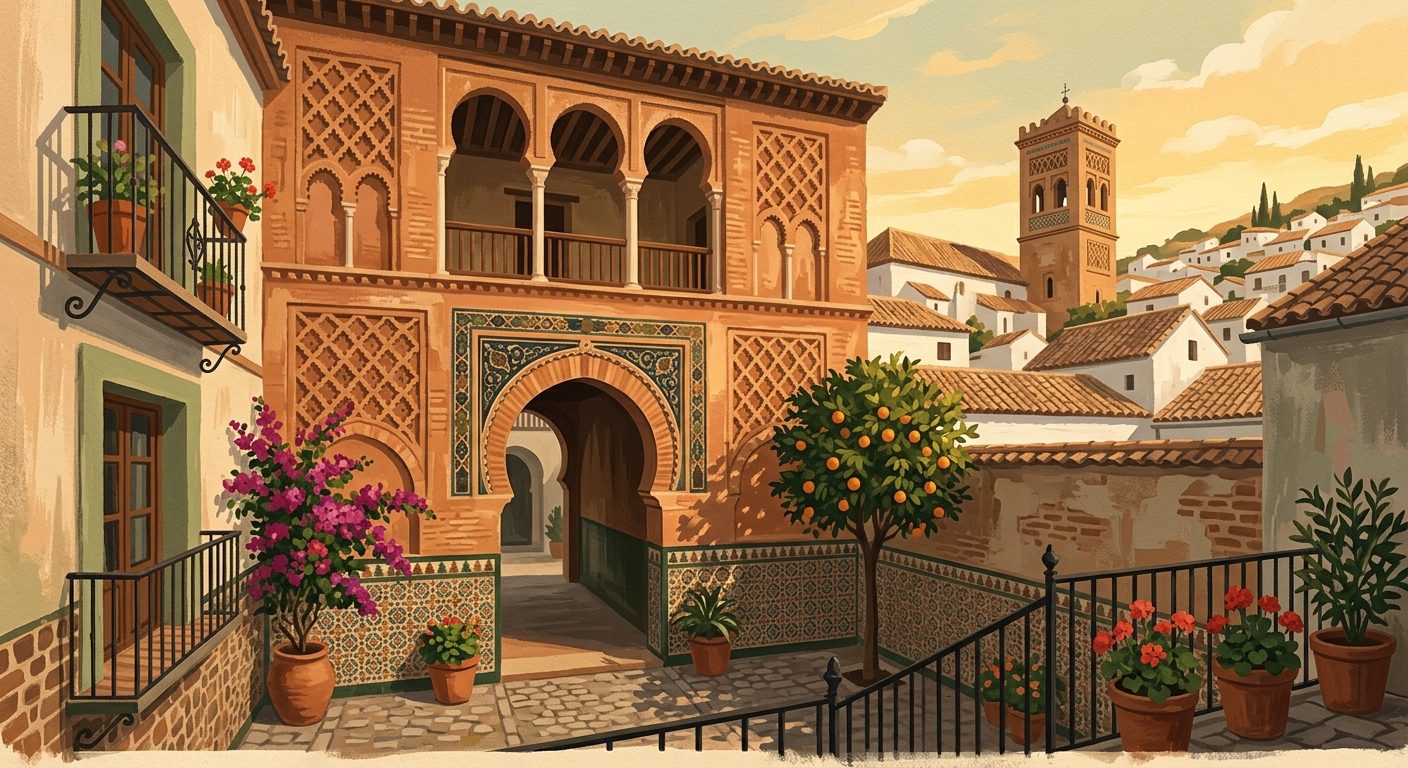
The Mudéjar Legacy: Islamic Craftsmanship Under Christian Rule
The Mudéjar style is a striking visual paradox of medieval Spain. It represents the profound aesthetic triumph of a conquered people over their conquerors, creating a unique architectural fusion that defined the visual identity of post-Reconquista Andalucía.
7 min read
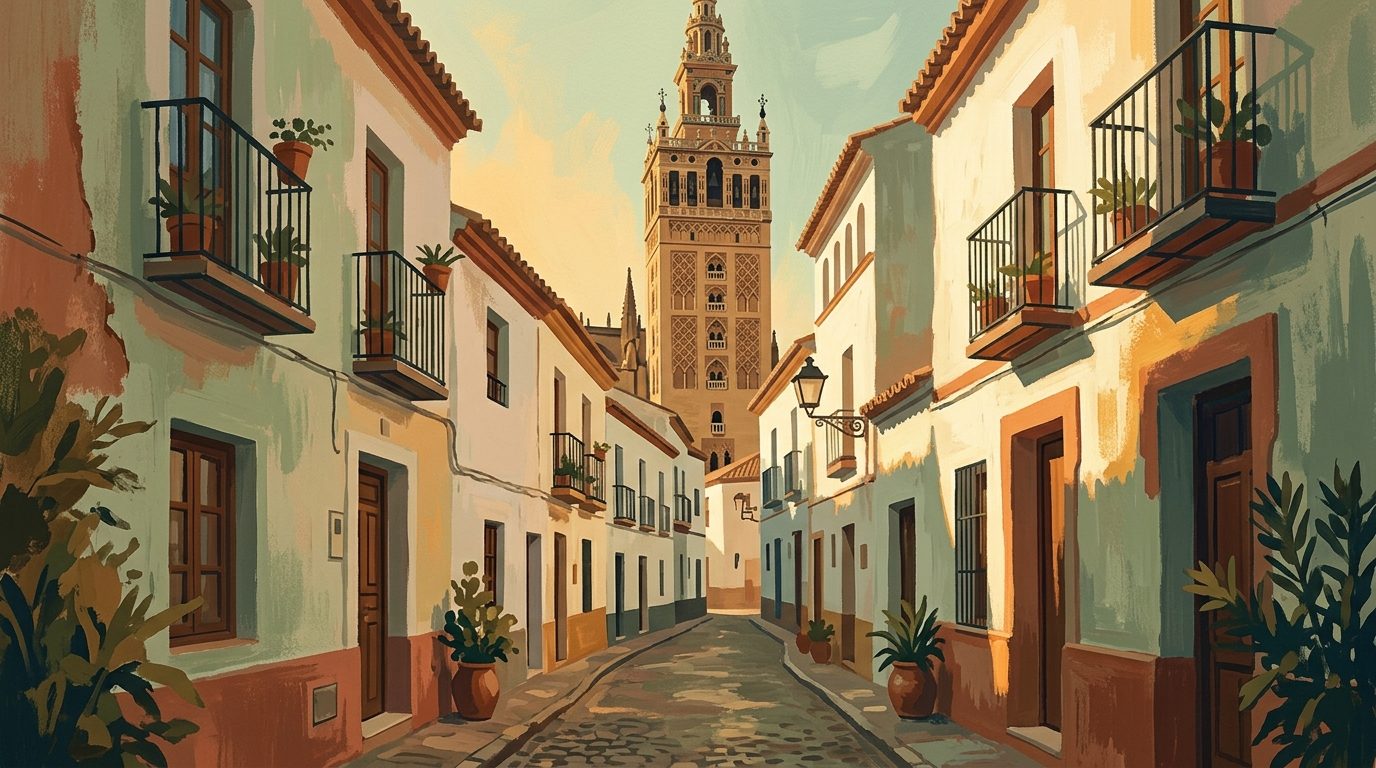
The Berber Empires: Almoravids, Almohads and the Rebuilding of Sevilla
The arrival of the North African Almoravid and Almohad dynasties shifted the centre of Islamic power in the Iberian Peninsula. They brought austere religious reform, immense military strength, and a monumental architectural vision that permanently reshaped Sevilla.
7 min read

The Spanish Inquisition in Andalucía: Orthodoxy and Paranoia
From its very first tribunal in Sevilla to the shadow it cast over centuries of daily life, the Spanish Inquisition demanded absolute religious conformity. Its legacy remains etched in the architecture, archives and even the culinary traditions of southern Spain.
7 min read
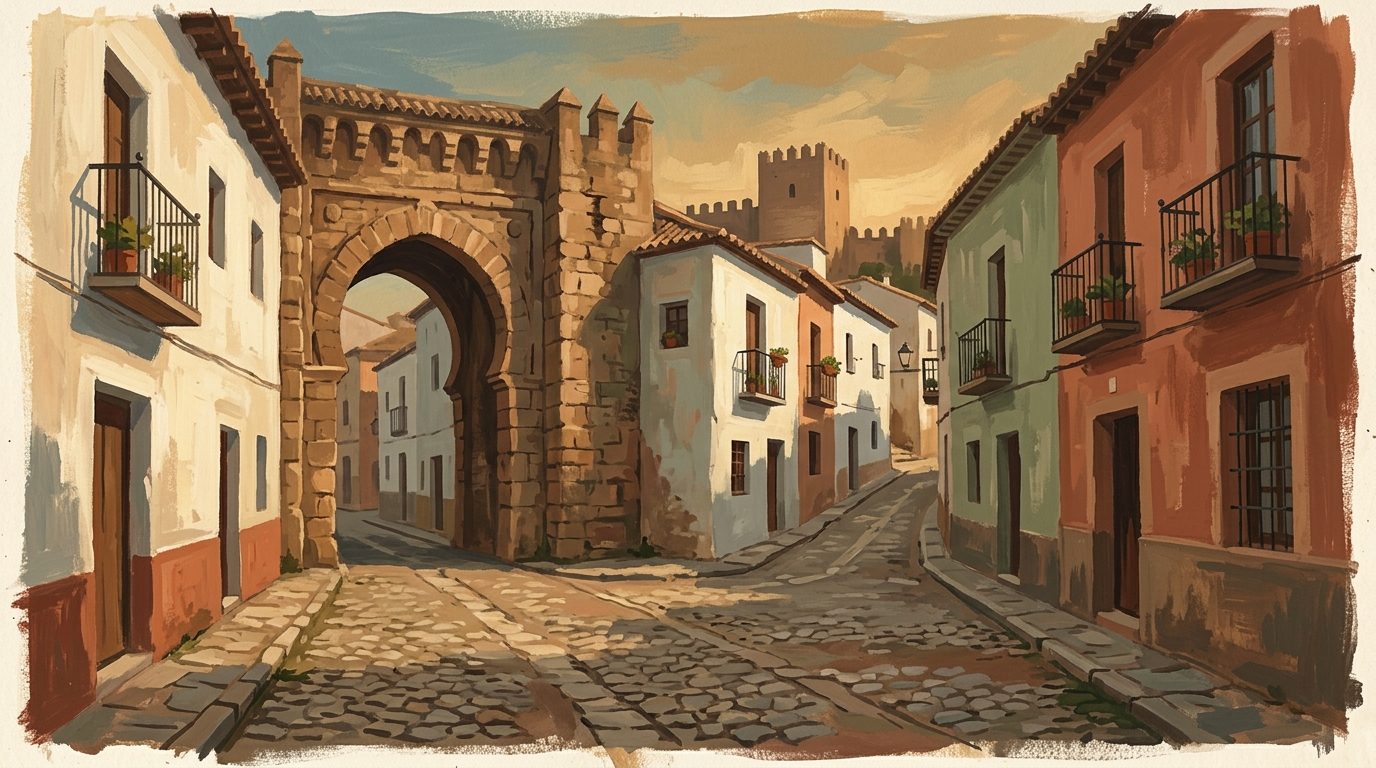
The Reconquista in Andalucía
The centuries-long Christian conquest of southern Iberia redefined the physical and cultural landscape of the peninsula. How did the military campaigns of the northern kingdoms dismantle the Islamic territories of Al-Andalus and forge the modern region of Andalucía?
7 min read
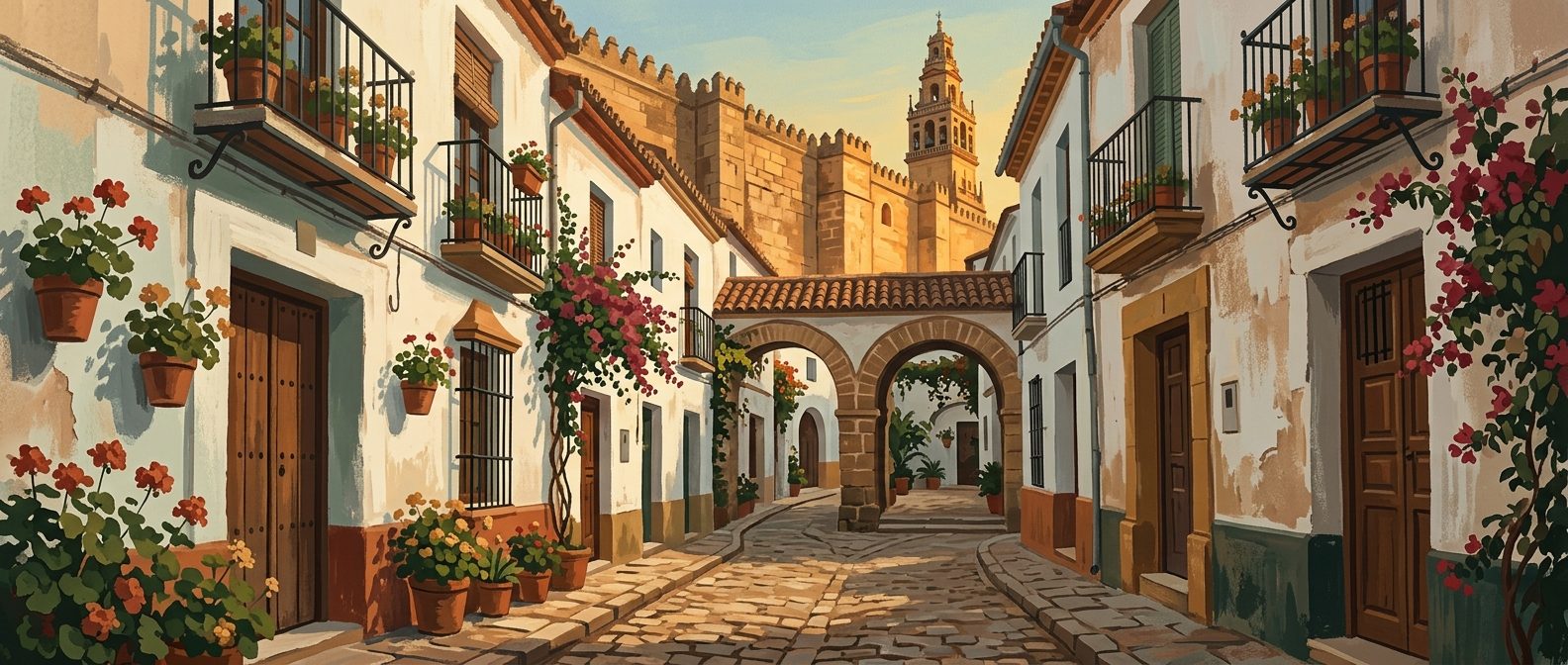
Corduba and Roman Baetica
Discover the political and intellectual might of Corduba, the wealthy administrative capital of Roman Baetica and the birthplace of the philosopher Seneca.
7 min read
More guides
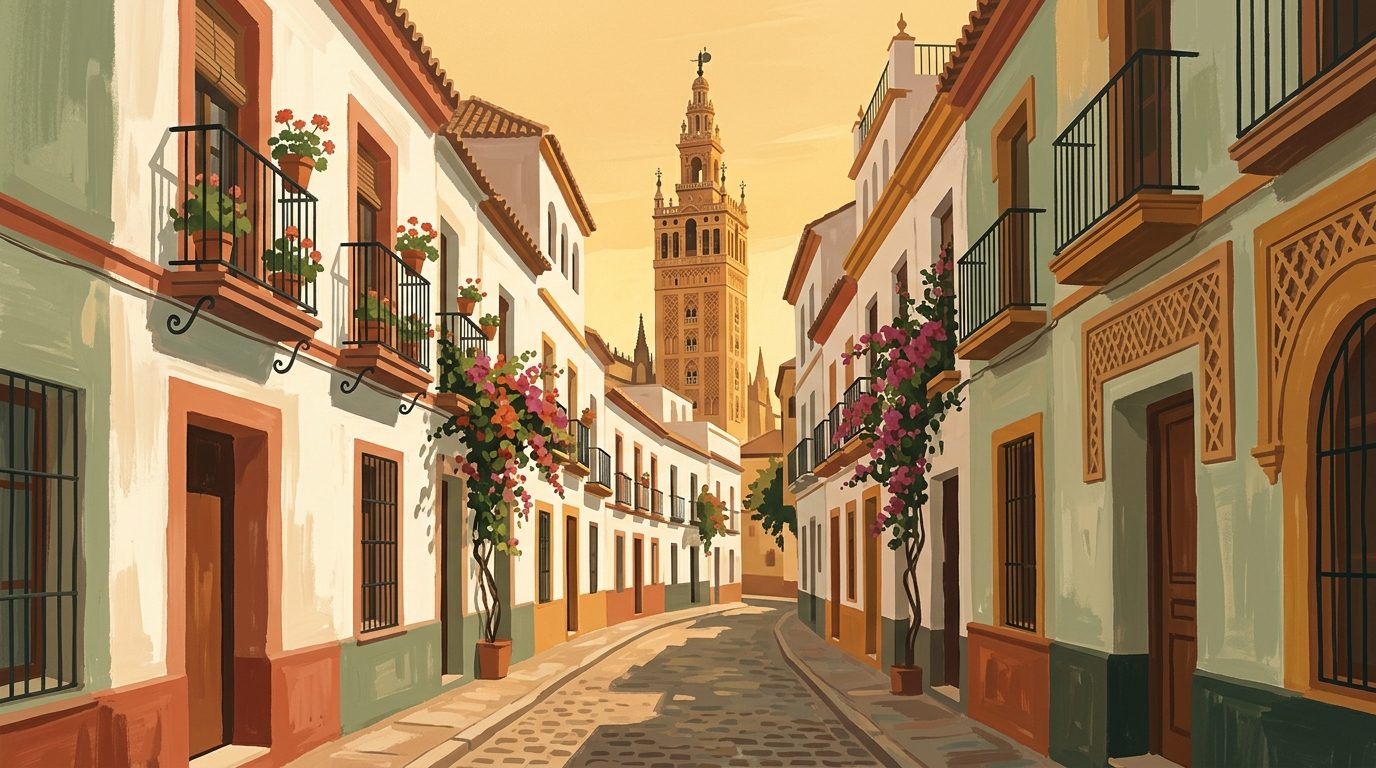
The Definitive Guide to Feria de Abril in Sevilla
Discover the cultural nuances, strict dress codes, and insider advice for navigating Sevilla's exclusive spring fair like a seasoned local.
9 min read

Golf in Jaén Province: A Practical Guide to Courses, Clubs, and Holidays
Discover the reality of playing golf in Jaén. From the 9-hole course at La Garza to local societies and combining rounds with olive oil tourism.
12 min read

Golf in Córdoba Province: Courses, Holidays, and Shops
Discover practical tips, course details, and holiday planning advice for playing golf in Córdoba province, from the mountain fairways of Sierra Morena to the historic greens of Los Pedroches.
10 min read

The Ultimate Guide to Golf in Cádiz Province
Discover the finest golf courses, resorts, and practical tips for planning your next golf holiday in the province of Cádiz. From championship layouts to essential details on green fees and club hire, everything you need is covered.
11 min read

Golf in Sevilla Province: Courses, Holidays and Local Pro Shops
Swap the crowded coastal fairways for the refined courses of Sevilla province. Discover top layouts designed by golfing legends, local shops, and expert tips for your next trip.
10 min read

A Complete Guide to Golf in Málaga Province
From championship courses in Marbella to practical advice on club rentals and tee times, discover everything you need to know about playing golf in Málaga province.
11 min read

Golf in Granada Province: A Practical Guide to Courses, Holidays and Gear
Plan your perfect golfing trip with our practical guide to Granada's 18-hole courses. Discover green fees, club rental, and the best locations for a golf holiday.
12 min read
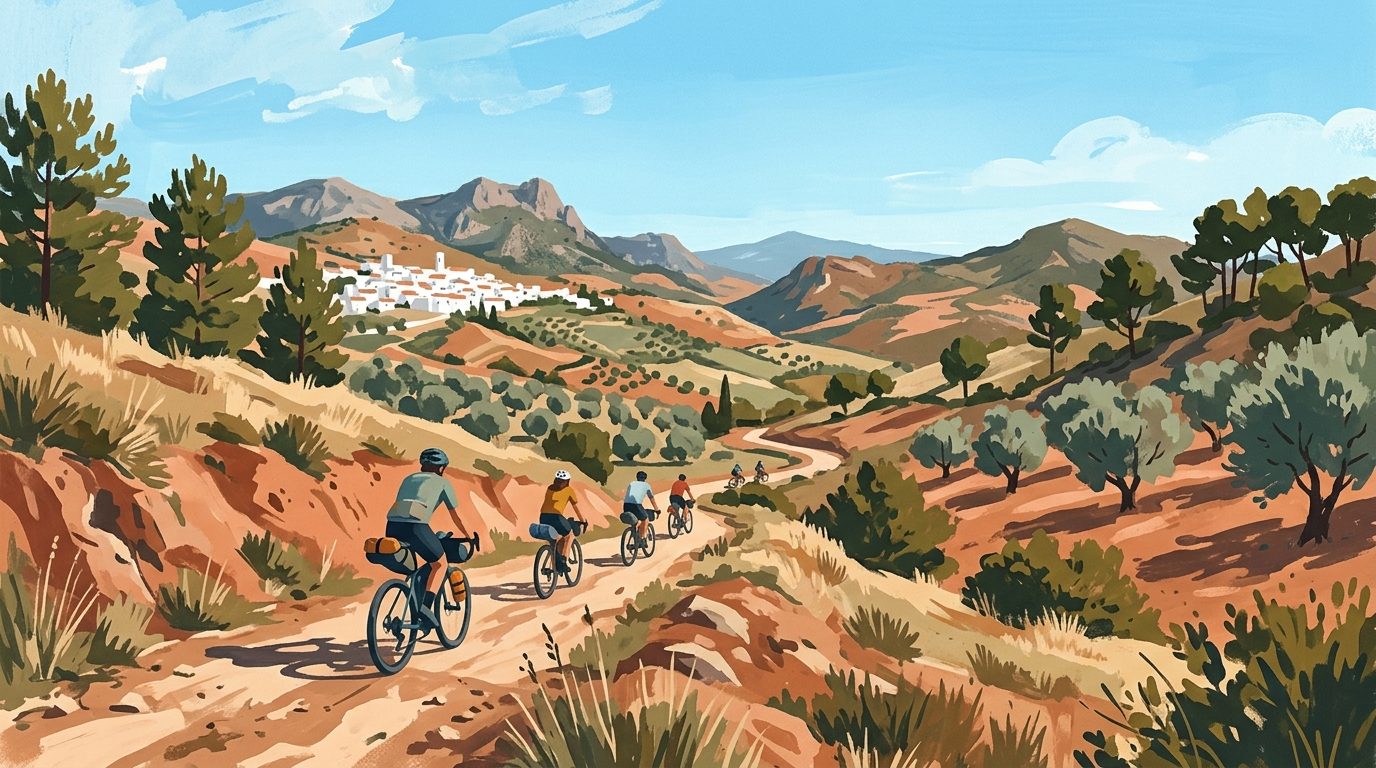
Bikepacking in Andalucía: A Complete Guide to Two-Wheeled Adventures
Discover how to plan the ultimate bikepacking adventure in southern Spain. Our guide covers route planning, essential gear, weather windows, and tips for navigating wild terrain.
13 min read
Hands-on Gastronomy: The Best Cooking Classes in Andalucía
Discover the art of Andalucían cuisine through hands-on workshops, from Triana's market-based schools to specialist Sherry cooking classes in Vejer.
6 min read
Newsletter
More stories from Andalucía
Weekly notes, seasonal picks, and the next guides worth bookmarking.