
Things to do
A Guide to Water Sports in Andalucía: Where to Surf, Dive, and Paddle
From the windswept Atlantic coast to the calm waters of the Mediterranean, Andalucía offers world-class conditions for surfing, diving, and kayaking.
By Dan · Updated 18 July 2026 · 5 min read
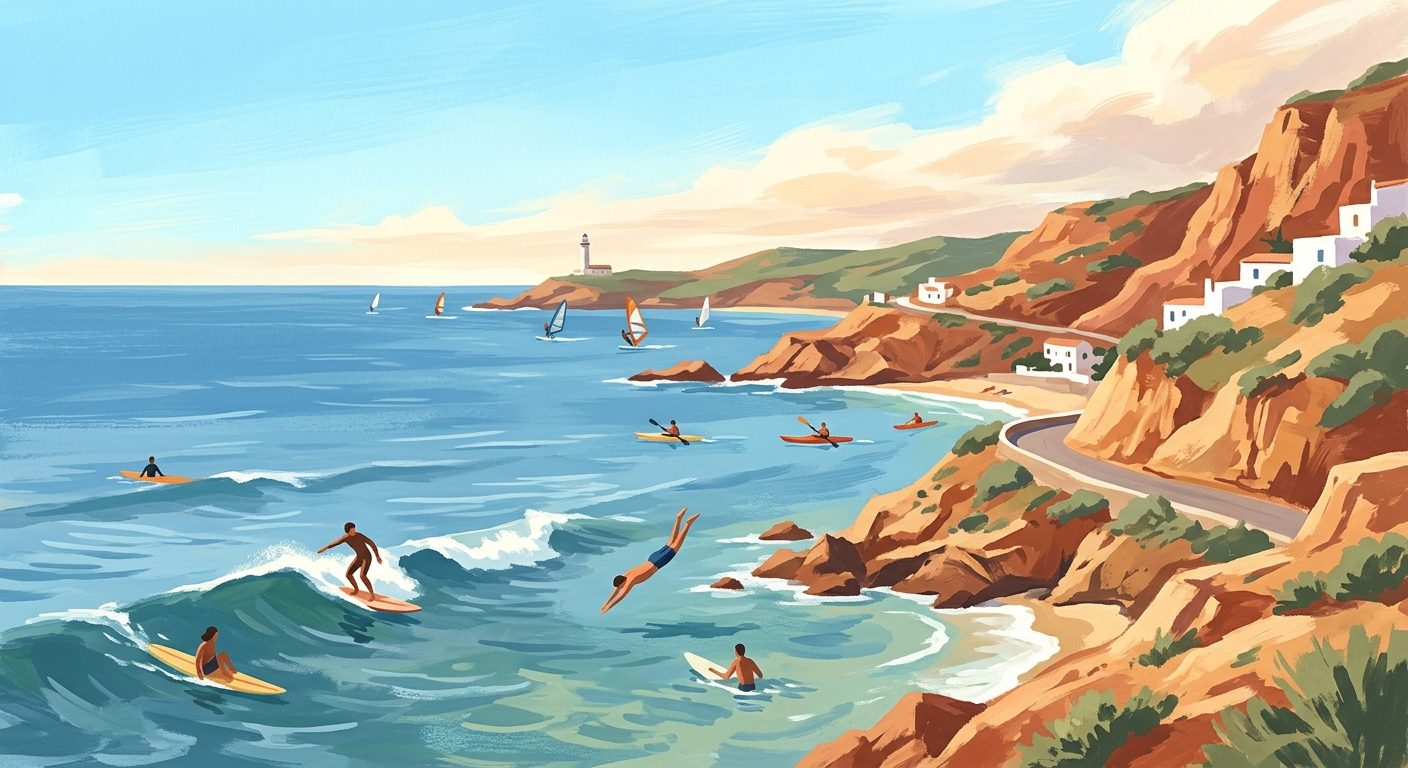
With nearly 1,000 kilometres of coastline and a network of navigable rivers, Andalucía is a premier destination for those who prefer their holidays on or under the water. From the Atlantic winds of the Costa de la Luz to the sheltered Mediterranean coves of Almería, there is a specific spot for every skill level.
Andalucía is often defined by its sun-baked landscapes and historic cities, but its relationship with the water is what truly shapes its outdoor culture. The region is unique in Europe for having two distinct coastlines: the wild, Atlantic Costa de la Luz and the calmer, warmer Mediterranean Costa del Sol and Costa de Almería. This geographical diversity means you can find world-class wind conditions for kitesurfing in the morning and be exploring a marine reserve in the afternoon.
The options are extensive. The infrastructure for water sports has grown significantly over the last decade, with professional centres providing kit hire, certified training, and guided excursions. This guide focuses on the authentic locations where the sport is the priority, rather than the commercial resort attractions, ensuring you find the best conditions the south of Spain has to offer.
Kitesurfing and Windsurfing: Tarifa and the Costa de la Luz
Tarifa: The Wind Capital of Europe
Tarifa is the southern tip of the Iberian Peninsula, where the Atlantic and Mediterranean meet. The geography creates a Venturi effect, funnelling wind through the Strait of Gibraltar at high speeds. There are two main winds here: the Levante (strong, warm, and blowing from the east) and the Poniente (cooler, more consistent, and blowing from the west). Tarifa is the primary hub for kitesurfing and windsurfing, with schools lining the shore from the town centre all the way to the dune at Valdevaqueros.
For those starting out, the Poniente offers more manageable conditions. If you are an experienced rider looking for high-octane sessions, the Levante will provide the speed you need. Reliable operators include Tarifa Max and Ion Club Tarifa. Expect to pay from €250 to €300 for a comprehensive three-day beginner course, depending on the season.
Caños de Meca and El Palmar
Further west, Caños de Meca offers a slightly more relaxed alternative to the intensity of Tarifa. It is particularly popular with windsurfers who prefer wave riding. Meanwhile, neighbouring El Palmar is the undisputed capital of surfing in Andalucía. While it lacks the giant swells of northern Spain, it provides consistent, clean waves during the autumn and winter months, making it ideal for intermediate surfers and longboarders.
Diving and Snorkelling: Almería and Granada
Cabo de Gata-Níjar Natural Park
The waters surrounding the Cabo de Gata-Níjar Natural Park in Almería are some of the clearest in the Mediterranean. As a protected marine reserve, the underwater biodiversity is exceptional. The volcanic origin of the coast has created a seabed of caves, arches, and rocky reefs that are home to large grouper, barracuda, and extensive meadows of Posidonia oceanica (seagrass).
The small fishing village of San José is the best base for diving. Beginners can try a ‘baptism’ dive, while experienced divers can explore the wreck of the Arna, a steamship that sank off the coast. Operators like Isub San José provide professional guidance and equipment hire. A single boat dive typically starts from €45 to €60 depending on kit rental.
Costa Tropical: La Herradura and Cerro Gordo
The Costa Tropical in Granada province, specifically the bay of La Herradura, is another prime location for underwater activities. The Acantilados de Maro-Cerro Gordo Natural Area provides a dramatic backdrop of cliffs that continue beneath the surface. This area is particularly suited for snorkelling and skin diving due to the high visibility and the presence of species like the Mediterranean octopus and sunfish.
Because the bay is protected from the prevailing winds, the water remains calm even when other parts of the coast are choppy. This makes it a safe environment for children and novice divers.
Kayaking and Paddleboarding: Inland and Coastal
The Guadalquivir River in Sevilla
While the coast gets most of the attention, the Guadalquivir river offers a different perspective on Andalucía’s landscape. In Sevilla, the river is wide and slow-moving, providing an excellent track for urban kayaking and Stand-Up Paddleboarding (SUP). Paddling under the Puente de Triana and past the Torre del Oro gives you a view of the city that most tourists never see.
The river is also a great training ground for competitive rowing and canoeing. Several clubs near the Isla de la Cartuja offer hourly rentals starting from €15 to €20. It is a quiet, contemplative way to experience the city at dawn or sunset.
Cabo de Gata Sea Kayaking
For a more rugged experience, sea kayaking along the cliffs of Cabo de Gata allows access to remote coves that are inaccessible by road. Paddling from Las Negras to the Cala de San Pedro reveals volcanic rock formations and turquoise waters. It is an active way to explore the coastline without the noise of a motorboat. Many tours include stops for snorkelling in the most secluded bays.
Practical Information
The water sports season in Andalucía is long. For surfing, the best waves are found from October to April. Kitesurfing in Tarifa is a year-round activity, though summer provides the most consistent thermal winds. Diving is best from May to October when the water temperature reaches a comfortable 22 to 25°C.
In terms of costs, renting a paddleboard or kayak usually starts from €15 to €25 per hour. A full day of kitesurfing equipment hire starts from €70 to €90. Most centres provide wetsuits, but if you are visiting in winter, a 4/3mm suit is recommended for the Atlantic and a 3/2mm for the Mediterranean. In summer, a simple rash guard or a 2mm shorty is usually sufficient to protect against the sun and jellyfish.
Local Tips
Always check the wind forecast before heading out, especially on the Costa de la Luz. Apps like Windguru or Windy are essential for understanding whether the Levante or Poniente will be dominant. For those heading to the Mediterranean, download the 'MedusApp' to check for real-time jellyfish sightings reported by other users. If you are planning to dive in Cabo de Gata, try to book your sessions for the morning when the water is flattest and visibility is at its peak. Finally, always carry a high-factor, reef-safe sunscreen to protect both your skin and the marine environment.
Last reviewed: 21 June 2026 · Editorial policy
Related guides
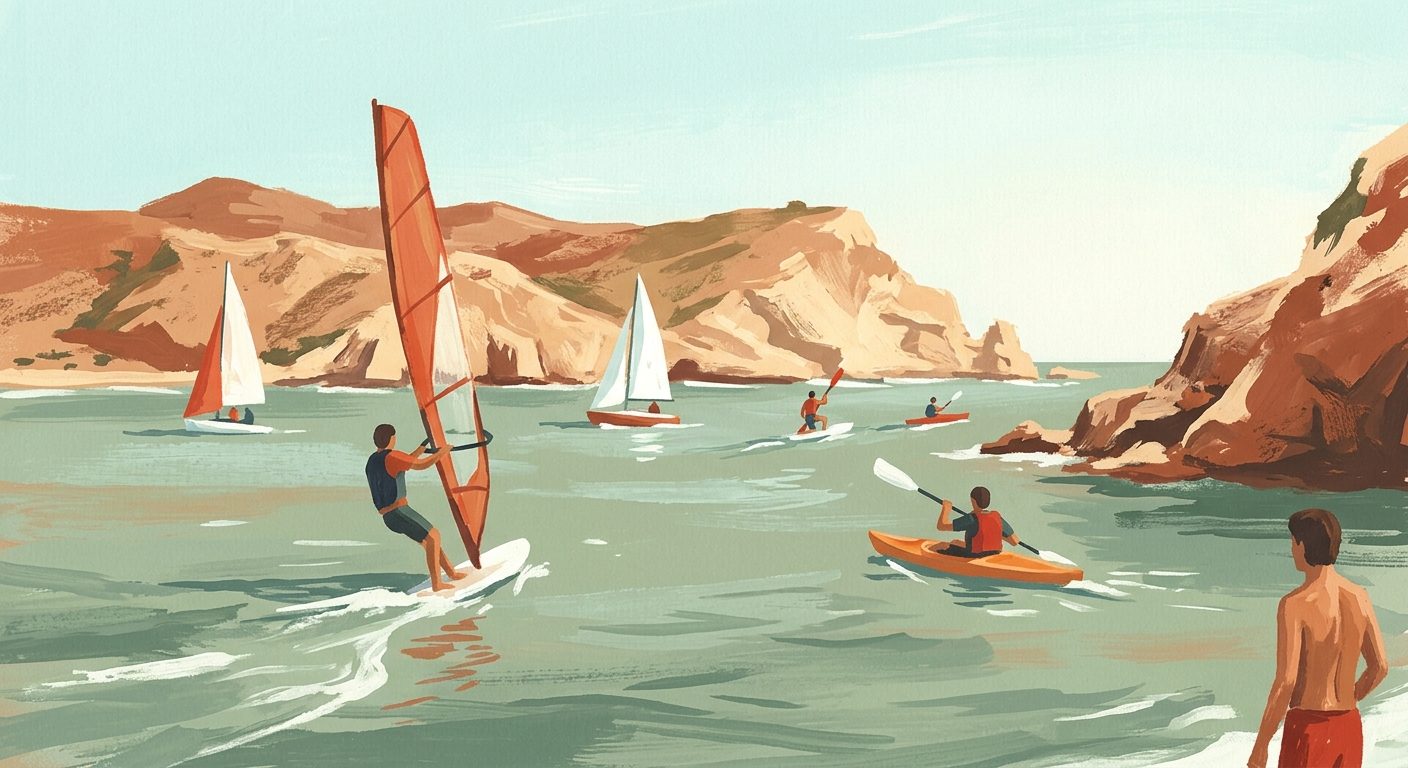
The Best Water Sports in Almería: A Coastal Guide
Discover the rugged volcanic coastline of Almería through world-class diving, kayaking, and paddleboarding in the protected waters of Cabo de Gata.
6 min read

Camping and Caravanning in Andalucía: A Practical Guide
A practical camping and caravanning guide to Andalucía, covering wild-camping rules, motorhome areas, protected land, fire risk, waste disposal and official checks.
7 min read
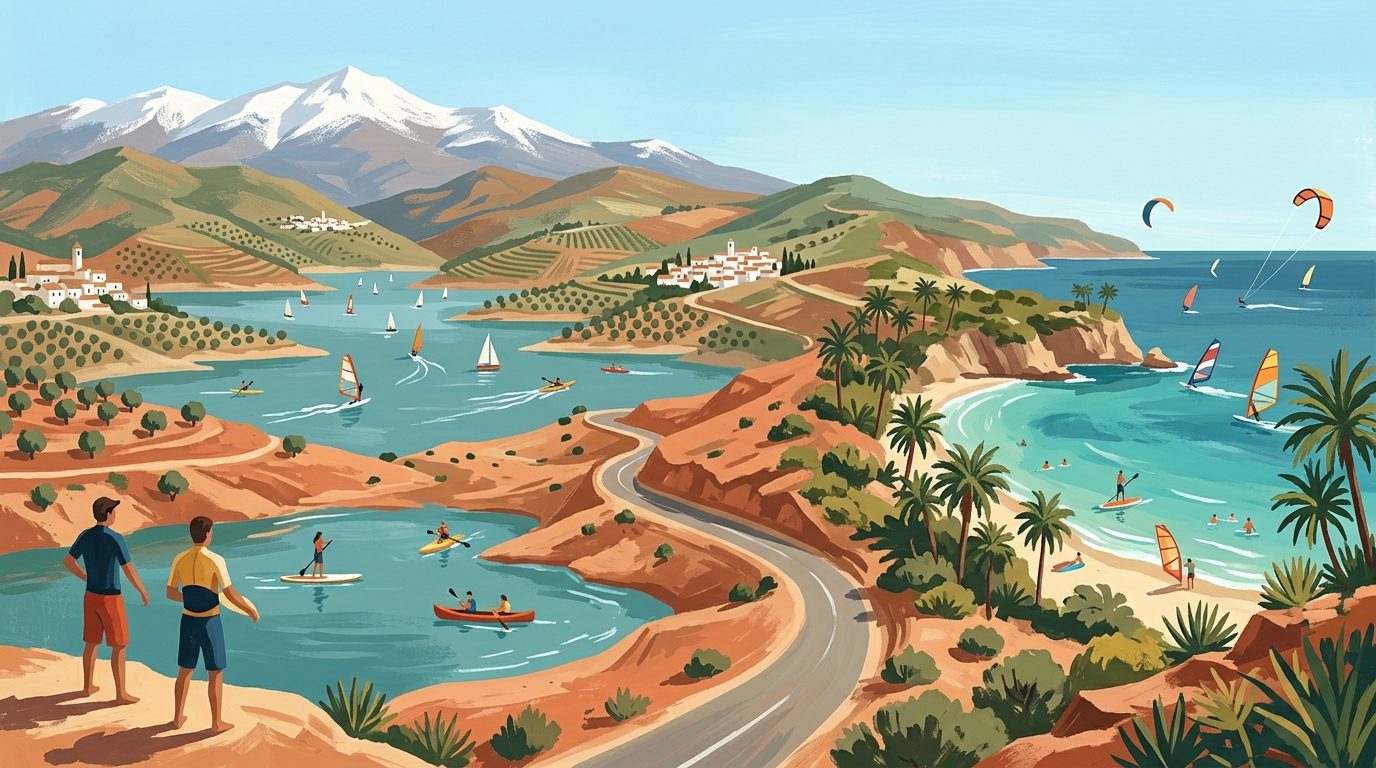
A Guide to Water Sports in Granada: From Reservoirs to the Tropical Coast
Discover the best spots for diving, kayaking, and reservoir swimming in Granada, from the marine reserves of La Herradura to the turquoise waters of Los Bermejales.
6 min read
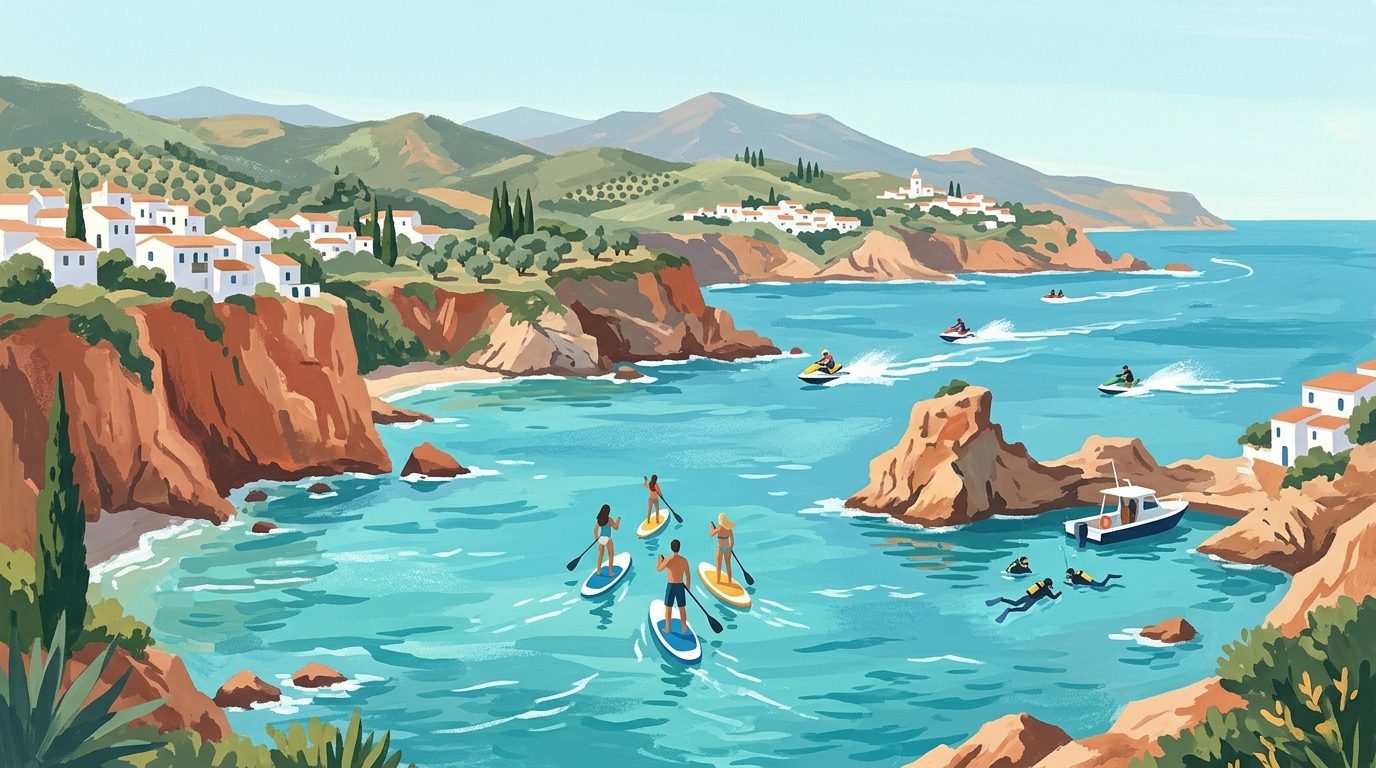
A Guide to Water Sports in Málaga: From SUP to Scuba
Discover the best locations for stand-up paddleboarding, diving, and jet skiing along the Costa del Sol with our practical guide to Málaga's water sports.
6 min read
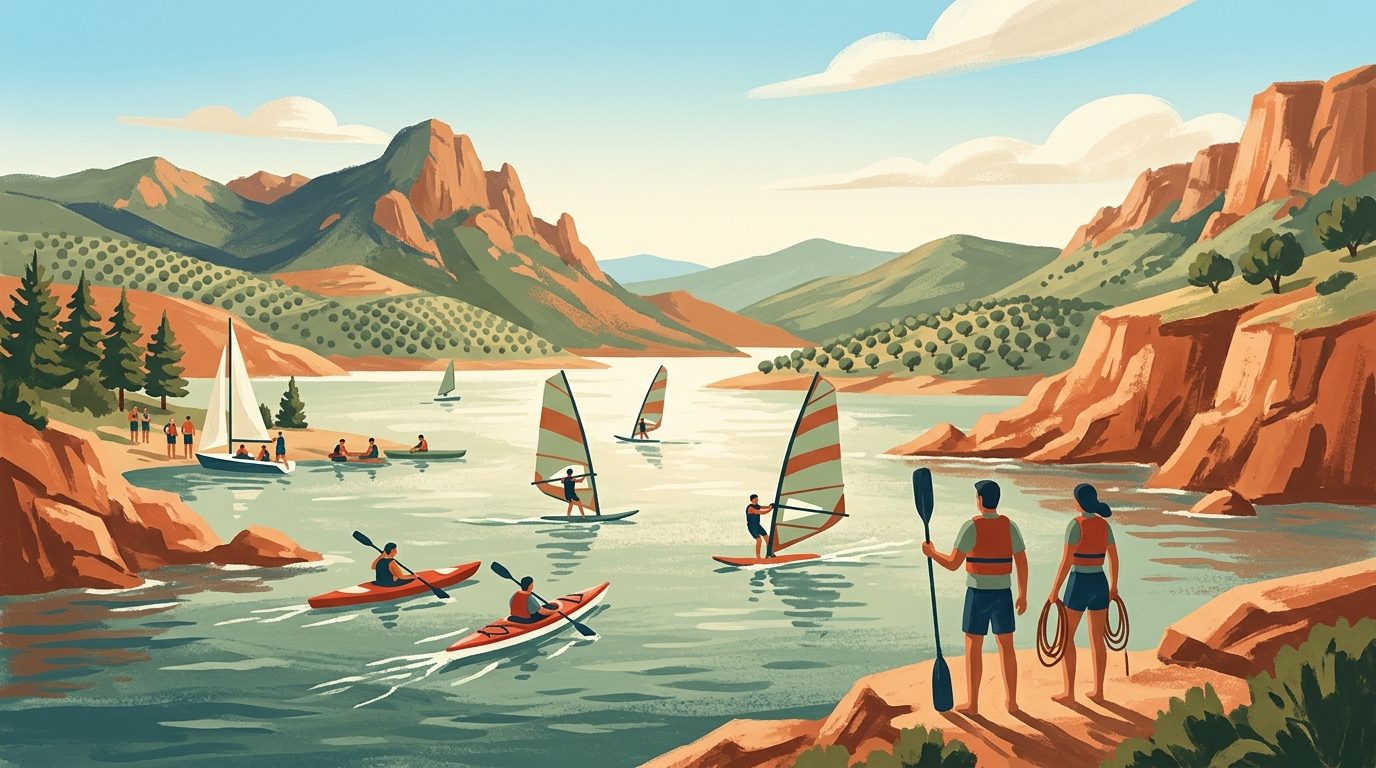
Where to Find the Best Water Sports in Jaén
Discover the unexpected side of Jaén, where mountain reservoirs and limestone gorges offer world-class kayaking, rafting, and canyoning away from the coastal crowds.
6 min read
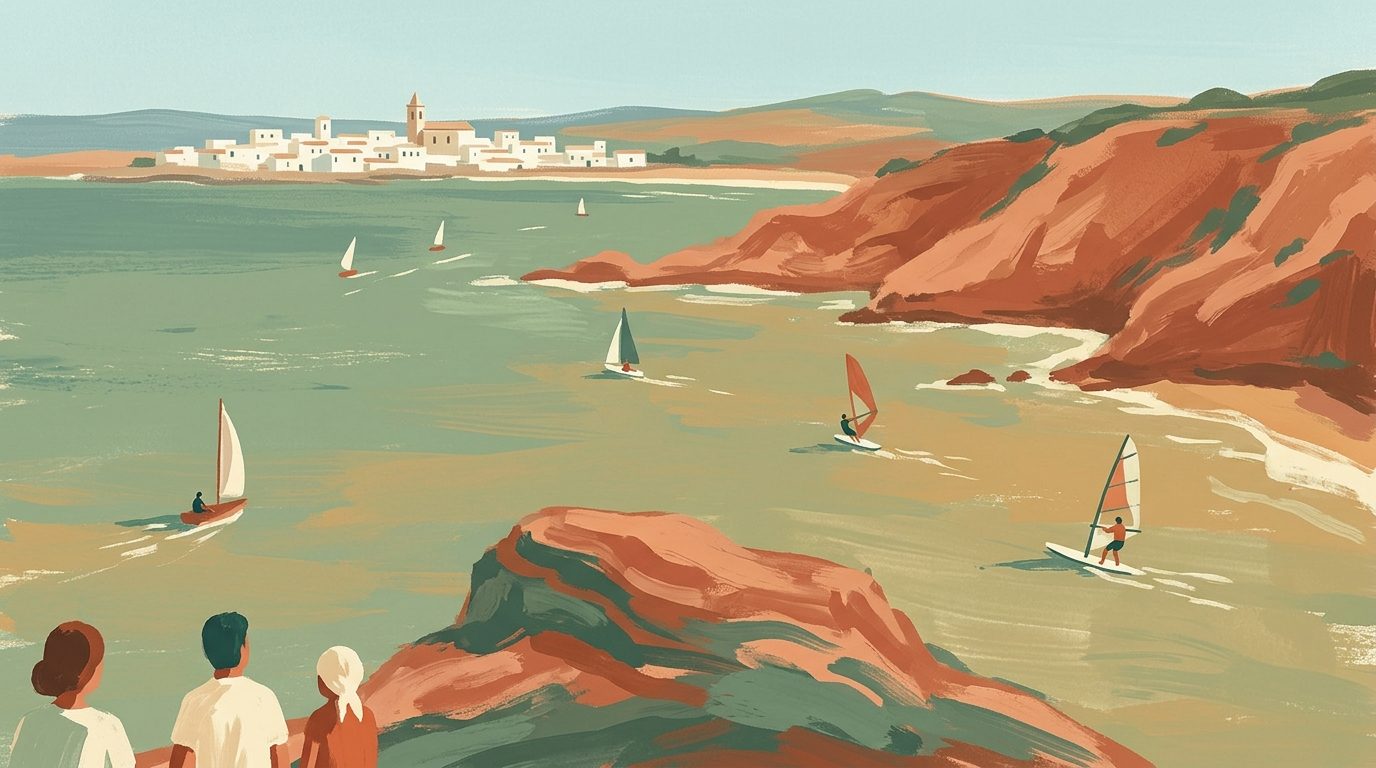
Mastering the Atlantic: A Guide to Water Sports in Huelva
From the Atlantic swells of Islantilla to the rust-coloured waters of the Río Tinto, Huelva offers a distinct maritime playground for kayaking, surfing, and sailing.
6 min read
More guides

The Definitive Guide to Feria de Abril in Sevilla
Discover the cultural nuances, strict dress codes, and insider advice for navigating Sevilla's exclusive spring fair like a seasoned local.
9 min read

Golf in Jaén Province: A Practical Guide to Courses, Clubs, and Holidays
Discover the reality of playing golf in Jaén. From the 9-hole course at La Garza to local societies and combining rounds with olive oil tourism.
12 min read

Golf in Córdoba Province: Courses, Holidays, and Shops
Discover practical tips, course details, and holiday planning advice for playing golf in Córdoba province, from the mountain fairways of Sierra Morena to the historic greens of Los Pedroches.
10 min read

The Ultimate Guide to Golf in Cádiz Province
Discover the finest golf courses, resorts, and practical tips for planning your next golf holiday in the province of Cádiz. From championship layouts to essential details on green fees and club hire, everything you need is covered.
11 min read

Golf in Sevilla Province: Courses, Holidays and Local Pro Shops
Swap the crowded coastal fairways for the refined courses of Sevilla province. Discover top layouts designed by golfing legends, local shops, and expert tips for your next trip.
10 min read
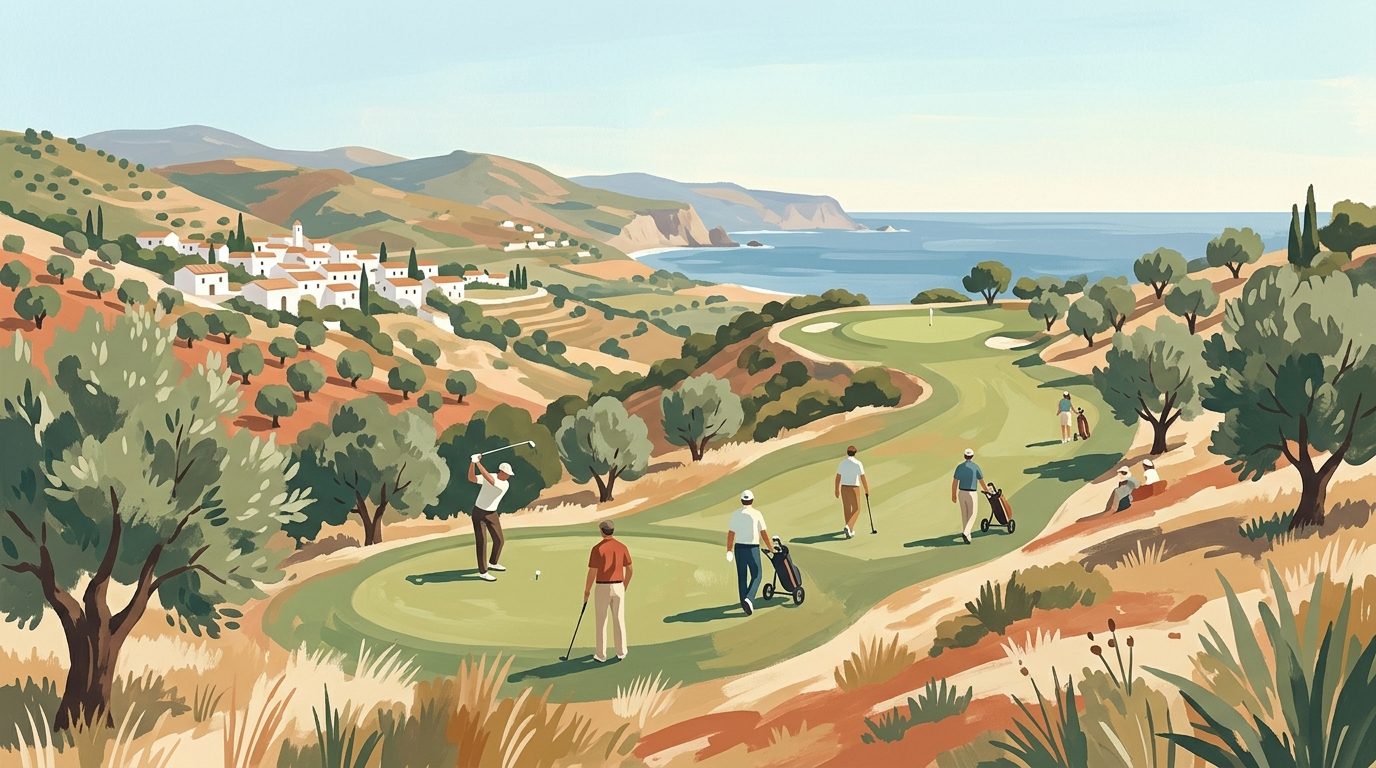
A Complete Guide to Golf in Málaga Province
From championship courses in Marbella to practical advice on club rentals and tee times, discover everything you need to know about playing golf in Málaga province.
11 min read

Golf in Granada Province: A Practical Guide to Courses, Holidays and Gear
Plan your perfect golfing trip with our practical guide to Granada's 18-hole courses. Discover green fees, club rental, and the best locations for a golf holiday.
12 min read
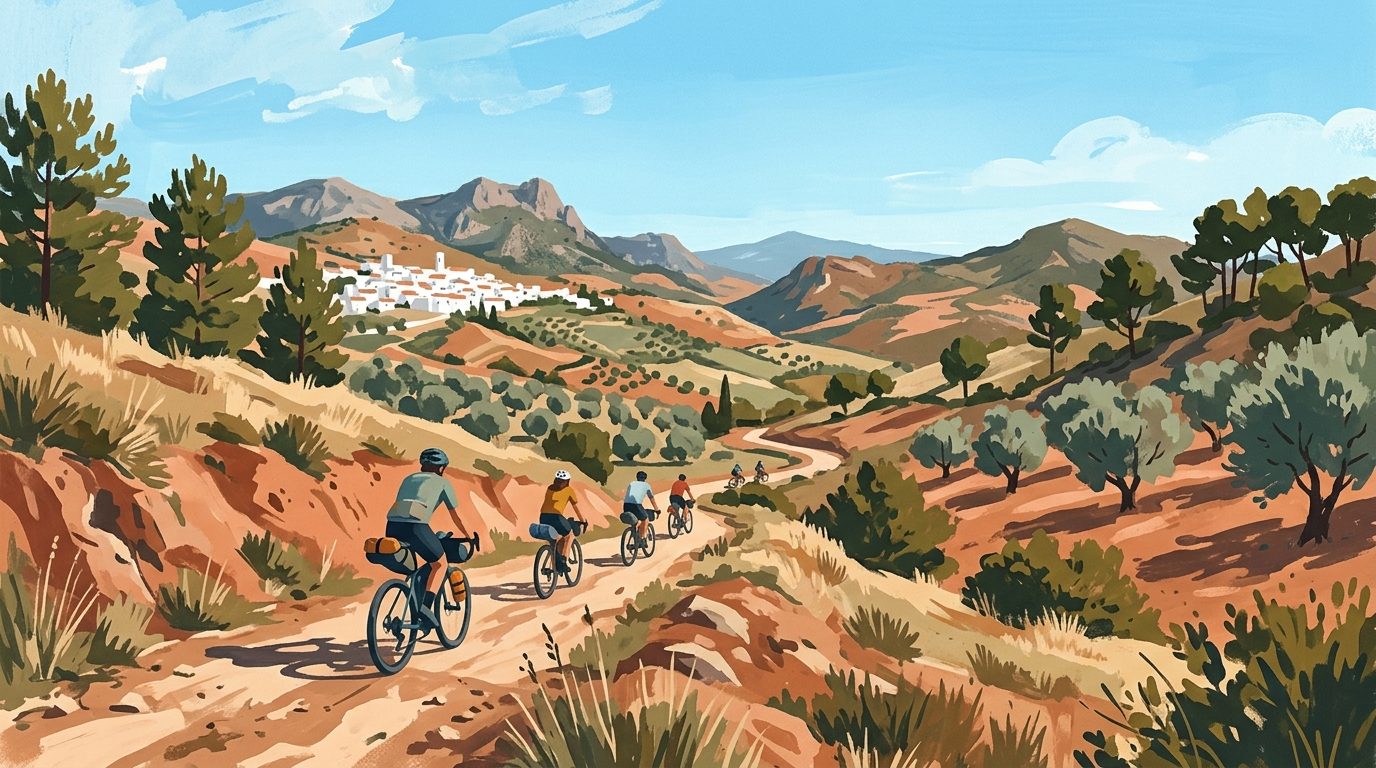
Bikepacking in Andalucía: A Complete Guide to Two-Wheeled Adventures
Discover how to plan the ultimate bikepacking adventure in southern Spain. Our guide covers route planning, essential gear, weather windows, and tips for navigating wild terrain.
13 min read

Hands-on Gastronomy: The Best Cooking Classes in Andalucía
Discover the art of Andalucían cuisine through hands-on workshops, from Triana's market-based schools to specialist Sherry cooking classes in Vejer.
6 min read
Newsletter
More stories from Andalucía
Weekly notes, seasonal picks, and the next guides worth bookmarking.