
Things to do · Granada
A Guide to Water Sports in Granada: From Reservoirs to the Tropical Coast
Discover the best spots for diving, kayaking, and reservoir swimming in Granada, from the marine reserves of La Herradura to the turquoise waters of Los Bermejales.
By Dan · Updated 16 July 2026 · 6 min read
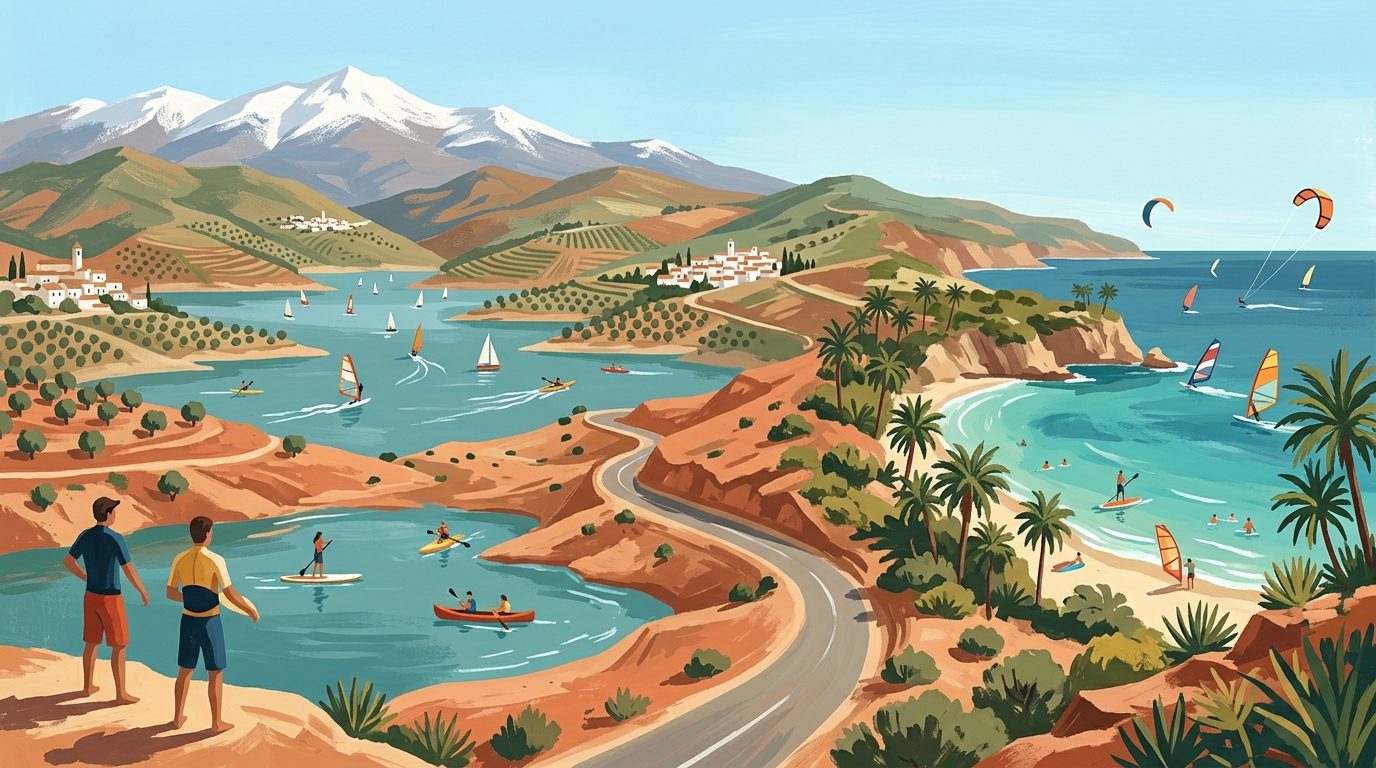
Granada offers a unique combination of Mediterranean coastal adventures and high-altitude freshwater activities. From the sheltered bays of the Costa Tropical to the cool turquoise waters of inland reservoirs, the province provides diverse options for every level of water enthusiast.
When most people think of Granada, the snow-capped peaks of the Sierra Nevada or the red walls of the Alhambra come to mind. However, the province is also one of the most versatile locations in Southern Spain for water sports. Because of its unique geography, you can find yourself paddleboarding on a mirror-still mountain reservoir in the morning and scuba diving among coral-covered rocky outcrops by the afternoon. The transition from the city centre to the shoreline of the Costa Tropical takes less than an hour, making the water incredibly accessible for day trips or extended stays.
The Mediterranean coast here, specifically around La Herradura and Almuñécar, differs significantly from the sandy plains of the Costa del Sol. The landscape is rugged, with cliffs dropping straight into the sea, creating deep, clear waters and sheltered coves that are perfect for exploration. Inland, the "pantanos" (reservoirs) serve as the province’s freshwater playgrounds, offering a calmer alternative to the sea, free from tides and salt. Granada delivers with a grounded, authentic Spanish atmosphere for anyone looking for an adrenaline-heavy afternoon of kitesurfing or a quiet morning glide on a kayak.
Best Places for Water Sports in Granada
La Herradura: The Scuba Diving Hub
La Herradura is widely considered the best spot for scuba diving in mainland Spain. This horseshoe-shaped bay is protected from the strong winds that often batter other parts of the coast, resulting in excellent visibility and calm surface conditions. The seabed here is part of the Maro-Cerro Gordo Natural Park, a protected marine area where the flora and fauna are exceptionally well-preserved. You can expect to see octopuses, groupers, and even the occasional sunfish during the summer months.
Several professional operators run boat trips and shore dives from the beach and the nearby Marina del Este. Buceo Marina and Open Water La Herradura are two of the most established centres (check their websites for the latest 2026 schedules), offering everything from "Discover Scuba" sessions for beginners to advanced technical diving courses. A single dive in 2026 typically starts from €35 to €50, depending on whether you need to hire equipment (check on the operator's website before travelling).
Almuñécar: Kayaking and Coastal Exploration
Just a ten-minute drive east of La Herradura lies Almuñécar. This town is the ideal base for sea kayaking and Stand-Up Paddleboarding (SUP). The coastline between Almuñécar and the neighbouring village of Salobreña is dotted with sea caves and small beaches that are only accessible by water. Renting a kayak allows you to escape the crowds on the main beaches and find your own private corner of the Mediterranean.
For those interested in a guided experience, Windsurf La Herradura and various outfits along the Playa de San Cristóbal offer sunset tours. These guided trips often include snorkelling stops in the clear waters around the Peñón de Salobreña, a massive rock formation that juts out into the sea. Expect to pay starting from approximately €20 per hour for kayak rental or €45 for a three-hour guided tour in 2026 (check on the operator's website before travelling).
Embalse de los Bermejales: Freshwater Paradise
If you prefer freshwater, the Embalse de los Bermejales is an essential destination. Located about 45 minutes south-west of Granada city, near the town of Alhama de Granada, this reservoir is famous for its stunning turquoise water and its sandy, pine-fringed shores. Unlike the sea, there are no currents or waves here, making it a very safe environment for families and those new to water sports.
The Bermejales Activa centre provides rentals for pedalos, canoes, and paddleboards. The reservoir is large enough that even on a busy Sunday, you can find a quiet spot across the water. It is also a popular location for open-water swimming training due to the lack of motorised boats and the consistent water temperature during the summer months. Entry to the reservoir areas is usually free, though some parking zones may charge a small fee in high season.
Pantano de Cubillas: Sailing and Windsurfing
Located just 20 minutes north of the city centre, Pantano de Cubillas is the closest body of water to Granada. It is the primary training ground for the University of Granada’s nautical club, but it is open to the public as well. The reservoir’s position makes it prone to steady afternoon breezes, which are ideal for dinghy sailing and windsurfing.
Because it is so close to the city, it is a favourite for locals looking for a quick escape. The Campus Náutico de la Universidad de Granada offers courses in sailing and canoeing, but there are also private operators like Alcalá Náutica providing equipment hire. It’s an excellent spot for a focused training session or a few hours of windsurfing before heading back to the city for tapas.
Motril: Kitesurfing and Windsurfing
Motril is the industrial heart of the coast, but its long, wide beaches like Playa de Poniente are the best for wind-dependent sports. Unlike the sheltered coves of La Herradura, Motril’s beaches are exposed to the thermal winds that pick up in the afternoon. This makes it the go-to spot for kitesurfing in the province.
While Tarifa further west is the world-famous kitesurfing capital, Motril offers a much more relaxed environment with fewer people in the water. Local schools such as AWA Center Motril provide lessons for all ages. The wide beach provides plenty of space for launching and landing kites safely, which is often a challenge in the smaller bays nearby.
Practical Information
The best season for water sports in Granada depends on your choice of activity. For diving and snorkelling, June to September offers the warmest water (reaching 24 to 26°C) and the best visibility. However, spring and autumn are also viable if you use a thicker wetsuit. For the inland reservoirs, the season is shorter, typically from May to late September, as the mountain water can be bracingly cold outside of these months.
Most rental shops and schools provide all necessary equipment, including life jackets and wetsuits. If you are heading to the reservoirs, bring plenty of sun cream and perhaps some water shoes, as the ground under the water can be rocky or muddy. Costs are generally lower than in the larger resorts of the Costa del Sol; a full day of equipment hire for various sports will rarely exceed €60.
Local Tips
When planning a trip to the coast, check the wind forecast for 'Levante' (east wind) or 'Poniente' (west wind). In La Herradura, a strong Levante can make the water choppy, while Poniente usually keeps the bay flat and clear. If you are visiting the reservoirs on a weekend, try to arrive before 11:00 am. These spots are incredibly popular with local families for afternoon picnics, and parking can become difficult later in the day. Lastly, if you are diving in Marina del Este, keep an eye out for the small seahorses that hide in the sea grass, as they are a rare treat for observant divers.
Last reviewed: 14 July 2026 · Editorial policy
Related guides
Mastering the Atlantic: A Guide to Water Sports in Huelva
From the Atlantic swells of Islantilla to the rust-coloured waters of the Río Tinto, Huelva offers a distinct maritime playground for kayaking, surfing, and sailing.
6 min read
Snorkelling & Marine Life of the Costa Tropical
Discover the underwater world of Granada's Costa Tropical, where clear Alborán waters host octopus, peacock wrasse, and protected seagrass meadows.
6 min read
A Guide to Water Sports in Málaga: From SUP to Scuba
Discover the best locations for stand-up paddleboarding, diving, and jet skiing along the Costa del Sol with our practical guide to Málaga's water sports.
6 min read
Water Sports in Sevilla: Navigating the Guadalquivir
Discover the best ways to explore Sevilla's Guadalquivir river, from sunset paddleboarding and city kayaking to professional rowing and nature tours in the marshes.
6 min read
A Guide to Water Sports in Andalucía: Where to Surf, Dive, and Paddle
From the windswept Atlantic coast to the calm waters of the Mediterranean, Andalucía offers world-class conditions for surfing, diving, and kayaking.
5 min read
The Best Water Sports in Almería: A Coastal Guide
Discover the rugged volcanic coastline of Almería through world-class diving, kayaking, and paddleboarding in the protected waters of Cabo de Gata.
6 min read
More from Granada

Golf in Granada Province: A Practical Guide to Courses, Holidays and Gear
Plan your perfect golfing trip with our practical guide to Granada's 18-hole courses. Discover green fees, club rental, and the best locations for a golf holiday.
12 min read
A Guide to Cycling in Granada: From High Peaks to Valley Floors
From the highest paved road in Europe to technical mountain bike trails through olive groves, Granada offers some of the most varied terrain in Andalucía for cyclists of all disciplines.
6 min read
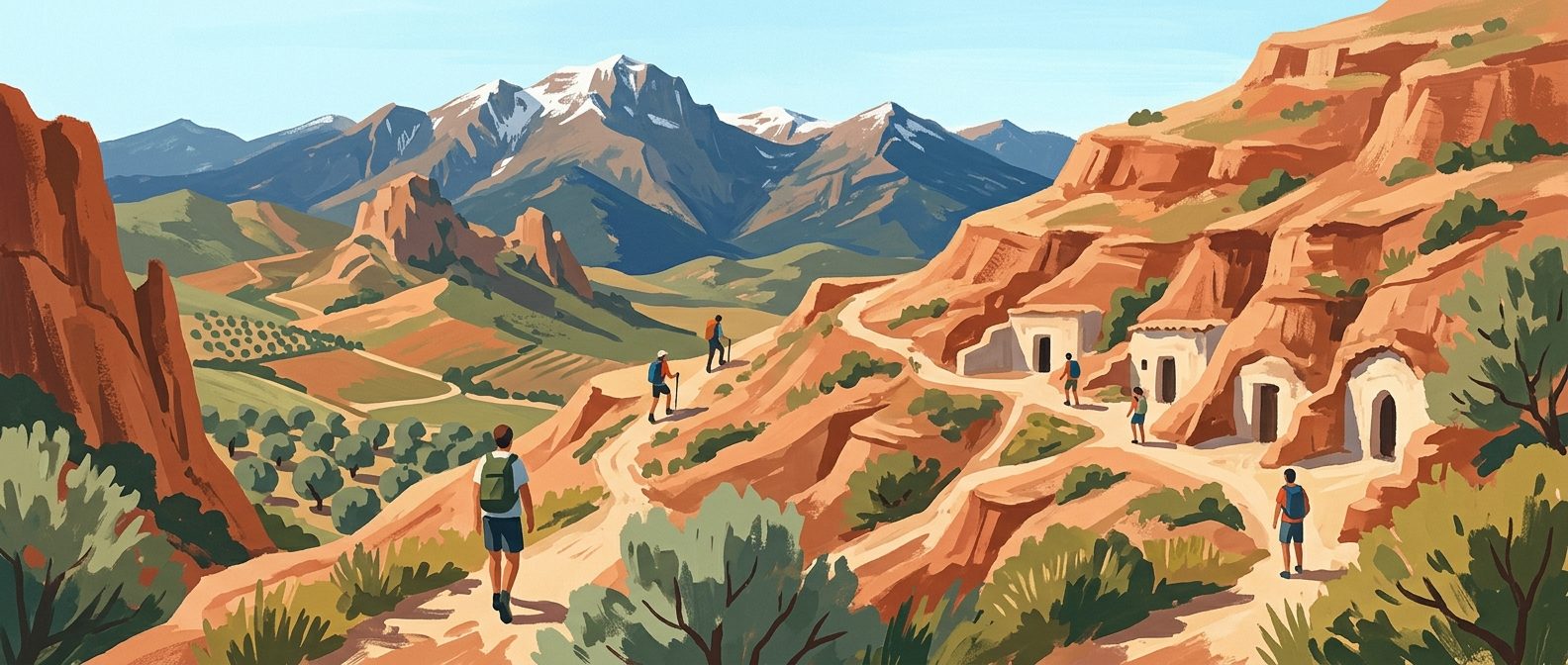
The Best Day Trips from Granada: Sierra Peaks and Cave Dwellings
Escape the city and discover the diverse landscapes surrounding Granada, from the whitewashed villages of the Alpujarras to the extraordinary cave dwellings of Guadix.
6 min read
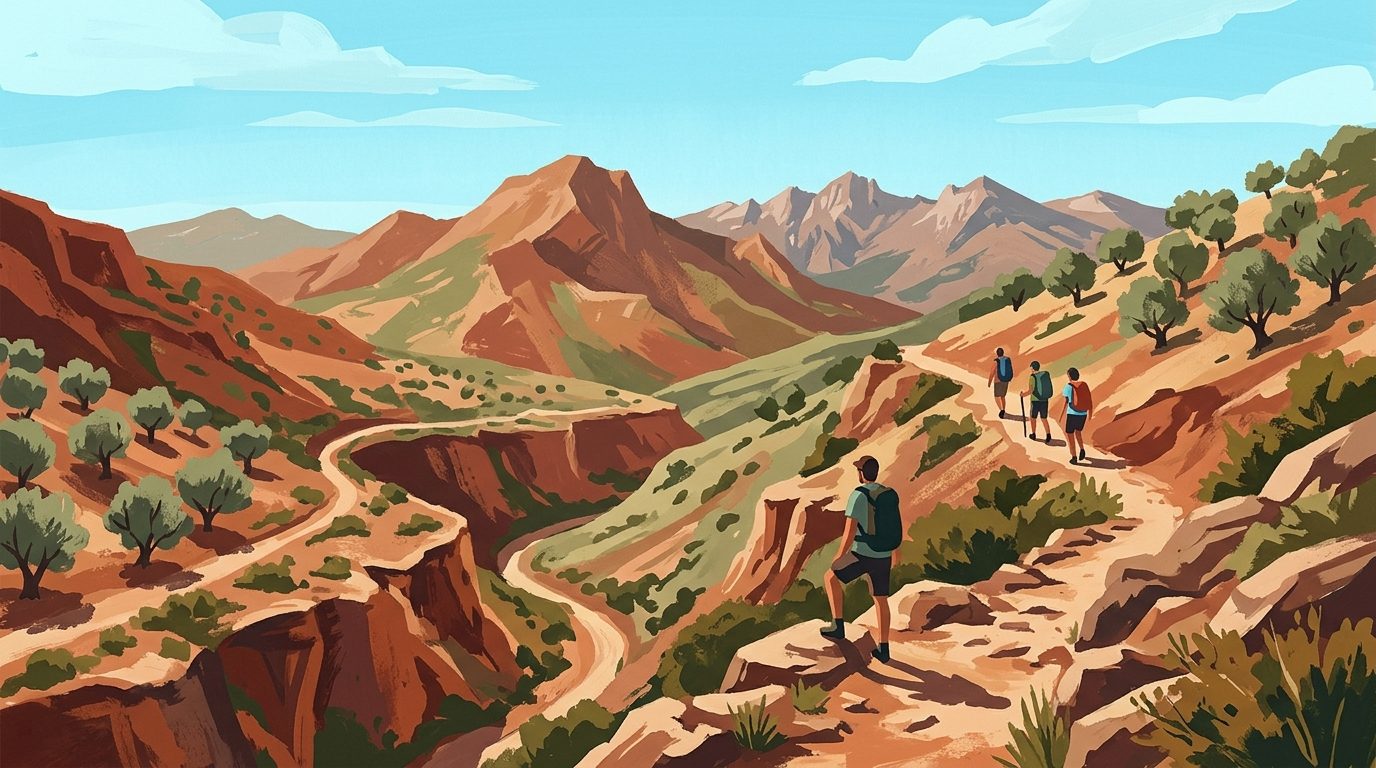
Hiking and Walking in Granada: From High Peaks to Gorge Trails
From the high-altitude peaks of the Sierra Nevada to the terraced valleys of the Alpujarras, Granada offers some of the most varied walking terrain in southern Spain.
6 min read
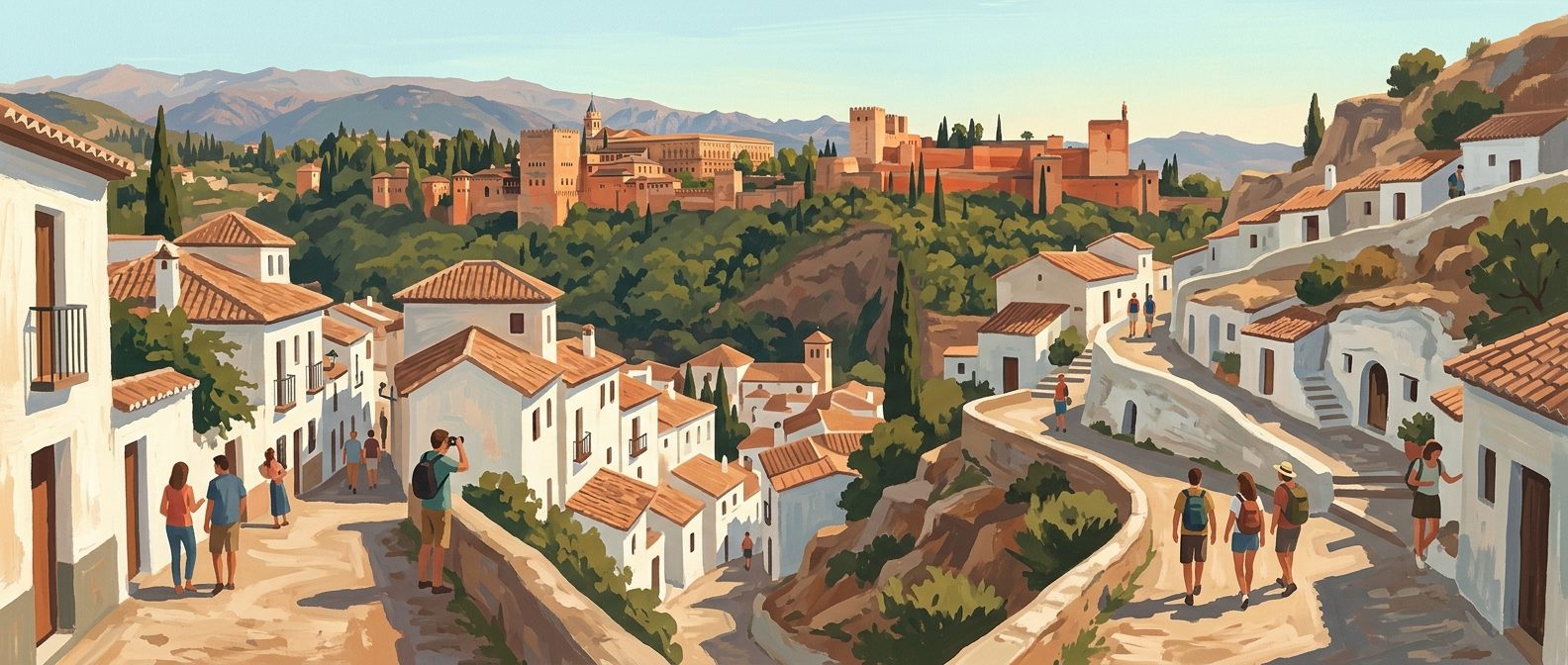
Unveiling Granada's Soul: A Journey Through the Albaicín and Sacromonte Quarters
Walk through Granada’s Albaicín and Sacromonte quarters with context on Moorish streets, cave houses, flamenco heritage, viewpoints and practical routes.
7 min read

Granada's Enduring Moorish Soul: Beyond the Alhambra
Discover Granada's profound Moorish legacy beyond the Alhambra, delving into the ancient Albaicín quarter, overlooked architecture, and the layered culture that defines the city.
5 min read

Skiing in Sierra Nevada: A Guide to the Sunniest Slopes in Europe
Experience the unique thrill of skiing in southern Spain, where you can carve through snow in the morning and relax by the Mediterranean in the afternoon. Discover everything from the 110km of pistes in Sierra Nevada to the best spots for tapas in Pradollano.
5 min read

The Alhambra and Generalife: A Detailed Guide to Granada's Moorish Masterpiece
Explore the Alhambra and Generalife in Granada, from the Nasrid Palaces and beautiful courtyards to practical ticket, timing, and essential ID entry tips.
6 min read
Newsletter
More stories from Andalucía
Weekly notes, seasonal picks, and the next guides worth bookmarking.