things to do
Water Sports in Seville: Navigating the Guadalquivir
14 April 2026 · 6 min read · 1,308 words
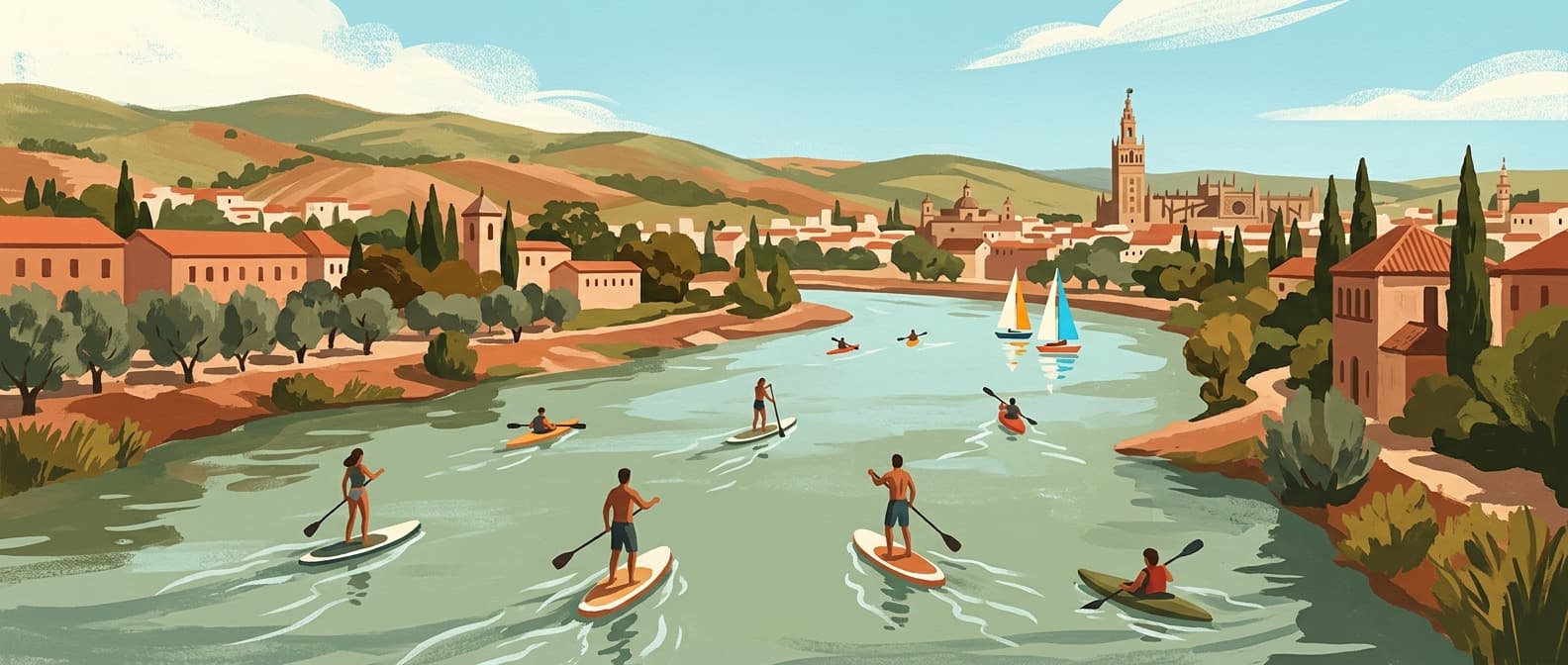
Discover the best ways to explore Seville's Guadalquivir river, from sunset paddleboarding and city kayaking to professional rowing and nature tours in the marshes.
The Guadalquivir River provides a calm, wide playground for paddlers looking to see the city from a different perspective. From sunset paddleboarding to competitive rowing, Seville offers a unique way to escape the inland heat.
Water Sports in Seville: Navigating the Guadalquivir
While Seville is famously defined by its sun-drenched plazas and orange-scented streets, the Guadalquivir river is the city’s actual pulse. It remains the only navigable river in Spain, a fact that historically made Seville the gateway to the New World. Today, the water serves a more recreational purpose. For those visiting or living here, the river acts as a cooling corridor, offering a way to engage with the city’s skyline without the friction of the narrow city centre pavements. Whether you are looking for a vigorous workout or a slow-paced drift under the bridges, the river provides a consistent, flat-water environment that is accessible to almost everyone.
The beauty of Seville’s water sports scene lies in its predictability. Unlike the coastal activities in nearby Cádiz or Huelva, you won’t have to contend with tides or heavy swell. The Canal de Alfonso XIII, which runs through the heart of the city, is essentially a massive, controlled basin. This makes it an ideal spot for beginners to pick up a paddle for the first time, while the professional-grade facilities at the northern end of the canal satisfy the most serious athletes. From the historic Triana riverbank to the modernist structures of the 1992 Expo site, the water offers a front-row seat to the city’s architectural evolution.
Best Places and Operators for Water Sports in Seville
The Heart of the City: Triana and the Canal de Alfonso XIII
Most water-based activities happen on the stretch of water between the Puente del Alamillo and the San Telmo bridge. This is where you get the classic views of the Torre del Oro and the colourful facades of Calle Betis. If you want to jump straight into a kayak, Club Piragüismo Triana is one of the most established names in the area. Located on the Triana side of the river, they offer rentals and guided tours that explain the riverside landmarks as you pass them. A standard kayak rental usually costs around €15 to €20 per hour, with discounts for longer sessions.
For a structured experience, consider a guided tour. These often start from the Paseo de la O and take you past the Giralda peaks visible over the rooftops. [AFFILIATE: kayaking in Seville] is a popular way to spend a morning, particularly before the midday temperatures climb too high. You will find that the river is wide enough to accommodate both the leisurely tourist and the focused athlete without much overlap.
Stand-Up Paddle (SUP) Near the Puente de San Telmo
Stand-up paddleboarding has seen a massive surge in popularity in Seville over the last five years. The river is perfect for it because there is very little current in the central canal. Sevilla Paddle Surf, located near the San Telmo bridge, is a key operator here. They offer introductory classes for those who haven't yet mastered the balance required to stand upright on a board. One of the most popular activities they run is the sunset SUP session, where you can watch the light change over the city while floating calmly in the middle of the river.
Prices for SUP usually start at €20 for a 90-minute session. They also offer "Big SUP" boards, which can hold up to ten people at once—a great option for groups or families. [AFFILIATE: stand-up paddle Seville] sessions often include a short briefing on the bank before you hit the water, ensuring you know how to navigate the traffic of other rowers and tour boats.
Professional Rowing at the High-Performance Centre (CEAR)
Seville is a world-renowned hub for rowing. The Centro de Alto Rendimiento (CEAR) at the Cartuja is an Olympic-level facility that hosts international teams throughout the winter months. While the centre itself is for professionals, the culture of rowing permeates the whole city. If you are an experienced rower, you might look into the Real Círculo de Labradores or the Club Náutico Sevilla. These clubs have deep roots in the city and offer excellent facilities, including boat storage and competitive training programmes.
For visitors, seeing the eight-man crews slicing through the water at sunrise is a quintessentially Sevillian sight. If you want to try rowing yourself but aren't an expert, some clubs offer short-term courses during the spring and autumn. The flat water of the 1992 Expo canal is arguably the best place in southern Europe for the sport, thanks to the lack of wind and current.
Exploring the Marismas at Isla Mínima
If you want to escape the city entirely, head south towards the Guadalquivir marshes, or Las Marismas. Isla Mínima, located about 40 minutes from the city centre, offers a completely different landscape. This is where the river starts to broaden out into the wetlands that lead towards Doñana National Park. Guadalquivir Activo is a great operator for this kind of excursion. They organise canoeing trips through the rice fields and marshes, where the focus shifts from architecture to birdlife.
Canoeing in this area is a longer commitment, usually requiring a half or full day. It is an authentic look at the rural side of Seville province, far from the crowds of the Cathedral. [AFFILIATE: canoeing tour in Seville] to Isla Mínima is highly recommended for those who appreciate nature photography, as you are likely to spot flamingos, herons, and other migratory birds.
Night-time River Adventures
During the height of summer, being on the water after the sun goes down is one of the most pleasant ways to stay cool. Several operators, including Kayak Sevilla, offer night tours. These tours are less about exercise and more about the atmosphere. The bridges of Seville are beautifully lit, and the reflection of the city lights on the dark water is spectacular. These sessions usually begin around 9:00 PM or 10:00 PM and last for two hours. It’s a quiet, serene experience that makes the city feel much larger than it does from the street level.
Practical Information
The best time to get on the water in Seville is from March to June, and then again from September to November. During July and August, the heat can be intense even on the water, so aim for early morning or late evening sessions. Most operators provide life jackets, which are mandatory, and waterproof bags for your belongings. It is sensible to wear quick-dry clothing and plenty of sunscreen, as the reflection from the water increases UV exposure.
Costs are generally affordable compared to other European cities. Expect to pay between €15 and €40 depending on whether you are renting equipment solo or joining a guided group with an instructor. Most clubs have changing rooms and showers, but it is always worth checking in advance if you plan to go straight from the river to a tapas bar. You do not usually need a specific licence for non-motorised craft like kayaks or SUP boards on the city stretch of the river.
Local Tips
When you are out on the river, keep to the right-hand side. The centre of the canal is often used by high-speed rowing crews who cannot always see what is directly behind them. Also, pay attention to the tour boats (the large cruisers); they have the right of way and create a small wake that can wobble a beginner on a paddleboard. If you want the calmest water, head out at dawn. The river is like glass, and you will share the space only with the most dedicated local athletes and the occasional grey heron. After your session, head to one of the small kiosks on the Paseo de Cristóbal Colón for a cold drink—the view back towards Triana is the perfect reward.
More guides
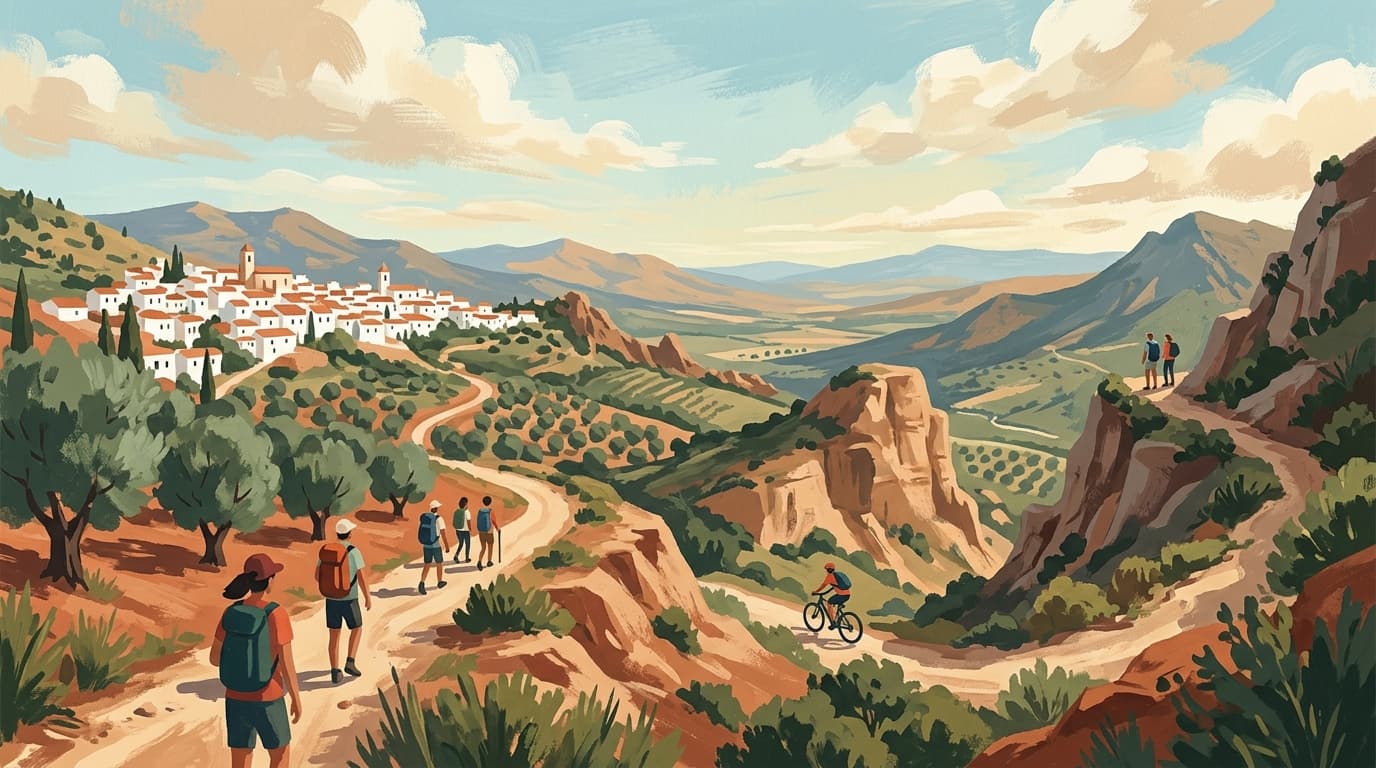
Beyond the Coast: Essential Day Trips from Málaga
Discover the best day trips from Málaga, featuring the clifftop views of Ronda, the suspension bridges of Caminito del Rey, and the ancient dolmens of Antequera.
6 min read
Read guide →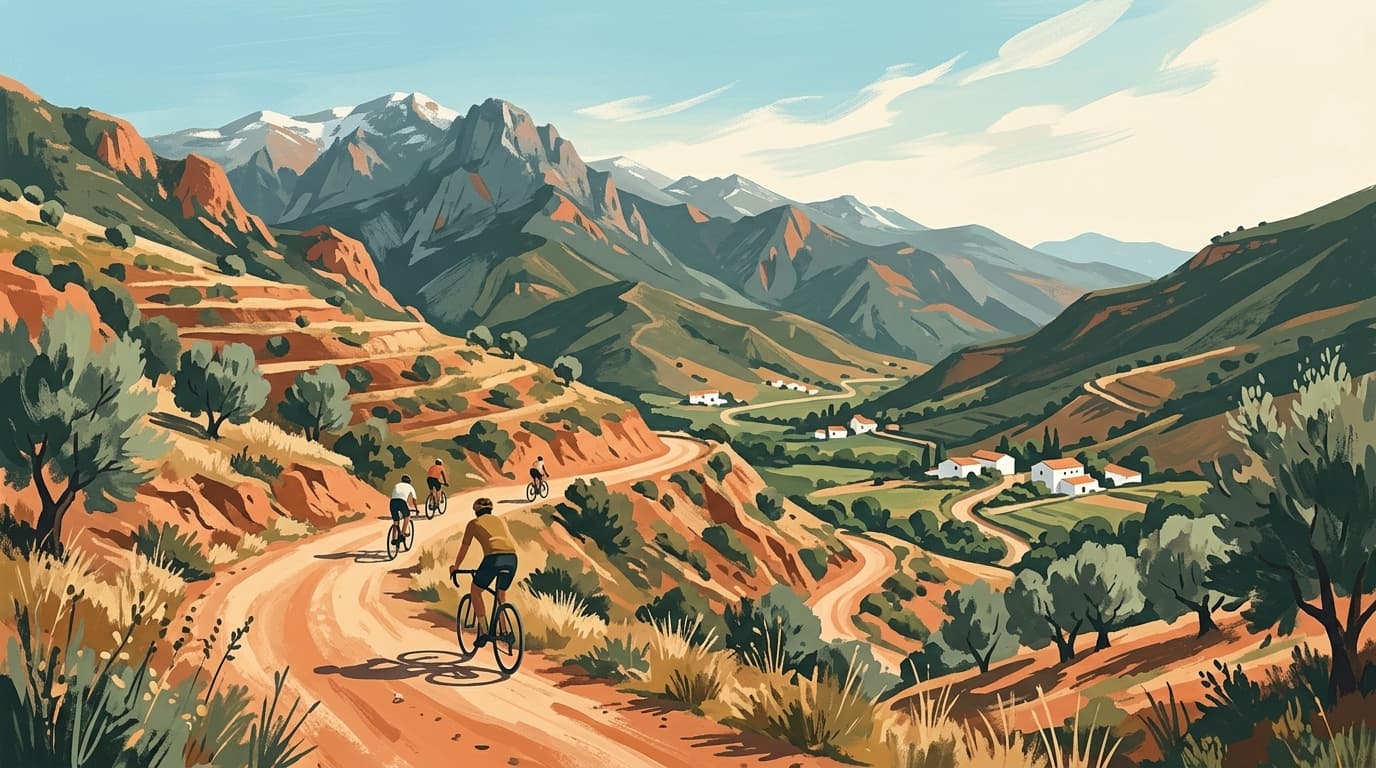
A Guide to Cycling in Granada: From High Peaks to Valley Floors
From the highest paved road in Europe to technical mountain bike trails through olive groves, Granada offers some of the most varied terrain in Andalucía for cyclists of all disciplines.
6 min read
Read guide →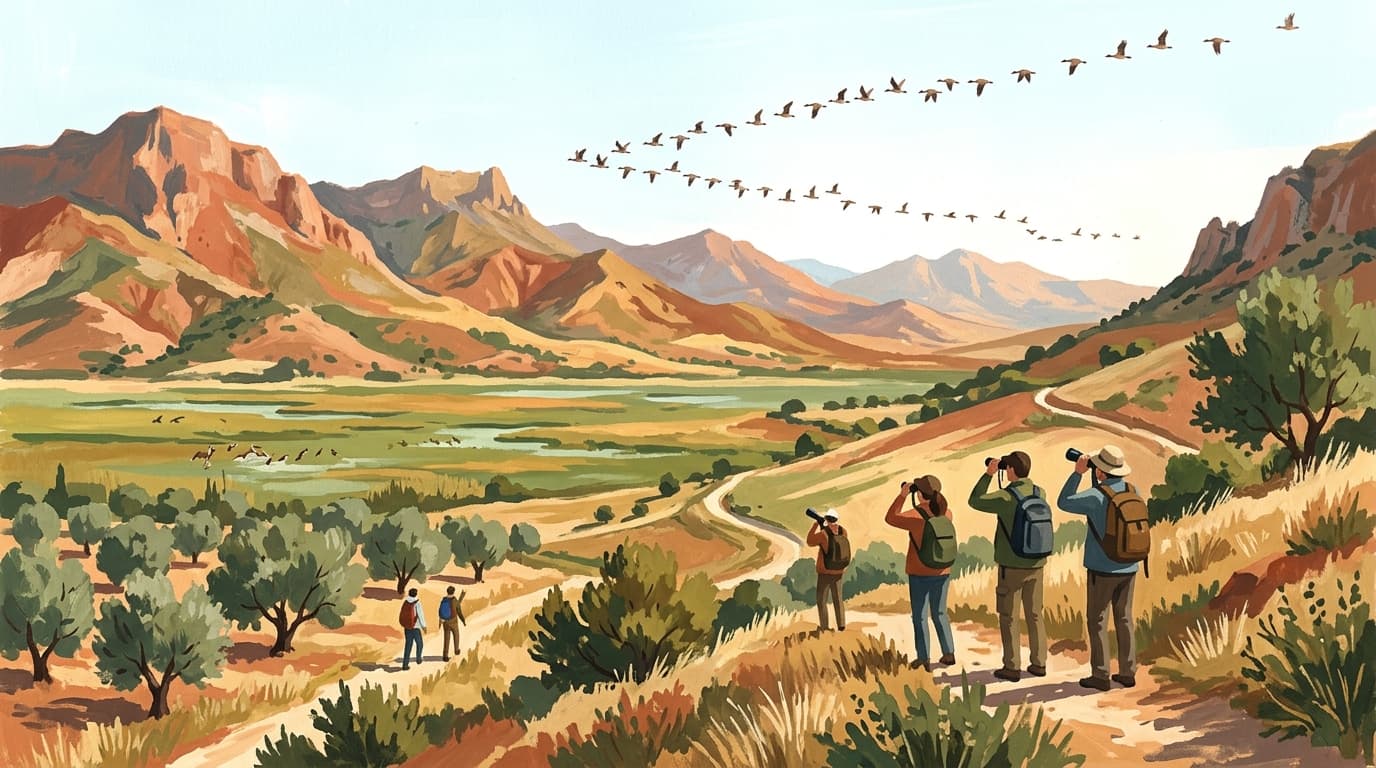
A Birder’s Guide to Andalucía: Migration, Marshes, and Mountains
Andalucía is a global birdwatching hotspot, offering everything from massive raptor migrations over the Strait of Gibraltar to the iconic flamingo colonies of Doñana.
7 min read
Read guide →Newsletter
More stories from Andalucía
Weekly notes, seasonal picks, and the next guides worth bookmarking.