
Things to do
Restorative Andalucía: A Guide to Thermal Springs, Yoga, and Natural Wellness
Discover the restorative power of Southern Spain, from the ancient Arab baths of Granada to the healing mineral springs of the Alpujarra mountains.
By Dan · Updated 24 July 2026 · 7 min read
This article contains affiliate links. If you book through them, we may earn a small commission at no extra cost to you.
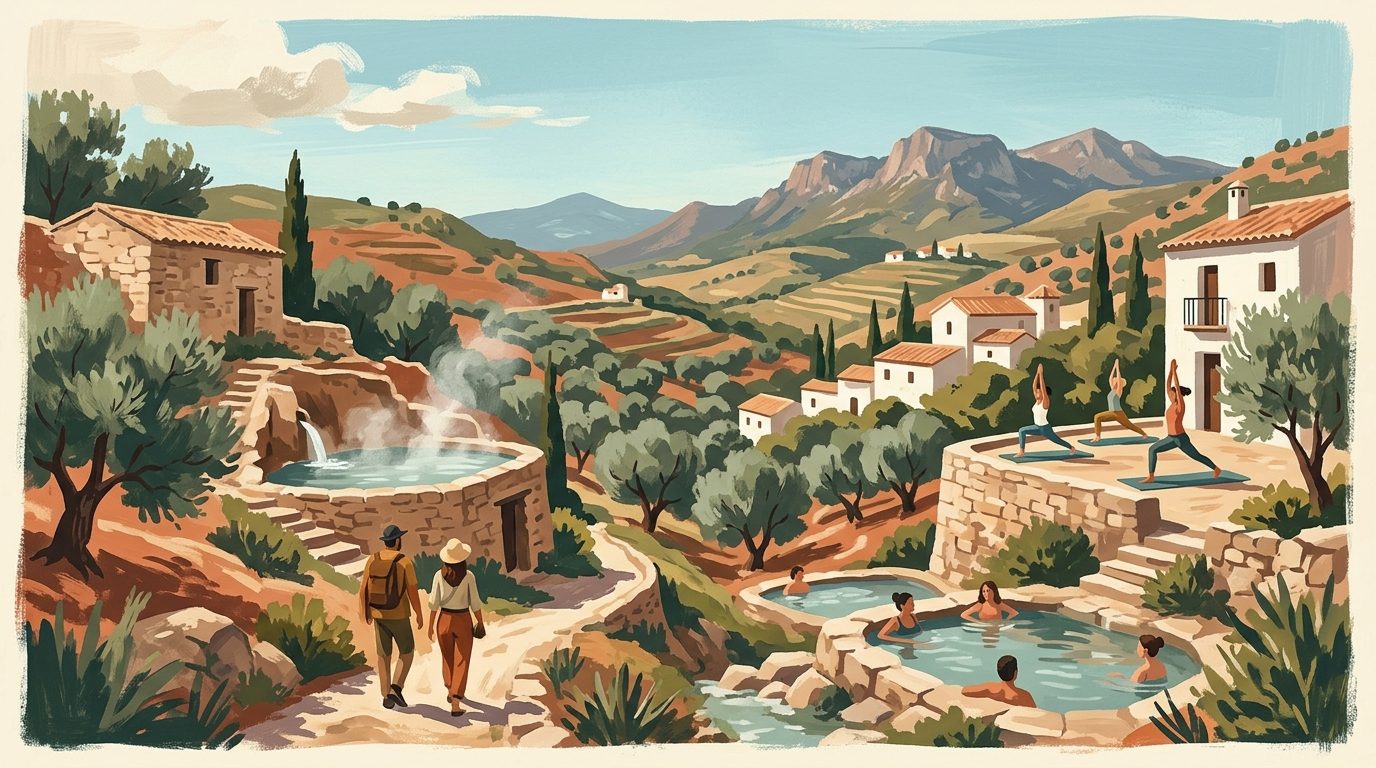
Reconnecting with yourself in Andalucía often involves a return to the basics: the warmth of the sun, the scent of wild rosemary, and the soothing properties of ancient waters. Here, you will discover how to find your balance through the region’s long-standing wellness traditions and its vast, quiet landscapes.
While many visitors associate Andalucía with lively festivals and crowded beaches, the region holds a quieter, more reflective side. For centuries, the people of this land have turned to the mountains and the earth for healing. From the Moorish bathhouses of the cities to the high-altitude springs of the Sierra Nevada, wellness here is not a modern trend but a deeply rooted way of life. The geography of the south provides an ideal backdrop for restoration, offering everything from volcanic coastal parks to dense, humid cork forests.
If you want a rigorous yoga retreat, a simple afternoon in a thermal pool, or the meditative practice of forest bathing, you will find that the pace of life in rural Andalucía supports a slower, more intentional approach. The following recommendations focus on authentic experiences that favour natural settings and genuine local heritage over generic luxury. In these spaces, the focus remains on the environment and the historical rituals of health that have sustained the local population for generations.
The Moorish Legacy: Hammams and Arab Baths
The tradition of the hammam is one of the most enduring legacies of the Al-Ándalus era. These bathhouses were once the social and spiritual hubs of every town, providing a space for purification and community. Today, several locations have recreated these atmospheric spaces, offering a sensory journey through varying water temperatures, steam, and scent.
Hammam Al Ándalus, Granada
Located at the foot of the Alhambra, this bathhouse is constructed on the site of an original 13th-century hammam. The experience revolves around a circuit of cold, warm, and hot pools, set beneath vaulted ceilings with intricate star-shaped skylights. The ambient light and the scent of amber and jasmine create a space for deep reflection.
Hammam Al Ándalus, Málaga and Córdoba
Similar to the Granada location, these baths offer a refined version of the traditional circuit. The Málaga site is particularly spacious, while the Córdoba branch feels intimate and historical. For a more authentic experience, opt for the 'Kessa' massage, which involves a traditional soaping and exfoliation using a grape seed scrub and a kessa glove.
The Healing Waters of Lanjarón and the Alpujarras
The Alpujarra mountains, on the southern slopes of the Sierra Nevada, are famous for their mineral-rich springs. The town of Lanjarón has been a centre for hydrotherapy since the 18th century, drawing visitors who seek the curative properties of its waters.
Balneario de Lanjarón
This historic spa is the centrepiece of the town. Unlike a typical day spa, the Balneario functions as a medical-wellness facility where the focus is on the six different springs, each with a unique mineral composition. You can participate in the 'San Pedro' circuit, which includes floatation, steam baths, and walks through the gardens. The water is famously low in sodium and high in minerals, recommended for everything from digestive health to stress relief.
The High Alpujarra Springs
Further up the mountains, in villages like Bubión and Capileira, you will find public fountains where locals collect water daily. For a wellness experience, consider staying in a converted farmhouse (cortijo) that offers access to these mountain streams. The air quality here is among the best in Europe, making it a prime location for those looking to clear their lungs and mind.
Wild Bathing: Natural Hot Springs and River Pools
Andalucía features several geothermal spots where you can soak in mineral waters for free or for a very low entry fee. These are often more rugged and less polished than the urban hammams, providing a direct connection to the landscape.
Alhama de Granada
The town of Alhama de Granada is famous for its thermal waters. You have two main options: the Hotel Balneario, which manages the ancient 12th-century Almohad baths, or the 'Pozas' (pools) located just outside the hotel grounds. These outdoor pools are free to use and sit right next to the river. The water remains at a constant 47°C at the source, cooling slightly as it flows into the pools. It is a local tradition to soak here under the stars during the cooler autumn months.
Santa Fe Thermal Pools
Located on the outskirts of Granada city, near the town of Santa Fe, these natural springs are located in an olive grove. The atmosphere is bohemian and very basic: there are no changing rooms or facilities. However, the sulphurous waters are renowned for their skin-healing properties. It is a quiet spot, favoured by locals and those travelling in campervans.
Yoga and Mindfulness in the Mountains
The rugged terrain of Andalucía has attracted yoga practitioners from across the globe, leading to the establishment of some of Europe’s most respected retreats. The combination of intense sunlight and profound silence makes the inland sierras a natural fit for meditation and mindfulness.
Kaliyoga, Alpujarra
Located near the town of Órgiva, Kaliyoga is one of the longest-running retreats in the region. They focus on a combination of dynamic yoga, hill walking, and nutritious local food. The setting, overlooking the Guadalfeo Valley, allows for a complete digital detox.
Suryalila, Cádiz
Set in the rolling hills of the Cádiz countryside, Suryalila is an organic olive farm turned yoga centre. It features a spectacular 'Om Dome' for practice, which is considered one of the most impressive yoga halls in the world. The retreat focuses heavily on sustainability and permaculture, offering a wellness experience that respects the local ecosystem.
Shinrin-yoku: Forest Bathing in Andalucía’s National Parks
While the coast is often arid, the interior of Andalucía contains lush forests that are perfect for 'Shinrin-yoku' or forest bathing, the practice of walking slowly and mindfully through the woods to lower cortisol levels.
Sierra de Aracena and Picos de Aroche
In the north of Huelva, this park is home to vast chestnut groves and cork oak forests. The damp, misty climate in autumn makes it an extraordinary place for quiet walks. The sound of pigs foraging for acorns and the crunch of leaves underfoot provide a rhythmic, grounding experience. Start your walk from the village of Alájar and follow the trails toward the Peña de Arias Montano.
The Spanish Fir Forests of Grazalema
The Sierra de Grazalema is home to the Pinsapo, a rare prehistoric fir tree that only grows in a few places in the world. Walking through a Pinsapar forest is a hushed, reverent experience. The density of the trees creates a unique acoustic environment where the outside world feels entirely distant. You will need a permit to enter the most protected areas, which can be obtained via the Junta de Andalucía's online portal or at the visitor centre in El Bosque (booking in advance is highly recommended).
Practical Information
When planning a wellness trip to Andalucía, timing is essential. The peak summer months (July and August) are often too hot for outdoor spas or intensive hiking, with temperatures regularly exceeding 40°C inland. The best seasons are spring (March to June), when the wildflowers are out, and autumn (September to November), which is the ideal time for visiting thermal springs and forest bathing.
Costs vary significantly: a session at an Arab bath in the city usually costs between €35 and €60, while a week-long yoga retreat might range from €800 to €1,500. For the natural springs, entry is often free, but you will need your own transport as these spots are rarely served by public buses. Bring sturdy walking boots for the mountains, a reusable water bottle to fill at village springs, and always pack a swimsuit, even in winter, for the thermal pools.
Local Tips
To experience the thermal springs like a local, try visiting on a weekday morning or late in the evening. The Pozas in Alhama de Granada are particularly peaceful at sunrise. When visiting a hammam, it is customary to keep your voice to a whisper to maintain the quiet atmosphere. If you are heading into the mountains for a hike or a retreat, stop at a local pharmacy to pick up some 'Agua de Lanjarón' or local herbal teas; the pharmacists in these rural areas often have extensive knowledge of traditional remedies and the health benefits of local flora. Always book retreat spaces at least three months in advance, especially for popular spots in the Alpujarras.
Last reviewed: 21 June 2026 · Editorial policy
Related guides
Exploring the Heavens: A Practical Guide to Stargazing in Andalucía
Andalucía offers some of Europe’s clearest night skies, particularly within its expansive Starlight Reserves. This guide covers the best locations and practical tips for observing the Milky Way across the southern Spanish landscape.
6 min read
The Spring Wildflower Season in Andalucía
Discover the exceptional botanical diversity of southern Spain, from the orchid-rich limestone sierras to the rare peonies of the cork oak forests.
7 min read
UNESCO Geoparks and Natural Wonders of Andalucía
Discover the geological heritage of Southern Spain through its UNESCO-designated geoparks and natural wonders. Explore the tectonic history and diverse ecosystems of Almería, Granada, and Cádiz.
6 min read
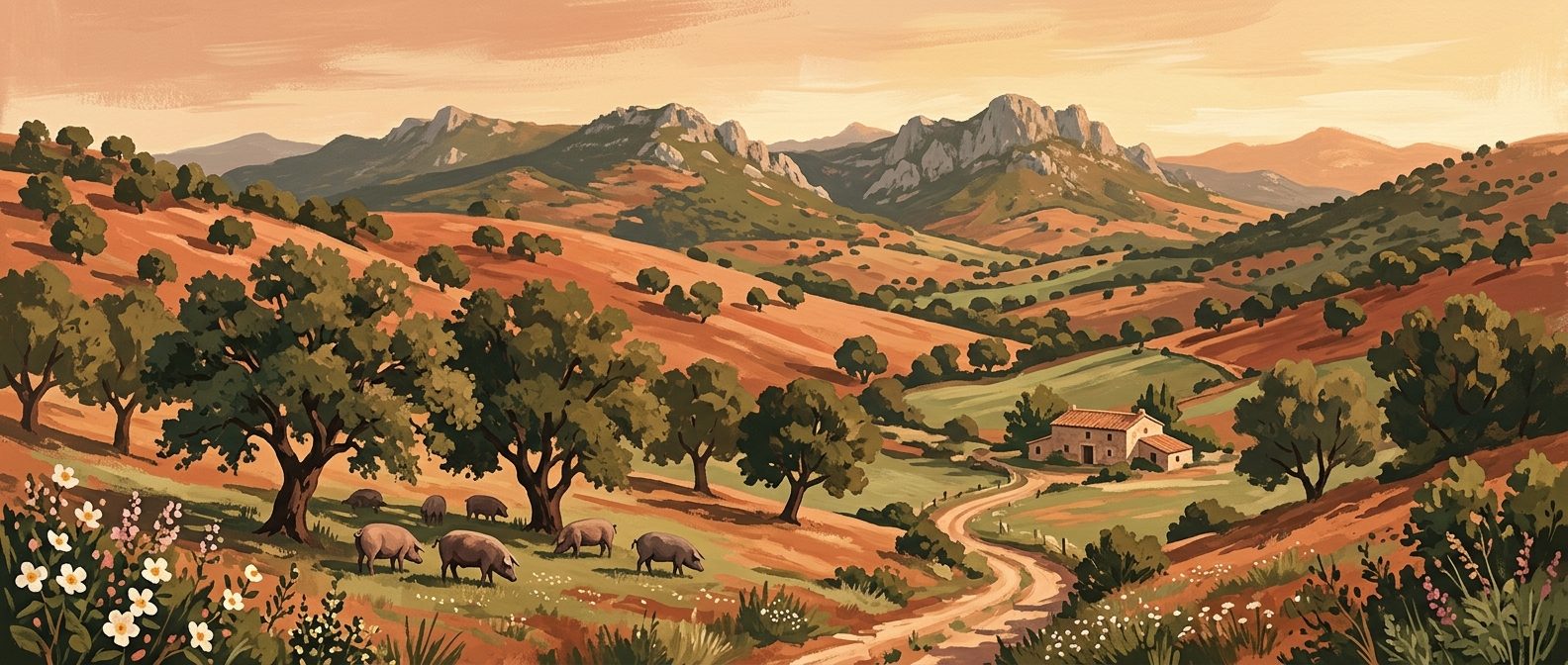
Sierra de Aracena: Huelva's Green Highland
An ancient managed landscape where holm oak and chestnut forests meet rare raptors and the iconic Iberian pig. This northern Huelva highland provides one of Andalucía's most intact examples of the dehesa ecosystem.
8 min read
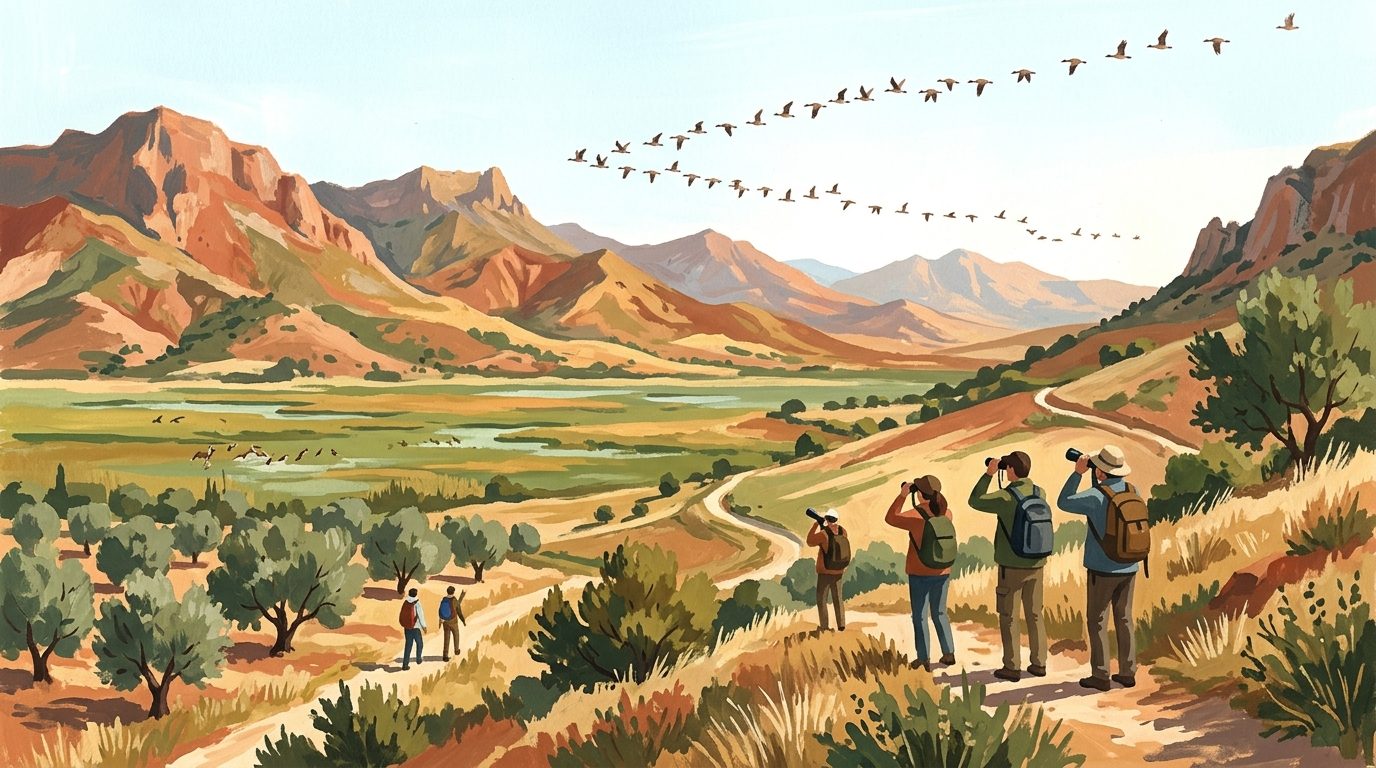
A Birder’s Guide to Andalucía: Migration, Marshes, and Mountains
Andalucía is a global birdwatching hotspot, offering everything from massive raptor migrations over the Strait of Gibraltar to the iconic flamingo colonies of Doñana.
7 min read
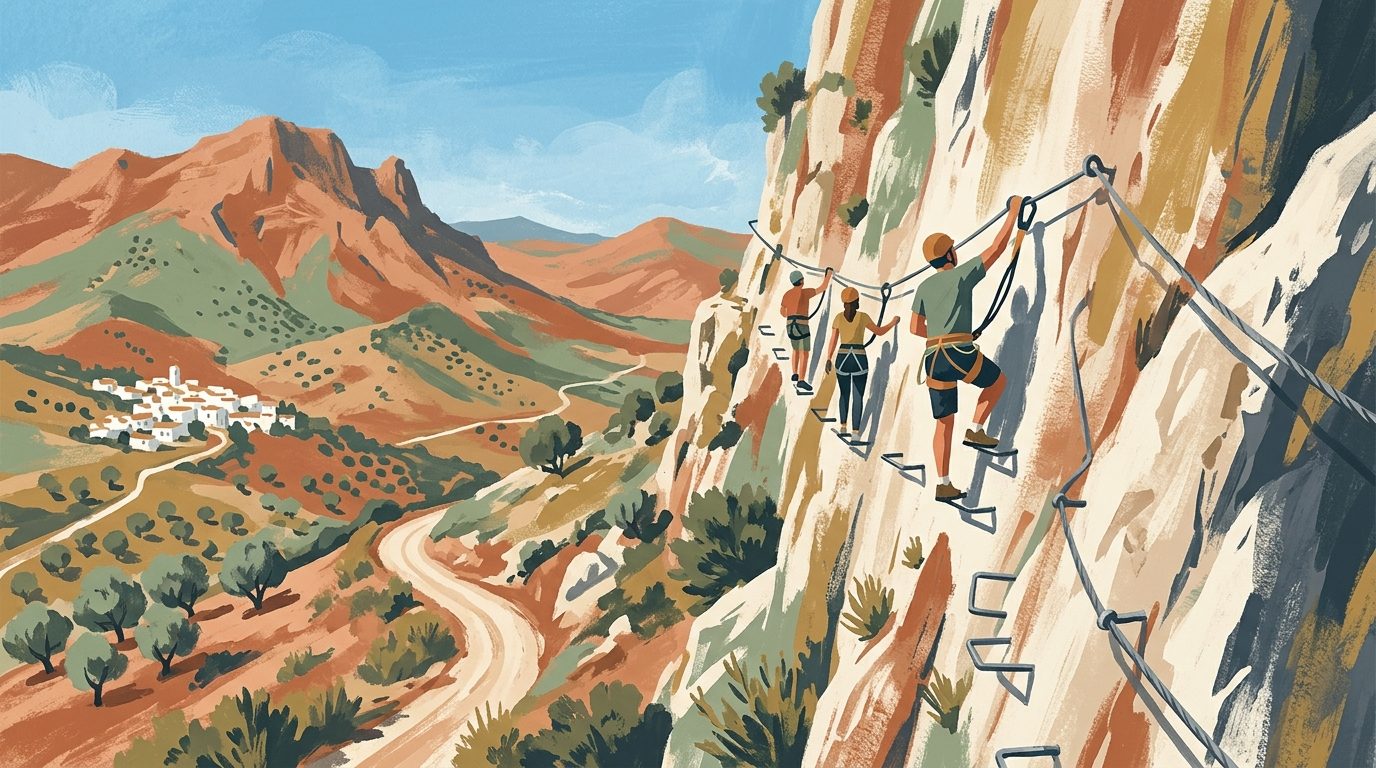
A Guide to the Best Via Ferrata Routes in Andalucía
Discover the best via ferrata routes in Andalucía, from the iconic cliffs of Ronda to the high-wire bridges of Comares and El Chorro.
6 min read
More guides
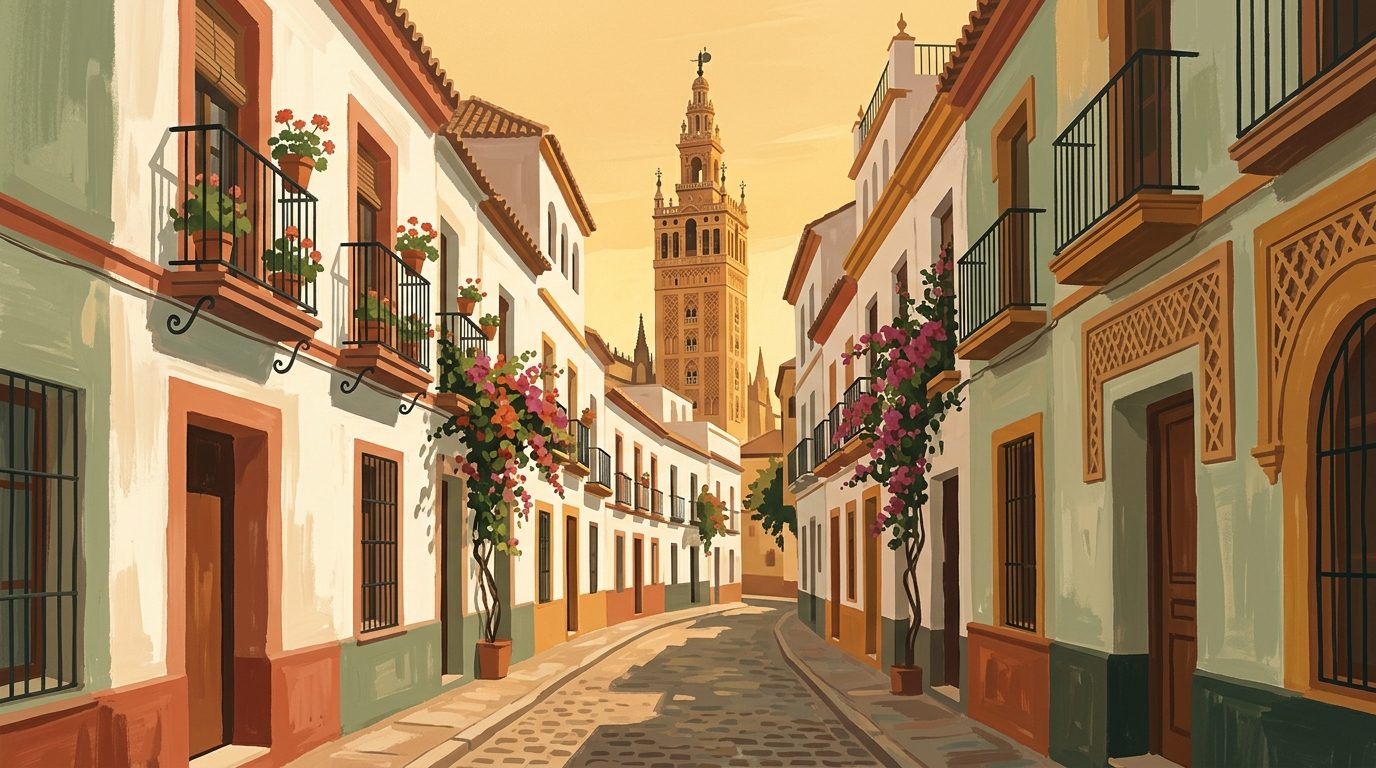
The Definitive Guide to Feria de Abril in Sevilla
Discover the cultural nuances, strict dress codes, and insider advice for navigating Sevilla's exclusive spring fair like a seasoned local.
9 min read
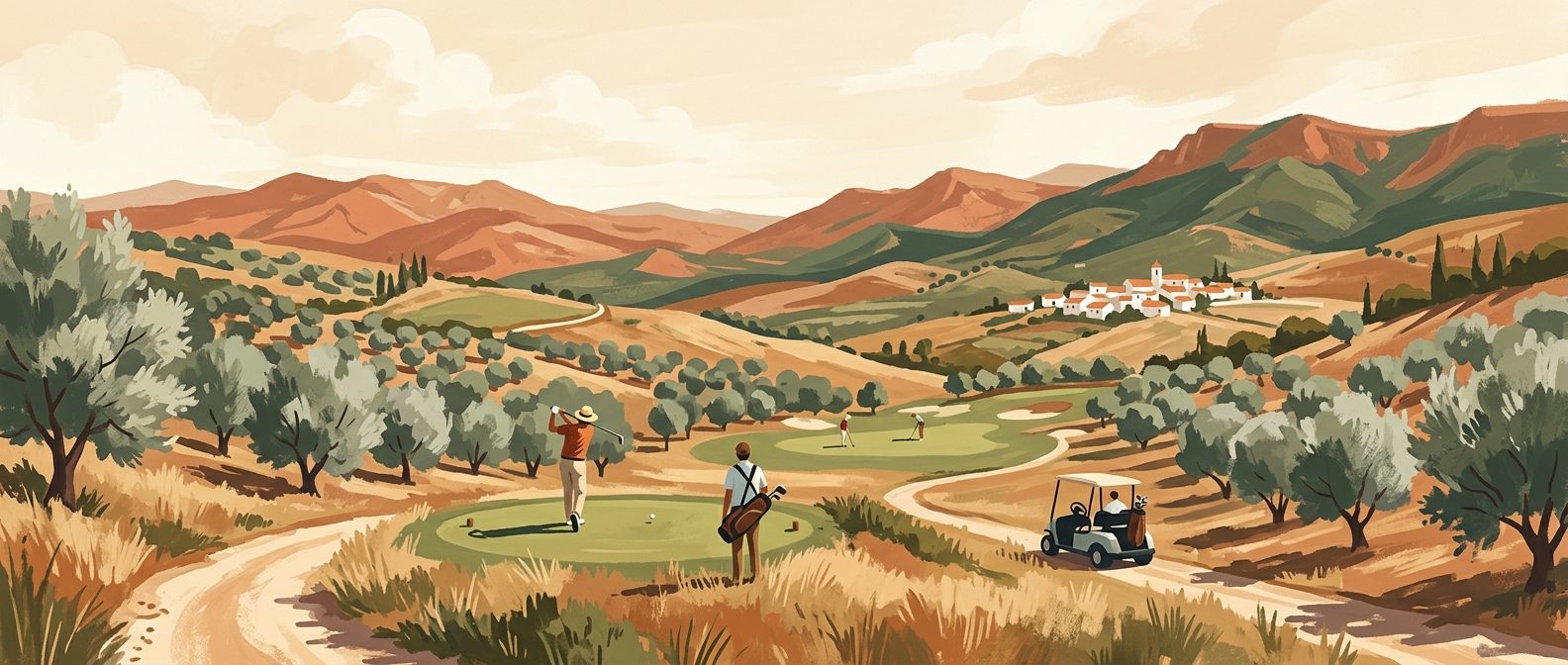
Golf in Jaén Province: A Practical Guide to Courses, Clubs, and Holidays
Discover the reality of playing golf in Jaén. From the 9-hole course at La Garza to local societies and combining rounds with olive oil tourism.
12 min read
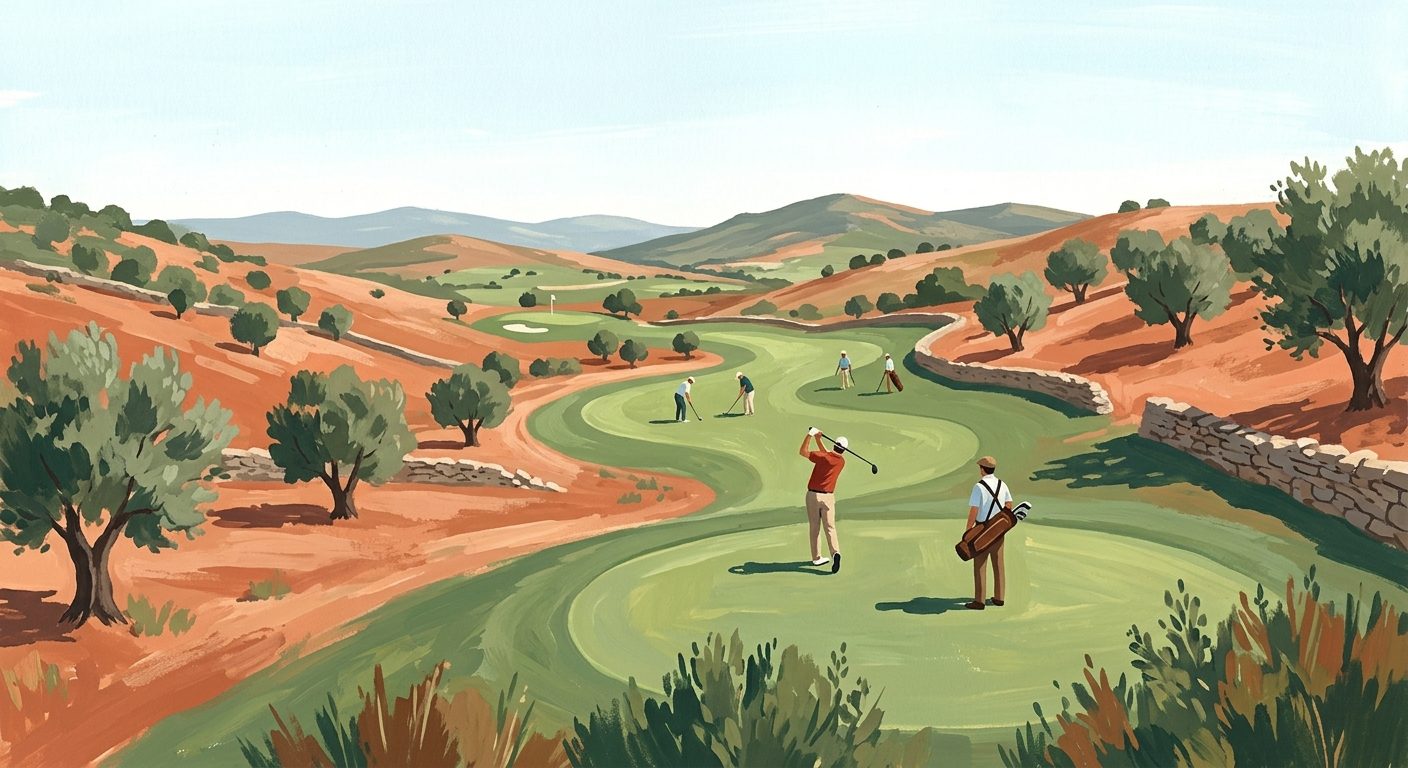
Golf in Córdoba Province: Courses, Holidays, and Shops
Discover practical tips, course details, and holiday planning advice for playing golf in Córdoba province, from the mountain fairways of Sierra Morena to the historic greens of Los Pedroches.
10 min read
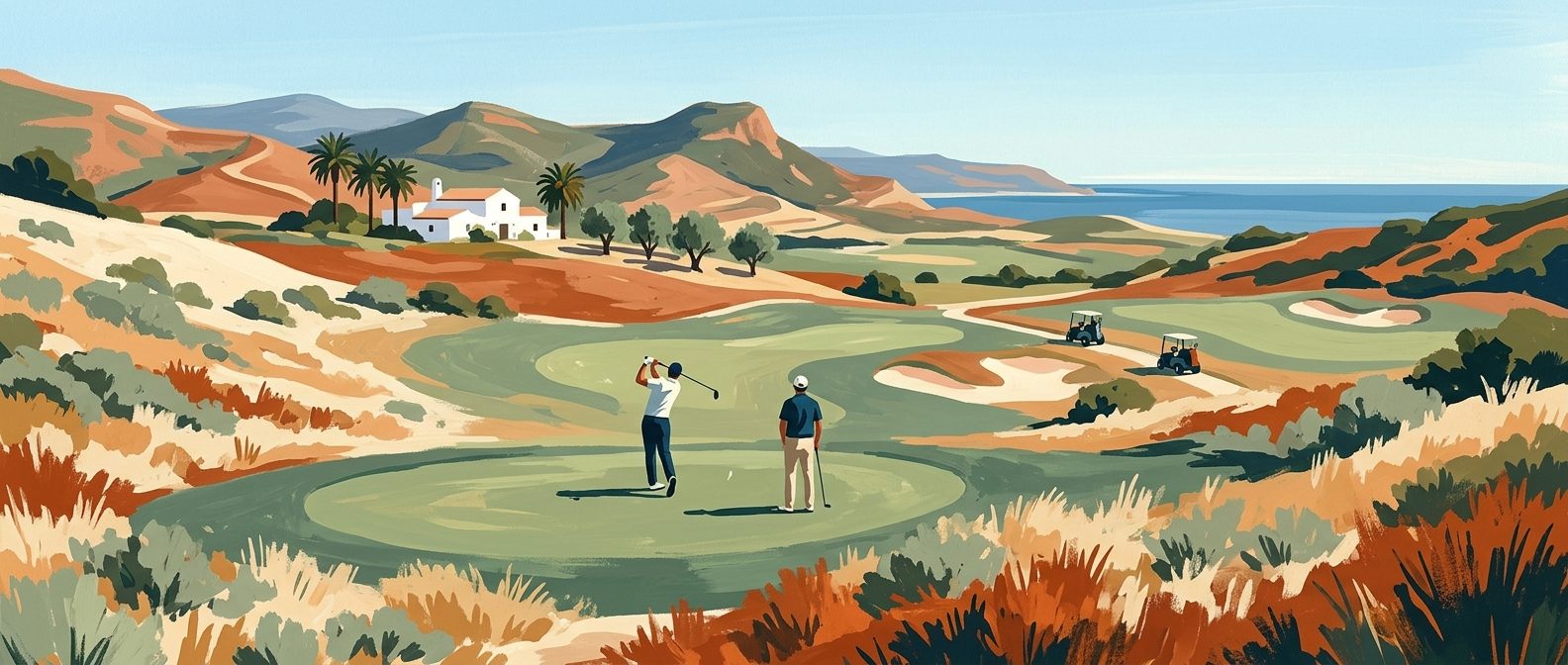
The Ultimate Guide to Golf in Cádiz Province
Discover the finest golf courses, resorts, and practical tips for planning your next golf holiday in the province of Cádiz. From championship layouts to essential details on green fees and club hire, everything you need is covered.
11 min read
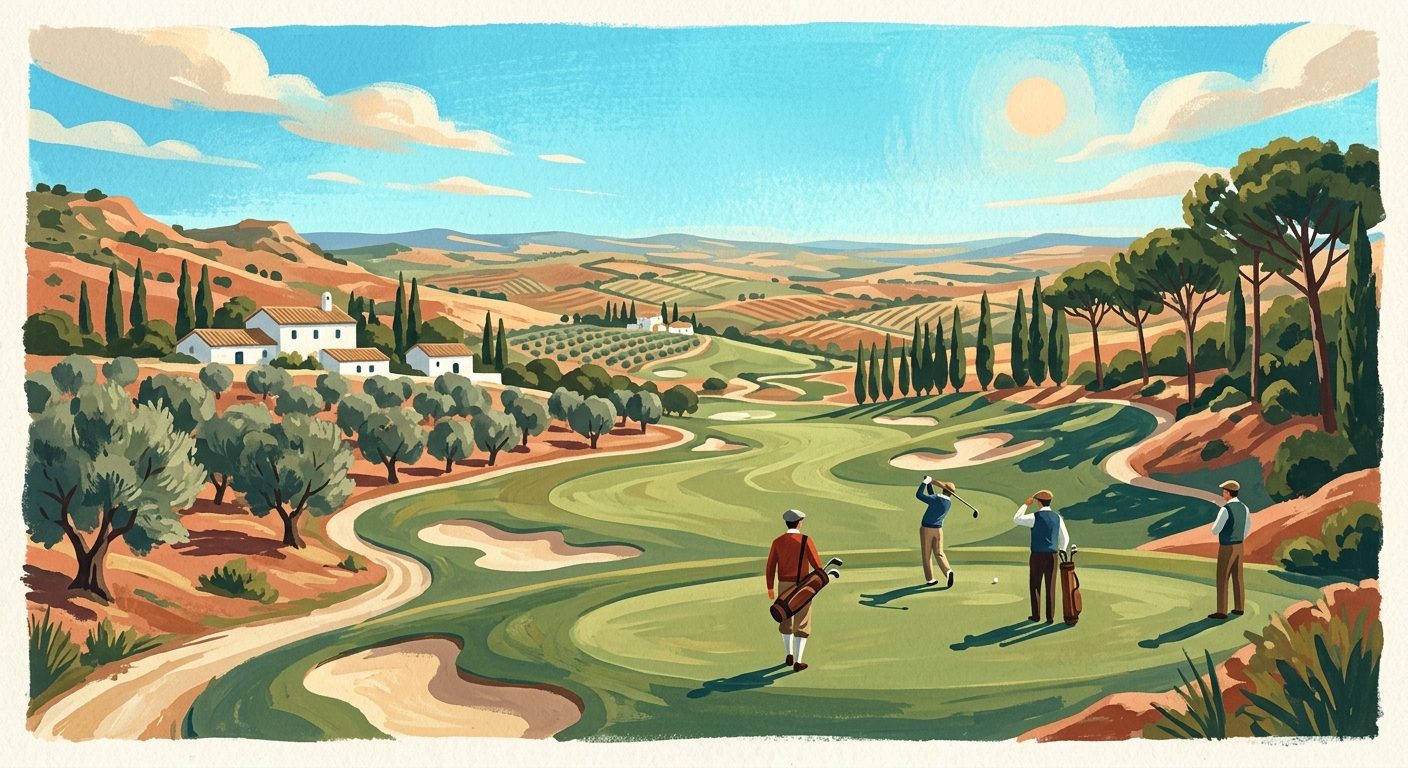
Golf in Sevilla Province: Courses, Holidays and Local Pro Shops
Swap the crowded coastal fairways for the refined courses of Sevilla province. Discover top layouts designed by golfing legends, local shops, and expert tips for your next trip.
10 min read
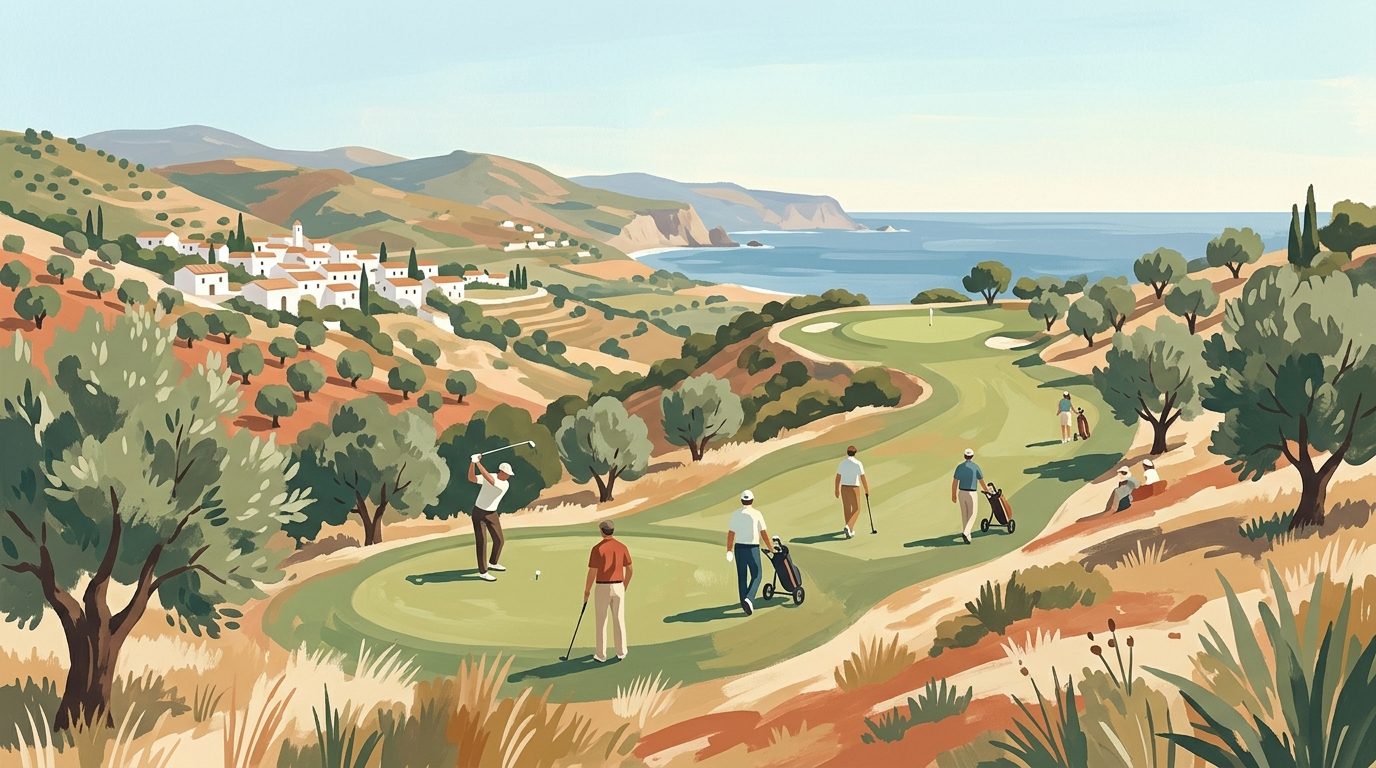
A Complete Guide to Golf in Málaga Province
From championship courses in Marbella to practical advice on club rentals and tee times, discover everything you need to know about playing golf in Málaga province.
11 min read
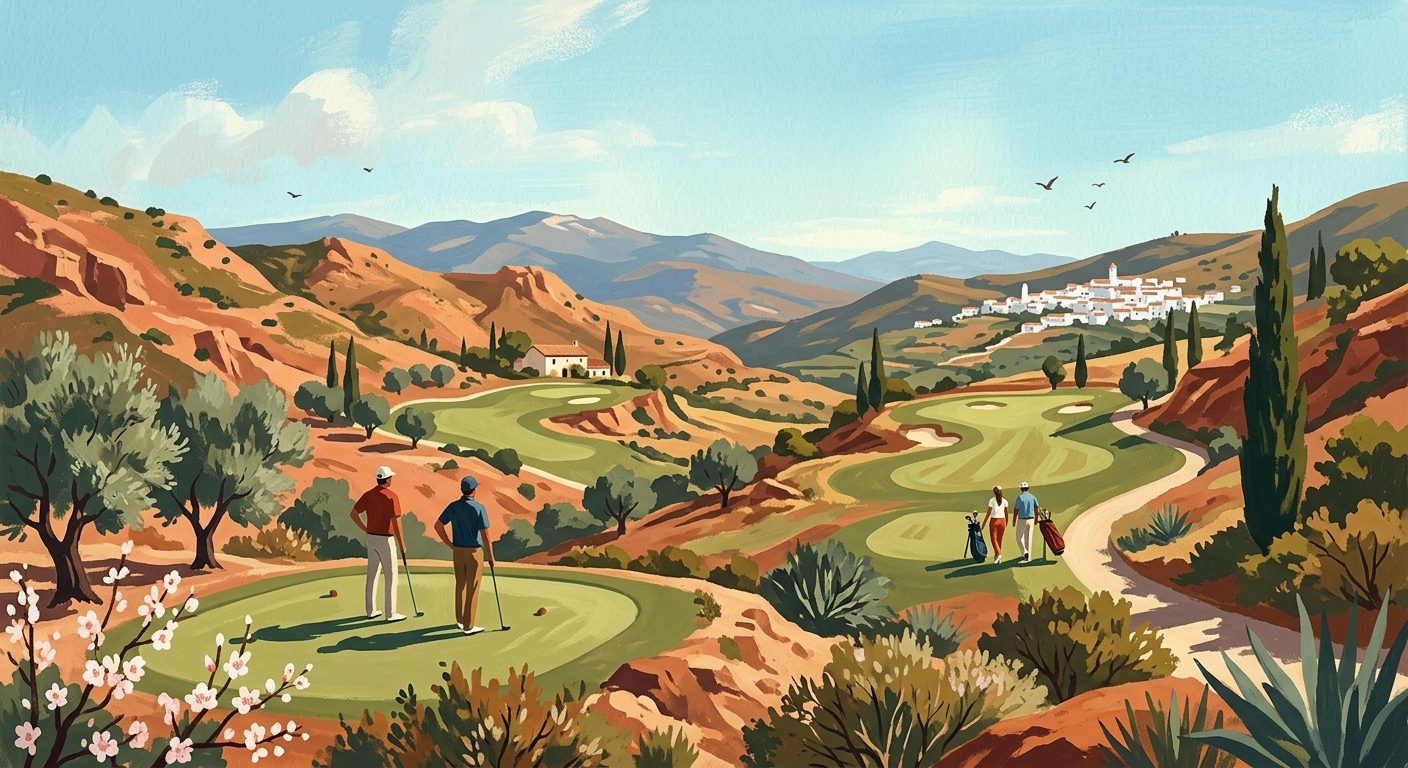
Golf in Granada Province: A Practical Guide to Courses, Holidays and Gear
Plan your perfect golfing trip with our practical guide to Granada's 18-hole courses. Discover green fees, club rental, and the best locations for a golf holiday.
12 min read
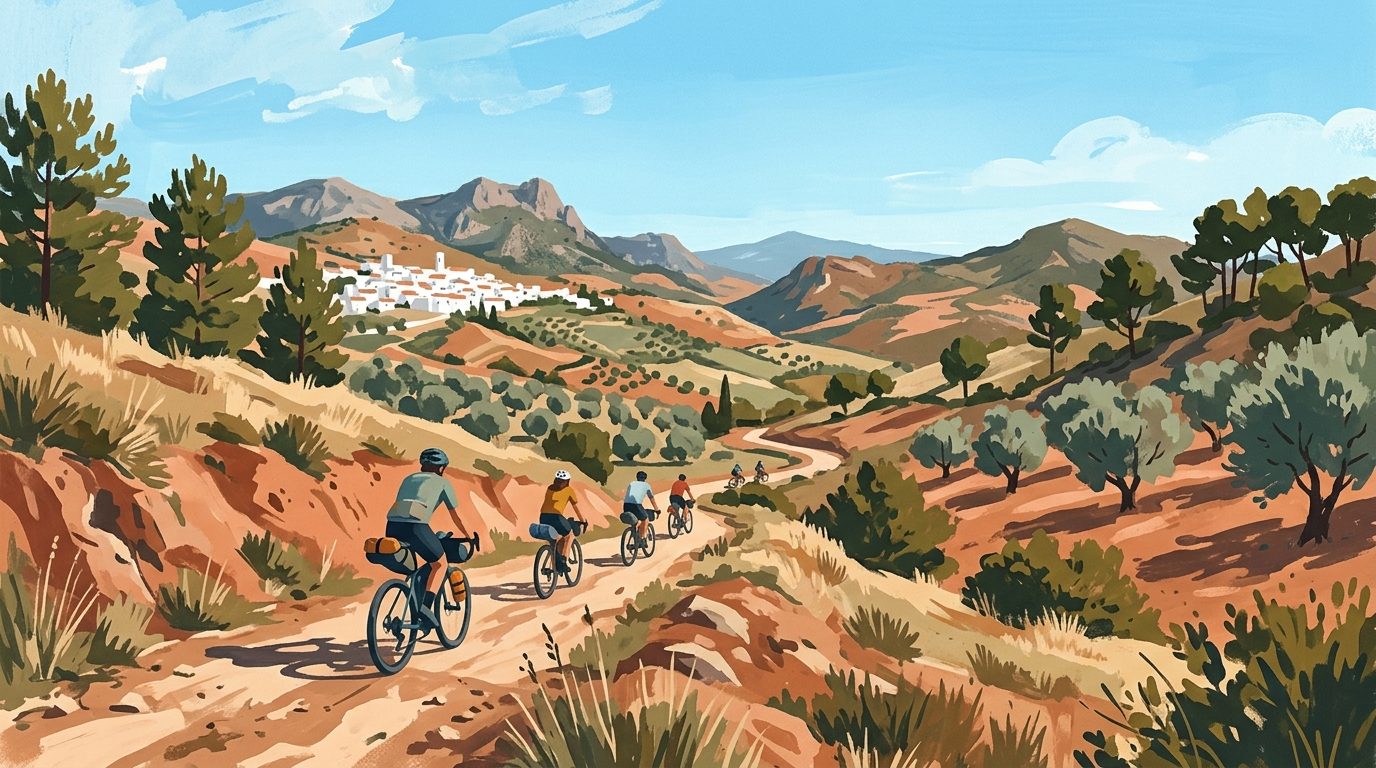
Bikepacking in Andalucía: A Complete Guide to Two-Wheeled Adventures
Discover how to plan the ultimate bikepacking adventure in southern Spain. Our guide covers route planning, essential gear, weather windows, and tips for navigating wild terrain.
13 min read
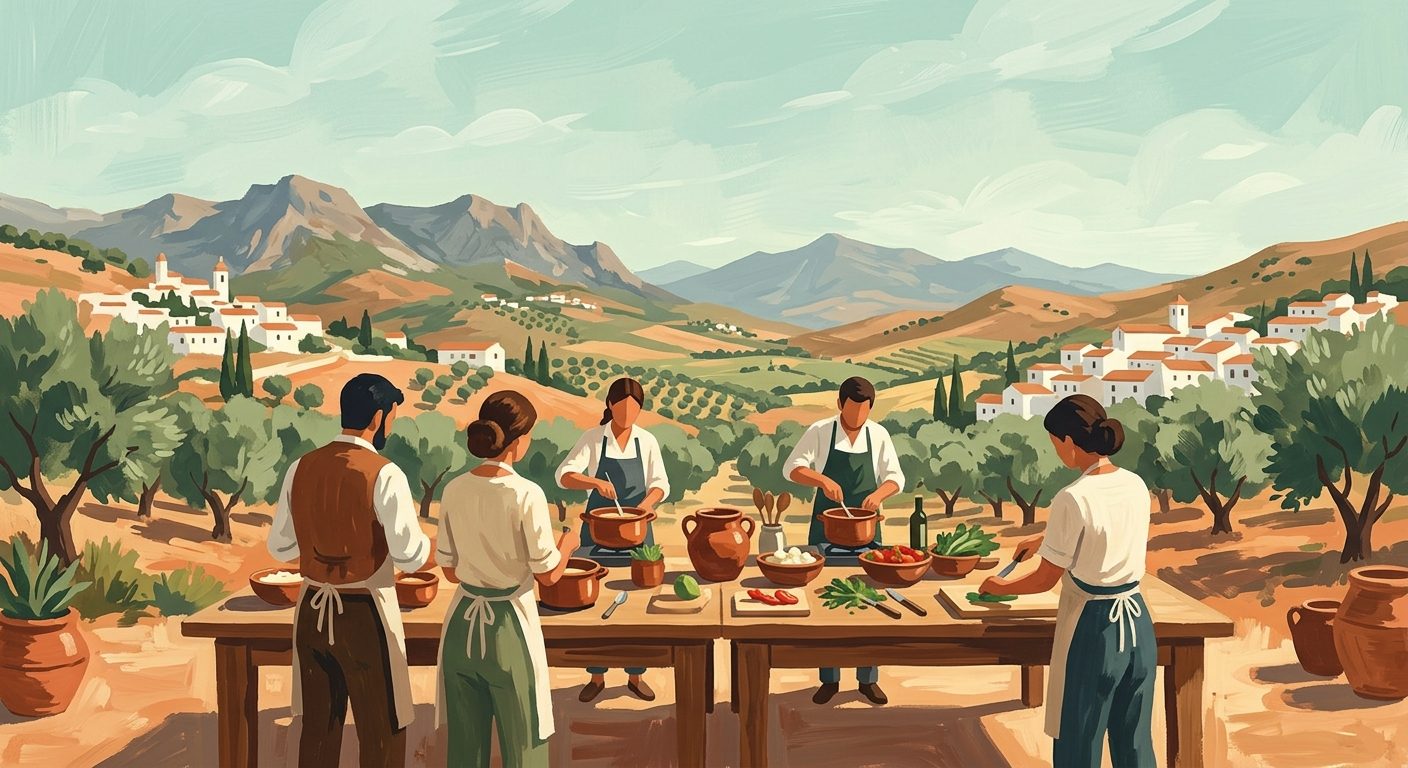
Hands-on Gastronomy: The Best Cooking Classes in Andalucía
Discover the art of Andalucían cuisine through hands-on workshops, from Triana's market-based schools to specialist Sherry cooking classes in Vejer.
6 min read
Newsletter
More stories from Andalucía
Weekly notes, seasonal picks, and the next guides worth bookmarking.