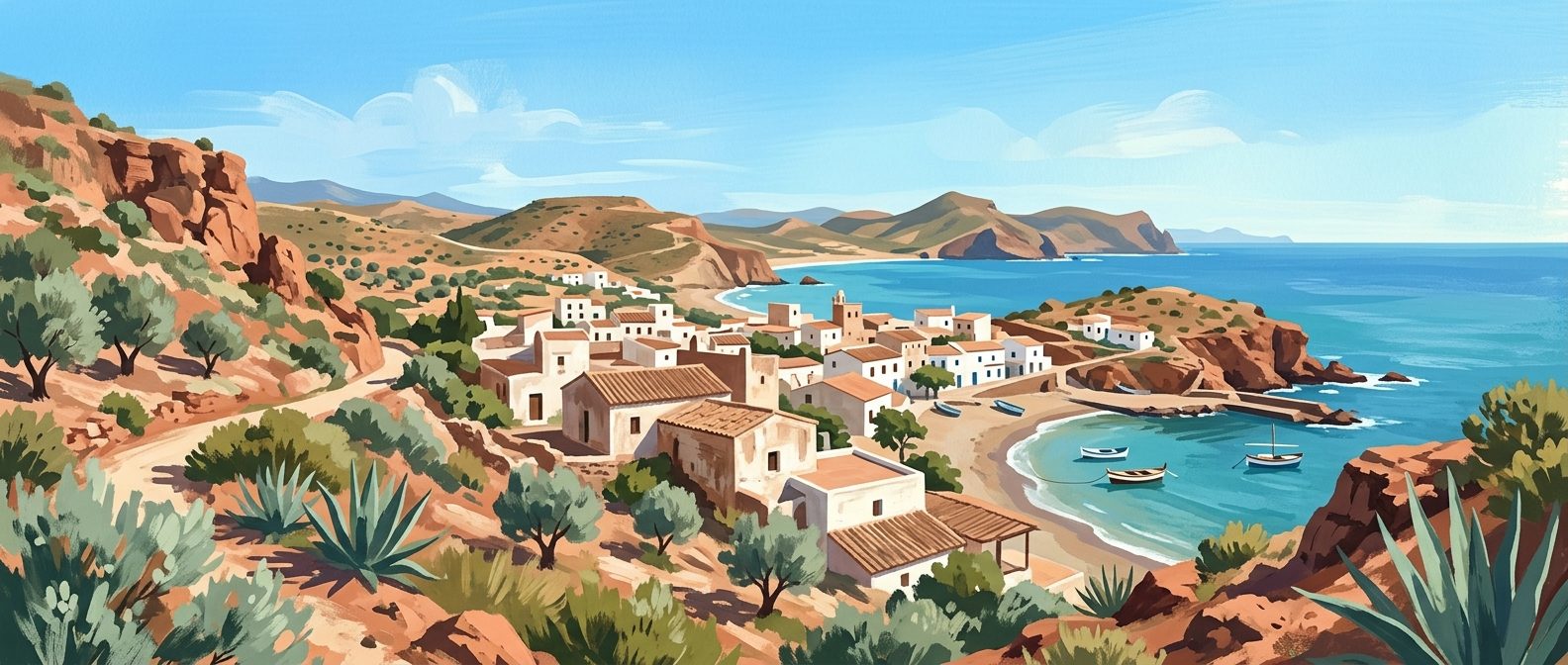
Once a simple fishing outpost, Agua Amarga has evolved into a sophisticated seaside retreat within the volcanic landscape of Cabo de Gata. Its white-washed houses and turquoise waters offer a quiet alternative to the more commercialised stretches of the Spanish coast.
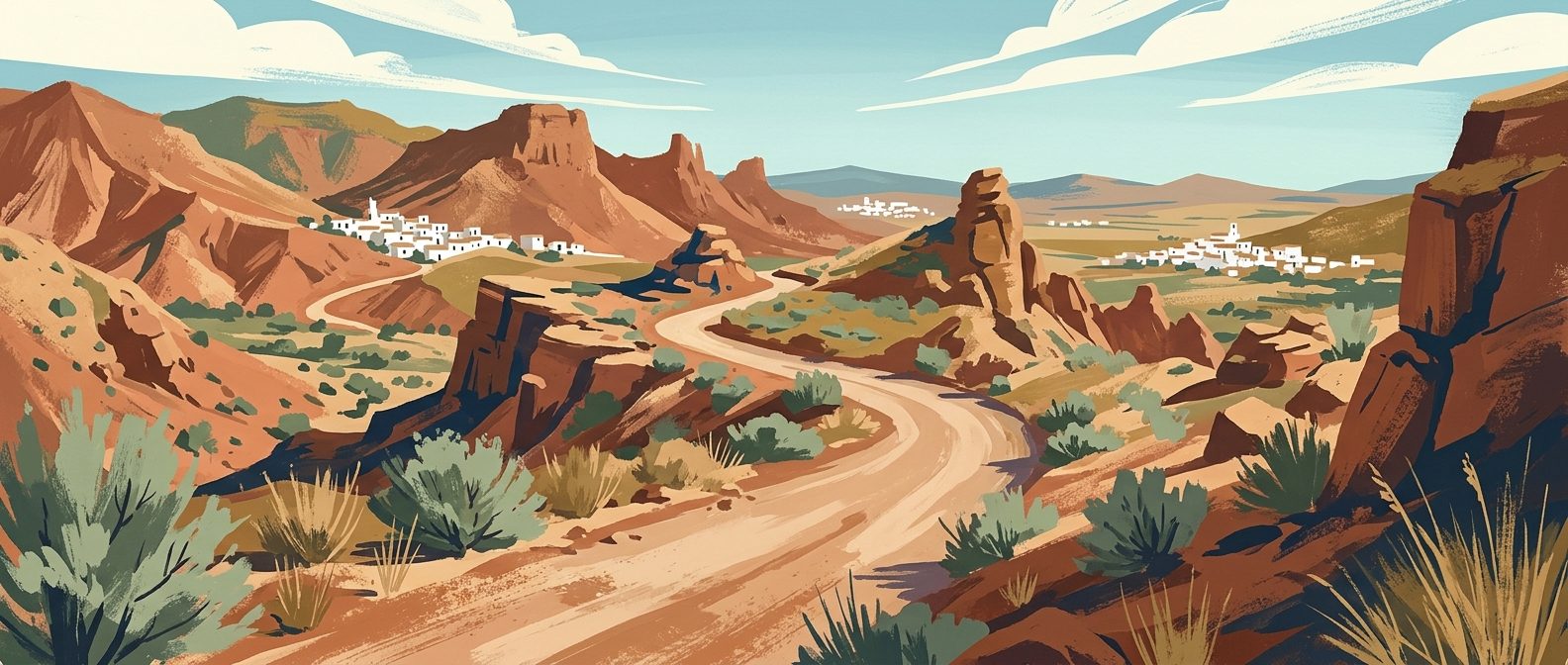
Agua Amarga sits at the north-eastern edge of the Cabo de Gata-Níjar Natural Park, a region defined by its volcanic geology and arid, sun-scorched beauty. While much of the park remains rugged and untamed, this village has cultivated an atmosphere of understated luxury. It manages to balance the simplicity of an Almerían fishing village with a selection of high-end boutiques and sleek holiday villas. The name, which translates to 'bitter water', originates from the well water that was once tainted by the chemicals used in the local mining industry, but today, the only thing visitors find here is a sense of calm and clarity.
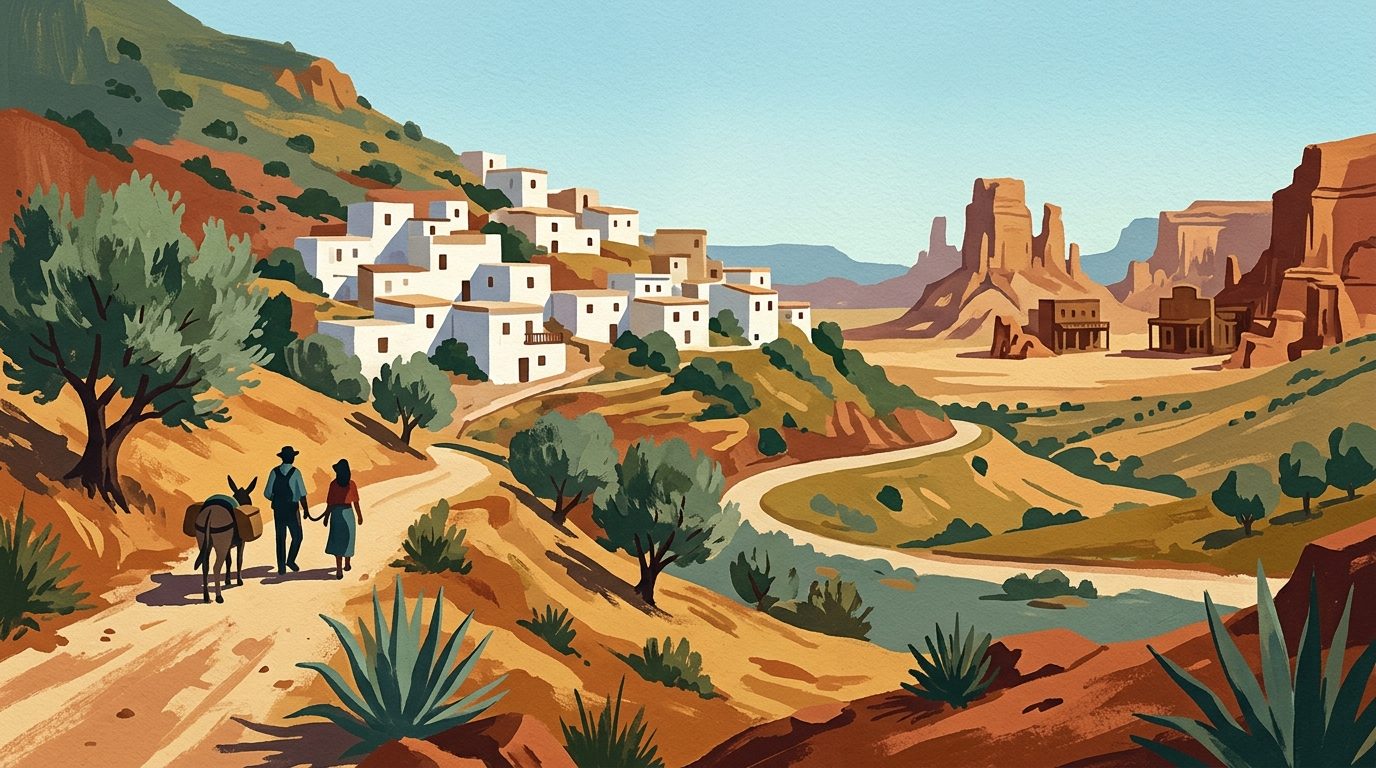
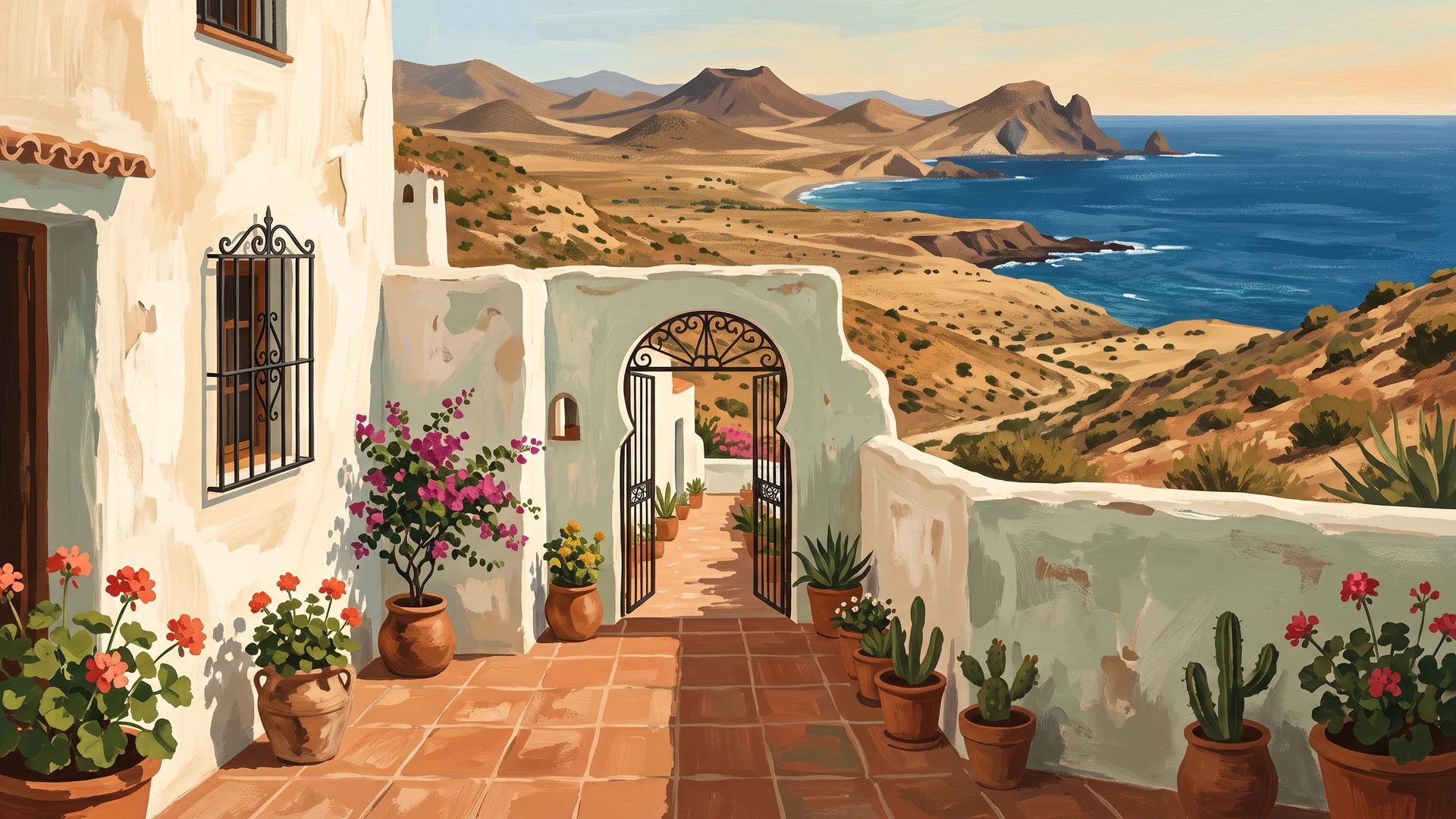
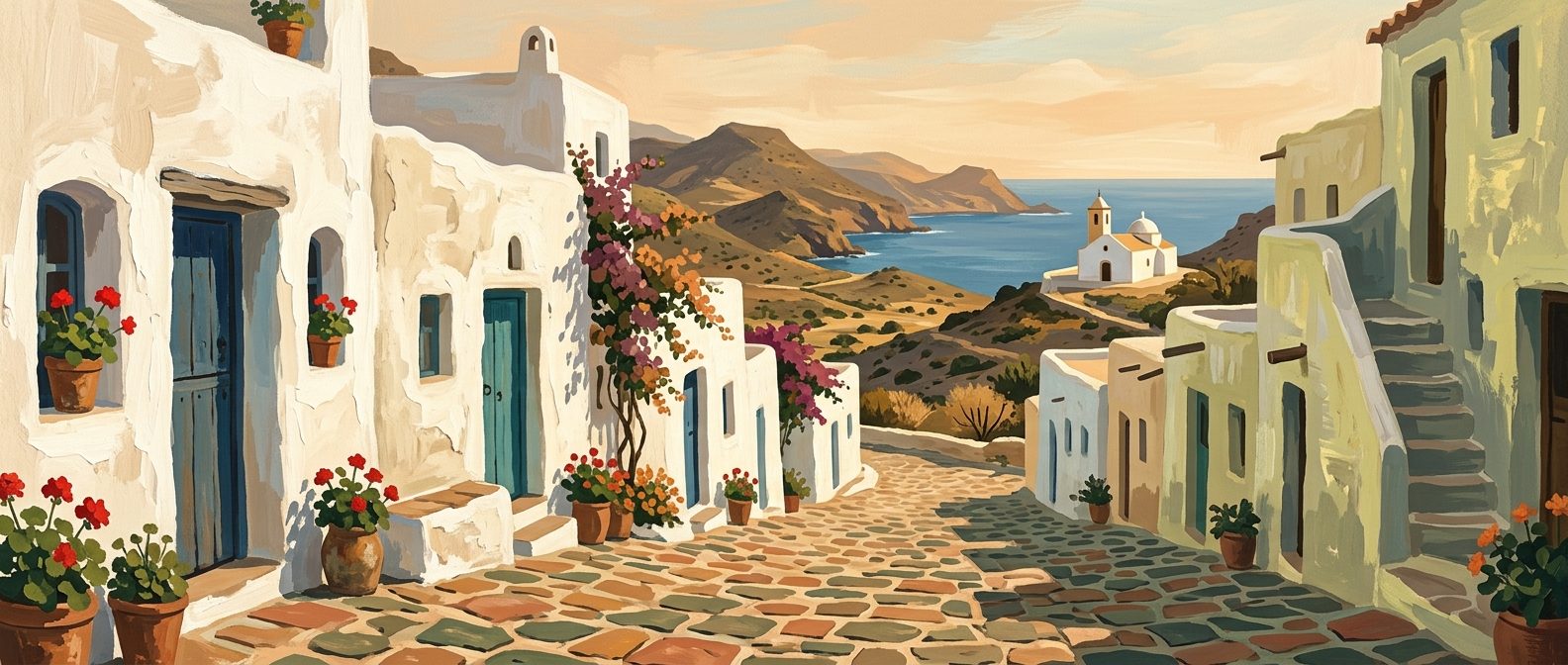
The village is contained within a small bay, flanked by limestone cliffs that glow gold in the late afternoon sun. Unlike the high-rise resorts found elsewhere in Andalucía, Agua Amarga has strictly maintained its low-level architecture. Every building is a stark, blinding white, draped in bougainvillea that provides the only splash of colour against the deep blue of the Mediterranean. It is a place where the rhythm of the day is dictated by the sun and the sea, making it a favourite for those seeking an escape from the noise of modern life.
What to See & Do
The Village Beach (Playa de Agua Amarga)
The main beach is the heart of the village. Stretching for roughly 500 metres, it is composed of fine, golden sand and is exceptionally well-maintained. Because the bay is relatively sheltered, the water here is often as still as a lake, making it ideal for families or those who prefer a gentle swim. You will find several small wooden chiringuitos (beach bars) sitting directly on the sand, where you can eat grilled sardines with your feet just inches from the tide. Despite its popularity, the beach rarely feels overcrowded outside of the peak weeks of August, and the lack of loud music or motorised water sports keeps the environment peaceful.
Playa de los Muertos
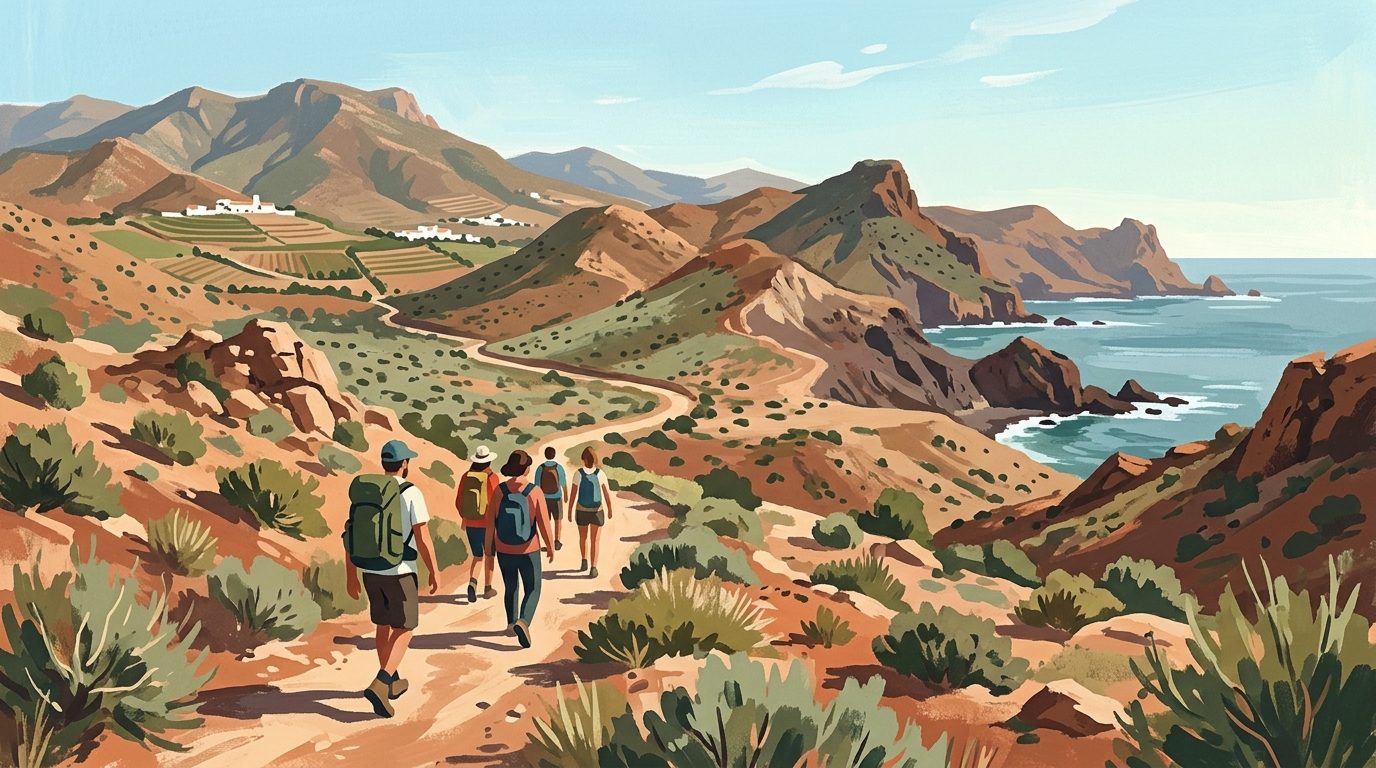
Located just a five-minute drive or a coastal hike away from the village, Playa de los Muertos frequently appears at the top of 'best beach' lists for Spain. The name, 'Beach of the Dead', is a grim reference to the sailors whose bodies would wash up here due to the converging currents. Today, however, it is famous for its crystalline, turquoise water and the large, iconic rock formation at one end. Accessing the beach requires a steep 15-minute descent down a gravel path, so sturdy footwear is essential. The water here gets deep very quickly, and the currents can be strong, so caution is advised for swimmers. There are no facilities or shade, so you must bring your own water and supplies.
The Ancient Olive Tree (Olivo Milenario)
For those interested in the natural heritage of the park, a short excursion to the nearby Rambla de los Viruegas is necessary. Here stands the Olivo Milenario, an olive tree estimated to be over 1,500 years old. Its twisted, silver trunk shows the endurance of life in this harsh, desert-like climate. It is one of the largest and oldest specimens in Andalucía, and standing beneath its canopy provides a profound sense of the history that has passed through this landscape, from the Romans to the Moors.
Mesa Roldán: Lighthouse and Tower
High above the village sits the Mesa Roldán, a flat-topped volcanic mesa that offers the best panoramic views in the region. At the summit, you will find a 18th-century watchtower (Torre de Mesa Roldán) and a functioning lighthouse. Fans of cinema may recognise the tower from its appearance in Game of Thrones. The height provides a clear view of the coastline stretching down towards Las Negras and the sheer cliffs that drop into the sea. It is a popular spot for photography, particularly at sunset when the volcanic rock takes on deep ochre and purple hues.
The Mineral Loading Bay (Cargadero de Mineral)
Remnants of Agua Amarga’s industrial past are visible on the right-hand side of the bay. In the late 19th and early 20th centuries, the village was a key port for the iron ore mines of Lucainena de las Torres. A railway line once carried ore to the cliffs here, where it was loaded onto ships. You can still see the stone foundations and the tunnels carved into the rock. Walking along this section of the coast provides a glimpse into a time before tourism, when the village was a hub of grit and industry.
Practical Information
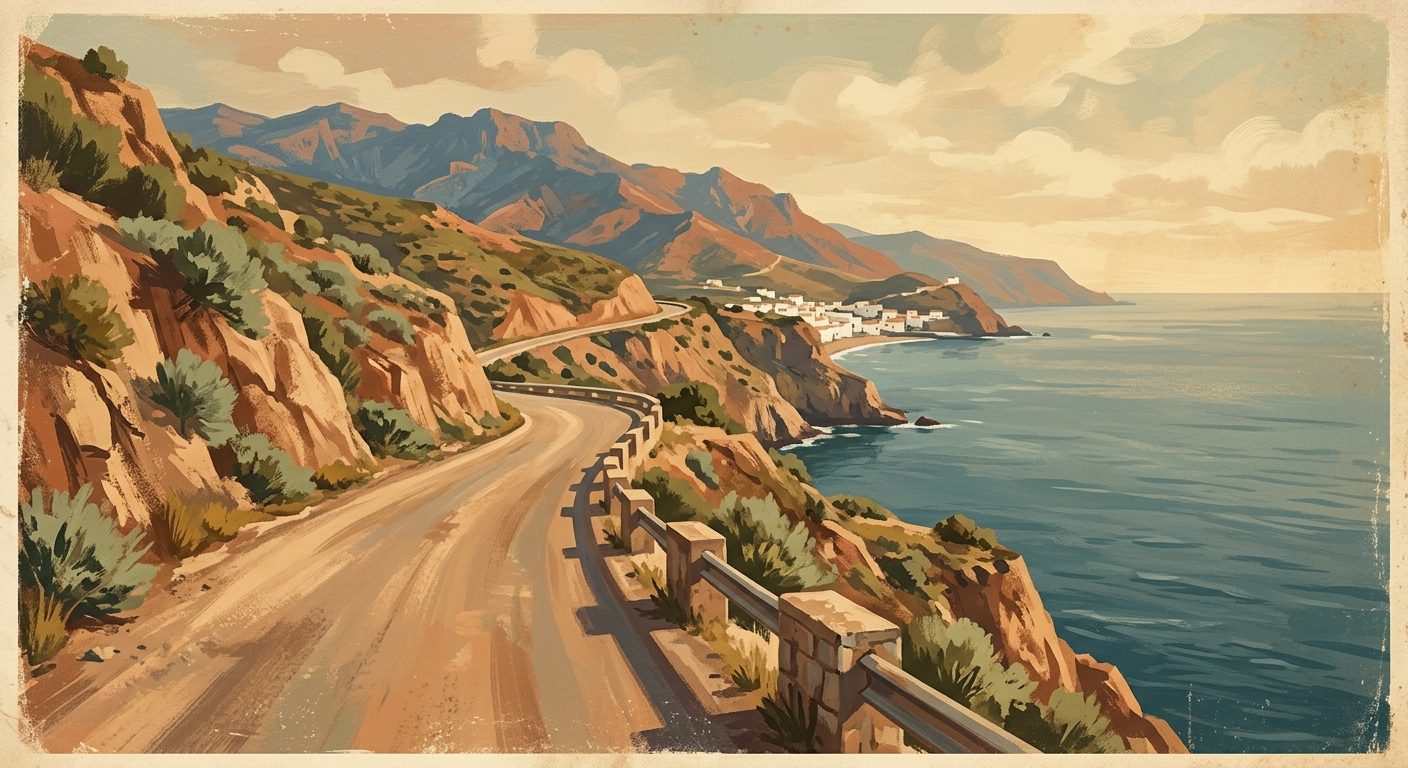
How to get there: Agua Amarga is best reached by car. From Almería city, take the A-7 motorway towards Murcia and exit at junction 494 (Carboneras/Venta del Pobre). Follow the N-341 towards Carboneras, then take the turn-off for Agua Amarga. The drive takes approximately 45 to 50 minutes. There is no direct train service, and bus connections from Almería are infrequent, usually requiring a change in Campohermoso or Carboneras.
Parking: During the summer months, parking within the village streets is almost impossible. There is a large, unpaved car park at the entrance of the village (check local signage for 2026 seasonal fees, though typically free of charge), which is only a five-minute walk to the beach. For Playa de los Muertos, there is a dedicated car park off the N-341 which costs approximately €5 for the day during the high season; do not attempt to park on the roadside as fines are strictly enforced.
When to visit: May, June, and September are the ideal months. The weather is warm enough for swimming, but the village retains its quiet character. In July and August, the temperature frequently exceeds 35°C, and the village becomes significantly more crowded with domestic tourists from Madrid and Almería.
Where to Eat Nearby
Los Tarahales: Located directly on the beachfront, this is the place for traditional Almerían rice dishes. Their arroz a banda (fish rice) is prepared using local catch and is best enjoyed on the shaded terrace overlooking the waves. Expect to pay around €25 to €35 per person for a full meal.
La Chumbera: Positioned on the hillside overlooking the village, this restaurant offers a more modern take on Mediterranean cuisine. The views from the terrace are spectacular, particularly as the lights of the village begin to twinkle in the evening. It is known for its grilled meats and fresh salads using produce from the Níjar plains.
Pan y Ajo: A small, friendly spot in the village centre that specialises in tapas and small plates. It is a great choice for a more casual lunch or a few drinks after a day at the beach. Their local goat cheese and air-dried tuna (mojama) are highly recommended.
Where to Stay
Accommodation in Agua Amarga leans towards boutique hotels and private villa rentals. Hotel Mikasa is a standout choice, offering a bohemian-chic aesthetic with a small swimming pool and spa facilities. For those seeking something more intimate, Real de Agua Amarga offers luxury suites with private terraces and a minimalist, white-on-white design that reflects the village's architecture. There are no large resort hotels here, so it is essential to book well in advance for summer stays.