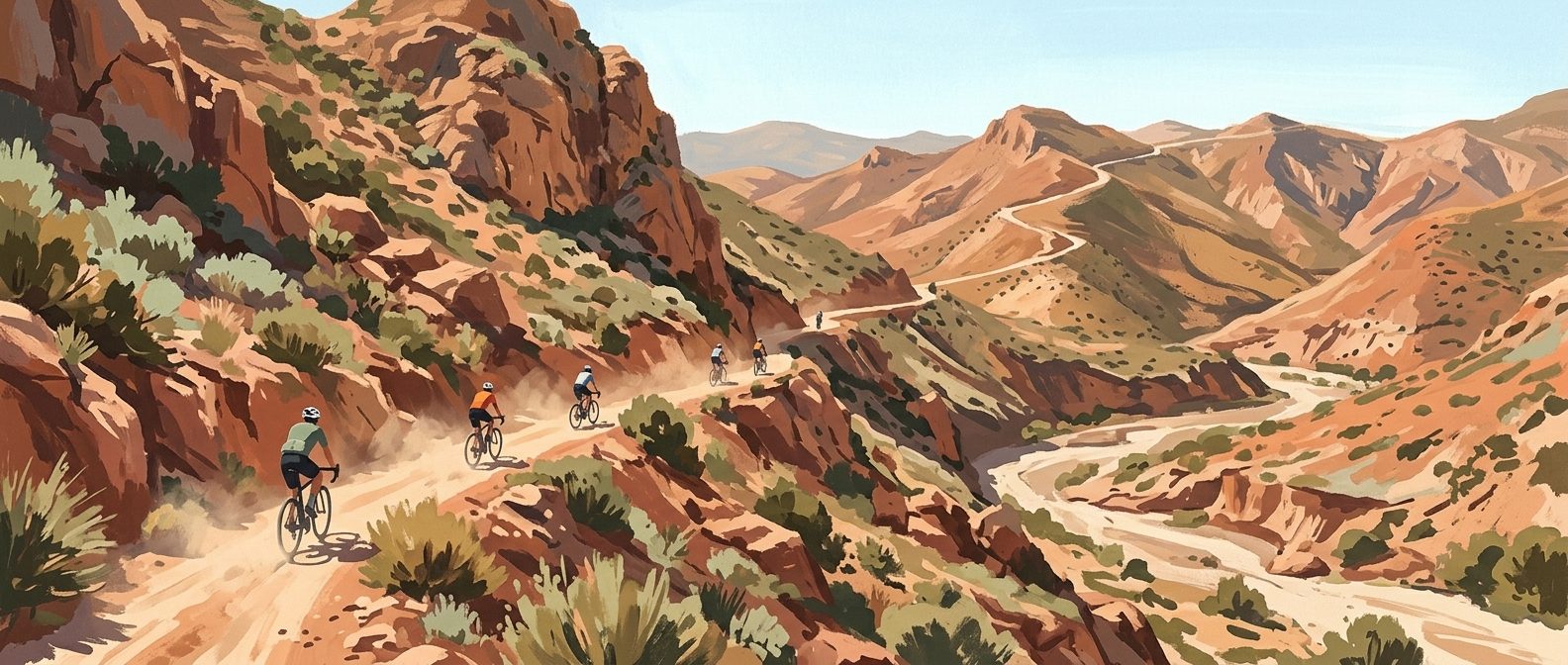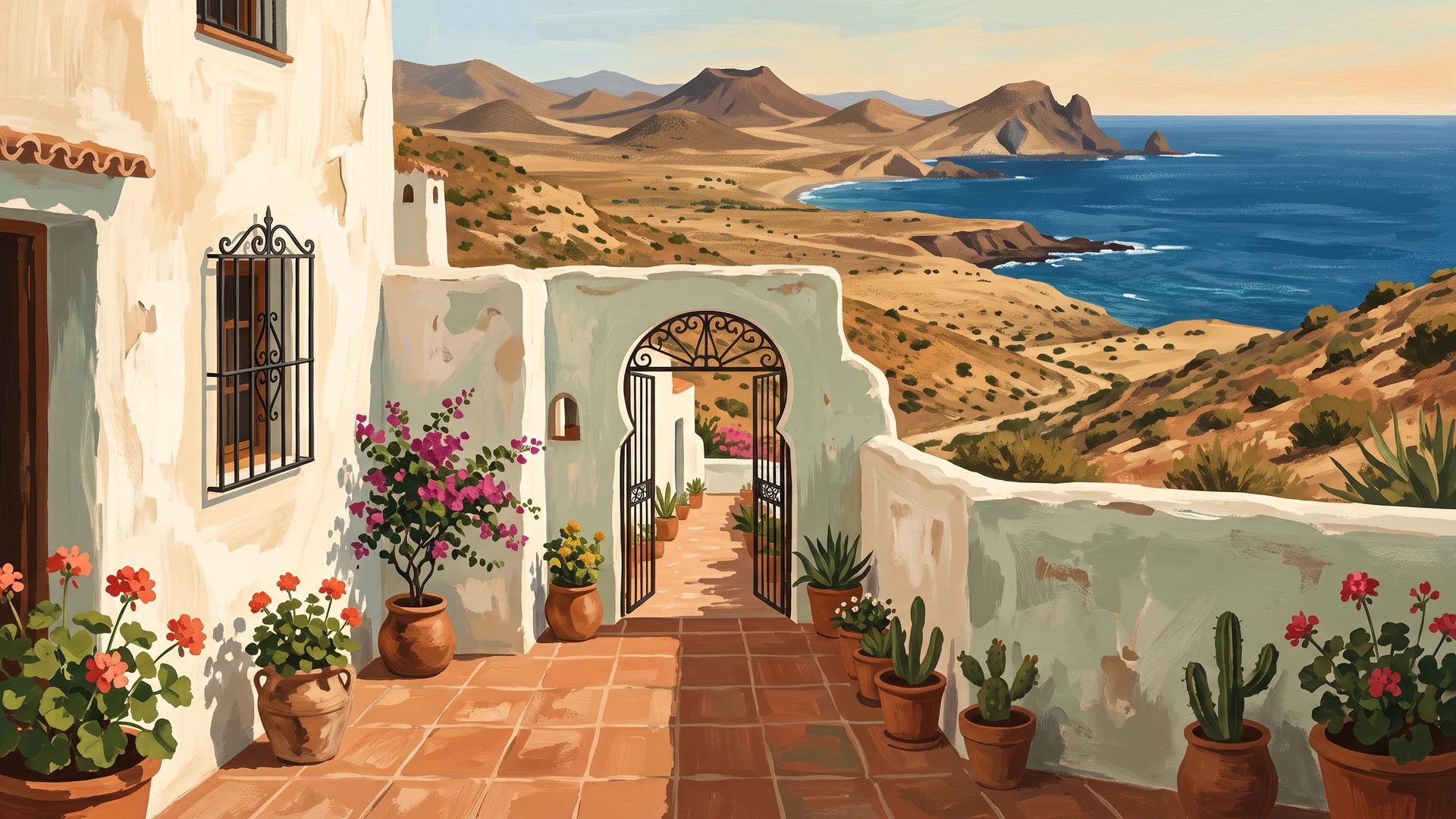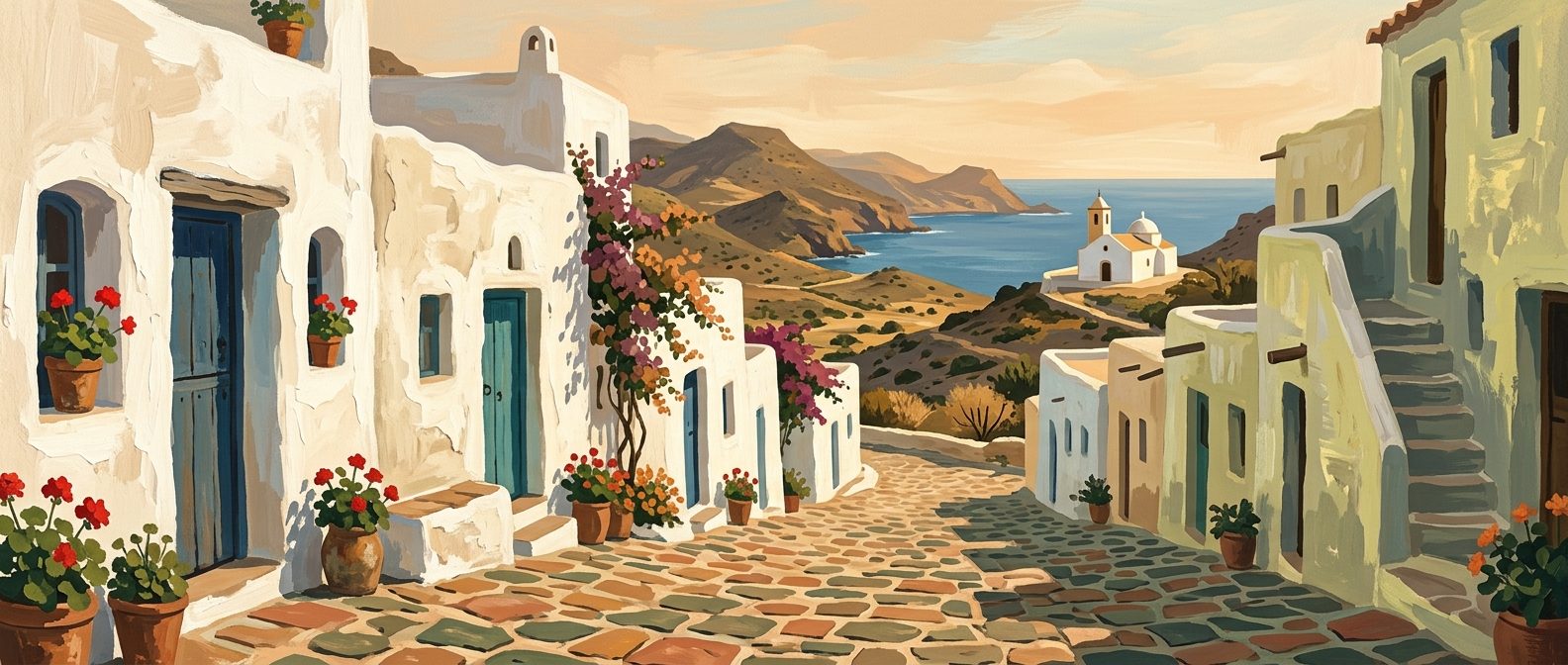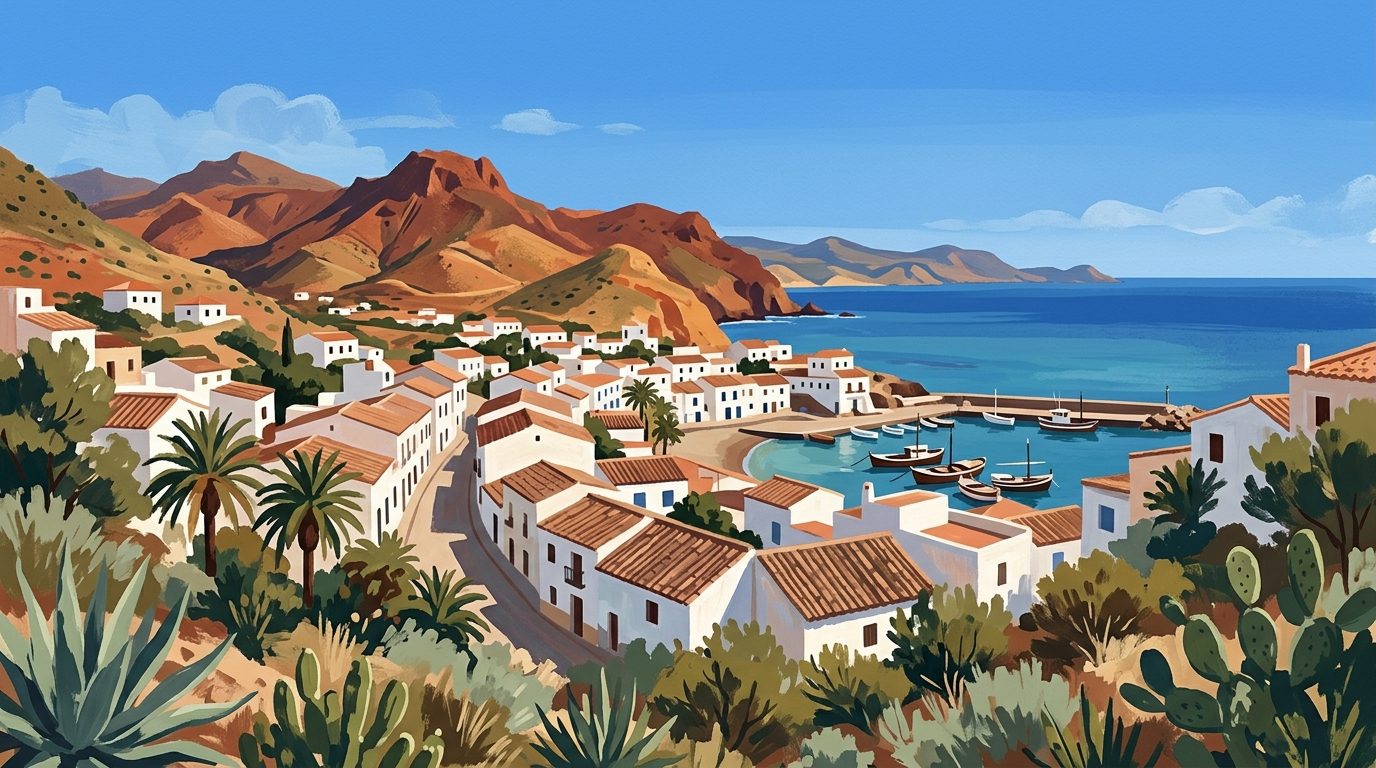
Once a humble collection of fishing cottages, San José now serves as the primary hub for exploring the volcanic coastlines of the Almería desert. Its white-washed terraces and low-slung architecture provide a relaxed base for visitors seeking the wilder side of the Mediterranean.
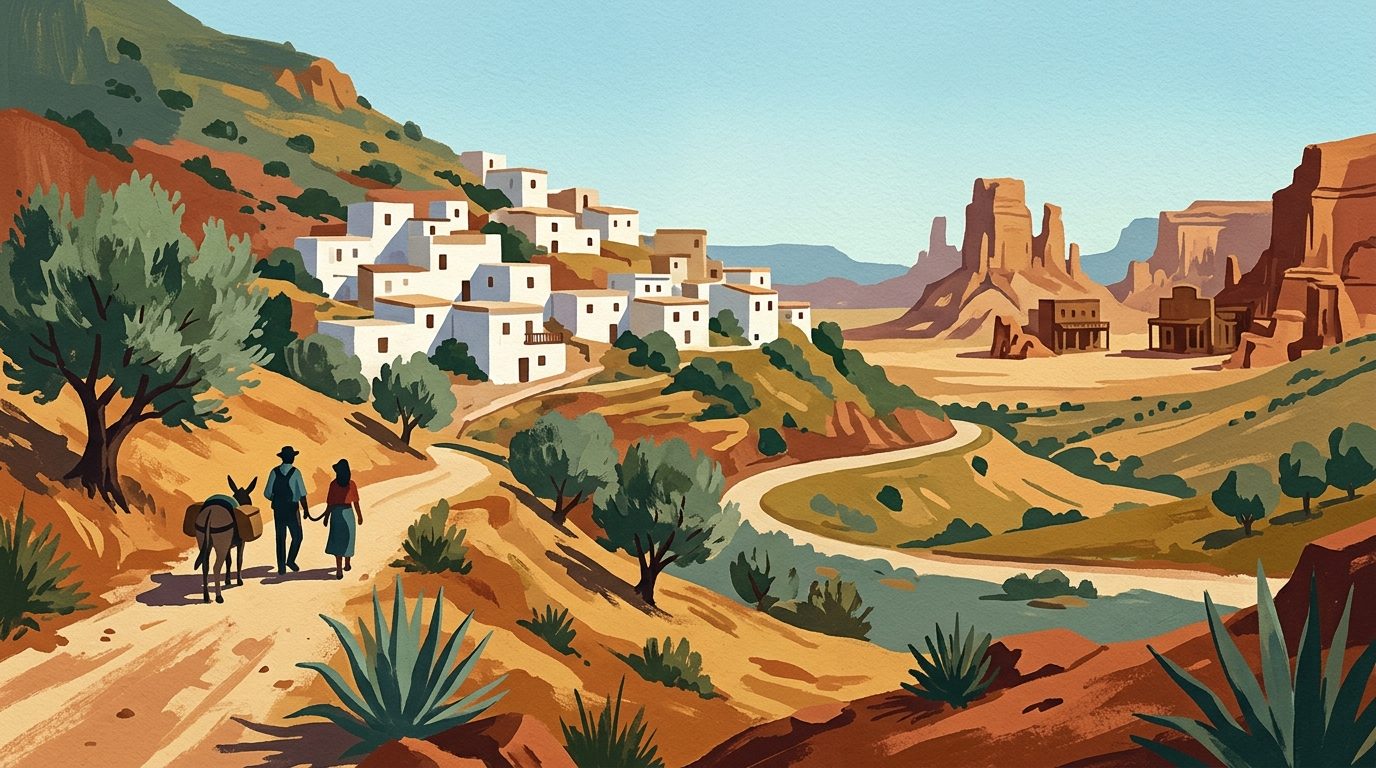
San José is the largest village within the Cabo de Gata-Níjar Natural Park, yet it remains remarkably contained. Unlike the high-rise developments found elsewhere on the Spanish coast, the building regulations here have enforced a strict aesthetic of low-rise, cubic white houses that mirror the traditional Moorish influence of the region. This architectural restraint ensures that the village feels like a natural extension of the arid, volcanic landscape rather than an intrusion upon it. While it functions as the park’s administrative and tourism centre, it retains the atmosphere of a seaside retreat where the rhythm of the day is dictated by the sun and the sea.
Originally a settlement for fishermen and a site for the 18th-century San José fortress, of which only ruins remain, the village now caters to a specific type of traveller. You will find families, hikers, and divers drawn by the promise of the clearest waters in Andalucía and the absence of noisy nightlife. Situated on the edge of a bay, the village provides immediate access to some of the most famous stretches of sand in Spain, while remaining self-contained enough to explore entirely on foot. For visitors here for the geology, the marine life, or the quietude of the desert, San José is the essential starting point for any Almerían adventure.
What to See & Do
The primary appeal of San José lies in its proximity to the natural wonders of the park. While the village itself has a pleasant harbour and a small urban beach, the true treasures are found by heading south into the protected coastal zones.
Playa de los Genoveses
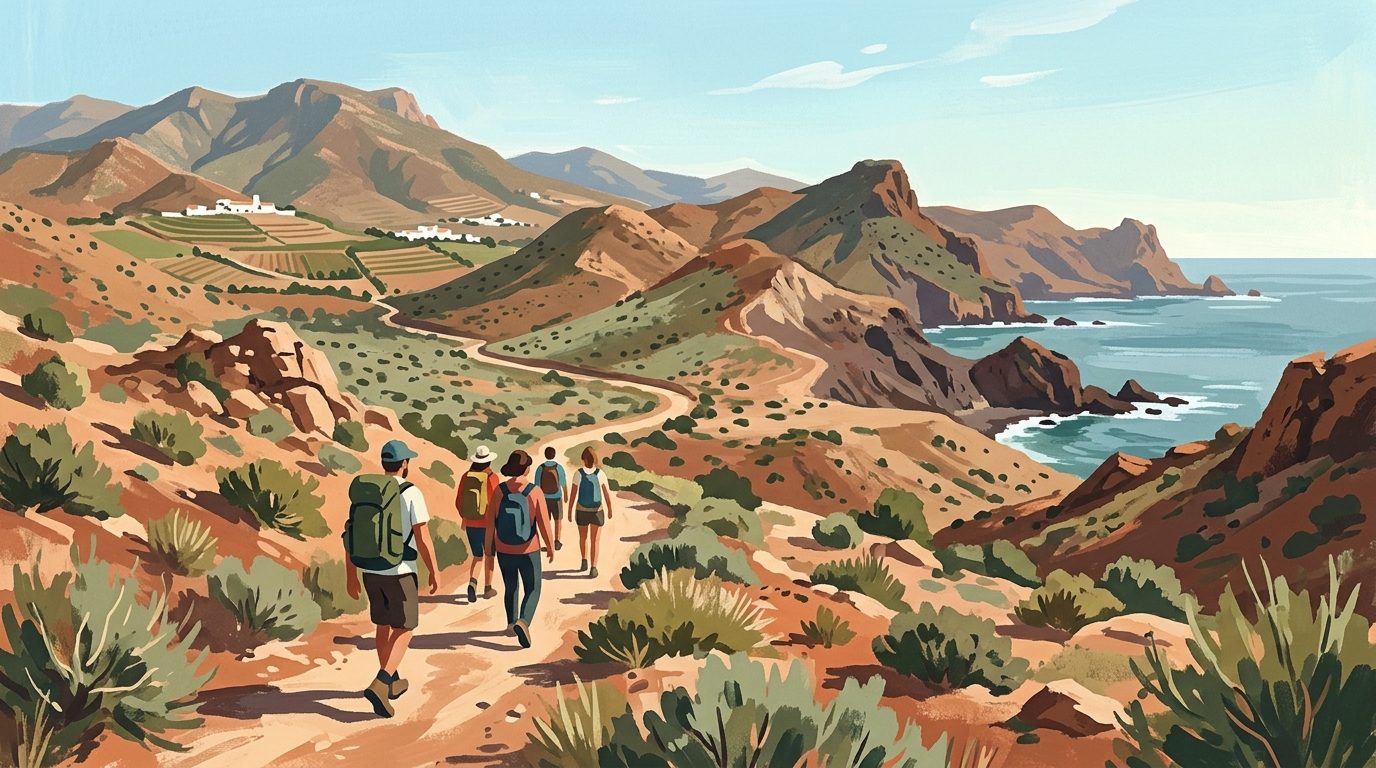
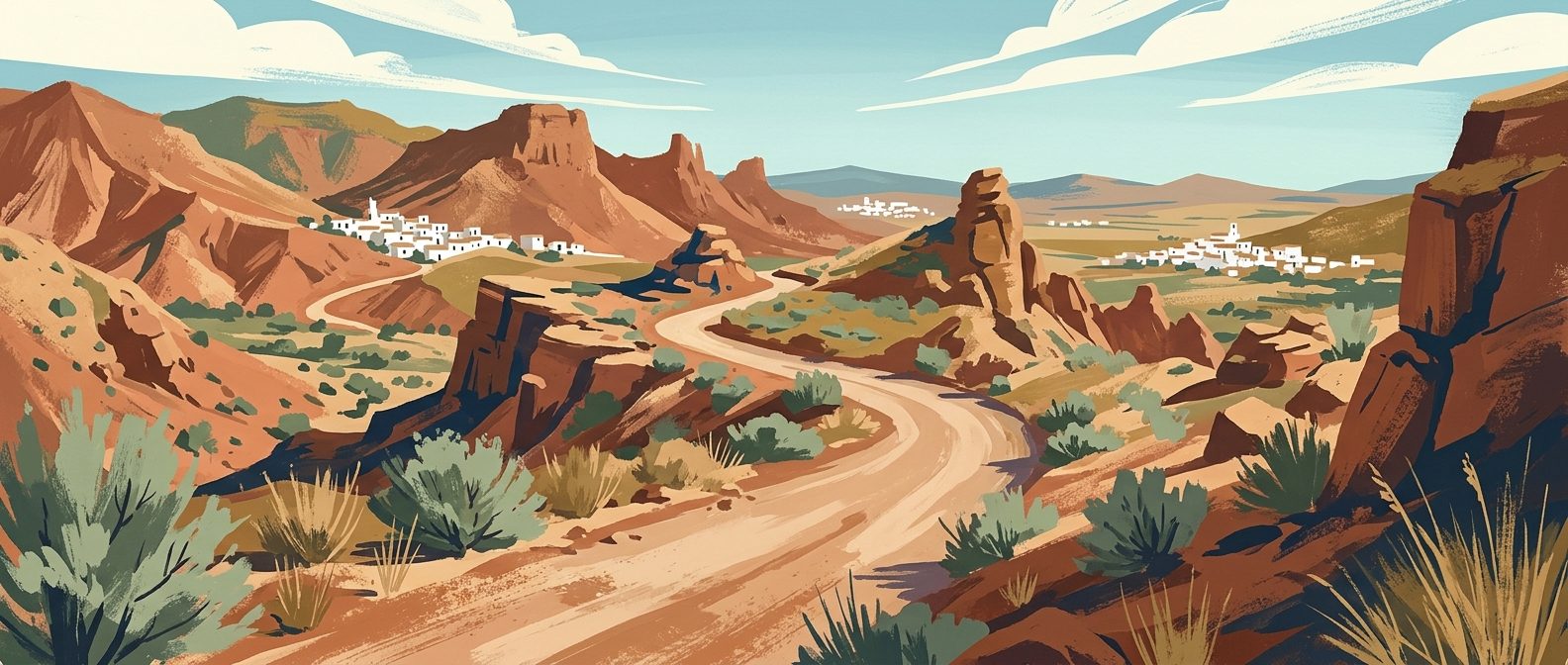
Located just a few kilometres from the centre of San José, Playa de los Genoveses is a vast, crescent-shaped bay backed by fossilised sand dunes and prickly pear cacti. There are no buildings, bars, or sun loungers here; it is a space of pure, unadulterated nature. The water is shallow and calm, making it a favourite for families, though its size ensures it rarely feels crowded. The beach takes its name from a 12th-century Genoese fleet that helped the Spanish crown in the reconquest of Almería. To reach it, you can take a dusty track from the edge of the village, which offers spectacular views of the volcanic cliffs and the blue Mediterranean expanse.
Playa de Mónsul
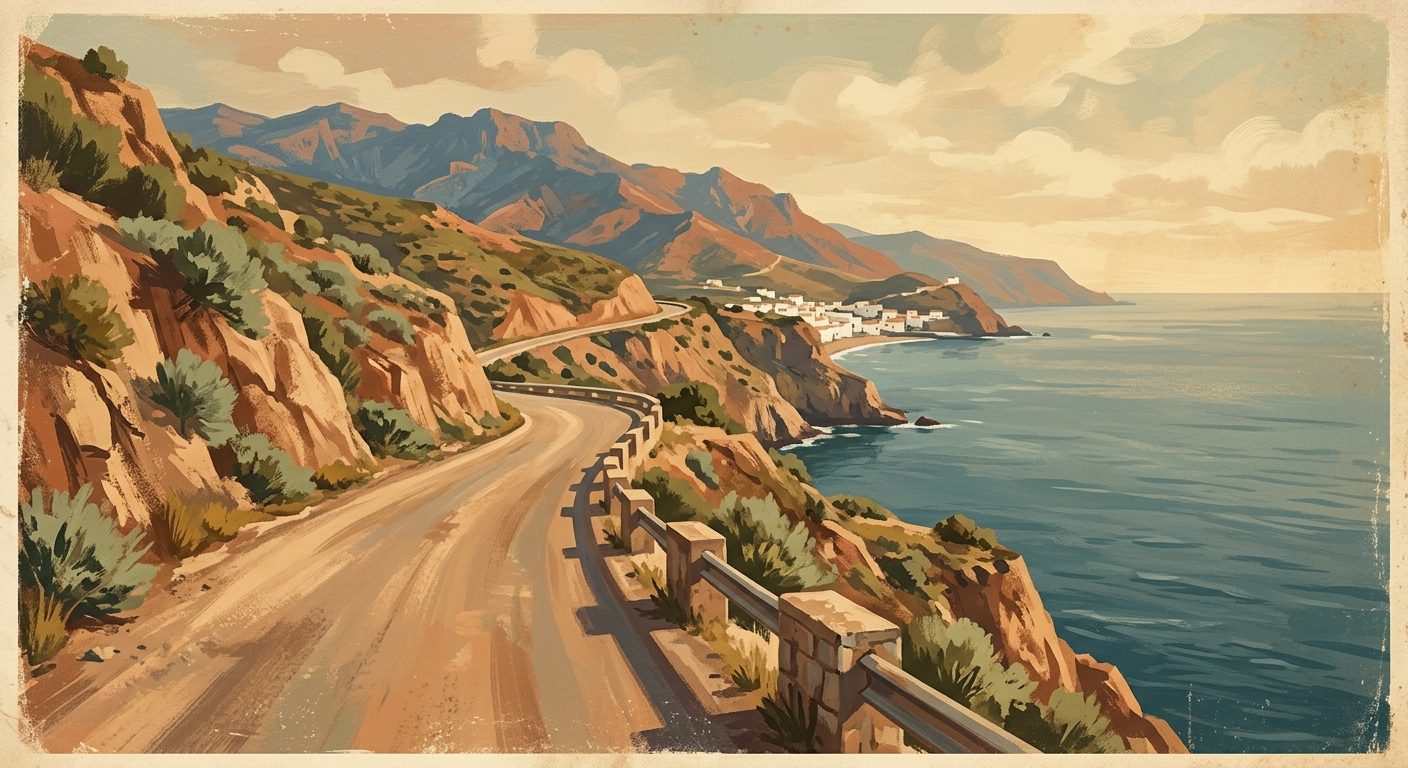
Further along the same track lies Playa de Mónsul, perhaps the most photographed beach in Andalucía. It is defined by the "Peineta de Mónsul," a massive volcanic rock formation that resembles a cresting wave frozen in stone. The sand is dark and fine, a reminder of the area's explosive geological past. Film enthusiasts may recognise these dunes and rocks from Indiana Jones and the Last Crusade. Like Genoveses, Mónsul is entirely undeveloped. Visitors must bring their own shade, water, and food. The surrounding cliffs offer short, steep climbs for those who want a panoramic view of the volcanic coastline extending toward the lighthouse at Cabo de Gata.
Diving and Snorkelling
The waters surrounding San José are part of a protected maritime reserve, home to extensive meadows of Posidonia oceanica (seagrass). This plant oxygenates the water and provides a sanctuary for a diverse range of marine life, including groupers, octopus, and occasionally seahorses. Several professional diving centres operate out of the San José marina, offering courses for beginners and excursions to underwater caves and volcanic reefs for experienced divers. Snorkellers can find excellent visibility right off the rocks at the edge of the village or at the smaller coves like Cala Higuera, located just to the east of the main harbour.
Boat Trips and Kayaking
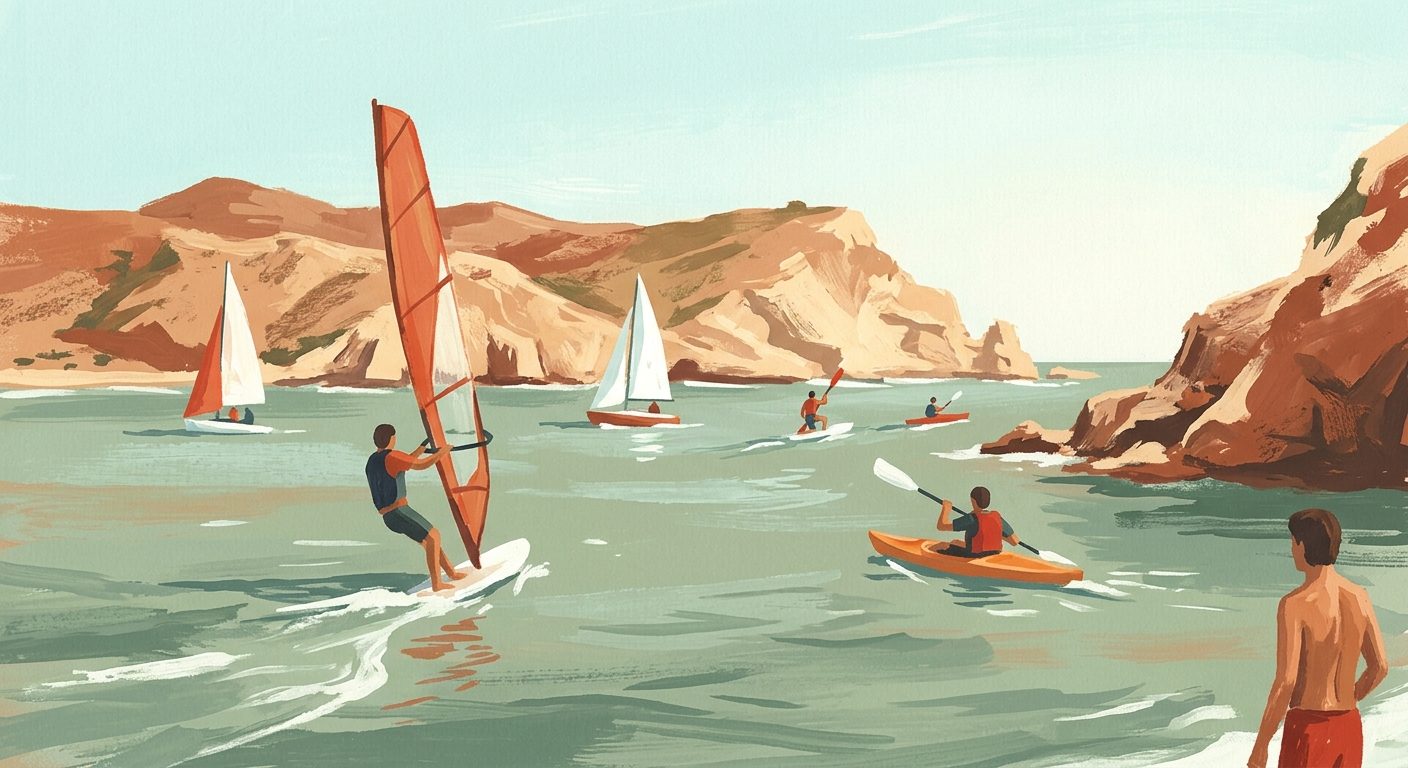
To fully appreciate the sheer volcanic cliffs that define this coastline, one must see them from the sea. Guided kayak tours depart from San José and head toward the secret coves of Cala Chica and Cala del Príncipe, which are otherwise inaccessible by land. These tours often include stops for snorkelling in crystal-clear pools. Alternatively, several boat operators offer sunset cruises or "taxi boat" services that drop passengers at remote beaches and collect them later in the afternoon. This is an excellent way to see the various basalt formations and the striking contrasts of the Almerían coast without the long hike in the summer heat.
Practical Information
San José is an easy village to navigate, but planning is required if you intend to visit the protected beaches during the peak summer months.
Getting There and Parking
The nearest airport is Almería (LEI), approximately a 35-minute drive away. While there is a bus service (ALSA) from Almería city to San José, it is infrequent, and having a car is highly recommended for exploring the wider natural park. Once in San José, parking is available in several public lots near the entrance of the village and by the harbour.
Beach Access: During the summer season (typically mid-June to mid-September), private vehicle access to Genoveses and Mónsul is strictly limited once the small car parks reach capacity. A shuttle bus runs every 30 minutes from the San José bus stop, costing approximately €3 for a return ticket (check the ALSA website for the latest summer timetable). If you choose to drive before the restrictions or in the off-season, expect to pay a small environmental parking fee of roughly €5 per vehicle (verify current fees and access rules on the official Ventana del Visitante site).
Opening Times and Facilities
The Natural Park is open 24 hours a day, year-round. However, the visitor centre in San José (located at the entrance to the village) typically operates from 10:00 to 14:00 and 16:30 to 20:00 in summer, with shorter hours in winter. Most shops and the local pharmacy follow standard Spanish hours, closing for siesta between 14:00 and 17:00.
Where to Eat Nearby
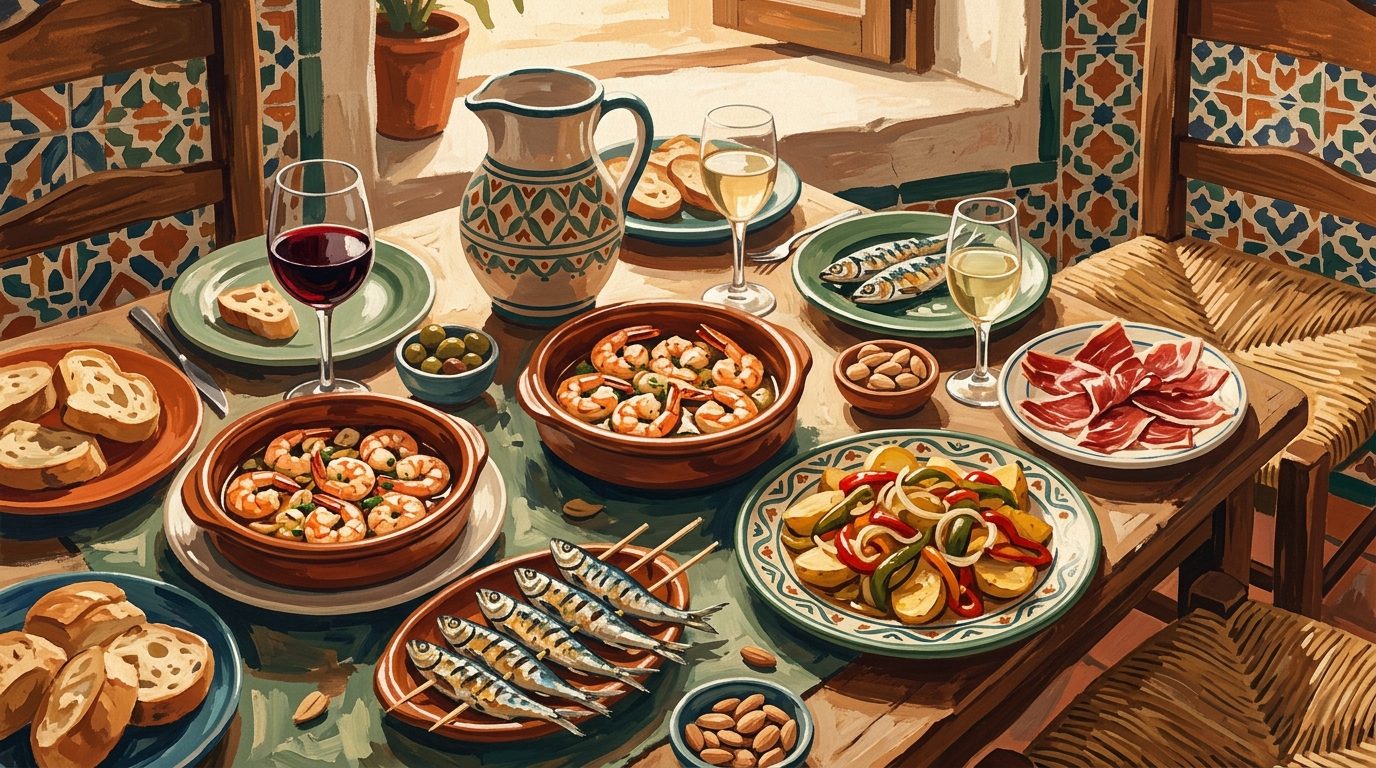
The culinary scene in San José revolves around fresh seafood and traditional Almerían dishes such as gurullos con conejo (small pasta grains with rabbit). For a formal meal with a view of the harbour, Restaurante El Faro is a long-standing favourite, known for its creative Mediterranean fusion and expertly grilled catch of the day. If you prefer something more casual and traditional, Casa Miguel offers an authentic experience with a focus on local fish and generous portions of paella. For those looking for a quick bite after the beach, the small bakeries in the village centre sell empanadillas and local pastries that are perfect for a picnic.
Where to Stay
Accommodation in San José ranges from boutique hotels to self-catering apartments. Hotel Doña Pakyta is the most iconic stay in the village; built in the style of a traditional Basque farmhouse, it occupies a prime position overlooking the bay and offers direct access to the urban beach. For those seeking a more rural experience on the edge of the village, Cortijo El Sotillo provides a rustic setting with horse riding facilities, allowing guests to explore the surrounding volcanic plains in a traditional manner.