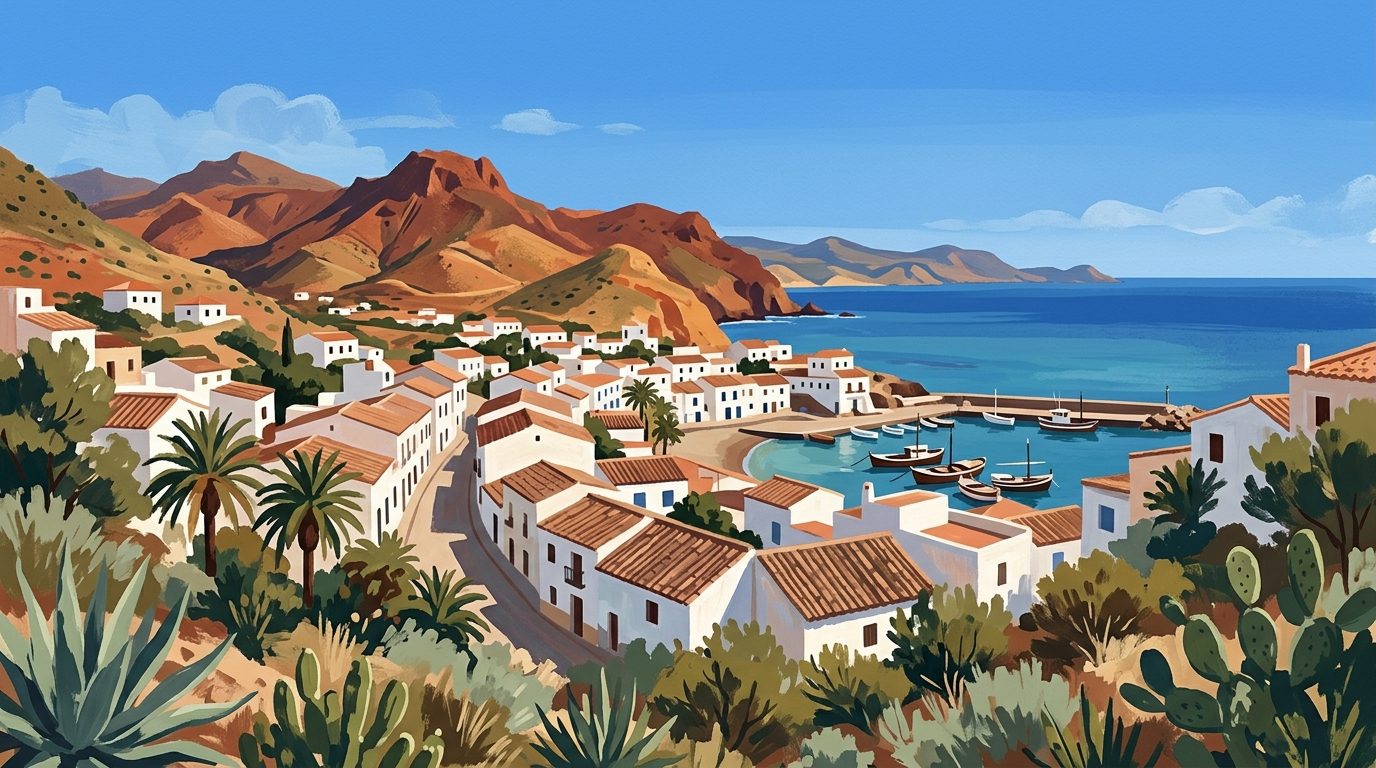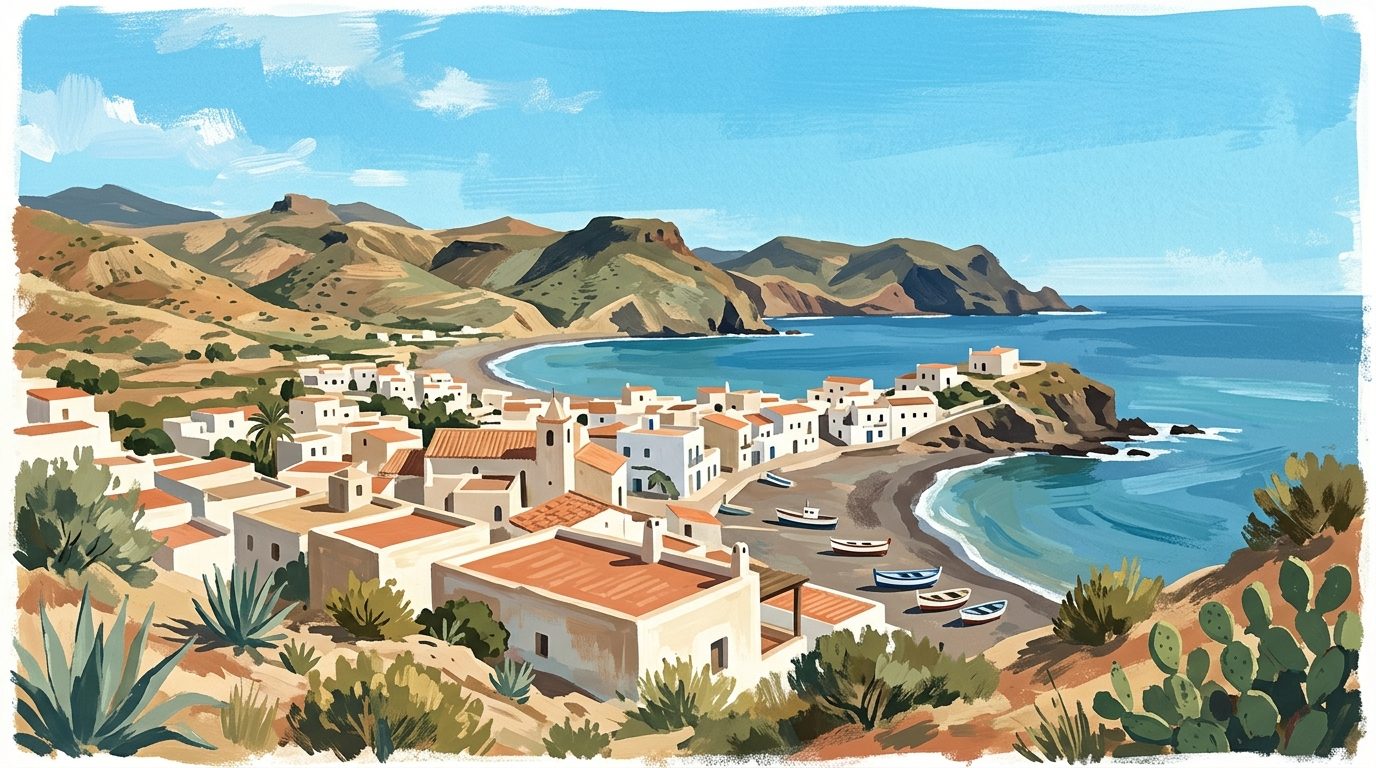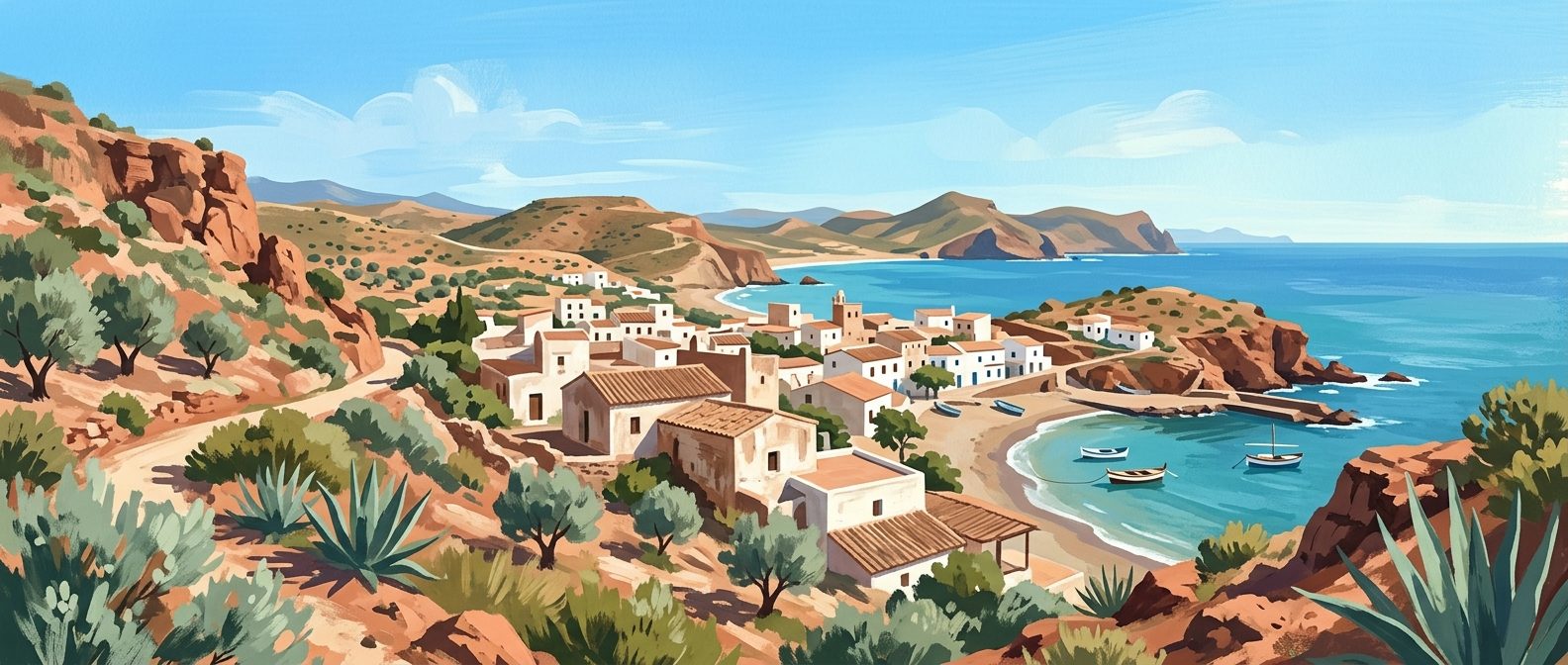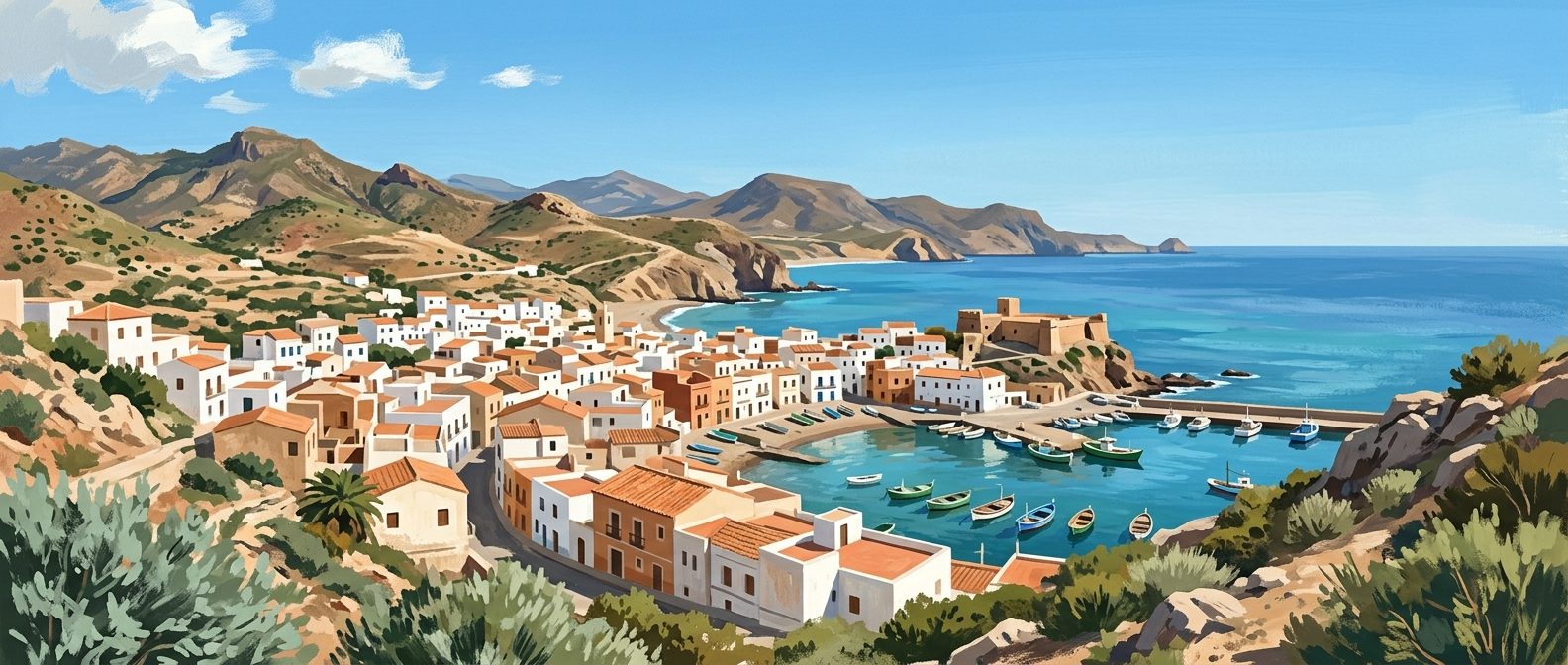
Europe’s only truly arid volcanic maritime park meets the Mediterranean in a volcanic landscape of fossilised dunes and salt flats. It is a corner of Andalucía where the wind dictates the day’s plans and the light has attracted filmmakers for decades.
The Arid Splendour of Almería
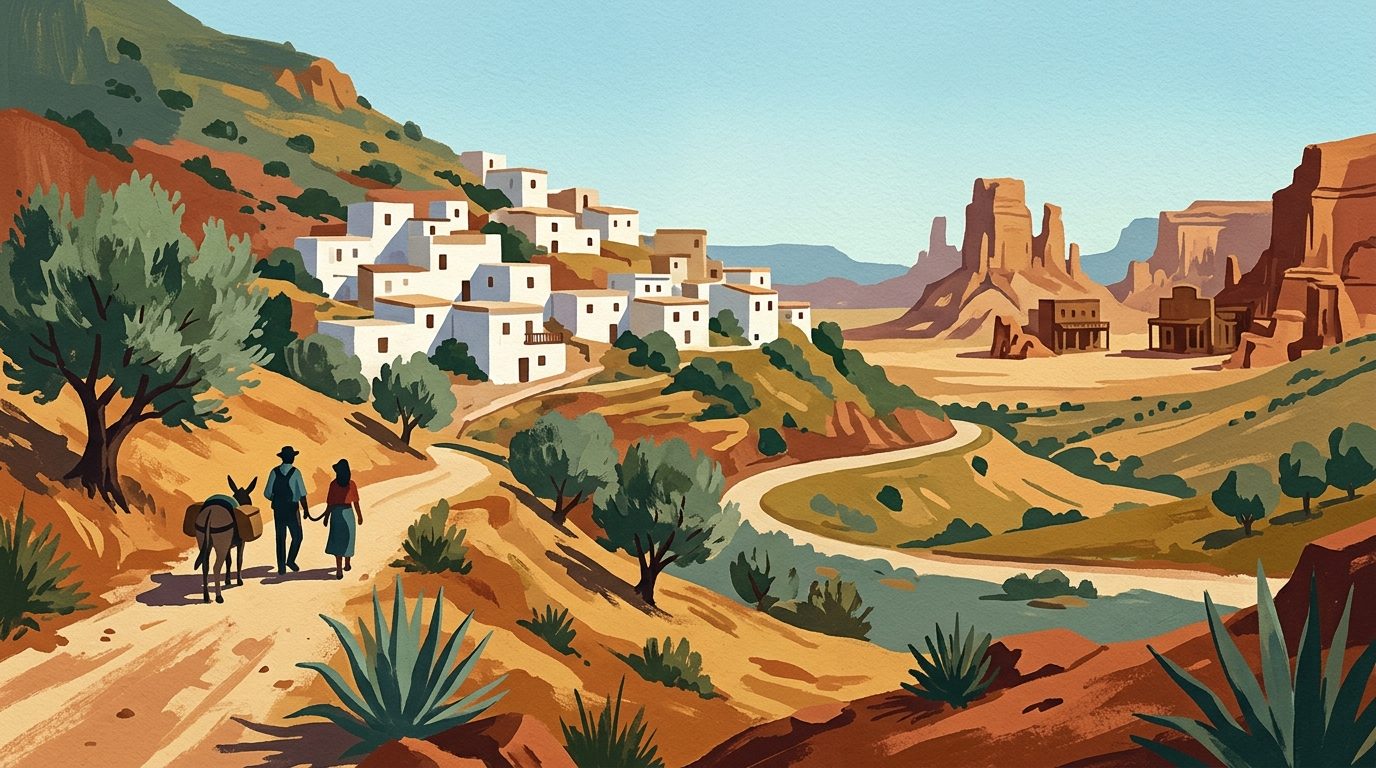
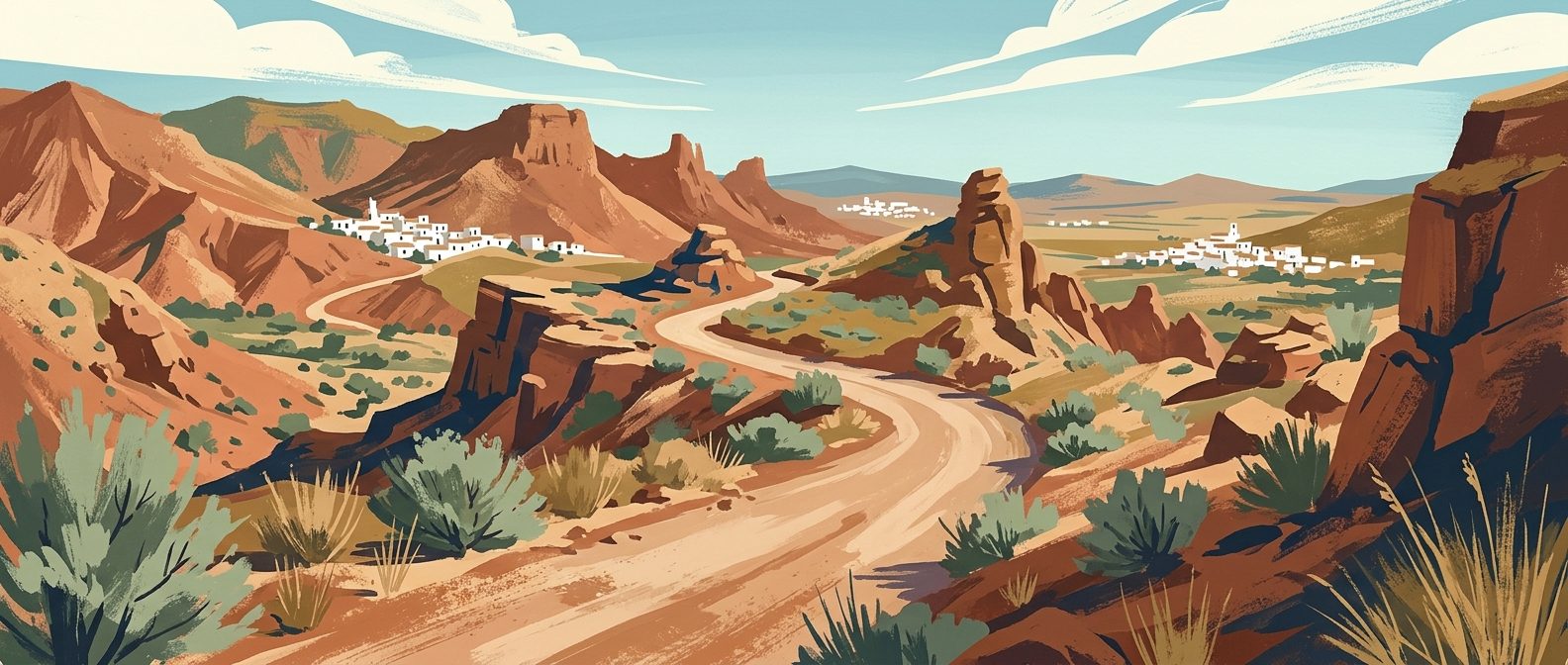
Cabo de Gata-Níjar Natural Park is a stark departure from the white-washed cliches of western Andalucía. Here, the Sierra de Gata mountains collide with the Alboran Sea, creating a 38,000-hectare terrestrial and marine reserve that feels more like Baja California or the North African coast than the Costa del Sol. The terrain is defined by basalt cliffs, volcanic domes, and the omnipresent pita (agave) plants that line the dusty roadsides. In 1987, this area became Almería’s first protected maritime-terrestrial space, a status that has mercifully spared it from the high-rise urbanisation seen elsewhere in Spain.
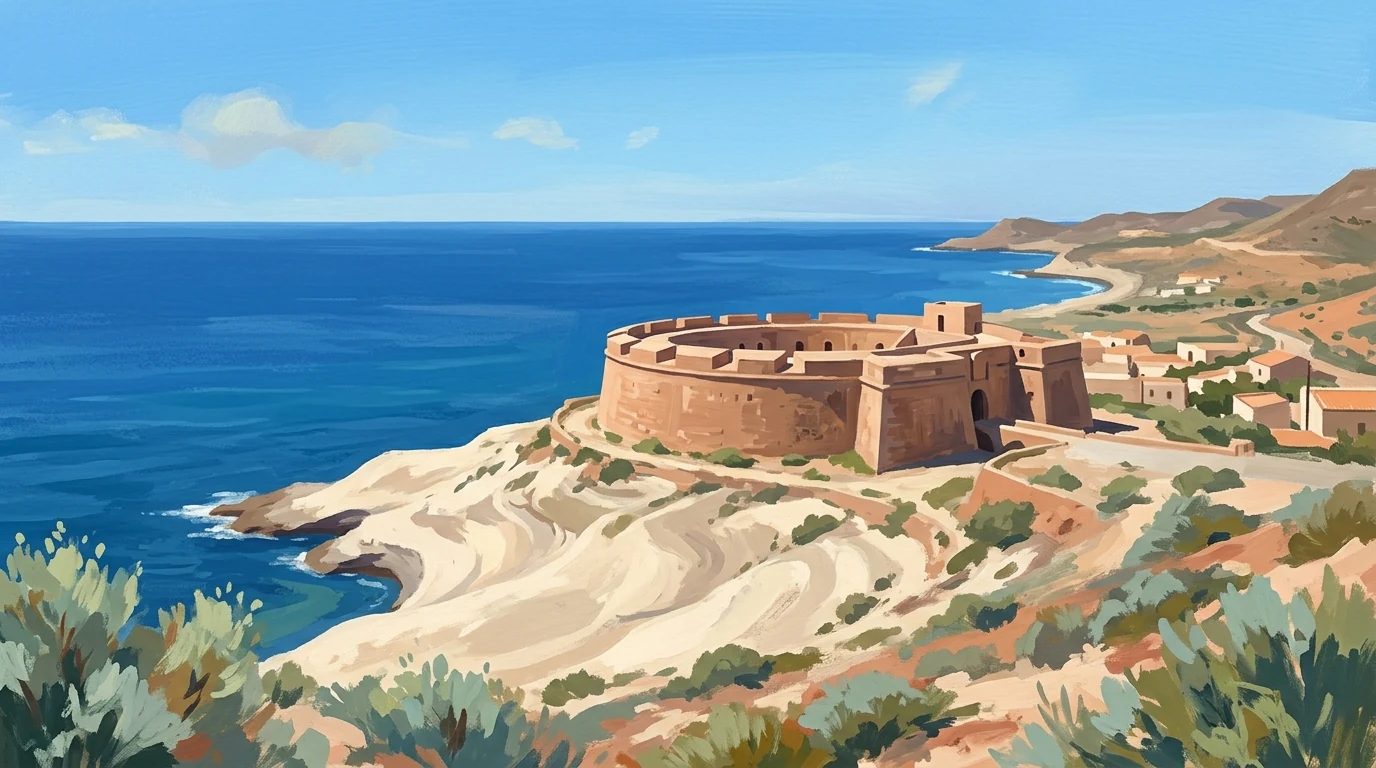
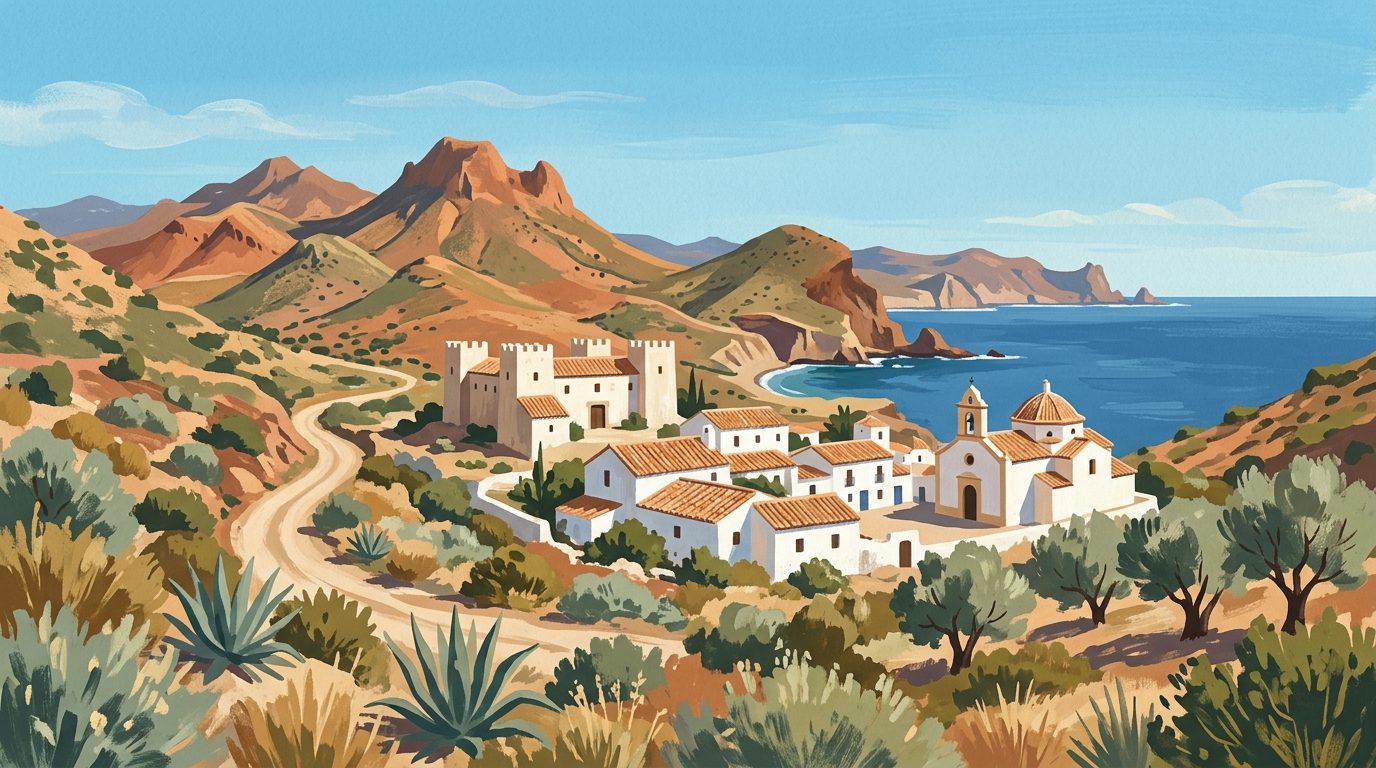
The park is a UNESCO Biosphere Reserve, home to botanical rarities and a complex ecosystem of salt marshes (the salinas) where flamingos congregate during their migrations. Navigating the park requires a shift in pace. You won't find manicured lawns or sprawling resorts. Instead, you encounter cortijos (traditional farmhouses) crumbling back into the ochre earth and 18th-century defensive batteries like the Castillo de San Ramón. The appeal lies in the silence, the clarity of the water for snorkelling, and the raw, unpolished nature of the villages that dot the coastline. It is a place for those who prefer a chiringuito (beach bar) with sand on the floor over a polished hotel lobby.
Places to Explore
San José
San José serves as the informal capital of the park. Once a tiny fishing outpost, it has evolved into a low-rise hub of white houses that climb the hills overlooking the bay. Despite its growth, it retains a laid-back atmosphere, particularly outside the peak weeks of August. The town is the primary gateway to two of Spain’s most celebrated beaches: Playa de los Genoveses and Playa de Mónsul. Between mid-June and mid-September, access by car is restricted to protect the environment, so visitors should use the shuttle bus departing from San José (check the Ventana del Visitante for current schedules) or take the dusty coastal paths on foot.
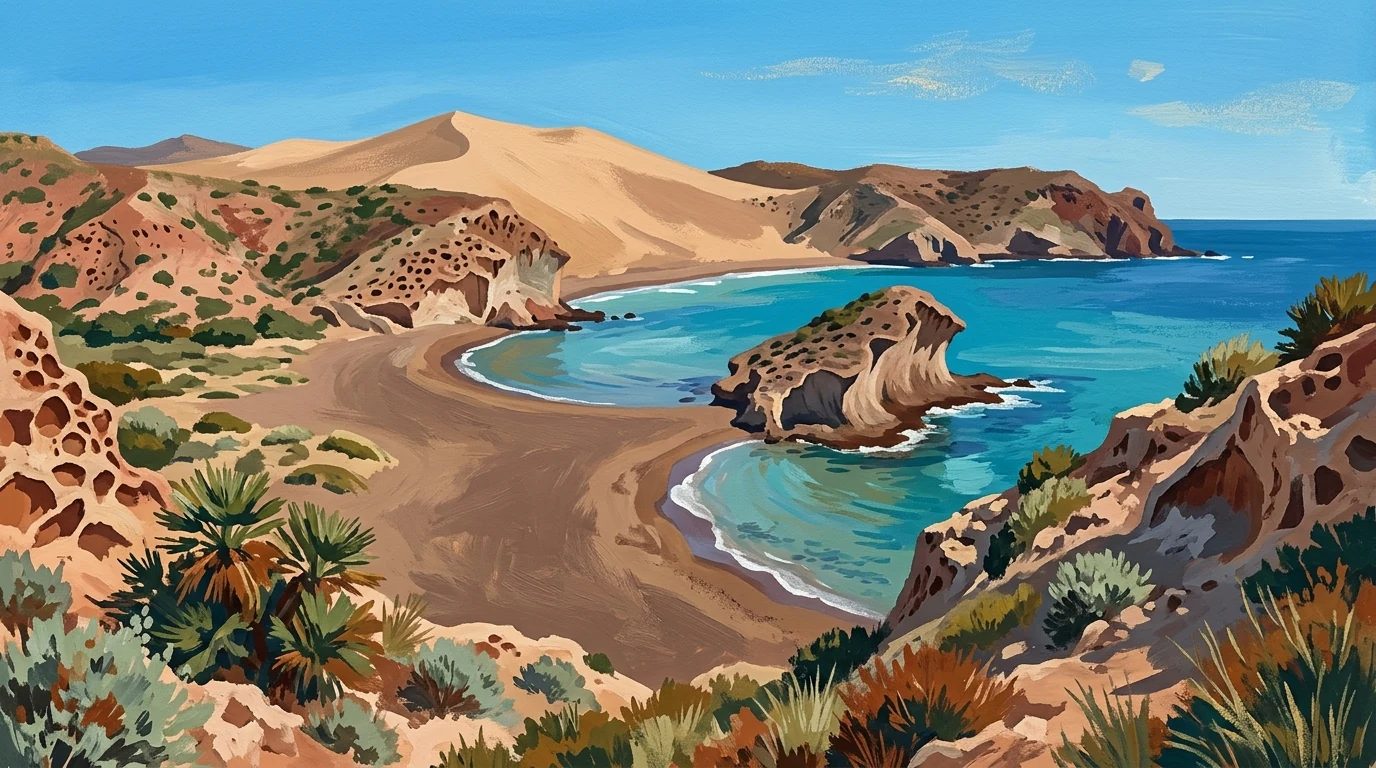
Playa de Mónsul is recognisable to many as the backdrop for films like Indiana Jones and the Last Crusade, famous for its massive volcanic rock formation known as 'La Peineta' (The Comb). For a quieter experience, head to the small coves (calas) tucked between the larger beaches, such as Cala Carbón or Cala Media Luna. In the town itself, the harbour remains a focal point for diving excursions and boat trips that explore the fossilised dunes. For a late afternoon coffee, sit at one of the terraces on the Plaza de Génova and watch the world go by at Almerian speed.
Read the full San José guide →
Las Negras
Las Negras derives its name from the Cerro Negro (Black Hill), a looming volcanic mass that flanks the northern end of the village. The town has a distinctly bohemian character, attracting artists and musicians who congregate in the bars along the pebble-strewn seafront. It is less polished than San José, and that is precisely its charm. The beach here is largely composed of dark volcanic stones, which creates a striking contrast with the turquoise water, though most people head here for the atmosphere rather than the sunbathing.
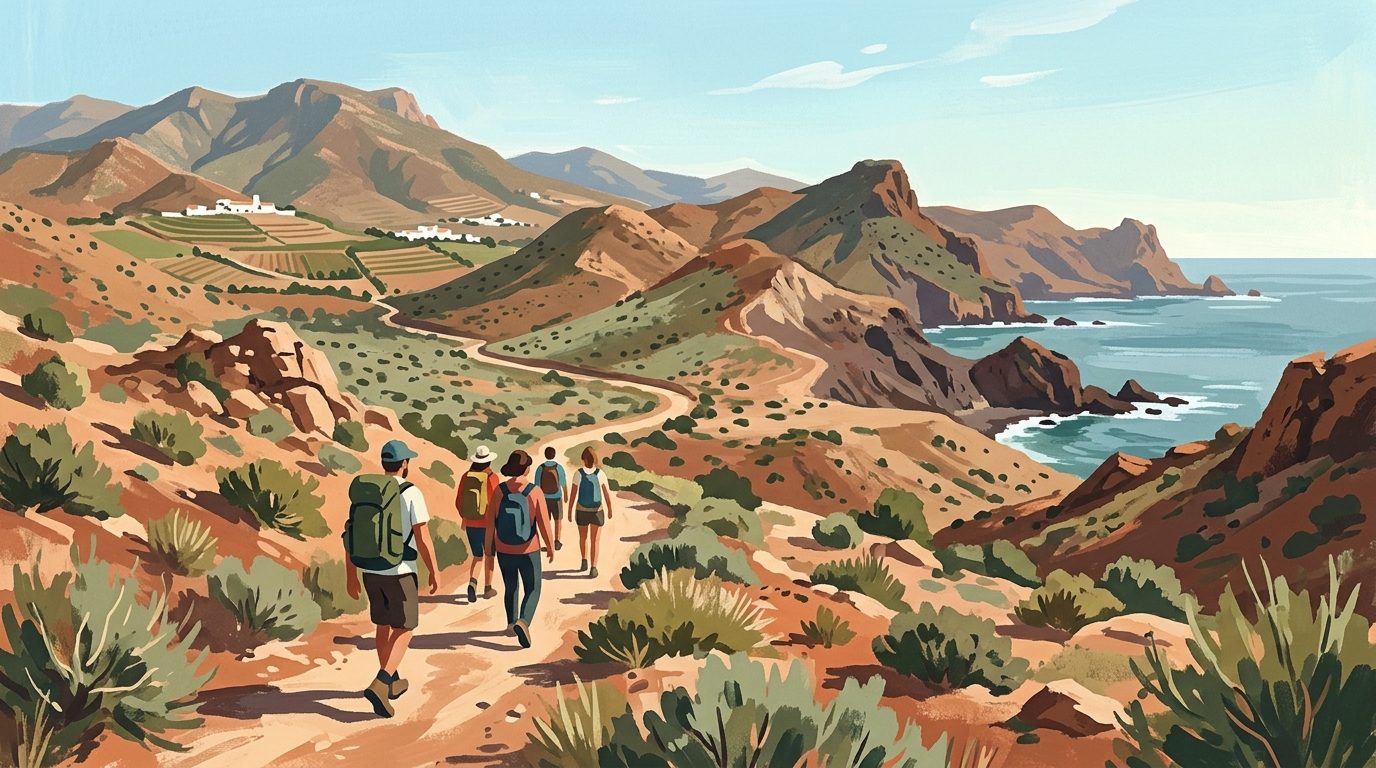
A significant draw of Las Negras is the coastal walk to Cala de San Pedro. This isolated cove is home to a permanent off-grid community living amongst the ruins of a 16th-century fortress. There is no road access; you must either hike for about an hour over the cliffs or take a small motorboat taxi from the Las Negras shore. The cove has its own freshwater spring and some of the best snorkelling in the park. Back in the village, the evening energy centres around the bars like La Bodeguiya, where the local 19th-century houses have been converted into intimate spaces for tapas and live music.
Read the full Las Negras guide →
Agua Amarga
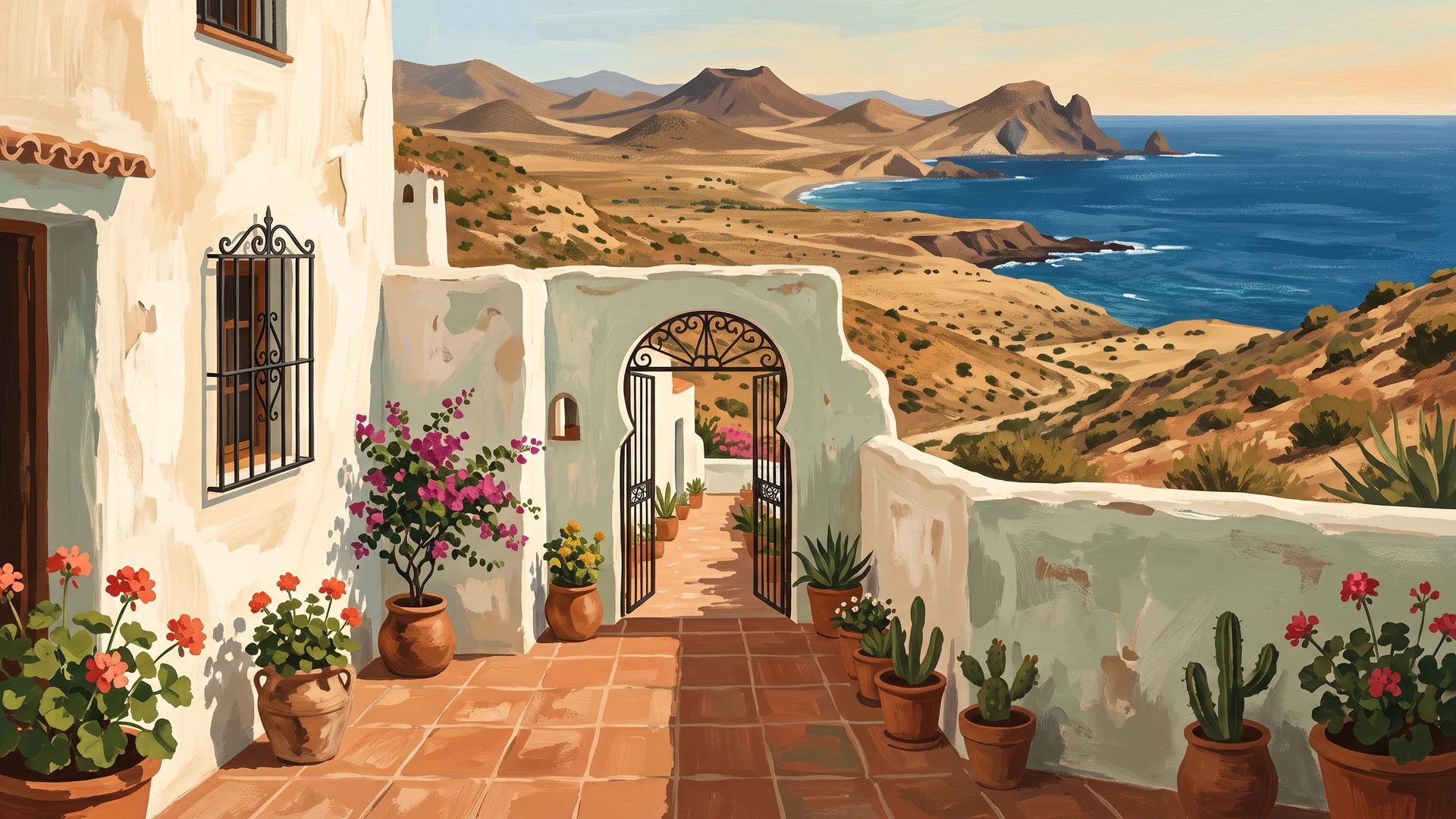
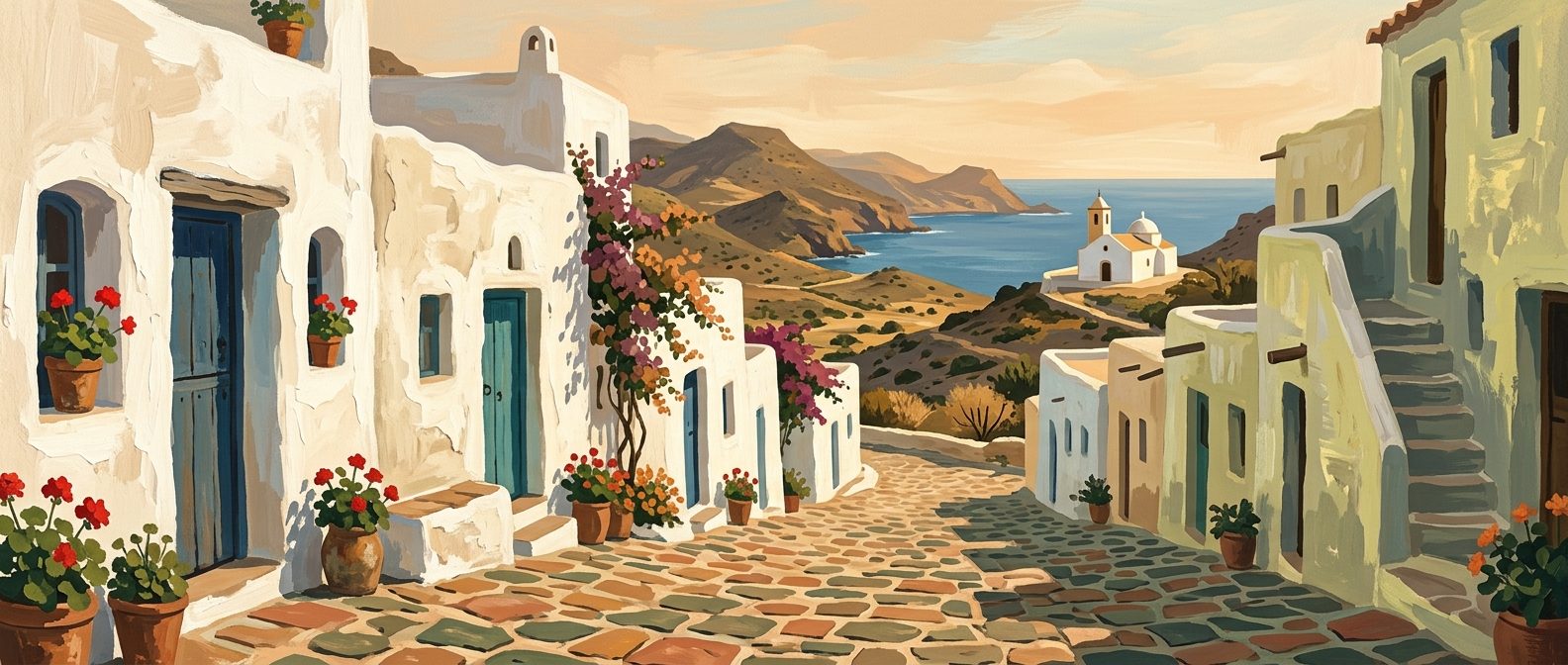
Agua Amarga is arguably the most sophisticated corner of the park. It remains a small, compact village where the houses are draped in bougainvillea and the streets are narrow and well-maintained. It was once a shipping point for iron ore from the mines in the interior, and the remnants of the old loading pier still stand at the edge of the bay. Today, it is a favourite for those seeking a more refined coastal experience, with several boutique hotels and independent shops selling locally made linens and ceramics.
The town beach is wide and sandy, making it a practical choice for families, but the real adventure lies in the surrounding cliffs. A short drive or a longer hike takes you to the Mesa Roldán, a flat-topped volcanic mesa topped with a lighthouse and a watchtower that offers some of the most expansive views over the park. From here, you can descend towards Playa de los Muertos, often cited as one of Spain’s best beaches. Be warned: the path down is steep and the currents can be strong, but the clarity of the water and the white pebbles make it a spectacular spot for a day trip.
Read the full Agua Amarga guide →
Carboneras
Carboneras sits at the northern edge of the park and has a different feel to the smaller villages. It is a working town with a significant industrial history, evidenced by the large cement works and desalination plant on its outskirts. While this initially puts some visitors off, Carboneras offers a more authentic Almerian experience and generally lower prices than the more tourist-centric villages. The town is built around the 16th-century Castillo de San Andrés, which now serves as a cultural centre and provides a central point for the town's social life.
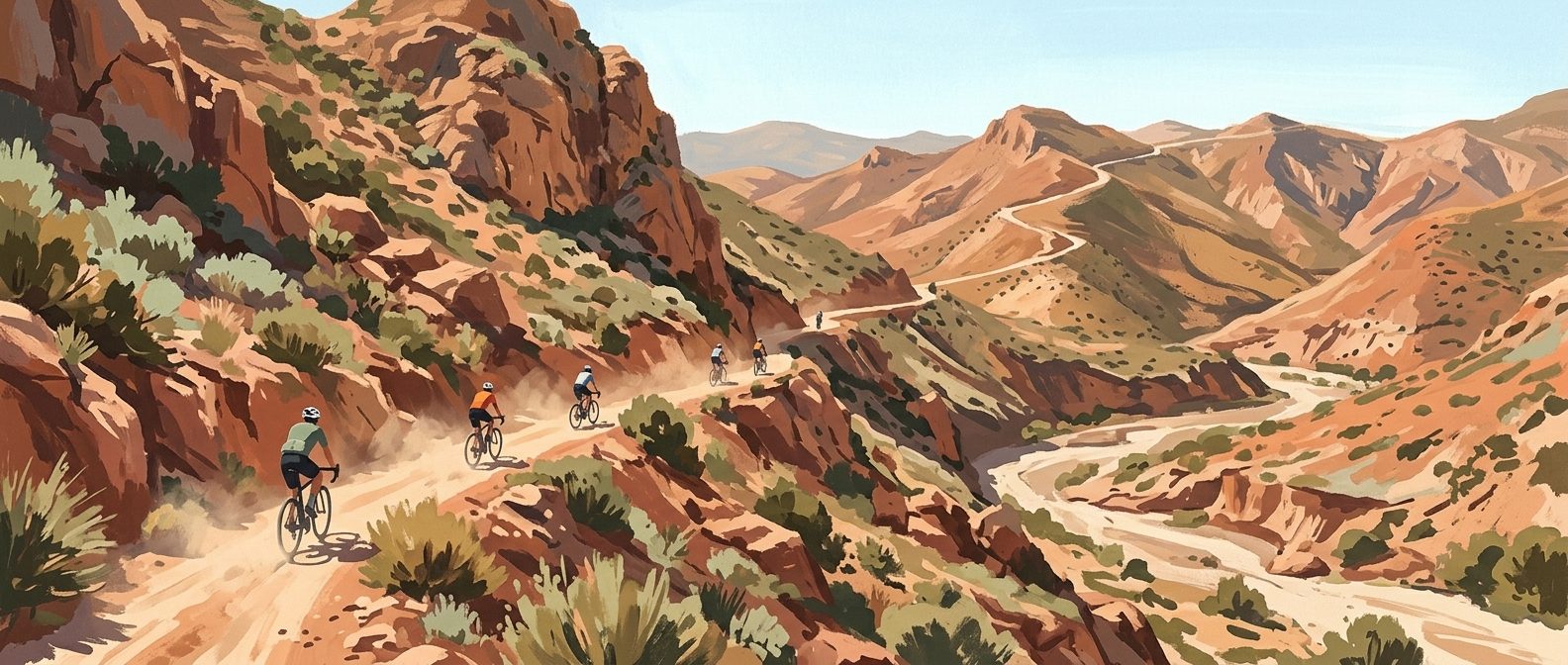
The promenade stretches for several kilometres, lined with restaurants that serve some of the freshest seafood in the province. Unlike the more isolated beaches of the park, the urban beaches here are fully equipped with facilities, making it a comfortable base for a longer stay. Carboneras is also the closest town to the northern entrance of the park, providing easy access to the Vía Verde de Lucainena de las Torres, a converted railway line that offers excellent cycling and walking routes through the arid interior landscape. It is a town that reveals its personality slowly, away from the immediate aesthetic appeal of its neighbours.
Read the full Carboneras guide →
Eating & Drinking in Cabo de Gata-Níjar Natural Park
The gastronomy of the park is heavily influenced by the sea and the arid climate of the interior. Seafood is the primary draw; look for Gambas Rojas de Garrucha (red prawns) or Galanes, a delicate local fish usually fried. In San José, La Ola is a reliable spot for Arroz a Banda (rice cooked in fish stock) with views across the bay. For something more traditional and away from the water, the interior village of Fernán Pérez offers local specialities like Gurullos con conejo (small grain-shaped pasta with rabbit) at Bar San Luis.
In Las Negras, Casa Diego is an institution for fresh fish, while La Palma provides a more contemporary take on Mediterranean flavours. The local goats' cheese, often seasoned with rosemary or thyme, is an essential accompaniment to the regional wines. Don't overlook the simple pleasure of a tapa served with your drink: Almería remains one of the few provinces where a free snack is still standard practice with every beer or wine. Try the Cherigan, a thin slice of toasted bread spread with aioli or tomato and topped with anything from tuna to quail eggs.
Where to Stay
Accommodation in the park leans towards eco-conscious boutique hotels and restored farmhouses rather than large chains. For a sense of history, Hotel Doña Pakyta (check on the operator's website before travelling) in San José is a landmark building designed in the traditional Basque-Almerian style, sitting right on the edge of the town beach. For those seeking seclusion, Hotel Cortijo El Paraíso, located between San José and Los Escullos, offers a sense of total immersion in the volcanic landscape.
In Agua Amarga, Real Agua Amarga La Joya provides an adults-only retreat with views over the valley. If you prefer a more bohemian vibe, look for guesthouses in Las Negras like Hotel Spa Calagrande, which offers a bit more luxury while maintaining the village's relaxed ethos. For those on a tighter budget or looking for a more social experience, the campsite at Los Escullos is well-regarded and offers bungalows and plots within walking distance of the cliffs.
Getting There & Around
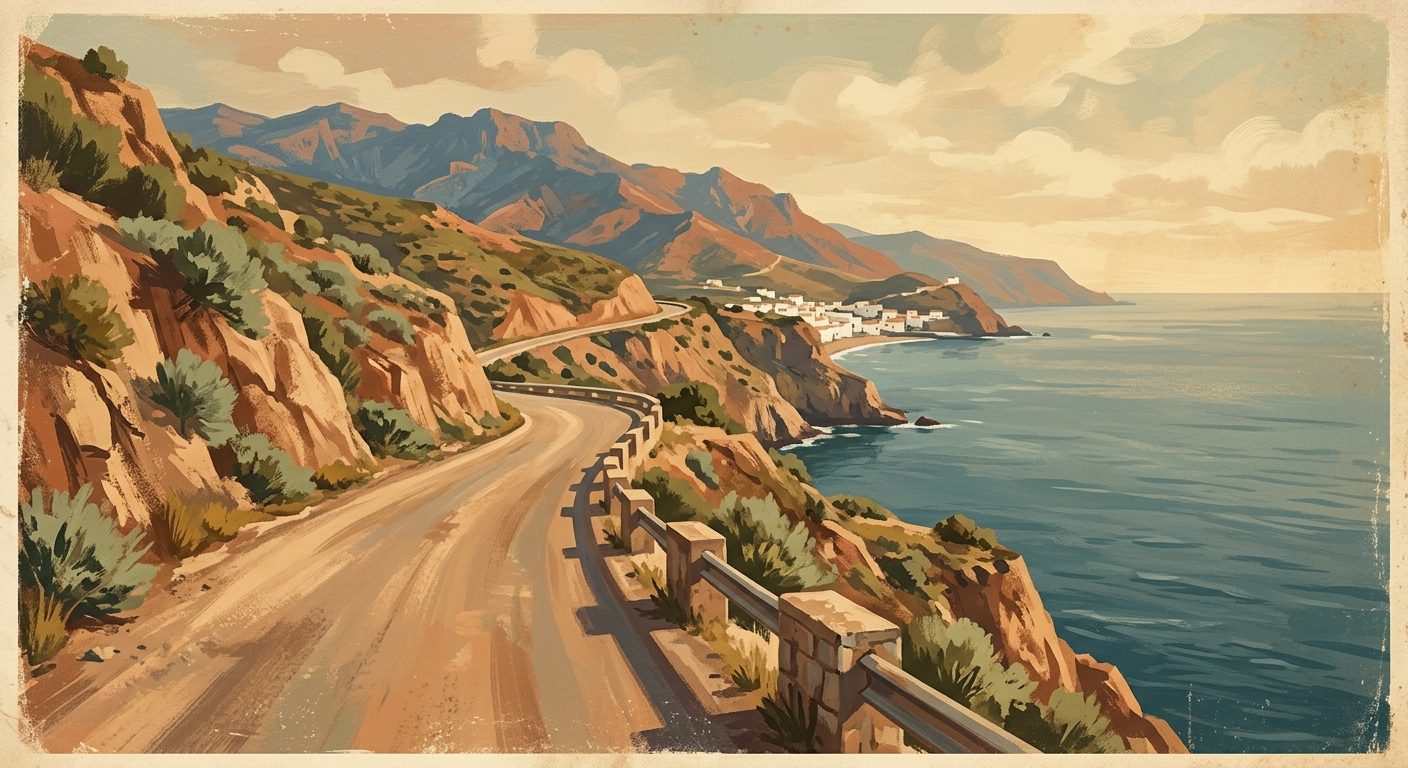
A car is essential for exploring Cabo de Gata-Níjar effectively. Public transport is limited to a few buses a day between Almería city and San José or Carboneras, which makes visiting the more remote coves nearly impossible without your own wheels. The nearest airport is Almería (LEI), approximately a 30-minute drive from San José. From the airport, follow the AL-3115 to enter the southern part of the park. Be prepared for narrow, winding roads and sections of unpaved track (pistas) when heading to the more secluded beaches; check your car rental agreement regarding off-road driving.
Best Time to Visit
The ideal time to visit is during the shoulder seasons: May to June and September to October. During these months, the daytime temperatures are comfortable for hiking and the water is warm enough for swimming, but the summer crowds have either not arrived or have already departed. July and August can be intensely hot, with temperatures frequently exceeding 35°C, and the popular beaches become crowded. Winter is surprisingly pleasant, with clear blue skies and bright light perfect for photography, though many restaurants and hotels in the smaller villages may close for the season.