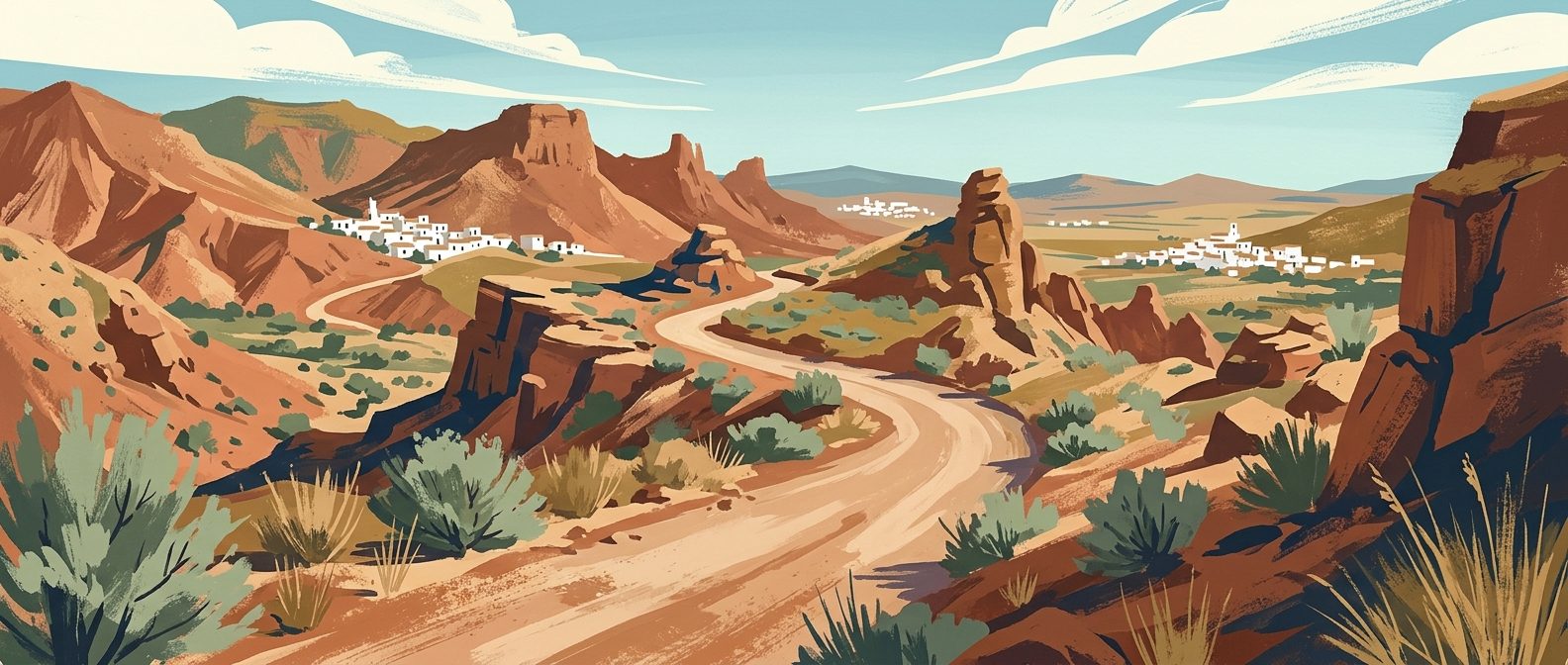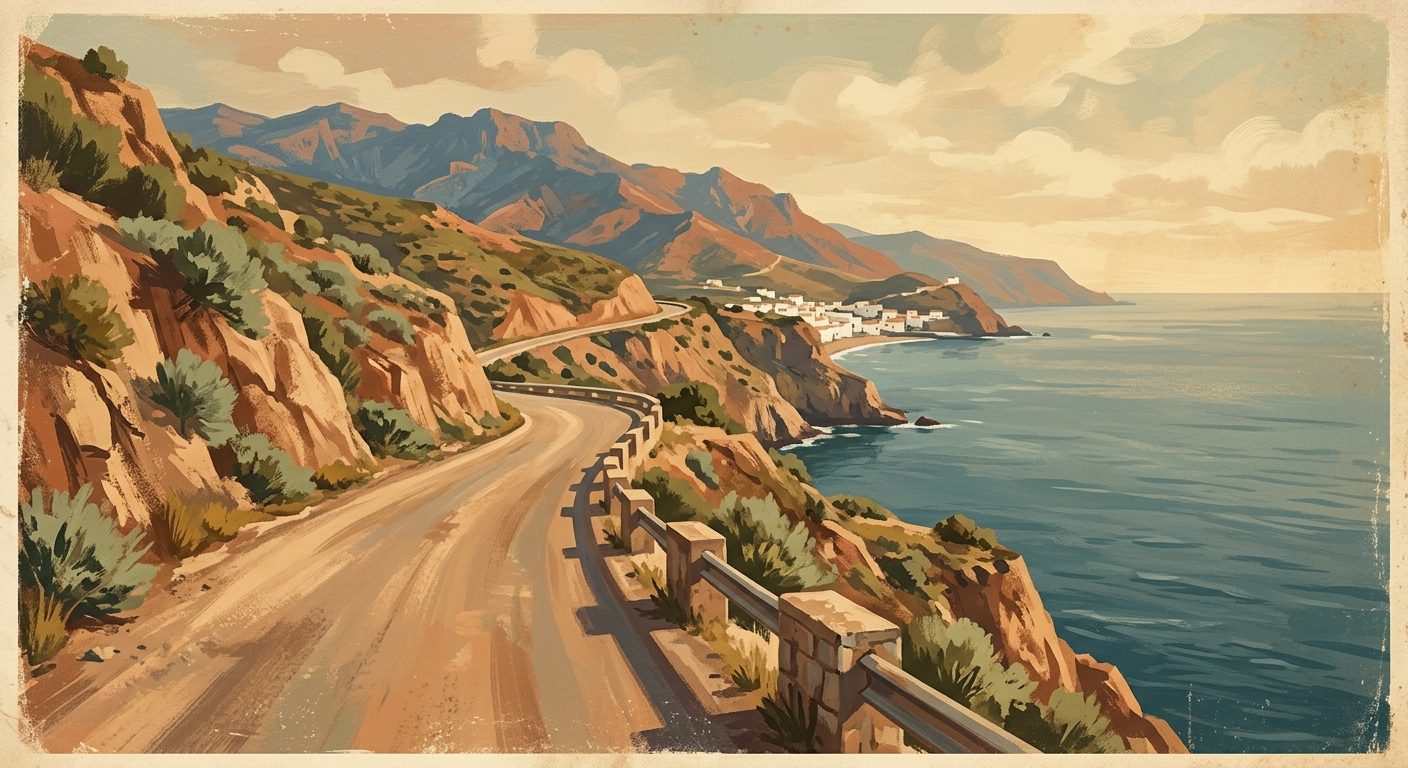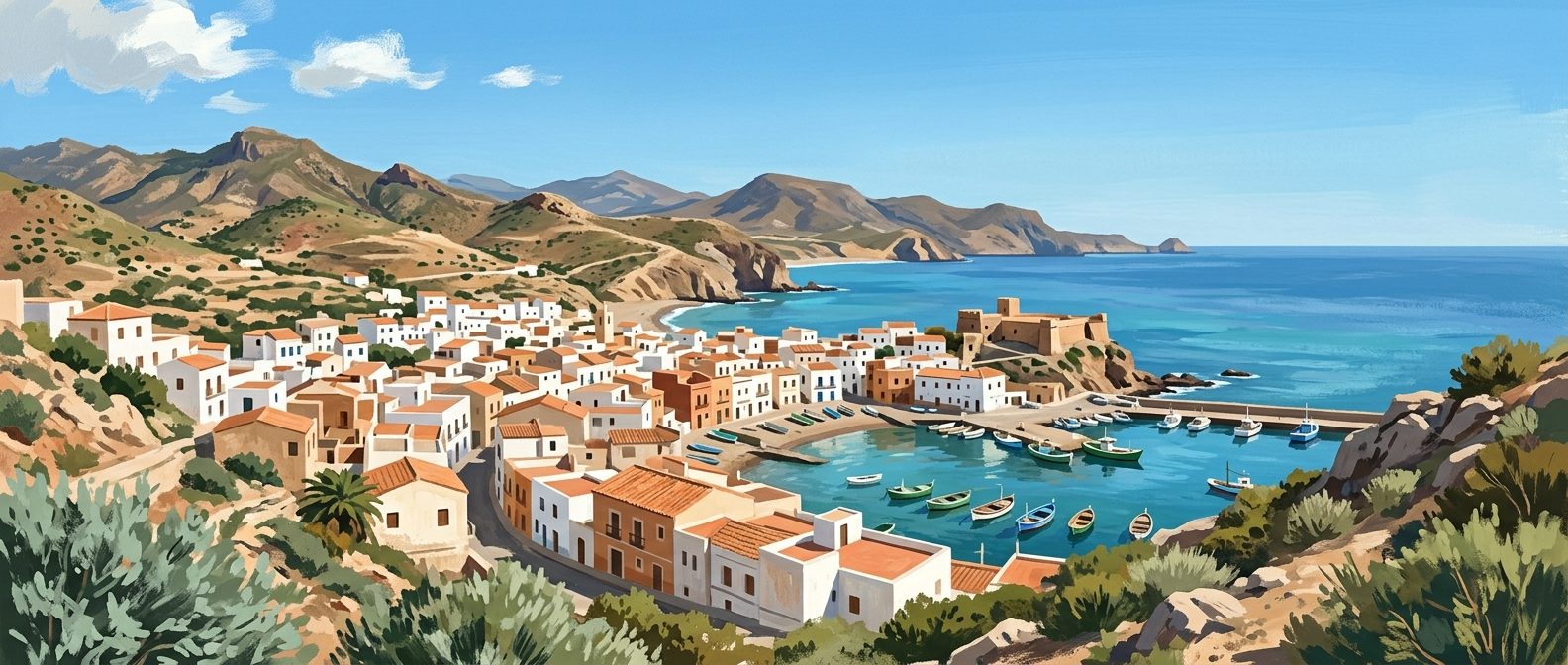
Carboneras provides an unpretentious look at Almería's maritime traditions, balancing a working industrial port with some of the Mediterranean's most spectacular natural shorelines. It serves as the gateway to the wilder stretches of the Cabo de Gata-Níjar Natural Park while maintaining its own distinct identity as a living town.
Unlike the whitewashed tourist hubs of San José or Agua Amarga, Carboneras presents a more grounded version of the Almerian coast. It is a place where the fishing industry still drives the daily rhythm, and the scent of salt and grilled sardines permeates the air. While the sight of the local power station and desalination plant might surprise those expecting a pristine wilderness, this industrial presence has arguably protected the town from the overdevelopment seen elsewhere in Spain. Carboneras acts as a bridge between the wild, volcanic landscapes of the natural park and the traditional ways of the Levante Almeriense. Visitors find a town that prioritises local life, offering wide sandy beaches, a strong culinary scene focused on the daily catch, and access to one of Europe's most famous shorelines.
What to See & Do in Carboneras
Castillo de San Andrés
Standing in the centre of the town, the Castillo de San Andrés is the historical heart of Carboneras. Built in the late 16th century under the orders of the Marquis del Carpio, the fortress was designed to defend the coast against frequent raids by Barbary pirates. Its square floor plan and sturdy cylindrical towers reflect the military architecture of the era. Following a significant restoration, the castle now serves as a cultural centre and houses the main tourist information office. Walking through its courtyard and exhibition rooms provides insight into how the town grew from a small military outpost into a significant fishing port. The surrounding plaza is often the site of local markets and summer concerts, making it the primary meeting point for residents.
Playa de los Muertos
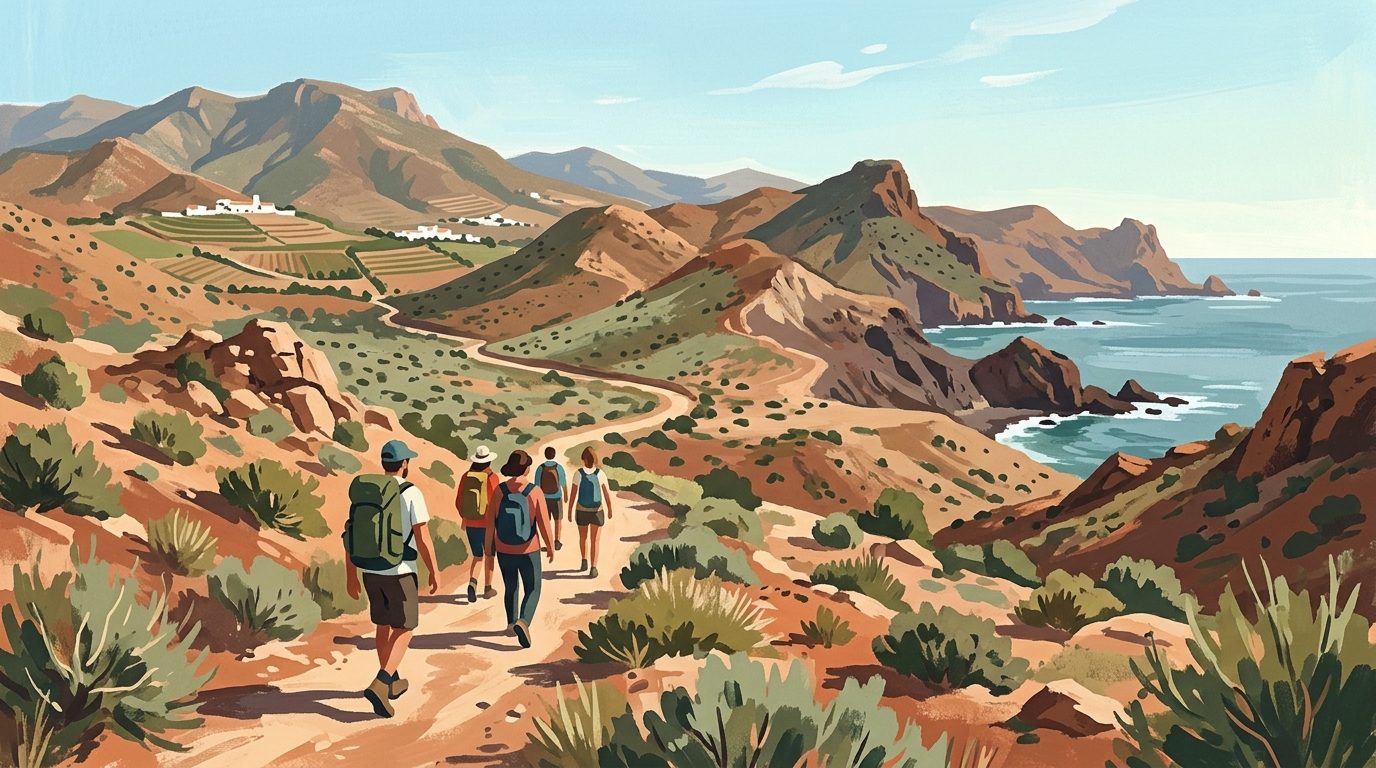
Located just a few kilometres south of the town centre, Playa de los Muertos is frequently cited as one of the best beaches in Spain. Its name, which translates to "Beach of the Dead," refers to a grim past where maritime currents would wash the remains of shipwrecked sailors onto its shores. Today, it is famous for its exceptionally clear turquoise water and fine white pebbles. Reaching the beach requires a degree of effort; visitors must descend a steep, rocky path for about 15 to 20 minutes. There are no facilities or chiringuitos on this stretch of coast, so carrying plenty of water and shade is essential. The reward for the hike is a vast, unspoilt shoreline that feels worlds away from the town's industrial backdrop.
The Working Port and Lonja
The port of Carboneras is one of the most significant in Almería, supporting a large fishing fleet. To experience the town's authentic character, a walk along the harbour in the late afternoon is highly recommended. You can watch the trawlers return with their catch and observe the activity at the lonja (fish market). While the auction itself is typically restricted to professionals, the energy of the port provides a genuine sense of the town's economic life. The catch here often includes the famed Almería red prawns and various types of rockfish that appear on local menus just hours after being landed.
Isla de San Andrés Natural Monument
Rising from the sea just off the coast is the Isla de San Andrés, a small volcanic islet that has been declared a Natural Monument. The waters surrounding the island are part of a protected marine reserve, home to extensive meadows of Posidonia oceanica seagrass. This makes it one of the premier locations in the province for scuba diving and snorkelling. Several local diving schools offer boat trips to the island, where the visibility is often excellent, allowing for sightings of groupers, moray eels, and diverse Mediterranean marine life.
Mesa Roldán Lighthouse and Tower
Perched on a high plateau overlooking the town and the sea, the Mesa Roldán features both a 19th-century lighthouse and an 18th-century watchtower. The views from this vantage point are expansive, covering the rugged coastline of the natural park and the sprawling Mediterranean. Film enthusiasts might recognise the tower from its appearance in Game of Thrones (Season 6). It is a fantastic spot for photography, especially during the golden hour when the light hits the volcanic cliffs of the park to the south.
Practical Information
Opening Times: The Castillo de San Andrés generally opens from 10:00 to 14:00 and 17:00 to 20:00. Note that winter hours (October to May) often see earlier afternoon closing times; visitors should check the official town hall website for weekly updates. Admission to the castle and the small museum inside is usually free or costs a nominal fee of around €2.
Getting There: Carboneras is well-connected by road via the N-341, which links to the A-7 motorway. From Almería city, the drive takes approximately 50 minutes. For those using public transport, the bus company ALSA and the local operator Frahemar run several services daily from the Almería Intermodal Station, with tickets costing between €6 and €12 depending on the time of day (check on the operator's website before travelling).
Parking: In the town centre, street parking is available but can be difficult to find during the summer weekends. For Playa de los Muertos, there is a large designated car park at the top of the trail. During the peak summer season (June to September), a parking fee of approximately €5 per day applies (check local signage or the town hall website for current rates). It is advisable to arrive early, as this car park often reaches capacity before midday in August.
Where to Eat Nearby
Carboneras is a haven for seafood lovers. Chiringuito Mariano, located at the northern end of the promenade, is a local institution known for its incredibly fresh fish and unpretentious service. It is the ideal place to try arroz a banda or grilled octopus. For a slightly more formal setting, Restaurante El Pescador offers a refined selection of local seafood, including the highly sought-after red prawns of the Alboran Sea. If you prefer a more casual tapas experience, Café Bar Bella Mar provides generous portions and a lively local atmosphere, serving traditional dishes like boquerones fritos (fried anchovies) at very reasonable prices.
Where to Stay
For a stay that captures the maritime spirit of the town, Hotel Las Palmas is an excellent choice. This modern hotel is located just a short walk from the town beach and offers clean, bright rooms with views of the Mediterranean. If you prefer something more secluded, Cortijo El Paraíso, situated on the outskirts towards Agua Amarga, provides a quieter rural setting within easy reach of the natural park's hiking trails and secluded coves.