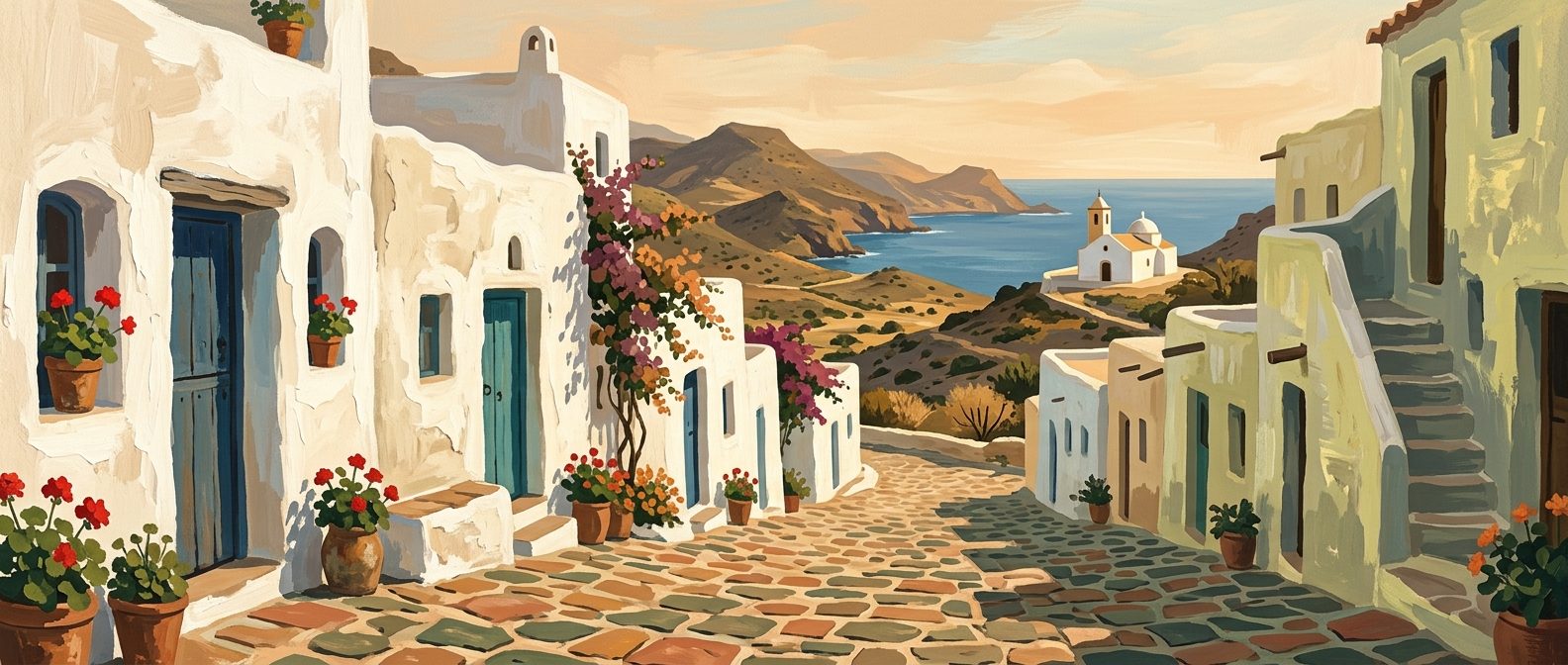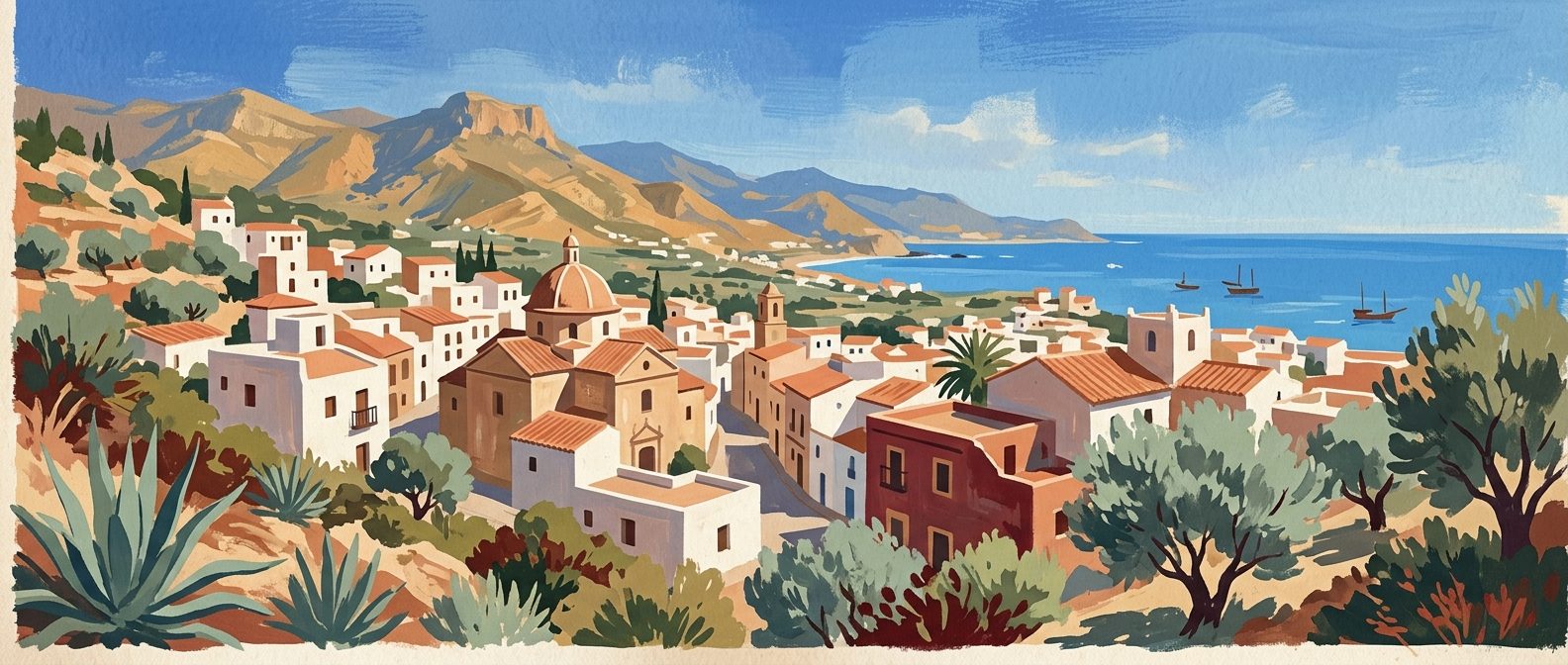
Vera offers a dual experience, combining a traditional Almerian town full of archaeological significance with one of Europe's most famous naturist beaches. It is a place where history meets a relaxed, contemporary coastal lifestyle.
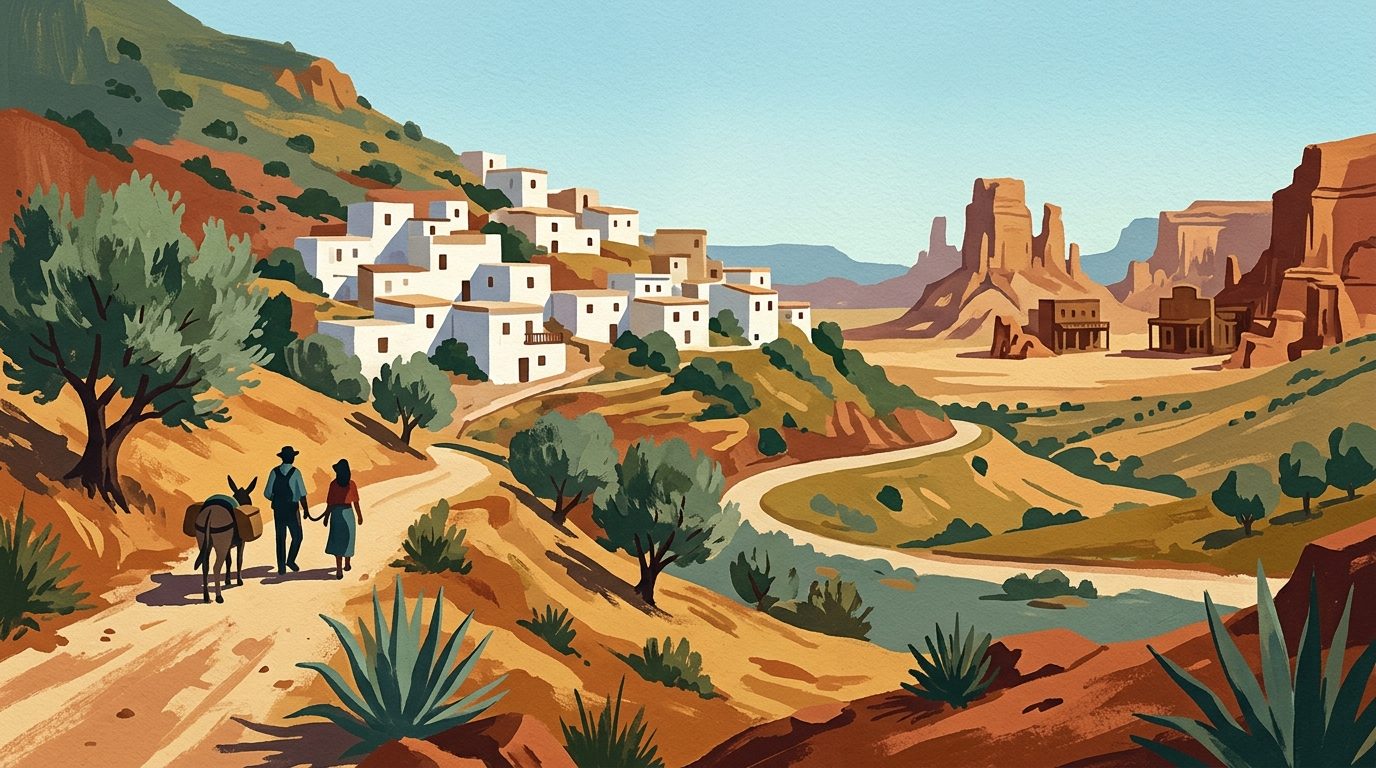
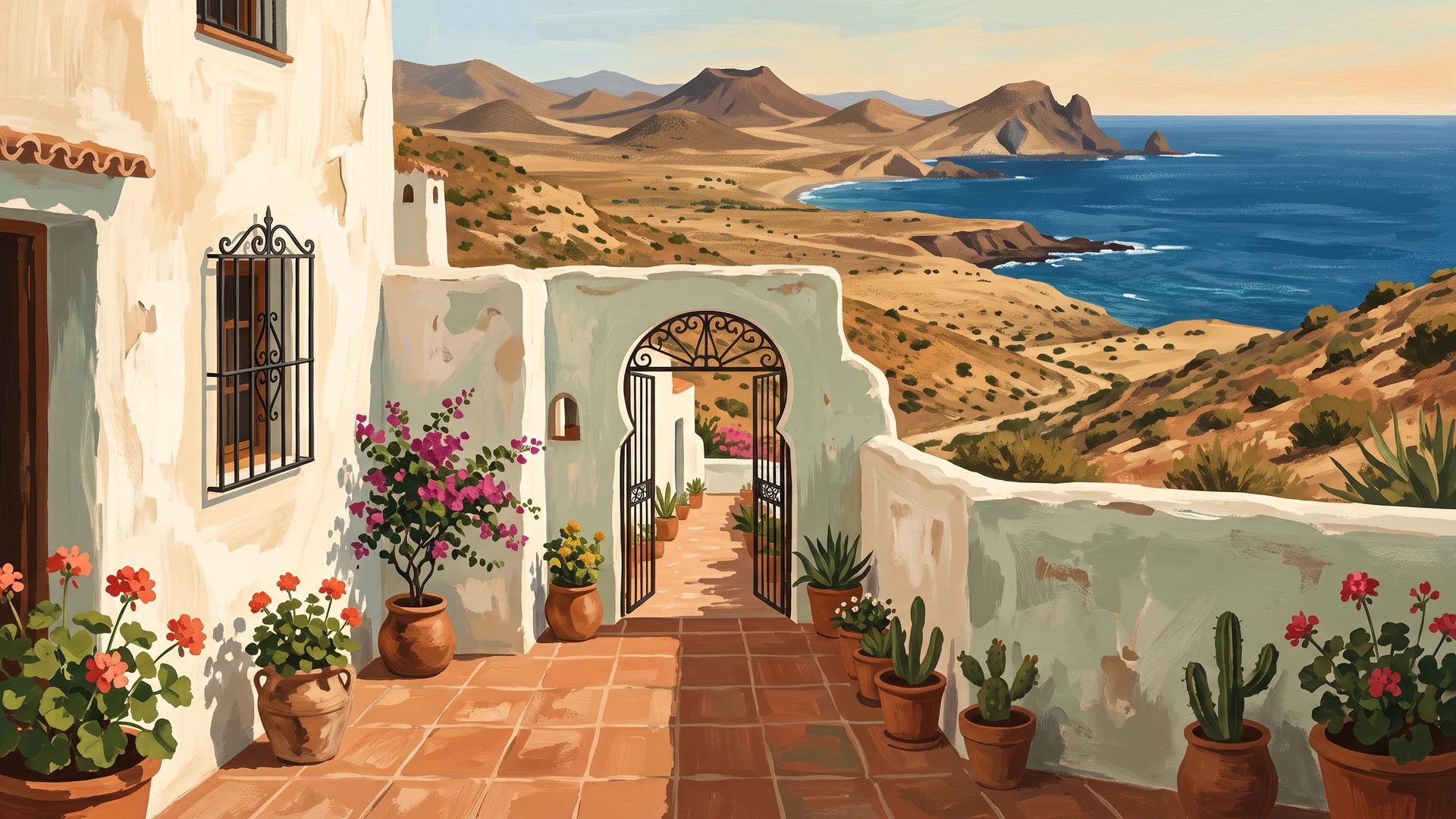
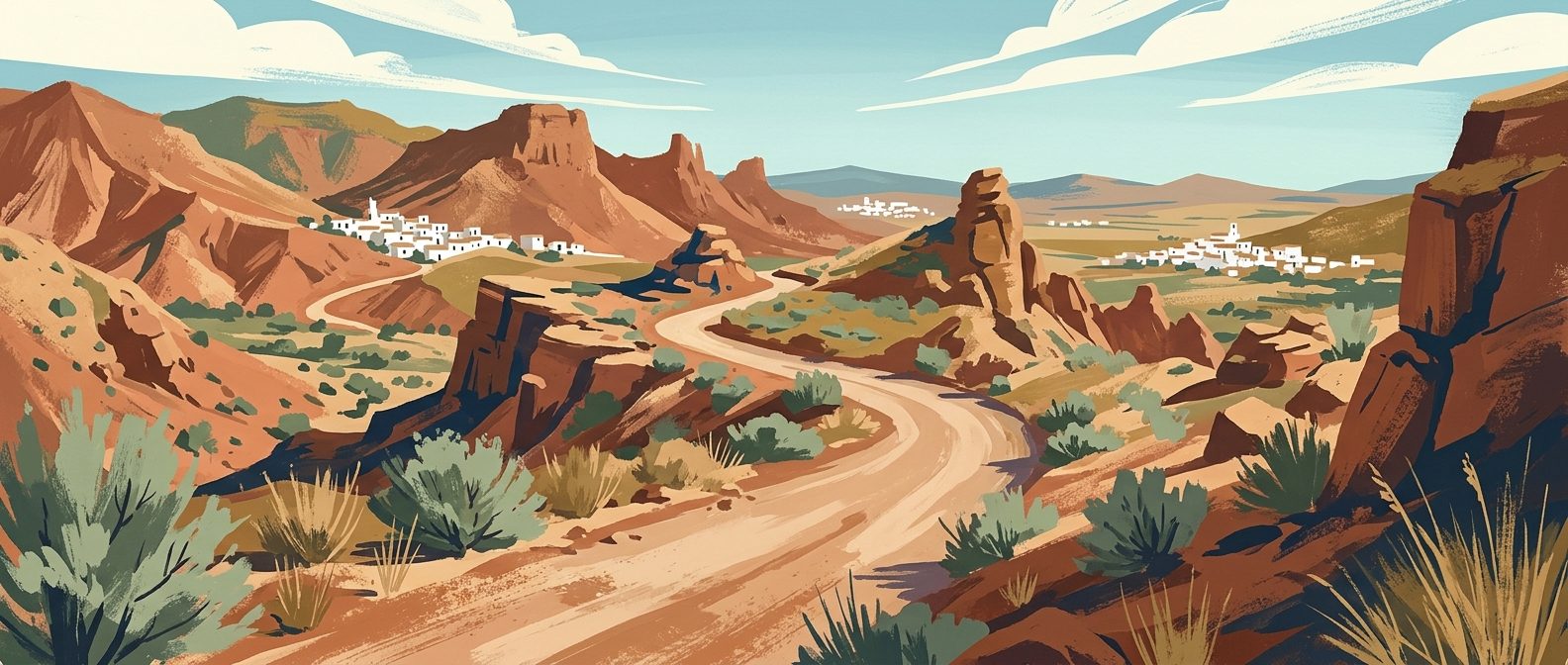
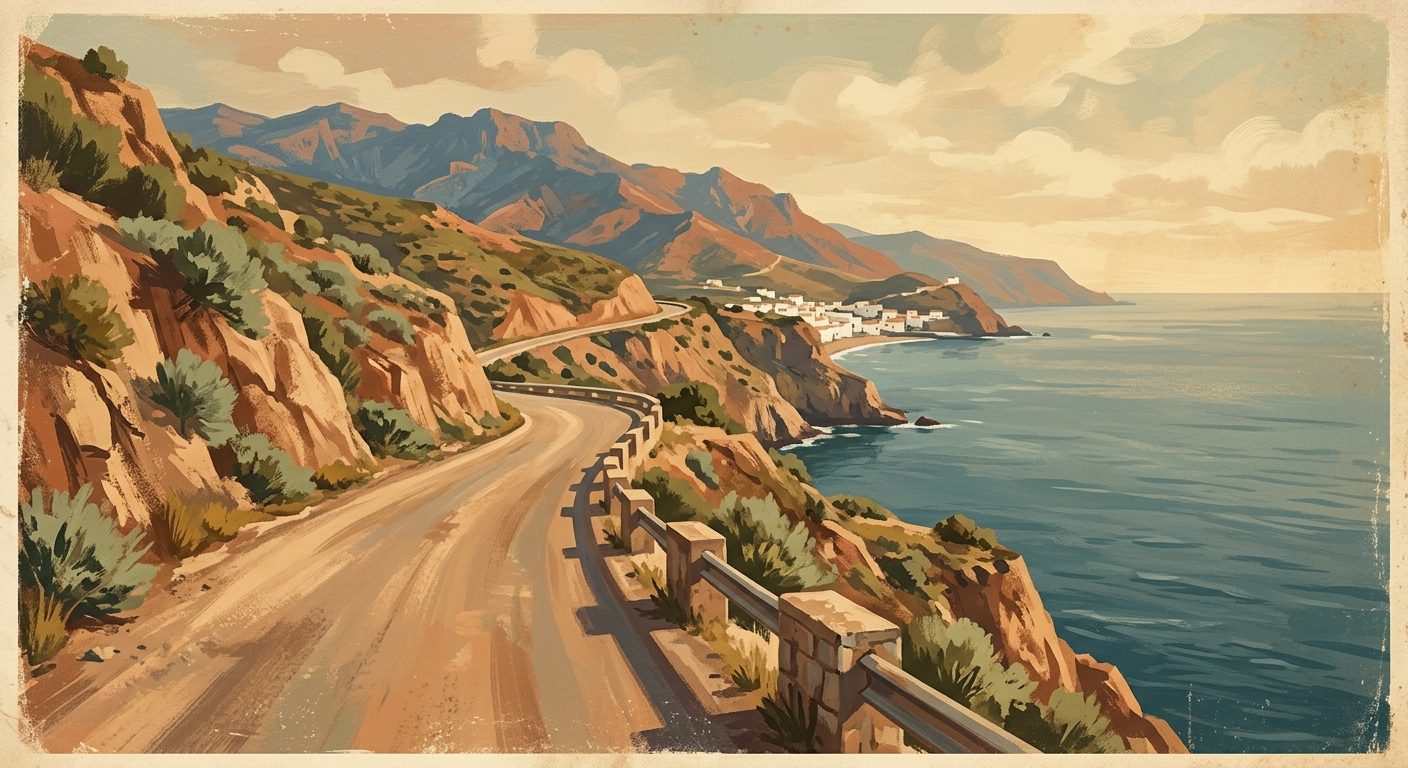
Vera sits approximately ten kilometres inland from the Mediterranean, though its coastal territory extends to some of the most popular beaches in eastern Almería. This town provides a distinct difference between the quiet, whitewashed streets of the historical centre and the expansive, sun-bleached sands of Vera Playa. Its identity is shaped significantly by a catastrophic earthquake in 1518, which led to the relocation of the entire settlement from a nearby hilltop to its current site. Today, it remains a central hub for the Levante Almeriense region, offering a blend of cultural heritage and a world-renowned reputation for naturism.
Visitors find a community that values its traditions, seen in its fortress-like church and traditional bullring, while embracing a modern, open-minded tourist industry. For visitors exploring the Roman roots of the area or enjoying the seven kilometres of coastline, Vera provides a depth of experience that goes beyond the standard sun-and-sand holiday. The town is functional and lived-in, ensuring that even outside the peak summer months, there is a sense of local life and activity.
What to See & Do
The Fortress Church of Nuestra Señora de la Encarnación
The centrepiece of the old town is the Iglesia de Nuestra Señora de la Encarnación, a building that looks more like a defensive castle than a parish church. Constructed in the early 16th century after the earthquake, its primary purpose was protection. At the time, the coast of Almería was under constant threat from Barbary pirate raids. The architecture reflects this necessity with thick walls, high windows, and four sturdy corner towers. Inside, the design is simpler, following a Gothic-Mudéjar style, featuring a magnificent altarpiece that survived the centuries. The plaza surrounding the church is the heart of the town, perfect for a morning coffee while watching the local pace of life.
Cerro del Espíritu Santo
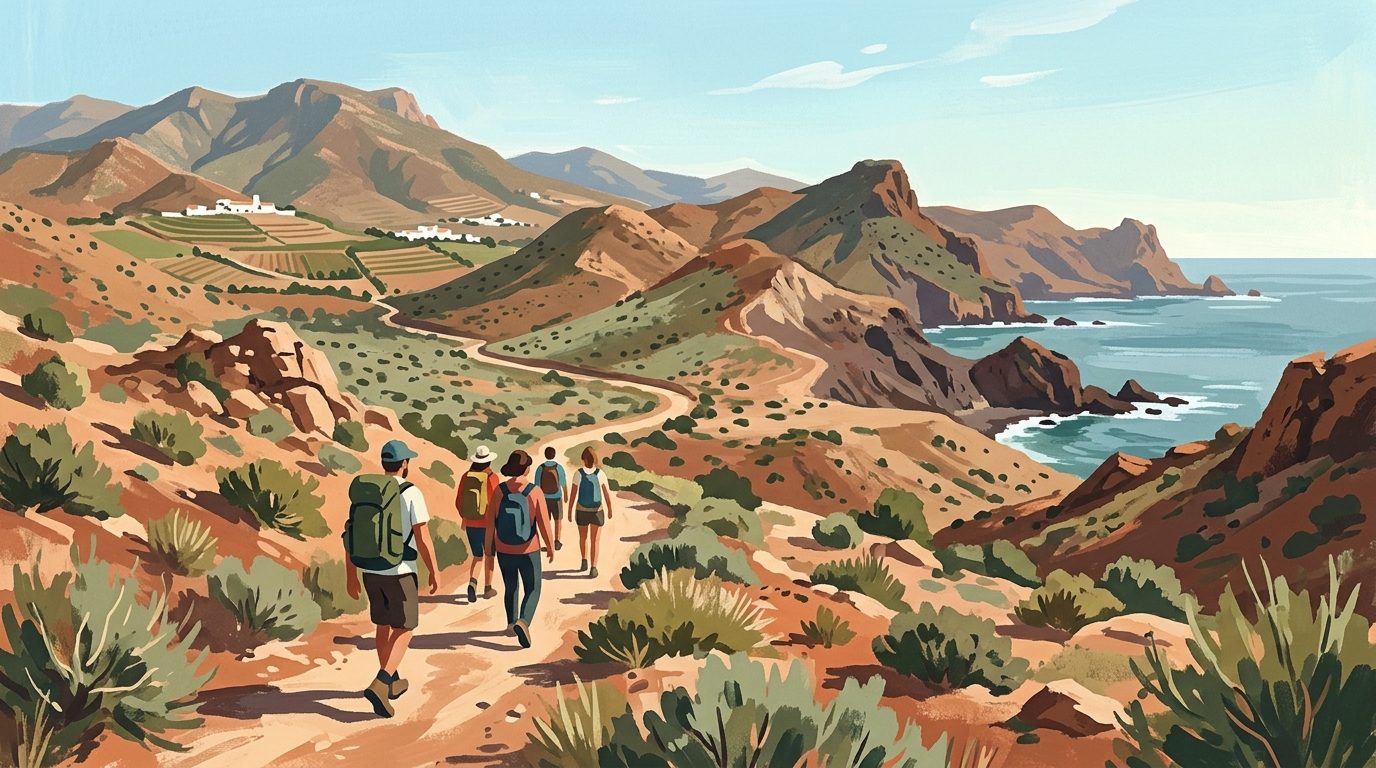
For those interested in the origins of Vera, a walk up the Cerro del Espíritu Santo is essential. This hill was the site of the original Moorish town, then known as Bayra. In 1518, a massive earthquake completely levelled the settlement, burying the medieval town under rubble. Today, it is an archaeological park and a viewpoint. You can see remains of the old walls and cisterns, along with a large statue of the Sacred Heart of Jesus that stands at the summit. Information panels explain the layout of the former city, and the views across the Almagrera mountains and down to the sea provide a clear perspective of the regional geography.
The Roman Site of Barea
Vera’s history stretches back much further than the medieval period. The archaeological site of Barea, located near the coast, contains remains of Phoenician, Carthaginian, and Roman civilisations. Excavations have revealed a Roman necropolis and industrial areas used for salting fish and producing garum (a fermented fish sauce highly prized in Rome). While many of the portable finds are housed in the Almería Museum, walking the site allows you to appreciate why ancient civilisations chose this fertile delta for their settlements.
Vera Playa and the Naturist Zone
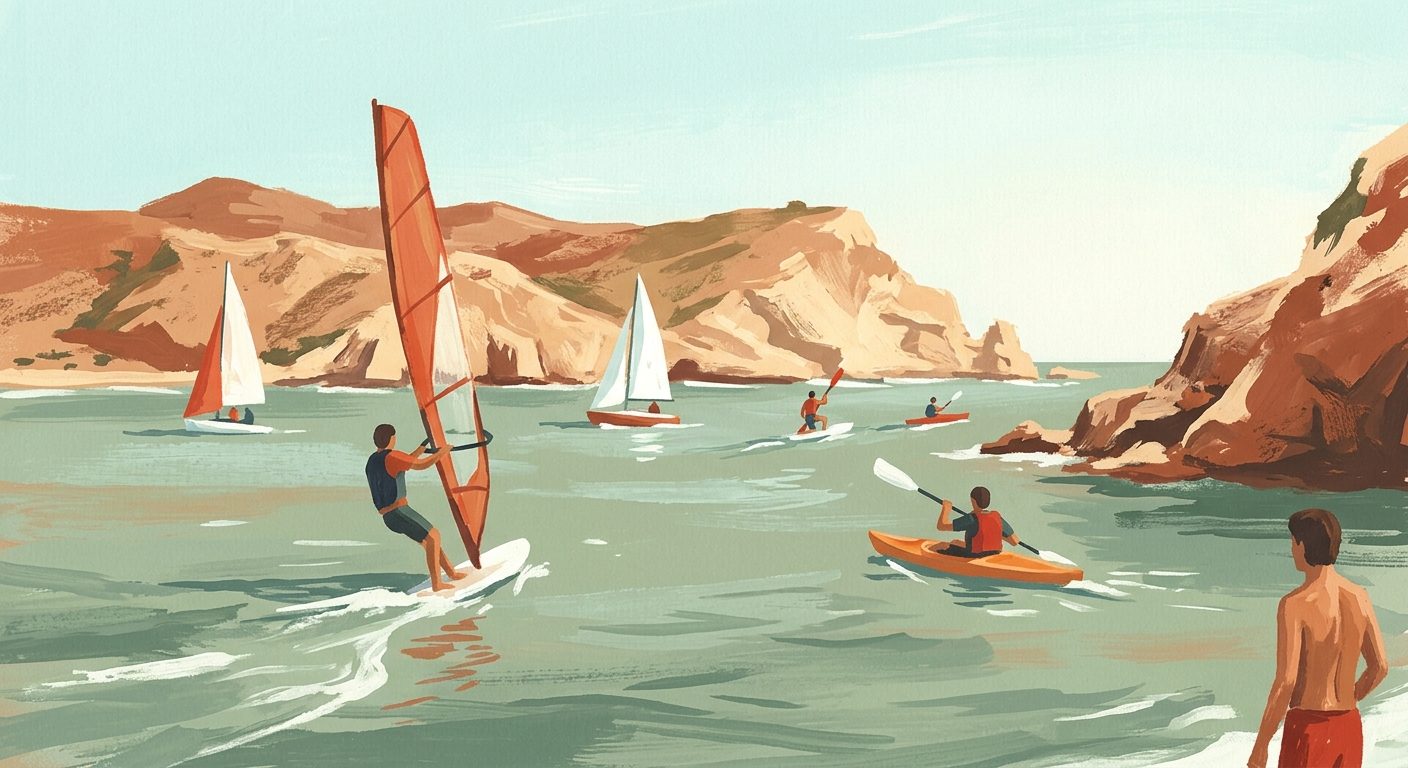
Vera Playa is famous internationally for its naturist area, which was the first of its kind in Europe to be officially recognised. The northern end of El Playazo beach is where clothing is optional, and this philosophy extends to the surrounding urbanisations and even some local businesses. The atmosphere is respectful and relaxed, catering to families and couples alike. If you prefer a traditional beach experience, the southern end of the beach provides plenty of space for textile bathers, with wide stretches of golden sand and clear, shallow waters perfect for swimming.
Laguna de Puerto Rey
Near the mouth of the Río Antas lies the Laguna de Puerto Rey, a protected wetland area. This small but significant ecosystem is a vital stopping point for migratory birds moving between Europe and Africa. Birdwatchers can often spot flamingos, herons, and the rare white-headed duck. It offers a tranquil escape from the busier beach areas, with wooden walkways and observation points that allow you to observe the wildlife without disturbing the habitat.
Practical Information
Opening Times: Most monuments in the old town, including the Fortress Church, are open during morning hours (typically 10:00 to 13:30) and reopen in the late afternoon. The Church is closed to tourists during Mass times. The Museum of Ethnography and the Bullring Museum usually operate from 10:00 to 14:00, Tuesday to Saturday (hours may vary during the peak summer heat). It is wise to check locally or on the official Vera tourism website before your visit as times can shift seasonally.
Ticket Prices: Entry to the Cerro del Espíritu Santo is free. The Bullring Museum (Plaza de Toros) usually charges a small fee of approximately €2. Access to the beaches and the Laguna de Puerto Rey is free of charge.
How to Get There: Vera is well-connected via the A-7 Mediterranean Motorway (Autovía del Mediterráneo). From Almería city, it is a 50-minute drive. If you are arriving from Murcia or Alicante, the AP-7 toll road or the N-332 are the primary routes. For those using public transport, ALSA operates regular bus services connecting Vera town and Vera Playa with Mojácar, Garrucha, and Almería city.
Parking: In Vera town, parking can be tight in the narrow historical streets. There is a large subterranean car park near the Plaza de Toros and another under the Plaza de Abastos (the market). At Vera Playa, there is ample free street parking along the promenade, though it fills up quickly during the peak months of July and August.
Where to Eat Nearby
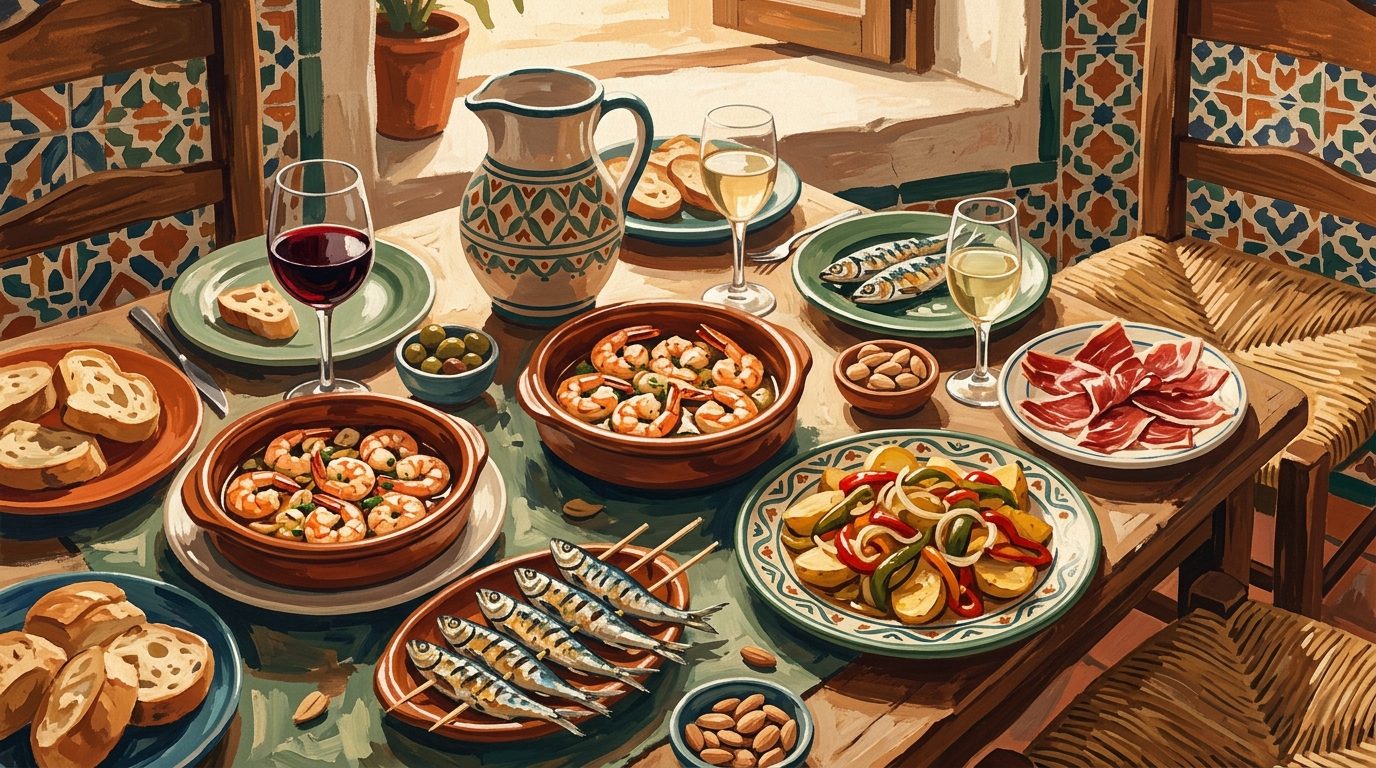
For a traditional experience, Terraza Carmona in the centre of Vera town is an institution. It has been serving regional Almerian cuisine since 1947. Try the gurullos con conejo (small hand-rolled pasta with rabbit) or the mullador (a local vegetable stew). The service is formal but welcoming, reflecting the town's history. Closer to the coast, Lúa Puerto Rey offers a more contemporary setting. Located near the beach, it specialises in fresh Mediterranean seafood and rice dishes, with a deck that is perfect for late-afternoon dining. For something casual, the chiringuitos (beach bars) along El Playazo serve excellent grilled sardines and calamari.
Where to Stay
If you are visiting for the naturist experience, the Vera Playa Club Hotel is the only hotel in Spain dedicated to this lifestyle, located right on the beachfront. For those preferring the old town, several small boutique hostals provide a central base. Alternatively, the area between Vera and Garrucha is filled with modern holiday apartments and urbanisations like Puerto Rey, which offer swimming pools and easy access to both the town and the sea.