The Levante Almeriense offers a stark, beautiful landscape where volcanic mountains drop into a turquoise Mediterranean. It is a region defined by its Moorish ancestry, exceptional seafood, and a pace of life that remains resolutely Spanish.
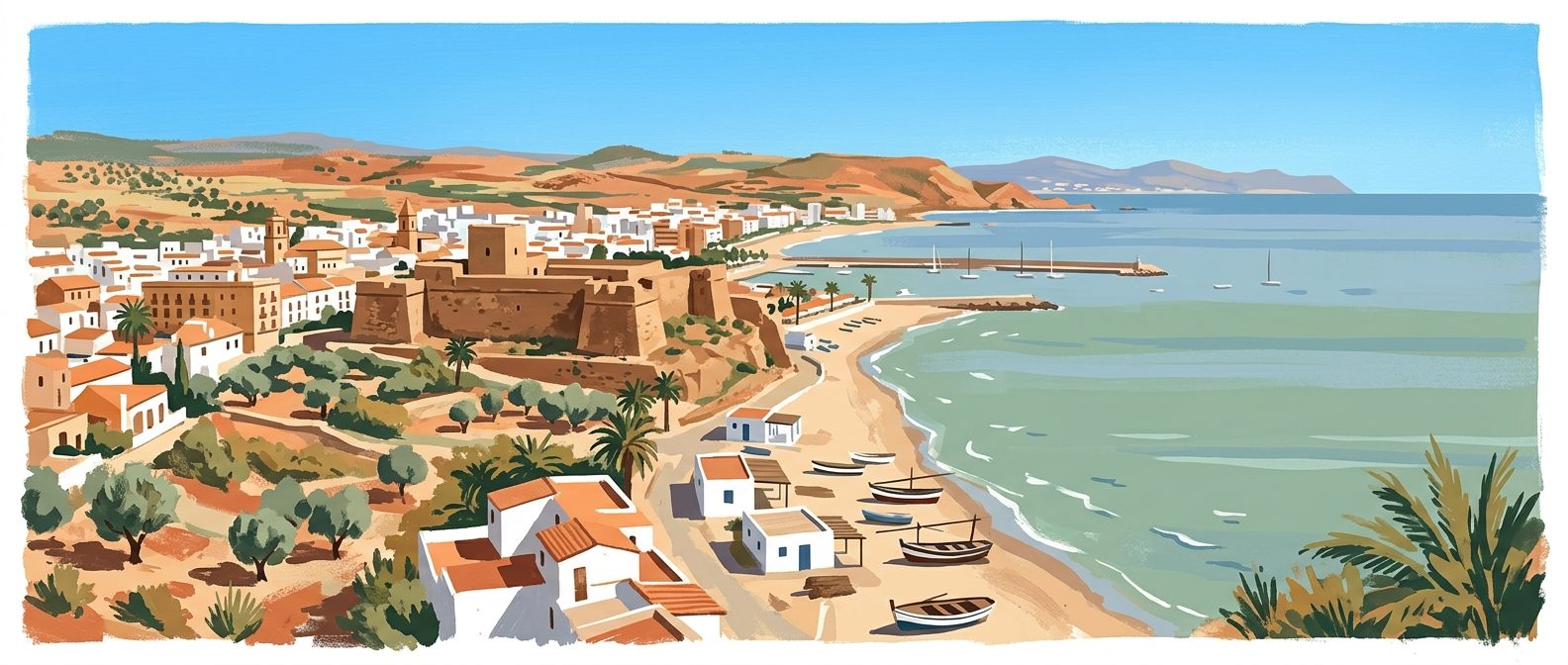
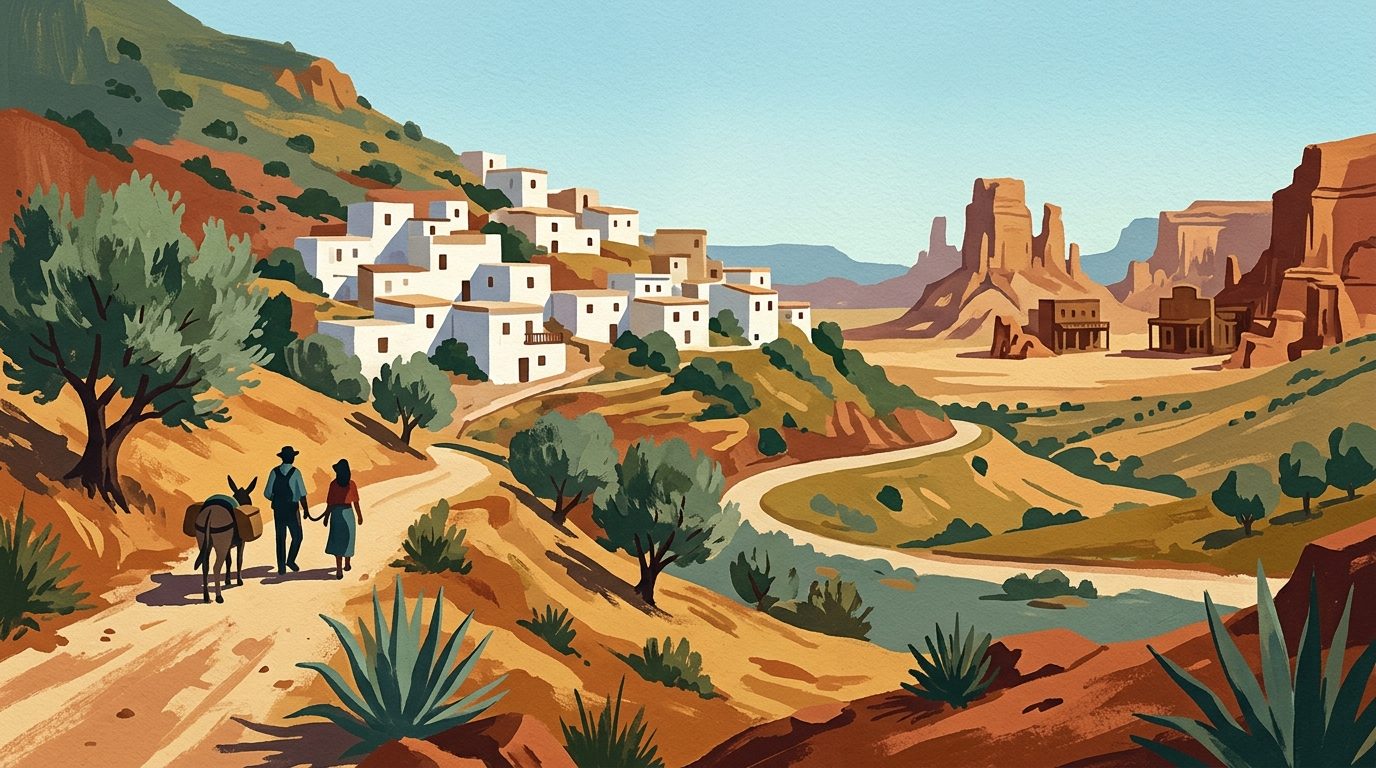
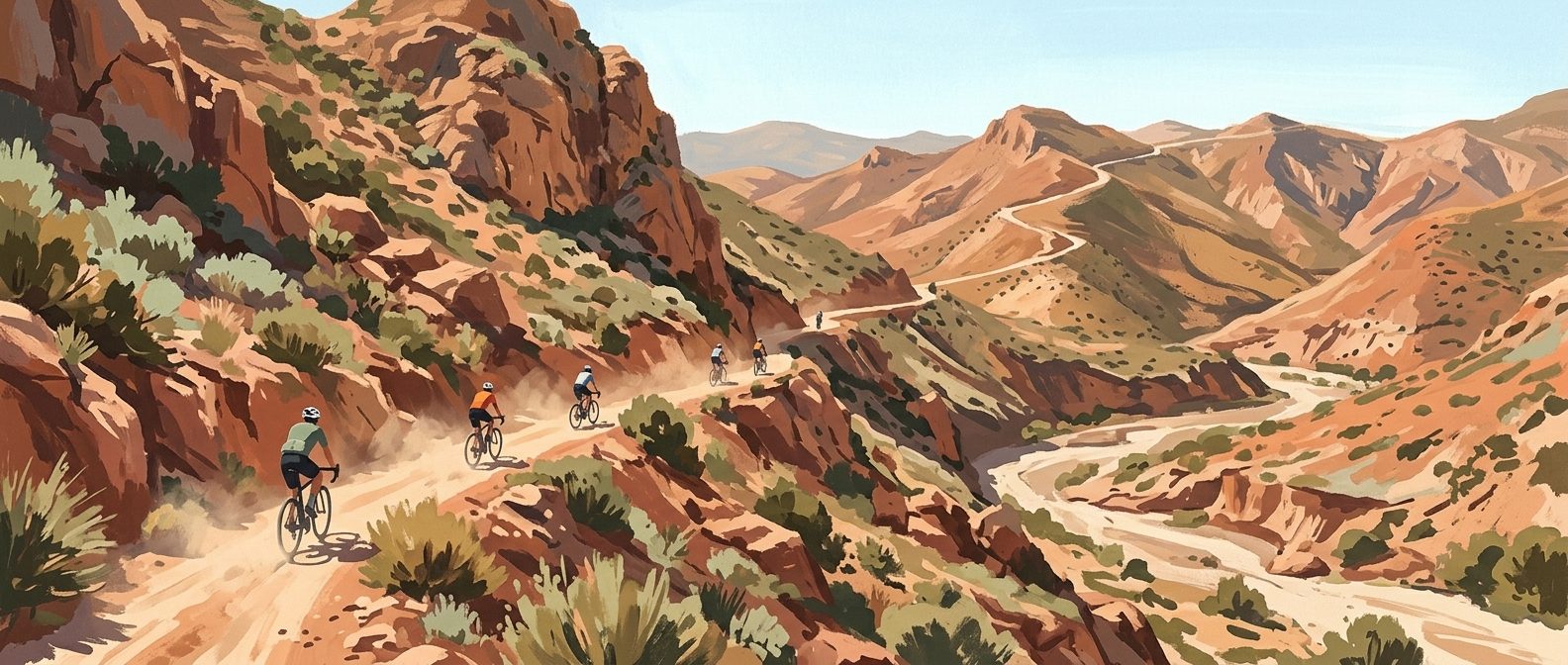
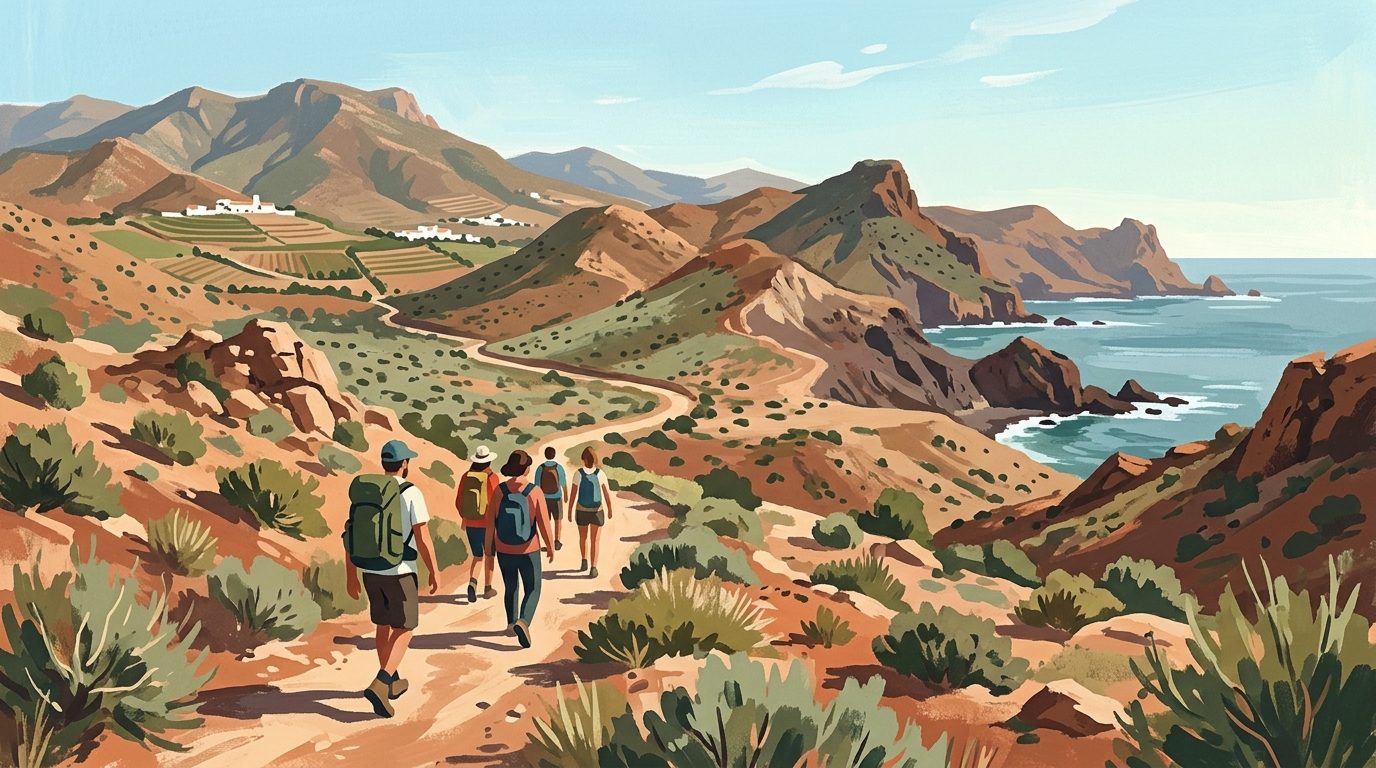
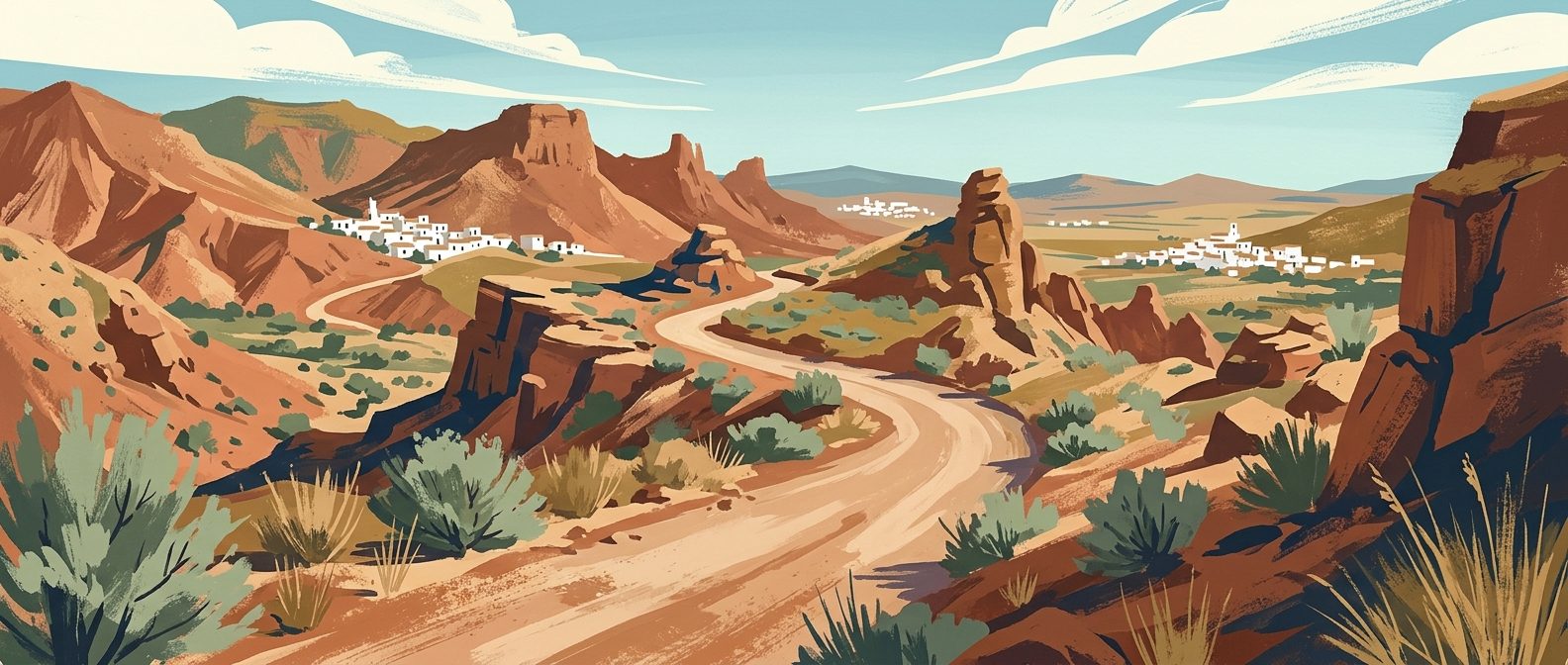
The eastern corner of Almería, known as the Levante Almeriense, feels distinctly different from the rest of Andalucía. Here, the Tabernas Desert influence creeps towards the shoreline, creating a landscape of parched ochre hills contrasted against a deep blue sea. The light is sharper, the air is drier, and the architecture reflects a history of Berber raids and mining booms. While much of the Spanish coast succumbed to high-rise overdevelopment in the 1970s, large swathes of this region maintained a lower profile, preserving a sense of space that is increasingly hard to find in the south.
Travelling through these towns involves navigating a mix of high-altitude white villages and working maritime hubs. You will find that the traditional siesta (afternoon nap) is strictly observed here; between 2:00 PM and 5:00 PM, the streets often fall silent, only to roar back to life as the sun sets over the Sierra Cabrera. This is a region for those who prefer an evening of local tapas (small snacks) in a village square over a noisy nightclub, and for those who appreciate the raw, unpolished beauty of the Almerian coast.
Places to Explore
Mojácar
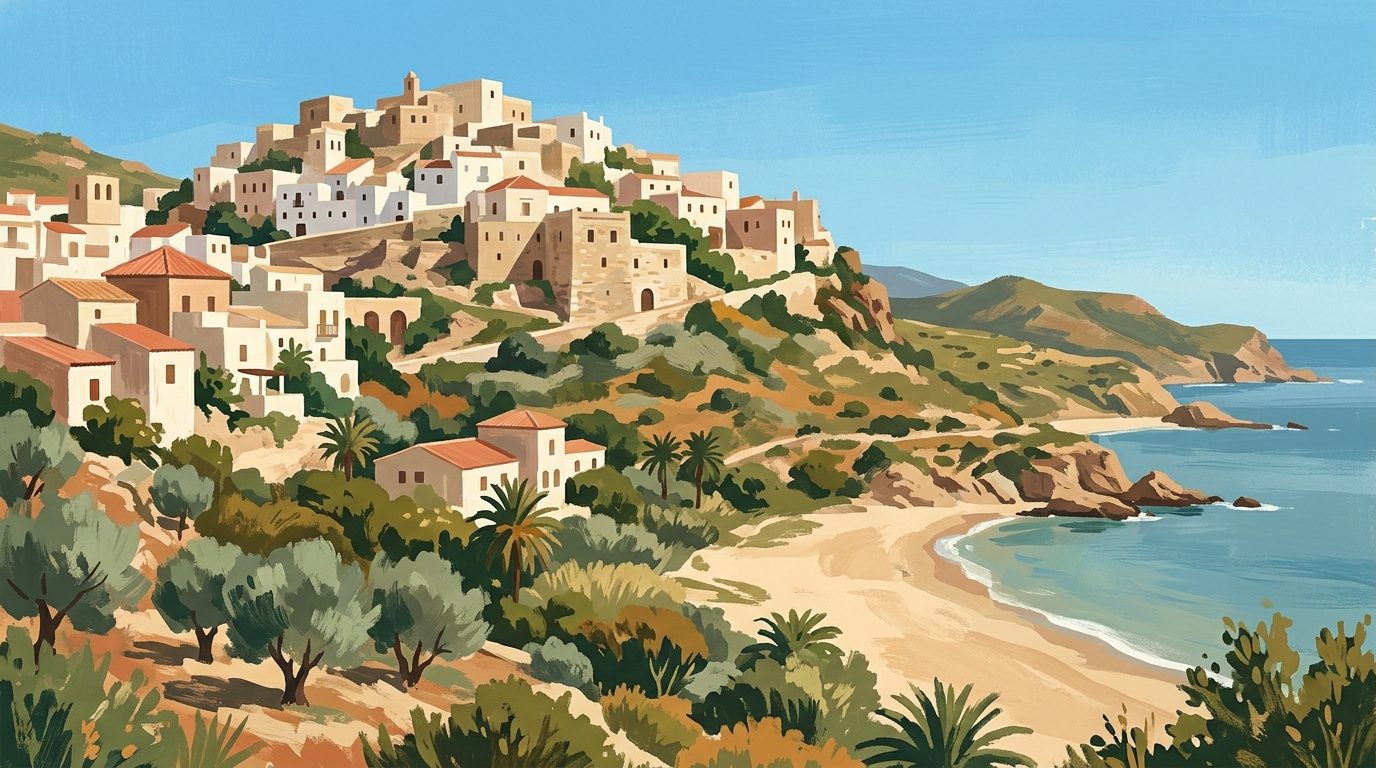
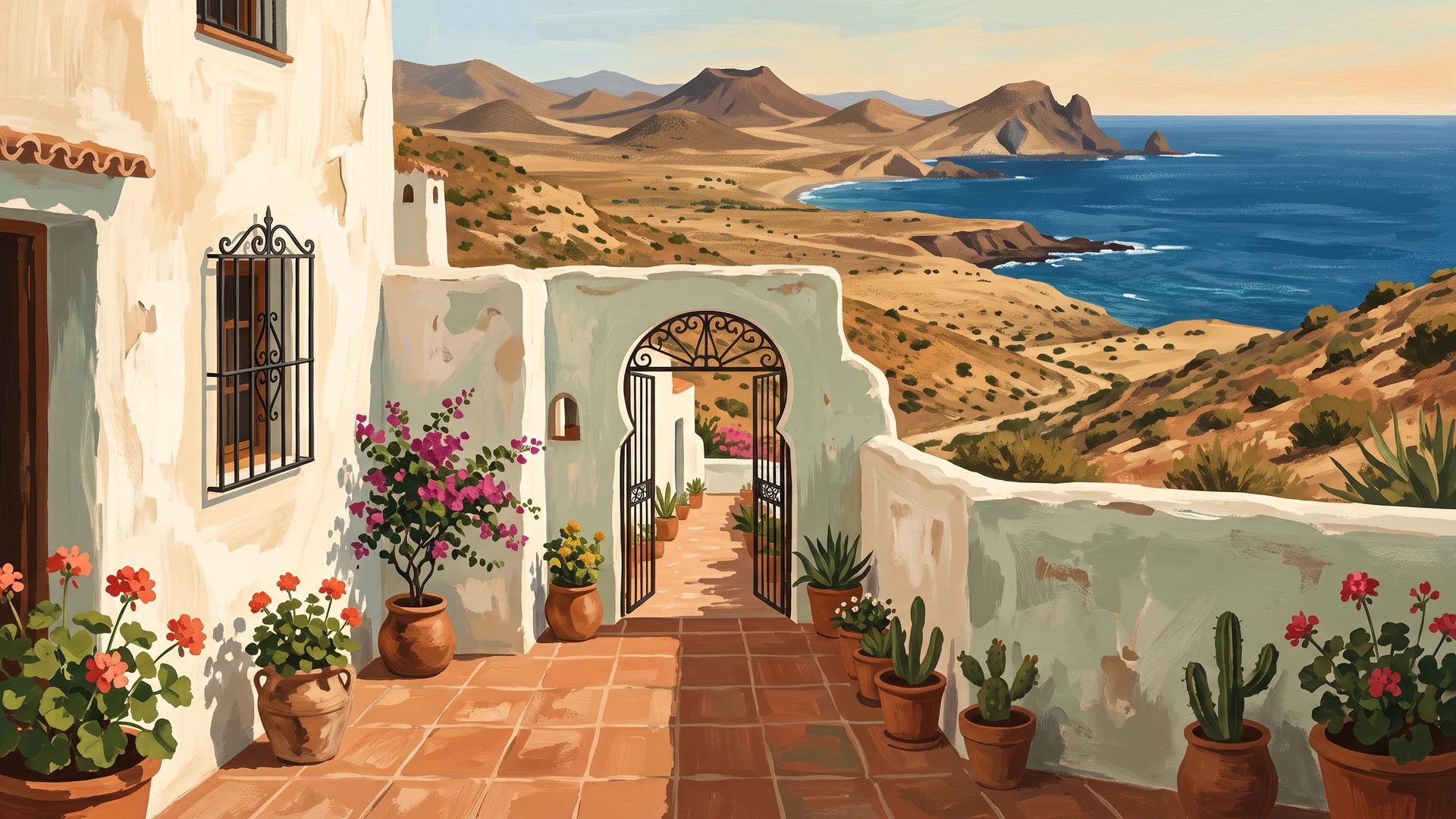
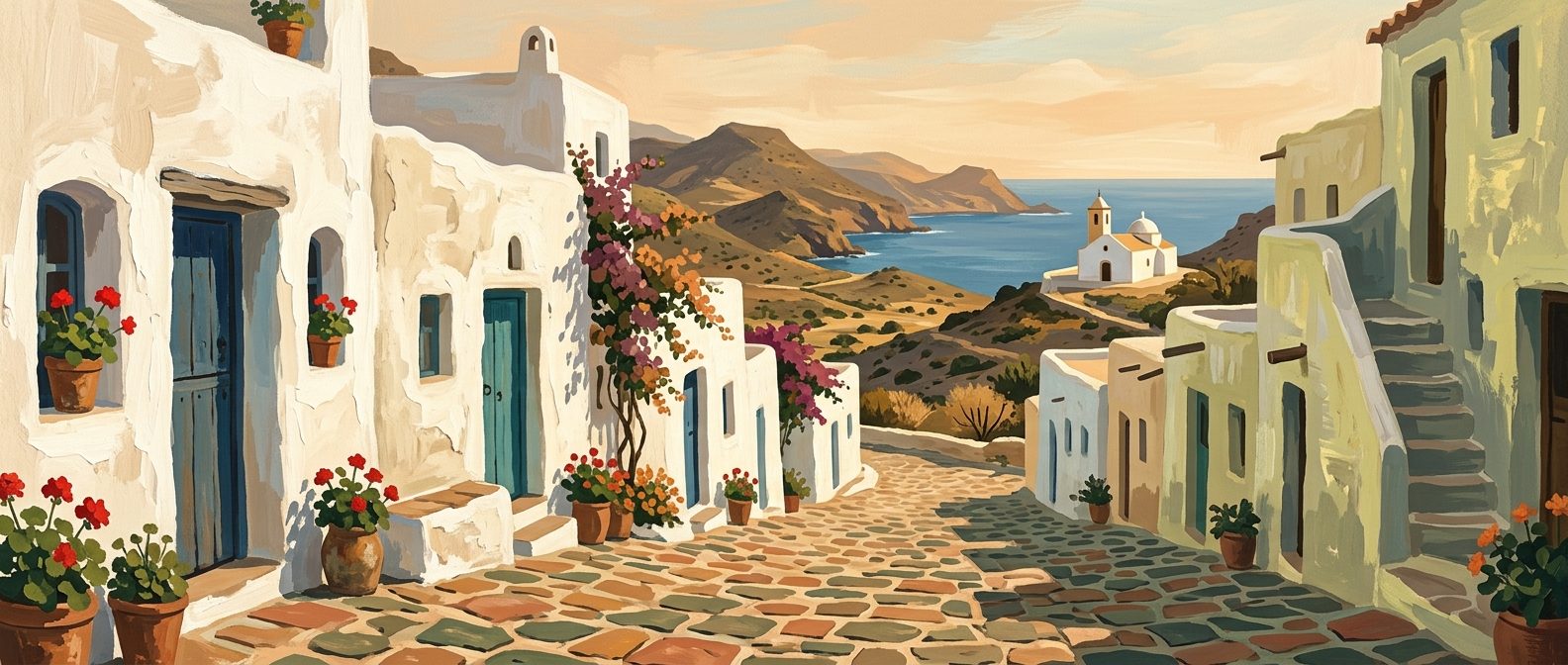
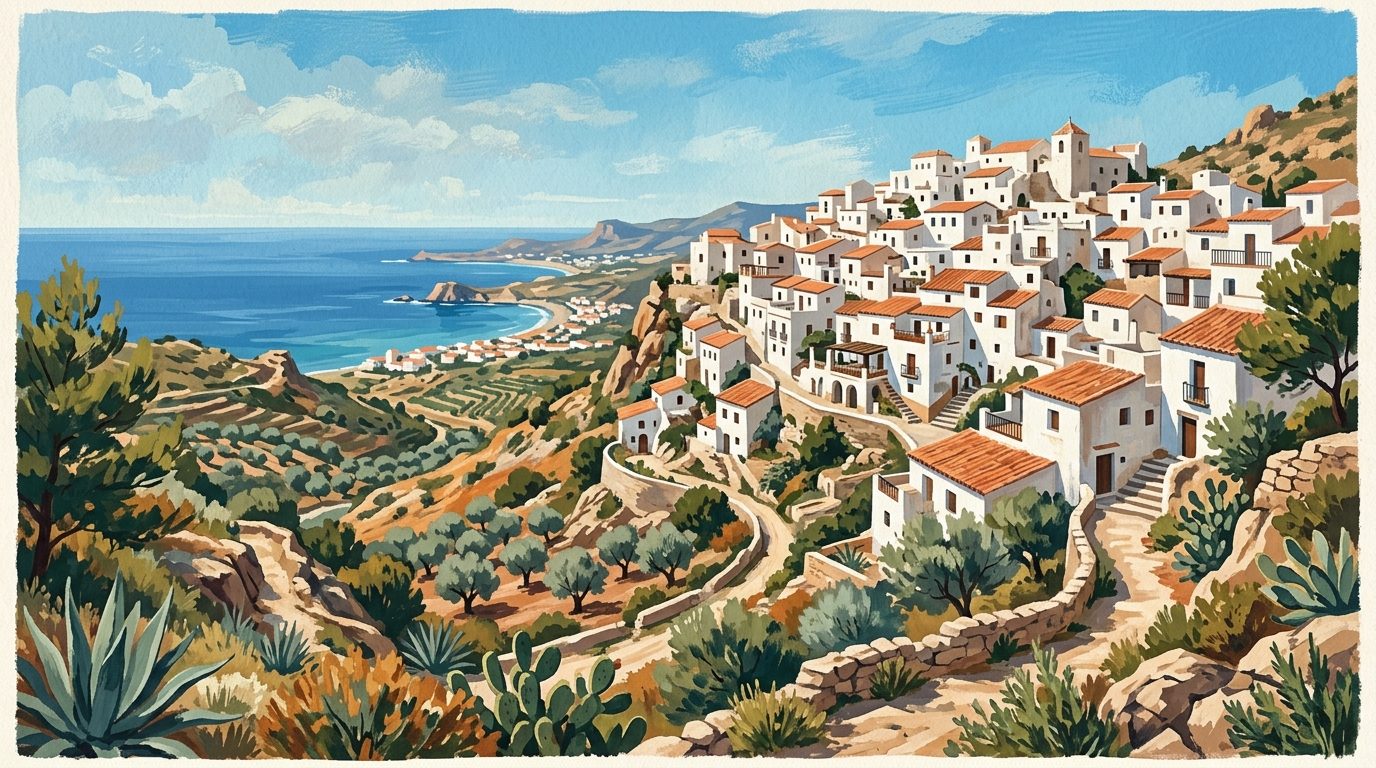
Mojácar is split into two distinct identities: Mojácar Pueblo and Mojácar Playa. The Pueblo is the soul of the area, a cluster of whitewashed houses clinging to a rocky outcrop overlooking the valley. Its streets are a labyrinth of steep climbs and narrow alleys, a layout that has changed little since the Moorish era. Start at the Plaza Nueva, which provides a sweeping view across the Valley of the Pyramids. From here, walk up to the Mirador del Castillo, the highest point in the village, where you can see the coastline stretching towards Carboneras.
The town’s history is anchored at the La Fuente de Mojácar (The Fountain), where the keys to the city were handed over to the Catholic Monarchs in 1488. It remains a focal point where locals still collect fresh spring water. On the exterior of many homes, you will see the Indalo, a prehistoric stick figure holding a rainbow, which has become the symbol of Almería. Down on the Playa, the atmosphere is more relaxed. Avoid the generic beach bars and head to the southern end near the Torre del Pirulico, a coastal watchtower that marks the start of the protected Cabo de Gata-Níjar Natural Park. This area offers quieter coves like Playa del Sombrerico, which featured in the filming of Treasure Island.
Garrucha
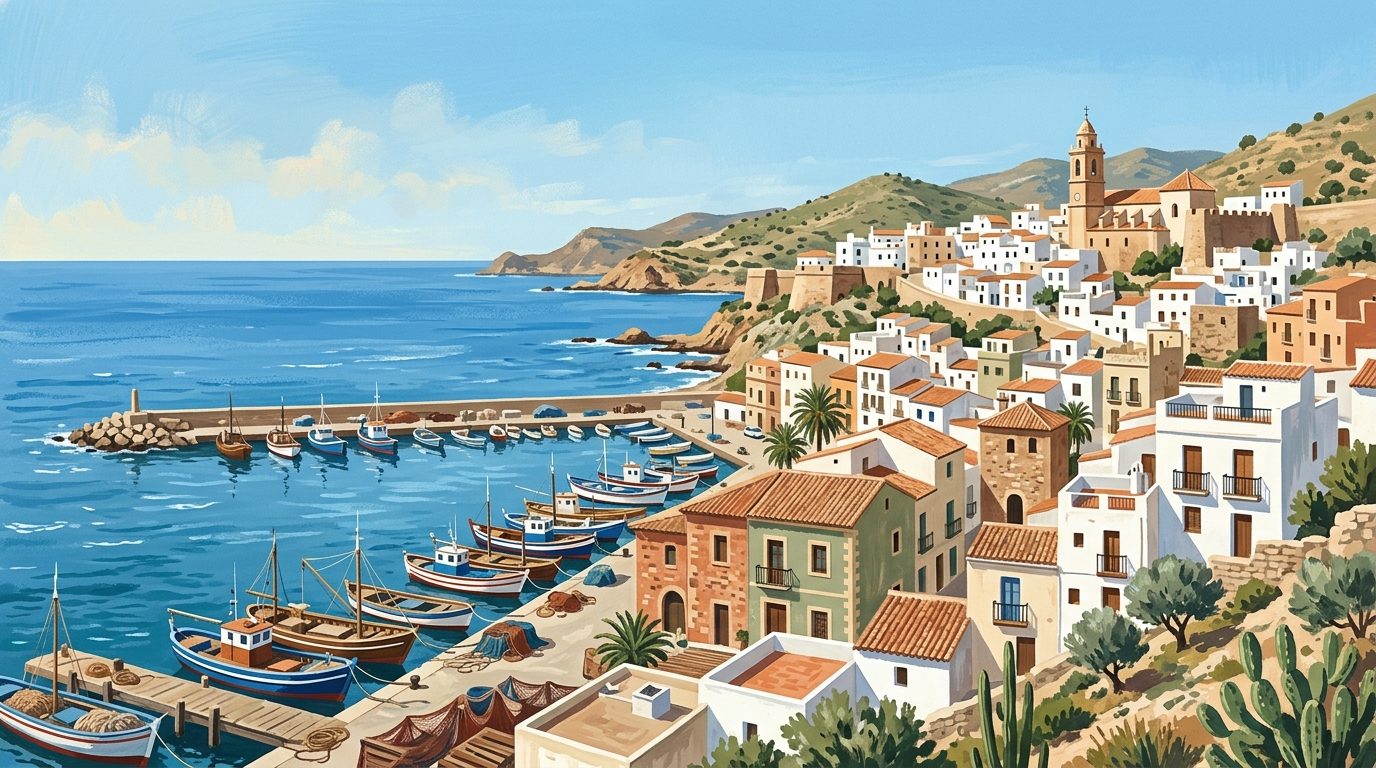
Garrucha is a working town, and that is its greatest strength. It lacks the tourist-centric polish of its neighbours, offering instead an authentic look at Almerian maritime life. The town is famous for its Gamba Roja (red prawn), a delicacy pulled from the deep trench just off the coast. Every afternoon, you can watch the fishing fleet return to the harbour and witness the subasta (fish auction) at the Lonja, where the day’s catch is sold to local restaurateurs.
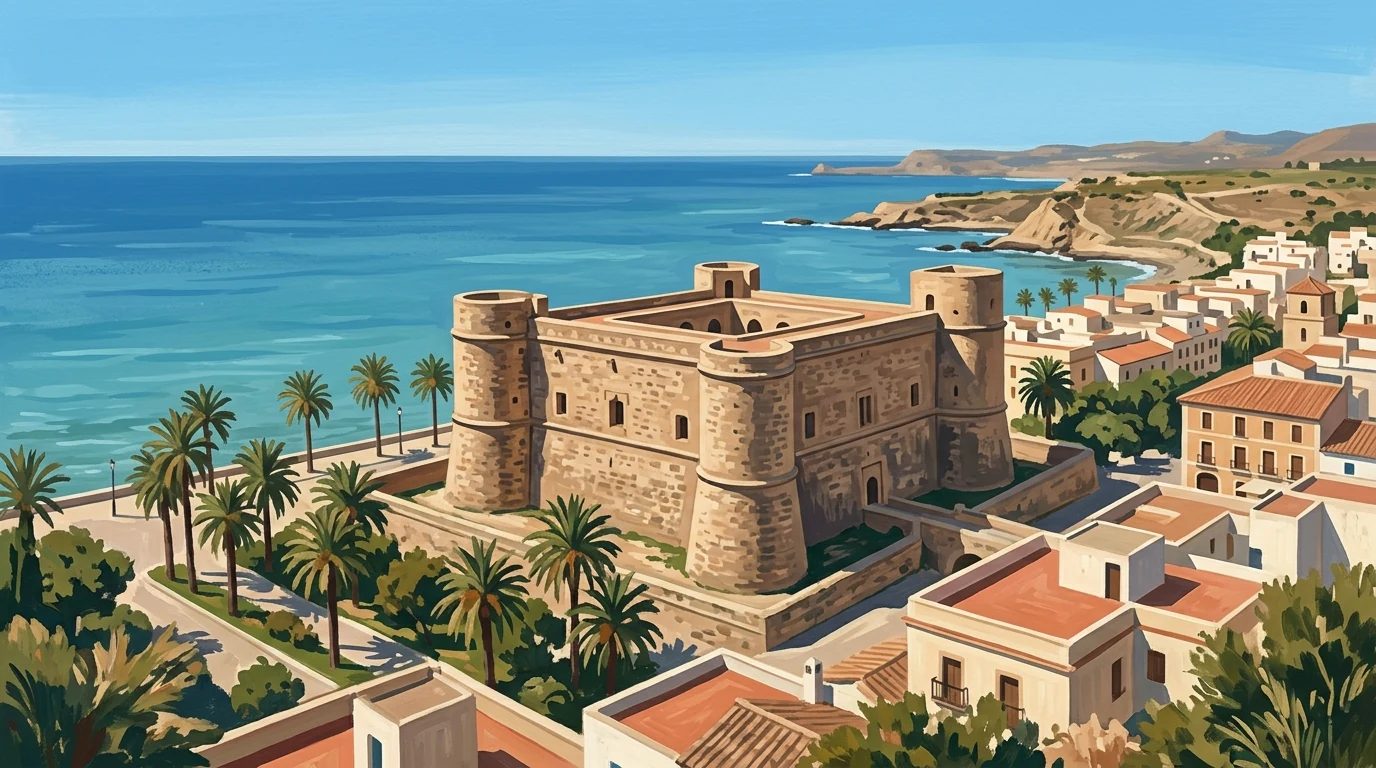
The heart of the town is the Paseo Marítimo, a long promenade constructed from Macael marble, which stays cool even in the height of August. It is the perfect spot for a paseo (evening stroll) alongside the locals. At the northern end of the harbour sits the Castillo de las Escobetas, an 18th-century fortress built to defend the coast against Barbary pirates. While the town’s beaches are functional, the real draw here is the gastronomy. Life in Garrucha revolves around the port; it is unpretentious, salty, and focused entirely on the quality of the sea’s bounty.
Read the full Garrucha guide →
Vera
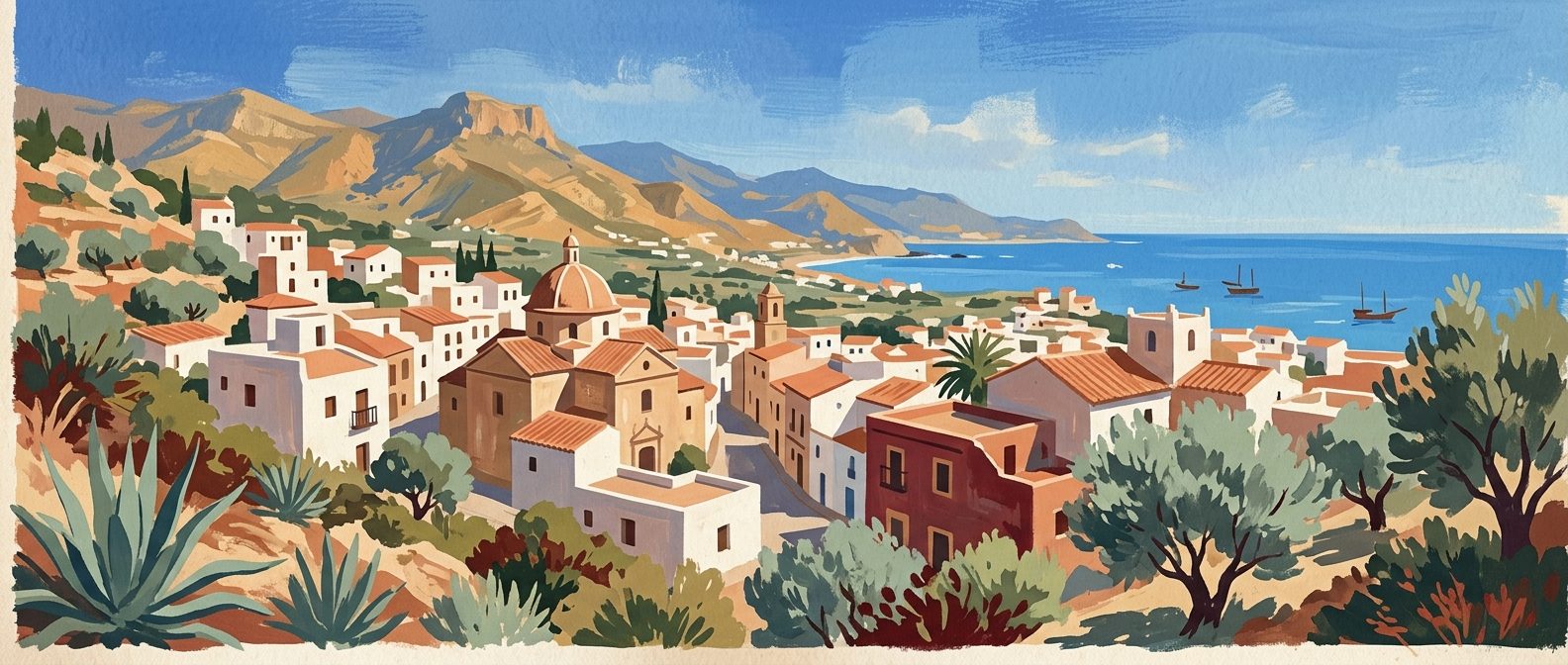
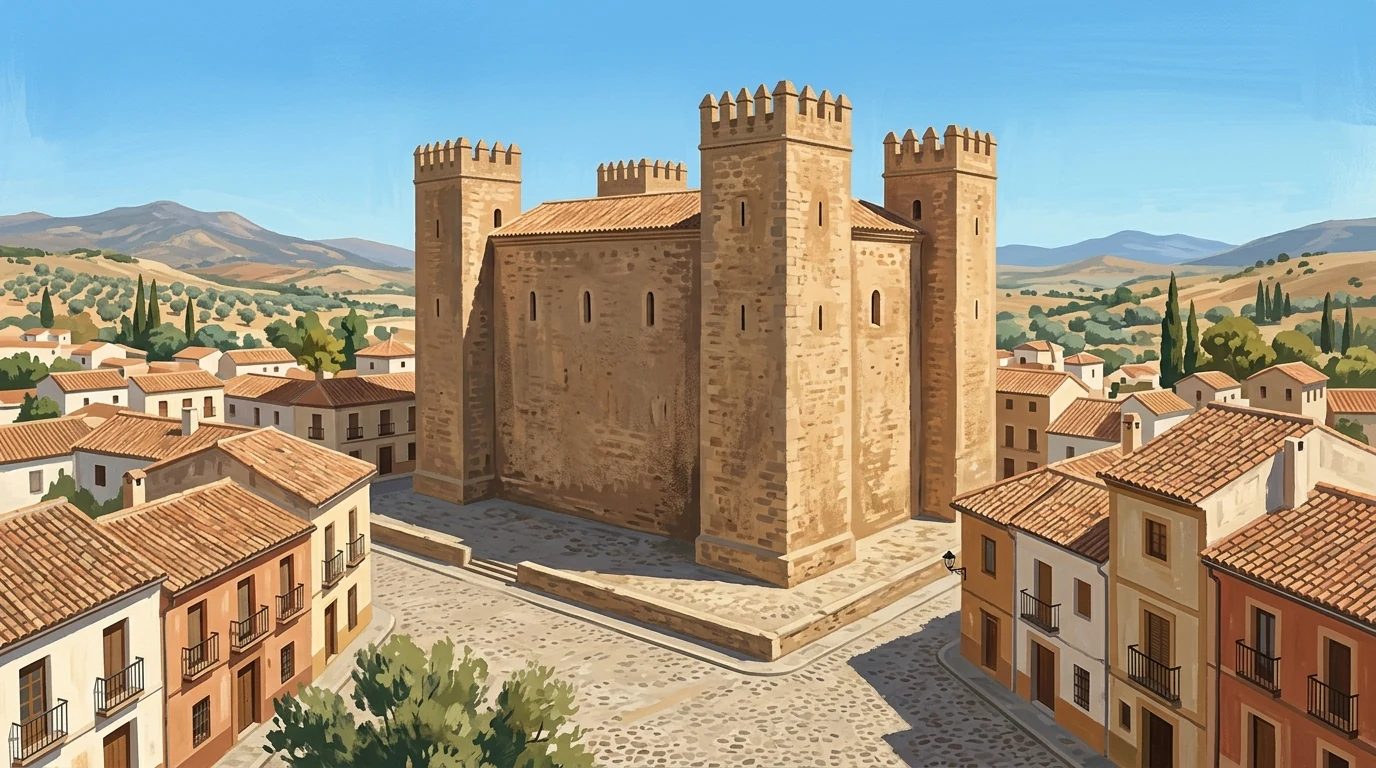
Vera is often misunderstood by those who only know its coastline. Vera Playa is internationally recognised for its naturist beaches and large holiday complexes, but the town of Vera itself sits seven kilometres inland and is steeped in tradition. The town was relocated here after a devastating earthquake in 1518, and its central square, Plaza Mayor, is home to the fortress-like Church of Nuestra Señora de la Encarnación, built with thick walls to protect the population from inland raids.
For a dose of local culture, visit the Plaza de Toros, which is one of the oldest bullrings in the province and houses a fascinating museum dedicated to the region’s history. If you are looking for nature, the Laguna de Puerto Rey at the mouth of the Antas River is an essential stop for birdwatchers, where flamingos and herons are frequently spotted. The beaches at El Playazo are vast, wide, and sandy, offering plenty of space even during the peak of summer. It is this combination of a historic, conservative inland town and a liberal, expansive coastline that gives Vera its unique character.
Eating & Drinking in Levante Almeriense & Coastal Towns
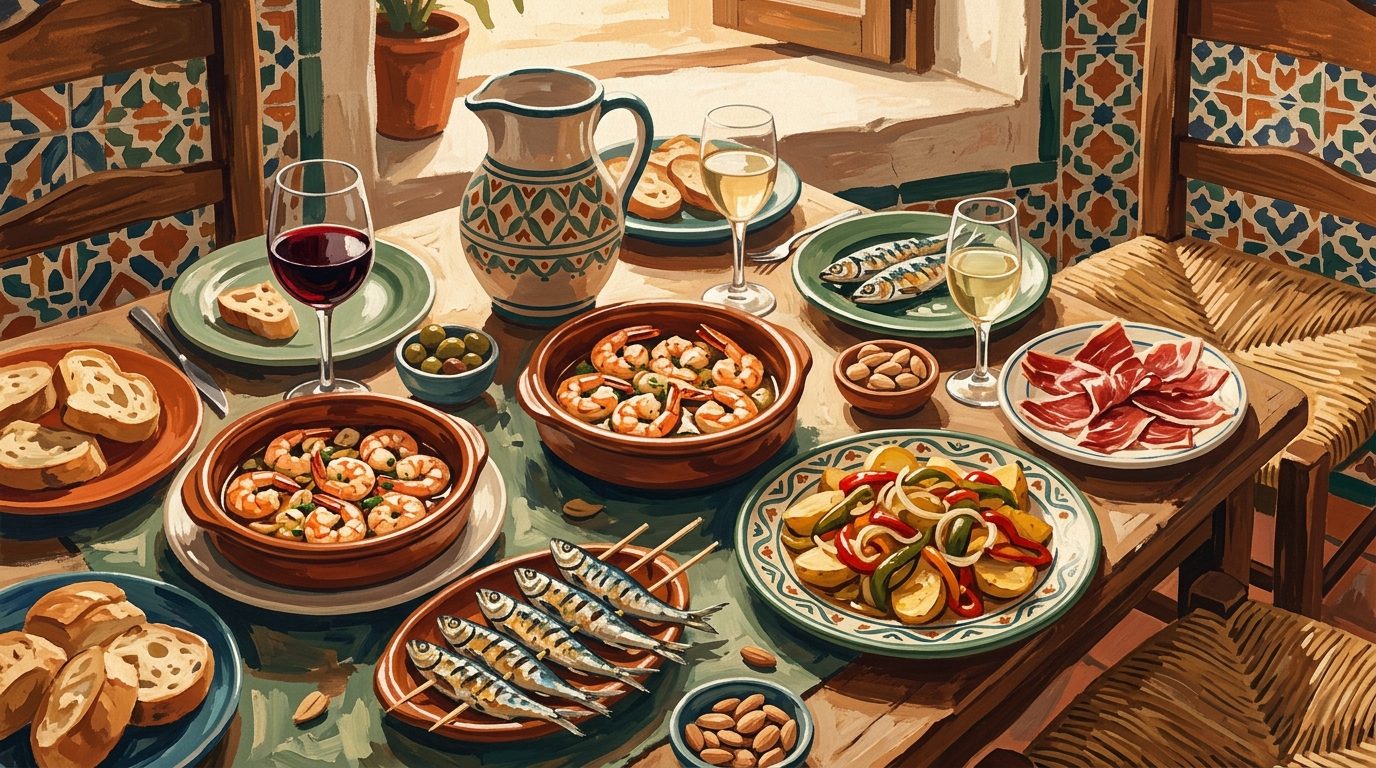
Seafood is the undisputed king of the table in this region. In Garrucha, you must try the red prawns, but be prepared for the price; they are a luxury item sold by weight. Restaurante Escánez on the seafront is an institution for this. For something more rustic, look for Gurullos con Conejo (small pasta grains with rabbit), a traditional Almerian mountain dish that bridges the gap between the coast and the interior. Terraza Carmona in Vera is perhaps the most famous restaurant in the district, known for elevating these humble local recipes into fine dining experiences.
In Mojácar Pueblo, the dining scene often prioritises the view, but Restaurante Cabo Norte offers a menu that focuses on local ingredients with a modern twist, such as octopus with truffle mash. For a casual lunch, seek out a chiringuito (beach bar) that serves espetos (skewers) of sardines grilled over olive wood. Wash it all down with a glass of local Almerian wines (IGP Laujar-Alpujarra or Desierto de Almería), produced in the nearby volcanic soils. If you are in Vera, stop at any local bakery for Torticas de Avío, a savoury flatbread seasoned with oil and salt that has been a staple of the local diet for centuries.
Where to Stay
For those seeking character, the boutique hotels in Mojácar Pueblo are unbeatable. Hotel Mamabels offers rooms with terraces that look out over the Mediterranean, providing a peaceful retreat from the busier beach areas. If you prefer to be by the water, the Parador de Mojácar is a reliable choice, set back slightly from the beach with excellent gardens and a focus on traditional Almerian architecture.
In Garrucha, accommodation is more functional, often consisting of apartments, but it places you within walking distance of the best seafood restaurants. For a more secluded experience, look for a cortijo (traditional farmhouse) in the surrounding countryside of the Sierra Cabrera. These rural stays offer a quiet alternative, surrounded by olive and almond groves, yet remain only a fifteen-minute drive from the coast.
Getting There & Around
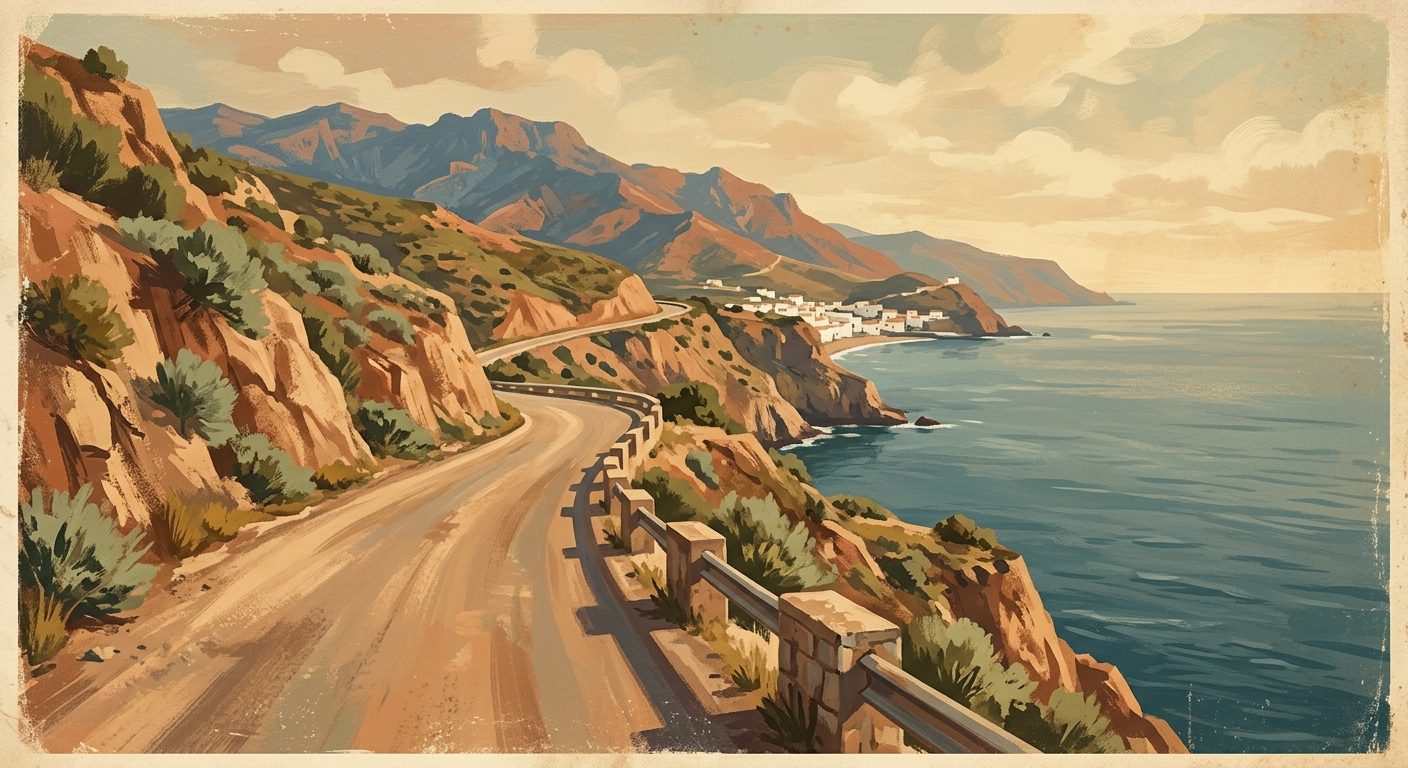
The region is best accessed via Almería Airport (LEI), which is roughly a 50 to 60-minute drive away. Alternatively, Murcia-Corvera (RMU) is about an hour and ten minutes to the north. A car is essential here; while there are local buses connecting Mojácar, Garrucha, and Vera, they are infrequent and do not reach the more interesting coastal coves or inland trails. The AL-5107 is the main coastal road, offering spectacular views as it winds between Mojácar and Carboneras. Parking in Mojácar Pueblo can be difficult in summer, so use the large public car park at the entrance to the village.
Best Time to Visit
The best time to visit is during the shoulder seasons of May to June or September to October. During these months, the seawater is warm enough for swimming, but the intense heat of the Almerian desert summer is manageable. July and August can be punishingly hot, with recent heatwaves pushing temperatures above 40°C in these desert-fringe areas, and the coastal towns become significantly more crowded. For those interested in local culture, the Moros y Cristianos (Moors and Christians) festival in Mojácar, held in mid-June, is a spectacular display of parades and historical re-enactments that brings the entire region to life.