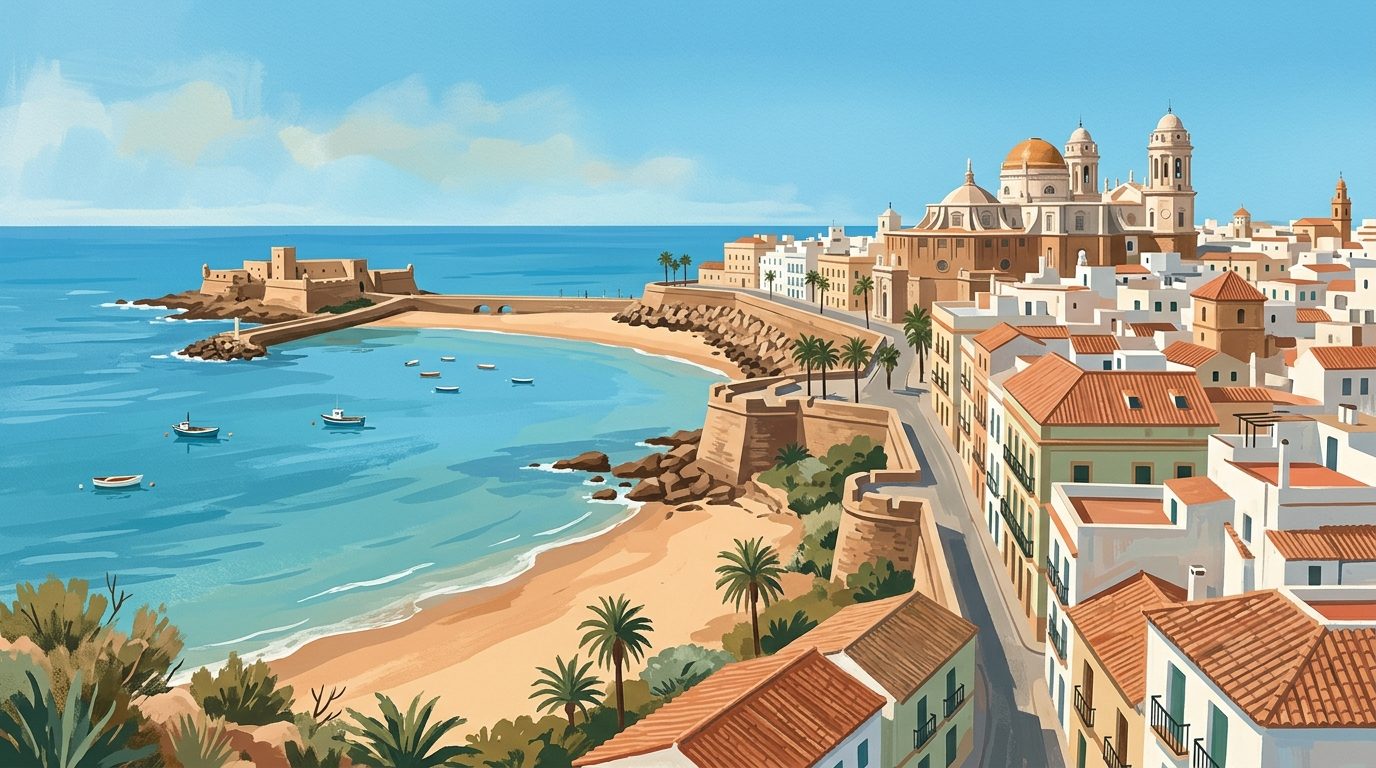
Cádiz serves as a bridge across three millennia, where Phoenician roots meet the salt-sprayed ramparts of the Atlantic. The Old Town remains a compact labyrinth of limestone houses, leading inevitably to the amber sands of La Caleta.
Cádiz is unique among Andalucían cities. While others are defined by their Moorish palaces or rolling olive groves, Cádiz is defined by the sea. Often cited as the oldest continuously inhabited city in Western Europe, it was founded as Gadir by Phoenician sailors around 1100 BC. Today, the Old Town (Casco Antiguo) feels like an island, separated from the modern sprawl by a narrow isthmus and a formidable set of stone walls.
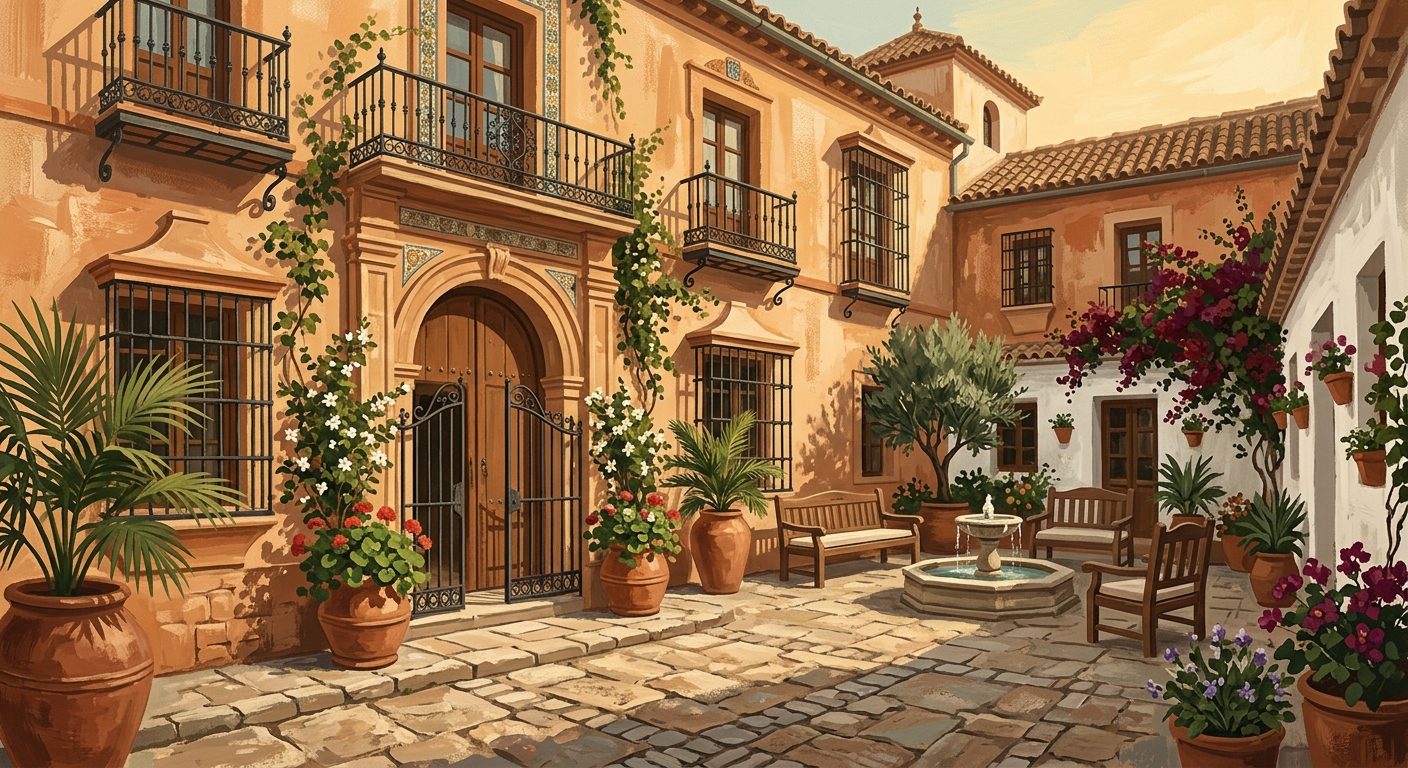
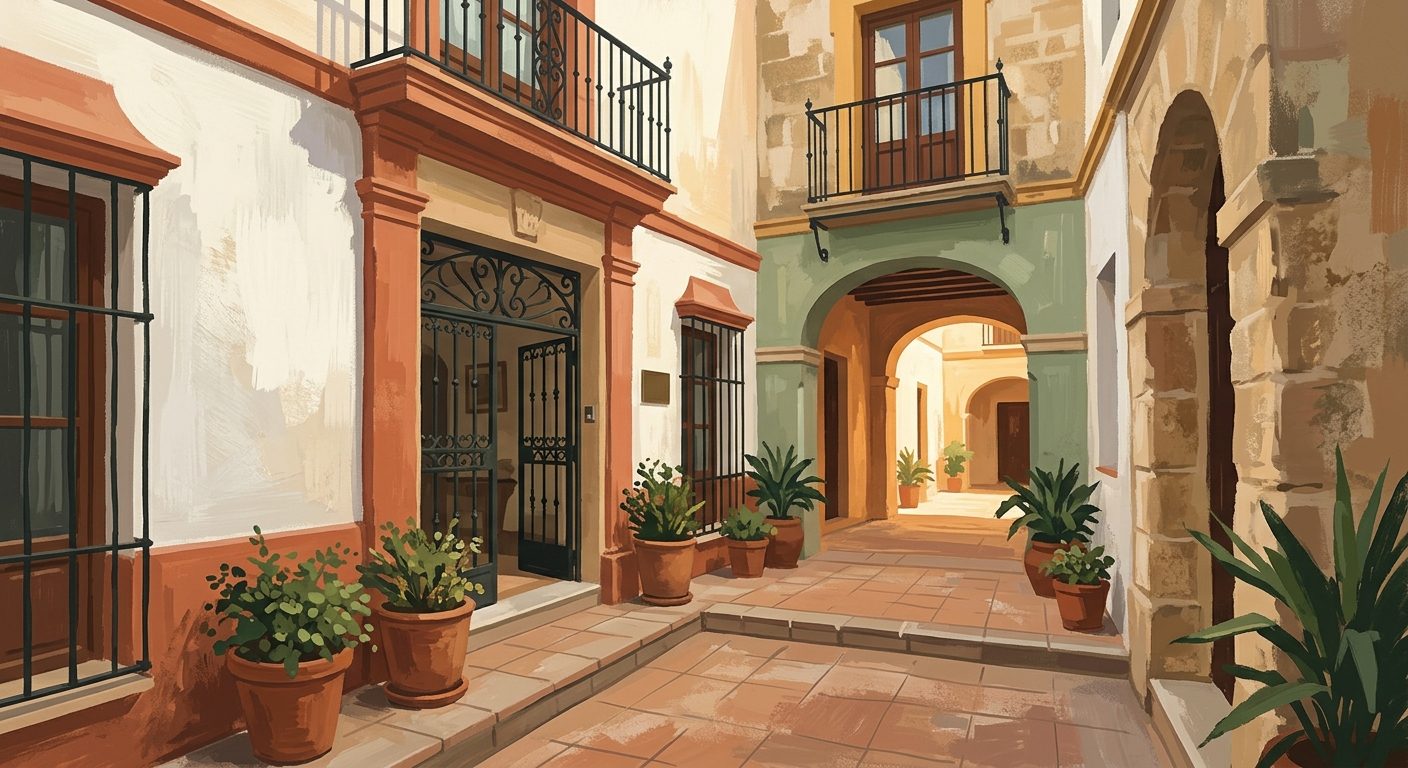
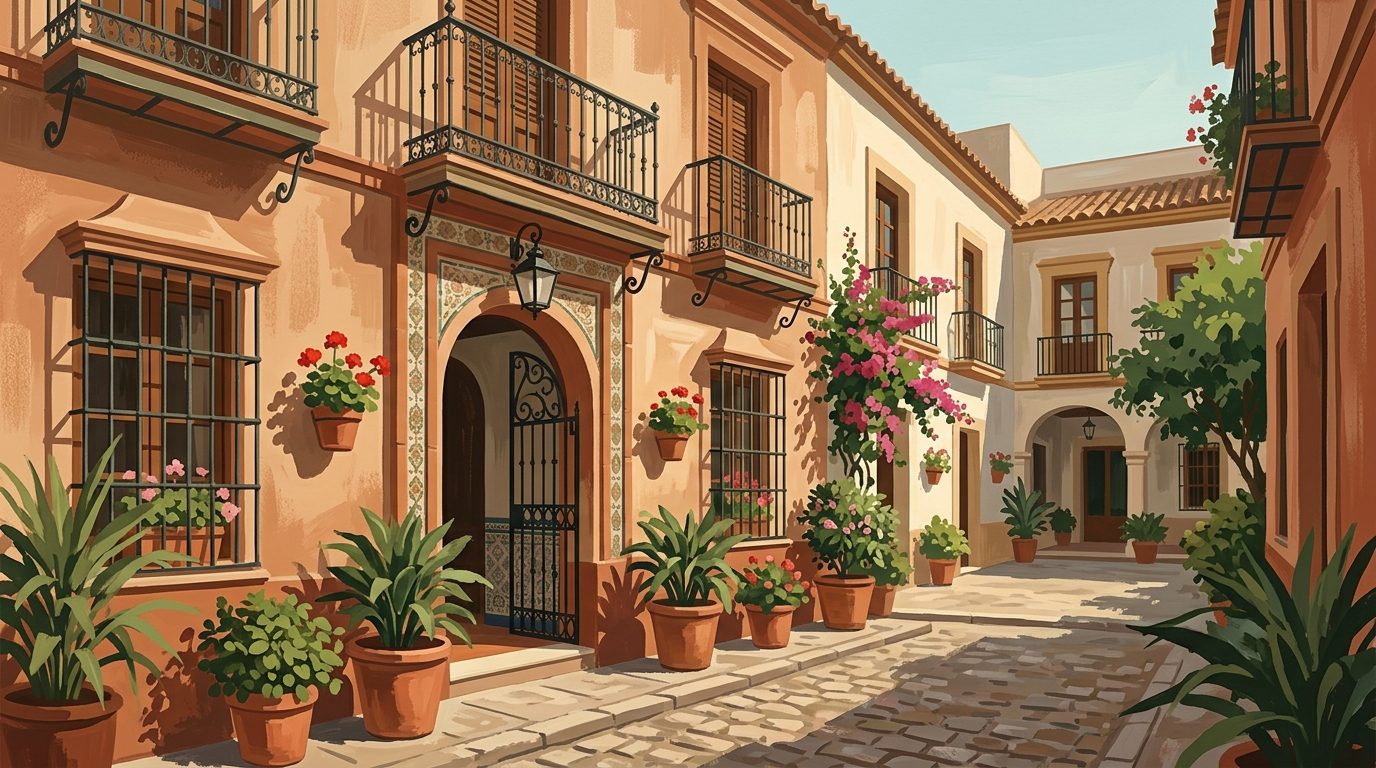
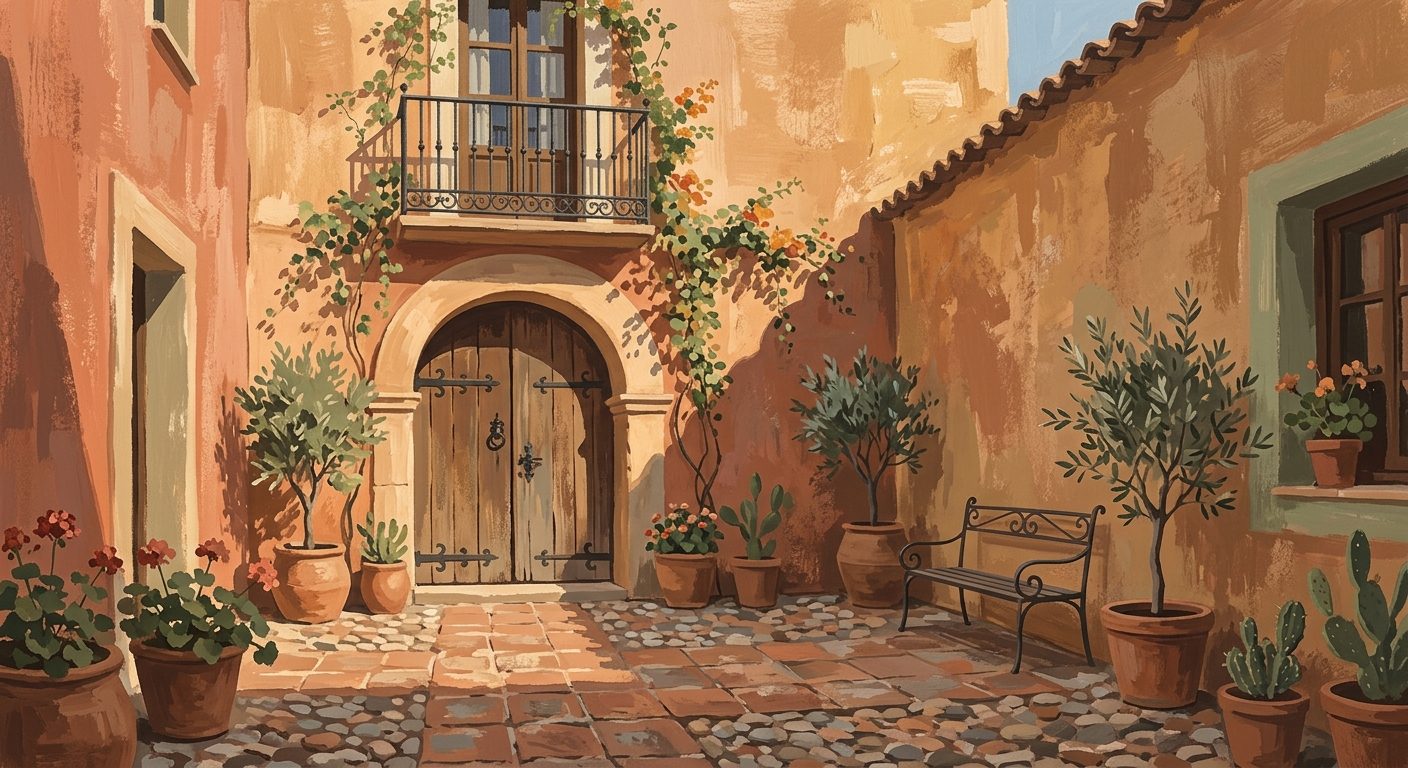
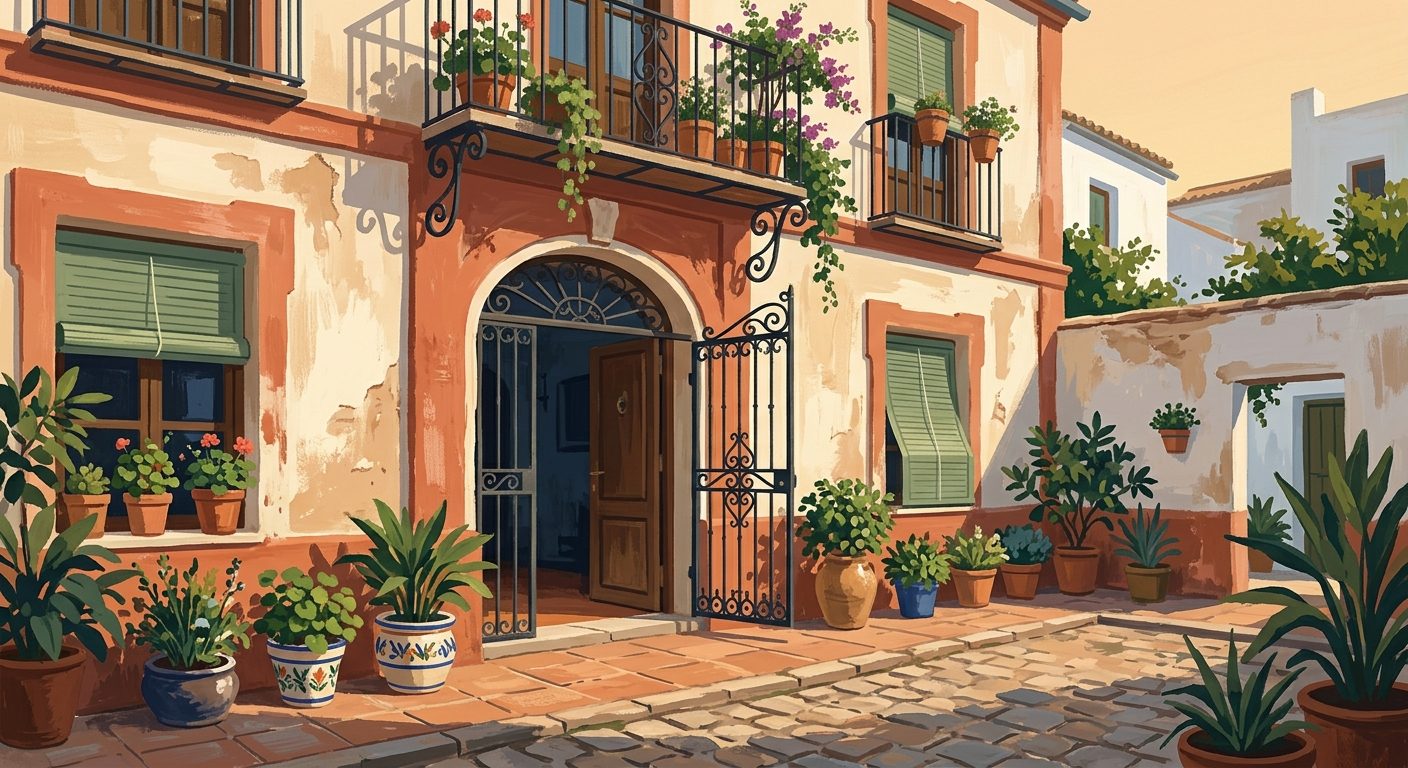
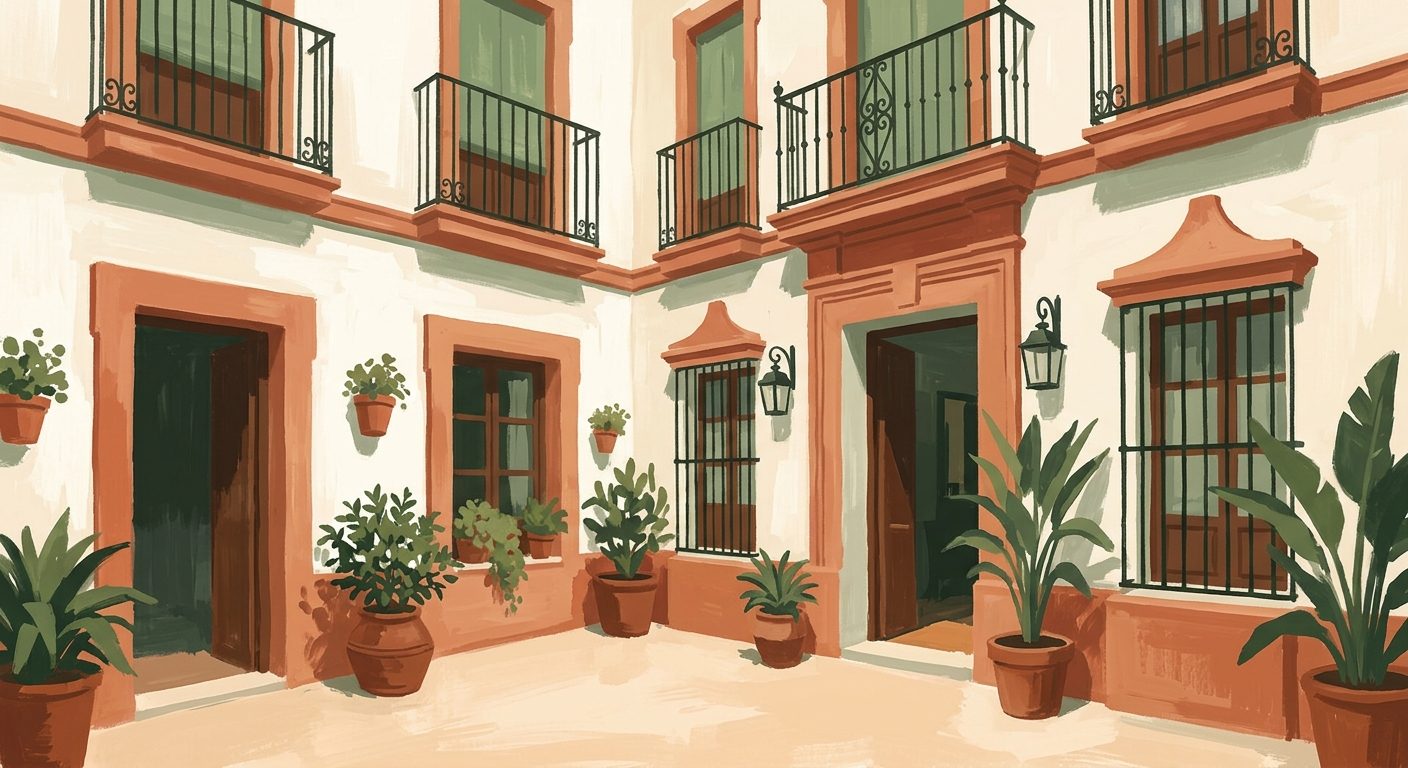
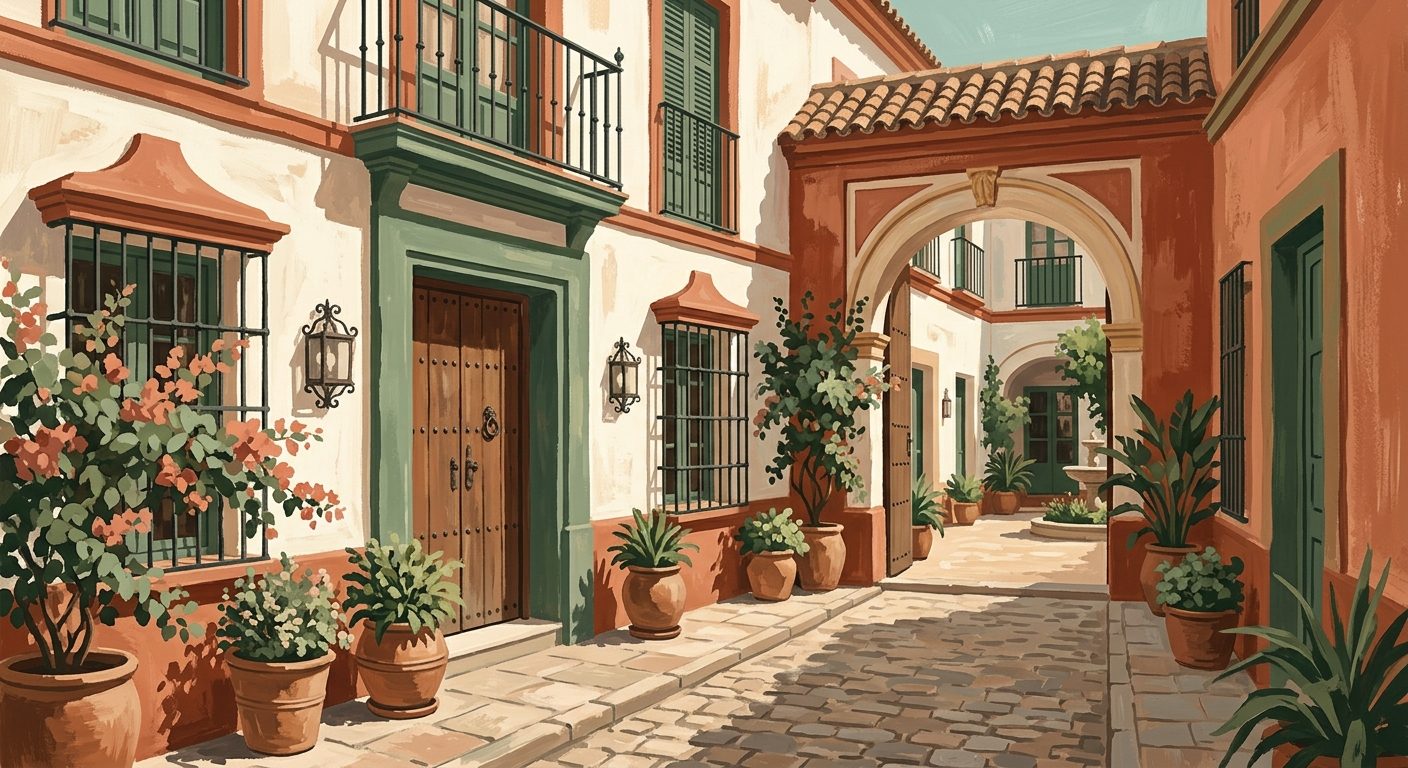
Walking through the historic centre involves navigating a grid of narrow, high-walled lanes designed to provide shade and funnel the ocean breezes. The atmosphere is distinct: salty, sun-bleached, and intensely local. At the western edge lies La Caleta, a small, curved beach that has served as a natural harbour for centuries and remains the spiritual heart of the city's maritime identity.
What to See & Do
Cádiz Cathedral and the Clock Tower
The Cathedral of the Holy Cross over the Sea is the city's most recognisable landmark, primarily due to its striking yellow-tiled dome that catches the evening light. Construction began in 1722 during the city's "Golden Age" of trade with the Americas and took 116 years to complete, resulting in a blend of Baroque and Neoclassical styles. Inside, the vast space is cool and sombre, housing a magnificent cedar choir. Do descend into the crypt, where the stone is damp with the proximity of the Atlantic, to find the tomb of composer Manuel de Falla. Your ticket includes access to the Torre de Poniente (Clock Tower), which offers a panoramic view over the white rooftops and the ocean beyond.
Torre Tavira and the Camera Obscura
During the 18th century, Cádiz had over 160 watchtowers, used by merchants to spot their returning cargo ships. Torre Tavira was the official lookout because it stands at the city's highest point. Today, it houses a Camera Obscura, an optical system of lenses and mirrors that projects a live, moving image of the city onto a white concave screen. A guide provides a 15-minute commentary, showing you the laundry drying on roof terraces and the ships in the bay in real-time. It is one of the best ways to orient yourself within the tangled streets.
La Caleta Beach and the Twin Castles
La Caleta is not just for sunbathing; it is a living museum. Small fishing boats (barquillas) still bob in the shallows, and the beach is flanked by two historic fortresses. To the north stands the Castillo de Santa Catalina, a star-shaped 17th-century fort used as a military prison and now a cultural space. To the south, a long stone causeway leads out to the Castillo de San Sebastián. Note that while the walk is scenic, the interior of the fortress undergoes long-term restoration (currently closed as of June 2026); check current access status locally or via the official tourist board before visiting. Between them sits the elegant, white-painted Balneario de la Palma, a former spa building that now houses the Underwater Archaeology Centre.
Gran Teatro Falla
This striking Neomudéjar building, with its red-brick arches and Moorish influence, is the home of the world-famous Cádiz Carnival. While it hosts opera, theatre, and music throughout the year, it is most revered in February when the city's singing troupes (chirigotas and comparsas) compete on its stage. Even if there is no performance, the exterior is worth a visit for its architectural detail.
Practical Information
Cádiz Cathedral: Open Monday to Saturday 10:00 to 20:00, Sunday 13:30 to 20:00. General admission is €10, which includes the museum and clock tower (check the official Cathedral website for the latest prices and schedules before travelling). Reduced rates are available for seniors and students.
Torre Tavira: Open daily. October to April 10:00 to 18:00, May to September 10:00 to 20:00. Tickets cost €8 (€6 reduced). Booking online via the official website in advance is essential as the Camera Obscura sessions have limited capacity.
Castillo de Santa Catalina: Generally open 11:00 to 19:30 (extended in summer). Admission is typically free for the main grounds and temporary exhibitions.
How to Get There: Cádiz is well-connected by train. Direct Media Distancia (MD) services run from Sevilla Santa Justa roughly every hour, taking about 1 hour and 40 minutes (€11 to €25). The train station and bus station are adjacent, located just outside the old city walls.
Parking: Driving into the Old Town is discouraged due to the extremely narrow streets and pedestrianised zones. Use the underground car parks on the perimeter. The Parking Canalejas (Avenida del Puerto) and Parking Santa Bárbara (near Genovés Park) are reliable options, costing roughly €20 per 24 hours.
Where to Eat Nearby
In the Barrio de la Viña, the district bordering La Caleta, seafood is king. Taberna Casa Manteca on Calle Corralón de los Carros is a local institution, famous for its cured meats served on wax paper and its bullfighting memorabilia. For a more refined experience, El Faro de Cádiz is renowned for its tortillitas de camarones (crispy shrimp fritters). For fresh produce and a quick lunch, the Mercado Central de Abastos has a dedicated gastronomic corner where you can sample local cheeses, fried fish, and sherry from the barrel.
Where to Stay
The Parador de Cádiz is a sleek, modern contrast to the historic surroundings, offering Atlantic views and a pool right near Genovés Park. For a more intimate feel, Hotel Casa Cánovas is a beautifully restored 17th-century house in the heart of the Old Town, featuring a rooftop terrace. For budget-conscious travellers, the area around Plaza de las Flores provides several guesthouses (pensiones) that place you within walking distance of both the Cathedral and the beach.